Can Protein Make You Poop More?
Here's What Happens in Your Gut
So, you've been hitting the gym hard, maybe chugging a protein shake or two, and now you're wondering, 'Can protein make me poop?
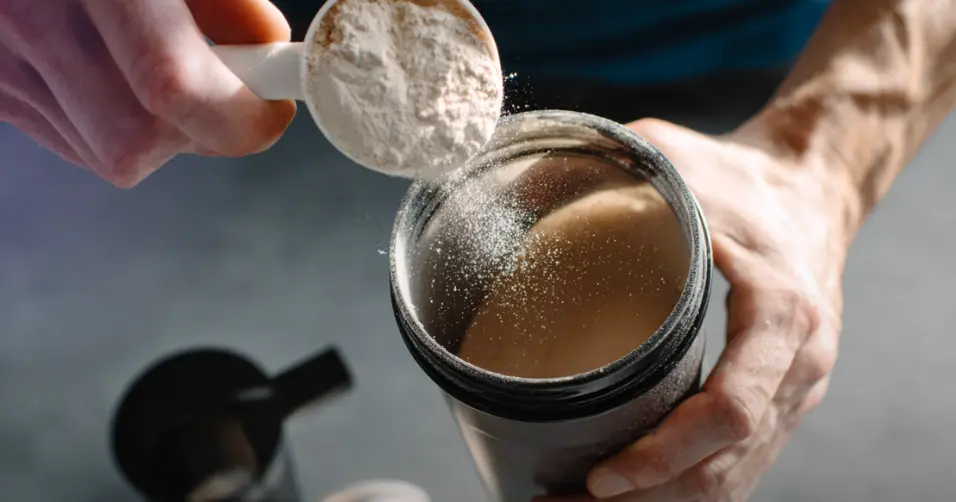
Whey Protein
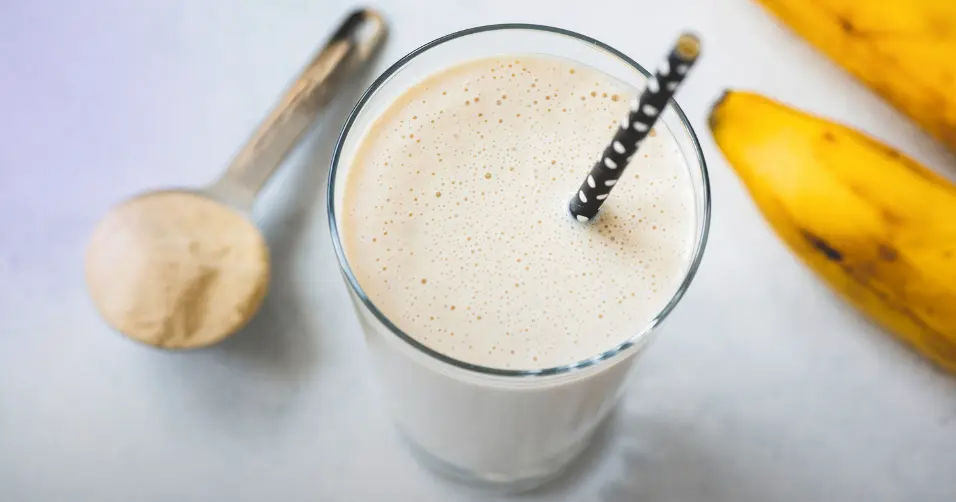
Top Lactose-Free Protein Options for Sensitive Stomachs

Soy Protein
Rice Protein
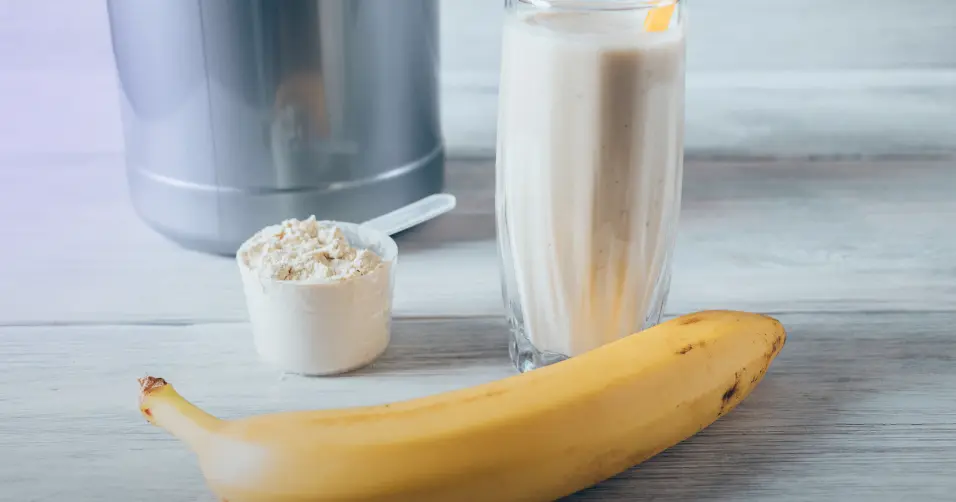
Plant-Based Protein

Pea Protein
Leucine
Lactose-Free Protein

Is Milk Good for Muscle Growth

Is a Protein Shake a Good Breakfast
How to Get 100 Grams of Protein a Day
How Long Does Protein Powder Last

How Is Protein Powder Made
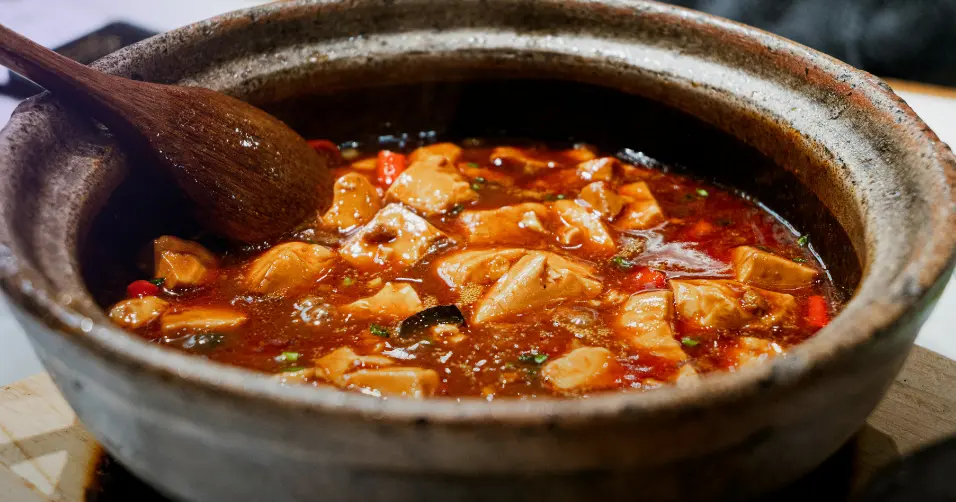
High-Protein Vegan Meals That Boost Muscle and Energy

High-Protein Chicken Recipes for Muscle Building

Gluten-Free Protein

Does Protein Keep You Awake

Cheap and Easy High-Protein Meals for Busy Days

Casein Protein

Can Protein Make You Poop More?
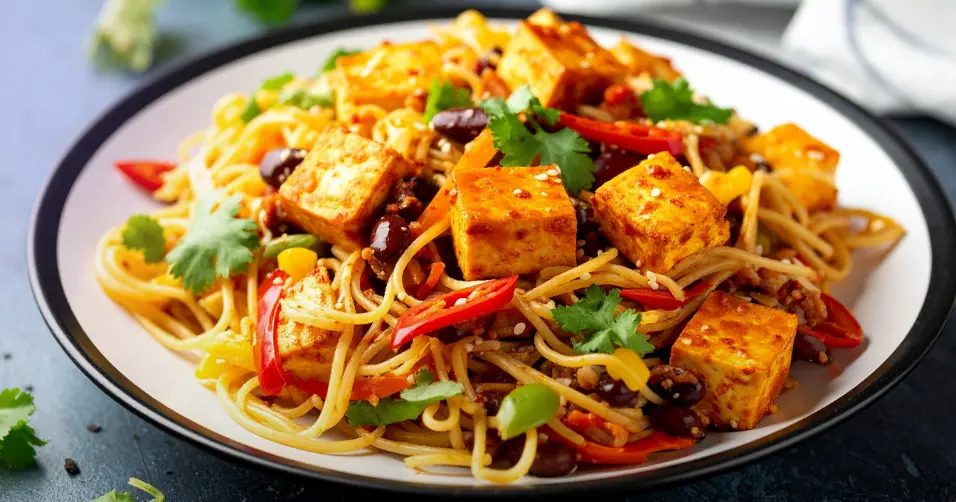
Best Vegetarian Protein Sources

10 Best Seafood Protein Sources to Add to Your Diet
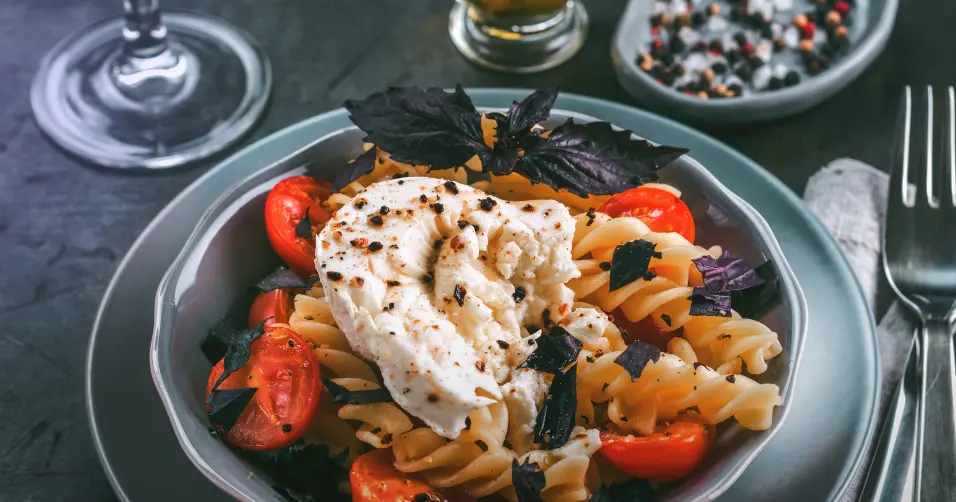
10 Best High-Protein Vegetarian Foods for Every Meal

10 Best High-Protein Vegan Foods for Plant-Based Diets
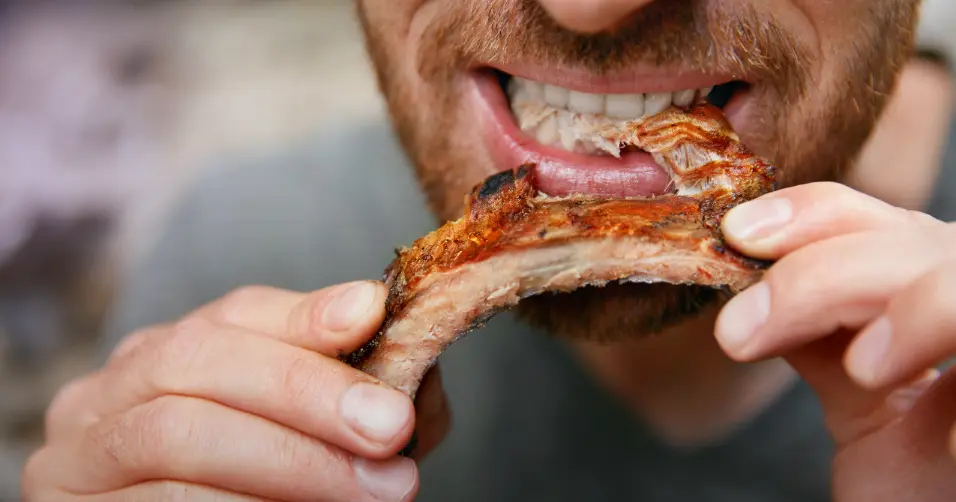
10 Best High-Protein Meat Dishes for Muscle Growth

10 Best High-Protein Chicken Dishes You’ll Crave

10 Best Cheeses High in Protein for Healthy Diets

8 Healthy High-Protein Dinners You’ll Want Every Night
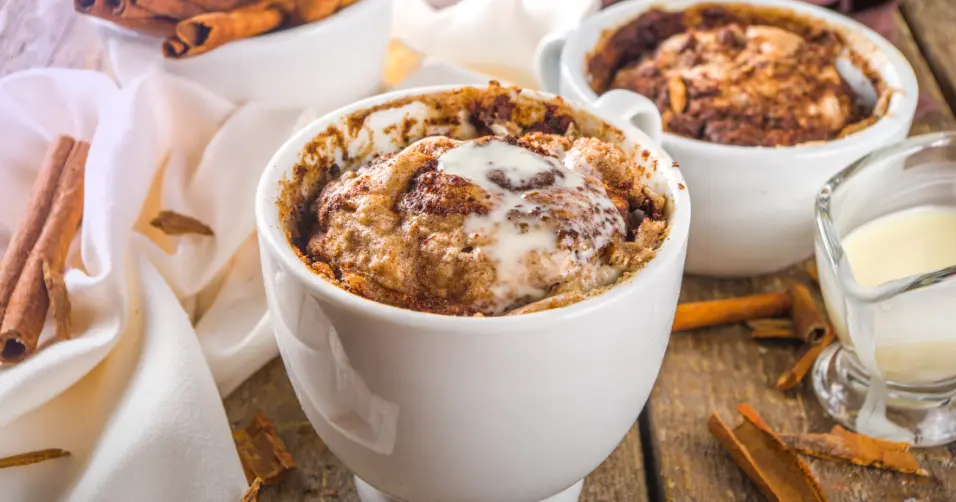
2-Minute Protein Mug Cake Recipe
So, you've been hitting the gym hard, maybe chugging a protein shake or two, and now you're wondering, 'Can protein make me poop?
' It's a question a lot of people have, especially after a particularly... eventful trip to the bathroom. While protein is super important for, you know, building muscle and stuff, it's not always the direct cause of your sudden urge to go. Sometimes, it's what's in your protein source that's the real troublemaker. Let's break down what's really going on.
Does Eating Protein Make You Poop?
Yes, eating protein can stimulate bowel movements because it increases metabolism and digestive activity.
Eating protein can influence bowel movement frequency depending on intake and balance. Moderate amounts support regularity when combined with fiber. Very high-protein, low-fiber diets may cause constipation. Hydration is key to maintaining smooth digestion. Balanced meals prevent either extreme.
Fiber intake counteracts the slowing effect of protein-heavy diets.
Hydration keeps stool soft and promotes gut motility.
Overconsumption of protein shakes may reduce digestive efficiency.
Adding vegetables or grains balances intestinal function.
Does Protein Make You Poop Or Constipated?
Protein may cause constipation if fiber and hydration are low, but it can also increase bowel regularity with balanced meals.
Protein can make you poop or constipated depending on hydration and fiber balance. High protein with low fiber slows digestion, while proper hydration normalizes it. Diets high in meat or shakes but low in vegetables often cause constipation. Including plant foods restores natural bowel movement. Moderation and water intake prevent digestive discomfort.
Low-fiber, high-protein diets may lead to firmer stools or irregularity.
Adding fruits, vegetables, and whole grains offsets protein’s slowing effect.
Hydration ensures smooth digestion and regular elimination.
Balanced nutrition prevents both constipation and excessive bowel frequency.
Do Protein Shakes Make You Poop?
Protein shakes may increase bowel movements for some people because of lactose or added sweeteners in protein drinks. High protein intake can also alter gut bacteria balance, affecting digestion. Those with lactose intolerance often experience bloating or mild diarrhea from certain protein powders. Drinking more water and using lactose-free options can reduce these effects. Regular users usually adapt after a few weeks as the digestive system adjusts.
Artificial sweeteners like sorbitol or sucralose may cause mild digestive upset in sensitive individuals.
Consuming adequate fiber helps balance digestion when protein intake rises significantly.
Plant-based protein blends often digest easier for those prone to stomach discomfort.
Gradually increasing protein dosage helps the gut adapt without excessive gas or bloating.
Can Protein Powder Cause Diarrhea?
Yes, protein powder can cause diarrhea, especially if it contains lactose or artificial sweeteners.
Protein powder can cause diarrhea if taken in excess or poorly digested. Some formulas contain lactose, artificial sweeteners, or additives that irritate the gut. Starting with smaller doses helps assess tolerance. Choosing clean, simple-ingredient powders improves digestion. Persistent issues may require switching to another protein source.
Lactose intolerance is a common reason for protein-related diarrhea.
Sugar alcohols like sorbitol and sucralose can trigger loose stools.
Hydration and fiber intake stabilize digestion with high protein diets.
Blending with oats or banana can reduce digestive shock.
What About Bars? Do Protein Bars Make You Poop?
Yes, some protein bars can make you poop if they contain fiber, sugar alcohols, or high protein amounts.
Protein bars may make you poop depending on fiber, sugar alcohol, and additive content. High-fiber varieties promote bowel movement, while certain sweeteners can cause laxative effects. Overeating bars can lead to bloating or cramps. Moderation ensures digestive comfort and nutrient absorption. Hydrating well supports smoother digestion after intake.
Bars with inulin or chicory root increase stool frequency naturally.
Sugar alcohols may draw water into intestines causing loose stools.
Balanced bars with moderate fiber improve satiety without discomfort.
Limiting to one bar daily prevents excessive digestive load.
Can Lactose In Protein Shakes Cause Gas?
Yes, lactose in protein shakes can cause gas and bloating for lactose-intolerant individuals.
Lactose in protein shakes can cause gas in sensitive individuals. Undigested lactose ferments in the gut producing bloating and discomfort. Using lactose-free protein or adding lactase enzyme can prevent this. Gradual introduction allows the digestive system to adapt. Ensuring hydration also reduces intensity of symptoms.
Lactose content varies, with isolates being lower than concentrates.
Fermentation by gut bacteria releases gas leading to bloating.
Lactase supplements improve tolerance for dairy-based shakes.
Non-dairy alternatives eliminate lactose-related side effects.
What Are The Best Proteins For Sensitive Stomachs?
Best proteins for sensitive stomachs include pea, rice, and hydrolyzed whey protein.
The best proteins for sensitive stomachs include whey isolate, pea protein, and rice protein. These are low in lactose, fats, and artificial additives. Hydrolyzed whey is another gentle option due to partial pre-digestion. Avoid blends with artificial sweeteners or gums that can irritate digestion. Testing small servings helps identify the most tolerable type.
Whey isolate offers fast absorption with minimal lactose content.
Pea and rice proteins suit vegan or lactose-intolerant users well.
Hydrolyzed forms aid rapid digestion and reduce gastric stress.
Clean, additive-free options improve long-term gut comfort and consistency.
Does Timing Of Protein Intake Affect Digestion?
Yes, protein timing can affect digestion, with smaller, spaced meals being easier to digest.
Timing of protein intake affects digestion rate and utilization. Spacing protein evenly through the day improves absorption efficiency. Large doses at once can slow digestion and waste amino acids. Post-workout and pre-sleep timing both enhance specific recovery phases. Consistency matters more than exact hour for long-term muscle gain.
20–30 gram portions per meal optimize muscle synthesis responses.
Even distribution prevents strain on digestive enzymes.
Late-night casein supports overnight anabolism without heaviness.
Post-exercise intake replenishes amino acid supply quickly.
Does Fiber Help Balance High Protein Diets?
Yes, fiber helps balance high-protein diets by supporting digestion and preventing constipation.
Fiber helps balance high-protein diets by improving digestion and bowel movement regularity. It adds bulk to stool and promotes healthy gut bacteria. High-protein meals without fiber can slow transit time causing constipation. Including fruits, vegetables, and whole grains corrects this imbalance. Hydration complements fiber’s effectiveness.
Soluble fiber forms gels that ease digestion alongside dense protein meals.
Insoluble fiber accelerates intestinal passage reducing discomfort.
Balanced intake supports nutrient absorption and gut microbiome.
Gradual increase in fiber avoids bloating during adaptation.
Harald Ragnarok, Editor in Chief, Myopedia