Hormone Support
Hormone Support: What It Is and How It Works
Hormone support refers to nutrients and herbs like maca and DIM that may help balance endocrine function by regulating cortisol, thyroid hormones, and sex hormones like estrogen and testosterone. These supplements are often used to support stress management, metabolism, and reproductive health.

Hormone Support, often called hormone therapy (HT), is mainly used to help manage symptoms that come with menopause by replacing hormones your body isn't making as much of anymore, like estrogen.
While older studies raised concerns, current expert advice suggests that for many healthy women under 60 or within 10 years of menopause, the benefits of Hormone Support for symptoms like hot flashes and bone protection often outweigh the risks.
There are different ways to get Hormone Support, including pills, patches, gels, and vaginal treatments. The best form and dose depend on your specific symptoms and health history.
Bioidentical hormones have the same molecular structure as your body's natural hormones. However, FDA-approved options are tested for safety and effectiveness, unlike some custom-compounded versions.
Deciding on Hormone Support is a personal choice. It's really important to talk with a healthcare provider who knows about menopause to figure out the right plan for you, considering both the good and the potential downsides.
This article is educational and not intended to diagnose, treat, or suggest any specific intervention, and should not replace qualified medical advice.





Understanding Hormone Support
So, you're curious about hormone support? It's a topic that comes up a lot, especially as people go through different life stages. Basically, hormone support, often called hormone therapy (HT), is a way to help manage symptoms that happen when your body's natural hormone levels change. Think of it like topping up something that's running low.
What is Hormone Support?
Hormone support is a medical treatment designed to help with symptoms caused by a drop in natural hormones, most commonly estrogen and progestogens. For many, this drop happens during menopause, when the ovaries stop producing as much estrogen. This can lead to a whole host of uncomfortable issues. It's not just about hot flashes, though those are a big one. You might also notice changes in mood, sleep problems, or vaginal dryness. Hormone support aims to bring those hormone levels back up a bit, just enough to ease these symptoms.
How Hormone Support Works
When your body's hormone levels decrease, it can throw things off balance. Hormone support works by introducing hormones, usually estrogen and sometimes progesterone, into your body. These hormones are either identical to those your body makes or very similar. They then travel through your bloodstream to help regulate the systems that were affected by the natural decline. The goal is to restore a level that alleviates bothersome symptoms without causing new problems. It's a way to help your body function more comfortably during a time of natural transition.
Types of Hormone Support
There are a couple of main ways hormone support is categorized:
Systemic Hormone Therapy: This is when hormones are given in a way that affects your whole body. It's typically used for symptoms like hot flashes and night sweats that can happen all over. Think of pills, skin patches, gels, sprays, or even a vaginal ring that releases hormones into your bloodstream.
Low-Dose Vaginal Estrogen Therapy: This type is more focused. It's used specifically for symptoms affecting the vaginal area, like dryness or discomfort during sex. The estrogen is delivered directly into the vagina, usually through creams, tablets, or rings. Because it acts locally, very little of the hormone gets into the rest of your body, which means fewer potential side effects.
Benefits of Hormone Support
It's easy to hear about hormone support and wonder what it actually does for you. Beyond just managing those sometimes-unpleasant symptoms of menopause, hormone support can offer some pretty significant advantages for your overall health. Think of it as helping your body adjust to a new phase with more ease and protection.
Relief from Menopausal Symptoms
This is often the first thing people think of, and for good reason. As estrogen levels fluctuate and drop during menopause, many women experience hot flashes, night sweats, and sleep disturbances. Hormone support can effectively raise estrogen levels, though not back to premenopausal highs, to significantly reduce these vasomotor symptoms. It can also help with vaginal dryness, which can make intercourse uncomfortable, and sometimes even ease issues like an overactive bladder or recurring urinary tract infections.
Bone Health Protection
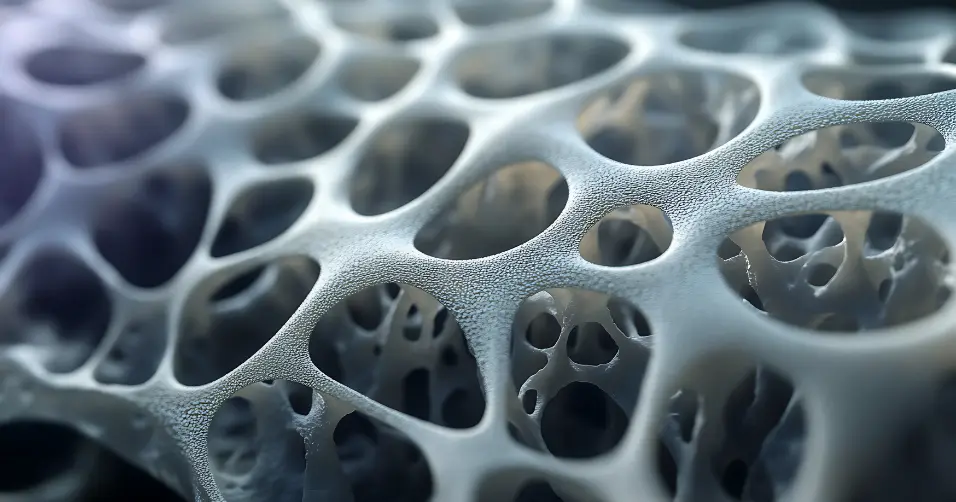
Osteoporosis, a condition where bones become weak and brittle, is a major concern as we age, especially after menopause. Estrogen plays a role in maintaining bone density. Hormone support, particularly when started earlier in the menopausal transition, can help prevent bone loss and reduce the risk of fractures later in life. This is a really important long-term benefit that can impact your mobility and independence.
Cardiovascular Health Advantages
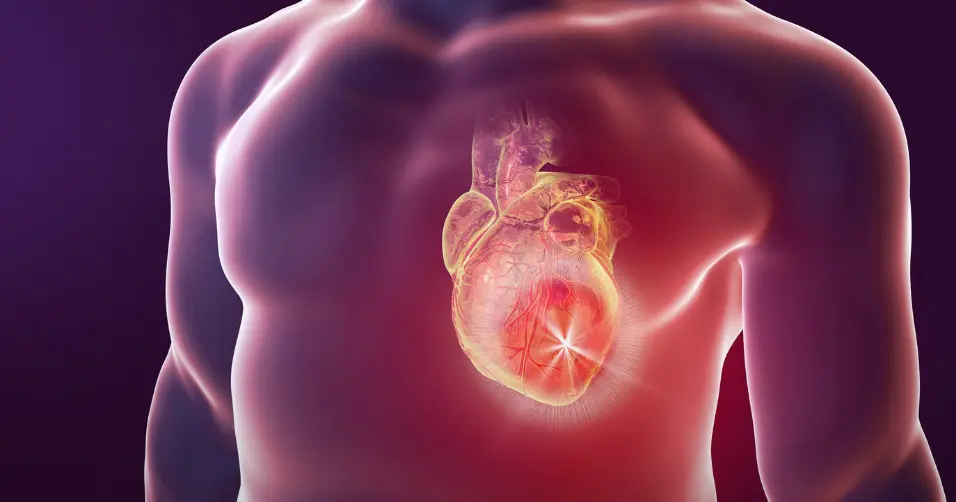
There was a time when hormone therapy was linked to increased heart risks, but newer research and understanding have clarified things. For women who start hormone support within 10 years of menopause and are otherwise healthy, it may actually help lower the risk of cardiovascular disease. It seems that starting it earlier, when the body's natural estrogen levels are declining, is key to this protective effect.
Reduced Risk of Diabetes
Studies have also shown a connection between hormone support and a lower risk of developing type 2 diabetes. While the exact mechanisms are still being explored, it's another potential health advantage that hormone support might offer, contributing to better metabolic health as women move through midlife and beyond.
Safety and Risks of Hormone Support
It's completely understandable to have questions about the safety of hormone support, especially with all the information out there. For a while, there was a lot of concern, largely stemming from some early studies in the 2000s. Those studies suggested hormone therapy might increase risks for things like heart attacks, strokes, blood clots, and breast cancer. However, it's important to know that the types of hormone therapy used in those older studies are often not the ones prescribed today. Plus, the women in those studies were generally older when they started, which is a key factor experts now consider.
Understanding Past Concerns
The initial worries about hormone therapy were significant. Studies like the Women's Health Initiative (WHI) brought these potential risks to the forefront. For instance, combined estrogen and progestogen therapy (EPT) was linked to an increased risk of breast cancer, typically after about 5 years of use, while estrogen alone (ET) showed a similar increase after about 7 years. There were also concerns about stroke and blood clots, particularly with oral forms of hormone therapy.
Current Expert Consensus
Today, medical experts generally agree that for many women, hormone support can be safe and effective, especially when started within 10 years of menopause onset or before age 60. The consensus is that the benefits often outweigh the risks for managing moderate to severe menopausal symptoms like hot flashes and night sweats. It's also recognized that starting hormone therapy earlier can be associated with a lower risk of cardiovascular issues compared to starting it later. The key is a personalized approach, balancing individual benefits against potential risks.
Individualized Risk Assessment
Understanding Hormone Support
So, you're curious about hormone support? It's a topic that comes up a lot, especially as people go through different life stages. Basically, hormone support, often called hormone therapy (HT), is a way to help manage symptoms that happen when your body's natural hormone levels change. Think of it like topping up something that's running low.
What is Hormone Support?
Hormone support is a medical treatment designed to help with symptoms caused by a drop in natural hormones, most commonly estrogen and progestogens. For many, this drop happens during menopause, when the ovaries stop producing as much estrogen. This can lead to a whole host of uncomfortable issues. It's not just about hot flashes, though those are a big one. You might also notice changes in mood, sleep problems, or vaginal dryness. Hormone support aims to bring those hormone levels back up a bit, just enough to ease these symptoms.
How Hormone Support Works
When your body's hormone levels decrease, it can throw things off balance. Hormone support works by introducing hormones, usually estrogen and sometimes progesterone, into your body. These hormones are either identical to those your body makes or very similar. They then travel through your bloodstream to help regulate the systems that were affected by the natural decline. The goal is to restore a level that alleviates bothersome symptoms without causing new problems. It's a way to help your body function more comfortably during a time of natural transition.
Types of Hormone Support
There are a couple of main ways hormone support is categorized:
Systemic Hormone Therapy: This is when hormones are given in a way that affects your whole body. It's typically used for symptoms like hot flashes and night sweats that can happen all over. Think of pills, skin patches, gels, sprays, or even a vaginal ring that releases hormones into your bloodstream.
Low-Dose Vaginal Estrogen Therapy: This type is more focused. It's used specifically for symptoms affecting the vaginal area, like dryness or discomfort during sex. The estrogen is delivered directly into the vagina, usually through creams, tablets, or rings. Because it acts locally, very little of the hormone gets into the rest of your body, which means fewer potential side effects.
Benefits of Hormone Support
It's easy to hear about hormone support and wonder what it actually does for you. Beyond just managing those sometimes-unpleasant symptoms of menopause, hormone support can offer some pretty significant advantages for your overall health. Think of it as helping your body adjust to a new phase with more ease and protection.
Relief from Menopausal Symptoms
This is often the first thing people think of, and for good reason. As estrogen levels fluctuate and drop during menopause, many women experience hot flashes, night sweats, and sleep disturbances. Hormone support can effectively raise estrogen levels, though not back to premenopausal highs, to significantly reduce these vasomotor symptoms. It can also help with vaginal dryness, which can make intercourse uncomfortable, and sometimes even ease issues like an overactive bladder or recurring urinary tract infections.
Bone Health Protection
Osteoporosis, a condition where bones become weak and brittle, is a major concern as we age, especially after menopause. Estrogen plays a role in maintaining bone density. Hormone support, particularly when started earlier in the menopausal transition, can help prevent bone loss and reduce the risk of fractures later in life. This is a really important long-term benefit that can impact your mobility and independence.
Cardiovascular Health Advantages
There was a time when hormone therapy was linked to increased heart risks, but newer research and understanding have clarified things. For women who start hormone support within 10 years of menopause and are otherwise healthy, it may actually help lower the risk of cardiovascular disease. It seems that starting it earlier, when the body's natural estrogen levels are declining, is key to this protective effect.
Reduced Risk of Diabetes
Studies have also shown a connection between hormone support and a lower risk of developing type 2 diabetes. While the exact mechanisms are still being explored, it's another potential health advantage that hormone support might offer, contributing to better metabolic health as women move through midlife and beyond.
Safety and Risks of Hormone Support
It's completely understandable to have questions about the safety of hormone support, especially with all the information out there. For a while, there was a lot of concern, largely stemming from some early studies in the 2000s. Those studies suggested hormone therapy might increase risks for things like heart attacks, strokes, blood clots, and breast cancer. However, it's important to know that the types of hormone therapy used in those older studies are often not the ones prescribed today. Plus, the women in those studies were generally older when they started, which is a key factor experts now consider.
Understanding Past Concerns
The initial worries about hormone therapy were significant. Studies like the Women's Health Initiative (WHI) brought these potential risks to the forefront. For instance, combined estrogen and progestogen therapy (EPT) was linked to an increased risk of breast cancer, typically after about 5 years of use, while estrogen alone (ET) showed a similar increase after about 7 years. There were also concerns about stroke and blood clots, particularly with oral forms of hormone therapy.
Current Expert Consensus
Today, medical experts generally agree that for many women, hormone support can be safe and effective, especially when started within 10 years of menopause onset or before age 60. The consensus is that the benefits often outweigh the risks for managing moderate to severe menopausal symptoms like hot flashes and night sweats. It's also recognized that starting hormone therapy earlier can be associated with a lower risk of cardiovascular issues compared to starting it later. The key is a personalized approach, balancing individual benefits against potential risks.
Individualized Risk Assessment
Deciding on hormone support isn't a one-size-fits-all situation. Your personal medical history plays a huge role. For example, if you don't have a uterus, your risk profile is different than someone who does, as you wouldn't need combined therapy to protect against uterine cancer. Factors like your age, overall health, symptom severity, and any history of conditions like stroke, blood clots, or certain cancers are all discussed with your healthcare provider. This conversation helps determine if hormone support is the right choice for you and what specific type and dosage would be most appropriate. It's really about finding what works best for your unique situation.
Bioidentical vs. Custom-Compounded Hormones
Defining Bioidentical Hormones
The term "bioidentical hormones" often gets tossed around, and it's good to know what it really means. Basically, these are hormones that have the exact same molecular structure as the hormones your body naturally produces. Think of it like a perfect match. This means they can interact with your body in a very similar way to your own hormones. It's important to know that many FDA-approved hormone therapy products available at regular pharmacies fit this description. They aren't necessarily something that needs to be specially mixed just for you.
Effectiveness and Safety of Compounded Hormones
Now, about those custom-compounded hormones. You might hear they're special, but the reality is a bit different. Compounded hormones haven't undergone the same rigorous testing for safety and effectiveness as FDA-approved options. This means we don't always know if the amount of hormone in them is accurate, or if your body will absorb it predictably. This lack of testing can be a concern. For instance, if the progesterone level isn't quite right, it might not offer the protection needed against uterine lining overgrowth. Similarly, too much estrogen could potentially lead to issues.
FDA-Approved Options
When it comes to hormone support, sticking with FDA-approved options generally offers more certainty. These products have been studied extensively, so their quality, safety, and effectiveness are well-established. They come in various doses, allowing your doctor to tailor your treatment plan precisely to your needs. This approach helps ensure you're getting a predictable and reliable dose, which is key for managing symptoms and maintaining your health. It's always best to discuss the pros and cons of different hormone preparations with your healthcare provider to make the most informed decision for your individual situation.
Starting and Managing Hormone Support
When to Consider Hormone Support
Deciding if hormone support is the right path for you involves looking at your personal health history and current symptoms. Many women start thinking about it when they notice changes like hot flashes, sleep disturbances, or mood swings that are impacting their daily life. It's generally recommended to consider starting hormone therapy if you are under age 60 or within ten years of menopause onset. This timing is often associated with the greatest benefits and lowest risks. Talking with a healthcare provider who understands menopause is key. They can help you sort through whether your symptoms warrant this type of treatment and if it aligns with your overall health picture. Don't feel like you have to just 'power through' menopause; there are options to help manage symptoms.
Duration of Hormone Support Therapy
The length of time someone uses hormone support isn't a one-size-fits-all answer. It really depends on your individual needs, how you respond to treatment, and your personal health. For many women, hormone therapy is most beneficial for managing menopausal symptoms, and the duration is often guided by symptom relief. Some guidelines suggest that for women who start therapy earlier and have no contraindications, it can be used safely for several years. The goal is to use the lowest effective dose for the shortest time needed to manage symptoms, but this can be extended if benefits continue to outweigh risks. Regular check-ins with your doctor are important to reassess the need for continued therapy.
Adjusting Your Hormone Support Regimen
Your hormone support plan isn't set in stone. What works for you might change over time, and that's perfectly normal. Your doctor will likely start you on a standard dose and then monitor how you're feeling. If your symptoms aren't improving enough, or if you're experiencing side effects, the dose or type of hormone might need tweaking. It's also possible that as your body continues to change, your needs will shift. Open communication with your healthcare provider is the most important part of managing your regimen. They can help you make informed adjustments to ensure your therapy remains effective and safe for you.
Forms of Hormone Support
When you're looking into hormone support, you'll find there are a couple of main ways it's given. It's not just one-size-fits-all, which is good because everyone's needs are a bit different. The two big categories are systemic and local.
Systemic Hormone Therapy
Systemic therapy means the hormones travel all through your body via your bloodstream. Think of it like this: you take it, it gets absorbed, and then it goes wherever it needs to go to help with symptoms. This is usually what people mean when they talk about hormone therapy for things like hot flashes, night sweats, and mood swings. It's designed to affect your whole system.
Pills: These are taken by mouth.
Patches: You stick these on your skin, and they release hormones over time.
Gels and Sprays: These are applied to the skin or sprayed on, and then absorbed.
Vaginal Rings: Some rings are designed for systemic absorption, releasing hormones into the bloodstream.
These methods are generally used to tackle the more widespread symptoms of menopause.
Low-Dose Vaginal Estrogen Therapy
Then there's local therapy, which is often called low-dose vaginal estrogen therapy. This is more targeted. Instead of affecting your whole body, it's applied directly to the vaginal area. It's super helpful for symptoms like vaginal dryness, itching, or discomfort that can happen after menopause. Because it's used locally, very little of the hormone actually gets into your bloodstream, which means the risks are much lower compared to systemic therapy.
Creams: Applied inside the vagina.
Tablets: Small tablets that dissolve inside the vagina.
Vaginal Rings: Some rings are specifically designed for local delivery.
This type of therapy is great for addressing genitourinary symptoms of menopause (GSM) without the broader effects of systemic treatments. It's about treating the specific area that's causing discomfort.
Wrapping Up: What to Remember About Hormone Support
So, we've talked a lot about hormone therapy, and it can feel like a lot to take in. The main thing to remember is that it's not a one-size-fits-all situation. What works for one person might not be right for another. It's really about having an open chat with your doctor. They can help you figure out if the potential benefits, like feeling better from hot flashes or protecting your bones, are worth the risks based on your own health history. Things have changed a lot since those early studies, and there are now more options and a better understanding of how to use hormones safely. Don't be afraid to ask questions and work with your healthcare provider to find the best path for you during this transition.
Deciding on hormone support isn't a one-size-fits-all situation. Your personal medical history plays a huge role. For example, if you don't have a uterus, your risk profile is different than someone who does, as you wouldn't need combined therapy to protect against uterine cancer. Factors like your age, overall health, symptom severity, and any history of conditions like stroke, blood clots, or certain cancers are all discussed with your healthcare provider. This conversation helps determine if hormone support is the right choice for you and what specific type and dosage would be most appropriate. It's really about finding what works best for your unique situation.
Bioidentical vs. Custom-Compounded Hormones
Defining Bioidentical Hormones
The term "bioidentical hormones" often gets tossed around, and it's good to know what it really means. Basically, these are hormones that have the exact same molecular structure as the hormones your body naturally produces. Think of it like a perfect match. This means they can interact with your body in a very similar way to your own hormones. It's important to know that many FDA-approved hormone therapy products available at regular pharmacies fit this description. They aren't necessarily something that needs to be specially mixed just for you.
Effectiveness and Safety of Compounded Hormones
Now, about those custom-compounded hormones. You might hear they're special, but the reality is a bit different. Compounded hormones haven't undergone the same rigorous testing for safety and effectiveness as FDA-approved options. This means we don't always know if the amount of hormone in them is accurate, or if your body will absorb it predictably. This lack of testing can be a concern. For instance, if the progesterone level isn't quite right, it might not offer the protection needed against uterine lining overgrowth. Similarly, too much estrogen could potentially lead to issues.
FDA-Approved Options
When it comes to hormone support, sticking with FDA-approved options generally offers more certainty. These products have been studied extensively, so their quality, safety, and effectiveness are well-established. They come in various doses, allowing your doctor to tailor your treatment plan precisely to your needs. This approach helps ensure you're getting a predictable and reliable dose, which is key for managing symptoms and maintaining your health. It's always best to discuss the pros and cons of different hormone preparations with your healthcare provider to make the most informed decision for your individual situation.
Starting and Managing Hormone Support
When to Consider Hormone Support
Deciding if hormone support is the right path for you involves looking at your personal health history and current symptoms. Many women start thinking about it when they notice changes like hot flashes, sleep disturbances, or mood swings that are impacting their daily life. It's generally recommended to consider starting hormone therapy if you are under age 60 or within ten years of menopause onset. This timing is often associated with the greatest benefits and lowest risks. Talking with a healthcare provider who understands menopause is key. They can help you sort through whether your symptoms warrant this type of treatment and if it aligns with your overall health picture. Don't feel like you have to just 'power through' menopause; there are options to help manage symptoms.
Duration of Hormone Support Therapy
The length of time someone uses hormone support isn't a one-size-fits-all answer. It really depends on your individual needs, how you respond to treatment, and your personal health. For many women, hormone therapy is most beneficial for managing menopausal symptoms, and the duration is often guided by symptom relief. Some guidelines suggest that for women who start therapy earlier and have no contraindications, it can be used safely for several years. The goal is to use the lowest effective dose for the shortest time needed to manage symptoms, but this can be extended if benefits continue to outweigh risks. Regular check-ins with your doctor are important to reassess the need for continued therapy.
Adjusting Your Hormone Support Regimen
Your hormone support plan isn't set in stone. What works for you might change over time, and that's perfectly normal. Your doctor will likely start you on a standard dose and then monitor how you're feeling. If your symptoms aren't improving enough, or if you're experiencing side effects, the dose or type of hormone might need tweaking. It's also possible that as your body continues to change, your needs will shift. Open communication with your healthcare provider is the most important part of managing your regimen. They can help you make informed adjustments to ensure your therapy remains effective and safe for you.
Forms of Hormone Support
When you're looking into hormone support, you'll find there are a couple of main ways it's given. It's not just one-size-fits-all, which is good because everyone's needs are a bit different. The two big categories are systemic and local.
Systemic Hormone Therapy
Systemic therapy means the hormones travel all through your body via your bloodstream. Think of it like this: you take it, it gets absorbed, and then it goes wherever it needs to go to help with symptoms. This is usually what people mean when they talk about hormone therapy for things like hot flashes, night sweats, and mood swings. It's designed to affect your whole system.
Pills: These are taken by mouth.
Patches: You stick these on your skin, and they release hormones over time.
Gels and Sprays: These are applied to the skin or sprayed on, and then absorbed.
Vaginal Rings: Some rings are designed for systemic absorption, releasing hormones into the bloodstream.
These methods are generally used to tackle the more widespread symptoms of menopause.
Low-Dose Vaginal Estrogen Therapy
Then there's local therapy, which is often called low-dose vaginal estrogen therapy. This is more targeted. Instead of affecting your whole body, it's applied directly to the vaginal area. It's super helpful for symptoms like vaginal dryness, itching, or discomfort that can happen after menopause. Because it's used locally, very little of the hormone actually gets into your bloodstream, which means the risks are much lower compared to systemic therapy.
Creams: Applied inside the vagina.
Tablets: Small tablets that dissolve inside the vagina.
Vaginal Rings: Some rings are specifically designed for local delivery.
This type of therapy is great for addressing genitourinary symptoms of menopause (GSM) without the broader effects of systemic treatments. It's about treating the specific area that's causing discomfort.
Wrapping Up: What to Remember About Hormone Support
So, we've talked a lot about hormone therapy, and it can feel like a lot to take in. The main thing to remember is that it's not a one-size-fits-all situation. What works for one person might not be right for another. It's really about having an open chat with your doctor. They can help you figure out if the potential benefits, like feeling better from hot flashes or protecting your bones, are worth the risks based on your own health history. Things have changed a lot since those early studies, and there are now more options and a better understanding of how to use hormones safely. Don't be afraid to ask questions and work with your healthcare provider to find the best path for you during this transition.
Harald Ragnarok, Editor in Chief, Myopedia
Myopedia is your to-go source for simple, practical guide to getting stronger, leaner, and healthier for the long run—bringing together biohacking, longevity, and muscle growth in one place. It breaks down what to do and why it works, with straightforward training and nutrition basics plus clear explanations of supplements and newer health tools, so you can make better choices without getting lost in hype.
Medical Disclaimer: All content on this website is intended solely for informational and educational purposes and should not be interpreted as a substitute for professional medical advice, diagnosis, or treatment, nor as encouragement or promotion for or against any particular use, product, or activity. Results may vary and are not guaranteed. No doctor–patient relationship is created by your use of this content. Always consult a qualified healthcare provider, nutritionist, or other relevant expert before starting or changing any supplement, diet, exercise, or lifestyle program. This website can contain errors. Check important information. Read our full Disclaimer.
RSS – Status – Terms of Service – Privacy Policy – Disclaimer – About Myopedia.
©2025 Myopedia™. All rights reserved.
Myopedia is your to-go source for simple, practical guide to getting stronger, leaner, and healthier for the long run—bringing together biohacking, longevity, and muscle growth in one place. It breaks down what to do and why it works, with straightforward training and nutrition basics plus clear explanations of supplements and newer health tools, so you can make better choices without getting lost in hype.
Medical Disclaimer: All content on this website is intended solely for informational and educational purposes and should not be interpreted as a substitute for professional medical advice, diagnosis, or treatment, nor as encouragement or promotion for or against any particular use, product, or activity. Results may vary and are not guaranteed. No doctor–patient relationship is created by your use of this content. Always consult a qualified healthcare provider, nutritionist, or other relevant expert before starting or changing any supplement, diet, exercise, or lifestyle program. This website can contain errors. Check important information. Read our full Disclaimer.
RSS – Status – Terms of Service – Privacy Policy – Disclaimer – About Myopedia.
©2025 Myopedia™. All rights reserved.
Myopedia is your to-go source for simple, practical guide to getting stronger, leaner, and healthier for the long run—bringing together biohacking, longevity, and muscle growth in one place. It breaks down what to do and why it works, with straightforward training and nutrition basics plus clear explanations of supplements and newer health tools, so you can make better choices without getting lost in hype.
Medical Disclaimer: All content on this website is intended solely for informational and educational purposes and should not be interpreted as a substitute for professional medical advice, diagnosis, or treatment, nor as encouragement or promotion for or against any particular use, product, or activity. Results may vary and are not guaranteed. No doctor–patient relationship is created by your use of this content. Always consult a qualified healthcare provider, nutritionist, or other relevant expert before starting or changing any supplement, diet, exercise, or lifestyle program. This website can contain errors. Check important information. Read our full Disclaimer.
RSS – Status – Terms of Service – Privacy Policy – Disclaimer – About Myopedia.
©2025 Myopedia™. All rights reserved.