Iron
Your Complete Guide to Iron
Iron is a hemoglobin component that transports oxygen in blood, with deficiencies causing fatigue, anemia, and impaired physical or cognitive performance.
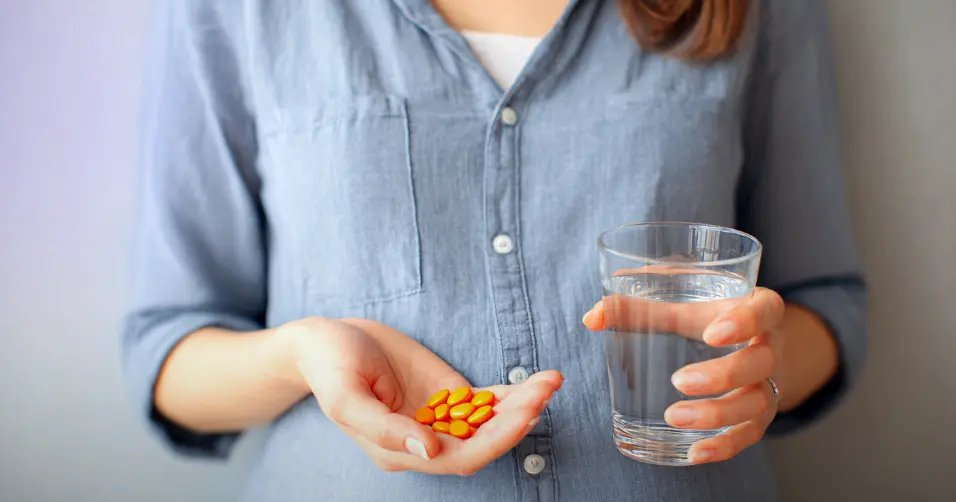
Iron is a mineral that helps your body carry oxygen and produce energy. It's also important for muscles and your immune system.
You can get iron from both animal foods (like meat) and plant foods (like beans and leafy greens). The type of iron matters for how well your body absorbs it.
Not getting enough iron can lead to problems like fatigue. This is often caused by not eating enough iron-rich foods or losing blood.
Symptoms of low iron can include feeling tired, looking pale, and even strange cravings. Children can also show signs like behavioral issues or not growing well.
Your doctor can check your iron levels with blood tests. Sometimes, supplements are needed, but it's best to get iron from food when possible, and talk to a doctor before starting supplements.
This article is educational and not intended to diagnose, treat, or suggest any specific intervention, and should not replace qualified medical advice.





Iron: FACTS
Role | Hemoglobin, oxygen transport, energy |
Form & Classification | Essential mineral |
Typical Dosage & Intake | 8–18 mg/day |
Cycling | No cycling; supplement only if deficient |
Sources | Red meat, beans, spinach |
Safety & Interactions | Excess toxic; monitor levels |
Dosage information is general and may vary with product brand, quality or individual needs; verify accuracy on package and consult a qualified practitioner before use.
What Does Iron Do?
Iron is a mineral that helps make hemoglobin, the protein in red blood cells that carries oxygen.
Iron is an essential mineral that supports oxygen transport in the blood through hemoglobin, the protein in red blood cells. It also plays a role in energy metabolism and immune system function. Adequate iron is necessary for growth, brain development, and overall vitality. Low levels can lead to anemia, causing fatigue, weakness, and reduced focus. Both dietary intake and supplementation may be required depending on individual needs.
Iron binds oxygen in hemoglobin, ensuring delivery to muscles and organs.
Supports energy production by helping enzymes involved in metabolism.
Boosts immune defenses by aiding the activity of white blood cells.
Insufficient iron causes anemia, leading to exhaustion and poor performance.
What Is Iron?
Iron is a mineral that carries oxygen in red blood cells.
Iron is a mineral essential for making hemoglobin, the protein in red blood cells that carries oxygen. It also plays roles in energy production and immune function. Iron deficiency can cause anemia, leading to fatigue, weakness, and pale skin. Too much iron, however, can damage organs, so balance is critical. Good sources include red meat, beans, and leafy green vegetables.
Oxygen transport: Iron allows red blood cells to carry oxygen throughout the body.
Energy role: It is needed in enzymes that help generate energy from food.
Deficiency risks: Low iron causes anemia, with tiredness and reduced performance.
Food sources: Meat, beans, and greens provide iron, with meat being more easily absorbed.
Which Iron Type Is Best?
Iron in ferrous bisglycinate form is highly bioavailable and causes fewer digestive issues.
Iron is available in several forms, with ferrous sulfate, gluconate, and bisglycinate being most common. Ferrous bisglycinate is often considered best because it absorbs well and causes fewer stomach problems. Ferrous sulfate is widely used but can lead to constipation or irritation. Liquid iron supplements may be easier for people who struggle with tablets. Slow-release forms can reduce side effects but sometimes limit absorption.
Ferrous bisglycinate is gentle and efficient, making it suitable for long-term use.
Ferrous sulfate is effective but often causes digestive discomfort.
Liquid iron helps people who dislike swallowing pills or need flexible dosing.
Slow-release forms reduce side effects but can decrease bioavailability.
How to Add Iron to Your Diet?
Iron can be increased with red meat, beans, lentils, and fortified cereals.
Iron can be consumed through iron-rich foods like red meat, lentils, beans, and fortified cereals. Supplements are often necessary for people with higher needs, such as women of childbearing age. Capsules, tablets, and liquid forms are available depending on preference. Iron is better absorbed when taken with vitamin C-rich foods like citrus or peppers. Avoiding tea and coffee with iron helps maximize absorption.
Capsules and tablets provide a measured and convenient iron dose.
Liquid iron helps those who struggle with pills or need adjustable dosing.
Combining iron with vitamin C foods increases absorption efficiency.
Avoiding caffeine at the same time reduces nutrient interference.
What Are Key Ingredients of Iron?
Iron supplements contain ferrous sulfate, ferrous bisglycinate, or ferric citrate.
Iron supplements usually contain iron salts such as ferrous sulfate, ferrous gluconate, or ferrous bisglycinate. Vitamin C is sometimes added to improve absorption in the body. Capsules or tablets often include stabilizers like cellulose or silica. Liquid iron may contain natural flavors to mask metallic taste. These ingredients make iron easier to absorb and tolerate in daily use.
Ferrous bisglycinate is gentle and efficiently absorbed.
Vitamin C enhances uptake of iron into the bloodstream.
Tablets often include binders and fillers for stability.
Liquid forms may add flavoring for improved taste.
Which Processes Does Iron Affect?
Iron affects oxygen transport and red blood cell production.
Iron primarily affects oxygen transport and energy metabolism in the body. It is a core part of hemoglobin, carrying oxygen in red blood cells. Iron also impacts immune system strength and brain development. A deficiency disrupts these processes, leading to fatigue and weakness. Thus, iron has direct influence on performance, growth, and cognition.
Enables oxygen delivery through hemoglobin in blood cells.
Supports enzymes involved in energy production at the cellular level.
Helps immune function by powering white blood cells.
Aids brain development, especially during growth phases.
What Foods Contain Iron?
Iron is naturally found in red meat, beans, and fortified cereals.
Iron is abundant in both animal and plant foods. Red meat, poultry, and fish are top sources of heme iron, which absorbs easily. Beans, lentils, and leafy greens provide non-heme iron, absorbed less efficiently. Fortified cereals and breads often include added iron. Pairing plant iron sources with vitamin C-rich foods improves absorption.
Red meat and liver provide highly bioavailable heme iron.
Lentils, beans, and chickpeas offer plant-based non-heme iron.
Spinach and kale contain iron but also compounds that reduce absorption.
Fortified breakfast cereals add reliable iron for everyday intake.
Is Iron Vegan?
Iron is vegan if derived from mineral or plant sources, but not from animal hemoglobin.
Iron is suitable for vegans in its mineral form, though plant and animal sources differ in absorption. Plant-based iron (non-heme) is found in vegetables, legumes, and fortified foods. Supplements may use mineral salts or animal-derived heme iron. Vegan users should choose mineral-based or plant-derived formulations. Taking vitamin C with plant iron helps increase absorption naturally.
Plant-based non-heme iron is naturally vegan but absorbs less easily.
Heme iron comes from animals and is not vegan-friendly.
Vegan supplements typically use mineral salts like ferrous sulfate.
Vitamin C improves absorption of vegan-friendly iron sources.
Will Iron Break a Fast?
Iron is calorie-free and does not break a fast.
Iron will not break a fast in mineral form, since it contains no calories or energy. Iron salts like ferrous sulfate or bisglycinate are metabolically neutral. However, gummies or liquids with sweeteners would break a fast. Iron is best absorbed on an empty stomach, so fasting can actually improve uptake. This makes fasting a suitable time to take plain iron supplements.
Mineral-based iron has no caloric content and is fasting-safe.
Absorption improves when taken without food, fitting fasting well.
Sweetened gummies or syrups add calories and break fasts.
Capsules and tablets are the most fasting-compatible forms.
Breaking a fast here is strictly physiological (e.g., insulin effects). When we say a supplement ‘does not break a fast,’ we mean it has negligible calories in normal use and is unlikely to disrupt fasting metabolism. Certain traditions or religious rules may treat any intake as breaking a fast—please follow your tradition and health needs.
How to Pick the Best Iron?
Iron quality is best when in gentle forms like bisglycinate and verified for safety.
Iron supplements should be chosen based on form, tolerability, and safety. Ferrous bisglycinate is gentle and well absorbed compared to ferrous sulfate. Third-party testing ensures products are free of harmful metals. Liquids should not contain excessive sweeteners. Labels should clearly list the type and amount of elemental iron.
Ferrous bisglycinate offers strong absorption with fewer side effects.
Verify products are tested for heavy metal contamination.
Check labels for clear dosing of elemental iron, not just compound weight.
Avoid unnecessary sweeteners in liquid forms.
What’s the Optimal Dosage and Timing for Iron?
Iron is usually taken at 8–18 mg daily, on an empty stomach but often with food to reduce stomach upset.
Iron dosage depends heavily on deficiency status and medical advice. General supplementation ranges from 18–27 mg daily, while deficiency treatments may use higher doses. It is best taken on an empty stomach with vitamin C to improve absorption. However, some people tolerate it better with food. Iron should be taken away from tea, coffee, or calcium-rich foods to avoid reduced absorption.
18–27 mg daily is standard for supplementation, higher for deficiencies.
Vitamin C helps improve absorption significantly.
Empty stomach intake is best but may cause stomach upset.
Avoid taking iron with tea, coffee, or calcium supplements.
Dosage and timing information is generalized and may not be appropriate for all individuals; occasional inaccuracies may occur. Variations in supplement purity, formulation, or quality can also affect dosing relevance. Verify accuracy on package and consult a qualified practitioner before use.
What Are Common Mistakes When Taking Iron?
Iron mistakes include self-supplementing without testing, which may cause overload.
Iron mistakes include taking iron without checking deficiency status first. Overuse may cause toxicity, especially in those who do not need it. Some people take it with tea or coffee, which blocks absorption. Others avoid vitamin C pairing, which could have improved absorption. Inconsistent dosing is another issue with iron supplementation.
Taking iron without medical need risks excess accumulation.
Tea, coffee, and calcium reduce iron absorption if taken together.
Not adding vitamin C lowers uptake of plant-based iron.
Irregular use undermines anemia treatment effectiveness.
How Fast Does Iron Work?
Iron deficiency improves within weeks, though full recovery takes months.
Iron supplementation may improve fatigue within a few days to weeks, depending on deficiency. Blood tests often show improvements in 4–8 weeks. Restoring full iron stores may take several months of regular intake. Energy and focus benefits usually appear earlier than blood-level changes. Timeline depends heavily on starting deficiency severity.
Fatigue may reduce within 1–2 weeks of treatment.
Blood markers improve in 1–2 months of consistent intake.
Full iron store recovery may take 3–6 months.
Severity of deficiency affects how quickly benefits are felt.
Results may vary between individuals, and no outcome is guaranteed. A tailored supplemntation plan is the best way to ensure the desired outcome.
Does Iron Require a Cooldown?
Iron requires cooldown if levels are normal, since long-term excess can cause toxicity.
Iron supplementation may require cooldowns depending on medical need. Continuous use without testing can cause excess iron, which is harmful. Most people only need iron until deficiency is corrected. Once blood levels normalize, supplementation should stop or cycle under medical supervision. This prevents iron overload and protects organ health.
Cooldown is necessary after restoring normal iron levels.
Overuse risks iron overload, damaging organs like the liver and heart.
Blood testing guides safe use and cycling schedules.
Iron should not be taken long-term without deficiency confirmation.
The need to pause or cycle depends on individual factors such as goals, tolerance, and clinical context. No universal rule applies, and specialist review is recommended before making adjustments.
Does Tolerance Develop for Iron?
Iron does not cause tolerance, but excess can be harmful.
Iron does not cause tolerance, but long-term supplementation can create risk of overload. The body has no natural way to remove excess iron except through blood loss. Benefits plateau once stores are replenished. Continued supplementation without monitoring can cause toxicity, not tolerance. Safe use requires medical oversight for long-term intake.
Iron builds up in the body rather than creating tolerance.
Benefits stop once normal stores are restored.
Continued use without deficiency risks organ damage.
Blood testing is essential to avoid dangerous accumulation.
Information on tolerance is generalized and may not reflect individual differences in metabolism, duration of use, or health status. Reactions can vary, and any adjustment should follow qualified practicioner's recommendations.
Can Iron Be Stacked?
Iron stacks well with vitamin C to improve absorption.
Iron should be stacked cautiously, only when deficiency is confirmed. Vitamin C is the best partner, improving iron absorption from plant foods. Folate and vitamin B12 may be combined for anemia management. Avoid stacking iron with calcium or high-dose zinc, as these block absorption. Medical supervision is essential when stacking iron with other nutrients.
Vitamin C enhances uptake of non-heme iron into blood cells.
Folate and B12 support red blood cell production alongside iron.
Calcium interferes with iron absorption if taken together.
Safe stacking should always be guided by lab testing.
Many supplements can interact in ways that enhance or alter their effects. However, stacking makes it difficult to monitor the impact of each component and increases the risk of oversupplementation or unintended interactions.
Do Iron Effects Persist?
Iron effects last months if stores are built up, but deficiency returns without intake.
The effects of Iron can persist for months because the body stores it in the liver, spleen, and bone marrow. Once iron levels are restored, the benefits of increased energy and reduced fatigue continue until stores deplete. However, without enough dietary intake, deficiencies may return over time. Iron balance must be carefully managed to avoid overload. The persistence is therefore strongly tied to individual storage capacity.
Iron is stored in ferritin, a protein that holds reserves in the liver and spleen.
Restored hemoglobin levels provide lasting oxygen transport benefits.
Iron deficiency symptoms may not reappear for months if stores are adequate.
Over-supplementation risks buildup, so persistence depends on balanced intake.
Results may vary between individuals, and no outcome is guaranteed. A tailored supplemntation plan is the best way to ensure the desired outcome.
Does Iron Aid Longevity?
Iron may reduce longevity if overloaded but supports lifespan when preventing anemia.
Iron does not support longevity unless deficiency exists, and excess can shorten lifespan. Too much iron increases oxidative stress and organ damage. Safe supplementation improves energy and cognitive health in deficient individuals. Correcting deficiency may help maintain quality of life with aging. For long-term health, balance is crucial.
Deficiency correction supports energy and cognition in older adults.
Excess iron accelerates oxidative damage, harming longevity.
Long-term safety depends on testing and balance.
Supports healthy aging only when deficiency is present.
What Are Alternatives to Iron?
Iron alternatives include beans, lentils, and fortified cereals.
Iron alternatives include other nutrients for red blood cell support, such as vitamin B12. Folate (vitamin B9) is another essential for healthy blood formation. Copper helps iron metabolism and red blood cell production. These nutrients complement or substitute iron depending on deficiency type.
Vitamin B12 prevents anemia by supporting red blood cell creation.
Folate assists in DNA and red blood cell production.
Copper helps mobilize and use iron in the body effectively.
Each supports blood health, sometimes in place of iron.
There are often alternatives that better align with personal risk profiles, preferences, or resources; comparative review with a relevant certified consultant is advised.
What Are Possible Iron Side Effects?
Iron side effects include constipation, nausea, and risk of overload.
Iron side effects are relatively common, especially in higher doses. Constipation, nausea, and stomach cramps are the most frequent complaints. Iron can also darken stools, which is harmless but noticeable. Overuse causes iron overload, damaging organs such as the liver and heart. Careful dosing prevents most risks.
Constipation and nausea are common digestive side effects.
Dark stools are harmless but can alarm new users.
Excessive use risks iron overload and toxicity.
Medical monitoring ensures safe dosing and duration.
Responses differ among individuals. If adverse effects occur, discontinuation and professional evaluation are advised.
Who Should Avoid Iron?
Iron should be avoided by people with hemochromatosis or iron overload.
Iron should be avoided by people who do not have confirmed deficiency. Those with hemochromatosis or other iron overload disorders should never take it. People with chronic liver disease must also use caution due to storage risks. Children are at risk of toxicity if given adult iron doses. Supplementation should only follow blood tests and medical guidance.
Iron overload conditions make supplementation dangerous.
Liver disease patients risk worsening damage with excess iron.
Children face high poisoning risk from inappropriate dosing.
Healthy adults without deficiency should not take extra iron.
Individuals who may be at higher risk—including those with diabetes, eating disorders, pregnancy or breastfeeding, heavy training loads, health conditions, medication use, or prior adverse reactions—should seek tailored guidance before deciding supplementation or making major supplement or lifestyle changes.
Is Iron Available Over-the-Counter?
Iron is sold over-the-counter in tablets, though high-dose forms may require prescription.
Iron supplements are available over-the-counter in many forms, including tablets and liquids. Higher-dose formulations may require a prescription in some regions. It is marketed for anemia prevention and treatment. Found in pharmacies, grocery stores, and online. Care is needed since misuse can be harmful.
OTC iron is sold as tablets, capsules, and syrups.
High-strength versions may need prescriptions in some countries.
Marketed for anemia and deficiency support.
Readily found in pharmacies and supermarkets.
For over-the-counter availability we use generic US data. Product availability and status may vary by country and region.
What’s the History of Iron?
Iron has been recognized since ancient times as essential for blood health.
Iron has one of the longest histories of medical use among minerals. Ancient Egyptians and Greeks used iron tonics for strength and blood health. By the 19th century, iron salts were recognized for treating anemia. Industrial production of iron tablets began in the 20th century. Today it remains a cornerstone of nutritional supplementation, especially for women and children.
Used medicinally in ancient Egypt and Greece for vitality.
Identified as essential for blood in the 19th century.
First industrial supplements appeared in the early 1900s.
Now standard in treating anemia worldwide.
Harald Ragnarok, Editor in Chief, Myopedia