Potassium
A Beginner’s Guide to Potassium
Potassium is an electrolyte essential for regulating heart rhythm, muscle contractions, and fluid balance while also counteracting sodium’s effects on blood pressure. Bananas, sweet potatoes, and spinach are rich sources, though imbalances can lead to arrhythmias or weakness.

Potassium is a mineral that your body needs to work properly, helping with nerve signals, muscle contractions, and keeping fluids balanced inside your cells.
You can get potassium from many everyday foods like fruits, vegetables, dairy, and even some meats and beans.
Most people don't get enough potassium, and not getting enough can affect your blood pressure and heart health.
Having too much or too little potassium can be dangerous, especially for your heart, and can cause symptoms like weakness or heart palpitations.
Certain groups, like those with kidney problems or on specific medications, need to be extra careful about their potassium levels.
This article is educational and not intended to diagnose, treat, or suggest any specific intervention, and should not replace qualified medical advice.






Potassium: FACTS
Dietary Role | Electrolyte; supports nerve signals, muscle contraction. |
Sources | Bananas, potatoes, spinach, beans, yogurt. |
Nutrient Value | Essential for BP control, hydration, heart rhythm. |
Safety & Interactions | Excess supplements may cause arrhythmia or kidney stress. |
Is Potassium Good for You?
Potassium is usually good for health because it helps regulate blood pressure, muscle contractions, and nerve signals.
Potassium is usually good for health because it regulates fluid balance, muscle contraction, and nerve signals. High intake from food sources lowers blood pressure and protects against stroke. It balances out the negative effects of sodium. Most people benefit from eating more potassium-rich foods. However, people with kidney disease should be cautious about excessive intake.
It helps control heartbeat and proper muscle function.
Adequate intake lowers risk of osteoporosis and kidney stones.
Most diets are deficient in potassium due to low fruit and vegetable intake.
Excess from supplements can cause dangerous heart rhythm problems in sensitive groups.
What Is Potassium?
Potassium is a mineral that regulates fluid balance, nerves, and muscles.
Potassium is an essential mineral and electrolyte that helps regulate muscle contractions, nerve signals, and fluid balance. It works with sodium to maintain healthy blood pressure. Potassium is found in bananas, potatoes, beans, and leafy greens. Too little can cause muscle weakness and irregular heartbeat, while too much can be dangerous for people with kidney problems. Most people benefit from a diet rich in potassium-containing foods.
Electrolyte role: Potassium balances fluids and supports normal cell function.
Heart health: Adequate intake lowers blood pressure and reduces stroke risk.
Food sources: Commonly found in fruits, vegetables, and legumes.
Deficiency signs: Low potassium may cause cramps, fatigue, or irregular heartbeat.
How Does Potassium Affect Your Body?
Potassium maintains normal heartbeat and fluid balance inside cells.
Potassium works by balancing sodium levels and supporting electrical signals in cells. It helps relax blood vessels, lowering blood pressure. Potassium is essential for proper heart rhythm and muscle contractions. It also assists in moving nutrients into cells and waste products out. Without enough potassium, weakness, cramps, and irregular heartbeat may occur.
It balances sodium’s effects on blood pressure.
It regulates heart rhythm and prevents dangerous arrhythmias.
It enables muscles to contract properly.
It supports cell nutrient exchange and waste removal.
What Foods Contain Potassium?
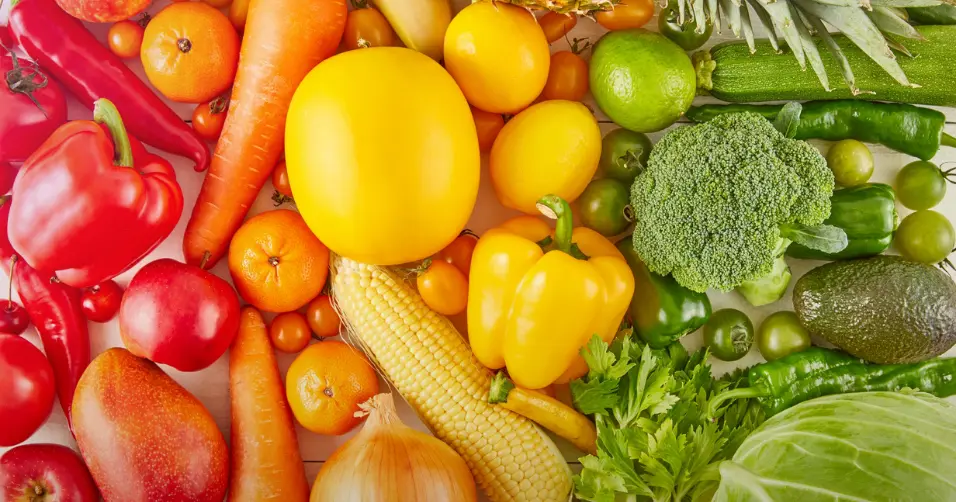
Potassium is found in bananas, potatoes, beans, and leafy greens.
Potassium is abundant in fruits, vegetables, and legumes. Bananas are one of the best-known sources. Potatoes, beans, and lentils also contain high levels. Leafy greens like spinach and kale provide additional potassium. Some dairy and fish also contribute moderate amounts.
Bananas are a popular potassium-rich fruit.
Potatoes supply potassium especially when eaten with the skin.
Beans and lentils are excellent plant-based sources.
Spinach and kale provide potassium plus other nutrients.
What Are Good Alternatives for Potassium?
Potassium alternatives are magnesium and calcium, which also support muscle and nerve function.
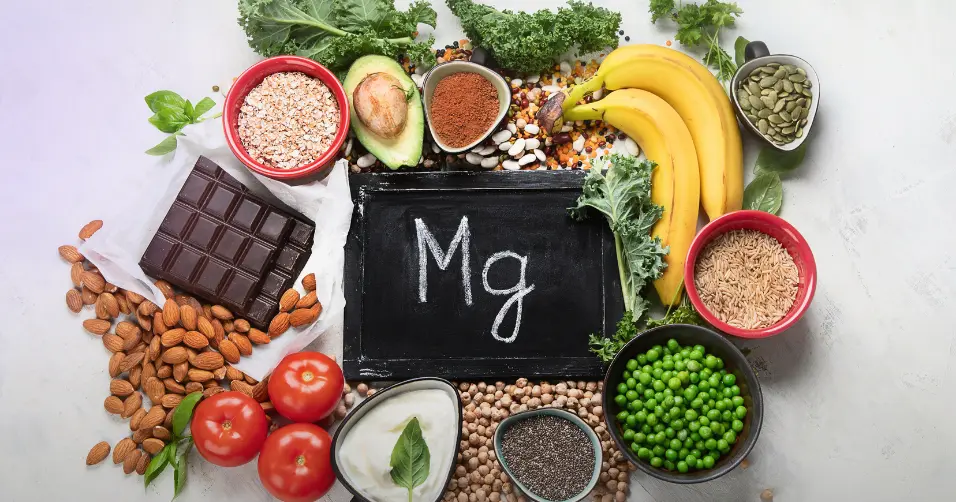
Potassium alternatives include other minerals and electrolytes that support fluid balance. Magnesium and calcium also regulate muscle and nerve function. Coconut water provides electrolytes for hydration. Leafy greens and seeds supply both potassium and magnesium. A balanced mix of minerals works well when potassium is limited.
Magnesium-rich foods like pumpkin seeds support nerve health.
Calcium sources such as yogurt aid muscle and heart function.
Coconut water replaces electrolytes during hydration needs.
Leafy greens provide a blend of potassium and other minerals.
How Does Potassium Affect Longevity?
Potassium may help longevity by reducing stroke risk and supporting heart and kidney health.
Potassium supports longevity by protecting heart and vascular health. Higher intake lowers blood pressure, reducing stroke and heart disease risk. It balances sodium’s harmful effects, helping preserve organ function. Adequate potassium also prevents muscle weakness and irregular heartbeat in aging. Populations with higher intake often live longer, healthier lives.
Lower blood pressure from potassium reduces lifetime stroke risk.
Sodium balance prevents long-term vascular strain.
Heart rhythm stability supports healthy aging.
Population data show longer lives with higher potassium diets.
Does Potassium Impact Your Workout Performance?
Potassium may help workouts by reducing chances of muscle cramps and assisting fluid balance.
Potassium improves workout performance by supporting muscle contraction. It helps prevent cramps and maintains electrolyte balance. During intense exercise, potassium loss through sweat must be replaced. Adequate intake enhances endurance and recovery. Without enough, athletes may feel weak or experience irregular heartbeats.
Muscle contractions depend on potassium balance.
Cramps are reduced with proper potassium intake.
Sweat loss depletes potassium in endurance training.
Recovery is faster when electrolytes are replenished.
What's the Nutritional Value of Potassium?
Potassium is a mineral electrolyte with no calories, supporting nerves and muscles.
Potassium has high nutritional value as an essential mineral. It helps regulate heart rhythm, blood pressure, and fluid balance. It supports nerve transmission and muscle function. Potassium-rich foods are often paired with other nutrients like fiber and antioxidants. Adequate intake improves overall diet quality and health.
Heart rhythm relies on potassium for balance.
Blood pressure is lowered by potassium’s sodium-countering effect.
Muscle function depends on proper potassium intake.
High-potassium foods often bring added nutrients.
Who Should Avoid Potassium?
Potassium should be restricted in people with kidney disease, since excess builds up in the blood.
Potassium should be avoided in high amounts by people with kidney disease. Those on certain blood pressure medications must also limit potassium. People with adrenal disorders may struggle with potassium regulation. Very high intake can cause irregular heartbeat. For healthy individuals, excess from food is rare but supplements can be risky.
Kidney disease patients cannot excrete potassium effectively.
Blood pressure medication users may experience dangerous potassium buildup.
Adrenal disorders impair potassium balance.
High intake may cause arrhythmia and weakness.
Rapid changes in eating patterns may alter blood glucose, electrolytes, hydration, and physical performance. These shifts can lead to unintended results, especially with health conditions or medications. Make changes gradually where appropriate, and seek clinical monitoring if you have risk factors or concerning symptoms.
What Are Intake Limits for Potassium?
Potassium intake should be around 3,500–4,700 mg per day for adults, unless restricted for kidney disease.
Potassium has no strict upper limit from food, as excess is rare in healthy people. The recommended intake is about 3,500–4,700 mg daily for adults. Supplements may cause problems if overused, especially in kidney disease. Too much potassium can trigger irregular heartbeat. Balanced intake from fruits, vegetables, and legumes is safest.
Recommended range: 3,500–4,700 mg per day.
No strict upper limit from natural foods.
Supplement overuse may cause dangerous effects.
Kidney disease patients must restrict potassium intake.
How Is Potassium Metabolized?
Potassium is not metabolized but absorbed into the bloodstream and balanced by the kidneys.
Potassium is metabolized mainly through absorption in the small intestine. It enters the blood and is distributed to cells for function. The kidneys regulate potassium by filtering excess out in urine. High levels may accumulate if kidneys fail to excrete properly. Balanced potassium supports heart, muscle, and nerve activity.
Absorption occurs in the small intestine efficiently.
Distribution sends potassium into body tissues.
Kidneys manage potassium excretion carefully.
High levels are harmful in kidney disease patients.
Harald Ragnarok, Editor in Chief, Myopedia