Skin Health
A Comprehensive Guide to Skin Health
Skin Health is the state of a clear, resilient, and well-nourished skin, influenced by diet, hydration, and overall wellness practices.
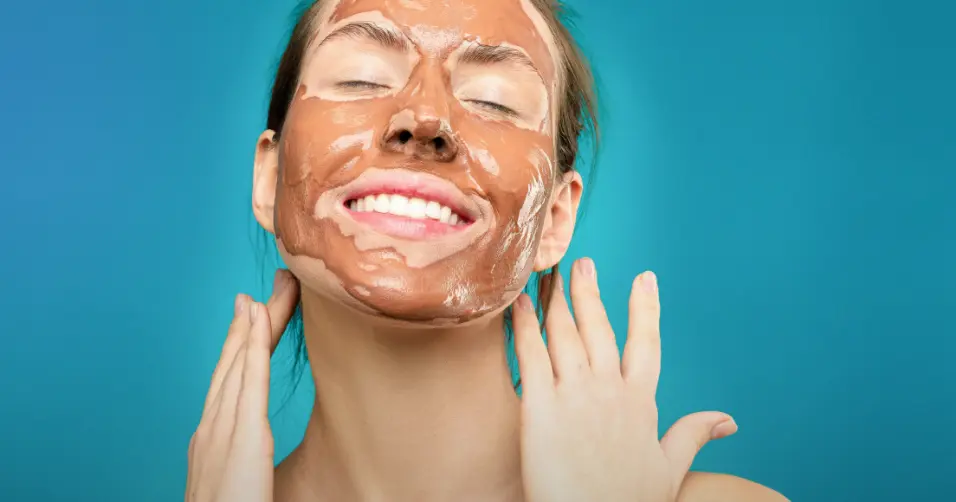
Your skin is your body's first line of defense, regulating temperature and helping you sense things.
Simple daily habits like gentle cleansing and using the right products make a big difference for Skin Health.
Protecting your skin from the sun is one of the most important steps for preventing damage and premature aging.
Lifestyle choices, including not smoking, managing stress, and eating well, significantly impact your skin's appearance and health.
Addressing common skin issues and caring for your whole body's skin, hair, and nails contributes to overall well-being.
This article is educational and not intended to diagnose, treat, or suggest any specific intervention, and should not replace qualified medical advice.










Understanding Your Skin's Protective Role
Think of your skin as your body's personal bodyguard. It's the largest organ we have, and it's constantly working to keep us safe and sound. It forms a physical barrier, stopping all sorts of nasty germs and irritants from getting inside and causing trouble. This outer layer is tough, but it's also smart, helping to regulate our body temperature and letting us feel the world around us.
The Skin as the Body's Largest Organ
Seriously, it's huge! Your skin covers your entire body, acting as the first line of defense. It's not just a passive covering, though; it's a complex organ with a lot of jobs. It helps maintain your internal environment, keeping things balanced so your other organs can do their jobs properly. It even plays a part in your immune system, helping to ward off infections.
Layers of the Skin and Their Functions
Your skin isn't just one solid piece; it's made up of three main layers, each with its own important tasks:
Epidermis: This is the outermost layer, the one you see and touch. It's relatively thin but incredibly important. It's constantly shedding old cells and making new ones, a process that takes about a month. The epidermis also contains melanin, the pigment that gives your skin its color and offers some protection from the sun.
Dermis: Lying beneath the epidermis, this is the thicker, middle layer. It's packed with blood vessels, nerves, hair follicles, and glands that produce sweat and oil. This layer gives your skin its strength and flexibility thanks to proteins like collagen and elastin.
Subcutaneous Layer: The deepest layer, mostly made of fat. This fatty tissue acts as insulation, helping to keep you warm or cool, and it also provides cushioning to protect your body from bumps and impacts.
How Skin Regulates Temperature and Sensation
Your skin is a master thermostat. When you get too hot, your sweat glands kick into action, releasing perspiration. As this sweat evaporates from your skin's surface, it cools you down. On the flip side, when it's cold, blood vessels in the skin can constrict to help conserve body heat. Plus, all those nerve endings in the dermis are constantly sending signals to your brain. They let you feel everything from a gentle breeze to the heat of a stove, alerting you to potential dangers and allowing you to experience the world through touch.
Essential Practices for Optimal Skin Health
Taking care of your skin doesn't have to be complicated. Simple, consistent habits can make a big difference in how your skin looks and feels over time. It's about building a routine that works for you and sticking with it. Think of it as a gentle partnership with your skin, rather than a battle.
Daily Cleansing for a Healthy Complexion
Washing your face each day is more than just removing makeup. It's about clearing away the day's grime, sweat, and oil that can clog pores and lead to breakouts. You don't need harsh scrubbing; a mild approach is best. Start by wetting your face with lukewarm water, then apply a small amount of a gentle cleanser. Use your fingertips to massage it in softly, using circular motions. Rinse thoroughly and then pat your skin dry with a clean towel. Avoid rubbing, as that can irritate your skin.
Choosing Skincare Products for Your Needs
Walking down the skincare aisle can feel overwhelming, right? The key is to know your skin type. Is it generally dry, oily, or somewhere in between? For dry skin, look for creamy cleansers and moisturizers with ingredients like hyaluronic acid or ceramides. If your skin tends to be oily, opt for lighter, gel-based products that won't clog pores. Sensitive skin often does best with fragrance-free, hypoallergenic options. Don't be afraid to experiment a little, but introduce new products one at a time to see how your skin reacts.
The Importance of Gentle Skin Cleansing
When it comes to cleansing, gentleness is truly the name of the game. Over-washing or using abrasive scrubs can strip your skin of its natural oils, leading to dryness, irritation, and even increased oil production as your skin tries to compensate. The goal is to remove impurities without disrupting your skin's natural barrier. This means avoiding hot water, which can be drying, and opting for lukewarm water instead. Patting your skin dry, rather than vigorously rubbing with a towel, also helps maintain its delicate structure. A calm, clean canvas is the foundation for healthy skin.
Sun Protection: A Cornerstone of Skin Health
Understanding Ultraviolet (UV) Radiation
Sunlight is made up of different types of rays, and the ones we worry about most for our skin are ultraviolet (UV) rays. There are two main types that reach us: UVA and UVB. UVA rays penetrate deeper into the skin and are a big contributor to premature aging, like wrinkles and sunspots. UVB rays are the primary cause of sunburn. Both types can damage your skin cells and increase your risk of skin cancer, no matter your skin tone. Melanin, the pigment that gives your skin its color, offers some natural protection, but it's not enough to prevent damage from overexposure. Think of it like this: the sun's rays are invisible, but their effects are definitely not.
Effective Sunscreen Application
Using sunscreen is one of the simplest yet most effective ways to shield your skin. When you're picking one out, look for labels that say "broad-spectrum" protection, which means it guards against both UVA and UVB rays. You'll also want an SPF (Sun Protection Factor) of 30 or higher. Don't be shy with it – most people don't apply enough. You should aim to use about a shot glass full for your entire body. Make sure to cover all exposed areas, including your ears, the back of your neck, and the tops of your feet. Reapplying is just as important as the initial application. Try to reapply every two hours, or more often if you're swimming or sweating a lot. It's not just for beach days; make it a daily habit.
Protective Clothing and Seeking Shade
Sunscreen is great, but it's not the only line of defense. Wearing protective clothing can significantly cut down on UV exposure. Think long-sleeved shirts, pants, and wide-brimmed hats that can shade your face and neck. Sunglasses are also a must to protect your eyes and the delicate skin around them. When the sun is at its strongest, usually between 10 a.m. and 4 p.m., seeking shade is your best bet. Taking breaks under a tree, an umbrella, or a covered patio can make a big difference in how much sun you absorb.
Risks of Indoor Tanning
It might seem like a quick way to get a base tan or a certain look, but indoor tanning beds are far from harmless. They emit UV radiation, often at levels much higher than the sun. This means they significantly increase your risk of developing skin cancer, including melanoma, the deadliest form. Plus, just like sun exposure, tanning beds accelerate skin aging, leading to wrinkles and leathery skin much sooner than you'd expect. It's really best to avoid them altogether if you're concerned about your skin's long-term health.
Lifestyle Choices Impacting Skin Health
What you do day-to-day really makes a difference in how your skin looks and feels. It's not just about the creams you use; your habits play a huge part. Let's break down how things like smoking, drinking, stress, and what you eat can affect your complexion.
The Detrimental Effects of Smoking on Skin
Smoking does a number on your skin, and not in a good way. When you smoke, the tiny blood vessels in your skin get narrower. This cuts down on blood flow, making your skin look dull and less vibrant because it's not getting enough oxygen and nutrients. Plus, smoking messes with collagen and elastin, those things that keep your skin firm and stretchy. Over time, this leads to more wrinkles, especially around your mouth from pursing your lips and your eyes from squinting. It also increases the risk of certain skin cancers, particularly on the lips.
Alcohol Consumption and Skin Appearance
Understanding Your Skin's Protective Role
Think of your skin as your body's personal bodyguard. It's the largest organ we have, and it's constantly working to keep us safe and sound. It forms a physical barrier, stopping all sorts of nasty germs and irritants from getting inside and causing trouble. This outer layer is tough, but it's also smart, helping to regulate our body temperature and letting us feel the world around us.
The Skin as the Body's Largest Organ
Seriously, it's huge! Your skin covers your entire body, acting as the first line of defense. It's not just a passive covering, though; it's a complex organ with a lot of jobs. It helps maintain your internal environment, keeping things balanced so your other organs can do their jobs properly. It even plays a part in your immune system, helping to ward off infections.
Layers of the Skin and Their Functions
Your skin isn't just one solid piece; it's made up of three main layers, each with its own important tasks:
Epidermis: This is the outermost layer, the one you see and touch. It's relatively thin but incredibly important. It's constantly shedding old cells and making new ones, a process that takes about a month. The epidermis also contains melanin, the pigment that gives your skin its color and offers some protection from the sun.
Dermis: Lying beneath the epidermis, this is the thicker, middle layer. It's packed with blood vessels, nerves, hair follicles, and glands that produce sweat and oil. This layer gives your skin its strength and flexibility thanks to proteins like collagen and elastin.
Subcutaneous Layer: The deepest layer, mostly made of fat. This fatty tissue acts as insulation, helping to keep you warm or cool, and it also provides cushioning to protect your body from bumps and impacts.
How Skin Regulates Temperature and Sensation
Your skin is a master thermostat. When you get too hot, your sweat glands kick into action, releasing perspiration. As this sweat evaporates from your skin's surface, it cools you down. On the flip side, when it's cold, blood vessels in the skin can constrict to help conserve body heat. Plus, all those nerve endings in the dermis are constantly sending signals to your brain. They let you feel everything from a gentle breeze to the heat of a stove, alerting you to potential dangers and allowing you to experience the world through touch.
Essential Practices for Optimal Skin Health
Taking care of your skin doesn't have to be complicated. Simple, consistent habits can make a big difference in how your skin looks and feels over time. It's about building a routine that works for you and sticking with it. Think of it as a gentle partnership with your skin, rather than a battle.
Daily Cleansing for a Healthy Complexion
Washing your face each day is more than just removing makeup. It's about clearing away the day's grime, sweat, and oil that can clog pores and lead to breakouts. You don't need harsh scrubbing; a mild approach is best. Start by wetting your face with lukewarm water, then apply a small amount of a gentle cleanser. Use your fingertips to massage it in softly, using circular motions. Rinse thoroughly and then pat your skin dry with a clean towel. Avoid rubbing, as that can irritate your skin.
Choosing Skincare Products for Your Needs
Walking down the skincare aisle can feel overwhelming, right? The key is to know your skin type. Is it generally dry, oily, or somewhere in between? For dry skin, look for creamy cleansers and moisturizers with ingredients like hyaluronic acid or ceramides. If your skin tends to be oily, opt for lighter, gel-based products that won't clog pores. Sensitive skin often does best with fragrance-free, hypoallergenic options. Don't be afraid to experiment a little, but introduce new products one at a time to see how your skin reacts.
The Importance of Gentle Skin Cleansing
When it comes to cleansing, gentleness is truly the name of the game. Over-washing or using abrasive scrubs can strip your skin of its natural oils, leading to dryness, irritation, and even increased oil production as your skin tries to compensate. The goal is to remove impurities without disrupting your skin's natural barrier. This means avoiding hot water, which can be drying, and opting for lukewarm water instead. Patting your skin dry, rather than vigorously rubbing with a towel, also helps maintain its delicate structure. A calm, clean canvas is the foundation for healthy skin.
Sun Protection: A Cornerstone of Skin Health
Understanding Ultraviolet (UV) Radiation
Sunlight is made up of different types of rays, and the ones we worry about most for our skin are ultraviolet (UV) rays. There are two main types that reach us: UVA and UVB. UVA rays penetrate deeper into the skin and are a big contributor to premature aging, like wrinkles and sunspots. UVB rays are the primary cause of sunburn. Both types can damage your skin cells and increase your risk of skin cancer, no matter your skin tone. Melanin, the pigment that gives your skin its color, offers some natural protection, but it's not enough to prevent damage from overexposure. Think of it like this: the sun's rays are invisible, but their effects are definitely not.
Effective Sunscreen Application
Using sunscreen is one of the simplest yet most effective ways to shield your skin. When you're picking one out, look for labels that say "broad-spectrum" protection, which means it guards against both UVA and UVB rays. You'll also want an SPF (Sun Protection Factor) of 30 or higher. Don't be shy with it – most people don't apply enough. You should aim to use about a shot glass full for your entire body. Make sure to cover all exposed areas, including your ears, the back of your neck, and the tops of your feet. Reapplying is just as important as the initial application. Try to reapply every two hours, or more often if you're swimming or sweating a lot. It's not just for beach days; make it a daily habit.
Protective Clothing and Seeking Shade
Sunscreen is great, but it's not the only line of defense. Wearing protective clothing can significantly cut down on UV exposure. Think long-sleeved shirts, pants, and wide-brimmed hats that can shade your face and neck. Sunglasses are also a must to protect your eyes and the delicate skin around them. When the sun is at its strongest, usually between 10 a.m. and 4 p.m., seeking shade is your best bet. Taking breaks under a tree, an umbrella, or a covered patio can make a big difference in how much sun you absorb.
Risks of Indoor Tanning
It might seem like a quick way to get a base tan or a certain look, but indoor tanning beds are far from harmless. They emit UV radiation, often at levels much higher than the sun. This means they significantly increase your risk of developing skin cancer, including melanoma, the deadliest form. Plus, just like sun exposure, tanning beds accelerate skin aging, leading to wrinkles and leathery skin much sooner than you'd expect. It's really best to avoid them altogether if you're concerned about your skin's long-term health.
Lifestyle Choices Impacting Skin Health
What you do day-to-day really makes a difference in how your skin looks and feels. It's not just about the creams you use; your habits play a huge part. Let's break down how things like smoking, drinking, stress, and what you eat can affect your complexion.
The Detrimental Effects of Smoking on Skin
Smoking does a number on your skin, and not in a good way. When you smoke, the tiny blood vessels in your skin get narrower. This cuts down on blood flow, making your skin look dull and less vibrant because it's not getting enough oxygen and nutrients. Plus, smoking messes with collagen and elastin, those things that keep your skin firm and stretchy. Over time, this leads to more wrinkles, especially around your mouth from pursing your lips and your eyes from squinting. It also increases the risk of certain skin cancers, particularly on the lips.
Alcohol Consumption and Skin Appearance
Drinking alcohol can show up on your face. A drink or two might make your cheeks flush, but regular, heavy drinking can really damage blood vessels. This can lead to persistent redness. Over time, alcohol can make oil glands and blood vessels bigger, which can make your pores look larger, especially on your nose and chin. If you drink a lot for a long time, it can even affect your liver, which might make your skin turn a bit yellow.
Managing Stress for Better Skin
Stress isn't just in your head; it can manifest on your skin too. When you're stressed, you might find yourself doing things that aren't great for your skin, like biting your lips or picking at cuticles, which can lead to infections. Scratching itchy skin due to stress can cause irritation. Even taking a super hot shower to relax can strip your skin of its natural oils, leaving it dry and uncomfortable. Stress can also make existing skin issues worse or even trigger new ones.
The Role of Diet in Skin Health
What you put into your body directly impacts your skin. Eating a balanced diet full of fruits, vegetables, whole grains, and lean proteins is beneficial. These foods provide the nutrients your skin needs to stay healthy and can help protect it from damage that leads to premature aging. Drinking plenty of water is also key for keeping your skin hydrated. On the flip side, diets high in sugar and processed foods might speed up the aging process. It's about giving your skin the good stuff it needs to look its best.
Preventing Premature Aging and Skin Damage
It's not just about looking good now; it's about keeping your skin healthy and resilient for the long haul. A lot of what we think of as aging is actually damage from our environment and our habits. The good news is, we have a lot of control over this.
Reducing Signs of Aging
Wrinkles, sun spots, and that general loss of firmness aren't inevitable parts of getting older. Much of it comes down to how we treat our skin day-to-day. Protecting your skin from the sun is the single most effective way to slow down premature aging. Think of it like this: your skin is constantly exposed, and without defense, it takes a beating. This means daily sunscreen use, even on cloudy days. Look for broad-spectrum protection with an SPF of 30 or higher. Reapply it every couple of hours, especially if you're sweating or swimming. Beyond sunscreen, wearing hats and protective clothing when you're out for extended periods makes a big difference. It's a simple habit that pays off hugely over time.
Protecting Skin from Environmental Factors
Our skin is our barrier against the world, but that means it's also constantly dealing with external stressors. Things like pollution, harsh weather, and even the blue light from our screens can contribute to skin damage. While we can't always avoid these factors, we can take steps to mitigate their effects. This includes using gentle cleansers that don't strip away natural oils, moisturizing regularly to keep the skin barrier strong, and incorporating antioxidants into your skincare routine. Antioxidants help neutralize the damage caused by free radicals, which are unstable molecules generated by environmental aggressors.
Understanding the Aging Process from Within
While external factors play a huge role, what's happening inside your body also affects your skin's appearance and health. Your diet, hydration levels, stress management, and sleep all contribute to how your skin ages. Eating a diet rich in fruits, vegetables, and healthy fats provides your skin with the nutrients it needs to repair itself and stay plump. Staying hydrated keeps your skin cells functioning optimally. Chronic stress, on the other hand, can trigger inflammation, which can accelerate aging. Making conscious choices about your lifestyle can have a visible impact on your skin's long-term health and appearance.
Addressing Common Skin Concerns
Managing Dry and Oily Skin
Skin can be tricky, sometimes feeling like a desert and other times like an oil slick. Dry skin often feels tight, flaky, and can look dull. It happens when your skin doesn't hold onto enough moisture. On the flip side, oily skin tends to look shiny, especially in the T-zone (forehead, nose, and chin), and can be more prone to clogged pores. The key is finding a balance that works for your specific skin type.
For Dry Skin: Look for gentle, hydrating cleansers and moisturizers rich in ingredients like hyaluronic acid or ceramides. Avoid hot showers, as they can strip natural oils. Applying moisturizer right after washing your face can help lock in hydration.
For Oily Skin: Opt for lightweight, oil-free, and non-comedogenic products. Cleansers that contain salicylic acid can help keep pores clear. While it might seem counterintuitive, using a light moisturizer can actually help balance oil production by preventing your skin from overcompensating.
Understanding and Treating Acne
Acne is a really common skin issue, affecting people of all ages. It happens when hair follicles get plugged with oil and dead skin cells. This can lead to blackheads, whiteheads, pimples, and sometimes deeper, more painful cysts. Stress and hormonal changes can often make acne worse.
Gentle Cleansing: Wash your face twice a day with a mild cleanser. Don't scrub too hard, as this can irritate your skin and worsen breakouts.
Topical Treatments: Over-the-counter products with benzoyl peroxide or salicylic acid can help. For more persistent acne, a dermatologist might suggest prescription creams or oral medications.
Avoid Picking: It's tempting, but picking at pimples can lead to scarring and more inflammation. Patience is key when dealing with acne.
Dealing with Dark Spots and Uneven Tone
Dark spots, also known as hyperpigmentation, and an uneven skin tone can be caused by sun exposure, acne scars, or even hormonal shifts. They're usually harmless but can affect how confident you feel about your skin.
Sun Protection is Non-Negotiable: This is the most important step. Daily use of sunscreen with SPF 30 or higher helps prevent new dark spots from forming and stops existing ones from getting darker.
Brightening Ingredients: Look for skincare products containing ingredients like Vitamin C, niacinamide, or alpha hydroxy acids (AHAs). These can help fade dark spots over time.
Professional Help: If you're struggling to see results or have significant concerns, a dermatologist can offer treatments like chemical peels or laser therapy to address uneven tone and dark spots more effectively.
Skin Health Beyond the Face
Hair and Scalp Care Essentials
Your hair and scalp are part of your skin, and they need attention too. Hair itself is made of keratin, a protein that grows from follicles in your scalp. It helps keep your head warm and can act as a barrier against dirt getting into your eyes and nose. The scalp, where hair grows, can get dry, oily, or even develop conditions like dandruff. Regular gentle washing with a mild shampoo suited to your hair type is a good start. If you have specific scalp issues, like persistent itching or flaking, it might be worth talking to a dermatologist. They can help figure out if it's something simple or needs a specific treatment.
Nail Care for Overall Well-being
Don't forget your nails! Like hair, nails are also made of keratin and serve a protective purpose for your fingertips and toes. They help with gripping things and protect the sensitive skin underneath. Keeping your nails clean and trimmed is basic care. If you notice changes like brittleness, discoloration, or ridges, it could be a sign of something else going on, so paying attention to them is smart. Proper nail care means avoiding harsh chemicals and not using your nails as tools.
Tattoos and Piercings: Safety and Care
Getting a tattoo or piercing is a personal choice, but it's important to approach it with safety in mind. Always go to a reputable studio where cleanliness is clearly a top priority. This means sterile equipment and trained artists. Aftercare is super important for healing and preventing infection. Your artist will give you specific instructions, but generally, this involves gentle cleaning and avoiding submerging the area in water (like baths or swimming) until it's fully healed. If you see signs of infection, like increased redness, swelling, or pus, contact a doctor right away.
Wrapping Up Your Skin Health Journey
So, taking care of your skin isn't some super complicated thing. It's mostly about being mindful of what you do every day. Think about slathering on that sunscreen, not smoking, and maybe not picking at that zit. Little habits, like drinking enough water and not stressing out too much, really add up. Your skin is with you for life, so giving it a little extra attention now and then is a pretty good deal. It’s not about looking like a magazine cover, but more about feeling comfortable and healthy in your own skin. Keep it simple, stay consistent, and your skin will thank you.
Drinking alcohol can show up on your face. A drink or two might make your cheeks flush, but regular, heavy drinking can really damage blood vessels. This can lead to persistent redness. Over time, alcohol can make oil glands and blood vessels bigger, which can make your pores look larger, especially on your nose and chin. If you drink a lot for a long time, it can even affect your liver, which might make your skin turn a bit yellow.
Managing Stress for Better Skin
Stress isn't just in your head; it can manifest on your skin too. When you're stressed, you might find yourself doing things that aren't great for your skin, like biting your lips or picking at cuticles, which can lead to infections. Scratching itchy skin due to stress can cause irritation. Even taking a super hot shower to relax can strip your skin of its natural oils, leaving it dry and uncomfortable. Stress can also make existing skin issues worse or even trigger new ones.
The Role of Diet in Skin Health
What you put into your body directly impacts your skin. Eating a balanced diet full of fruits, vegetables, whole grains, and lean proteins is beneficial. These foods provide the nutrients your skin needs to stay healthy and can help protect it from damage that leads to premature aging. Drinking plenty of water is also key for keeping your skin hydrated. On the flip side, diets high in sugar and processed foods might speed up the aging process. It's about giving your skin the good stuff it needs to look its best.
Preventing Premature Aging and Skin Damage
It's not just about looking good now; it's about keeping your skin healthy and resilient for the long haul. A lot of what we think of as aging is actually damage from our environment and our habits. The good news is, we have a lot of control over this.
Reducing Signs of Aging
Wrinkles, sun spots, and that general loss of firmness aren't inevitable parts of getting older. Much of it comes down to how we treat our skin day-to-day. Protecting your skin from the sun is the single most effective way to slow down premature aging. Think of it like this: your skin is constantly exposed, and without defense, it takes a beating. This means daily sunscreen use, even on cloudy days. Look for broad-spectrum protection with an SPF of 30 or higher. Reapply it every couple of hours, especially if you're sweating or swimming. Beyond sunscreen, wearing hats and protective clothing when you're out for extended periods makes a big difference. It's a simple habit that pays off hugely over time.
Protecting Skin from Environmental Factors
Our skin is our barrier against the world, but that means it's also constantly dealing with external stressors. Things like pollution, harsh weather, and even the blue light from our screens can contribute to skin damage. While we can't always avoid these factors, we can take steps to mitigate their effects. This includes using gentle cleansers that don't strip away natural oils, moisturizing regularly to keep the skin barrier strong, and incorporating antioxidants into your skincare routine. Antioxidants help neutralize the damage caused by free radicals, which are unstable molecules generated by environmental aggressors.
Understanding the Aging Process from Within
While external factors play a huge role, what's happening inside your body also affects your skin's appearance and health. Your diet, hydration levels, stress management, and sleep all contribute to how your skin ages. Eating a diet rich in fruits, vegetables, and healthy fats provides your skin with the nutrients it needs to repair itself and stay plump. Staying hydrated keeps your skin cells functioning optimally. Chronic stress, on the other hand, can trigger inflammation, which can accelerate aging. Making conscious choices about your lifestyle can have a visible impact on your skin's long-term health and appearance.
Addressing Common Skin Concerns
Managing Dry and Oily Skin
Skin can be tricky, sometimes feeling like a desert and other times like an oil slick. Dry skin often feels tight, flaky, and can look dull. It happens when your skin doesn't hold onto enough moisture. On the flip side, oily skin tends to look shiny, especially in the T-zone (forehead, nose, and chin), and can be more prone to clogged pores. The key is finding a balance that works for your specific skin type.
For Dry Skin: Look for gentle, hydrating cleansers and moisturizers rich in ingredients like hyaluronic acid or ceramides. Avoid hot showers, as they can strip natural oils. Applying moisturizer right after washing your face can help lock in hydration.
For Oily Skin: Opt for lightweight, oil-free, and non-comedogenic products. Cleansers that contain salicylic acid can help keep pores clear. While it might seem counterintuitive, using a light moisturizer can actually help balance oil production by preventing your skin from overcompensating.
Understanding and Treating Acne
Acne is a really common skin issue, affecting people of all ages. It happens when hair follicles get plugged with oil and dead skin cells. This can lead to blackheads, whiteheads, pimples, and sometimes deeper, more painful cysts. Stress and hormonal changes can often make acne worse.
Gentle Cleansing: Wash your face twice a day with a mild cleanser. Don't scrub too hard, as this can irritate your skin and worsen breakouts.
Topical Treatments: Over-the-counter products with benzoyl peroxide or salicylic acid can help. For more persistent acne, a dermatologist might suggest prescription creams or oral medications.
Avoid Picking: It's tempting, but picking at pimples can lead to scarring and more inflammation. Patience is key when dealing with acne.
Dealing with Dark Spots and Uneven Tone
Dark spots, also known as hyperpigmentation, and an uneven skin tone can be caused by sun exposure, acne scars, or even hormonal shifts. They're usually harmless but can affect how confident you feel about your skin.
Sun Protection is Non-Negotiable: This is the most important step. Daily use of sunscreen with SPF 30 or higher helps prevent new dark spots from forming and stops existing ones from getting darker.
Brightening Ingredients: Look for skincare products containing ingredients like Vitamin C, niacinamide, or alpha hydroxy acids (AHAs). These can help fade dark spots over time.
Professional Help: If you're struggling to see results or have significant concerns, a dermatologist can offer treatments like chemical peels or laser therapy to address uneven tone and dark spots more effectively.
Skin Health Beyond the Face
Hair and Scalp Care Essentials
Your hair and scalp are part of your skin, and they need attention too. Hair itself is made of keratin, a protein that grows from follicles in your scalp. It helps keep your head warm and can act as a barrier against dirt getting into your eyes and nose. The scalp, where hair grows, can get dry, oily, or even develop conditions like dandruff. Regular gentle washing with a mild shampoo suited to your hair type is a good start. If you have specific scalp issues, like persistent itching or flaking, it might be worth talking to a dermatologist. They can help figure out if it's something simple or needs a specific treatment.
Nail Care for Overall Well-being
Don't forget your nails! Like hair, nails are also made of keratin and serve a protective purpose for your fingertips and toes. They help with gripping things and protect the sensitive skin underneath. Keeping your nails clean and trimmed is basic care. If you notice changes like brittleness, discoloration, or ridges, it could be a sign of something else going on, so paying attention to them is smart. Proper nail care means avoiding harsh chemicals and not using your nails as tools.
Tattoos and Piercings: Safety and Care
Getting a tattoo or piercing is a personal choice, but it's important to approach it with safety in mind. Always go to a reputable studio where cleanliness is clearly a top priority. This means sterile equipment and trained artists. Aftercare is super important for healing and preventing infection. Your artist will give you specific instructions, but generally, this involves gentle cleaning and avoiding submerging the area in water (like baths or swimming) until it's fully healed. If you see signs of infection, like increased redness, swelling, or pus, contact a doctor right away.
Wrapping Up Your Skin Health Journey
So, taking care of your skin isn't some super complicated thing. It's mostly about being mindful of what you do every day. Think about slathering on that sunscreen, not smoking, and maybe not picking at that zit. Little habits, like drinking enough water and not stressing out too much, really add up. Your skin is with you for life, so giving it a little extra attention now and then is a pretty good deal. It’s not about looking like a magazine cover, but more about feeling comfortable and healthy in your own skin. Keep it simple, stay consistent, and your skin will thank you.
Harald Ragnarok, Editor in Chief, Myopedia
Myopedia is your to-go source for simple, practical guide to getting stronger, leaner, and healthier for the long run—bringing together biohacking, longevity, and muscle growth in one place. It breaks down what to do and why it works, with straightforward training and nutrition basics plus clear explanations of supplements and newer health tools, so you can make better choices without getting lost in hype.
Medical Disclaimer: All content on this website is intended solely for informational and educational purposes and should not be interpreted as a substitute for professional medical advice, diagnosis, or treatment, nor as encouragement or promotion for or against any particular use, product, or activity. Results may vary and are not guaranteed. No doctor–patient relationship is created by your use of this content. Always consult a qualified healthcare provider, nutritionist, or other relevant expert before starting or changing any supplement, diet, exercise, or lifestyle program. This website can contain errors. Check important information. Read our full Disclaimer.
RSS – Status – Terms of Service – Privacy Policy – Disclaimer – About Myopedia.
©2025 Myopedia™. All rights reserved.
Myopedia is your to-go source for simple, practical guide to getting stronger, leaner, and healthier for the long run—bringing together biohacking, longevity, and muscle growth in one place. It breaks down what to do and why it works, with straightforward training and nutrition basics plus clear explanations of supplements and newer health tools, so you can make better choices without getting lost in hype.
Medical Disclaimer: All content on this website is intended solely for informational and educational purposes and should not be interpreted as a substitute for professional medical advice, diagnosis, or treatment, nor as encouragement or promotion for or against any particular use, product, or activity. Results may vary and are not guaranteed. No doctor–patient relationship is created by your use of this content. Always consult a qualified healthcare provider, nutritionist, or other relevant expert before starting or changing any supplement, diet, exercise, or lifestyle program. This website can contain errors. Check important information. Read our full Disclaimer.
RSS – Status – Terms of Service – Privacy Policy – Disclaimer – About Myopedia.
©2025 Myopedia™. All rights reserved.
Myopedia is your to-go source for simple, practical guide to getting stronger, leaner, and healthier for the long run—bringing together biohacking, longevity, and muscle growth in one place. It breaks down what to do and why it works, with straightforward training and nutrition basics plus clear explanations of supplements and newer health tools, so you can make better choices without getting lost in hype.
Medical Disclaimer: All content on this website is intended solely for informational and educational purposes and should not be interpreted as a substitute for professional medical advice, diagnosis, or treatment, nor as encouragement or promotion for or against any particular use, product, or activity. Results may vary and are not guaranteed. No doctor–patient relationship is created by your use of this content. Always consult a qualified healthcare provider, nutritionist, or other relevant expert before starting or changing any supplement, diet, exercise, or lifestyle program. This website can contain errors. Check important information. Read our full Disclaimer.
RSS – Status – Terms of Service – Privacy Policy – Disclaimer – About Myopedia.
©2025 Myopedia™. All rights reserved.