Biohacking

Thymosin Beta-4

The Definitive Guide to Thymosin Beta-4

Thymosin Beta-4 is a peptide involved in tissue repair and regeneration, promoting healing and reducing inflammation in muscles.

We cover emerging biohacking topics because our readers ask about them. This is not guidance to self-experiment. This article is educational and not intended to diagnose, treat, or suggest any specific intervention, and should not replace qualified medical advice.

Thymosin Beta-4 is a peptide that aids recovery and tissue repair.

We recognize growing interest in biohacking and experimental-stage substances. This article discusses an experimental method that may not be suitable for DIY use; any consideration belongs with qualified supervision.

Why Is Thymosin Beta-4 Gaining Attention?

Thymosin Beta-4 is gaining attention as a peptide linked to wound healing and tissue repair by promoting cell migration and new blood vessel growth.

Thymosin Beta-4 is gaining attention for its role in healing and tissue repair. It is a peptide naturally found in the body, associated with regeneration of cells and blood vessels. Research suggests it may help with wound healing, inflammation reduction, and muscle recovery. These properties make it appealing in sports recovery and regenerative medicine discussions. Its potential for broader therapeutic use beyond injury repair keeps it in focus.

  • It is being explored for accelerating healing of wounds and tissues, attracting both medical and performance interest.

  • Scientists are studying its role in promoting new blood vessel growth, important for recovery.

  • Its anti-inflammatory properties generate attention in conditions where chronic inflammation is damaging.

  • Because it is naturally present in humans, it is seen as a potentially safer regenerative option than synthetic drugs.

Thymosin Beta-4 is gaining attention for its role in healing and tissue repair. It is a peptide naturally found in the body, associated with regeneration of cells and blood vessels. Research suggests it may help with wound healing, inflammation reduction, and muscle recovery. These properties make it appealing in sports recovery and regenerative medicine discussions. Its potential for broader therapeutic use beyond injury repair keeps it in focus.

  • It is being explored for accelerating healing of wounds and tissues, attracting both medical and performance interest.

  • Scientists are studying its role in promoting new blood vessel growth, important for recovery.

  • Its anti-inflammatory properties generate attention in conditions where chronic inflammation is damaging.

  • Because it is naturally present in humans, it is seen as a potentially safer regenerative option than synthetic drugs.

Thymosin Beta-4: FACTS

Role

Tissue healing, angiogenesis, recovery accelerator

Form & Classification

Peptide, regenerative agent

Research Status

Investigational; preclinical studies in wound repair, heart, eye injuries

Sources

Synthetic peptide

Risk Profile & Monitoring

Potential fibrosis risk, untested in humans

What Is Thymosin Beta-4?

Thymosin Beta-4 is a natural protein fragment that promotes tissue repair and regeneration.

Thymosin Beta-4 is a naturally occurring peptide found in many tissues of the body. It plays a role in cell migration, wound healing, and tissue regeneration. Research has suggested potential benefits in recovery from injury, especially in muscles and the heart. However, most evidence comes from animal studies, and human clinical data is limited. Its use outside controlled research settings is not well regulated.

  • Thymosin Beta-4 is part of the family of actin-binding proteins, important for cell movement.

  • Animal studies show it may improve healing speed in skin, muscle, and eye tissue.

  • There is very little data on long-term supplementation in humans.

  • Because it influences growth processes, careful study is needed to rule out risks.

Thymosin Beta-4 is a naturally occurring peptide found in many tissues of the body. It plays a role in cell migration, wound healing, and tissue regeneration. Research has suggested potential benefits in recovery from injury, especially in muscles and the heart. However, most evidence comes from animal studies, and human clinical data is limited. Its use outside controlled research settings is not well regulated.

  • Thymosin Beta-4 is part of the family of actin-binding proteins, important for cell movement.

  • Animal studies show it may improve healing speed in skin, muscle, and eye tissue.

  • There is very little data on long-term supplementation in humans.

  • Because it influences growth processes, careful study is needed to rule out risks.

What Does Thymosin Beta-4 Do?

Thymosin Beta-4 affects wound healing by stimulating angiogenesis, the growth of new blood vessels, and cell migration to injured sites.

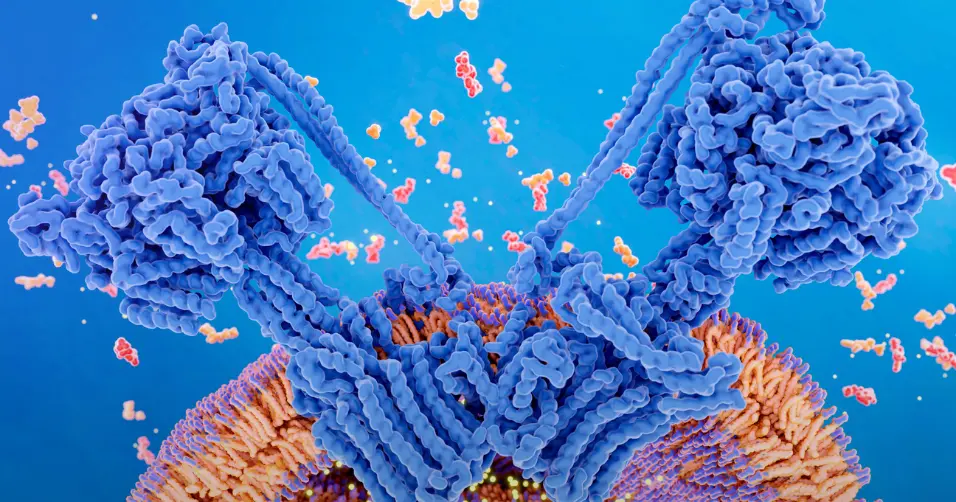
Thymosin Beta-4 affects processes of healing, regeneration, and inflammation. It helps organize actin, a protein vital for cell movement and repair. This allows tissues to rebuild more efficiently after injury. It also stimulates new blood vessel growth, improving circulation to damaged areas. These combined effects make it important in regenerative and repair mechanisms.

  • It enhances wound healing by helping cells move and close damaged tissue areas.

  • It reduces inflammation, which supports recovery in chronic or acute injuries.

  • It stimulates angiogenesis, the creation of new blood vessels, aiding tissue repair.

  • It influences muscle and organ repair, making it relevant for recovery medicine.

Thymosin Beta-4 affects processes of healing, regeneration, and inflammation. It helps organize actin, a protein vital for cell movement and repair. This allows tissues to rebuild more efficiently after injury. It also stimulates new blood vessel growth, improving circulation to damaged areas. These combined effects make it important in regenerative and repair mechanisms.

  • It enhances wound healing by helping cells move and close damaged tissue areas.

  • It reduces inflammation, which supports recovery in chronic or acute injuries.

  • It stimulates angiogenesis, the creation of new blood vessels, aiding tissue repair.

  • It influences muscle and organ repair, making it relevant for recovery medicine.

How Is Thymosin Beta-4 Used in Biohacking?

Thymosin Beta-4 is used in biohacking for faster recovery from injuries due to its role in tissue and blood vessel repair.

Thymosin Beta-4 is used in biohacking for recovery and healing. Biohackers employ it to speed up recovery from intense workouts or injuries. It is considered attractive for tissue repair and regeneration. Some use it to reduce inflammation in chronic stress conditions. Its healing reputation makes it a staple in regenerative-focused biohacking discussions.

  • Thymosin Beta-4 is applied in protocols for faster wound and muscle recovery.

  • It is valued by athletes seeking to reduce downtime between training sessions.

  • Its anti-inflammatory properties make it useful for systemic recovery biohacks.

  • It represents a natural-seeming peptide approach rather than a pharmaceutical one.

Thymosin Beta-4 is used in biohacking for recovery and healing. Biohackers employ it to speed up recovery from intense workouts or injuries. It is considered attractive for tissue repair and regeneration. Some use it to reduce inflammation in chronic stress conditions. Its healing reputation makes it a staple in regenerative-focused biohacking discussions.

  • Thymosin Beta-4 is applied in protocols for faster wound and muscle recovery.

  • It is valued by athletes seeking to reduce downtime between training sessions.

  • Its anti-inflammatory properties make it useful for systemic recovery biohacks.

  • It represents a natural-seeming peptide approach rather than a pharmaceutical one.

Descriptions of protocols are provided to explain research methods only. They are not instructions for personal use. Individuals should not adapt or perform study procedures outside approved research settings with qualified supervision.

Descriptions of protocols are provided to explain research methods only. They are not instructions for personal use. Individuals should not adapt or perform study procedures outside approved research settings with qualified supervision.

How Is Thymosin Beta-4 Used in Research Settings?

Thymosin Beta-4 is used in research for wound healing, heart repair, and tissue regeneration studies.

Thymosin Beta-4 is used in research for healing, inflammation, and regenerative medicine. Scientists test its ability to speed up tissue repair in wounds and muscle damage. It is studied for promoting angiogenesis, or blood vessel growth, in recovery processes. Animal studies explore its role in reducing inflammation and fibrosis (scarring). Research aims to apply it in both sports medicine and chronic disease contexts.

  • It is tested for accelerating wound healing across skin and muscle tissues.

  • Angiogenesis studies examine its role in increasing circulation to damaged areas.

  • Animal models investigate its ability to limit scarring and fibrosis.

  • Its regenerative potential makes it a candidate for both acute and chronic injury research.

Thymosin Beta-4 is used in research for healing, inflammation, and regenerative medicine. Scientists test its ability to speed up tissue repair in wounds and muscle damage. It is studied for promoting angiogenesis, or blood vessel growth, in recovery processes. Animal studies explore its role in reducing inflammation and fibrosis (scarring). Research aims to apply it in both sports medicine and chronic disease contexts.

  • It is tested for accelerating wound healing across skin and muscle tissues.

  • Angiogenesis studies examine its role in increasing circulation to damaged areas.

  • Animal models investigate its ability to limit scarring and fibrosis.

  • Its regenerative potential makes it a candidate for both acute and chronic injury research.

How Fast Does Thymosin Beta-4 Work?

Thymosin Beta-4 shows effects on tissue healing over days to weeks depending on injury severity.

Thymosin Beta-4 works at a moderate pace depending on the type of injury or stress. Wound-healing studies show improved recovery times within days to weeks. For muscle recovery, benefits are noticeable after consistent application over several weeks. Its effects are tied to biological repair processes, not instant stimulation. Healing and anti-inflammatory changes unfold steadily with use.

  • Wound closure and tissue repair may accelerate within the first week of use.

  • Muscle recovery shows more gradual benefits over repeated training cycles.

  • Angiogenesis (blood vessel growth) requires weeks for measurable effects.

  • It supports long-term healing rather than quick boosts in energy or strength.

Thymosin Beta-4 works at a moderate pace depending on the type of injury or stress. Wound-healing studies show improved recovery times within days to weeks. For muscle recovery, benefits are noticeable after consistent application over several weeks. Its effects are tied to biological repair processes, not instant stimulation. Healing and anti-inflammatory changes unfold steadily with use.

  • Wound closure and tissue repair may accelerate within the first week of use.

  • Muscle recovery shows more gradual benefits over repeated training cycles.

  • Angiogenesis (blood vessel growth) requires weeks for measurable effects.

  • It supports long-term healing rather than quick boosts in energy or strength.

Is Thymosin Beta-4 Safe?

Thymosin Beta-4 risks include immune system effects and untested long-term safety.

Thymosin Beta-4 carries risks mainly tied to its experimental use. Safety data in humans is limited, with most evidence from animal or lab studies. Possible side effects include immune responses or unintended tissue growth. Overuse could disturb natural healing balances. Until larger human trials are complete, risks remain uncertain.

  • Data gaps mean potential side effects are not fully identified in humans.

  • Some concern exists about stimulating unwanted tissue or tumor growth.

  • Immune system disruption may occur with peptide-based therapies.

  • Long-term risks are unknown due to lack of extended clinical trials.

Thymosin Beta-4 carries risks mainly tied to its experimental use. Safety data in humans is limited, with most evidence from animal or lab studies. Possible side effects include immune responses or unintended tissue growth. Overuse could disturb natural healing balances. Until larger human trials are complete, risks remain uncertain.

  • Data gaps mean potential side effects are not fully identified in humans.

  • Some concern exists about stimulating unwanted tissue or tumor growth.

  • Immune system disruption may occur with peptide-based therapies.

  • Long-term risks are unknown due to lack of extended clinical trials.

Small or early studies can overlook important risks, including organ effects and drug–substance interactions. Product quality outside research supply chains is uncertain. Individuals should not conduct at-home trials; participation should occur only within approved research or clinical care.

Small or early studies can overlook important risks, including organ effects and drug–substance interactions. Product quality outside research supply chains is uncertain. Individuals should not conduct at-home trials; participation should occur only within approved research or clinical care.

What Is the Most Common Form of Thymosin Beta-4?

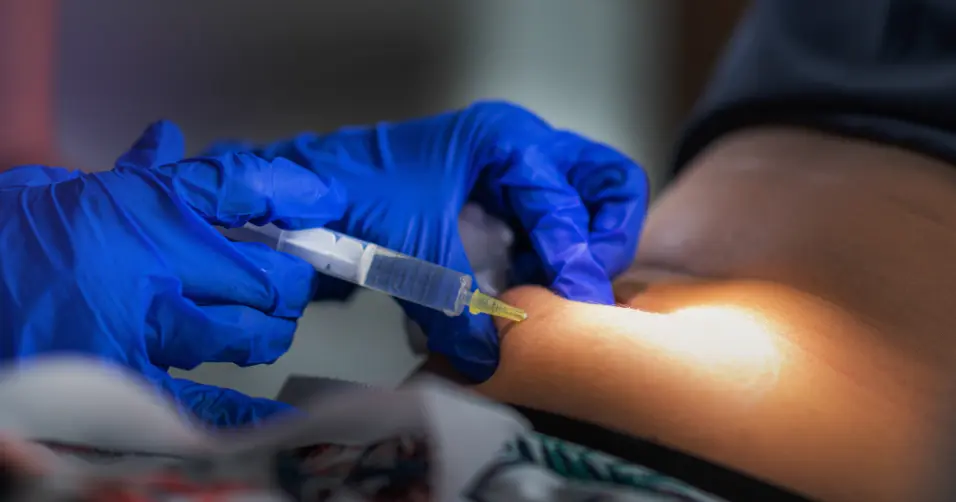
Thymosin Beta-4 is most commonly used as an injectable peptide solution.

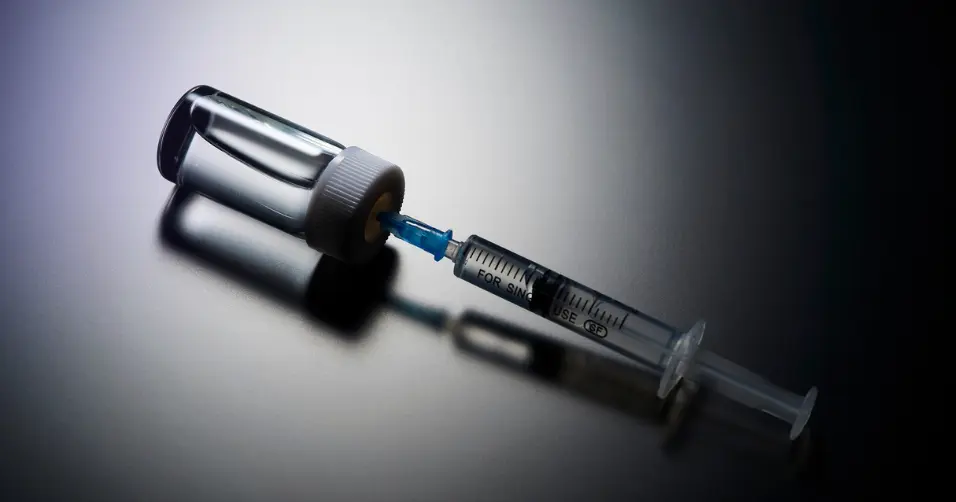
Thymosin Beta-4 is most commonly available as an injectable peptide in research settings. This route ensures direct delivery into tissues or bloodstream. Oral forms are not widely used because peptides are broken down in digestion. It is supplied as a lyophilized (freeze-dried) powder that must be reconstituted before injection. Injection remains the dominant method in both lab and experimental uses.

  • Injectable form ensures bioavailability since peptides degrade in the stomach.

  • Freeze-dried powder is common, requiring careful preparation before use.

  • Oral alternatives are largely ineffective due to digestion breakdown.

  • Injection is the research standard for peptides like Thymosin Beta-4.

Thymosin Beta-4 is most commonly available as an injectable peptide in research settings. This route ensures direct delivery into tissues or bloodstream. Oral forms are not widely used because peptides are broken down in digestion. It is supplied as a lyophilized (freeze-dried) powder that must be reconstituted before injection. Injection remains the dominant method in both lab and experimental uses.

  • Injectable form ensures bioavailability since peptides degrade in the stomach.

  • Freeze-dried powder is common, requiring careful preparation before use.

  • Oral alternatives are largely ineffective due to digestion breakdown.

  • Injection is the research standard for peptides like Thymosin Beta-4.

What Are Key Ingredients of Thymosin Beta-4?

Thymosin Beta-4 key ingredient is a naturally occurring peptide of 43 amino acids.

Thymosin Beta-4 preparations contain the peptide itself as the active component. It is supplied in lyophilized (freeze-dried) form for reconstitution. The peptide chain drives its regenerative and healing effects. Solutions may contain saline or buffers for stability but no other active agents. The peptide alone provides the therapeutic activity.

  • Active ingredient is Thymosin Beta-4 peptide, a naturally occurring sequence.

  • Freeze-dried form ensures preservation until reconstitution.

  • Solutions may use saline but it is inert in terms of biological action.

  • The peptide alone stimulates healing and angiogenesis processes.

Thymosin Beta-4 preparations contain the peptide itself as the active component. It is supplied in lyophilized (freeze-dried) form for reconstitution. The peptide chain drives its regenerative and healing effects. Solutions may contain saline or buffers for stability but no other active agents. The peptide alone provides the therapeutic activity.

  • Active ingredient is Thymosin Beta-4 peptide, a naturally occurring sequence.

  • Freeze-dried form ensures preservation until reconstitution.

  • Solutions may use saline but it is inert in terms of biological action.

  • The peptide alone stimulates healing and angiogenesis processes.

Is Thymosin Beta-4 Naturally Available in Food?

Thymosin Beta-4 is not found in food as it is an endogenous human peptide.

Thymosin Beta-4 is not found naturally in food. It is a peptide naturally produced in the human body. No plants or animals provide it in dietary amounts. Because it is a protein sequence, eating does not deliver it intact. Only synthetic or extracted peptides provide usable forms.

  • The human body produces Thymosin Beta-4 naturally in tissues.

  • No foods contain it in intact or functional form.

  • Digestion would break down any peptide into amino acids.

  • Its availability is limited to laboratory production or extraction.

Thymosin Beta-4 is not found naturally in food. It is a peptide naturally produced in the human body. No plants or animals provide it in dietary amounts. Because it is a protein sequence, eating does not deliver it intact. Only synthetic or extracted peptides provide usable forms.

  • The human body produces Thymosin Beta-4 naturally in tissues.

  • No foods contain it in intact or functional form.

  • Digestion would break down any peptide into amino acids.

  • Its availability is limited to laboratory production or extraction.

Does Thymosin Beta-4 Impact Longevity?

Thymosin Beta-4 impact on longevity is not established, though it may aid tissue repair.

Thymosin Beta-4 may contribute indirectly to longevity by supporting healing and regeneration. Faster recovery and reduced inflammation can improve quality of life as people age. However, it does not directly target aging pathways like mTOR or senescence. Its benefits are more supportive than lifespan-extending. Current research does not classify it as a core longevity compound.

  • It aids recovery from injuries, which is useful in aging populations.

  • Anti-inflammatory actions may lower chronic disease risk indirectly.

  • No studies directly connect it to longer lifespan in animals or humans.

  • It may support healthspan but not proven longevity extension.

Thymosin Beta-4 may contribute indirectly to longevity by supporting healing and regeneration. Faster recovery and reduced inflammation can improve quality of life as people age. However, it does not directly target aging pathways like mTOR or senescence. Its benefits are more supportive than lifespan-extending. Current research does not classify it as a core longevity compound.

  • It aids recovery from injuries, which is useful in aging populations.

  • Anti-inflammatory actions may lower chronic disease risk indirectly.

  • No studies directly connect it to longer lifespan in animals or humans.

  • It may support healthspan but not proven longevity extension.

Does Tolerance Develop for Thymosin Beta-4?

Thymosin Beta-4 tolerance is not well studied, and repeated use effects remain unknown.

Thymosin Beta-4 has no documented tolerance development. As a naturally occurring peptide, its effects appear consistent when administered. It supports healing processes that are not typically prone to adaptation. However, long-term supplementation in humans is not well studied. Risks of tolerance are considered low but unproven.

  • No reports show reduced healing benefits with repeated use.

  • It mimics natural body processes, lowering tolerance risk.

  • Evidence is mostly from short-term or animal studies.

  • Long-term data in humans remains sparse and inconclusive.

Thymosin Beta-4 has no documented tolerance development. As a naturally occurring peptide, its effects appear consistent when administered. It supports healing processes that are not typically prone to adaptation. However, long-term supplementation in humans is not well studied. Risks of tolerance are considered low but unproven.

  • No reports show reduced healing benefits with repeated use.

  • It mimics natural body processes, lowering tolerance risk.

  • Evidence is mostly from short-term or animal studies.

  • Long-term data in humans remains sparse and inconclusive.

Short, controlled tests do not establish long-term safety or cumulative effects. This information is for context, not for ongoing personal use. Exposure to experimental substances should not occur outside clinically supervised tests.

Short, controlled tests do not establish long-term safety or cumulative effects. This information is for context, not for ongoing personal use. Exposure to experimental substances should not occur outside clinically supervised tests.

Do Thymosin Beta-4 Effects Persist?

Thymosin Beta-4 effects on healing remain once tissue is repaired, but ongoing benefits stop after use.

Thymosin Beta-4 effects may persist for some time after treatment ends. Improved healing and tissue repair can create lasting benefits in recovered areas. However, its regenerative activity stops when dosing ends. Inflammation control also declines without continued use. The persistence is tied to completed healing rather than ongoing function.

  • Wounds or injuries healed remain improved even after therapy stops.

  • Anti-inflammatory benefits fade without repeated use.

  • It does not permanently alter cellular repair mechanisms.

  • Long-term outcomes depend on the injury fully recovering during use.

Thymosin Beta-4 effects may persist for some time after treatment ends. Improved healing and tissue repair can create lasting benefits in recovered areas. However, its regenerative activity stops when dosing ends. Inflammation control also declines without continued use. The persistence is tied to completed healing rather than ongoing function.

  • Wounds or injuries healed remain improved even after therapy stops.

  • Anti-inflammatory benefits fade without repeated use.

  • It does not permanently alter cellular repair mechanisms.

  • Long-term outcomes depend on the injury fully recovering during use.

Signals that look promising in a lab may not hold up in broader populations and may reveal risks later. This information is explanatory only and does not support self-directed use to “reproduce” results.

Signals that look promising in a lab may not hold up in broader populations and may reveal risks later. This information is explanatory only and does not support self-directed use to “reproduce” results.

How Long Do Thymosin Beta-4’s Side Effects and Traces Persist?

Thymosin Beta-4 side effects and traces duration are unknown due to limited human data.

Thymosin Beta-4 traces clear within days after injection. Peptides are broken down into amino acids by enzymes. Healing benefits may persist if tissue repair completed during use. Side effects, if present, end quickly after withdrawal. It does not accumulate in tissues long-term.

  • Peptide fragments are rapidly broken down and reused as amino acids.

  • Healing outcomes remain, but drug activity ends quickly.

  • Side effects like inflammation reactions resolve within days.

  • No persistent residues remain in the body.

Thymosin Beta-4 traces clear within days after injection. Peptides are broken down into amino acids by enzymes. Healing benefits may persist if tissue repair completed during use. Side effects, if present, end quickly after withdrawal. It does not accumulate in tissues long-term.

  • Peptide fragments are rapidly broken down and reused as amino acids.

  • Healing outcomes remain, but drug activity ends quickly.

  • Side effects like inflammation reactions resolve within days.

  • No persistent residues remain in the body.

Early reports may miss rare, delayed, or interaction-related harms. This section explains study observations only and does not justify anyone trying the substance. Individuals should stop and seek care for concerning symptoms and should not self-experiment.

Early reports may miss rare, delayed, or interaction-related harms. This section explains study observations only and does not justify anyone trying the substance. Individuals should stop and seek care for concerning symptoms and should not self-experiment.

Is Thymosin Beta-4 a Regulated Substance?

Thymosin Beta-4 is regulated as a research peptide and not approved for general medical use.

Thymosin Beta-4 is classified as a research peptide rather than a supplement. It is not approved for human medical use outside specific research trials. The World Anti-Doping Agency bans it in sports due to performance enhancement concerns. Regulation limits it to laboratories and experimental contexts. Its therapeutic promise does not yet outweigh regulatory restrictions.

  • It is banned in competitive athletics under peptide regulations.

  • Not approved for use as a supplement or medication in general markets.

  • Accessible only as a research-grade compound.

  • Use is tightly controlled due to performance enhancement potential.

Thymosin Beta-4 is classified as a research peptide rather than a supplement. It is not approved for human medical use outside specific research trials. The World Anti-Doping Agency bans it in sports due to performance enhancement concerns. Regulation limits it to laboratories and experimental contexts. Its therapeutic promise does not yet outweigh regulatory restrictions.

  • It is banned in competitive athletics under peptide regulations.

  • Not approved for use as a supplement or medication in general markets.

  • Accessible only as a research-grade compound.

  • Use is tightly controlled due to performance enhancement potential.

Legal status, import rules, and anti-doping policies vary and change. Clinical study access does not imply personal use is permitted. Verify current rules with relevant authorities; do not proceed outside them.

Legal status, import rules, and anti-doping policies vary and change. Clinical study access does not imply personal use is permitted. Verify current rules with relevant authorities; do not proceed outside them.

When Was Thymosin Beta-4 First Used?

Thymosin Beta-4 was first isolated in 1981 from thymus tissue.

Thymosin Beta-4 was first isolated in the 1960s. Scientists identified it as a naturally occurring peptide in animal tissues. Its healing potential was noticed in the 1970s and 1980s. Early studies focused on wound repair and tissue regeneration. It has since been used mainly in research rather than clinical medicine.

  • Discovered in the 1960s during peptide and protein mapping studies.

  • Found to play a role in cell migration and repair functions.

  • Investigated in the 1980s for wound healing potential.

  • Remains experimental in therapeutic use today.

Thymosin Beta-4 was first isolated in the 1960s. Scientists identified it as a naturally occurring peptide in animal tissues. Its healing potential was noticed in the 1970s and 1980s. Early studies focused on wound repair and tissue regeneration. It has since been used mainly in research rather than clinical medicine.

  • Discovered in the 1960s during peptide and protein mapping studies.

  • Found to play a role in cell migration and repair functions.

  • Investigated in the 1980s for wound healing potential.

  • Remains experimental in therapeutic use today.

What Additional Research Is Needed on Thymosin Beta-4?

Thymosin Beta-4 needs more controlled studies on healing, immunity, and long-term safety.

Thymosin Beta-4 research needs human clinical trials for safety and healing applications. Most data is from animal models or cell cultures. Potential risks of stimulating unwanted tissue growth need careful testing. Larger trials could confirm its role in sports recovery and chronic injury care. Its anti-inflammatory benefits also require more validation.

  • Human trials are needed to confirm safety and dosing protocols.

  • Long-term cancer risk must be excluded before therapeutic use.

  • Studies should assess its effect on chronic inflammatory diseases.

  • Clinical testing in muscle and wound recovery would clarify benefits.

Thymosin Beta-4 research needs human clinical trials for safety and healing applications. Most data is from animal models or cell cultures. Potential risks of stimulating unwanted tissue growth need careful testing. Larger trials could confirm its role in sports recovery and chronic injury care. Its anti-inflammatory benefits also require more validation.

  • Human trials are needed to confirm safety and dosing protocols.

  • Long-term cancer risk must be excluded before therapeutic use.

  • Studies should assess its effect on chronic inflammatory diseases.

  • Clinical testing in muscle and wound recovery would clarify benefits.

How Is Thymosin Beta-4 Viewed in Peptide Research?

Thymosin Beta-4 is viewed in peptide research as a repair-promoting molecule involved in tissue healing.

Thymosin Beta-4 is viewed in peptide research as a compound of interest for cell movement and tissue processes. It is studied mainly in controlled lab environments. Researchers examine how it influences repair pathways. Its role is experimental and not established for general use. Studies remain focused on understanding its biological mechanisms.

  • Cell-migration interest drives much of its study.

  • Laboratory context limits its practical interpretation.

  • Tissue-related pathways are key targets.

  • Exploratory status defines current research.


Thymosin Beta-4 is viewed in peptide research as a compound of interest for cell movement and tissue processes. It is studied mainly in controlled lab environments. Researchers examine how it influences repair pathways. Its role is experimental and not established for general use. Studies remain focused on understanding its biological mechanisms.

  • Cell-migration interest drives much of its study.

  • Laboratory context limits its practical interpretation.

  • Tissue-related pathways are key targets.

  • Exploratory status defines current research.


What Is Thymosin Beta-4 Studied for in Tendons?

Thymosin Beta-4 is studied for tendon healing through cell migration and angiogenesis support.

Thymosin beta-4 is studied for its role in cell migration and tissue organization in tendon models. Research looks at how it influences early-stage repair signals. Laboratory studies observe changes in collagen layout. Blood vessel growth is also monitored. Human studies remain limited.

  • Cell movement helps early repair processes in models.

  • Collagen structure shows shifts in fiber arrangement.

  • Vascular response monitors small vessel formation.

  • Inflammation balance viewed in controlled experiments.

  • Evidence gap remains for standardized human outcomes.

Thymosin beta-4 is studied for its role in cell migration and tissue organization in tendon models. Research looks at how it influences early-stage repair signals. Laboratory studies observe changes in collagen layout. Blood vessel growth is also monitored. Human studies remain limited.

  • Cell movement helps early repair processes in models.

  • Collagen structure shows shifts in fiber arrangement.

  • Vascular response monitors small vessel formation.

  • Inflammation balance viewed in controlled experiments.

  • Evidence gap remains for standardized human outcomes.

Biohacking involves significant health risks, including potential disruption of normal body processes, interference with medications, and interactions with underlying medical conditions. The use of experimental substances—even when not currently banned or regulated—can have unpredictable and possibly long-term effects. Even where small human trials have reported encouraging short-term outcomes, the broader and long-term safety profiles often remain anecdotal or unverified. Myopedia recognizes the increasing attention toward biohacking and emerging longevity or performance technologies. These articles are intended to inform and encourage understanding of scientific developments, not to promote personal experimentation or unsupervised use.
Information about applications, case studies, or trial data is presented for educational purposes only, may contain inaccuracies or omissions, and should not be used to guide the use of any substance, method, or routine.

Medical Disclaimer: All content on this website is intended solely for informational and educational purposes and should not be interpreted as a substitute for professional medical advice, diagnosis, or treatment, nor as encouragement or promotion for or against any particular use, product, or activity. Results may vary and are not guaranteed. No doctor–patient relationship is created by your use of this content. Always consult a qualified healthcare provider, nutritionist, or other relevant expert before starting or changing any supplement, diet, exercise, or lifestyle program. This website can contain errors. Check important information. Read our full Disclaimer.

StatusTerms of ServicePrivacy PolicyDisclaimerAbout Myopedia.

©2025 Myopedia™. All rights reserved.

Medical Disclaimer: All content on this website is intended solely for informational and educational purposes and should not be interpreted as a substitute for professional medical advice, diagnosis, or treatment, nor as encouragement or promotion for or against any particular use, product, or activity. Results may vary and are not guaranteed. No doctor–patient relationship is created by your use of this content. Always consult a qualified healthcare provider, nutritionist, or other relevant expert before starting or changing any supplement, diet, exercise, or lifestyle program. This website can contain errors. Check important information. Read our full Disclaimer.

StatusTerms of ServicePrivacy PolicyDisclaimerAbout Myopedia.

©2025 Myopedia™. All rights reserved.

Medical Disclaimer: All content on this website is intended solely for informational and educational purposes and should not be interpreted as a substitute for professional medical advice, diagnosis, or treatment, nor as encouragement or promotion for or against any particular use, product, or activity. Results may vary and are not guaranteed. No doctor–patient relationship is created by your use of this content. Always consult a qualified healthcare provider, nutritionist, or other relevant expert before starting or changing any supplement, diet, exercise, or lifestyle program. This website can contain errors. Check important information. Read our full Disclaimer.

StatusTerms of ServicePrivacy PolicyDisclaimerAbout Myopedia.

©2025 Myopedia™. All rights reserved.