10 Best Cheeses High in Protein for Healthy Diets
Top Cheeses That Deliver a Protein Punch
Looking for ways to boost your protein intake without always reaching for meat or beans?
Whey Protein
Top Lactose-Free Protein Options for Sensitive Stomachs

Soy Protein
Rice Protein
Plant-Based Protein

Pea Protein
Leucine

Lactose-Free Protein

Is Milk Good for Muscle Growth

Is a Protein Shake a Good Breakfast
How to Get 100 Grams of Protein a Day
How Long Does Protein Powder Last

How Is Protein Powder Made

High-Protein Vegan Meals That Boost Muscle and Energy

High-Protein Chicken Recipes for Muscle Building

Gluten-Free Protein

Does Protein Keep You Awake

Cheap and Easy High-Protein Meals for Busy Days

Casein Protein

Can Protein Make You Poop More?
Best Vegetarian Protein Sources

10 Best Seafood Protein Sources to Add to Your Diet
10 Best High-Protein Vegetarian Foods for Every Meal

10 Best High-Protein Vegan Foods for Plant-Based Diets
10 Best High-Protein Meat Dishes for Muscle Growth

10 Best High-Protein Chicken Dishes You’ll Crave
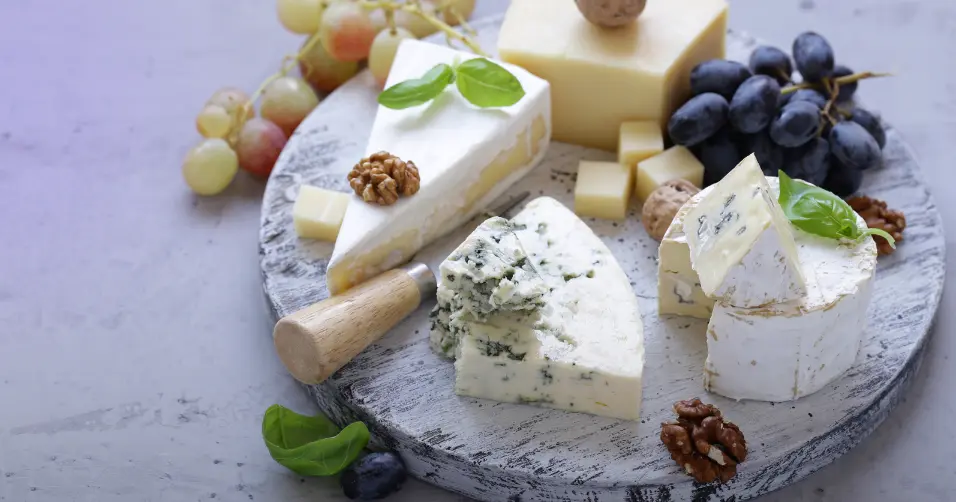
10 Best Cheeses High in Protein for Healthy Diets

8 Healthy High-Protein Dinners You’ll Want Every Night
2-Minute Protein Mug Cake Recipe
Looking for ways to boost your protein intake without always reaching for meat or beans?
Cheese can be a surprisingly good option! Many types of cheese pack a protein punch, making them a tasty addition to a healthy diet. We've rounded up some of the best Cheeses High in Protein that can help you feel fuller longer and support your body's needs. Let's check them out.
Parmesan
When you think about cheese that packs a protein punch, Parmesan often comes to mind. This hard, aged cheese, originating from Italy, is known for its sharp, nutty flavor and granular texture. It’s made from cow's milk and aged for a minimum of 12 months, which helps develop its complex taste and also reduces its lactose content, making it a good option for many who are sensitive to lactose.
A 1-ounce serving of Parmesan cheese typically offers around 10 grams of protein. That's a pretty solid amount for a single ounce! It's also a good source of calcium and phosphorus, both important for bone health. You can grate it over pasta, sprinkle it on salads, or even enjoy it with some fruit for a salty-sweet snack. It’s quite versatile.
Here's a quick look at what you get in a 1-ounce (28g) serving:
Nutrient | Amount |
|---|---|
Calories | ~111 |
Protein | ~10g |
Fat | ~7g |
Carbohydrates | ~1g |
Calcium | ~26% DV |
Phosphorus | ~16% DV |
Cottage Cheese
When you think about high-protein dairy, cottage cheese often comes to mind, and for good reason. It's a simple cheese, made by curdling milk, and it's packed with protein. A typical half-cup serving can give you around 12 grams of protein, which is pretty substantial for a single food item. This makes it a great choice if you're trying to feel fuller for longer, which can be helpful if you're watching your calorie intake.
What's interesting about cottage cheese is the type of protein it contains. It's rich in casein, a slow-digesting protein. This means it releases amino acids into your body gradually, keeping you satisfied for an extended period. Many brands also include live cultures, which are good for your gut health.
Here's a quick look at what you might find in a standard serving:
Nutrient | Amount (per 1/2 cup) |
|---|---|
Calories | 108 |
Protein | 12 g |
Fat | 4 g |
Carbohydrates | 5 g |
It's quite versatile, too. You can eat it plain, mix it with fruit for a sweet snack, blend it into smoothies, or even add it to scrambled eggs for an extra protein boost. Some people even use it as a base for savory dips or spread it on toast. Just remember that like other dairy products, it does contain lactose, so keep that in mind if you're sensitive.
Romano
Romano cheese, particularly the Italian variety known as Pecorino Romano, is a fantastic choice if you're looking to boost your protein intake. It's traditionally made from sheep's milk, which gives it a really bold and salty taste that some people absolutely love. If you find the traditional version a bit too intense, there are domestic versions made from cow's milk that offer a milder flavor profile.
This cheese is a great addition to many dishes, adding both flavor and a good dose of protein. It's quite versatile, working well grated over pasta, mixed into sauces, or even enjoyed on its own for a protein-rich snack.
Here's a quick look at what you can expect from Romano cheese:
Nutrient | Amount per 1 oz |
|---|---|
Calories | 110 |
Protein | 9 g |
Carbohydrates | 1 g |
Fat | 7.3 g |
Gruyere
Hailing from Switzerland, Gruyere is a firm, pale-yellow cheese with a rich, nutty flavor that gets more intense as it ages. It's made from cow's milk and is known for its smooth texture, making it melt beautifully. This cheese isn't just tasty; it also packs a good amount of protein, which is great for keeping you feeling full.
Gruyere offers about 8.5 grams of protein per ounce, making it a solid choice for adding to your diet if you're looking for protein-rich foods. It's also a source of calcium and phosphorus, both important for bone health. Plus, some studies suggest that cheeses like Gruyere, which undergo a long aging process, can contain beneficial probiotics that might help with digestion.
Here's a quick look at its nutritional profile per 1-ounce serving:
Nutrient | Amount |
|---|---|
Calories | 117 |
Protein | 8.5 g |
Fat | 9.2 g |
Carbohydrates | 0.1 g |
It's quite versatile in the kitchen. You can grate it over pasta or gratins, slice it for sandwiches, or add it to quiches and French onion soup. It also makes a lovely addition to a cheese board, perhaps paired with some fruit or nuts for a sweet and savory combination.
Swiss
Originating from Switzerland, this semihard cheese is known for its mild, nutty flavor and those distinctive holes. Those holes? They're a byproduct of the fermentation process, where bacteria release gases. When you're looking for a cheese that's a bit lighter on the sodium, Swiss is often a good pick compared to many other cheeses. This can be helpful if you're keeping an eye on your salt intake.
It's also relatively low in carbohydrates, which might be a plus if you're managing blood sugar or following a low-carb diet. Swiss cheese offers a decent amount of protein, making it a solid choice for adding to your meals.
Here's a general idea of what you might find in a serving:
Nutrient | Amount per 1 oz (28g) |
|---|---|
Calories | ~111 |
Protein | ~7.7 g |
Fat | ~8.8 g |
Carbohydrates | ~0.4 g |
Sodium | ~2% DV |
Calcium | ~19% DV |
It's pretty versatile, too. You can slice it up for sandwiches, melt it into French onion soup, or even pair it with some fruit for a simple snack.
Provolone
Provolone is a semi-hard Italian cheese that's pretty versatile. It's got a nice, smooth texture and a flavor that can range from mild and a little sweet to sharper and more pungent, depending on how long it's aged. This makes it a good choice for all sorts of dishes.
10 Best Cheese That Is High In Protein
High-protein cheeses are excellent for muscle repair, bone strength, and satiety. They provide complete protein along with calcium, phosphorus, and healthy fats. Hard and aged cheeses generally contain more protein per gram due to lower moisture content. These options can be used in snacks, salads, or main dishes for added flavor and nutrition. Below are ten top choices of high-protein cheeses suitable for balanced diets.
Parmesan: One of the highest-protein cheeses, rich in calcium and ideal for grating over pasta or salads.
Swiss Cheese: Offers a firm texture and mild flavor with strong protein and calcium content.
Cheddar: Aged cheddar provides a concentrated source of protein and essential nutrients like zinc.
Gruyère: A nutty, dense cheese known for its high protein and excellent melting quality.
Mozzarella: A lighter cheese with solid protein levels, often used in salads and baked dishes.
Provolone: Semi-hard cheese that combines good protein content with a smooth, mild flavor.
Ricotta: Soft and creamy, made from whey, offering moderate protein with a light texture for desserts or pasta.
Cottage Cheese: A low-fat, high-protein option perfect for breakfast, snacks, or post-workout meals.
Gouda: Aged varieties have concentrated protein and a rich, caramel-like flavor profile.
Edam: Mild and semi-hard, offering balanced protein with lower fat content than many hard cheeses.
Parmesan
When you think about cheese that packs a protein punch, Parmesan often comes to mind. This hard, aged cheese, originating from Italy, is known for its sharp, nutty flavor and granular texture. It’s made from cow's milk and aged for a minimum of 12 months, which helps develop its complex taste and also reduces its lactose content, making it a good option for many who are sensitive to lactose.
A 1-ounce serving of Parmesan cheese typically offers around 10 grams of protein. That's a pretty solid amount for a single ounce! It's also a good source of calcium and phosphorus, both important for bone health. You can grate it over pasta, sprinkle it on salads, or even enjoy it with some fruit for a salty-sweet snack. It’s quite versatile.
Here's a quick look at what you get in a 1-ounce (28g) serving:
Nutrient | Amount |
|---|---|
Calories | ~111 |
Protein | ~10g |
Fat | ~7g |
Carbohydrates | ~1g |
Calcium | ~26% DV |
Phosphorus | ~16% DV |
Cottage Cheese
When you think about high-protein dairy, cottage cheese often comes to mind, and for good reason. It's a simple cheese, made by curdling milk, and it's packed with protein. A typical half-cup serving can give you around 12 grams of protein, which is pretty substantial for a single food item. This makes it a great choice if you're trying to feel fuller for longer, which can be helpful if you're watching your calorie intake.
What's interesting about cottage cheese is the type of protein it contains. It's rich in casein, a slow-digesting protein. This means it releases amino acids into your body gradually, keeping you satisfied for an extended period. Many brands also include live cultures, which are good for your gut health.
Here's a quick look at what you might find in a standard serving:
Nutrient | Amount (per 1/2 cup) |
|---|---|
Calories | 108 |
Protein | 12 g |
Fat | 4 g |
Carbohydrates | 5 g |
It's quite versatile, too. You can eat it plain, mix it with fruit for a sweet snack, blend it into smoothies, or even add it to scrambled eggs for an extra protein boost. Some people even use it as a base for savory dips or spread it on toast. Just remember that like other dairy products, it does contain lactose, so keep that in mind if you're sensitive.
Romano
Romano cheese, particularly the Italian variety known as Pecorino Romano, is a fantastic choice if you're looking to boost your protein intake. It's traditionally made from sheep's milk, which gives it a really bold and salty taste that some people absolutely love. If you find the traditional version a bit too intense, there are domestic versions made from cow's milk that offer a milder flavor profile.
This cheese is a great addition to many dishes, adding both flavor and a good dose of protein. It's quite versatile, working well grated over pasta, mixed into sauces, or even enjoyed on its own for a protein-rich snack.
Here's a quick look at what you can expect from Romano cheese:
Nutrient | Amount per 1 oz |
|---|---|
Calories | 110 |
Protein | 9 g |
Carbohydrates | 1 g |
Fat | 7.3 g |
Gruyere
Hailing from Switzerland, Gruyere is a firm, pale-yellow cheese with a rich, nutty flavor that gets more intense as it ages. It's made from cow's milk and is known for its smooth texture, making it melt beautifully. This cheese isn't just tasty; it also packs a good amount of protein, which is great for keeping you feeling full.
Gruyere offers about 8.5 grams of protein per ounce, making it a solid choice for adding to your diet if you're looking for protein-rich foods. It's also a source of calcium and phosphorus, both important for bone health. Plus, some studies suggest that cheeses like Gruyere, which undergo a long aging process, can contain beneficial probiotics that might help with digestion.
Here's a quick look at its nutritional profile per 1-ounce serving:
Nutrient | Amount |
|---|---|
Calories | 117 |
Protein | 8.5 g |
Fat | 9.2 g |
Carbohydrates | 0.1 g |
It's quite versatile in the kitchen. You can grate it over pasta or gratins, slice it for sandwiches, or add it to quiches and French onion soup. It also makes a lovely addition to a cheese board, perhaps paired with some fruit or nuts for a sweet and savory combination.
Swiss
Originating from Switzerland, this semihard cheese is known for its mild, nutty flavor and those distinctive holes. Those holes? They're a byproduct of the fermentation process, where bacteria release gases. When you're looking for a cheese that's a bit lighter on the sodium, Swiss is often a good pick compared to many other cheeses. This can be helpful if you're keeping an eye on your salt intake.
It's also relatively low in carbohydrates, which might be a plus if you're managing blood sugar or following a low-carb diet. Swiss cheese offers a decent amount of protein, making it a solid choice for adding to your meals.
Here's a general idea of what you might find in a serving:
Nutrient | Amount per 1 oz (28g) |
|---|---|
Calories | ~111 |
Protein | ~7.7 g |
Fat | ~8.8 g |
Carbohydrates | ~0.4 g |
Sodium | ~2% DV |
Calcium | ~19% DV |
It's pretty versatile, too. You can slice it up for sandwiches, melt it into French onion soup, or even pair it with some fruit for a simple snack.
Provolone
Provolone is a semi-hard Italian cheese that's pretty versatile. It's got a nice, smooth texture and a flavor that can range from mild and a little sweet to sharper and more pungent, depending on how long it's aged. This makes it a good choice for all sorts of dishes.
It's a solid source of protein, offering about 7.3 grams per ounce, which is great if you're trying to get more protein into your diet without adding a ton of calories. Plus, it's a good source of vitamin B12, which is important for keeping your nerves and blood cells healthy.
Here's a quick look at what you get in a typical ounce of provolone:
Nutrient | Amount |
|---|---|
Calories | 100 |
Protein | 7.3 g |
Carbohydrates | 0.6 g |
Fat | 7.5 g |
You can use provolone in so many ways. It melts really well, so it's fantastic on sandwiches like a classic Italian sub or grilled cheese. It also works nicely shredded on pizzas or baked into casseroles. If you're looking for a cheese that's both tasty and contributes to your protein intake, provolone is definitely worth considering.
Edam
Edam cheese, often recognized by its signature red wax coating, hails from the Netherlands and offers a good amount of protein. It's a semi-hard cheese with a mild, slightly nutty flavor that gets a bit sharper as it ages. This makes it a versatile cheese that can be enjoyed in many ways.
Edam provides about 7 grams of protein per ounce, which is pretty solid for a cheese that's not typically considered a 'hard' cheese like Parmesan. It's also a source of complete protein, meaning it contains all the essential amino acids your body needs but can't make on its own.
Here's a quick look at what you get in a 1-ounce serving:
Protein: ~7 grams
Calories: ~101
Fat: ~8 grams
Carbohydrates: ~0.4 grams
Because it's relatively low in lactose compared to softer cheeses, some people who are sensitive to lactose find they can handle Edam without issues. It's great for snacking, melting into dishes, or adding a mild cheesy flavor to sandwiches and salads.
Gouda
Gouda, a cheese with roots stretching back over 800 years from the Netherlands, is a fantastic addition to a protein-conscious diet. It offers a good amount of protein, typically around 7 grams per ounce, making it a satisfying choice.
This cheese is also a good source of calcium, which is important for bone health. Like many aged cheeses, Gouda is naturally low in lactose. This means people who have trouble digesting lactose might find it easier to enjoy compared to other dairy products.
Here's a quick look at its nutritional profile per ounce:
Nutrient | Amount |
|---|---|
Protein | ~7 g |
Calcium | ~200 mg |
Lactose | ~0 g |
Gouda's mild, slightly sweet, and nutty flavor makes it versatile. It's great on a cheese board, melted into dishes, or simply enjoyed on its own. Its texture can range from firm to creamy depending on how long it's aged, offering a different experience with each variety.
Mozzarella
When you think of pizza or a classic Caprese salad, chances are you're picturing mozzarella. This soft, white cheese, originally from Italy, is a favorite for a reason. It's not just about that satisfying stretch when it melts; mozzarella also brings a good amount of protein to the table, making it a smart choice for healthy eating.
Part-skim mozzarella is particularly good if you're watching fat intake. It offers a decent protein boost with fewer calories and less fat compared to some other cheeses. Plus, it has a mild flavor that plays well with pretty much anything you put it with.
Here's a look at what you can expect from a typical serving:
Nutrient | Amount per 1 oz (Part-Skim) |
|---|---|
Calories | 72 |
Protein | 6.9 g |
Fat | 4.5 g |
Carbohydrates | 0.8 g |
Beyond the protein, some mozzarella varieties contain beneficial bacteria, like Lactobacillus casei and Lactobacillus fermentum. These can be good for your gut health. While more research is always ongoing, the idea that fermented dairy can support your immune system is pretty interesting. So, next time you're reaching for cheese, remember that mozzarella offers more than just great taste – it's a solid contributor to your daily protein needs.
Cheddar
Cheddar cheese, a favorite originating from the English village of Cheddar, is a semihard cheese that's pretty versatile. You can find it in different shades, from white to yellow, and its taste can range from mild to quite sharp depending on how long it's been aged. It's made from cow's milk and is a good source of protein, which is always a plus when you're trying to eat healthier.
This cheese is a solid choice for adding protein to your meals. It's also a decent source of calcium, important for bone health. Some varieties also contain vitamin K2, which plays a role in heart health by helping to keep calcium out of your arteries. That's pretty interesting, right?
Here's a quick look at what you might get in about an ounce (28 grams) of cheddar:
Nutrient | Amount |
|---|---|
Calories | 115 |
Protein | 6.8 g |
Fat | 9.5 g |
Carbohydrates | 0.6 g |
Sodium | ~8% DV |
Calcium | ~20% DV |
Cheddar is super easy to incorporate into your diet. You can cube it for snacks, shred it over dishes, or melt it into your favorite comfort foods like mac and cheese or baked potatoes. It really does go with a lot of things.
Wrapping It Up
So there you have it – a whole list of cheeses that can actually help you get more protein into your diet. It’s pretty cool how something so tasty can also be good for you, right? Whether you're adding a sprinkle of Parmesan to your pasta or grabbing a slice of Swiss for your sandwich, these options make it easy to boost your protein intake without feeling like you're missing out. Just remember to keep an eye on portion sizes, especially with the richer cheeses, and you'll be well on your way to enjoying a healthier, cheesier lifestyle. Happy snacking!
It's a solid source of protein, offering about 7.3 grams per ounce, which is great if you're trying to get more protein into your diet without adding a ton of calories. Plus, it's a good source of vitamin B12, which is important for keeping your nerves and blood cells healthy.
Here's a quick look at what you get in a typical ounce of provolone:
Nutrient | Amount |
|---|---|
Calories | 100 |
Protein | 7.3 g |
Carbohydrates | 0.6 g |
Fat | 7.5 g |
You can use provolone in so many ways. It melts really well, so it's fantastic on sandwiches like a classic Italian sub or grilled cheese. It also works nicely shredded on pizzas or baked into casseroles. If you're looking for a cheese that's both tasty and contributes to your protein intake, provolone is definitely worth considering.
Edam
Edam cheese, often recognized by its signature red wax coating, hails from the Netherlands and offers a good amount of protein. It's a semi-hard cheese with a mild, slightly nutty flavor that gets a bit sharper as it ages. This makes it a versatile cheese that can be enjoyed in many ways.
Edam provides about 7 grams of protein per ounce, which is pretty solid for a cheese that's not typically considered a 'hard' cheese like Parmesan. It's also a source of complete protein, meaning it contains all the essential amino acids your body needs but can't make on its own.
Here's a quick look at what you get in a 1-ounce serving:
Protein: ~7 grams
Calories: ~101
Fat: ~8 grams
Carbohydrates: ~0.4 grams
Because it's relatively low in lactose compared to softer cheeses, some people who are sensitive to lactose find they can handle Edam without issues. It's great for snacking, melting into dishes, or adding a mild cheesy flavor to sandwiches and salads.
Gouda
Gouda, a cheese with roots stretching back over 800 years from the Netherlands, is a fantastic addition to a protein-conscious diet. It offers a good amount of protein, typically around 7 grams per ounce, making it a satisfying choice.
This cheese is also a good source of calcium, which is important for bone health. Like many aged cheeses, Gouda is naturally low in lactose. This means people who have trouble digesting lactose might find it easier to enjoy compared to other dairy products.
Here's a quick look at its nutritional profile per ounce:
Nutrient | Amount |
|---|---|
Protein | ~7 g |
Calcium | ~200 mg |
Lactose | ~0 g |
Gouda's mild, slightly sweet, and nutty flavor makes it versatile. It's great on a cheese board, melted into dishes, or simply enjoyed on its own. Its texture can range from firm to creamy depending on how long it's aged, offering a different experience with each variety.
Mozzarella
When you think of pizza or a classic Caprese salad, chances are you're picturing mozzarella. This soft, white cheese, originally from Italy, is a favorite for a reason. It's not just about that satisfying stretch when it melts; mozzarella also brings a good amount of protein to the table, making it a smart choice for healthy eating.
Part-skim mozzarella is particularly good if you're watching fat intake. It offers a decent protein boost with fewer calories and less fat compared to some other cheeses. Plus, it has a mild flavor that plays well with pretty much anything you put it with.
Here's a look at what you can expect from a typical serving:
Nutrient | Amount per 1 oz (Part-Skim) |
|---|---|
Calories | 72 |
Protein | 6.9 g |
Fat | 4.5 g |
Carbohydrates | 0.8 g |
Beyond the protein, some mozzarella varieties contain beneficial bacteria, like Lactobacillus casei and Lactobacillus fermentum. These can be good for your gut health. While more research is always ongoing, the idea that fermented dairy can support your immune system is pretty interesting. So, next time you're reaching for cheese, remember that mozzarella offers more than just great taste – it's a solid contributor to your daily protein needs.
Cheddar
Cheddar cheese, a favorite originating from the English village of Cheddar, is a semihard cheese that's pretty versatile. You can find it in different shades, from white to yellow, and its taste can range from mild to quite sharp depending on how long it's been aged. It's made from cow's milk and is a good source of protein, which is always a plus when you're trying to eat healthier.
This cheese is a solid choice for adding protein to your meals. It's also a decent source of calcium, important for bone health. Some varieties also contain vitamin K2, which plays a role in heart health by helping to keep calcium out of your arteries. That's pretty interesting, right?
Here's a quick look at what you might get in about an ounce (28 grams) of cheddar:
Nutrient | Amount |
|---|---|
Calories | 115 |
Protein | 6.8 g |
Fat | 9.5 g |
Carbohydrates | 0.6 g |
Sodium | ~8% DV |
Calcium | ~20% DV |
Cheddar is super easy to incorporate into your diet. You can cube it for snacks, shred it over dishes, or melt it into your favorite comfort foods like mac and cheese or baked potatoes. It really does go with a lot of things.
Wrapping It Up
So there you have it – a whole list of cheeses that can actually help you get more protein into your diet. It’s pretty cool how something so tasty can also be good for you, right? Whether you're adding a sprinkle of Parmesan to your pasta or grabbing a slice of Swiss for your sandwich, these options make it easy to boost your protein intake without feeling like you're missing out. Just remember to keep an eye on portion sizes, especially with the richer cheeses, and you'll be well on your way to enjoying a healthier, cheesier lifestyle. Happy snacking!
Harald Ragnarok, Editor in Chief, Myopedia
Myopedia is your to-go source for simple, practical guide to getting stronger, leaner, and healthier for the long run—bringing together biohacking, longevity, and muscle growth in one place. It breaks down what to do and why it works, with straightforward training and nutrition basics plus clear explanations of supplements and newer health tools, so you can make better choices without getting lost in hype.
Medical Disclaimer: All content on this website is intended solely for informational and educational purposes and should not be interpreted as a substitute for professional medical advice, diagnosis, or treatment, nor as encouragement or promotion for or against any particular use, product, or activity. Results may vary and are not guaranteed. No doctor–patient relationship is created by your use of this content. Always consult a qualified healthcare provider, nutritionist, or other relevant expert before starting or changing any supplement, diet, exercise, or lifestyle program. This website can contain errors. Check important information. Read our full Disclaimer.
RSS – Status – Terms of Service – Privacy Policy – Disclaimer – About Myopedia.
©2025 Myopedia™. All rights reserved.
Myopedia is your to-go source for simple, practical guide to getting stronger, leaner, and healthier for the long run—bringing together biohacking, longevity, and muscle growth in one place. It breaks down what to do and why it works, with straightforward training and nutrition basics plus clear explanations of supplements and newer health tools, so you can make better choices without getting lost in hype.
Medical Disclaimer: All content on this website is intended solely for informational and educational purposes and should not be interpreted as a substitute for professional medical advice, diagnosis, or treatment, nor as encouragement or promotion for or against any particular use, product, or activity. Results may vary and are not guaranteed. No doctor–patient relationship is created by your use of this content. Always consult a qualified healthcare provider, nutritionist, or other relevant expert before starting or changing any supplement, diet, exercise, or lifestyle program. This website can contain errors. Check important information. Read our full Disclaimer.
RSS – Status – Terms of Service – Privacy Policy – Disclaimer – About Myopedia.
©2025 Myopedia™. All rights reserved.
Myopedia is your to-go source for simple, practical guide to getting stronger, leaner, and healthier for the long run—bringing together biohacking, longevity, and muscle growth in one place. It breaks down what to do and why it works, with straightforward training and nutrition basics plus clear explanations of supplements and newer health tools, so you can make better choices without getting lost in hype.
Medical Disclaimer: All content on this website is intended solely for informational and educational purposes and should not be interpreted as a substitute for professional medical advice, diagnosis, or treatment, nor as encouragement or promotion for or against any particular use, product, or activity. Results may vary and are not guaranteed. No doctor–patient relationship is created by your use of this content. Always consult a qualified healthcare provider, nutritionist, or other relevant expert before starting or changing any supplement, diet, exercise, or lifestyle program. This website can contain errors. Check important information. Read our full Disclaimer.
RSS – Status – Terms of Service – Privacy Policy – Disclaimer – About Myopedia.
©2025 Myopedia™. All rights reserved.