Body

Muscle Growth

The Definitive Guide to Muscle Growth

Muscle growh happens when you consistently challenge your muscle with resistance (like lifting weights), which creates tiny tears in the muscle fibers that, with proper rest, nutrition (especially protein), and recovery, repair and adapt by becoming larger and stronger.

This article is educational and not intended to diagnose, treat, or suggest any specific intervention, and should not replace qualified medical advice.


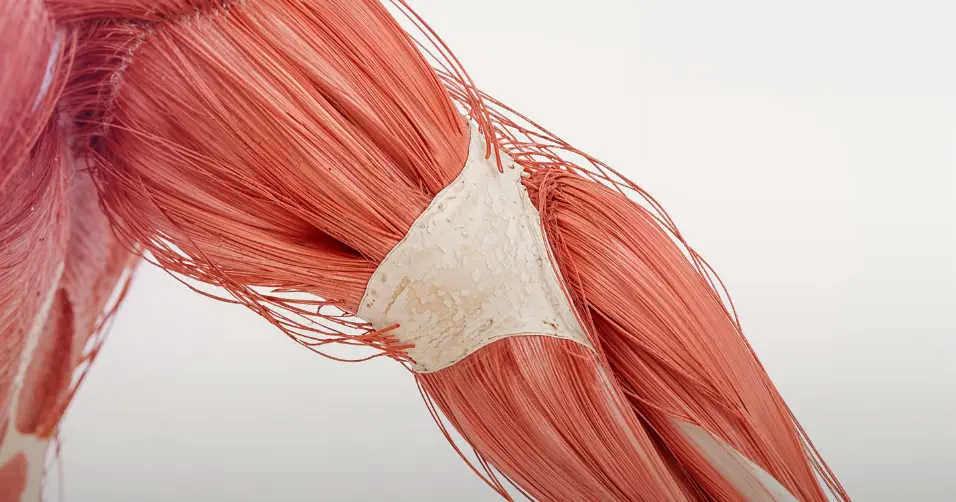
Muscle Growth is the increase in muscle mass achieved through resistance training and proper nutrition.

How To Gain Muscle Fast?

To gain muscle fast, combine progressive resistance training with a calorie surplus and high protein intake.

To gain muscle fast, focus on progressive overload, high-protein nutrition, and adequate rest. Train major muscle groups with compound movements 3–5 times per week. Eat in a slight calorie surplus with 1.6–2.2 g of protein per kg of body weight. Prioritize sleep and recovery to allow muscle repair. Consistency and tracking progress accelerate visible results.

  • Strength progression ensures continued adaptation and muscle growth.

  • Frequent meals rich in protein maintain anabolic balance.

  • Sleep of 7–9 hours nightly enhances hormonal support for growth.

  • Patience and steady effort outperform short-term overtraining attempts.

To gain muscle fast, focus on progressive overload, high-protein nutrition, and adequate rest. Train major muscle groups with compound movements 3–5 times per week. Eat in a slight calorie surplus with 1.6–2.2 g of protein per kg of body weight. Prioritize sleep and recovery to allow muscle repair. Consistency and tracking progress accelerate visible results.

  • Strength progression ensures continued adaptation and muscle growth.

  • Frequent meals rich in protein maintain anabolic balance.

  • Sleep of 7–9 hours nightly enhances hormonal support for growth.

  • Patience and steady effort outperform short-term overtraining attempts.

How Long Does It Take To Build Muscle?

Muscle building takes about 3–6 months of consistent strength training and adequate protein intake to show visible results.

Determining how long does it take for muscles to grow depends on genetics, diet, and training intensity. Beginners may notice visible results within 8–12 weeks of consistent resistance exercise. Muscle gain happens gradually as fibers repair and thicken after repeated training stress. Proper nutrition, especially sufficient protein and sleep, accelerates the process. Patience and steady effort are key to sustainable muscle development.

  • Initial gains: Early improvements often reflect neuromuscular adaptation rather than size increases.

  • Steady growth: Noticeable mass typically builds after 2–3 months of regular, progressive overload.

  • Diet influence: Adequate protein and calorie intake directly affect how fast how long does it take for muscles to grow.

  • Recovery role: Sleep and rest allow muscle fibers to rebuild stronger after each session.

  • Long-term consistency: Significant physique change usually occurs after 6–12 months of disciplined training.

Determining how long does it take for muscles to grow depends on genetics, diet, and training intensity. Beginners may notice visible results within 8–12 weeks of consistent resistance exercise. Muscle gain happens gradually as fibers repair and thicken after repeated training stress. Proper nutrition, especially sufficient protein and sleep, accelerates the process. Patience and steady effort are key to sustainable muscle development.

  • Initial gains: Early improvements often reflect neuromuscular adaptation rather than size increases.

  • Steady growth: Noticeable mass typically builds after 2–3 months of regular, progressive overload.

  • Diet influence: Adequate protein and calorie intake directly affect how fast how long does it take for muscles to grow.

  • Recovery role: Sleep and rest allow muscle fibers to rebuild stronger after each session.

  • Long-term consistency: Significant physique change usually occurs after 6–12 months of disciplined training.

How Long Until You Notice Muscle Growth?

Noticeable muscle growth usually appears after 6–8 weeks of consistent strength training.

You typically notice muscle growth after 6–8 weeks of consistent training and nutrition. Beginners may see visual and strength changes sooner due to rapid adaptation. Progress depends on workout intensity, protein intake, and recovery. Early gains include neural improvements before visible muscle size increases. Long-term growth becomes more evident after 3–6 months.

  • Visible muscle definition appears faster with lower body fat levels.

  • Strength improvements often precede physical size changes.

  • Tracking photos and measurements shows progress better than scale weight.

  • Consistency and proper nutrition are key for sustained hypertrophy.

You typically notice muscle growth after 6–8 weeks of consistent training and nutrition. Beginners may see visual and strength changes sooner due to rapid adaptation. Progress depends on workout intensity, protein intake, and recovery. Early gains include neural improvements before visible muscle size increases. Long-term growth becomes more evident after 3–6 months.

  • Visible muscle definition appears faster with lower body fat levels.

  • Strength improvements often precede physical size changes.

  • Tracking photos and measurements shows progress better than scale weight.

  • Consistency and proper nutrition are key for sustained hypertrophy.

What Supplements Can You Take To Build Muscle?

Supplements that help build muscle include whey protein, creatine, beta-alanine, and essential amino acids.

Supplements for muscle building include protein powder, creatine, beta-alanine, HMB, and omega-3 fatty acids. These aid recovery, strength, and muscle protein synthesis. Proper diet remains the foundation, with supplements filling nutritional gaps. Combined with resistance training, they accelerate progress. Always use evidence-backed products and follow dosage guidelines.

  • Protein supplements ensure adequate amino acid intake for growth.

  • Creatine boosts ATP production, enhancing strength and endurance.

  • Beta-alanine delays fatigue by buffering lactic acid during exercise.

  • HMB and omega-3s reduce muscle breakdown and inflammation post-training.

Supplements for muscle building include protein powder, creatine, beta-alanine, HMB, and omega-3 fatty acids. These aid recovery, strength, and muscle protein synthesis. Proper diet remains the foundation, with supplements filling nutritional gaps. Combined with resistance training, they accelerate progress. Always use evidence-backed products and follow dosage guidelines.

  • Protein supplements ensure adequate amino acid intake for growth.

  • Creatine boosts ATP production, enhancing strength and endurance.

  • Beta-alanine delays fatigue by buffering lactic acid during exercise.

  • HMB and omega-3s reduce muscle breakdown and inflammation post-training.

Why Am I Not Gaining Muscle Mass?

You may not gain muscle mass due to insufficient calories, low protein, poor recovery, or inadequate training intensity.

If you’re not gaining muscle mass, it’s often due to insufficient calories, protein, or training intensity. The body needs a consistent energy surplus to grow new tissue. Inadequate recovery or sleep can also limit gains. Tracking workouts and meals helps identify weaknesses. Gradually increasing workload and calories supports continued progress.

  • Under-eating is a common barrier to sustained muscle development.

  • Insufficient resistance or poor exercise form limits hypertrophy stimulus.

  • Chronic fatigue and low rest hinder hormonal recovery needed for growth.

  • Structured programs and monitoring maximize visible improvements.

If you’re not gaining muscle mass, it’s often due to insufficient calories, protein, or training intensity. The body needs a consistent energy surplus to grow new tissue. Inadequate recovery or sleep can also limit gains. Tracking workouts and meals helps identify weaknesses. Gradually increasing workload and calories supports continued progress.

  • Under-eating is a common barrier to sustained muscle development.

  • Insufficient resistance or poor exercise form limits hypertrophy stimulus.

  • Chronic fatigue and low rest hinder hormonal recovery needed for growth.

  • Structured programs and monitoring maximize visible improvements.

Does Cardio Help Muscle Growth?

Yes, cardio supports muscle growth indirectly by improving heart health and recovery efficiency.

Cardio can support muscle growth indirectly by improving recovery and endurance. Better circulation allows faster nutrient and oxygen delivery to muscles. When done in moderation, it does not interfere with strength or hypertrophy. Excessive cardio, however, can slow muscle gain due to calorie expenditure. Proper scheduling keeps both strength and cardiovascular fitness aligned.

  • Low-intensity cardio between lifting days helps active recovery.

  • Short sessions of 20–30 minutes balance fat metabolism and stamina.

  • Cardio improves heart efficiency, benefiting heavy lifting performance.

  • Overdoing high-intensity sessions may reduce muscle recovery capacity.

Cardio can support muscle growth indirectly by improving recovery and endurance. Better circulation allows faster nutrient and oxygen delivery to muscles. When done in moderation, it does not interfere with strength or hypertrophy. Excessive cardio, however, can slow muscle gain due to calorie expenditure. Proper scheduling keeps both strength and cardiovascular fitness aligned.

  • Low-intensity cardio between lifting days helps active recovery.

  • Short sessions of 20–30 minutes balance fat metabolism and stamina.

  • Cardio improves heart efficiency, benefiting heavy lifting performance.

  • Overdoing high-intensity sessions may reduce muscle recovery capacity.

How Much Sleep Do You Need For Muscle Growth?

Most adults need 7–9 hours of quality sleep per night for optimal muscle growth and hormone balance.

Most adults need 7–9 hours of sleep per night for optimal muscle growth. Deep sleep triggers the release of growth hormone, crucial for recovery. Poor sleep reduces testosterone and slows protein synthesis. Consistent rest ensures energy for intense training sessions. Quality sleep is as important as diet and exercise for performance gains.

  • Muscle repair and hormone regulation occur primarily during deep sleep cycles.

  • Chronic sleep deprivation hinders strength and increases fatigue.

  • Establishing a routine improves both mental and physical performance.

  • Dark, cool environments promote uninterrupted, restorative rest.

Most adults need 7–9 hours of sleep per night for optimal muscle growth. Deep sleep triggers the release of growth hormone, crucial for recovery. Poor sleep reduces testosterone and slows protein synthesis. Consistent rest ensures energy for intense training sessions. Quality sleep is as important as diet and exercise for performance gains.

  • Muscle repair and hormone regulation occur primarily during deep sleep cycles.

  • Chronic sleep deprivation hinders strength and increases fatigue.

  • Establishing a routine improves both mental and physical performance.

  • Dark, cool environments promote uninterrupted, restorative rest.

Does A Pump Mean Muscle Growth?

A muscle pump means temporary increased blood flow and fluid in muscles, not direct muscle growth but a sign of activation.

A pump during exercise does not directly mean muscle growth, though it signals blood flow increase. The swelling comes from fluid and nutrient delivery to working muscles. While beneficial for nutrient transport, hypertrophy results from progressive overload and recovery. Pumps are motivating but not a sole indicator of growth. Consistent resistance and nutrition determine long-term muscle gain.

  • Temporary muscle fullness fades hours after training.

  • Pumps improve nutrient and oxygen flow aiding short-term recovery.

  • True muscle growth requires micro-tear repair and protein synthesis over time.

  • Incorporating both pump and strength-focused training optimizes results.

A pump during exercise does not directly mean muscle growth, though it signals blood flow increase. The swelling comes from fluid and nutrient delivery to working muscles. While beneficial for nutrient transport, hypertrophy results from progressive overload and recovery. Pumps are motivating but not a sole indicator of growth. Consistent resistance and nutrition determine long-term muscle gain.

  • Temporary muscle fullness fades hours after training.

  • Pumps improve nutrient and oxygen flow aiding short-term recovery.

  • True muscle growth requires micro-tear repair and protein synthesis over time.

  • Incorporating both pump and strength-focused training optimizes results.

How Long Does It Take To Build Leg Muscle?

Building noticeable leg muscle usually takes 8–12 weeks of consistent resistance training and sufficient protein intake.

Building leg muscle typically takes 8–12 weeks of consistent resistance training. Compound movements like squats and lunges drive fastest results. Progressive overload and adequate protein intake are essential. Visible definition depends on body fat levels and muscle size. Rest and recovery between sessions enhance growth efficiency.

  • Leg muscles respond well to heavy, compound lifts with full range of motion.

  • Training 2–3 times weekly provides optimal stimulus and recovery balance.

  • Protein-rich diets accelerate repair after intense lower-body workouts.

  • Visible toning may appear sooner in leaner individuals with steady training.

Building leg muscle typically takes 8–12 weeks of consistent resistance training. Compound movements like squats and lunges drive fastest results. Progressive overload and adequate protein intake are essential. Visible definition depends on body fat levels and muscle size. Rest and recovery between sessions enhance growth efficiency.

  • Leg muscles respond well to heavy, compound lifts with full range of motion.

  • Training 2–3 times weekly provides optimal stimulus and recovery balance.

  • Protein-rich diets accelerate repair after intense lower-body workouts.

  • Visible toning may appear sooner in leaner individuals with steady training.

When Does Muscle Growth Occur?

Muscle growth occurs during rest and recovery after exercise when the body repairs muscle fibers.

Muscle growth primarily occurs during rest and recovery after workouts. Training creates small muscle fiber tears, which repair and thicken when resting. Growth hormone and protein synthesis peak during sleep and downtime. Nutrition supports these processes by supplying amino acids and energy. Balancing training stress and recovery maximizes gains.

  • Overtraining without rest can halt progress and cause fatigue.

  • Consistent post-workout nutrition accelerates repair phases.

  • Sleep is vital for hormonal recovery and tissue rebuilding.

  • Alternating intensity days helps sustain continuous muscle adaptation.

Muscle growth primarily occurs during rest and recovery after workouts. Training creates small muscle fiber tears, which repair and thicken when resting. Growth hormone and protein synthesis peak during sleep and downtime. Nutrition supports these processes by supplying amino acids and energy. Balancing training stress and recovery maximizes gains.

  • Overtraining without rest can halt progress and cause fatigue.

  • Consistent post-workout nutrition accelerates repair phases.

  • Sleep is vital for hormonal recovery and tissue rebuilding.

  • Alternating intensity days helps sustain continuous muscle adaptation.

How Many Reps For Hypertrophy?

For hypertrophy, aim for 8–12 repetitions per set using moderate to heavy weights with controlled form.

The ideal rep range for hypertrophy is 6–12 repetitions per set. This range balances mechanical tension and metabolic stress for muscle growth. Heavier loads build strength, while moderate loads maximize muscle volume. Rest 60–90 seconds between sets for best results. Training consistency and progressive overload ensure continuous improvement.

  • 6–12 reps produce optimal muscle fiber recruitment and metabolic fatigue.

  • Heavier weights with good form stimulate maximal hypertrophy response.

  • Moderate rest periods preserve intensity while supporting recovery.

  • Rotating rep ranges prevents adaptation and maintains steady progress.

The ideal rep range for hypertrophy is 6–12 repetitions per set. This range balances mechanical tension and metabolic stress for muscle growth. Heavier loads build strength, while moderate loads maximize muscle volume. Rest 60–90 seconds between sets for best results. Training consistency and progressive overload ensure continuous improvement.

  • 6–12 reps produce optimal muscle fiber recruitment and metabolic fatigue.

  • Heavier weights with good form stimulate maximal hypertrophy response.

  • Moderate rest periods preserve intensity while supporting recovery.

  • Rotating rep ranges prevents adaptation and maintains steady progress.

Do BCAAs Support Growth?

BCAAs support growth when overall protein intake is insufficient.

BCAAs may support growth by helping activate muscle-building signals. The effect is modest and depends on total protein and training. They mainly help when dietary protein is low. People with high-protein diets may see limited added value. Growth still hinges on consistent progressive exercise.

  • Leucine triggers growth signaling which helps start protein synthesis; results rely on enough other amino acids.

  • Supports recovery which allows more frequent training; this indirectly supports growth.

  • Works best with full protein intake because building requires all essential amino acids.

  • Training intensity drives results more than supplementation alone.


BCAAs may support growth by helping activate muscle-building signals. The effect is modest and depends on total protein and training. They mainly help when dietary protein is low. People with high-protein diets may see limited added value. Growth still hinges on consistent progressive exercise.

  • Leucine triggers growth signaling which helps start protein synthesis; results rely on enough other amino acids.

  • Supports recovery which allows more frequent training; this indirectly supports growth.

  • Works best with full protein intake because building requires all essential amino acids.

  • Training intensity drives results more than supplementation alone.


How Does Bulking Affect Muscle Growth?

Bulking promotes muscle growth through increased protein intake and training-induced muscle repair.

Bulking affects muscle growth by supplying the energy needed for building new tissue. Muscles repair better when calories are abundant. Training quality remains the main driver. Protein intake must be adequate. Surplus size shapes how lean the gains are.

  • Extra energy accelerates repair after heavy lifting.

  • Supports hormonal balance favorable for growth.

  • Large surpluses add some fat along with muscle.

  • Moderate surpluses offer the cleanest gains.


Bulking affects muscle growth by supplying the energy needed for building new tissue. Muscles repair better when calories are abundant. Training quality remains the main driver. Protein intake must be adequate. Surplus size shapes how lean the gains are.

  • Extra energy accelerates repair after heavy lifting.

  • Supports hormonal balance favorable for growth.

  • Large surpluses add some fat along with muscle.

  • Moderate surpluses offer the cleanest gains.


Does Creatine Enhance Growth?

Creatine can enhance muscle growth modestly by increasing phosphocreatine, a molecule storing quick energy in muscle cells.

Creatine supports performance that can indirectly promote growth when paired with training. It does not cause growth by itself. Better performance can help stimulate muscle-building signals. Results depend on training quality and nutrition. Its main job remains ATP support.

  • Improves training volume, which supports long-term growth. This is indirect.

  • Does not act as a hormone or growth trigger. It simply aids performance.

  • Works best with resistance training. Without training, effects are minimal.

Creatine supports performance that can indirectly promote growth when paired with training. It does not cause growth by itself. Better performance can help stimulate muscle-building signals. Results depend on training quality and nutrition. Its main job remains ATP support.

  • Improves training volume, which supports long-term growth. This is indirect.

  • Does not act as a hormone or growth trigger. It simply aids performance.

  • Works best with resistance training. Without training, effects are minimal.

How Does L-Glutamine Differ from L-Carnitine?

L-Glutamine differs from L-Carnitine as it fuels immune and gut cells rather than transporting fat.

L-glutamine and L-carnitine differ in purpose and pathways. Glutamine is an amino acid tied to gut and immune function. Carnitine helps move fats into mitochondria for energy. Their workout roles do not overlap. Glutamine acts gradually, while carnitine supports endurance over time.

  • Glutamine aids gut lining which may support recovery comfort.

  • Carnitine aids fat use creating steady energy flow in long sessions.

  • Different cell roles mean they fill separate needs.

L-glutamine and L-carnitine differ in purpose and pathways. Glutamine is an amino acid tied to gut and immune function. Carnitine helps move fats into mitochondria for energy. Their workout roles do not overlap. Glutamine acts gradually, while carnitine supports endurance over time.

  • Glutamine aids gut lining which may support recovery comfort.

  • Carnitine aids fat use creating steady energy flow in long sessions.

  • Different cell roles mean they fill separate needs.

Does Atrophy Oppose Muscle Growth?

Atrophy opposes muscle growth by breaking down muscle proteins.

Atrophy opposes muscle growth because it breaks down tissue rather than building it. Growth requires making new proteins in muscle fibers. Atrophy increases protein breakdown, tipping the balance in the opposite direction. When these processes compete, growth slows or reverses. Preventing atrophy is essential for consistent progress.

  • Opposing pathways: Growth increases protein synthesis; atrophy increases protein loss. These processes counteract each other.

  • Training effect: Resistance work supports growth signals. Lack of training increases atrophy signals.

  • Energy role: Low calorie states trigger atrophy. Adequate fuel supports growth.


Atrophy opposes muscle growth because it breaks down tissue rather than building it. Growth requires making new proteins in muscle fibers. Atrophy increases protein breakdown, tipping the balance in the opposite direction. When these processes compete, growth slows or reverses. Preventing atrophy is essential for consistent progress.

  • Opposing pathways: Growth increases protein synthesis; atrophy increases protein loss. These processes counteract each other.

  • Training effect: Resistance work supports growth signals. Lack of training increases atrophy signals.

  • Energy role: Low calorie states trigger atrophy. Adequate fuel supports growth.


How Do Growth and Hypertrophy Differ?

Growth and hypertrophy differ as growth includes all tissue expansion, while hypertrophy refers only to muscle size increase.

Growth and hypertrophy differ because growth describes overall size increase, while hypertrophy refers specifically to muscle cell enlargement. Growth can include both fat and lean tissue. Hypertrophy only focuses on enlarging muscle fibers. Training mainly stimulates hypertrophy, not general growth. Diet and activity shape which type becomes dominant.

  • General growth can happen without strength changes, because it includes fat.

  • Hypertrophy increases force potential by enlarging contractile parts.

  • Different signals control each process, such as hormones and mechanical stress.

  • Training goals determine whether growth or hypertrophy is emphasized.


Growth and hypertrophy differ because growth describes overall size increase, while hypertrophy refers specifically to muscle cell enlargement. Growth can include both fat and lean tissue. Hypertrophy only focuses on enlarging muscle fibers. Training mainly stimulates hypertrophy, not general growth. Diet and activity shape which type becomes dominant.

  • General growth can happen without strength changes, because it includes fat.

  • Hypertrophy increases force potential by enlarging contractile parts.

  • Different signals control each process, such as hormones and mechanical stress.

  • Training goals determine whether growth or hypertrophy is emphasized.


Does Phosphatidic Acid Stimulate Growth?

Phosphatidic acid may stimulate growth through mTOR activation observed in lab models.

Phosphatidic acid is linked to growth pathways in research, but its role is mechanistic rather than a direct growth stimulator. Studies focus on how it interacts with signaling triggered by mechanical tension. These pathways help explain how muscles respond at the cellular level. Its influence depends heavily on training and overall nutrition. The research does not establish direct outcome effects.

  • Signal interaction connects PA to tension-related pathways.

  • Mechanistic focus clarifies how cells respond to load.

  • Training dependence shapes any potential impact.

  • Cell-membrane role supports pathway behavior.


Phosphatidic acid is linked to growth pathways in research, but its role is mechanistic rather than a direct growth stimulator. Studies focus on how it interacts with signaling triggered by mechanical tension. These pathways help explain how muscles respond at the cellular level. Its influence depends heavily on training and overall nutrition. The research does not establish direct outcome effects.

  • Signal interaction connects PA to tension-related pathways.

  • Mechanistic focus clarifies how cells respond to load.

  • Training dependence shapes any potential impact.

  • Cell-membrane role supports pathway behavior.


How Does Sarcopenia Impact Muscle Growth?

Sarcopenia impacts muscle growth by reducing the body’s ability to build new muscle tissue.

Sarcopenia impacts muscle growth by lowering the body’s ability to respond to training. Growth signals become weaker with age. Muscles do not adapt as quickly to resistance. Recovery windows may need to be longer. Gains require consistent and careful training.

  • Blunted growth signals reduce hypertrophy. Muscles grow slower.

  • Lower strength reduces training intensity. Lower intensity limits stimulus.

  • Recovery time increases with sarcopenia. Muscles need extra rest.

  • Training frequency may need adjustment. Overuse becomes more likely.

Sarcopenia impacts muscle growth by lowering the body’s ability to respond to training. Growth signals become weaker with age. Muscles do not adapt as quickly to resistance. Recovery windows may need to be longer. Gains require consistent and careful training.

  • Blunted growth signals reduce hypertrophy. Muscles grow slower.

  • Lower strength reduces training intensity. Lower intensity limits stimulus.

  • Recovery time increases with sarcopenia. Muscles need extra rest.

  • Training frequency may need adjustment. Overuse becomes more likely.

Does Testosterone Stimulate Growth?

Testosterone stimulates growth by enhancing protein synthesis and muscle cell activity.

Testosterone influences tissue growth through protein synthesis. Growth includes muscle, bone, and other tissues. Effects depend on age, health, and training. Natural ranges show varied responses. Stronger effects appear during resistance training.

  • Protein building enhances muscle fiber repair.

  • Bone density responds to normal testosterone levels.

  • Recovery speed improves under steady hormone balance.

  • Training interaction magnifies growth signals.

  • Individual variability shapes results.

Testosterone influences tissue growth through protein synthesis. Growth includes muscle, bone, and other tissues. Effects depend on age, health, and training. Natural ranges show varied responses. Stronger effects appear during resistance training.

  • Protein building enhances muscle fiber repair.

  • Bone density responds to normal testosterone levels.

  • Recovery speed improves under steady hormone balance.

  • Training interaction magnifies growth signals.

  • Individual variability shapes results.

Does Turkesterone Support Growth?

Turkesterone may support growth by enhancing muscle protein synthesis in some studies.

Turkesterone support for growth remains unclear and generally modest. It does not act like anabolic hormones. Some users report better training output. Most effects tie to training quality. Growth changes rely more on nutrition and load progression.

  • Non-hormonal structure limits direct anabolic action.

  • Performance lift may improve session quality.

  • Lean mass changes appear small.

  • Diet influence shapes most results.

  • Training progression remains the primary driver.

Turkesterone support for growth remains unclear and generally modest. It does not act like anabolic hormones. Some users report better training output. Most effects tie to training quality. Growth changes rely more on nutrition and load progression.

  • Non-hormonal structure limits direct anabolic action.

  • Performance lift may improve session quality.

  • Lean mass changes appear small.

  • Diet influence shapes most results.

  • Training progression remains the primary driver.

How Muscle Fiber Types Impact Muscle Growth?

Muscle fiber types influence muscle growth as fast-twitch fibers show higher potential for size increase while slow-twitch fibers mainly support endurance activity.

Muscle fiber types determine how muscles grow and respond to training stimulus. Fast-twitch fibers have greater potential for hypertrophy, or increase in muscle size, compared to slow-twitch fibers. Resistance training with heavier loads tends to recruit more fast-twitch fibers, promoting size and strength gains. Endurance training mainly targets slow-twitch fibers, improving their efficiency but not size significantly. A mixed training program can enhance both muscle endurance and growth for balanced results.

  • Fast-twitch dominance supports faster growth in strength and muscle volume under resistance training.

  • Slow-twitch training increases fatigue resistance and supports longer performance but yields smaller muscle size changes.

  • High-intensity workouts recruit fast-twitch fibers more effectively, stimulating hypertrophy-related pathways like mTOR.

  • Endurance exercise increases mitochondria density, improving energy efficiency without major size increase.

  • Hybrid training combining resistance and aerobic work enhances both size and stamina by engaging multiple fiber types.

Muscle fiber types determine how muscles grow and respond to training stimulus. Fast-twitch fibers have greater potential for hypertrophy, or increase in muscle size, compared to slow-twitch fibers. Resistance training with heavier loads tends to recruit more fast-twitch fibers, promoting size and strength gains. Endurance training mainly targets slow-twitch fibers, improving their efficiency but not size significantly. A mixed training program can enhance both muscle endurance and growth for balanced results.

  • Fast-twitch dominance supports faster growth in strength and muscle volume under resistance training.

  • Slow-twitch training increases fatigue resistance and supports longer performance but yields smaller muscle size changes.

  • High-intensity workouts recruit fast-twitch fibers more effectively, stimulating hypertrophy-related pathways like mTOR.

  • Endurance exercise increases mitochondria density, improving energy efficiency without major size increase.

  • Hybrid training combining resistance and aerobic work enhances both size and stamina by engaging multiple fiber types.

Medical Disclaimer: All content on this website is intended solely for informational and educational purposes and should not be interpreted as a substitute for professional medical advice, diagnosis, or treatment, nor as encouragement or promotion for or against any particular use, product, or activity. Results may vary and are not guaranteed. No doctor–patient relationship is created by your use of this content. Always consult a qualified healthcare provider, nutritionist, or other relevant expert before starting or changing any supplement, diet, exercise, or lifestyle program. This website can contain errors. Check important information. Read our full Disclaimer.

StatusTerms of ServicePrivacy PolicyDisclaimerAbout Myopedia.

©2025 Myopedia™. All rights reserved.

Medical Disclaimer: All content on this website is intended solely for informational and educational purposes and should not be interpreted as a substitute for professional medical advice, diagnosis, or treatment, nor as encouragement or promotion for or against any particular use, product, or activity. Results may vary and are not guaranteed. No doctor–patient relationship is created by your use of this content. Always consult a qualified healthcare provider, nutritionist, or other relevant expert before starting or changing any supplement, diet, exercise, or lifestyle program. This website can contain errors. Check important information. Read our full Disclaimer.

StatusTerms of ServicePrivacy PolicyDisclaimerAbout Myopedia.

©2025 Myopedia™. All rights reserved.

Medical Disclaimer: All content on this website is intended solely for informational and educational purposes and should not be interpreted as a substitute for professional medical advice, diagnosis, or treatment, nor as encouragement or promotion for or against any particular use, product, or activity. Results may vary and are not guaranteed. No doctor–patient relationship is created by your use of this content. Always consult a qualified healthcare provider, nutritionist, or other relevant expert before starting or changing any supplement, diet, exercise, or lifestyle program. This website can contain errors. Check important information. Read our full Disclaimer.

StatusTerms of ServicePrivacy PolicyDisclaimerAbout Myopedia.

©2025 Myopedia™. All rights reserved.