Best Supplements for Skinny Guys to Gain Muscle
How Skinny Guys Can Build Muscle With Smart Supplement Choices
If you're one of those guys who seems to eat everything in sight but never gains an ounce, you know the struggle.


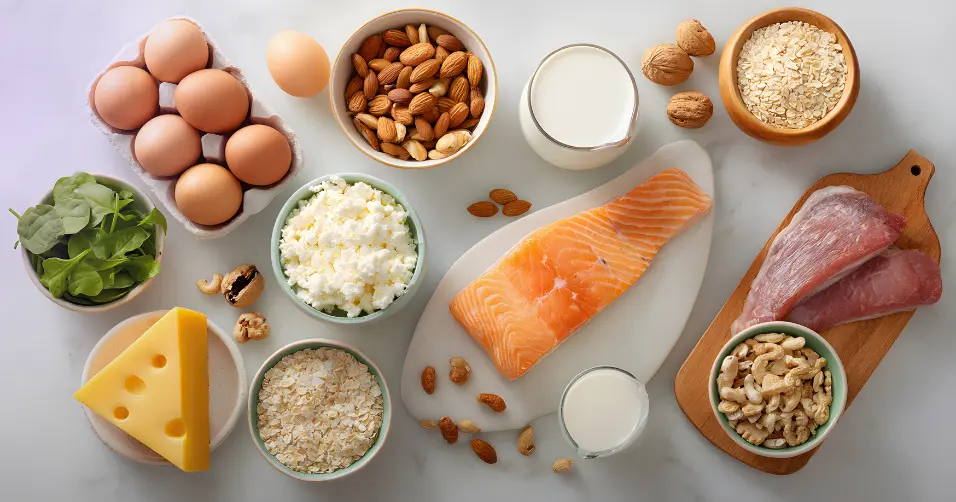



If you're one of those guys who seems to eat everything in sight but never gains an ounce, you know the struggle.
Being naturally skinny, often called a "hard gainer," can make building muscle feel like an uphill battle. But it's not impossible! The right supplements can really help bridge that gap between where you are now and the muscular physique you're aiming for. They're not magic, but when you pair them with good food and consistent workouts, they can speed things up. We're going to look at the best supplements for skinny guys to gain muscle, figuring out what works and why.
Whey Protein Isolate
Alright, let's talk about whey protein isolate. If you're a skinny guy looking to pack on some serious muscle, this stuff is pretty much a staple. Whey itself comes from milk, and it's a complete protein, meaning it has all the amino acids your body needs to build muscle tissue. Whey protein isolate goes through extra processing to strip out most of the carbs and fats, leaving you with a super pure protein powder. This makes it digest and absorb really fast, which is why a lot of people like to take it right after a workout.
Think of it like this:
Fast Absorption: Gets those amino acids to your muscles quickly when they need them most.
High Protein Content: You're getting a lot of bang for your buck in terms of pure protein per scoop.
Complete Amino Acid Profile: Provides all the building blocks for muscle growth.
Studies have shown that taking around 20-40 grams of whey protein daily for a couple of months can help you gain lean muscle mass and get stronger. It's a really convenient way to make sure you're getting enough protein, especially if you struggle to eat enough food throughout the day. You can mix it with water or milk, or even throw it into a smoothie. It's a solid choice for supporting your muscle-building efforts.
Mass Gainer
So, you're a skinny guy looking to pack on some serious muscle, and you've probably heard about mass gainers. These are basically calorie-dense supplements designed to help you hit that crucial caloric surplus needed for growth. Think of them as a shortcut to getting more food energy in without having to force down a mountain of chicken breasts and rice.
Mass gainers are essentially a mix of protein and carbohydrates, often with some added fats, all packed into a shake. They're super convenient when you're struggling to eat enough throughout the day. Instead of trying to cram in another huge meal, you can just mix up a shake and get a significant chunk of your daily calorie goal met. This can be a game-changer for those with fast metabolisms or busy schedules.
Here's a quick breakdown of what you're usually getting:
Carbohydrates: This is the main calorie driver in most gainers. They often use things like maltodextrin, which is a fast-digesting carb that helps replenish glycogen stores after workouts and provides a quick energy boost. Some might include more complex carbs too.
Protein: You'll find protein in there to help with muscle repair and growth. The amount can vary, but it's usually a decent amount per serving to support your training.
Fats: Some gainers include healthy fats to bump up the calorie count even further. These can come from sources like medium-chain triglycerides (MCTs) or other oils.
Now, they're not magic pills, and you do need to be smart about them. It's easy to overdo it and end up gaining more fat than muscle if you're not careful. Always check the nutrition label. Some can be loaded with sugar, which might give you a quick energy spike but can also lead to a crash and aren't ideal for lean gains. Look for products that use more complex carbohydrates and a good amount of protein. Also, don't let them replace whole foods entirely; they're meant to supplement your diet, not be your entire diet. Start with a smaller serving size to see how your stomach handles it, and adjust as needed. Using them around your workouts or as a between-meal snack can be a good strategy.
Creatine Supplements
Alright, let's talk about creatine. If you're a skinny guy trying to pack on some serious muscle, this is probably one of the most talked-about supplements out there, and for good reason. Creatine is a compound that's naturally found in things like red meat and fish, but to really get the benefits for muscle gain, you'll likely need to supplement.
So, what does it actually do? Basically, creatine helps your muscles produce more energy during those intense lifting sessions. Think of it like giving your muscles a bit of extra fuel. This means you can push harder, do more reps, and lift heavier weights. And when you do that consistently, your muscles have a bigger stimulus to grow. It's a pretty straightforward way to boost your workout performance, which then leads to better muscle gains over time.
Many studies have looked into this, and the results are pretty consistent: creatine can help you build more muscle mass. Some people even notice a bit of weight gain in the first week, often due to increased water retention in the muscles, which can make them look fuller. Don't worry, that's a good thing when you're aiming for size.
Here’s a quick rundown on how to use it:
Loading Phase (Optional but Faster): For about 5-7 days, you might take around 20 grams per day, split into four doses. This quickly saturates your muscles with creatine.
Maintenance Phase: After the loading phase, you drop down to about 3-5 grams per day to keep those muscle stores topped up.
Timing: While you can take it anytime, some research suggests taking it after your workout, possibly with some carbs, might help your muscles absorb it better and aid recovery.
It's one of the most researched supplements out there, and it has a good safety record. Plus, it's not just about muscle size; it can also help with strength and power. For skinny guys looking to make real progress, creatine is definitely a supplement worth considering.
Protein Supplements
Alright, let's talk protein. When you're trying to pack on muscle as a skinny guy, protein is like the bricks for building your house. You just can't get anywhere without enough of it. While whole foods are great, sometimes it's tough to get all the protein you need, especially if you're eating a lot to gain weight. That's where protein supplements come in handy.
These aren't magic pills, though. They're just a convenient way to get more of those essential amino acids your muscles crave after a tough workout. Think of them as a tool to help you hit your daily protein targets, which research suggests should be somewhere between 1.6 to 2.4 grams per kilogram of body weight if you're serious about muscle growth. Hitting these numbers consistently, alongside your training and calorie surplus, is what really moves the needle.
Here's a quick rundown of why they're useful:
Muscle Repair and Growth: Protein provides the building blocks (amino acids) your body needs to repair muscle fibers damaged during exercise and then build them back stronger.
Convenience: Shakes are quick and easy to make, perfect for those times when cooking a full meal isn't an option or you need a fast hit of protein post-gym.
Meeting Calorie Goals: Many protein supplements, especially those with added carbs and fats, can also contribute to the overall calorie surplus needed for weight gain.
It's worth noting that some people might experience a bit of digestive upset, like bloating or gas, when they start using protein powders. If that happens, try starting with a smaller dose or looking for formulas that are easier on the stomach, like those that are lactose-free. Staying hydrated is also key for digestion. So yeah, protein supplements can be a solid addition to your plan, but remember they work best when combined with good food, consistent training, and enough rest.
Weight Gain Supplements
Alright, so you're one of those guys who eats a ton but still can't seem to pack on any weight. It's a common frustration, especially if you've got a naturally fast metabolism. That's where weight gain supplements come into play. Think of them as a way to get extra calories and nutrients in a convenient package, helping you push past those plateaus.
These aren't magic potions, mind you. They work best when you're already hitting the gym hard and eating a decent diet. The idea is to give your body the building blocks it needs to grow, especially when you're struggling to get enough from food alone. They can be a real game-changer for those labeled as "hardgainers."
Here's a quick rundown of what they typically offer:
Calorie Density: They pack a lot of calories into a small serving, making it easier to hit your daily target without feeling stuffed.
Nutrient Support: Many include a good mix of protein and carbs, which are key for muscle repair and energy.
Convenience: Let's be honest, sometimes you just don't have time to cook another meal. A shake is quick and easy.
When you're looking at these, pay attention to what's inside. You want something that provides quality calories, not just a sugar bomb. Some products can be loaded with extra sugar, which isn't ideal for lean gains. Look for options with a good balance of protein, complex carbohydrates, and healthy fats. It's also smart to check if they have things like creatine added, which can give you an extra boost in the gym. Remember, these supplements are meant to supplement your diet, not replace whole foods. Start slow, see how your body reacts, and adjust as needed. It might take a little trial and error to find what works best for you.
How To Know If You Are A Hard Gainer?
A hard gainer is someone who struggles to gain weight or muscle despite eating and training consistently.
You may be a hard gainer if you struggle to gain weight or muscle despite consistent eating and training. Common signs include fast metabolism, low appetite, and difficulty maintaining a calorie surplus. Hard gainers often need higher food intake and more recovery time. Tracking calories and progressive training can help overcome plateaus. Adequate sleep and nutrient timing also improve results.
Fast metabolisms burn calories quickly, making muscle gain slower.
High energy expenditure from daily activity limits surplus buildup.
Frequent meals and calorie-dense foods support steady progress.
Proper recovery and strength focus are key to long-term gains.
Whey Protein Isolate
Alright, let's talk about whey protein isolate. If you're a skinny guy looking to pack on some serious muscle, this stuff is pretty much a staple. Whey itself comes from milk, and it's a complete protein, meaning it has all the amino acids your body needs to build muscle tissue. Whey protein isolate goes through extra processing to strip out most of the carbs and fats, leaving you with a super pure protein powder. This makes it digest and absorb really fast, which is why a lot of people like to take it right after a workout.
Think of it like this:
Fast Absorption: Gets those amino acids to your muscles quickly when they need them most.
High Protein Content: You're getting a lot of bang for your buck in terms of pure protein per scoop.
Complete Amino Acid Profile: Provides all the building blocks for muscle growth.
Studies have shown that taking around 20-40 grams of whey protein daily for a couple of months can help you gain lean muscle mass and get stronger. It's a really convenient way to make sure you're getting enough protein, especially if you struggle to eat enough food throughout the day. You can mix it with water or milk, or even throw it into a smoothie. It's a solid choice for supporting your muscle-building efforts.
Mass Gainer
So, you're a skinny guy looking to pack on some serious muscle, and you've probably heard about mass gainers. These are basically calorie-dense supplements designed to help you hit that crucial caloric surplus needed for growth. Think of them as a shortcut to getting more food energy in without having to force down a mountain of chicken breasts and rice.
Mass gainers are essentially a mix of protein and carbohydrates, often with some added fats, all packed into a shake. They're super convenient when you're struggling to eat enough throughout the day. Instead of trying to cram in another huge meal, you can just mix up a shake and get a significant chunk of your daily calorie goal met. This can be a game-changer for those with fast metabolisms or busy schedules.
Here's a quick breakdown of what you're usually getting:
Carbohydrates: This is the main calorie driver in most gainers. They often use things like maltodextrin, which is a fast-digesting carb that helps replenish glycogen stores after workouts and provides a quick energy boost. Some might include more complex carbs too.
Protein: You'll find protein in there to help with muscle repair and growth. The amount can vary, but it's usually a decent amount per serving to support your training.
Fats: Some gainers include healthy fats to bump up the calorie count even further. These can come from sources like medium-chain triglycerides (MCTs) or other oils.
Now, they're not magic pills, and you do need to be smart about them. It's easy to overdo it and end up gaining more fat than muscle if you're not careful. Always check the nutrition label. Some can be loaded with sugar, which might give you a quick energy spike but can also lead to a crash and aren't ideal for lean gains. Look for products that use more complex carbohydrates and a good amount of protein. Also, don't let them replace whole foods entirely; they're meant to supplement your diet, not be your entire diet. Start with a smaller serving size to see how your stomach handles it, and adjust as needed. Using them around your workouts or as a between-meal snack can be a good strategy.
Creatine Supplements
Alright, let's talk about creatine. If you're a skinny guy trying to pack on some serious muscle, this is probably one of the most talked-about supplements out there, and for good reason. Creatine is a compound that's naturally found in things like red meat and fish, but to really get the benefits for muscle gain, you'll likely need to supplement.
So, what does it actually do? Basically, creatine helps your muscles produce more energy during those intense lifting sessions. Think of it like giving your muscles a bit of extra fuel. This means you can push harder, do more reps, and lift heavier weights. And when you do that consistently, your muscles have a bigger stimulus to grow. It's a pretty straightforward way to boost your workout performance, which then leads to better muscle gains over time.
Many studies have looked into this, and the results are pretty consistent: creatine can help you build more muscle mass. Some people even notice a bit of weight gain in the first week, often due to increased water retention in the muscles, which can make them look fuller. Don't worry, that's a good thing when you're aiming for size.
Here’s a quick rundown on how to use it:
Loading Phase (Optional but Faster): For about 5-7 days, you might take around 20 grams per day, split into four doses. This quickly saturates your muscles with creatine.
Maintenance Phase: After the loading phase, you drop down to about 3-5 grams per day to keep those muscle stores topped up.
Timing: While you can take it anytime, some research suggests taking it after your workout, possibly with some carbs, might help your muscles absorb it better and aid recovery.
It's one of the most researched supplements out there, and it has a good safety record. Plus, it's not just about muscle size; it can also help with strength and power. For skinny guys looking to make real progress, creatine is definitely a supplement worth considering.
Protein Supplements
Alright, let's talk protein. When you're trying to pack on muscle as a skinny guy, protein is like the bricks for building your house. You just can't get anywhere without enough of it. While whole foods are great, sometimes it's tough to get all the protein you need, especially if you're eating a lot to gain weight. That's where protein supplements come in handy.
These aren't magic pills, though. They're just a convenient way to get more of those essential amino acids your muscles crave after a tough workout. Think of them as a tool to help you hit your daily protein targets, which research suggests should be somewhere between 1.6 to 2.4 grams per kilogram of body weight if you're serious about muscle growth. Hitting these numbers consistently, alongside your training and calorie surplus, is what really moves the needle.
Here's a quick rundown of why they're useful:
Muscle Repair and Growth: Protein provides the building blocks (amino acids) your body needs to repair muscle fibers damaged during exercise and then build them back stronger.
Convenience: Shakes are quick and easy to make, perfect for those times when cooking a full meal isn't an option or you need a fast hit of protein post-gym.
Meeting Calorie Goals: Many protein supplements, especially those with added carbs and fats, can also contribute to the overall calorie surplus needed for weight gain.
It's worth noting that some people might experience a bit of digestive upset, like bloating or gas, when they start using protein powders. If that happens, try starting with a smaller dose or looking for formulas that are easier on the stomach, like those that are lactose-free. Staying hydrated is also key for digestion. So yeah, protein supplements can be a solid addition to your plan, but remember they work best when combined with good food, consistent training, and enough rest.
Weight Gain Supplements
Alright, so you're one of those guys who eats a ton but still can't seem to pack on any weight. It's a common frustration, especially if you've got a naturally fast metabolism. That's where weight gain supplements come into play. Think of them as a way to get extra calories and nutrients in a convenient package, helping you push past those plateaus.
These aren't magic potions, mind you. They work best when you're already hitting the gym hard and eating a decent diet. The idea is to give your body the building blocks it needs to grow, especially when you're struggling to get enough from food alone. They can be a real game-changer for those labeled as "hardgainers."
Here's a quick rundown of what they typically offer:
Calorie Density: They pack a lot of calories into a small serving, making it easier to hit your daily target without feeling stuffed.
Nutrient Support: Many include a good mix of protein and carbs, which are key for muscle repair and energy.
Convenience: Let's be honest, sometimes you just don't have time to cook another meal. A shake is quick and easy.
When you're looking at these, pay attention to what's inside. You want something that provides quality calories, not just a sugar bomb. Some products can be loaded with extra sugar, which isn't ideal for lean gains. Look for options with a good balance of protein, complex carbohydrates, and healthy fats. It's also smart to check if they have things like creatine added, which can give you an extra boost in the gym. Remember, these supplements are meant to supplement your diet, not replace whole foods. Start slow, see how your body reacts, and adjust as needed. It might take a little trial and error to find what works best for you.
Vitamin D Supplementation
You know, when you're trying to pack on muscle as a skinny guy, you're probably thinking about protein and calories first. And yeah, those are super important. But there's another player that might be worth considering, and that's Vitamin D. It's not like a direct muscle builder, but it seems to play a role in a few things that can help.
Think of it this way: Vitamin D is involved in how your body uses calcium and phosphorus, which are key for strong bones. Plus, some research suggests it might help with your metabolism and how much energy you burn. This could indirectly support your muscle-building efforts, especially when you're hitting the gym hard.
Here's a quick rundown of why it might be helpful:
Bone Health: Strong bones are the foundation for lifting heavy weights. Vitamin D helps your body absorb calcium, keeping your skeletal system in good shape.
Muscle Function: Some studies hint that Vitamin D could have a positive effect on muscle strength and function, though more research is always needed.
Hormone Balance: It's thought that Vitamin D might play a part in testosterone production, which is obviously a big deal for muscle growth.
Now, the tricky part is that a lot of people are actually low on Vitamin D, especially if they don't get much sun. You can get tested by your doctor to see where you stand. If you are low, supplementing could make a difference. Taking it with a meal that has some fat in it, like fish oil or even just a bit of olive oil, can help your body absorb it better since it's a fat-soluble vitamin.
Lean Muscle Gain
Alright, so you're trying to pack on some serious muscle, right? Especially if you're on the skinnier side, getting that lean muscle mass can feel like a real uphill battle. It's not just about getting bigger; it's about building quality muscle that looks good and performs well. The key here is consistency in both your training and your eating habits.
Think of it like this: your muscles need the right fuel and the right signals to grow. Supplements can definitely help with the fuel part, but they won't do the heavy lifting (literally) for you. You still need to hit the gym and push yourself.
Here's a breakdown of what really matters for lean muscle:
Protein is King: This is non-negotiable. Protein provides the building blocks, the amino acids, that your muscles need to repair and grow after you've worked them out. Aiming for around 1.6 to 2.4 grams of protein per kilogram of body weight each day is a solid target. This means you'll want to be mindful of your protein intake from both whole foods and supplements.
Caloric Surplus: To build muscle, you generally need to consume more calories than you burn. This doesn't mean stuffing your face with junk food, though. You want a caloric surplus that supports muscle growth without adding excessive body fat. Think nutrient-dense foods and maybe a well-formulated mass gainer if you're struggling to eat enough.
Smart Supplementation: While protein is the star, other supplements can play a supporting role. Creatine, for instance, is well-researched and can help you push harder in your workouts, leading to better gains over time. Vitamin D might also offer some indirect benefits, especially if you're deficient.
Progressive Overload: This is a training principle. It means you need to continually challenge your muscles by gradually increasing the weight, reps, or sets over time. If you're always doing the same thing, your muscles have no reason to adapt and grow bigger or stronger.
Building lean muscle takes time and dedication. Don't expect overnight results. Focus on getting the fundamentals right – good nutrition, consistent training, and smart supplementation – and the gains will come.
Caloric Intake
Alright, let's talk about calories. If you're a skinny guy trying to pack on muscle, you absolutely have to eat more calories than your body burns. It's like trying to build a house without enough bricks – it just won't happen. You need a caloric surplus to fuel muscle growth. Think of it this way: your body uses calories for everything, from breathing to lifting weights. When you give it extra calories, it has the building blocks it needs to repair and grow muscle tissue after you've worked it out.
So, how many extra calories are we talking about? For most guys looking to gain muscle, aiming for an extra 300-500 calories per day above your maintenance level is a good starting point. This isn't a hard and fast rule, and you might need to adjust based on how your body responds. If you're not gaining weight after a couple of weeks, you'll probably need to bump that number up a bit. Conversely, if you're gaining too much fat, you might need to dial it back slightly.
Here's a simple way to think about it:
Calculate your maintenance calories: This is roughly how many calories you need to stay at your current weight. There are plenty of online calculators that can give you a ballpark figure based on your age, weight, height, and activity level.
Add your surplus: Add 300-500 calories to that maintenance number.
Track your progress: Weigh yourself regularly (maybe once a week) and monitor your strength gains. If you're gaining about 0.5 to 1 pound per week, you're likely in a good spot.
Adjust as needed: If you're not gaining, add another 200-300 calories. If you're gaining too fast and feel like you're getting fat, reduce your intake slightly.
Don't stress too much about hitting an exact number every single day. Consistency over time is what really matters. Focus on getting quality food in, and don't be afraid to eat a little more than you think you need. Your muscles will thank you for it.
Muscle Recovery
Alright, so you've been hitting the gym hard, pushing yourself, and that's awesome. But here's the thing: your muscles don't actually grow during your workout. They grow when you're resting and recovering. Think of it like this: the workout is the stimulus, and recovery is where the magic happens. If you skip out on recovery, you're basically leaving gains on the table.
Getting enough quality sleep is probably the single most important thing you can do for muscle recovery. Seriously, aim for 7 to 9 hours a night. During sleep, your body releases growth hormone, which is key for repairing muscle tissue. Plus, not getting enough sleep messes with your hormones, making it harder to build muscle and easier to store fat. Not ideal.
Beyond sleep, here are a few other things that really help:
Nutrition: You need protein to rebuild those muscle fibers. Aim to get a good dose of protein within a couple of hours after your workout. Things like whey protein are super convenient for this because they digest fast. Also, make sure you're eating enough calories overall to support muscle repair and growth. If you're not eating enough, your body won't have the building blocks it needs.
Rest Days: Don't train the same muscle group hard every single day. Your muscles need time to recover. A good rule of thumb is to give a muscle group at least 48 hours before training it hard again. Strategic rest days are just as important as training days.
Active Recovery: On your rest days, doing some light activity like walking or stretching can actually help improve blood flow to your muscles, which can speed up recovery. It's not about pushing yourself, just about keeping things moving.
Ignoring recovery is like trying to build a house without letting the foundation set. It's just not going to work out in the long run. So, make sure you're prioritizing rest and recovery just as much as you're prioritizing your workouts.
Compound Exercises
When you're trying to pack on muscle as a skinny guy, focusing on compound exercises is a smart move. These aren't your fancy, one-muscle-at-a-time moves. Instead, they work multiple muscle groups all at once. Think of it like getting more bang for your buck with every rep. This kind of training also tends to fire up your body's natural hormone production, which is a big help for growth.
Here are some of the big hitters you should definitely have in your routine:
Squats: These work your quads, hamstrings, glutes, and even your core. Seriously, they hit a ton of muscle.
Deadlifts: Another full-body beast. They target your back, glutes, hamstrings, and forearms. Just be sure to use good form here.
Bench Press: Great for your chest, shoulders, and triceps. It's a classic for a reason.
Overhead Press: This one builds up your shoulders and triceps, and it also makes your core work hard to keep you stable.
Pull-ups/Chin-ups: Fantastic for your back and biceps. If you can't do many yet, assisted versions or lat pulldowns are good starting points.
The key is to lift heavy and focus on progressive overload. That means gradually increasing the weight, reps, or sets over time. Don't just go through the motions; really push yourself with these movements. They're the foundation for building serious size and strength.
Wrapping It Up
So, you've learned about the challenges skinny guys face when trying to pack on muscle, and we've gone over some solid supplement options to help you out. Remember, these supplements aren't magic bullets. They work best when you combine them with a smart training plan that focuses on compound lifts and progressive overload, plus eating enough good food. Think of protein powders and mass gainers as tools to help you hit those calorie and protein targets you might be missing. Creatine is another great one for boosting strength. Stick with it, be consistent with your supplements and workouts, and don't forget to get enough sleep. Building muscle takes time, especially if you're a natural hardgainer, but with the right approach, you'll start seeing those gains.
Vitamin D Supplementation
You know, when you're trying to pack on muscle as a skinny guy, you're probably thinking about protein and calories first. And yeah, those are super important. But there's another player that might be worth considering, and that's Vitamin D. It's not like a direct muscle builder, but it seems to play a role in a few things that can help.
Think of it this way: Vitamin D is involved in how your body uses calcium and phosphorus, which are key for strong bones. Plus, some research suggests it might help with your metabolism and how much energy you burn. This could indirectly support your muscle-building efforts, especially when you're hitting the gym hard.
Here's a quick rundown of why it might be helpful:
Bone Health: Strong bones are the foundation for lifting heavy weights. Vitamin D helps your body absorb calcium, keeping your skeletal system in good shape.
Muscle Function: Some studies hint that Vitamin D could have a positive effect on muscle strength and function, though more research is always needed.
Hormone Balance: It's thought that Vitamin D might play a part in testosterone production, which is obviously a big deal for muscle growth.
Now, the tricky part is that a lot of people are actually low on Vitamin D, especially if they don't get much sun. You can get tested by your doctor to see where you stand. If you are low, supplementing could make a difference. Taking it with a meal that has some fat in it, like fish oil or even just a bit of olive oil, can help your body absorb it better since it's a fat-soluble vitamin.
Lean Muscle Gain
Alright, so you're trying to pack on some serious muscle, right? Especially if you're on the skinnier side, getting that lean muscle mass can feel like a real uphill battle. It's not just about getting bigger; it's about building quality muscle that looks good and performs well. The key here is consistency in both your training and your eating habits.
Think of it like this: your muscles need the right fuel and the right signals to grow. Supplements can definitely help with the fuel part, but they won't do the heavy lifting (literally) for you. You still need to hit the gym and push yourself.
Here's a breakdown of what really matters for lean muscle:
Protein is King: This is non-negotiable. Protein provides the building blocks, the amino acids, that your muscles need to repair and grow after you've worked them out. Aiming for around 1.6 to 2.4 grams of protein per kilogram of body weight each day is a solid target. This means you'll want to be mindful of your protein intake from both whole foods and supplements.
Caloric Surplus: To build muscle, you generally need to consume more calories than you burn. This doesn't mean stuffing your face with junk food, though. You want a caloric surplus that supports muscle growth without adding excessive body fat. Think nutrient-dense foods and maybe a well-formulated mass gainer if you're struggling to eat enough.
Smart Supplementation: While protein is the star, other supplements can play a supporting role. Creatine, for instance, is well-researched and can help you push harder in your workouts, leading to better gains over time. Vitamin D might also offer some indirect benefits, especially if you're deficient.
Progressive Overload: This is a training principle. It means you need to continually challenge your muscles by gradually increasing the weight, reps, or sets over time. If you're always doing the same thing, your muscles have no reason to adapt and grow bigger or stronger.
Building lean muscle takes time and dedication. Don't expect overnight results. Focus on getting the fundamentals right – good nutrition, consistent training, and smart supplementation – and the gains will come.
Caloric Intake
Alright, let's talk about calories. If you're a skinny guy trying to pack on muscle, you absolutely have to eat more calories than your body burns. It's like trying to build a house without enough bricks – it just won't happen. You need a caloric surplus to fuel muscle growth. Think of it this way: your body uses calories for everything, from breathing to lifting weights. When you give it extra calories, it has the building blocks it needs to repair and grow muscle tissue after you've worked it out.
So, how many extra calories are we talking about? For most guys looking to gain muscle, aiming for an extra 300-500 calories per day above your maintenance level is a good starting point. This isn't a hard and fast rule, and you might need to adjust based on how your body responds. If you're not gaining weight after a couple of weeks, you'll probably need to bump that number up a bit. Conversely, if you're gaining too much fat, you might need to dial it back slightly.
Here's a simple way to think about it:
Calculate your maintenance calories: This is roughly how many calories you need to stay at your current weight. There are plenty of online calculators that can give you a ballpark figure based on your age, weight, height, and activity level.
Add your surplus: Add 300-500 calories to that maintenance number.
Track your progress: Weigh yourself regularly (maybe once a week) and monitor your strength gains. If you're gaining about 0.5 to 1 pound per week, you're likely in a good spot.
Adjust as needed: If you're not gaining, add another 200-300 calories. If you're gaining too fast and feel like you're getting fat, reduce your intake slightly.
Don't stress too much about hitting an exact number every single day. Consistency over time is what really matters. Focus on getting quality food in, and don't be afraid to eat a little more than you think you need. Your muscles will thank you for it.
Muscle Recovery
Alright, so you've been hitting the gym hard, pushing yourself, and that's awesome. But here's the thing: your muscles don't actually grow during your workout. They grow when you're resting and recovering. Think of it like this: the workout is the stimulus, and recovery is where the magic happens. If you skip out on recovery, you're basically leaving gains on the table.
Getting enough quality sleep is probably the single most important thing you can do for muscle recovery. Seriously, aim for 7 to 9 hours a night. During sleep, your body releases growth hormone, which is key for repairing muscle tissue. Plus, not getting enough sleep messes with your hormones, making it harder to build muscle and easier to store fat. Not ideal.
Beyond sleep, here are a few other things that really help:
Nutrition: You need protein to rebuild those muscle fibers. Aim to get a good dose of protein within a couple of hours after your workout. Things like whey protein are super convenient for this because they digest fast. Also, make sure you're eating enough calories overall to support muscle repair and growth. If you're not eating enough, your body won't have the building blocks it needs.
Rest Days: Don't train the same muscle group hard every single day. Your muscles need time to recover. A good rule of thumb is to give a muscle group at least 48 hours before training it hard again. Strategic rest days are just as important as training days.
Active Recovery: On your rest days, doing some light activity like walking or stretching can actually help improve blood flow to your muscles, which can speed up recovery. It's not about pushing yourself, just about keeping things moving.
Ignoring recovery is like trying to build a house without letting the foundation set. It's just not going to work out in the long run. So, make sure you're prioritizing rest and recovery just as much as you're prioritizing your workouts.
Compound Exercises
When you're trying to pack on muscle as a skinny guy, focusing on compound exercises is a smart move. These aren't your fancy, one-muscle-at-a-time moves. Instead, they work multiple muscle groups all at once. Think of it like getting more bang for your buck with every rep. This kind of training also tends to fire up your body's natural hormone production, which is a big help for growth.
Here are some of the big hitters you should definitely have in your routine:
Squats: These work your quads, hamstrings, glutes, and even your core. Seriously, they hit a ton of muscle.
Deadlifts: Another full-body beast. They target your back, glutes, hamstrings, and forearms. Just be sure to use good form here.
Bench Press: Great for your chest, shoulders, and triceps. It's a classic for a reason.
Overhead Press: This one builds up your shoulders and triceps, and it also makes your core work hard to keep you stable.
Pull-ups/Chin-ups: Fantastic for your back and biceps. If you can't do many yet, assisted versions or lat pulldowns are good starting points.
The key is to lift heavy and focus on progressive overload. That means gradually increasing the weight, reps, or sets over time. Don't just go through the motions; really push yourself with these movements. They're the foundation for building serious size and strength.
Wrapping It Up
So, you've learned about the challenges skinny guys face when trying to pack on muscle, and we've gone over some solid supplement options to help you out. Remember, these supplements aren't magic bullets. They work best when you combine them with a smart training plan that focuses on compound lifts and progressive overload, plus eating enough good food. Think of protein powders and mass gainers as tools to help you hit those calorie and protein targets you might be missing. Creatine is another great one for boosting strength. Stick with it, be consistent with your supplements and workouts, and don't forget to get enough sleep. Building muscle takes time, especially if you're a natural hardgainer, but with the right approach, you'll start seeing those gains.
Is It More Challenging For Skinny Guys To Build Muscle?
Yes, it is often more challenging for skinny individuals to build muscle due to faster metabolism.
It is more challenging for naturally skinny individuals to build muscle due to high metabolism. They burn calories faster, making it harder to maintain surplus intake. Consistent eating and progressive resistance training are essential. Recovery and sleep also play crucial roles in growth. Gradual calorie increases and tracking intake improve results over time.
Focus on calorie-dense, nutrient-rich foods supports lean mass gain.
Frequent meals every 3–4 hours aid sustained surplus.
Progressive overload ensures muscle adapts to growing resistance.
Patience and tracking are vital for long-term body composition improvement.
Bulking Supplements For Skinny Guys
Best bulking supplements for skinny guys include creatine, whey protein, and mass gainer powders.
The best bulking supplements for skinny guys include protein powder, creatine, omega-3s, and a quality multivitamin. These support calorie intake, strength, and recovery. Creatine boosts performance, while protein ensures amino acid supply. Omega-3s reduce inflammation and promote nutrient absorption. Together, they create a foundation for steady muscle gain.
Protein powder helps meet high calorie and amino acid demands efficiently.
Creatine increases power and supports lean tissue development.
Omega-3s enhance nutrient uptake and joint health during heavy training.
Multivitamins fill nutritional gaps common in high-calorie diets.
How To Gain Muscle Mass Fast
For skinny guys trying to gain muscle mass fast, the key is eating a calorie surplus while training with compound exercises. Consuming nutrient-dense meals every few hours ensures constant energy and recovery. Strength training with progressive overload builds lean mass efficiently. Adequate sleep and hydration are vital for muscle repair and hormone regulation. Patience and consistency turn small gains into lasting transformation.
Calorie surplus: Eat 300–500 extra calories daily to fuel muscle growth for skinny guys.
Protein focus: Consume 1.6–2.2g per kg of body weight daily for optimal synthesis.
Training plan: Prioritize compound lifts like squats and presses for overall strength.
Recovery: Ensure 7–9 hours of sleep for proper muscle restoration.
Consistency: Gradual progress over months yields more lasting muscle mass.
Harald Ragnarok, Editor in Chief, Myopedia
Myopedia is your to-go source for simple, practical guide to getting stronger, leaner, and healthier for the long run—bringing together biohacking, longevity, and muscle growth in one place. It breaks down what to do and why it works, with straightforward training and nutrition basics plus clear explanations of supplements and newer health tools, so you can make better choices without getting lost in hype.
Medical Disclaimer: All content on this website is intended solely for informational and educational purposes and should not be interpreted as a substitute for professional medical advice, diagnosis, or treatment, nor as encouragement or promotion for or against any particular use, product, or activity. Results may vary and are not guaranteed. No doctor–patient relationship is created by your use of this content. Always consult a qualified healthcare provider, nutritionist, or other relevant expert before starting or changing any supplement, diet, exercise, or lifestyle program. This website can contain errors. Check important information. Read our full Disclaimer.
RSS – Status – Terms of Service – Privacy Policy – Disclaimer – About Myopedia.
©2025 Myopedia™. All rights reserved.
Myopedia is your to-go source for simple, practical guide to getting stronger, leaner, and healthier for the long run—bringing together biohacking, longevity, and muscle growth in one place. It breaks down what to do and why it works, with straightforward training and nutrition basics plus clear explanations of supplements and newer health tools, so you can make better choices without getting lost in hype.
Medical Disclaimer: All content on this website is intended solely for informational and educational purposes and should not be interpreted as a substitute for professional medical advice, diagnosis, or treatment, nor as encouragement or promotion for or against any particular use, product, or activity. Results may vary and are not guaranteed. No doctor–patient relationship is created by your use of this content. Always consult a qualified healthcare provider, nutritionist, or other relevant expert before starting or changing any supplement, diet, exercise, or lifestyle program. This website can contain errors. Check important information. Read our full Disclaimer.
RSS – Status – Terms of Service – Privacy Policy – Disclaimer – About Myopedia.
©2025 Myopedia™. All rights reserved.
Myopedia is your to-go source for simple, practical guide to getting stronger, leaner, and healthier for the long run—bringing together biohacking, longevity, and muscle growth in one place. It breaks down what to do and why it works, with straightforward training and nutrition basics plus clear explanations of supplements and newer health tools, so you can make better choices without getting lost in hype.
Medical Disclaimer: All content on this website is intended solely for informational and educational purposes and should not be interpreted as a substitute for professional medical advice, diagnosis, or treatment, nor as encouragement or promotion for or against any particular use, product, or activity. Results may vary and are not guaranteed. No doctor–patient relationship is created by your use of this content. Always consult a qualified healthcare provider, nutritionist, or other relevant expert before starting or changing any supplement, diet, exercise, or lifestyle program. This website can contain errors. Check important information. Read our full Disclaimer.
RSS – Status – Terms of Service – Privacy Policy – Disclaimer – About Myopedia.
©2025 Myopedia™. All rights reserved.