Supplements

Choline

A Comprehensive Guide to Choline

Choline supports brain development, liver function, and neurotransmitter synthesis, playing a role in memory, muscle control, and lipid metabolism.
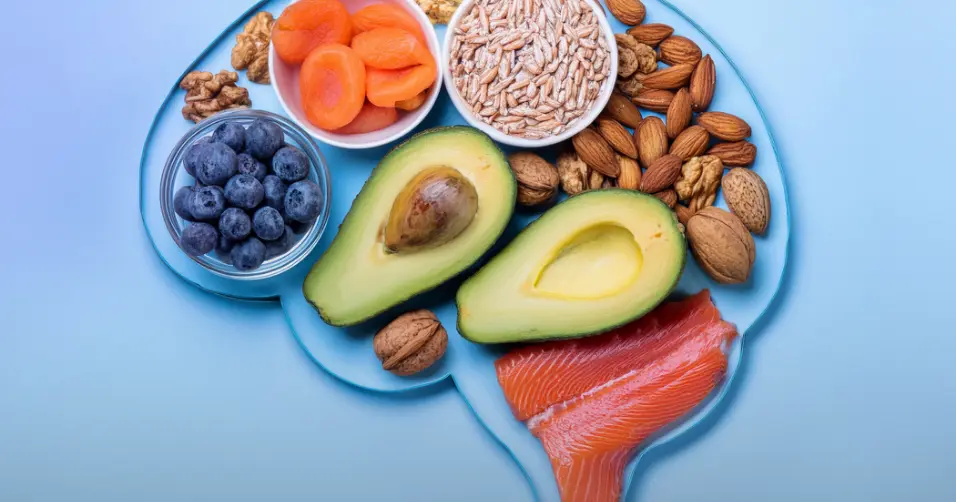
This article is educational and not intended to diagnose, treat, or suggest any specific intervention, and should not replace qualified medical advice.


Choline is a nutrient that supports brain function and liver health.

What Does Choline Do?

Choline is a nutrient that supports brain development, memory, and liver function.

Choline is a nutrient important for brain health, liver function, and fat metabolism. It helps make acetylcholine, a brain chemical needed for memory and learning. The nutrient also supports the transport of fats out of the liver, preventing buildup. Choline plays a role in cell membrane strength, keeping body tissues stable. Deficiency can lead to memory issues, muscle damage, or liver problems.

  • Choline supports brain signaling by producing acetylcholine, vital for focus.

  • It helps move fat through the liver, protecting against fatty liver issues.

  • The nutrient strengthens cell membranes, supporting muscle and nerve health.

  • Low intake can cause memory lapses, fatigue, or liver strain over time.

Choline is a nutrient important for brain health, liver function, and fat metabolism. It helps make acetylcholine, a brain chemical needed for memory and learning. The nutrient also supports the transport of fats out of the liver, preventing buildup. Choline plays a role in cell membrane strength, keeping body tissues stable. Deficiency can lead to memory issues, muscle damage, or liver problems.

  • Choline supports brain signaling by producing acetylcholine, vital for focus.

  • It helps move fat through the liver, protecting against fatty liver issues.

  • The nutrient strengthens cell membranes, supporting muscle and nerve health.

  • Low intake can cause memory lapses, fatigue, or liver strain over time.

Choline: FACTS

Role

Brain, liver, cell membranes

Form & Classification

Essential nutrient

Typical Dosage & Intake

425–550 mg/day

Cycling

No cycling; daily essential

Sources

Egg yolks, soy, meat

Safety & Interactions

Excess may cause fishy odor

Dosage information is general and may vary with product brand, quality or individual needs; verify accuracy on package and consult a qualified practitioner before use.

Dosage information is general and may vary with product brand, quality or individual needs; verify accuracy on package and consult a qualified practitioner before use.

What Is Choline?

Choline is a nutrient important for brain function and making cell membranes.

Choline is an essential nutrient that supports brain, liver, and muscle health. It is needed to make acetylcholine, a neurotransmitter for memory and muscle control. Choline also helps process fat in the liver and supports cell membranes. Deficiency can cause liver damage and memory problems. Sources include eggs, fish, and some beans.

  • Brain role: Needed for neurotransmitters that regulate memory and movement.

  • Liver health: Helps process fats and prevent fat buildup in the liver.

  • Deficiency risk: Low levels may cause fatty liver or memory decline.

  • Food sources: Found in eggs, fish, beans, and meat.

Choline is an essential nutrient that supports brain, liver, and muscle health. It is needed to make acetylcholine, a neurotransmitter for memory and muscle control. Choline also helps process fat in the liver and supports cell membranes. Deficiency can cause liver damage and memory problems. Sources include eggs, fish, and some beans.

  • Brain role: Needed for neurotransmitters that regulate memory and movement.

  • Liver health: Helps process fats and prevent fat buildup in the liver.

  • Deficiency risk: Low levels may cause fatty liver or memory decline.

  • Food sources: Found in eggs, fish, beans, and meat.

Which Choline Type Is Best?

Choline as citicoline (CDP-choline) or alpha-GPC is best for brain support due to high absorption.

The best type of choline is often considered to be citicoline (CDP-choline) or alpha-GPC, both of which are highly bioavailable. These forms quickly raise acetylcholine levels in the brain, supporting memory and focus. Standard choline bitartrate is less effective for brain health but can support liver function. Phosphatidylcholine from food or supplements provides broader benefits for cell membranes. The choice depends on whether the main goal is cognitive support or overall health.

  • Citicoline provides steady brain support and helps improve attention and memory.

  • Alpha-GPC boosts acetylcholine quickly, making it popular for cognitive performance.

  • Choline bitartrate is cost-effective but less impactful on brain function.

  • Phosphatidylcholine supports liver health and cell stability across the body.

The best type of choline is often considered to be citicoline (CDP-choline) or alpha-GPC, both of which are highly bioavailable. These forms quickly raise acetylcholine levels in the brain, supporting memory and focus. Standard choline bitartrate is less effective for brain health but can support liver function. Phosphatidylcholine from food or supplements provides broader benefits for cell membranes. The choice depends on whether the main goal is cognitive support or overall health.

  • Citicoline provides steady brain support and helps improve attention and memory.

  • Alpha-GPC boosts acetylcholine quickly, making it popular for cognitive performance.

  • Choline bitartrate is cost-effective but less impactful on brain function.

  • Phosphatidylcholine supports liver health and cell stability across the body.

How to Add Choline to Your Diet?

Choline can be added by eating eggs, liver, and soy products.

Adding choline to your diet can be done with both foods and supplements. Eggs, liver, and fish are some of the richest natural sources. Plant-based eaters may turn to supplements or fortified foods for adequate intake. Citicoline and alpha-GPC are the most effective supplemental forms for brain health. Steady intake helps with memory, liver function, and muscle performance.

  • Egg yolks are among the highest food sources of choline, supporting brain and liver health.

  • Liver and fish provide concentrated amounts for those who include animal products.

  • Citicoline supplements raise acetylcholine levels, improving cognitive function.

  • Alpha-GPC supports memory and is quickly absorbed into the brain for faster effects.

Adding choline to your diet can be done with both foods and supplements. Eggs, liver, and fish are some of the richest natural sources. Plant-based eaters may turn to supplements or fortified foods for adequate intake. Citicoline and alpha-GPC are the most effective supplemental forms for brain health. Steady intake helps with memory, liver function, and muscle performance.

  • Egg yolks are among the highest food sources of choline, supporting brain and liver health.

  • Liver and fish provide concentrated amounts for those who include animal products.

  • Citicoline supplements raise acetylcholine levels, improving cognitive function.

  • Alpha-GPC supports memory and is quickly absorbed into the brain for faster effects.

What Are Key Ingredients of Choline?

Choline supplements contain choline bitartrate, citicoline (CDP-choline), or alpha-GPC.

The key ingredients of choline supplements vary but usually include citicoline (CDP-choline), alpha-GPC, or choline bitartrate. Citicoline and alpha-GPC are highly bioavailable and directly support brain acetylcholine production. Some formulas add phosphatidylcholine from soy or sunflower for cell membrane health. Blends may also include B vitamins, which work with choline in metabolism. These ingredients are chosen based on whether the focus is memory, liver health, or overall function.

  • Citicoline raises acetylcholine levels, supporting memory and focus.

  • Alpha-GPC provides fast, high absorption for brain and muscle performance.

  • Phosphatidylcholine strengthens cell membranes and supports liver function.

  • B vitamins complement choline by improving energy and methylation processes.

The key ingredients of choline supplements vary but usually include citicoline (CDP-choline), alpha-GPC, or choline bitartrate. Citicoline and alpha-GPC are highly bioavailable and directly support brain acetylcholine production. Some formulas add phosphatidylcholine from soy or sunflower for cell membrane health. Blends may also include B vitamins, which work with choline in metabolism. These ingredients are chosen based on whether the focus is memory, liver health, or overall function.

  • Citicoline raises acetylcholine levels, supporting memory and focus.

  • Alpha-GPC provides fast, high absorption for brain and muscle performance.

  • Phosphatidylcholine strengthens cell membranes and supports liver function.

  • B vitamins complement choline by improving energy and methylation processes.

Which Processes Does Choline Affect?

Choline affects brain signaling, memory, and liver fat metabolism.

Choline affects brain function, liver health, and cell structure. It is needed to make acetylcholine, a neurotransmitter that supports memory and focus. In the liver, it helps process fats and prevents buildup. It also forms part of phospholipids, the main structure of cell membranes. Lack of choline disrupts brain, muscle, and organ function.

  • It produces acetylcholine, improving memory and learning capacity.

  • It processes fats in the liver, preventing fatty liver buildup.

  • It builds cell membranes, ensuring strong and stable tissues.

  • It supports muscle activity by enabling proper nerve signaling.

Choline affects brain function, liver health, and cell structure. It is needed to make acetylcholine, a neurotransmitter that supports memory and focus. In the liver, it helps process fats and prevents buildup. It also forms part of phospholipids, the main structure of cell membranes. Lack of choline disrupts brain, muscle, and organ function.

  • It produces acetylcholine, improving memory and learning capacity.

  • It processes fats in the liver, preventing fatty liver buildup.

  • It builds cell membranes, ensuring strong and stable tissues.

  • It supports muscle activity by enabling proper nerve signaling.

What Foods Contain Choline?

Choline is naturally found in eggs, liver, and soybeans.

Choline is naturally found in both plant and animal foods. Eggs, particularly the yolks, are among the richest sources. Liver and fish also supply concentrated amounts. Plant-based foods like soybeans, broccoli, and quinoa contain smaller levels. Many people meet their needs through a mix of animal and plant foods.

  • Egg yolks are the top natural source, rich in choline for brain and liver health.

  • Liver provides concentrated choline for those who include organ meats.

  • Soybeans and broccoli supply smaller but steady plant-based amounts.

  • Quinoa and nuts contribute additional support in plant-based diets.

Choline is naturally found in both plant and animal foods. Eggs, particularly the yolks, are among the richest sources. Liver and fish also supply concentrated amounts. Plant-based foods like soybeans, broccoli, and quinoa contain smaller levels. Many people meet their needs through a mix of animal and plant foods.

  • Egg yolks are the top natural source, rich in choline for brain and liver health.

  • Liver provides concentrated choline for those who include organ meats.

  • Soybeans and broccoli supply smaller but steady plant-based amounts.

  • Quinoa and nuts contribute additional support in plant-based diets.

Is Choline Vegan?

Choline is vegan when made from soy or synthesized, not from egg yolk or meat.

Choline is suitable for vegans depending on its source. Many supplements use synthetic or plant-derived forms like citicoline or alpha-GPC. Food sources for vegans include soybeans, broccoli, quinoa, and nuts. Egg yolks and liver are animal sources, not vegan. With supplements or careful diet, vegans can meet their choline needs.

  • Citicoline and alpha-GPC are often vegan-friendly synthetic choline sources.

  • Soybeans, broccoli, and quinoa naturally supply vegan choline.

  • Eggs and liver are animal sources that vegans avoid.

  • Vegan-certified supplements ensure adequate intake without animal products.

Choline is suitable for vegans depending on its source. Many supplements use synthetic or plant-derived forms like citicoline or alpha-GPC. Food sources for vegans include soybeans, broccoli, quinoa, and nuts. Egg yolks and liver are animal sources, not vegan. With supplements or careful diet, vegans can meet their choline needs.

  • Citicoline and alpha-GPC are often vegan-friendly synthetic choline sources.

  • Soybeans, broccoli, and quinoa naturally supply vegan choline.

  • Eggs and liver are animal sources that vegans avoid.

  • Vegan-certified supplements ensure adequate intake without animal products.

Will Choline Break a Fast?

Choline provides small caloric value, so it may break a strict fast.

Choline will break a fast since it is a nutrient with calories in the form of small amounts of energy. Supplements provide trace calories, enough to trigger digestion. While the impact is minor, strict fasters should avoid it during fasting hours. It is more effective when taken with meals anyway. For fasting purposes, it is best saved for eating windows.

  • Choline supplements contain trace calories, breaking strict fasting.

  • They trigger digestion even if caloric content is small.

  • Taking with meals improves absorption and effectiveness.

  • For strict fasting benefits, choline should be avoided until meals.

Choline will break a fast since it is a nutrient with calories in the form of small amounts of energy. Supplements provide trace calories, enough to trigger digestion. While the impact is minor, strict fasters should avoid it during fasting hours. It is more effective when taken with meals anyway. For fasting purposes, it is best saved for eating windows.

  • Choline supplements contain trace calories, breaking strict fasting.

  • They trigger digestion even if caloric content is small.

  • Taking with meals improves absorption and effectiveness.

  • For strict fasting benefits, choline should be avoided until meals.

Breaking a fast here is strictly physiological (e.g., insulin effects). When we say a supplement ‘does not break a fast,’ we mean it has negligible calories in normal use and is unlikely to disrupt fasting metabolism. Certain traditions or religious rules may treat any intake as breaking a fast—please follow your tradition and health needs.

Breaking a fast here is strictly physiological (e.g., insulin effects). When we say a supplement ‘does not break a fast,’ we mean it has negligible calories in normal use and is unlikely to disrupt fasting metabolism. Certain traditions or religious rules may treat any intake as breaking a fast—please follow your tradition and health needs.

How to Pick the Best Choline?

Choline should be chosen in highly bioavailable forms like CDP-choline or Alpha-GPC.

To choose high-quality choline, select highly bioavailable forms such as citicoline (CDP-choline) or alpha-GPC. Avoid poorly absorbed forms like plain choline bitartrate if brain support is the goal. Ensure the product is third-party tested for purity and strength. Vegan-friendly capsules are available for plant-based users. Clean formulas without artificial fillers are best.

  • Citicoline and alpha-GPC provide strong cognitive support due to high bioavailability.

  • Poorly absorbed forms like bitartrate are less effective for memory and focus.

  • Third-party lab testing ensures safety and label accuracy.

  • Plant-based capsules offer vegan-friendly supplementation options.

To choose high-quality choline, select highly bioavailable forms such as citicoline (CDP-choline) or alpha-GPC. Avoid poorly absorbed forms like plain choline bitartrate if brain support is the goal. Ensure the product is third-party tested for purity and strength. Vegan-friendly capsules are available for plant-based users. Clean formulas without artificial fillers are best.

  • Citicoline and alpha-GPC provide strong cognitive support due to high bioavailability.

  • Poorly absorbed forms like bitartrate are less effective for memory and focus.

  • Third-party lab testing ensures safety and label accuracy.

  • Plant-based capsules offer vegan-friendly supplementation options.

What’s the Optimal Dosage and Timing for Choline?

Choline is typically taken at 250–550 mg daily, with meals.

The optimal dosage of choline varies by form, but citicoline and alpha-GPC are effective at 250–600 mg daily. It is best taken in the morning or early afternoon to support focus and mental energy. For liver health, lower daily doses may be enough. Since it is water-soluble, dividing into two servings may improve use by the body. Taking with meals can reduce mild digestive upset.

  • Citicoline and alpha-GPC work well at 250–600 mg daily for brain support.

  • Morning or afternoon use aligns with focus and energy needs.

  • Lower doses may be effective for liver protection rather than cognition.

  • Splitting into two doses helps steady absorption throughout the day.

The optimal dosage of choline varies by form, but citicoline and alpha-GPC are effective at 250–600 mg daily. It is best taken in the morning or early afternoon to support focus and mental energy. For liver health, lower daily doses may be enough. Since it is water-soluble, dividing into two servings may improve use by the body. Taking with meals can reduce mild digestive upset.

  • Citicoline and alpha-GPC work well at 250–600 mg daily for brain support.

  • Morning or afternoon use aligns with focus and energy needs.

  • Lower doses may be effective for liver protection rather than cognition.

  • Splitting into two doses helps steady absorption throughout the day.

Dosage and timing information is generalized and may not be appropriate for all individuals; occasional inaccuracies may occur. Variations in supplement purity, formulation, or quality can also affect dosing relevance. Verify accuracy on package and consult a qualified practitioner before use.

Dosage and timing information is generalized and may not be appropriate for all individuals; occasional inaccuracies may occur. Variations in supplement purity, formulation, or quality can also affect dosing relevance. Verify accuracy on package and consult a qualified practitioner before use.

What Are Common Mistakes When Taking Choline?

Choline mistakes include excessive intake, which can cause fishy body odor.

With choline, mistakes include ignoring dosage, either taking too little for brain support or too much, causing fishy odor and sweating. Some assume food intake is always enough, but many diets fall short. Overreliance on low-quality forms like bitartrate gives weak results. Timing choline late at night may disrupt sleep. Neglecting balance with other nutrients, like B vitamins, lowers effectiveness.

  • Too little intake reduces brain and liver support, while too much causes side effects.

  • Bitrate form is poorly absorbed and less effective for cognition.

  • Night-time use may disturb sleep due to stimulating effects.

  • B vitamins work together with choline, improving overall function.

With choline, mistakes include ignoring dosage, either taking too little for brain support or too much, causing fishy odor and sweating. Some assume food intake is always enough, but many diets fall short. Overreliance on low-quality forms like bitartrate gives weak results. Timing choline late at night may disrupt sleep. Neglecting balance with other nutrients, like B vitamins, lowers effectiveness.

  • Too little intake reduces brain and liver support, while too much causes side effects.

  • Bitrate form is poorly absorbed and less effective for cognition.

  • Night-time use may disturb sleep due to stimulating effects.

  • B vitamins work together with choline, improving overall function.

How Fast Does Choline Work?

Choline effects on brain function may show in days to weeks.

Choline can show effects within days, especially for focus and mental energy. Cognitive improvements are often noticed within 1–2 weeks of consistent use. Liver health benefits may take longer, usually months, to measure clearly. Timing in the morning enhances its quick cognitive effects. Effects vary depending on diet and baseline choline status.

  • Improved mental clarity may appear within days of supplementation.

  • Cognitive benefits build stronger within 1–2 weeks.

  • Liver protection develops gradually, often over months of intake.

  • Morning use enhances alertness and energy during the day.

Choline can show effects within days, especially for focus and mental energy. Cognitive improvements are often noticed within 1–2 weeks of consistent use. Liver health benefits may take longer, usually months, to measure clearly. Timing in the morning enhances its quick cognitive effects. Effects vary depending on diet and baseline choline status.

  • Improved mental clarity may appear within days of supplementation.

  • Cognitive benefits build stronger within 1–2 weeks.

  • Liver protection develops gradually, often over months of intake.

  • Morning use enhances alertness and energy during the day.

Results may vary between individuals, and no outcome is guaranteed. A tailored supplemntation plan is the best way to ensure the desired outcome.

Results may vary between individuals, and no outcome is guaranteed. A tailored supplemntation plan is the best way to ensure the desired outcome.

Does Choline Require a Cooldown?

Choline may require cooldown if taken in high doses, to avoid side effects.

Choline usually does not need a cooldown since it is an essential nutrient. The body uses it daily for brain and liver health. Supplementation is only necessary when dietary intake is low. Taking breaks may be useful for those taking high doses to check for tolerance. Food sources ensure safe, steady intake without cycling.

  • As an essential nutrient, choline is needed daily for cell and nerve function.

  • Cooldowns are unnecessary unless very high doses are used.

  • Breaks help evaluate whether supplementation is required long-term.

  • Plant and animal foods provide safe ongoing intake.

Choline usually does not need a cooldown since it is an essential nutrient. The body uses it daily for brain and liver health. Supplementation is only necessary when dietary intake is low. Taking breaks may be useful for those taking high doses to check for tolerance. Food sources ensure safe, steady intake without cycling.

  • As an essential nutrient, choline is needed daily for cell and nerve function.

  • Cooldowns are unnecessary unless very high doses are used.

  • Breaks help evaluate whether supplementation is required long-term.

  • Plant and animal foods provide safe ongoing intake.

The need to pause or cycle depends on individual factors such as goals, tolerance, and clinical context. No universal rule applies, and specialist review is recommended before making adjustments.

The need to pause or cycle depends on individual factors such as goals, tolerance, and clinical context. No universal rule applies, and specialist review is recommended before making adjustments.

Does Tolerance Develop for Choline?

Choline does not cause tolerance, though excess may cause side effects.

Choline does not cause tolerance because it is an essential nutrient. The body needs it daily for brain, liver, and cell health. Benefits remain consistent as long as needs are met. Excess intake may cause side effects but not reduced effects. Food sources provide safe long-term intake without tolerance issues.

  • Choline’s brain and liver benefits do not fade with regular intake.

  • High doses cause side effects but not tolerance.

  • Daily food intake ensures steady supply without cycling.

  • Supplements remain effective if kept within safe ranges.

Choline does not cause tolerance because it is an essential nutrient. The body needs it daily for brain, liver, and cell health. Benefits remain consistent as long as needs are met. Excess intake may cause side effects but not reduced effects. Food sources provide safe long-term intake without tolerance issues.

  • Choline’s brain and liver benefits do not fade with regular intake.

  • High doses cause side effects but not tolerance.

  • Daily food intake ensures steady supply without cycling.

  • Supplements remain effective if kept within safe ranges.

Information on tolerance is generalized and may not reflect individual differences in metabolism, duration of use, or health status. Reactions can vary, and any adjustment should follow qualified practicioner's recommendations.

Information on tolerance is generalized and may not reflect individual differences in metabolism, duration of use, or health status. Reactions can vary, and any adjustment should follow qualified practicioner's recommendations.

Can Choline Be Stacked?

Choline can be stacked with omega-3 for brain health.

Choline stacks well with omega-3 fatty acids for brain health. It also combines with B vitamins, especially B12 and folate, for methylation and energy metabolism. Choline and creatine may work together for muscle and energy performance. Citicoline stacked with phosphatidylserine enhances memory and focus. Stacking requires careful dosing to avoid excessive stimulation.

  • Omega-3s and choline strengthen brain function and memory when combined.

  • B12 and folate complement choline in methylation and DNA repair processes.

  • Creatine with choline improves muscle energy and cognitive performance.

  • Citicoline plus phosphatidylserine sharpens attention and memory in synergy.

Choline stacks well with omega-3 fatty acids for brain health. It also combines with B vitamins, especially B12 and folate, for methylation and energy metabolism. Choline and creatine may work together for muscle and energy performance. Citicoline stacked with phosphatidylserine enhances memory and focus. Stacking requires careful dosing to avoid excessive stimulation.

  • Omega-3s and choline strengthen brain function and memory when combined.

  • B12 and folate complement choline in methylation and DNA repair processes.

  • Creatine with choline improves muscle energy and cognitive performance.

  • Citicoline plus phosphatidylserine sharpens attention and memory in synergy.

Many supplements can interact in ways that enhance or alter their effects. However, stacking makes it difficult to monitor the impact of each component and increases the risk of oversupplementation or unintended interactions.

Many supplements can interact in ways that enhance or alter their effects. However, stacking makes it difficult to monitor the impact of each component and increases the risk of oversupplementation or unintended interactions.

Do Choline Effects Persist?

Choline effects fade within days if intake stops.

Choline effects persist only briefly since it is used daily by the brain and liver. Cognitive improvements fade within days of stopping. Liver support benefits decline more slowly but still depend on steady intake. Since the body cannot make enough choline, persistence is limited. Food intake ensures ongoing effects without supplementation gaps.

  • Memory and focus support fades quickly after discontinuation.

  • Liver protection declines gradually as deficiency returns.

  • The body relies on external choline for ongoing daily function.

  • Dietary sources maintain benefits after stopping supplements.

Choline effects persist only briefly since it is used daily by the brain and liver. Cognitive improvements fade within days of stopping. Liver support benefits decline more slowly but still depend on steady intake. Since the body cannot make enough choline, persistence is limited. Food intake ensures ongoing effects without supplementation gaps.

  • Memory and focus support fades quickly after discontinuation.

  • Liver protection declines gradually as deficiency returns.

  • The body relies on external choline for ongoing daily function.

  • Dietary sources maintain benefits after stopping supplements.

Results may vary between individuals, and no outcome is guaranteed. A tailored supplemntation plan is the best way to ensure the desired outcome.

Results may vary between individuals, and no outcome is guaranteed. A tailored supplemntation plan is the best way to ensure the desired outcome.

Does Choline Aid Longevity?

Choline may support longevity by preserving brain function and liver health.

Choline supports longevity by protecting brain and liver health. It is crucial for acetylcholine production, which maintains memory with age. Deficiency increases risks of cognitive decline and fatty liver disease. Lifelong intake helps preserve independence in older adults. While not directly linked to lifespan extension, it strongly supports healthy aging.

  • Choline protects memory and lowers dementia risk in aging populations.

  • Liver protection prevents long-term organ damage that shortens life.

  • Daily intake ensures brain and body resilience with age.

  • No direct lifespan data, but strong evidence supports healthy aging benefits.

Choline supports longevity by protecting brain and liver health. It is crucial for acetylcholine production, which maintains memory with age. Deficiency increases risks of cognitive decline and fatty liver disease. Lifelong intake helps preserve independence in older adults. While not directly linked to lifespan extension, it strongly supports healthy aging.

  • Choline protects memory and lowers dementia risk in aging populations.

  • Liver protection prevents long-term organ damage that shortens life.

  • Daily intake ensures brain and body resilience with age.

  • No direct lifespan data, but strong evidence supports healthy aging benefits.

What Are Alternatives to Choline?

Choline alternatives include lecithin from soy or sunflower.

Alternatives to choline include food and supplemental compounds that support similar pathways. Citicoline and alpha-GPC are advanced forms often used when higher support is needed. Phosphatidylcholine from soy or sunflower supports cell membranes. B vitamins, especially folate and B12, complement choline in methylation and brain health. Eggs, liver, and soy remain natural food-based alternatives.

  • Citicoline and alpha-GPC provide potent brain and memory support as alternatives.

  • Phosphatidylcholine strengthens cell membranes and liver health.

  • B vitamins work in synergy with choline for nervous system function.

  • Eggs and soy are natural dietary options to support choline needs.

Alternatives to choline include food and supplemental compounds that support similar pathways. Citicoline and alpha-GPC are advanced forms often used when higher support is needed. Phosphatidylcholine from soy or sunflower supports cell membranes. B vitamins, especially folate and B12, complement choline in methylation and brain health. Eggs, liver, and soy remain natural food-based alternatives.

  • Citicoline and alpha-GPC provide potent brain and memory support as alternatives.

  • Phosphatidylcholine strengthens cell membranes and liver health.

  • B vitamins work in synergy with choline for nervous system function.

  • Eggs and soy are natural dietary options to support choline needs.

There are often alternatives that better align with personal risk profiles, preferences, or resources; comparative review with a relevant certified consultant is advised.

There are often alternatives that better align with personal risk profiles, preferences, or resources; comparative review with a relevant certified consultant is advised.

What Are Possible Choline Side Effects?

Choline side effects at high doses may cause fishy body odor and sweating.

Choline side effects are dose-dependent. Moderate use is safe, but high doses may cause sweating, fishy body odor, and stomach upset. Some people experience low blood pressure or dizziness. Overuse can also cause diarrhea. Food sources rarely cause issues since amounts are balanced naturally.

  • Fishy odor and sweating are common at high supplement doses.

  • Digestive issues like diarrhea and nausea may appear with excess intake.

  • Dizziness or low blood pressure can occur in sensitive individuals.

  • Food-based choline is well tolerated and rarely causes side effects.

Choline side effects are dose-dependent. Moderate use is safe, but high doses may cause sweating, fishy body odor, and stomach upset. Some people experience low blood pressure or dizziness. Overuse can also cause diarrhea. Food sources rarely cause issues since amounts are balanced naturally.

  • Fishy odor and sweating are common at high supplement doses.

  • Digestive issues like diarrhea and nausea may appear with excess intake.

  • Dizziness or low blood pressure can occur in sensitive individuals.

  • Food-based choline is well tolerated and rarely causes side effects.

Responses differ among individuals. If adverse effects occur, discontinuation and professional evaluation are advised.

Responses differ among individuals. If adverse effects occur, discontinuation and professional evaluation are advised.

Who Should Avoid Choline?

Choline should be avoided in high doses by people with fishy body odor issues or low blood pressure.

Choline should be avoided in very high doses, especially by those with low blood pressure. People sensitive to fishy odor side effects may prefer lower amounts. Those with trimethylaminuria, a rare genetic condition, should avoid excess intake. Individuals with liver disease should only use choline under supervision. Normal dietary intake is safe for everyone.

  • Very high doses cause drops in blood pressure and dizziness.

  • Fishy odor side effect is problematic for sensitive individuals.

  • Trimethylaminuria patients cannot process choline properly, worsening symptoms.

  • Liver patients should only supplement under medical care.

Choline should be avoided in very high doses, especially by those with low blood pressure. People sensitive to fishy odor side effects may prefer lower amounts. Those with trimethylaminuria, a rare genetic condition, should avoid excess intake. Individuals with liver disease should only use choline under supervision. Normal dietary intake is safe for everyone.

  • Very high doses cause drops in blood pressure and dizziness.

  • Fishy odor side effect is problematic for sensitive individuals.

  • Trimethylaminuria patients cannot process choline properly, worsening symptoms.

  • Liver patients should only supplement under medical care.

Individuals who may be at higher risk—including those with diabetes, eating disorders, pregnancy or breastfeeding, heavy training loads, health conditions, medication use, or prior adverse reactions—should seek tailored guidance before deciding supplementation or making major supplement or lifestyle changes.

Individuals who may be at higher risk—including those with diabetes, eating disorders, pregnancy or breastfeeding, heavy training loads, health conditions, medication use, or prior adverse reactions—should seek tailored guidance before deciding supplementation or making major supplement or lifestyle changes.

Is Choline Available Over-the-Counter?

Choline is available over-the-counter in capsules and powders.

Choline is available over-the-counter in various forms, including citicoline and alpha-GPC. It is also found in multivitamins and nootropic blends. Prescription may be used in some regions for medical conditions like liver disease. Most people can access it freely in supplement shops. Food sources are widely available without restriction.

  • Citicoline and alpha-GPC are sold as over-the-counter brain supplements.

  • Choline is included in multivitamins and energy blends.

  • Prescription forms exist but are typically for liver or brain conditions.

  • Everyday supplements are widely accessible to the public.

Choline is available over-the-counter in various forms, including citicoline and alpha-GPC. It is also found in multivitamins and nootropic blends. Prescription may be used in some regions for medical conditions like liver disease. Most people can access it freely in supplement shops. Food sources are widely available without restriction.

  • Citicoline and alpha-GPC are sold as over-the-counter brain supplements.

  • Choline is included in multivitamins and energy blends.

  • Prescription forms exist but are typically for liver or brain conditions.

  • Everyday supplements are widely accessible to the public.

For over-the-counter availability we use generic US data. Product availability and status may vary by country and region.

For over-the-counter availability we use generic US data. Product availability and status may vary by country and region.

What’s the History of Choline?

Choline was discovered in 1862 and recognized as essential in 1998.

The history of choline began in 1862 when it was first discovered in bile. Its importance for brain and liver health was recognized in the 20th century. By 1998, it was officially classified as an essential nutrient. Supplements became common in the late 20th century for cognitive support. Today, it is studied for roles in memory and metabolic health.

  • Discovered in bile in 1862 during early chemistry research.

  • 20th-century science established its role in brain and liver function.

  • Recognized as an essential nutrient officially in 1998.

  • Now widely used in supplements for memory and metabolism support.

The history of choline began in 1862 when it was first discovered in bile. Its importance for brain and liver health was recognized in the 20th century. By 1998, it was officially classified as an essential nutrient. Supplements became common in the late 20th century for cognitive support. Today, it is studied for roles in memory and metabolic health.

  • Discovered in bile in 1862 during early chemistry research.

  • 20th-century science established its role in brain and liver function.

  • Recognized as an essential nutrient officially in 1998.

  • Now widely used in supplements for memory and metabolism support.

Does Choline Support Brain Health?

Choline, an essential nutrient, supports brain health by helping build cell membranes and making the neurotransmitter acetylcholine.

Choline supports brain health by helping form neurotransmitters. It is needed to make acetylcholine, a chemical important for memory and focus. Choline also supports cell membranes in the brain. Its effects depend on overall diet. It works as part of a broader nutrient pattern.

  • Builds acetylcholine which supports cognitive signaling.

  • Supports membrane structure for healthy brain cells.

  • Helps liver function which indirectly supports brain metabolism.

  • Works with omega-rich foods for balanced brain health.


Choline supports brain health by helping form neurotransmitters. It is needed to make acetylcholine, a chemical important for memory and focus. Choline also supports cell membranes in the brain. Its effects depend on overall diet. It works as part of a broader nutrient pattern.

  • Builds acetylcholine which supports cognitive signaling.

  • Supports membrane structure for healthy brain cells.

  • Helps liver function which indirectly supports brain metabolism.

  • Works with omega-rich foods for balanced brain health.


Does Choline Affect Fatigue?

Choline affects fatigue through its role in acetylcholine, a neurotransmitter involved in muscle and brain function.

Choline participates in making acetylcholine, a messenger used for memory and muscle control. Because of that role, low choline intake may contribute to mental tiredness in some people. Normal intake from food is usually enough for most adults. Some people explore choline supplements, but responses differ. It is often paired with sleep and hydration habits for overall fatigue support.

  • Helps form acetylcholine which supports memory and attention.

  • Low intake may influence fatigue when combined with poor diet or irregular sleep.

  • Dietary sources are common and usually adequate.

  • Stacking is limited as direct synergies with fatigue supplements are not well-studied.


Choline participates in making acetylcholine, a messenger used for memory and muscle control. Because of that role, low choline intake may contribute to mental tiredness in some people. Normal intake from food is usually enough for most adults. Some people explore choline supplements, but responses differ. It is often paired with sleep and hydration habits for overall fatigue support.

  • Helps form acetylcholine which supports memory and attention.

  • Low intake may influence fatigue when combined with poor diet or irregular sleep.

  • Dietary sources are common and usually adequate.

  • Stacking is limited as direct synergies with fatigue supplements are not well-studied.


How Does Choline Differ from Phosphatidylserine?

Choline differs from phosphatidylserine by aiding acetylcholine production, a neurotransmitter for focus and movement.

Choline differs from phosphatidylserine because choline is a nutrient used to build several molecules, while phosphatidylserine is a specific membrane lipid. Choline helps form neurotransmitters that support nerve communication. Phosphatidylserine stays mostly in membrane layers. Their roles complement but do not overlap. Choline supports production; phosphatidylserine supports structure.

  • Choline builds molecules used for signaling and membranes.

  • Phosphatidylserine structure helps maintain cell integrity.

  • Functional differences separate production from support.

  • Complementary roles help brain health.


Choline differs from phosphatidylserine because choline is a nutrient used to build several molecules, while phosphatidylserine is a specific membrane lipid. Choline helps form neurotransmitters that support nerve communication. Phosphatidylserine stays mostly in membrane layers. Their roles complement but do not overlap. Choline supports production; phosphatidylserine supports structure.

  • Choline builds molecules used for signaling and membranes.

  • Phosphatidylserine structure helps maintain cell integrity.

  • Functional differences separate production from support.

  • Complementary roles help brain health.


How Does Choline Relate to Sleep?

Choline relates to sleep as it forms acetylcholine, a neurotransmitter that influences REM cycles.

Choline relates to sleep through its role in neurotransmitter production. It helps create acetylcholine, which influences REM sleep, a stage linked to dreaming and memory. Balanced choline intake supports healthy neural signaling. These signals help organize sleep cycles. Diet patterns influence final effects.

  • Neurotransmitter support helps regulate REM cycles. Stable cycles improve rest quality.

  • Brain communication improves with steady choline. Smooth communication aids relaxation.

  • Memory shaping benefits from choline-linked pathways. Stronger pathways support learning.

  • Diet sources supply natural choline. Whole foods maintain levels.

Choline relates to sleep through its role in neurotransmitter production. It helps create acetylcholine, which influences REM sleep, a stage linked to dreaming and memory. Balanced choline intake supports healthy neural signaling. These signals help organize sleep cycles. Diet patterns influence final effects.

  • Neurotransmitter support helps regulate REM cycles. Stable cycles improve rest quality.

  • Brain communication improves with steady choline. Smooth communication aids relaxation.

  • Memory shaping benefits from choline-linked pathways. Stronger pathways support learning.

  • Diet sources supply natural choline. Whole foods maintain levels.

Medical Disclaimer: All content on this website is intended solely for informational and educational purposes and should not be interpreted as a substitute for professional medical advice, diagnosis, or treatment, nor as encouragement or promotion for or against any particular use, product, or activity. Results may vary and are not guaranteed. No doctor–patient relationship is created by your use of this content. Always consult a qualified healthcare provider, nutritionist, or other relevant expert before starting or changing any supplement, diet, exercise, or lifestyle program. This website can contain errors. Check important information. Read our full Disclaimer.

StatusTerms of ServicePrivacy PolicyDisclaimerAbout Myopedia.

©2025 Myopedia™. All rights reserved.

Medical Disclaimer: All content on this website is intended solely for informational and educational purposes and should not be interpreted as a substitute for professional medical advice, diagnosis, or treatment, nor as encouragement or promotion for or against any particular use, product, or activity. Results may vary and are not guaranteed. No doctor–patient relationship is created by your use of this content. Always consult a qualified healthcare provider, nutritionist, or other relevant expert before starting or changing any supplement, diet, exercise, or lifestyle program. This website can contain errors. Check important information. Read our full Disclaimer.

StatusTerms of ServicePrivacy PolicyDisclaimerAbout Myopedia.

©2025 Myopedia™. All rights reserved.

Medical Disclaimer: All content on this website is intended solely for informational and educational purposes and should not be interpreted as a substitute for professional medical advice, diagnosis, or treatment, nor as encouragement or promotion for or against any particular use, product, or activity. Results may vary and are not guaranteed. No doctor–patient relationship is created by your use of this content. Always consult a qualified healthcare provider, nutritionist, or other relevant expert before starting or changing any supplement, diet, exercise, or lifestyle program. This website can contain errors. Check important information. Read our full Disclaimer.

StatusTerms of ServicePrivacy PolicyDisclaimerAbout Myopedia.

©2025 Myopedia™. All rights reserved.