Brain Health
A Comprehensive Guide to Brain Health
Brain health encompasses strategies like consuming omega-3s and antioxidants, along with engaging in cognitive exercises to protect neural function, may help prevent neurodegeneration, and enhance memory. Adequate sleep and stress management further support synaptic plasticity and mental acuity.
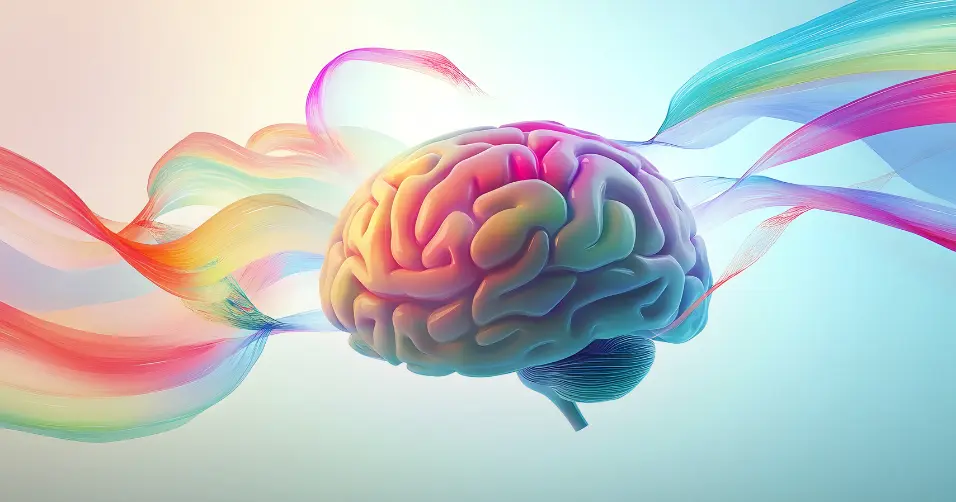
Your brain needs good fuel. Eating healthy foods, like lots of veggies and lean proteins, can help keep your thinking sharp and reduce the chances of problems later on. Think of the MIND diet for some good ideas.
Moving your body is great for your brain. Regular exercise, even just brisk walking, helps your mood, makes you think clearer, and might even lower your risk of brain issues.
Getting enough sleep is super important. When you sleep, your brain does a lot of work, like sorting memories and cleaning itself out. Aim for 7 to 9 hours each night.
Keep your brain active by trying new things. Learning a new skill, reading, or doing puzzles challenges your mind and helps it stay in shape.
Don't forget about safety and managing your health. Protecting your head from injury and keeping conditions like high blood pressure and diabetes in check are vital for long-term brain health.
This article is educational and not intended to diagnose, treat, or suggest any specific intervention, and should not replace qualified medical advice.







Understanding Brain Health
Think of your brain as the command center for everything you do, from breathing to remembering your best friend's birthday. It's not just about thinking; it's about how well all the different parts of your brain work together. This includes your ability to learn, to feel emotions, to move your body, and even how you interact with others. Keeping this complex system in good shape means you can handle life's ups and downs better and generally live a more fulfilling life.
Defining Brain Health
So, what exactly is brain health? It's basically the state where your brain is functioning well across the board. This covers your thinking skills (cognition), your senses, your emotional well-being, how you behave, and your physical movements. The goal is to let you reach your full potential throughout your entire life, regardless of any health issues you might have. It's about maintaining that optimal function so you can keep doing the things you love and need to do.
The Importance of Brain Health
Why should we pay attention to our brain health? Well, a healthy brain helps us manage stress more effectively. It allows us to stay sharp and focused, learn new things, and maintain strong relationships. When our brain isn't working at its best, it can affect our mood, our ability to concentrate, and even our physical coordination. Taking care of your brain isn't just about preventing problems down the road; it's about improving your quality of life right now. It impacts everything from your daily mood to your long-term memory and your overall sense of well-being.
Nourishing Your Brain Through Diet
Eating Healthier Foods
What you eat directly impacts how your brain functions, not just today but also down the road. Think of your brain like a high-performance engine; it needs the right kind of fuel to run smoothly. Cutting back on processed foods, sugary drinks, and excessive unhealthy fats is a good start. Instead, focus on filling your plate with whole, unprocessed foods. This means more colorful vegetables, fruits, lean proteins, and healthy fats. These foods provide the vitamins, minerals, and antioxidants your brain cells need to stay healthy and communicate effectively. Making these dietary shifts can help reduce the risk of cognitive decline as we age.
The MIND Diet for Brain Health
There's a specific eating plan that's gotten a lot of attention for its brain-boosting benefits: the MIND diet. MIND stands for Mediterranean-DASH Intervention for Neurodegenerative Delay. It's not a super strict diet, but more of a guideline that combines aspects of the Mediterranean and DASH diets, focusing on foods known to support brain health. The core idea is to eat plenty of:
Leafy green vegetables (think spinach, kale)
Other vegetables
Berries (especially blueberries and strawberries)
Nuts and seeds
Whole grains
Fish (rich in omega-3s)
Poultry
It also suggests limiting foods that aren't as good for your brain, like red meat, butter, cheese, pastries, and fried foods. Following this kind of eating pattern can really make a difference in keeping your mind sharp and potentially slowing down age-related cognitive changes. It’s about making smart food choices consistently.
The Role of Physical Activity
Getting your body moving is a pretty big deal for your brain, too. It's not just about building muscles or shedding a few pounds; exercise actually changes how your brain works for the better. When you get your heart rate up, you're sending more oxygen and nutrients to your brain cells, which helps them function more smoothly. Plus, exercise triggers the release of chemicals in your brain that can lift your mood and help you feel less stressed.
Movement for Mood and Cognition
Ever notice how you feel a bit clearer and more positive after a good walk or a workout? That's your brain at work. Physical activity helps your brain release endorphins, which are natural mood lifters. This can make a real difference in managing feelings of anxiety and even depression. Beyond just feeling good, regular movement can sharpen your thinking skills. It's like giving your brain a tune-up, helping you concentrate better and remember things more easily. The more active you are, the more resilient your brain tends to be against age-related changes. It's a win-win situation for both your body and your mind.
Recommended Exercise Guidelines
So, how much movement are we talking about? Health experts generally suggest aiming for a mix of activities throughout the week. The goal is to get your body moving regularly to reap the brain benefits.
Aerobic Activity: Try to get at least 150 minutes of moderate-intensity aerobic exercise each week. This could be brisk walking, cycling, or dancing. If you prefer more vigorous workouts, aim for about 75 minutes a week of activities like jogging or swimming laps.
Muscle-Strengthening: Don't forget to include activities that work your muscles at least two days a week. This could involve lifting weights, doing bodyweight exercises, or even some gardening.
Flexibility and Balance: Especially as we get older, exercises that improve flexibility and balance can be really helpful in preventing falls and keeping you mobile.
It doesn't have to be all at once, either. Breaking up your activity into shorter bursts, like a few 10-minute walks spread throughout the day, can be just as effective. Find activities you genuinely enjoy, because that's the key to sticking with it long-term.
Prioritizing Rest and Sleep
You know how your phone needs to charge overnight to work properly the next day? Well, your brain is kind of similar. Getting enough quality sleep isn't just about feeling less tired; it's a really active time for your brain. While you're catching Zs, your brain is busy sorting through memories, fixing up cells, clearing out waste products, and releasing important chemicals. It's like a nightly maintenance crew for your mind.
The Importance of Quality Sleep
Think of sleep as a reset button for your brain. During deep sleep cycles, your brain consolidates memories, making it easier to recall information later. It also clears out metabolic byproducts that build up during the day. Without sufficient sleep, these processes get interrupted, which can lead to problems with focus, memory, and overall cognitive function. Studies suggest that consistently getting less than 7-9 hours of sleep per night can negatively impact your thinking skills over time. Some sleep disturbances, like sleep apnea, can be particularly disruptive and are linked to a higher risk of cognitive decline.
Establishing Healthy Sleep Habits
So, how do you make sure you're getting that good quality sleep? It often comes down to what we call 'sleep hygiene.' It sounds fancy, but it's just a set of practices that help you get better rest.
Here are a few things to try:
Stick to a Schedule: Try to go to bed and wake up around the same time every day, even on weekends. This helps regulate your body's internal clock.
Create a Relaxing Routine: Wind down before bed. This could mean reading a book, taking a warm bath, or listening to calm music. Avoid screens – the blue light can mess with your sleep hormones.
Optimize Your Sleep Space: Make your bedroom dark, quiet, and cool. Invest in a comfortable mattress and pillows if you can.
Watch What You Consume: Try not to have heavy meals, caffeine, or alcohol too close to bedtime.
If you're consistently having trouble sleeping, or if you suspect you might have a sleep disorder like sleep apnea (which can cause loud snoring and daytime tiredness), it's a good idea to chat with your doctor. They can help figure out what's going on and suggest the best course of action.
Engaging Your Mind
Challenging Your Brain with New Skills
Does Ashwagandha Support Brain Health?
Ashwagandha may support brain health by reducing perceived stress, meaning reduced mental load.
Ashwagandha is explored for brain-health support because it may influence stress and inflammation pathways. These pathways can play a role in mental clarity. Its calming effects may support concentration in some people. It is not a replacement for medical treatment. Its benefits are usually described as mild supportive effects.
Supports stress balance: Lower stress can help cognitive comfort. This can ease mental load.
Influences inflammation signals: These signals may affect brain function. Adjusting them can offer indirect support.
Traditional use: Historically used for mental well-being. Modern studies continue to explore this.
Understanding Brain Health
Think of your brain as the command center for everything you do, from breathing to remembering your best friend's birthday. It's not just about thinking; it's about how well all the different parts of your brain work together. This includes your ability to learn, to feel emotions, to move your body, and even how you interact with others. Keeping this complex system in good shape means you can handle life's ups and downs better and generally live a more fulfilling life.
Defining Brain Health
So, what exactly is brain health? It's basically the state where your brain is functioning well across the board. This covers your thinking skills (cognition), your senses, your emotional well-being, how you behave, and your physical movements. The goal is to let you reach your full potential throughout your entire life, regardless of any health issues you might have. It's about maintaining that optimal function so you can keep doing the things you love and need to do.
The Importance of Brain Health
Why should we pay attention to our brain health? Well, a healthy brain helps us manage stress more effectively. It allows us to stay sharp and focused, learn new things, and maintain strong relationships. When our brain isn't working at its best, it can affect our mood, our ability to concentrate, and even our physical coordination. Taking care of your brain isn't just about preventing problems down the road; it's about improving your quality of life right now. It impacts everything from your daily mood to your long-term memory and your overall sense of well-being.
Nourishing Your Brain Through Diet
Eating Healthier Foods
What you eat directly impacts how your brain functions, not just today but also down the road. Think of your brain like a high-performance engine; it needs the right kind of fuel to run smoothly. Cutting back on processed foods, sugary drinks, and excessive unhealthy fats is a good start. Instead, focus on filling your plate with whole, unprocessed foods. This means more colorful vegetables, fruits, lean proteins, and healthy fats. These foods provide the vitamins, minerals, and antioxidants your brain cells need to stay healthy and communicate effectively. Making these dietary shifts can help reduce the risk of cognitive decline as we age.
The MIND Diet for Brain Health
There's a specific eating plan that's gotten a lot of attention for its brain-boosting benefits: the MIND diet. MIND stands for Mediterranean-DASH Intervention for Neurodegenerative Delay. It's not a super strict diet, but more of a guideline that combines aspects of the Mediterranean and DASH diets, focusing on foods known to support brain health. The core idea is to eat plenty of:
Leafy green vegetables (think spinach, kale)
Other vegetables
Berries (especially blueberries and strawberries)
Nuts and seeds
Whole grains
Fish (rich in omega-3s)
Poultry
It also suggests limiting foods that aren't as good for your brain, like red meat, butter, cheese, pastries, and fried foods. Following this kind of eating pattern can really make a difference in keeping your mind sharp and potentially slowing down age-related cognitive changes. It’s about making smart food choices consistently.
The Role of Physical Activity
Getting your body moving is a pretty big deal for your brain, too. It's not just about building muscles or shedding a few pounds; exercise actually changes how your brain works for the better. When you get your heart rate up, you're sending more oxygen and nutrients to your brain cells, which helps them function more smoothly. Plus, exercise triggers the release of chemicals in your brain that can lift your mood and help you feel less stressed.
Movement for Mood and Cognition
Ever notice how you feel a bit clearer and more positive after a good walk or a workout? That's your brain at work. Physical activity helps your brain release endorphins, which are natural mood lifters. This can make a real difference in managing feelings of anxiety and even depression. Beyond just feeling good, regular movement can sharpen your thinking skills. It's like giving your brain a tune-up, helping you concentrate better and remember things more easily. The more active you are, the more resilient your brain tends to be against age-related changes. It's a win-win situation for both your body and your mind.
Recommended Exercise Guidelines
So, how much movement are we talking about? Health experts generally suggest aiming for a mix of activities throughout the week. The goal is to get your body moving regularly to reap the brain benefits.
Aerobic Activity: Try to get at least 150 minutes of moderate-intensity aerobic exercise each week. This could be brisk walking, cycling, or dancing. If you prefer more vigorous workouts, aim for about 75 minutes a week of activities like jogging or swimming laps.
Muscle-Strengthening: Don't forget to include activities that work your muscles at least two days a week. This could involve lifting weights, doing bodyweight exercises, or even some gardening.
Flexibility and Balance: Especially as we get older, exercises that improve flexibility and balance can be really helpful in preventing falls and keeping you mobile.
It doesn't have to be all at once, either. Breaking up your activity into shorter bursts, like a few 10-minute walks spread throughout the day, can be just as effective. Find activities you genuinely enjoy, because that's the key to sticking with it long-term.
Prioritizing Rest and Sleep
You know how your phone needs to charge overnight to work properly the next day? Well, your brain is kind of similar. Getting enough quality sleep isn't just about feeling less tired; it's a really active time for your brain. While you're catching Zs, your brain is busy sorting through memories, fixing up cells, clearing out waste products, and releasing important chemicals. It's like a nightly maintenance crew for your mind.
The Importance of Quality Sleep
Think of sleep as a reset button for your brain. During deep sleep cycles, your brain consolidates memories, making it easier to recall information later. It also clears out metabolic byproducts that build up during the day. Without sufficient sleep, these processes get interrupted, which can lead to problems with focus, memory, and overall cognitive function. Studies suggest that consistently getting less than 7-9 hours of sleep per night can negatively impact your thinking skills over time. Some sleep disturbances, like sleep apnea, can be particularly disruptive and are linked to a higher risk of cognitive decline.
Establishing Healthy Sleep Habits
So, how do you make sure you're getting that good quality sleep? It often comes down to what we call 'sleep hygiene.' It sounds fancy, but it's just a set of practices that help you get better rest.
Here are a few things to try:
Stick to a Schedule: Try to go to bed and wake up around the same time every day, even on weekends. This helps regulate your body's internal clock.
Create a Relaxing Routine: Wind down before bed. This could mean reading a book, taking a warm bath, or listening to calm music. Avoid screens – the blue light can mess with your sleep hormones.
Optimize Your Sleep Space: Make your bedroom dark, quiet, and cool. Invest in a comfortable mattress and pillows if you can.
Watch What You Consume: Try not to have heavy meals, caffeine, or alcohol too close to bedtime.
If you're consistently having trouble sleeping, or if you suspect you might have a sleep disorder like sleep apnea (which can cause loud snoring and daytime tiredness), it's a good idea to chat with your doctor. They can help figure out what's going on and suggest the best course of action.
Engaging Your Mind
Challenging Your Brain with New Skills
Think of your brain like a muscle; the more you work it out, the stronger and more adaptable it becomes. Sitting back and letting your mind go on autopilot isn't doing it any favors. Actively seeking out new experiences and learning new things can make a real difference in how well your brain functions, both now and down the road.
It doesn't have to be complicated. Picking up a new hobby, like learning to play a musical instrument or trying your hand at painting, can be incredibly beneficial. Even something as simple as learning a few phrases in a new language or figuring out a complex board game can give your brain a good workout. The key is to step outside your usual routine and try something that requires a bit of mental effort.
The Benefits of Lifelong Learning
This idea of continuous learning isn't just about staying sharp; it's about building resilience. When you're constantly learning, you're essentially creating new pathways in your brain. This process, sometimes called neuroplasticity, helps your brain adapt to changes and can even help it compensate if some areas are damaged. It's like giving your brain more tools to work with.
Here are a few ways to keep that learning going:
Take a class: Look into local community centers, libraries, or online platforms for courses on subjects that pique your interest.
Read widely: Don't stick to just one genre. Explore different types of books, articles, and even podcasts.
Learn a practical skill: Think about something you've always wanted to do, like basic car maintenance, cooking a new cuisine, or even coding.
Engage in puzzles and games: Crosswords, Sudoku, logic puzzles, or strategy games can all provide a mental challenge.
Making learning a regular part of your life is a proactive way to support your brain health. It keeps things interesting and helps maintain cognitive function as you get older.
Social Connections and Well-being
Humans are wired for connection. It turns out that spending time with people we care about isn't just pleasant; it's genuinely good for our brains. When we engage with others, our brains release chemicals that make us feel good, like oxytocin. Think of it as a natural mood lift.
Prioritizing Social Interaction
Making time for friends and family can really help manage stress and keep our spirits up. It doesn't have to be a grand event. A simple phone call, grabbing a coffee, or going for a walk with someone can make a big difference. These interactions help ward off feelings of depression and stress, which can negatively impact memory and cognitive function. Regular social engagement is a key component of a healthy brain.
Combating Loneliness and Isolation
Loneliness and social isolation have been linked to a higher risk of cognitive decline and even conditions like Alzheimer's disease. It's important to actively seek out and maintain relationships. If you're feeling disconnected, consider joining a club, volunteering, or simply reaching out to someone you haven't spoken to in a while. Even small efforts can have a significant positive impact on your overall well-being and brain health.
Protecting Your Brain from Injury
Preventing Head Injuries
Think about it, your brain is pretty important, right? It's in charge of everything you do, think, and feel. So, it makes sense to protect it from harm. Head injuries can really mess things up, affecting how you think, remember things, move, and even how you feel. It's not just about big accidents either; smaller bumps can add up.
Wearing a helmet is one of the simplest yet most effective ways to guard your head. This is especially true when you're doing activities that have a higher risk of head bumps. We're talking about things like riding a bike, skiing, snowboarding, or even riding a motorcycle or an all-terrain vehicle. It might seem like a hassle sometimes, but it's a small price to pay for keeping your brain safe.
Safety Measures for Daily Life
Beyond helmets, there are other everyday things you can do to keep your brain out of harm's way. Car accidents are a common cause of head injuries, so always buckle up. It's a habit that can save your life and protect your brain. Falls are another big one, especially as we get older. Making sure your home is safe can prevent a lot of trouble.
Here are a few practical tips:
Clear pathways: Keep stairs and hallways free of clutter. Tripping hazards are no joke.
Good lighting: Make sure stairways and walking areas are well-lit. You need to see where you're going.
Secure rugs: Ensure carpets and rugs are firmly attached to the floor. Slipping on a rug can lead to a nasty fall.
Be mindful outdoors: Watch your step on uneven ground or when you're in a new place. Pay attention to where you're walking.
Taking these simple precautions can make a big difference in preventing injuries that could impact your brain health.
Managing Health Conditions
Lots of things can affect how well your brain works, and some of them are health conditions you might already have or need to watch out for. It's not just about what you eat or how much you sleep; keeping your body in good shape really matters for your brain too.
Controlling Blood Pressure
High blood pressure, often called hypertension, is a big one. When your blood pressure is too high, it can put extra strain on the blood vessels all over your body, including the ones in your brain. Over time, this can lead to problems like strokes or even a general decline in thinking abilities. It's like running water through a hose that's constantly being squeezed – eventually, something's going to give. Keeping your blood pressure in a healthy range is a direct way to protect your brain's delicate network. This usually involves a mix of diet, exercise, and sometimes medication, all managed with your doctor.
Managing Diabetes for Brain Health
Diabetes, especially if it's not well-controlled, can also mess with your brain. High blood sugar levels over a long period can damage blood vessels and nerves, including those in the brain. This damage can affect memory, thinking skills, and even increase the risk of developing dementia later on. Think of it as a slow drip of something that can corrode delicate parts over time. Keeping your blood sugar levels stable through diet, exercise, and medication is key.
The Impact of Smoking and Alcohol
We all know smoking isn't great for our lungs, but it's also bad news for our brains. Smoking harms blood vessels, making them narrower and less efficient, which can reduce blood flow to the brain. This increases the risk of stroke and cognitive decline. As for alcohol, while a little might seem harmless, too much can definitely cause problems. Heavy drinking can lead to memory loss, confusion, and long-term brain damage. It interferes with how brain cells communicate. Limiting or avoiding both smoking and excessive alcohol use is a smart move for brain health.
Wrapping It Up
So, taking care of your brain isn't some big, complicated thing. It's really about making small, smart choices every day. Think of it like tending a garden – a little bit of water, some sunshine, and keeping the weeds out goes a long way. By staying active, eating well, getting enough sleep, and keeping your mind busy with new things and good company, you're basically giving your brain the best environment to thrive. It’s never too late to start, and honestly, the payoff is huge. A healthier brain means a better you, through all the ups and downs life throws your way.
Think of your brain like a muscle; the more you work it out, the stronger and more adaptable it becomes. Sitting back and letting your mind go on autopilot isn't doing it any favors. Actively seeking out new experiences and learning new things can make a real difference in how well your brain functions, both now and down the road.
It doesn't have to be complicated. Picking up a new hobby, like learning to play a musical instrument or trying your hand at painting, can be incredibly beneficial. Even something as simple as learning a few phrases in a new language or figuring out a complex board game can give your brain a good workout. The key is to step outside your usual routine and try something that requires a bit of mental effort.
The Benefits of Lifelong Learning
This idea of continuous learning isn't just about staying sharp; it's about building resilience. When you're constantly learning, you're essentially creating new pathways in your brain. This process, sometimes called neuroplasticity, helps your brain adapt to changes and can even help it compensate if some areas are damaged. It's like giving your brain more tools to work with.
Here are a few ways to keep that learning going:
Take a class: Look into local community centers, libraries, or online platforms for courses on subjects that pique your interest.
Read widely: Don't stick to just one genre. Explore different types of books, articles, and even podcasts.
Learn a practical skill: Think about something you've always wanted to do, like basic car maintenance, cooking a new cuisine, or even coding.
Engage in puzzles and games: Crosswords, Sudoku, logic puzzles, or strategy games can all provide a mental challenge.
Making learning a regular part of your life is a proactive way to support your brain health. It keeps things interesting and helps maintain cognitive function as you get older.
Social Connections and Well-being
Humans are wired for connection. It turns out that spending time with people we care about isn't just pleasant; it's genuinely good for our brains. When we engage with others, our brains release chemicals that make us feel good, like oxytocin. Think of it as a natural mood lift.
Prioritizing Social Interaction
Making time for friends and family can really help manage stress and keep our spirits up. It doesn't have to be a grand event. A simple phone call, grabbing a coffee, or going for a walk with someone can make a big difference. These interactions help ward off feelings of depression and stress, which can negatively impact memory and cognitive function. Regular social engagement is a key component of a healthy brain.
Combating Loneliness and Isolation
Loneliness and social isolation have been linked to a higher risk of cognitive decline and even conditions like Alzheimer's disease. It's important to actively seek out and maintain relationships. If you're feeling disconnected, consider joining a club, volunteering, or simply reaching out to someone you haven't spoken to in a while. Even small efforts can have a significant positive impact on your overall well-being and brain health.
Protecting Your Brain from Injury
Preventing Head Injuries
Think about it, your brain is pretty important, right? It's in charge of everything you do, think, and feel. So, it makes sense to protect it from harm. Head injuries can really mess things up, affecting how you think, remember things, move, and even how you feel. It's not just about big accidents either; smaller bumps can add up.
Wearing a helmet is one of the simplest yet most effective ways to guard your head. This is especially true when you're doing activities that have a higher risk of head bumps. We're talking about things like riding a bike, skiing, snowboarding, or even riding a motorcycle or an all-terrain vehicle. It might seem like a hassle sometimes, but it's a small price to pay for keeping your brain safe.
Safety Measures for Daily Life
Beyond helmets, there are other everyday things you can do to keep your brain out of harm's way. Car accidents are a common cause of head injuries, so always buckle up. It's a habit that can save your life and protect your brain. Falls are another big one, especially as we get older. Making sure your home is safe can prevent a lot of trouble.
Here are a few practical tips:
Clear pathways: Keep stairs and hallways free of clutter. Tripping hazards are no joke.
Good lighting: Make sure stairways and walking areas are well-lit. You need to see where you're going.
Secure rugs: Ensure carpets and rugs are firmly attached to the floor. Slipping on a rug can lead to a nasty fall.
Be mindful outdoors: Watch your step on uneven ground or when you're in a new place. Pay attention to where you're walking.
Taking these simple precautions can make a big difference in preventing injuries that could impact your brain health.
Managing Health Conditions
Lots of things can affect how well your brain works, and some of them are health conditions you might already have or need to watch out for. It's not just about what you eat or how much you sleep; keeping your body in good shape really matters for your brain too.
Controlling Blood Pressure
High blood pressure, often called hypertension, is a big one. When your blood pressure is too high, it can put extra strain on the blood vessels all over your body, including the ones in your brain. Over time, this can lead to problems like strokes or even a general decline in thinking abilities. It's like running water through a hose that's constantly being squeezed – eventually, something's going to give. Keeping your blood pressure in a healthy range is a direct way to protect your brain's delicate network. This usually involves a mix of diet, exercise, and sometimes medication, all managed with your doctor.
Managing Diabetes for Brain Health
Diabetes, especially if it's not well-controlled, can also mess with your brain. High blood sugar levels over a long period can damage blood vessels and nerves, including those in the brain. This damage can affect memory, thinking skills, and even increase the risk of developing dementia later on. Think of it as a slow drip of something that can corrode delicate parts over time. Keeping your blood sugar levels stable through diet, exercise, and medication is key.
The Impact of Smoking and Alcohol
We all know smoking isn't great for our lungs, but it's also bad news for our brains. Smoking harms blood vessels, making them narrower and less efficient, which can reduce blood flow to the brain. This increases the risk of stroke and cognitive decline. As for alcohol, while a little might seem harmless, too much can definitely cause problems. Heavy drinking can lead to memory loss, confusion, and long-term brain damage. It interferes with how brain cells communicate. Limiting or avoiding both smoking and excessive alcohol use is a smart move for brain health.
Wrapping It Up
So, taking care of your brain isn't some big, complicated thing. It's really about making small, smart choices every day. Think of it like tending a garden – a little bit of water, some sunshine, and keeping the weeds out goes a long way. By staying active, eating well, getting enough sleep, and keeping your mind busy with new things and good company, you're basically giving your brain the best environment to thrive. It’s never too late to start, and honestly, the payoff is huge. A healthier brain means a better you, through all the ups and downs life throws your way.
Harald Ragnarok, Editor in Chief, Myopedia
Myopedia is your to-go source for simple, practical guide to getting stronger, leaner, and healthier for the long run—bringing together biohacking, longevity, and muscle growth in one place. It breaks down what to do and why it works, with straightforward training and nutrition basics plus clear explanations of supplements and newer health tools, so you can make better choices without getting lost in hype.
Medical Disclaimer: All content on this website is intended solely for informational and educational purposes and should not be interpreted as a substitute for professional medical advice, diagnosis, or treatment, nor as encouragement or promotion for or against any particular use, product, or activity. Results may vary and are not guaranteed. No doctor–patient relationship is created by your use of this content. Always consult a qualified healthcare provider, nutritionist, or other relevant expert before starting or changing any supplement, diet, exercise, or lifestyle program. This website can contain errors. Check important information. Read our full Disclaimer.
RSS – Status – Terms of Service – Privacy Policy – Disclaimer – About Myopedia.
©2025 Myopedia™. All rights reserved.
Myopedia is your to-go source for simple, practical guide to getting stronger, leaner, and healthier for the long run—bringing together biohacking, longevity, and muscle growth in one place. It breaks down what to do and why it works, with straightforward training and nutrition basics plus clear explanations of supplements and newer health tools, so you can make better choices without getting lost in hype.
Medical Disclaimer: All content on this website is intended solely for informational and educational purposes and should not be interpreted as a substitute for professional medical advice, diagnosis, or treatment, nor as encouragement or promotion for or against any particular use, product, or activity. Results may vary and are not guaranteed. No doctor–patient relationship is created by your use of this content. Always consult a qualified healthcare provider, nutritionist, or other relevant expert before starting or changing any supplement, diet, exercise, or lifestyle program. This website can contain errors. Check important information. Read our full Disclaimer.
RSS – Status – Terms of Service – Privacy Policy – Disclaimer – About Myopedia.
©2025 Myopedia™. All rights reserved.
Myopedia is your to-go source for simple, practical guide to getting stronger, leaner, and healthier for the long run—bringing together biohacking, longevity, and muscle growth in one place. It breaks down what to do and why it works, with straightforward training and nutrition basics plus clear explanations of supplements and newer health tools, so you can make better choices without getting lost in hype.
Medical Disclaimer: All content on this website is intended solely for informational and educational purposes and should not be interpreted as a substitute for professional medical advice, diagnosis, or treatment, nor as encouragement or promotion for or against any particular use, product, or activity. Results may vary and are not guaranteed. No doctor–patient relationship is created by your use of this content. Always consult a qualified healthcare provider, nutritionist, or other relevant expert before starting or changing any supplement, diet, exercise, or lifestyle program. This website can contain errors. Check important information. Read our full Disclaimer.
RSS – Status – Terms of Service – Privacy Policy – Disclaimer – About Myopedia.
©2025 Myopedia™. All rights reserved.