Does Creatine Help With Weight Loss
Can Creatine Actually Support Fat Loss?
So, you're thinking about creatine and wondering if it's the secret weapon for shedding those extra pounds?

What Does Creatine Do for Women

Should You Take Creatine Without Working Out?

Is Creatine Good for Runners

How Much Creatine per Day to Build Muscle Safely
Does Creatine Make You Gain Weight

Does Creatine Make You Bloated
Does Creatine Help With Weight Loss

Does Creatine Cause Hair Loss
Do Creatine Gummies Work

Creatine Side Effects and Myths

Best Time to Take Creatine

6 Best Drinks to Mix With Creatine
So, you're thinking about creatine and wondering if it's the secret weapon for shedding those extra pounds?
It's a common question, especially with so many supplements out there promising the moon. Does Creatine Help With Weight Loss? Well, the answer isn't a simple yes or no. It's more about how creatine fits into the bigger picture of your fitness and diet. Let's break down what the science says and what it means for you.
Does Creatine Make You Thirsty?
Yes, creatine can make you feel thirstier because it increases water retention in muscles.
Creatine may make you feel thirstier because it draws water into muscle cells. This process supports hydration within tissues but can increase overall water demand. Extra water intake ensures electrolyte balance and prevents dehydration. Thirst intensity varies depending on dose and activity level. Staying well-hydrated enhances creatine effectiveness and comfort.
Water movement into muscles slightly reduces extracellular fluid temporarily.
Drinking 2–3 liters daily prevents cramps or fatigue during supplementation.
Thirst response indicates the body’s adjustment to intracellular water shifts.
Hydration also improves nutrient transport and endurance performance.
Does Creatine Help With Weight Loss?
Creatine can help with weight loss by preserving muscle and increasing metabolism.
Creatine may help with weight loss indirectly by improving performance and muscle retention. More muscle increases resting metabolic rate, helping burn more calories. It also prevents muscle breakdown during calorie restriction. While it doesn’t burn fat directly, it enhances training quality. Combined with exercise, it supports healthy body recomposition.
Improved training intensity burns more calories and preserves lean tissue.
Creatine boosts muscle efficiency without affecting fat metabolism negatively.
Water weight gain is temporary and not related to fat increase.
Maintaining muscle mass keeps metabolism high during dieting.
Does Creatine Make You Fat?
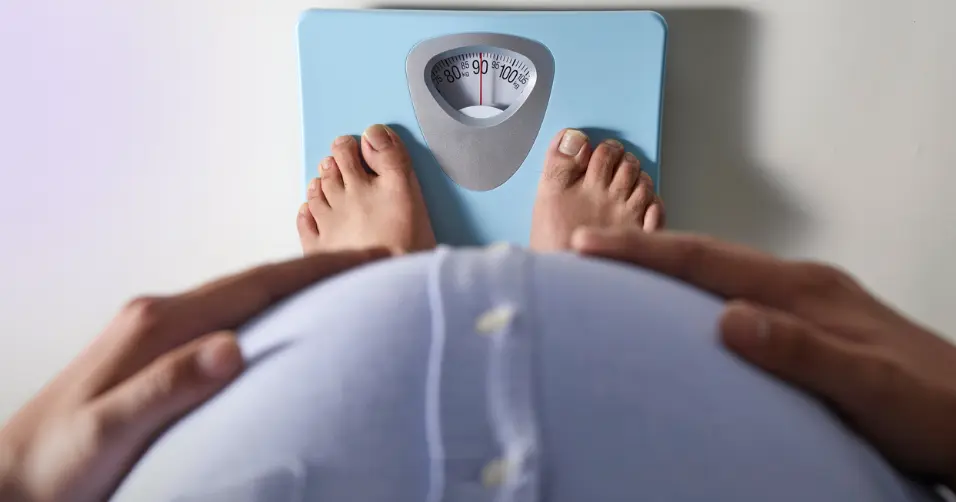
Creatine does not directly cause gain belly fat, but it may lead to slight water retention in muscles. This extra water can make muscles appear fuller or heavier without adding body fat. Weight gain from creatine is typically due to this intracellular water and increased muscle mass. Poor diet or inactivity while supplementing could lead to real fat gain, but not from creatine itself. Maintaining a balanced diet and exercise routine prevents unwanted fat increase.
Water retention is temporary and subsides if creatine use stops for a few weeks.
Increased body weight usually reflects improved muscle hydration and energy storage.
Creatine should be paired with strength training to ensure weight gain remains lean mass.
Users should monitor caloric intake if they are concerned about actual fat accumulation.
Does Creatine Make You Hungry?
Creatine may increase hunger slightly due to higher energy demands from muscle activity.
Creatine does not make you hungry directly, but improved training intensity may raise appetite over time. This happens as muscles demand more nutrients for repair and growth. Some users notice increased hunger due to higher energy output. Balanced meals with protein and fiber help regulate appetite naturally. Overall, creatine’s main role is in energy production, not appetite control.
Enhanced workouts increase calorie needs, occasionally triggering hunger.
Creatine doesn’t alter hunger hormones or blood sugar levels directly.
Stable energy supply helps avoid extreme post-workout cravings.
Hydration and balanced diet maintain normal appetite patterns.
How Does Creatine Impact Metabolism?
Creatine boosts metabolism by improving ATP energy cycling in muscle cells.
Creatine impacts metabolism by enhancing ATP regeneration, which fuels cellular energy processes. It allows muscles to perform longer and recover faster. This improved efficiency increases calorie burn during training. Over time, added muscle mass further elevates metabolic rate. It indirectly supports both performance and fat management goals.
Faster energy recycling boosts workout intensity and metabolic demand.
Lean muscle gain raises resting metabolic rate for daily calorie burn.
Supports cellular health by stabilizing energy balance under exertion.
Improved recovery promotes consistent training for metabolic adaptation.
What Happens When You Take Creatine?
When you take creatine, muscles store more water and energy, enhancing strength and performance.
When you take creatine, your muscles store more phosphocreatine, used to produce energy during short bursts of effort. This increases strength, power, and recovery over time. You may notice initial weight gain from muscle hydration. After 1–3 weeks, training performance typically improves. Long-term use enhances lean muscle and endurance safely.
Muscle stores increase, improving ATP regeneration during workouts.
Enhanced energy allows longer, more intense resistance sessions.
Hydration in muscle tissue contributes to fuller and stronger appearance.
Consistent supplementation yields cumulative performance benefits.
Harald Ragnarok, Editor in Chief, Myopedia