Does Creatine Cause Hair Loss
Separating Fact From Fiction About Creatine and Hair Loss
So, you're hitting the gym, feeling good, and thinking about adding creatine to your routine to boost your workouts.

What Does Creatine Do for Women

Should You Take Creatine Without Working Out?

Is Creatine Good for Runners

How Much Creatine per Day to Build Muscle Safely
Does Creatine Make You Gain Weight

Does Creatine Make You Bloated
Does Creatine Help With Weight Loss
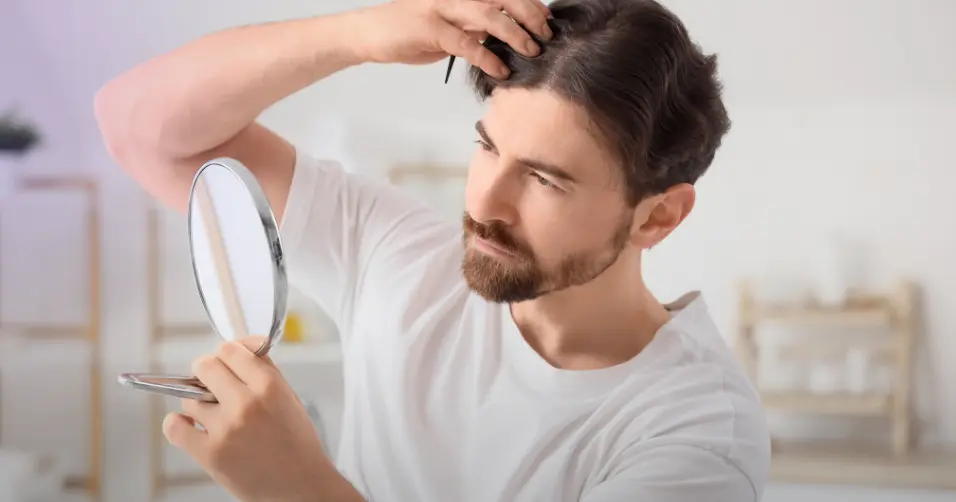
Does Creatine Cause Hair Loss
Do Creatine Gummies Work

Creatine Side Effects and Myths

Best Time to Take Creatine

6 Best Drinks to Mix With Creatine
So, you're hitting the gym, feeling good, and thinking about adding creatine to your routine to boost your workouts.
Makes sense, right? It's super popular for a reason. But then, like a shadow, the question pops up: Does creatine cause hair loss? It's a worry for a lot of people, especially if you're already a bit concerned about thinning hair. We've all heard the rumors, and honestly, it's hard to know what to believe. Let's break down what the science actually says about creatine and whether it's really messing with your hairline.
Understanding The Hair Loss Concern
It seems like everywhere you look, people are talking about creatine. It's a popular supplement, especially for folks hitting the gym, and for good reason – it can help with muscle growth and performance. But alongside all the praise, there's this persistent whisper about whether it might be linked to hair loss. It’s a worry that pops up a lot, and honestly, it’s understandable why.
The Role of Dihydrotestosterone (DHT)
At the heart of this concern is a hormone called dihydrotestosterone, or DHT for short. You might have heard of it. DHT is a byproduct of testosterone, and it plays a role in certain male characteristics. The issue is, DHT is also strongly suspected of being a main culprit behind androgenetic alopecia, which is the fancy medical term for male-pattern baldness and some types of female hair thinning. Basically, DHT can attach itself to specific receptors in your hair follicles, and over time, this can cause those follicles to shrink. When follicles shrink, they can't produce as thick or as long a hair, and eventually, they might stop producing hair altogether. This is why any supplement that might influence DHT levels tends to raise eyebrows in the hair loss community.
Genetic Predisposition and Hair Loss
Now, it's not as simple as just having DHT. Genetics plays a massive part in who actually experiences hair loss. Think of it like this: some people's hair follicles are just naturally more sensitive to DHT than others. If you have a family history of baldness, your follicles might be more susceptible to DHT's effects. So, even if a supplement causes a slight change in hormone levels, it might be enough to speed up thinning in someone who's already genetically predisposed. For people without this genetic sensitivity, the same hormonal shift might not have any noticeable effect on their hair at all. It’s a bit of a double whammy for those who are already on the path to thinning hair.
Why The Concern Persists
The worry about creatine and hair loss isn't entirely out of the blue. It really gained traction after a specific study back in 2009 involving rugby players. This study found that players taking creatine showed increased levels of DHT. Now, the study itself didn't actually measure hair loss; it just looked at hormone levels. But because DHT is known to be linked to hair loss, people put two and two together and jumped to the conclusion that creatine must cause hair loss. Even though newer, more direct research hasn't supported this, that initial finding still lingers in the back of many people's minds, keeping the conversation going.
Examining The Scientific Evidence
The 2009 Rugby Player Study
Back in 2009, a study involving college-aged rugby players looked into creatine's effects. They gave some players creatine monohydrate and others a placebo for three weeks. The big takeaway? The group taking creatine showed an increase in dihydrotestosterone (DHT) levels, specifically the ratio of DHT to testosterone. This was the first study to link creatine to a hormonal change that could theoretically be related to hair loss, given DHT's known role in male pattern baldness. However, it's important to note that this study didn't actually measure hair loss itself, just hormone levels. So, while it raised a flag, it didn't provide a direct answer about whether creatine actually causes hair to fall out.
Subsequent Research and Reviews
Following that initial rugby study, the scientific community took notice. Researchers have since conducted more investigations and compiled reviews to get a clearer picture. Many of these later studies, including systematic reviews looking at multiple trials, have found that creatine supplementation generally doesn't impact testosterone levels, either total or free testosterone. While the 2009 study did show a DHT increase, other research hasn't consistently replicated this finding, or when it has, the increases were still within normal physiological ranges. The consensus from these reviews is that the evidence linking creatine directly to hair loss is weak.
The Latest 2025 Trial Findings
More recently, a randomized controlled trial published in 2025 aimed to directly address the hair loss concern. This study involved healthy young males who took either creatine monohydrate or a placebo for 12 weeks. They meticulously measured hormone levels, including testosterone, free testosterone, and DHT, and also assessed hair follicle health using advanced methods like hair density measurements and follicular unit counts. The results were quite clear: there were no significant differences observed between the creatine and placebo groups in any of the hormone levels or hair growth parameters. This 2025 trial provides strong, direct evidence suggesting that creatine supplementation, at least over a 12-week period, does not negatively impact hair follicle health or lead to hair loss.
Creatine's Impact on Hormonal Levels
Okay, so let's talk about hormones. This is where a lot of the worry about creatine and hair loss seems to stem from. The main hormone people are concerned about is dihydrotestosterone, or DHT for short. It's a derivative of testosterone, and it's known to play a role in male pattern baldness by shrinking hair follicles over time.
Testosterone and Free Testosterone
When we look at the research on creatine and testosterone, the picture is pretty mixed, but mostly leans towards no significant effect. Out of twelve studies that examined creatine's impact on testosterone, only two, which were quite short (lasting about a week), reported a slight increase. The other ten studies, some lasting up to 12 weeks, found no change at all. Even more specifically, five of those studies looked at free testosterone – the kind that can actually convert into DHT – and again, no real increases were seen. So, while there's a little bit of noise, the general consensus from most studies is that creatine doesn't really mess with your testosterone levels in a meaningful way.
Dihydrotestosterone (DHT) Levels
The big one, DHT, is where things get a bit more interesting, but also, thankfully, less concerning than some might think. There was one particular study from 2009 involving rugby players that showed a pretty significant jump in DHT levels after just three weeks of creatine supplementation. Their DHT went up by about 41%, but here's the key thing: even after the increase, their DHT levels remained well within the normal range. It's like going from a 6 to an 8 on a scale of 1 to 10 – it's higher, but still not an extreme level. Importantly, this was the only study to report such an increase for a long time. Most other research looking at creatine and hormones hasn't been able to replicate this specific finding regarding DHT.
Hormonal Changes Within Normal Ranges
So, what does all this mean? Well, the most recent comprehensive study from 2025 really put this to the test. They had young men take creatine for 12 weeks and monitored their hormone levels, including DHT and testosterone. What did they find? Absolutely no significant changes in any of the hormone levels compared to the group taking a placebo. This is pretty solid evidence. Even in that older 2009 study where DHT did increase, it stayed within normal limits. This suggests that if there is any hormonal fluctuation, it's likely minor and doesn't push levels into a concerning zone. It's a bit like turning up the volume on a radio slightly – you notice it, but it's not blasting your eardrums out.
Direct Assessment of Hair Follicle Health
So, we've talked about the worries and the science behind hormone levels. But what about looking directly at the hair itself? This is where things get really interesting, because researchers have started to actually measure hair health after people take creatine. It's not just about guessing what might be happening internally anymore.
Methodology of Recent Trials
Does Creatine Cause Hair Loss?
Current evidence does not confirm that creatine causes hair loss in healthy men.
Creatine does not directly cause hair loss, but some studies suggest an indirect link through hormone activity. A small trial showed a temporary rise in DHT, a derivative of testosterone. Evidence is limited and not confirmed by larger studies. Most users experience no hair changes. Balanced nutrition and stress management protect hair health overall.
DHT sensitivity varies genetically, influencing possible hair effects.
No conclusive proof associates creatine with long-term shedding.
Hydration and scalp health are stronger predictors of hair stability.
Those predisposed to male-pattern loss may monitor individual response.
Understanding The Hair Loss Concern
It seems like everywhere you look, people are talking about creatine. It's a popular supplement, especially for folks hitting the gym, and for good reason – it can help with muscle growth and performance. But alongside all the praise, there's this persistent whisper about whether it might be linked to hair loss. It’s a worry that pops up a lot, and honestly, it’s understandable why.
The Role of Dihydrotestosterone (DHT)
At the heart of this concern is a hormone called dihydrotestosterone, or DHT for short. You might have heard of it. DHT is a byproduct of testosterone, and it plays a role in certain male characteristics. The issue is, DHT is also strongly suspected of being a main culprit behind androgenetic alopecia, which is the fancy medical term for male-pattern baldness and some types of female hair thinning. Basically, DHT can attach itself to specific receptors in your hair follicles, and over time, this can cause those follicles to shrink. When follicles shrink, they can't produce as thick or as long a hair, and eventually, they might stop producing hair altogether. This is why any supplement that might influence DHT levels tends to raise eyebrows in the hair loss community.
Genetic Predisposition and Hair Loss
Now, it's not as simple as just having DHT. Genetics plays a massive part in who actually experiences hair loss. Think of it like this: some people's hair follicles are just naturally more sensitive to DHT than others. If you have a family history of baldness, your follicles might be more susceptible to DHT's effects. So, even if a supplement causes a slight change in hormone levels, it might be enough to speed up thinning in someone who's already genetically predisposed. For people without this genetic sensitivity, the same hormonal shift might not have any noticeable effect on their hair at all. It’s a bit of a double whammy for those who are already on the path to thinning hair.
Why The Concern Persists
The worry about creatine and hair loss isn't entirely out of the blue. It really gained traction after a specific study back in 2009 involving rugby players. This study found that players taking creatine showed increased levels of DHT. Now, the study itself didn't actually measure hair loss; it just looked at hormone levels. But because DHT is known to be linked to hair loss, people put two and two together and jumped to the conclusion that creatine must cause hair loss. Even though newer, more direct research hasn't supported this, that initial finding still lingers in the back of many people's minds, keeping the conversation going.
Examining The Scientific Evidence
The 2009 Rugby Player Study
Back in 2009, a study involving college-aged rugby players looked into creatine's effects. They gave some players creatine monohydrate and others a placebo for three weeks. The big takeaway? The group taking creatine showed an increase in dihydrotestosterone (DHT) levels, specifically the ratio of DHT to testosterone. This was the first study to link creatine to a hormonal change that could theoretically be related to hair loss, given DHT's known role in male pattern baldness. However, it's important to note that this study didn't actually measure hair loss itself, just hormone levels. So, while it raised a flag, it didn't provide a direct answer about whether creatine actually causes hair to fall out.
Subsequent Research and Reviews
Following that initial rugby study, the scientific community took notice. Researchers have since conducted more investigations and compiled reviews to get a clearer picture. Many of these later studies, including systematic reviews looking at multiple trials, have found that creatine supplementation generally doesn't impact testosterone levels, either total or free testosterone. While the 2009 study did show a DHT increase, other research hasn't consistently replicated this finding, or when it has, the increases were still within normal physiological ranges. The consensus from these reviews is that the evidence linking creatine directly to hair loss is weak.
The Latest 2025 Trial Findings
More recently, a randomized controlled trial published in 2025 aimed to directly address the hair loss concern. This study involved healthy young males who took either creatine monohydrate or a placebo for 12 weeks. They meticulously measured hormone levels, including testosterone, free testosterone, and DHT, and also assessed hair follicle health using advanced methods like hair density measurements and follicular unit counts. The results were quite clear: there were no significant differences observed between the creatine and placebo groups in any of the hormone levels or hair growth parameters. This 2025 trial provides strong, direct evidence suggesting that creatine supplementation, at least over a 12-week period, does not negatively impact hair follicle health or lead to hair loss.
Creatine's Impact on Hormonal Levels
Okay, so let's talk about hormones. This is where a lot of the worry about creatine and hair loss seems to stem from. The main hormone people are concerned about is dihydrotestosterone, or DHT for short. It's a derivative of testosterone, and it's known to play a role in male pattern baldness by shrinking hair follicles over time.
Testosterone and Free Testosterone
When we look at the research on creatine and testosterone, the picture is pretty mixed, but mostly leans towards no significant effect. Out of twelve studies that examined creatine's impact on testosterone, only two, which were quite short (lasting about a week), reported a slight increase. The other ten studies, some lasting up to 12 weeks, found no change at all. Even more specifically, five of those studies looked at free testosterone – the kind that can actually convert into DHT – and again, no real increases were seen. So, while there's a little bit of noise, the general consensus from most studies is that creatine doesn't really mess with your testosterone levels in a meaningful way.
Dihydrotestosterone (DHT) Levels
The big one, DHT, is where things get a bit more interesting, but also, thankfully, less concerning than some might think. There was one particular study from 2009 involving rugby players that showed a pretty significant jump in DHT levels after just three weeks of creatine supplementation. Their DHT went up by about 41%, but here's the key thing: even after the increase, their DHT levels remained well within the normal range. It's like going from a 6 to an 8 on a scale of 1 to 10 – it's higher, but still not an extreme level. Importantly, this was the only study to report such an increase for a long time. Most other research looking at creatine and hormones hasn't been able to replicate this specific finding regarding DHT.
Hormonal Changes Within Normal Ranges
So, what does all this mean? Well, the most recent comprehensive study from 2025 really put this to the test. They had young men take creatine for 12 weeks and monitored their hormone levels, including DHT and testosterone. What did they find? Absolutely no significant changes in any of the hormone levels compared to the group taking a placebo. This is pretty solid evidence. Even in that older 2009 study where DHT did increase, it stayed within normal limits. This suggests that if there is any hormonal fluctuation, it's likely minor and doesn't push levels into a concerning zone. It's a bit like turning up the volume on a radio slightly – you notice it, but it's not blasting your eardrums out.
Direct Assessment of Hair Follicle Health
So, we've talked about the worries and the science behind hormone levels. But what about looking directly at the hair itself? This is where things get really interesting, because researchers have started to actually measure hair health after people take creatine. It's not just about guessing what might be happening internally anymore.
Methodology of Recent Trials
Recent studies have gotten pretty sophisticated in how they check on your hair. They're not just asking people if they think their hair is thinning. Instead, they're using actual tests to get hard data. Think of it like this:
Blood Tests: These are standard, checking hormone levels like testosterone and DHT before and after a period of supplementation. This helps see if creatine is messing with the internal signals.
Scalp Imaging: Using special cameras, like the FotoFinder system, researchers can get detailed pictures of the scalp. This allows them to measure things like how many hairs are growing in a specific area.
Hair Follicle Analysis: Sometimes, they might even look at the hair follicles themselves, perhaps using a technique called a Trichogram test. This gives a closer look at the health and growth cycle of individual hairs.
Hair Density and Thickness
One of the main things these trials look at is hair density – basically, how many hairs you have per square centimeter of scalp. They also measure hair thickness. The idea is that if creatine were causing hair loss, you'd expect to see a noticeable drop in density or thickness over time, especially compared to people taking a placebo. So far, the studies that have directly measured these aspects haven't found any negative changes linked to standard creatine use. It seems like your hair count and how thick each strand is stays pretty much the same.
Follicular Unit Counts
Another metric researchers examine is the count of follicular units. A follicular unit is a small group of hairs that grow together from a single pore. By counting these units, scientists can get another angle on whether hair is being lost or if the hair growth cycle is being disrupted. The most recent, high-quality evidence directly assessing these parameters has shown no significant differences between groups taking creatine and those taking a placebo. This suggests that creatine supplementation, at typical doses, doesn't appear to impact the number of hair follicles or their ability to produce hair.
Factors Influencing Hair Loss
So, we've talked about creatine and the science, but it's not just about the supplement itself, is it? A bunch of other stuff plays a role in whether your hair decides to stick around or go on vacation. It's kind of like baking a cake – you can have the best flour, but if your oven temperature is off or you forget the eggs, it's not going to turn out right.
The Significance of Genetics
This is a big one. If your dad, grandpa, or uncles started losing their hair early, you might be more susceptible. It's called androgenetic alopecia, or male/female pattern baldness. Genetics basically pre-programs your hair follicles to be sensitive to DHT. Even if creatine did slightly nudge DHT levels, as one older study suggested, it might only speed things up for those already genetically wired for hair thinning. Think of it as a predisposition – creatine might just be the nudge, not the push, for some people.
Duration of Supplementation
Most studies looking at creatine and hair are pretty short-term, usually a few weeks to a few months. We don't have a ton of data on what happens after years of consistent use. The older studies that raised concerns were short, and the newer ones showing no effect are also relatively short. It's possible that long-term, consistent use could have different effects, but right now, the evidence doesn't point that way. It's a bit of an unknown, but the current short-term data is reassuring.
Individual Variability and Other Causes
Everyone's body reacts differently, right? What affects one person might not touch another. Besides genetics and how long you take it, a whole host of other things can cause hair thinning or loss. Stress is a major culprit – think about those times you were super stressed and noticed more hair in your brush. Illness, poor nutrition, certain medications, and even scalp conditions can all contribute. It's easy to blame a supplement like creatine, but often, the real cause is something else entirely. It's important to consider the whole picture before pointing fingers at your creatine stash.
When To Seek Professional Advice
Look, even though the latest science suggests creatine is probably fine for most healthy folks when it comes to hair loss, it's always smart to be a bit cautious, especially if you're already worried about thinning hair or have a family history of it. It’s not like everyone who takes creatine suddenly goes bald, but individual reactions can vary, and sometimes other factors are at play.
Consulting a Dermatologist
If you're on the fence or noticing changes in your hair, talking to a dermatologist is a really good move. They can actually look at your scalp and hair follicles. They might use some fancy tools to check things like hair density and how thick your hair is. It's way better than just guessing.
Get a professional assessment of your scalp and hair health.
They can help figure out if your hair loss is due to genetics, hormones, stress, or something else entirely.
You might get a personalized plan, which could include things like topical treatments, diet advice, or lifestyle changes.
Individuals with Pre-existing Conditions
If you’ve got any health issues already, particularly anything related to hormones or your scalp, it’s wise to chat with your doctor before starting creatine. This isn't just about hair loss; it's about making sure the supplement doesn't mess with any existing conditions you have.
Hormonal imbalances: Conditions like thyroid issues or PCOS might warrant extra caution.
Scalp conditions: Things like psoriasis or seborrheic dermatitis could be aggravated or confused with supplement side effects.
Kidney or liver issues: While not directly linked to hair loss, these organs process supplements, so it's good to be on the safe side.
Understanding Potential Risks
While the direct link between creatine and hair loss is weak, it's still a supplement. Remember, supplements aren't regulated by the FDA in the same way medications are. This means quality can vary. If you're concerned about potential risks, even if they seem small, it's always better to get advice from a healthcare professional. They can help you weigh the pros and cons based on your personal health profile.
So, What's the Verdict on Creatine and Hair Loss?
Alright, let's wrap this up. After digging into what the science says, it seems like the whole creatine-hair loss connection is mostly just a lot of talk, not much proof. That one older study from way back in 2009 got people worried about DHT, but newer, more solid research hasn't backed that up. In fact, a recent study specifically looked at hormones and hair health in guys taking creatine, and guess what? Nothing changed. So, unless you've already got a genetic tendency for hair thinning, it's probably safe to say that creatine isn't the culprit behind your receding hairline. If you're still on the fence or have existing hair loss concerns, chatting with a doctor or a dermatologist is always a smart move, but for most people, enjoying the benefits of creatine without losing sleep over your hair seems totally fine.
Recent studies have gotten pretty sophisticated in how they check on your hair. They're not just asking people if they think their hair is thinning. Instead, they're using actual tests to get hard data. Think of it like this:
Blood Tests: These are standard, checking hormone levels like testosterone and DHT before and after a period of supplementation. This helps see if creatine is messing with the internal signals.
Scalp Imaging: Using special cameras, like the FotoFinder system, researchers can get detailed pictures of the scalp. This allows them to measure things like how many hairs are growing in a specific area.
Hair Follicle Analysis: Sometimes, they might even look at the hair follicles themselves, perhaps using a technique called a Trichogram test. This gives a closer look at the health and growth cycle of individual hairs.
Hair Density and Thickness
One of the main things these trials look at is hair density – basically, how many hairs you have per square centimeter of scalp. They also measure hair thickness. The idea is that if creatine were causing hair loss, you'd expect to see a noticeable drop in density or thickness over time, especially compared to people taking a placebo. So far, the studies that have directly measured these aspects haven't found any negative changes linked to standard creatine use. It seems like your hair count and how thick each strand is stays pretty much the same.
Follicular Unit Counts
Another metric researchers examine is the count of follicular units. A follicular unit is a small group of hairs that grow together from a single pore. By counting these units, scientists can get another angle on whether hair is being lost or if the hair growth cycle is being disrupted. The most recent, high-quality evidence directly assessing these parameters has shown no significant differences between groups taking creatine and those taking a placebo. This suggests that creatine supplementation, at typical doses, doesn't appear to impact the number of hair follicles or their ability to produce hair.
Factors Influencing Hair Loss
So, we've talked about creatine and the science, but it's not just about the supplement itself, is it? A bunch of other stuff plays a role in whether your hair decides to stick around or go on vacation. It's kind of like baking a cake – you can have the best flour, but if your oven temperature is off or you forget the eggs, it's not going to turn out right.
The Significance of Genetics
This is a big one. If your dad, grandpa, or uncles started losing their hair early, you might be more susceptible. It's called androgenetic alopecia, or male/female pattern baldness. Genetics basically pre-programs your hair follicles to be sensitive to DHT. Even if creatine did slightly nudge DHT levels, as one older study suggested, it might only speed things up for those already genetically wired for hair thinning. Think of it as a predisposition – creatine might just be the nudge, not the push, for some people.
Duration of Supplementation
Most studies looking at creatine and hair are pretty short-term, usually a few weeks to a few months. We don't have a ton of data on what happens after years of consistent use. The older studies that raised concerns were short, and the newer ones showing no effect are also relatively short. It's possible that long-term, consistent use could have different effects, but right now, the evidence doesn't point that way. It's a bit of an unknown, but the current short-term data is reassuring.
Individual Variability and Other Causes
Everyone's body reacts differently, right? What affects one person might not touch another. Besides genetics and how long you take it, a whole host of other things can cause hair thinning or loss. Stress is a major culprit – think about those times you were super stressed and noticed more hair in your brush. Illness, poor nutrition, certain medications, and even scalp conditions can all contribute. It's easy to blame a supplement like creatine, but often, the real cause is something else entirely. It's important to consider the whole picture before pointing fingers at your creatine stash.
When To Seek Professional Advice
Look, even though the latest science suggests creatine is probably fine for most healthy folks when it comes to hair loss, it's always smart to be a bit cautious, especially if you're already worried about thinning hair or have a family history of it. It’s not like everyone who takes creatine suddenly goes bald, but individual reactions can vary, and sometimes other factors are at play.
Consulting a Dermatologist
If you're on the fence or noticing changes in your hair, talking to a dermatologist is a really good move. They can actually look at your scalp and hair follicles. They might use some fancy tools to check things like hair density and how thick your hair is. It's way better than just guessing.
Get a professional assessment of your scalp and hair health.
They can help figure out if your hair loss is due to genetics, hormones, stress, or something else entirely.
You might get a personalized plan, which could include things like topical treatments, diet advice, or lifestyle changes.
Individuals with Pre-existing Conditions
If you’ve got any health issues already, particularly anything related to hormones or your scalp, it’s wise to chat with your doctor before starting creatine. This isn't just about hair loss; it's about making sure the supplement doesn't mess with any existing conditions you have.
Hormonal imbalances: Conditions like thyroid issues or PCOS might warrant extra caution.
Scalp conditions: Things like psoriasis or seborrheic dermatitis could be aggravated or confused with supplement side effects.
Kidney or liver issues: While not directly linked to hair loss, these organs process supplements, so it's good to be on the safe side.
Understanding Potential Risks
While the direct link between creatine and hair loss is weak, it's still a supplement. Remember, supplements aren't regulated by the FDA in the same way medications are. This means quality can vary. If you're concerned about potential risks, even if they seem small, it's always better to get advice from a healthcare professional. They can help you weigh the pros and cons based on your personal health profile.
So, What's the Verdict on Creatine and Hair Loss?
Alright, let's wrap this up. After digging into what the science says, it seems like the whole creatine-hair loss connection is mostly just a lot of talk, not much proof. That one older study from way back in 2009 got people worried about DHT, but newer, more solid research hasn't backed that up. In fact, a recent study specifically looked at hormones and hair health in guys taking creatine, and guess what? Nothing changed. So, unless you've already got a genetic tendency for hair thinning, it's probably safe to say that creatine isn't the culprit behind your receding hairline. If you're still on the fence or have existing hair loss concerns, chatting with a doctor or a dermatologist is always a smart move, but for most people, enjoying the benefits of creatine without losing sleep over your hair seems totally fine.
What's The Origin Of The Creatine–Hair Loss Question?
The creatine–hair loss question started after a 2009 study suggesting it might raise DHT, a hormone linked to hair loss.
The creatine–hair loss question originated from a small 2009 study on rugby players. It found a slight increase in DHT, a hormone linked to male pattern baldness, after creatine use. However, DHT levels stayed within normal range, and no hair loss was observed. Later research found no consistent connection between creatine and hair thinning. The claim remains unproven and largely speculative.
The 2009 study was limited in size and duration, lacking direct hair loss evidence.
Creatine’s effect on DHT was temporary and clinically insignificant.
No large-scale studies support a link between creatine and baldness.
Most users experience no hair-related changes with long-term supplementation.
Harald Ragnarok, Editor in Chief, Myopedia
Myopedia is your to-go source for simple, practical guide to getting stronger, leaner, and healthier for the long run—bringing together biohacking, longevity, and muscle growth in one place. It breaks down what to do and why it works, with straightforward training and nutrition basics plus clear explanations of supplements and newer health tools, so you can make better choices without getting lost in hype.
Medical Disclaimer: All content on this website is intended solely for informational and educational purposes and should not be interpreted as a substitute for professional medical advice, diagnosis, or treatment, nor as encouragement or promotion for or against any particular use, product, or activity. Results may vary and are not guaranteed. No doctor–patient relationship is created by your use of this content. Always consult a qualified healthcare provider, nutritionist, or other relevant expert before starting or changing any supplement, diet, exercise, or lifestyle program. This website can contain errors. Check important information. Read our full Disclaimer.
RSS – Status – Terms of Service – Privacy Policy – Disclaimer – About Myopedia.
©2025 Myopedia™. All rights reserved.
Myopedia is your to-go source for simple, practical guide to getting stronger, leaner, and healthier for the long run—bringing together biohacking, longevity, and muscle growth in one place. It breaks down what to do and why it works, with straightforward training and nutrition basics plus clear explanations of supplements and newer health tools, so you can make better choices without getting lost in hype.
Medical Disclaimer: All content on this website is intended solely for informational and educational purposes and should not be interpreted as a substitute for professional medical advice, diagnosis, or treatment, nor as encouragement or promotion for or against any particular use, product, or activity. Results may vary and are not guaranteed. No doctor–patient relationship is created by your use of this content. Always consult a qualified healthcare provider, nutritionist, or other relevant expert before starting or changing any supplement, diet, exercise, or lifestyle program. This website can contain errors. Check important information. Read our full Disclaimer.
RSS – Status – Terms of Service – Privacy Policy – Disclaimer – About Myopedia.
©2025 Myopedia™. All rights reserved.
Myopedia is your to-go source for simple, practical guide to getting stronger, leaner, and healthier for the long run—bringing together biohacking, longevity, and muscle growth in one place. It breaks down what to do and why it works, with straightforward training and nutrition basics plus clear explanations of supplements and newer health tools, so you can make better choices without getting lost in hype.
Medical Disclaimer: All content on this website is intended solely for informational and educational purposes and should not be interpreted as a substitute for professional medical advice, diagnosis, or treatment, nor as encouragement or promotion for or against any particular use, product, or activity. Results may vary and are not guaranteed. No doctor–patient relationship is created by your use of this content. Always consult a qualified healthcare provider, nutritionist, or other relevant expert before starting or changing any supplement, diet, exercise, or lifestyle program. This website can contain errors. Check important information. Read our full Disclaimer.
RSS – Status – Terms of Service – Privacy Policy – Disclaimer – About Myopedia.
©2025 Myopedia™. All rights reserved.