Does Creatine Make You Gain Weight
Understanding Water Weight and Muscle With Creatine
So, you're wondering if creatine makes you pack on pounds.

What Does Creatine Do for Women

Should You Take Creatine Without Working Out?

Is Creatine Good for Runners

How Much Creatine per Day to Build Muscle Safely
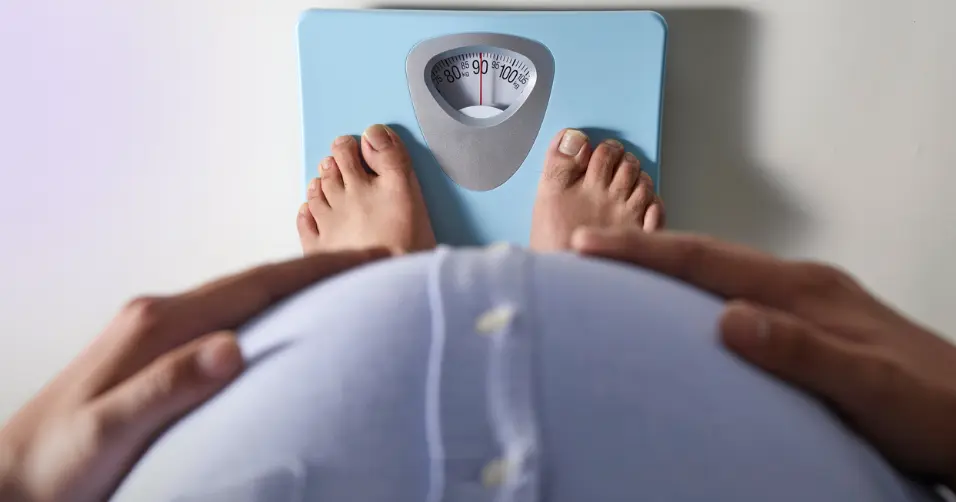
Does Creatine Make You Gain Weight

Does Creatine Make You Bloated
Does Creatine Help With Weight Loss

Does Creatine Cause Hair Loss
Do Creatine Gummies Work

Creatine Side Effects and Myths

Best Time to Take Creatine

6 Best Drinks to Mix With Creatine
So, you're wondering if creatine makes you pack on pounds.
It's a common question, especially when you start taking it and notice the scale creep up a bit. Creatine is super popular for boosting workouts and helping you build muscle, but that weight gain aspect can throw some people off. Let's break down what's really happening when you start supplementing with creatine and whether it's something you need to worry about.
How Much Water Weight Does Creatine Add?
Creatine typically adds 1–2 kilograms of water weight during the first week of use.
Creatine typically adds 1–3 kg of water weight within the first few weeks. This comes from increased muscle cell hydration, not fat gain. The effect varies depending on body size and dosage. It stabilizes as the body adjusts to new creatine levels. The added water supports muscle function and recovery efficiency.
Most weight gain occurs during the first 7–14 days of supplementation.
Water retention happens inside muscles, enhancing volume and fullness.
Proper hydration prevents discomfort or bloating during adjustment.
Weight stabilizes once muscle creatine stores are saturated.
Does Creatine Cause Weight Gain?
Creatine often causes a small increase in body weight, but not from fat, so yes, it can make you gain weight slightly. This gain comes from higher water content in muscle cells and greater glycogen storage. Over time, improved training performance can also lead to real muscle growth, which increases weight. The amount of gain depends on dosage and body size, typically around 1–3 kilograms in the first few weeks. This makes creatine a healthy and expected weight increase supplement rather than one that adds fat.
Water pulled into muscles supports strength and volume without altering body fat percentage.
Users may notice “puffier” muscles initially, but this normalizes as the body adapts.
Consistent training converts water-related gains into long-term muscle improvements.
Those sensitive to water changes can lower doses to manage temporary bloating.
How Much Weight Can You Gain With Creatine?
You can gain 2–5 kilograms total with creatine, mostly from water and lean mass.
You can gain 1–2 kg of lean mass in the first few months with creatine, mainly from water and increased training output. Over time, enhanced performance leads to genuine muscle gain. The initial increase is not fat-related. Continuous training converts this early adaptation into lasting lean muscle improvements.
Early weight gain results from cellular hydration and energy storage.
Improved strength accelerates actual muscle tissue growth over time.
Gains vary based on training intensity and protein intake.
Consistent use supports both immediate and long-term muscle development.
Can Creatine Make You Look Bigger?
Yes, creatine can make muscles look bigger due to water retention and increased glycogen storage.
Creatine can make you look bigger because it increases muscle water content. This volumizing effect enhances fullness and definition. It does not mean fat gain but reflects intracellular hydration. Over time, actual muscle growth may follow from improved training output. Visual results are usually noticeable within the first week of consistent use.
Increased cell volume supports anabolic signaling pathways for growth.
Temporary weight rise of 1–2 kg is mostly water stored in muscles.
Proper diet and training convert this into lasting muscle mass.
Effects fade gradually when supplementation stops.
Is Creatine Weight Gain Permanent?
No, creatine weight gain is not permanent and reverses after stopping supplementation.
Creatine-related weight gain is not permanent. Most initial weight comes from water stored in muscles. When supplementation stops, this water gradually decreases. True muscle gained during use remains if training continues. Returning to baseline happens within weeks of discontinuation.
Water weight drop occurs as muscle creatine stores normalize.
Genuine lean mass persists with ongoing resistance workouts.
Cycle breaks may temporarily reduce body weight by 1–2 kilograms.
Long-term benefits remain through improved training capacity.
How To Reduce Water Weight From Creatine?
To reduce creatine water weight, lower dosage, hydrate well, and reduce sodium intake.
To reduce water weight from creatine, slightly lower your daily dose to 3 grams and maintain hydration. This helps balance intracellular and extracellular water levels. Avoid excessive sodium, which can cause additional retention. Regular cardio supports water regulation through natural sweating. Do not stop creatine abruptly if consistent performance is desired.
Reducing dose maintains benefits while minimizing perceived bloating.
Hydration and low-sodium diets optimize body water balance naturally.
Cardiovascular activity promotes circulation and fluid distribution.
Adjusting intake slowly prevents sudden loss of energy or strength.
Is Weight Gain From Creatine Healthy?
Yes, weight gain from creatine is healthy when it comes from water and lean muscle, not fat.
Weight gain from creatine is generally healthy as it represents water and lean mass increases. It supports performance, strength, and recovery. The additional weight usually enhances appearance and athletic capacity. Maintaining hydration ensures comfort and stable electrolyte balance. Long-term, the gain transitions toward real muscle growth with training.
Initial gain reflects stored water, not fat accumulation.
Enhanced gym performance contributes to lean tissue development.
Proper rest and nutrition maximize positive adaptations.
Users should not confuse water weight with unhealthy bloating.
Does Creatine Make You Gain Weight?
Yes, creatine makes you gain weight mainly from increased water and muscle mass.
Creatine causes weight gain mainly from water retention inside muscles. This effect increases muscle volume and short-term body weight. It is a normal and safe physiological response. Over weeks, improved exercise output can lead to real lean mass increase. Regular use with training optimizes these changes.
Typical weight rise ranges from 1–3 kilograms during early supplementation.
Hydration prevents discomfort from cellular water shifts.
Water retention stabilizes after muscles become saturated.
Visible fullness fades when creatine intake stops abruptly.
Harald Ragnarok, Editor in Chief, Myopedia