Does Red Light Therapy Help With Weight Loss
Can Red Light Therapy Really Burn Fat?
So, you've heard about red light therapy and are wondering if it can actually help you shed some pounds.









So, you've heard about red light therapy and are wondering if it can actually help you shed some pounds.
It sounds pretty high-tech, right? The idea is that these special lights can somehow help with weight loss. It's not exactly like hitting the gym, but people are talking about it. Let's break down what red light therapy is, how it's supposed to work for weight loss, and if it's really worth looking into. Does Red Light Therapy Help With Weight Loss? We're going to find out.
Understanding Red Light Therapy For Weight Loss
So, you're curious about red light therapy and if it can actually help you shed some pounds? It's a pretty interesting topic, and honestly, it's not as simple as just sitting under a light and watching the numbers on the scale drop. Think of it more as a supportive tool, something that might give your regular weight loss efforts a little nudge in the right direction.
What Is Red Light Therapy?
Basically, red light therapy, sometimes called low-level laser therapy (LLLT), is a non-invasive treatment. It uses specific wavelengths of red and near-infrared light that are thought to penetrate your skin. The idea is that these lights interact with your cells in a way that could be beneficial for various things, including potentially aiding in weight management. It's not like a surgical procedure or anything intense; you just sit or stand near a panel emitting the light for a set amount of time. Pretty straightforward, right?
How Does Red Light Therapy Work?
The theory behind how it works for weight loss is pretty neat. The red and near-infrared light is believed to reach deep into your tissues and cells. Once there, it's thought to stimulate the mitochondria, which are like the powerhouses of your cells. By giving these mitochondria a boost, the idea is that your cells can produce more energy, specifically in the form of ATP. This extra cellular energy might help your body function more efficiently. Some also suggest it can temporarily affect fat cell membranes, allowing some of the stored fat to leak out and be processed by your body's natural systems. It's not about blasting fat away, but more about encouraging your cells to work better.
The Science Behind Red Light Therapy and Fat Cells
When we talk about the science, it gets a bit more detailed. The wavelengths used in red light therapy are thought to penetrate the skin and reach the fat cells, also known as adipocytes. Inside these cells, the light energy is absorbed by structures within the cell. This absorption is believed to trigger a process that leads to the breakdown of stored triglycerides – that's the type of fat stored in your cells. This breakdown process, called lipolysis, releases fatty acids and glycerol into the space between your cells. Your body then has to clear these out, which is where the idea of fat loss comes in. It's important to remember that this is thought to be a temporary effect on the fat cells, causing them to shrink rather than be destroyed. The released fat then needs to be used as energy by the body, which is why combining this therapy with lifestyle changes is often recommended.
Potential Benefits of Red Light Therapy for Weight Management
So, you're curious about how red light therapy might give your weight loss efforts a little nudge? It's not exactly a magic bullet, but many people find it a helpful addition to their routine. Think of it as a way to support your body's natural processes.
Targeting Stubborn Fat Areas
Ever feel like some areas of your body just hold onto fat, no matter what you do? Red light therapy is often talked about for its ability to target these stubborn spots. The idea is that the light penetrates the skin and gets to the fat cells. It's thought to make temporary little openings in these cells, letting some of the stored fat leak out. This released fat can then be processed by your body. Some folks report seeing a difference in their waistline or thighs after a few sessions, which is pretty encouraging.
Boosting Metabolism and Energy Levels
This therapy might also give your metabolism a gentle boost. By stimulating the mitochondria – those tiny powerhouses inside your cells – red light therapy could help your cells produce more energy. More cellular energy might mean your body works a bit more efficiently. This could translate to feeling a bit more energetic throughout the day, which, let's be honest, is always a plus when you're trying to stay active and make healthier choices.
Reducing Cortisol and Improving Sleep
Here's something interesting: red light therapy might help calm your nervous system. It's believed to help shift your body out of that constant 'fight or flight' mode and into a more relaxed 'rest and recover' state. This can potentially lower cortisol levels, which is that stress hormone that can sometimes mess with weight management. Plus, better sleep is a huge part of feeling good and managing weight, and some users report sleeping more soundly after sessions. It's a bit of a domino effect, really.
Enhancing Body Contouring and Sculpting
While it's not a replacement for exercise, red light therapy can be seen as a tool for body contouring. By helping to release fat from specific areas and potentially shrinking fat cells temporarily, it can contribute to a more sculpted appearance. It's not about drastic changes overnight, but more about refining your shape and complementing the hard work you're already doing with diet and exercise. It's about helping you feel more confident in your skin.
Red Light Therapy's Role in Fat Loss Mechanisms
So, how exactly does this red light stuff supposedly help with shedding pounds? It's not like you're going to be breaking a sweat or feeling your heart pound during a session. Instead, the light works on a cellular level. It's thought to get into your fat cells and encourage them to release their stored contents.
Stimulating Mitochondria for Cellular Energy
Think of your cells' mitochondria as tiny powerhouses. Red light therapy is believed to give these powerhouses a boost. By stimulating them, the idea is that your cells can produce more energy. This extra energy might help your body function a bit more efficiently, potentially aiding in fat metabolism. It's like giving your cells a little pep talk to get them working better.
Facilitating Fat Cell Lipolysis
This is where the "fat release" part comes in. When the red light hits the fat layer under your skin, it's thought to trigger a process called lipolysis. This process essentially signals the fat cells to open up small pores. Through these pores, the cells can release stored fatty acids and glycerol into the space between them. Once this fat is released, your body can then use it as fuel for everyday activities. It's not about destroying fat cells, but rather making their contents more accessible for your body to use or clear out.
Shrinking Fat Cells Temporarily
When fat cells release their contents, they temporarily become smaller. This reduction in size can lead to noticeable changes in body measurements, especially in areas that tend to hold onto stubborn fat, like the waist or thighs. However, it's important to remember this shrinking is temporary. For lasting results, you really need to pair these sessions with healthy habits like drinking enough water and staying active. Without those, the fat cells might just refill over time. It’s more about making fat available for use than permanently removing it in one go.
Integrating Red Light Therapy into a Weight Loss Journey
So, you're thinking about adding red light therapy to your weight loss efforts? That's a smart move. It's really important to remember that this isn't some magic bullet that's going to melt away pounds overnight. Think of it more like a helpful sidekick to your existing healthy habits. It works best when you're already doing the things that matter, like eating well and moving your body.
Does Red Light Therapy Help With Weight Loss?
Red light therapy may aid weight loss by improving mitochondrial energy use and fat metabolism.
Red light therapy may assist with weight loss indirectly by improving cellular energy and circulation. It supports mitochondrial activity, enhancing fat metabolism efficiency. Studies suggest minor benefits when paired with exercise and healthy diet. It’s not a standalone fat-loss solution but a potential supportive tool. Consistency is key for visible results over time.
Red light enhances cellular ATP production, aiding energy balance.
It may reduce inflammation and improve exercise recovery indirectly supporting fat loss.
Combining with calorie control and activity amplifies results.
Regular sessions over weeks are needed for measurable effects.
Understanding Red Light Therapy For Weight Loss
So, you're curious about red light therapy and if it can actually help you shed some pounds? It's a pretty interesting topic, and honestly, it's not as simple as just sitting under a light and watching the numbers on the scale drop. Think of it more as a supportive tool, something that might give your regular weight loss efforts a little nudge in the right direction.
What Is Red Light Therapy?
Basically, red light therapy, sometimes called low-level laser therapy (LLLT), is a non-invasive treatment. It uses specific wavelengths of red and near-infrared light that are thought to penetrate your skin. The idea is that these lights interact with your cells in a way that could be beneficial for various things, including potentially aiding in weight management. It's not like a surgical procedure or anything intense; you just sit or stand near a panel emitting the light for a set amount of time. Pretty straightforward, right?
How Does Red Light Therapy Work?
The theory behind how it works for weight loss is pretty neat. The red and near-infrared light is believed to reach deep into your tissues and cells. Once there, it's thought to stimulate the mitochondria, which are like the powerhouses of your cells. By giving these mitochondria a boost, the idea is that your cells can produce more energy, specifically in the form of ATP. This extra cellular energy might help your body function more efficiently. Some also suggest it can temporarily affect fat cell membranes, allowing some of the stored fat to leak out and be processed by your body's natural systems. It's not about blasting fat away, but more about encouraging your cells to work better.
The Science Behind Red Light Therapy and Fat Cells
When we talk about the science, it gets a bit more detailed. The wavelengths used in red light therapy are thought to penetrate the skin and reach the fat cells, also known as adipocytes. Inside these cells, the light energy is absorbed by structures within the cell. This absorption is believed to trigger a process that leads to the breakdown of stored triglycerides – that's the type of fat stored in your cells. This breakdown process, called lipolysis, releases fatty acids and glycerol into the space between your cells. Your body then has to clear these out, which is where the idea of fat loss comes in. It's important to remember that this is thought to be a temporary effect on the fat cells, causing them to shrink rather than be destroyed. The released fat then needs to be used as energy by the body, which is why combining this therapy with lifestyle changes is often recommended.
Potential Benefits of Red Light Therapy for Weight Management
So, you're curious about how red light therapy might give your weight loss efforts a little nudge? It's not exactly a magic bullet, but many people find it a helpful addition to their routine. Think of it as a way to support your body's natural processes.
Targeting Stubborn Fat Areas
Ever feel like some areas of your body just hold onto fat, no matter what you do? Red light therapy is often talked about for its ability to target these stubborn spots. The idea is that the light penetrates the skin and gets to the fat cells. It's thought to make temporary little openings in these cells, letting some of the stored fat leak out. This released fat can then be processed by your body. Some folks report seeing a difference in their waistline or thighs after a few sessions, which is pretty encouraging.
Boosting Metabolism and Energy Levels
This therapy might also give your metabolism a gentle boost. By stimulating the mitochondria – those tiny powerhouses inside your cells – red light therapy could help your cells produce more energy. More cellular energy might mean your body works a bit more efficiently. This could translate to feeling a bit more energetic throughout the day, which, let's be honest, is always a plus when you're trying to stay active and make healthier choices.
Reducing Cortisol and Improving Sleep
Here's something interesting: red light therapy might help calm your nervous system. It's believed to help shift your body out of that constant 'fight or flight' mode and into a more relaxed 'rest and recover' state. This can potentially lower cortisol levels, which is that stress hormone that can sometimes mess with weight management. Plus, better sleep is a huge part of feeling good and managing weight, and some users report sleeping more soundly after sessions. It's a bit of a domino effect, really.
Enhancing Body Contouring and Sculpting
While it's not a replacement for exercise, red light therapy can be seen as a tool for body contouring. By helping to release fat from specific areas and potentially shrinking fat cells temporarily, it can contribute to a more sculpted appearance. It's not about drastic changes overnight, but more about refining your shape and complementing the hard work you're already doing with diet and exercise. It's about helping you feel more confident in your skin.
Red Light Therapy's Role in Fat Loss Mechanisms
So, how exactly does this red light stuff supposedly help with shedding pounds? It's not like you're going to be breaking a sweat or feeling your heart pound during a session. Instead, the light works on a cellular level. It's thought to get into your fat cells and encourage them to release their stored contents.
Stimulating Mitochondria for Cellular Energy
Think of your cells' mitochondria as tiny powerhouses. Red light therapy is believed to give these powerhouses a boost. By stimulating them, the idea is that your cells can produce more energy. This extra energy might help your body function a bit more efficiently, potentially aiding in fat metabolism. It's like giving your cells a little pep talk to get them working better.
Facilitating Fat Cell Lipolysis
This is where the "fat release" part comes in. When the red light hits the fat layer under your skin, it's thought to trigger a process called lipolysis. This process essentially signals the fat cells to open up small pores. Through these pores, the cells can release stored fatty acids and glycerol into the space between them. Once this fat is released, your body can then use it as fuel for everyday activities. It's not about destroying fat cells, but rather making their contents more accessible for your body to use or clear out.
Shrinking Fat Cells Temporarily
When fat cells release their contents, they temporarily become smaller. This reduction in size can lead to noticeable changes in body measurements, especially in areas that tend to hold onto stubborn fat, like the waist or thighs. However, it's important to remember this shrinking is temporary. For lasting results, you really need to pair these sessions with healthy habits like drinking enough water and staying active. Without those, the fat cells might just refill over time. It’s more about making fat available for use than permanently removing it in one go.
Integrating Red Light Therapy into a Weight Loss Journey
So, you're thinking about adding red light therapy to your weight loss efforts? That's a smart move. It's really important to remember that this isn't some magic bullet that's going to melt away pounds overnight. Think of it more like a helpful sidekick to your existing healthy habits. It works best when you're already doing the things that matter, like eating well and moving your body.
Complementing Lifestyle Changes
Red light therapy is designed to work alongside your diet and exercise plan, not replace it. The idea is that the light helps your body become more efficient at releasing fat. But if you're not giving your body the right fuel or opportunities to burn that released fat, it won't be as effective. So, keep up with those balanced meals and regular workouts. Staying hydrated is also a big one; it helps your body process everything smoothly. Many people find that after a session, they have a bit more energy, which can be just the push they need to get in a good workout.
Recommended Session Frequency and Duration
When you're starting out, consistency is key. Most places suggest aiming for two to three sessions per week for the first month or so. Each session usually lasts between 10 to 20 minutes. It's not a huge time commitment, which makes it pretty easy to fit into a busy schedule. After that initial period, you might be able to reduce the frequency based on how your body is responding and your personal goals.
Here's a general guideline:
Initial Phase (Weeks 1-6): 2-3 sessions per week, 10-20 minutes each.
Maintenance Phase (After 6 weeks): 1-2 sessions per week, or as needed, 10-20 minutes each.
Post-Session Activity for Optimal Results
What you do right after a session can make a difference. While the therapy itself doesn't burn a lot of calories, getting a light workout or even just a brisk walk afterward can help your body use the fatty acids that have been released from your fat cells. It's like giving your body a clear signal to burn that energy. So, instead of just going home to relax, consider a short walk or some light activity. This helps ensure that the fat has a pathway to be utilized by your body, rather than just being reabsorbed.
Considerations and Limitations of Red Light Therapy
Okay, so red light therapy sounds pretty neat, right? But before you go all-in, let's chat about some things to keep in mind. It's not a magic bullet, and there are definitely some downsides and unknowns.
Calorie Burn and Effectiveness
While some studies suggest red light therapy might help with inch loss, it's important to be realistic. The amount of calories you actually burn during a session is pretty minimal, if any. Think of it more as a tool to potentially help with fat reduction in specific areas, rather than a way to torch calories like a hardcore workout. Most research points to modest results after several sessions, and honestly, larger, longer-term studies are still needed to really nail down how effective it is for everyone. Plus, a lot of the studies were done on people with a BMI between 25 and 30, so we don't really know how well it works for folks outside that range.
Cost and Accessibility
Let's talk money. This is probably the biggest hurdle for most people. Red light therapy can get pricey, fast. A package of just six sessions can easily run you anywhere from $2,000 to $4,000, depending on where you live. That's a serious chunk of change, making it out of reach for a lot of us. While you can buy devices for home use, they might not be as powerful as the ones used in professional settings, so you might not get the results you're hoping for. It's definitely something to weigh against other options.
Need for Further Research and Diverse Populations
Here's the thing: red light therapy is still pretty new in the grand scheme of things, especially for weight loss. While some early studies show promise, most experts agree we need way more research. A lot of the studies out there are small, don't have a control group (meaning they don't compare the treatment to a placebo or no treatment), or haven't been done on a wide variety of people. We need to see more studies with larger groups of people from different backgrounds, ages, and body types to truly understand who benefits, how much they benefit, and if those results stick around long-term. It's exciting, but we're not quite there yet in terms of solid, widespread evidence for weight loss specifically.
Safety and Getting Started with Red Light Therapy
So, you're thinking about giving red light therapy a shot for your weight loss journey? That's cool. But before you jump in, let's talk about making sure it's safe and how to actually get started. It's not exactly rocket science, but there are a few things to keep in mind.
Is Red Light Therapy Safe?
Generally speaking, yes, red light therapy is considered safe when used as directed. It's not invasive, and it doesn't use those harsh UV rays that can cause damage. Think of it more like a gentle nudge for your cells. However, like anything, misuse can lead to problems. If you use devices too often or don't follow the instructions, you could potentially irritate your skin or, if you're not careful, your eyes. Long-term effects are still being studied, so sticking to the guidelines is pretty important.
Consulting a Healthcare Professional
Before you start any new treatment, especially one that involves your body and health goals, it's always a smart move to chat with a doctor or a qualified skin specialist. They can help figure out if red light therapy is actually the right fit for you and your specific situation. They can also make sure you don't have any underlying conditions that might make it a bad idea. Plus, they can give you the lowdown on what to expect and whether it's likely to help with your weight loss goals.
What to Expect During and After Sessions
Getting started is usually pretty straightforward. If you're going to a clinic or spa, they'll guide you through it. For at-home devices, you'll want to read that manual carefully!
Here’s a general idea of what a typical routine might look like:
Frequency: Many people aim for two to three sessions per week for the first month or so. After that, you might adjust based on how you're feeling and the results you're seeing.
Duration: A single session usually lasts between 10 to 20 minutes. It's not a huge time commitment, which is nice.
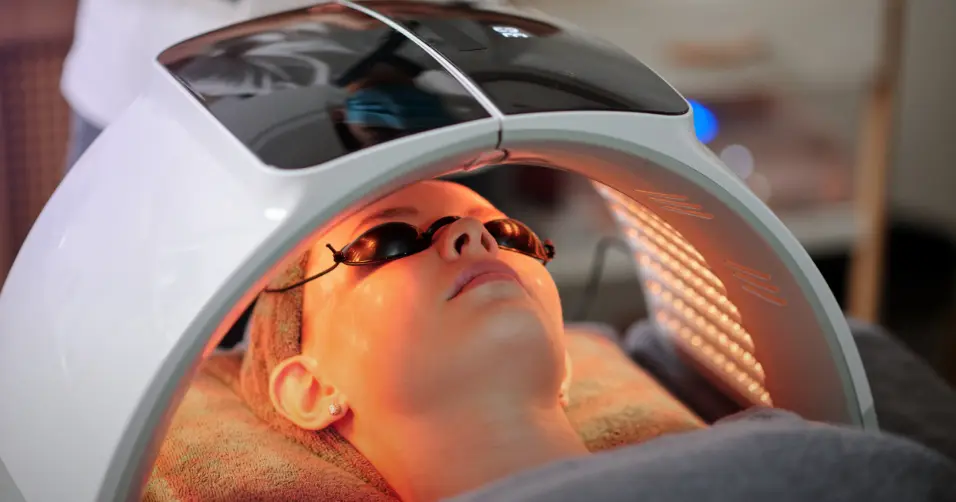
During the Session: You'll typically sit or lie down in front of the light panel. You might feel a slight warmth, but it shouldn't be uncomfortable. Eye protection is often recommended, especially with stronger devices.
After the Session: Most people don't experience any side effects. Some even report feeling a bit more relaxed or having a slight energy boost. Remember to stay hydrated and keep up with healthy habits like eating well and moving your body to get the most out of it.
While red light therapy can be a nice addition to your routine, remember it's not a magic bullet. Combining it with a balanced diet and regular exercise is still the most reliable way to see significant changes in your weight.
So, What's the Verdict on Red Light Therapy for Weight Loss?
Alright, so after digging into red light therapy for weight loss, it seems like it's not exactly a magic bullet. It doesn't burn a ton of calories on its own, and you're definitely not going to drop pounds just by sitting under a light. Think of it more as a helper. It might help your body release fat and maybe even make your cells work a bit better. But, and this is a big 'but,' it really shines when you pair it with the basics: eating well and moving your body. If you're already doing those things and looking for a little extra boost, especially for stubborn spots, it could be something to consider. Just don't expect miracles overnight, and keep in mind it can be a bit pricey. For most of us, sticking to a healthy diet and regular exercise is still the most reliable path to shedding weight and keeping it off.
Complementing Lifestyle Changes
Red light therapy is designed to work alongside your diet and exercise plan, not replace it. The idea is that the light helps your body become more efficient at releasing fat. But if you're not giving your body the right fuel or opportunities to burn that released fat, it won't be as effective. So, keep up with those balanced meals and regular workouts. Staying hydrated is also a big one; it helps your body process everything smoothly. Many people find that after a session, they have a bit more energy, which can be just the push they need to get in a good workout.
Recommended Session Frequency and Duration
When you're starting out, consistency is key. Most places suggest aiming for two to three sessions per week for the first month or so. Each session usually lasts between 10 to 20 minutes. It's not a huge time commitment, which makes it pretty easy to fit into a busy schedule. After that initial period, you might be able to reduce the frequency based on how your body is responding and your personal goals.
Here's a general guideline:
Initial Phase (Weeks 1-6): 2-3 sessions per week, 10-20 minutes each.
Maintenance Phase (After 6 weeks): 1-2 sessions per week, or as needed, 10-20 minutes each.
Post-Session Activity for Optimal Results
What you do right after a session can make a difference. While the therapy itself doesn't burn a lot of calories, getting a light workout or even just a brisk walk afterward can help your body use the fatty acids that have been released from your fat cells. It's like giving your body a clear signal to burn that energy. So, instead of just going home to relax, consider a short walk or some light activity. This helps ensure that the fat has a pathway to be utilized by your body, rather than just being reabsorbed.
Considerations and Limitations of Red Light Therapy
Okay, so red light therapy sounds pretty neat, right? But before you go all-in, let's chat about some things to keep in mind. It's not a magic bullet, and there are definitely some downsides and unknowns.
Calorie Burn and Effectiveness
While some studies suggest red light therapy might help with inch loss, it's important to be realistic. The amount of calories you actually burn during a session is pretty minimal, if any. Think of it more as a tool to potentially help with fat reduction in specific areas, rather than a way to torch calories like a hardcore workout. Most research points to modest results after several sessions, and honestly, larger, longer-term studies are still needed to really nail down how effective it is for everyone. Plus, a lot of the studies were done on people with a BMI between 25 and 30, so we don't really know how well it works for folks outside that range.
Cost and Accessibility
Let's talk money. This is probably the biggest hurdle for most people. Red light therapy can get pricey, fast. A package of just six sessions can easily run you anywhere from $2,000 to $4,000, depending on where you live. That's a serious chunk of change, making it out of reach for a lot of us. While you can buy devices for home use, they might not be as powerful as the ones used in professional settings, so you might not get the results you're hoping for. It's definitely something to weigh against other options.
Need for Further Research and Diverse Populations
Here's the thing: red light therapy is still pretty new in the grand scheme of things, especially for weight loss. While some early studies show promise, most experts agree we need way more research. A lot of the studies out there are small, don't have a control group (meaning they don't compare the treatment to a placebo or no treatment), or haven't been done on a wide variety of people. We need to see more studies with larger groups of people from different backgrounds, ages, and body types to truly understand who benefits, how much they benefit, and if those results stick around long-term. It's exciting, but we're not quite there yet in terms of solid, widespread evidence for weight loss specifically.
Safety and Getting Started with Red Light Therapy
So, you're thinking about giving red light therapy a shot for your weight loss journey? That's cool. But before you jump in, let's talk about making sure it's safe and how to actually get started. It's not exactly rocket science, but there are a few things to keep in mind.
Is Red Light Therapy Safe?
Generally speaking, yes, red light therapy is considered safe when used as directed. It's not invasive, and it doesn't use those harsh UV rays that can cause damage. Think of it more like a gentle nudge for your cells. However, like anything, misuse can lead to problems. If you use devices too often or don't follow the instructions, you could potentially irritate your skin or, if you're not careful, your eyes. Long-term effects are still being studied, so sticking to the guidelines is pretty important.
Consulting a Healthcare Professional
Before you start any new treatment, especially one that involves your body and health goals, it's always a smart move to chat with a doctor or a qualified skin specialist. They can help figure out if red light therapy is actually the right fit for you and your specific situation. They can also make sure you don't have any underlying conditions that might make it a bad idea. Plus, they can give you the lowdown on what to expect and whether it's likely to help with your weight loss goals.
What to Expect During and After Sessions
Getting started is usually pretty straightforward. If you're going to a clinic or spa, they'll guide you through it. For at-home devices, you'll want to read that manual carefully!
Here’s a general idea of what a typical routine might look like:
Frequency: Many people aim for two to three sessions per week for the first month or so. After that, you might adjust based on how you're feeling and the results you're seeing.
Duration: A single session usually lasts between 10 to 20 minutes. It's not a huge time commitment, which is nice.
During the Session: You'll typically sit or lie down in front of the light panel. You might feel a slight warmth, but it shouldn't be uncomfortable. Eye protection is often recommended, especially with stronger devices.
After the Session: Most people don't experience any side effects. Some even report feeling a bit more relaxed or having a slight energy boost. Remember to stay hydrated and keep up with healthy habits like eating well and moving your body to get the most out of it.
While red light therapy can be a nice addition to your routine, remember it's not a magic bullet. Combining it with a balanced diet and regular exercise is still the most reliable way to see significant changes in your weight.
So, What's the Verdict on Red Light Therapy for Weight Loss?
Alright, so after digging into red light therapy for weight loss, it seems like it's not exactly a magic bullet. It doesn't burn a ton of calories on its own, and you're definitely not going to drop pounds just by sitting under a light. Think of it more as a helper. It might help your body release fat and maybe even make your cells work a bit better. But, and this is a big 'but,' it really shines when you pair it with the basics: eating well and moving your body. If you're already doing those things and looking for a little extra boost, especially for stubborn spots, it could be something to consider. Just don't expect miracles overnight, and keep in mind it can be a bit pricey. For most of us, sticking to a healthy diet and regular exercise is still the most reliable path to shedding weight and keeping it off.
How To Use Red Light Therapy For Weight Loss?
Use red light therapy for weight loss by applying light panels to the body 10–20 minutes daily on major muscle areas.
To use red light therapy for weight loss, apply sessions 3–5 times per week for 10–20 minutes. Focus on areas with stubborn fat while maintaining a calorie deficit. Ensure device wavelength ranges from 630–850 nm for optimal penetration. Combine therapy with exercise and hydration for best outcomes. Results are gradual and require consistency.
Proper light wavelength stimulates cellular energy for metabolism enhancement.
Hydration and movement improve lymphatic flow aiding fat breakdown.
Sessions before workouts may increase endurance and energy output.
It’s a supplemental method, not a replacement for diet or exercise.
Harald Ragnarok, Editor in Chief, Myopedia
Myopedia is your to-go source for simple, practical guide to getting stronger, leaner, and healthier for the long run—bringing together biohacking, longevity, and muscle growth in one place. It breaks down what to do and why it works, with straightforward training and nutrition basics plus clear explanations of supplements and newer health tools, so you can make better choices without getting lost in hype.
Medical Disclaimer: All content on this website is intended solely for informational and educational purposes and should not be interpreted as a substitute for professional medical advice, diagnosis, or treatment, nor as encouragement or promotion for or against any particular use, product, or activity. Results may vary and are not guaranteed. No doctor–patient relationship is created by your use of this content. Always consult a qualified healthcare provider, nutritionist, or other relevant expert before starting or changing any supplement, diet, exercise, or lifestyle program. This website can contain errors. Check important information. Read our full Disclaimer.
RSS – Status – Terms of Service – Privacy Policy – Disclaimer – About Myopedia.
©2025 Myopedia™. All rights reserved.
Myopedia is your to-go source for simple, practical guide to getting stronger, leaner, and healthier for the long run—bringing together biohacking, longevity, and muscle growth in one place. It breaks down what to do and why it works, with straightforward training and nutrition basics plus clear explanations of supplements and newer health tools, so you can make better choices without getting lost in hype.
Medical Disclaimer: All content on this website is intended solely for informational and educational purposes and should not be interpreted as a substitute for professional medical advice, diagnosis, or treatment, nor as encouragement or promotion for or against any particular use, product, or activity. Results may vary and are not guaranteed. No doctor–patient relationship is created by your use of this content. Always consult a qualified healthcare provider, nutritionist, or other relevant expert before starting or changing any supplement, diet, exercise, or lifestyle program. This website can contain errors. Check important information. Read our full Disclaimer.
RSS – Status – Terms of Service – Privacy Policy – Disclaimer – About Myopedia.
©2025 Myopedia™. All rights reserved.
Myopedia is your to-go source for simple, practical guide to getting stronger, leaner, and healthier for the long run—bringing together biohacking, longevity, and muscle growth in one place. It breaks down what to do and why it works, with straightforward training and nutrition basics plus clear explanations of supplements and newer health tools, so you can make better choices without getting lost in hype.
Medical Disclaimer: All content on this website is intended solely for informational and educational purposes and should not be interpreted as a substitute for professional medical advice, diagnosis, or treatment, nor as encouragement or promotion for or against any particular use, product, or activity. Results may vary and are not guaranteed. No doctor–patient relationship is created by your use of this content. Always consult a qualified healthcare provider, nutritionist, or other relevant expert before starting or changing any supplement, diet, exercise, or lifestyle program. This website can contain errors. Check important information. Read our full Disclaimer.
RSS – Status – Terms of Service – Privacy Policy – Disclaimer – About Myopedia.
©2025 Myopedia™. All rights reserved.