Does Rice Make You Gain Weight
The Truth About Rice and Weight Gain
Rice – it's a staple for so many people around the world, and honestly, it's pretty tasty.
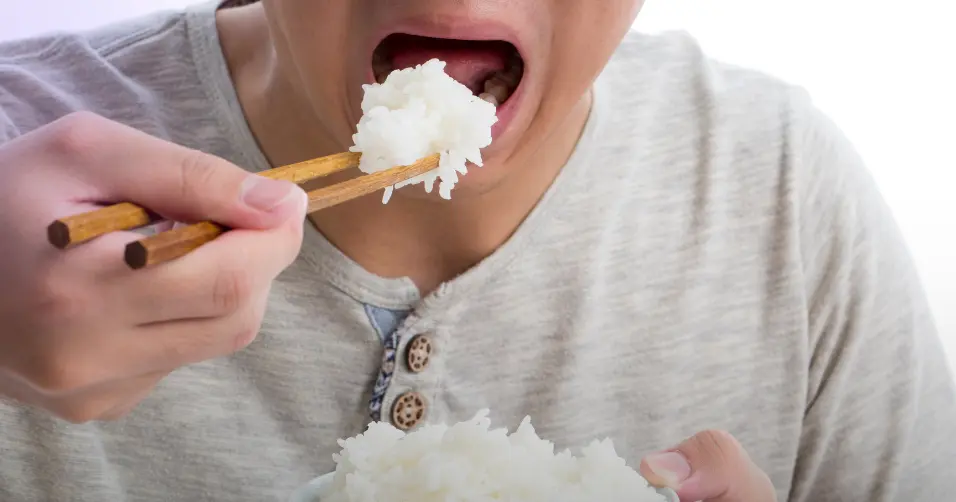
Rice – it's a staple for so many people around the world, and honestly, it's pretty tasty.
But then you hear things, right? Like, does rice make you gain weight? It's a question that pops up a lot, especially when you're trying to watch what you eat. We're going to break down what's really going on with rice and your weight, looking at different types and how you can enjoy it without the worry.
Understanding Rice and Weight Gain
Does Rice Make You Gain Weight?
So, the big question: does eating rice automatically mean you'll pack on the pounds? It's a common worry, especially when you're trying to manage your weight. The short answer is, not really. Rice itself isn't inherently fattening. Think of it like this: almost any food, if you eat way too much of it, can contribute to weight gain. It's all about the total picture of what you're eating and how much energy your body is using.
The Role of Calories in Weight Gain
Weight gain really boils down to calories. If you consistently consume more calories than your body burns, those extra calories get stored, usually as fat. This isn't specific to rice; it applies to everything from salads to steak. Rice is a source of carbohydrates, which are a primary energy source for your body. The amount of calories in a serving of rice is what matters most. A small portion will have fewer calories than a very large one. It's easy to overdo it, especially if you're served rice in a big bowl – you might just keep eating without realizing how much you've had.
Here's a quick look at calories in common rice types (per cooked cup):
Rice Type | Calories |
|---|---|
White Rice | ~205 |
Brown Rice | ~218 |
Wild Rice | ~166 |
Note: These are approximate values and can vary based on cooking method and specific variety.
Nutritional Profile of Rice Varieties
Rice isn't just empty calories, though. Different types of rice offer varying amounts of nutrients. Generally, whole grain varieties like brown rice have more fiber, vitamins, and minerals compared to refined white rice. Fiber is particularly helpful because it makes you feel fuller for longer, which can help with managing your appetite. White rice, while lower in some nutrients, is still a source of energy and can be part of a balanced diet. The key is understanding these differences and how they fit into your overall eating habits.
Brown Rice: Typically contains more fiber, magnesium, and B vitamins.
White Rice: Has had the bran and germ removed, making it lower in fiber and some nutrients, but it cooks faster and has a milder flavor.
Wild Rice: Technically a grass seed, it's a good source of protein and fiber, with a distinct nutty flavor.
Exploring Different Rice Varieties
Brown Rice: A Nutrient-Rich Choice
Brown rice is basically white rice that hasn't had its outer bran layer and germ removed. This means it keeps more of its natural goodness. Think of it as the whole grain version. It has a chewier texture and a slightly nutty taste compared to white rice. Because it retains these outer layers, it packs more fiber, magnesium, and B vitamins. This extra fiber is a big deal for feeling full longer. It takes a bit longer to cook, usually around 40 minutes on the stovetop, but many find the nutritional payoff worth it.
White Rice: Refined vs. Enriched
White rice is what most people picture when they think of rice. It's been milled to remove the bran and germ, which gives it a softer texture and makes it cook faster. This milling process also removes a lot of the fiber and nutrients. However, many types of white rice are 'enriched,' meaning some B vitamins and iron are added back in after processing. It's important to know if your white rice is enriched or not. While it cooks up fluffy and is super versatile, it generally has less fiber and fewer micronutrients than brown rice.
Other Rice Types and Their Impact
There are tons of other rice varieties out there, each with its own characteristics. Take Basmati rice, for example. It's a long-grain rice, often used in Indian and Middle Eastern cooking. It's known for its distinct aroma and fluffy texture. Brown Basmati rice, like other brown varieties, offers more fiber.
Then there's Jasmine rice, popular in Southeast Asian dishes. It's also a long-grain rice, fragrant and a bit sticky when cooked. Again, the brown version will give you more fiber.
Wild rice, which isn't technically a rice but a type of grass seed, is another interesting option. It has a chewy texture and a strong flavor, often used in salads or as a side dish. It's a good source of protein and fiber.
Finally, black rice, sometimes called forbidden rice, is a whole grain packed with antioxidants called anthocyanins (the same stuff that makes blueberries blue!). It has a deep purple color and a slightly sweet, nutty flavor. It's often considered a more nutrient-dense choice.
Here's a quick look at how some common types stack up per cooked cup:
Rice Type | Calories | Fiber (g) | Protein (g) |
|---|---|---|---|
Brown Rice | ~218 | ~4 | ~5 |
White Rice | ~242 | ~0 | ~4 |
Wild Rice | ~166 | ~3 | ~7 |
Basmati Rice | ~210 | ~1 | ~5 |
Jasmine Rice | ~360 | ~2 | ~6 |
Note: Nutritional values can vary slightly based on cooking methods and specific brands.
Rice's Impact on Your Diet and Health
So, how does rice actually fit into what we eat day-to-day, and what does it do for our bodies? It's more than just a side dish, really. Rice gives us carbs, which are basically our body's go-to fuel. Think of it like putting gas in a car; without it, things just don't run. Depending on who you ask, carbs should make up a good chunk of our daily calories, maybe around 40-65%. Rice is a pretty convenient way to get those carbs.
Fiber Content and Satiety
One thing to consider is the fiber. Brown rice, for example, has more fiber than white rice. Fiber is good for your gut – it helps the friendly bacteria there do their thing. Plus, fiber can help you feel fuller for longer. This feeling of fullness, or satiety, can be a big help when you're trying to manage how much you eat. It's like a little signal to your brain that says, "Okay, I've had enough for now."
Glycemic Index and Blood Sugar
Does Rice Make You Put On Weight?
Yes, rice can make you gain weight if eaten in a calorie surplus due to its high carbohydrate content.
Rice can make you put on weight if eaten in a calorie surplus. Its high carbohydrate content provides easy energy storage. When paired with protein and fats, it supports muscle gain or maintenance. Portion size determines its role in diet outcome. Regular activity ensures weight gain remains healthy and controlled.
Excess intake beyond energy needs leads to fat storage.
Whole-grain rice adds fiber moderating blood sugar spikes.
Measured portions maintain energy without excessive surplus.
Useful as pre- or post-workout carbohydrate source for athletes.
Understanding Rice and Weight Gain
Does Rice Make You Gain Weight?
So, the big question: does eating rice automatically mean you'll pack on the pounds? It's a common worry, especially when you're trying to manage your weight. The short answer is, not really. Rice itself isn't inherently fattening. Think of it like this: almost any food, if you eat way too much of it, can contribute to weight gain. It's all about the total picture of what you're eating and how much energy your body is using.
The Role of Calories in Weight Gain
Weight gain really boils down to calories. If you consistently consume more calories than your body burns, those extra calories get stored, usually as fat. This isn't specific to rice; it applies to everything from salads to steak. Rice is a source of carbohydrates, which are a primary energy source for your body. The amount of calories in a serving of rice is what matters most. A small portion will have fewer calories than a very large one. It's easy to overdo it, especially if you're served rice in a big bowl – you might just keep eating without realizing how much you've had.
Here's a quick look at calories in common rice types (per cooked cup):
Rice Type | Calories |
|---|---|
White Rice | ~205 |
Brown Rice | ~218 |
Wild Rice | ~166 |
Note: These are approximate values and can vary based on cooking method and specific variety.
Nutritional Profile of Rice Varieties
Rice isn't just empty calories, though. Different types of rice offer varying amounts of nutrients. Generally, whole grain varieties like brown rice have more fiber, vitamins, and minerals compared to refined white rice. Fiber is particularly helpful because it makes you feel fuller for longer, which can help with managing your appetite. White rice, while lower in some nutrients, is still a source of energy and can be part of a balanced diet. The key is understanding these differences and how they fit into your overall eating habits.
Brown Rice: Typically contains more fiber, magnesium, and B vitamins.
White Rice: Has had the bran and germ removed, making it lower in fiber and some nutrients, but it cooks faster and has a milder flavor.
Wild Rice: Technically a grass seed, it's a good source of protein and fiber, with a distinct nutty flavor.
Exploring Different Rice Varieties
Brown Rice: A Nutrient-Rich Choice
Brown rice is basically white rice that hasn't had its outer bran layer and germ removed. This means it keeps more of its natural goodness. Think of it as the whole grain version. It has a chewier texture and a slightly nutty taste compared to white rice. Because it retains these outer layers, it packs more fiber, magnesium, and B vitamins. This extra fiber is a big deal for feeling full longer. It takes a bit longer to cook, usually around 40 minutes on the stovetop, but many find the nutritional payoff worth it.
White Rice: Refined vs. Enriched
White rice is what most people picture when they think of rice. It's been milled to remove the bran and germ, which gives it a softer texture and makes it cook faster. This milling process also removes a lot of the fiber and nutrients. However, many types of white rice are 'enriched,' meaning some B vitamins and iron are added back in after processing. It's important to know if your white rice is enriched or not. While it cooks up fluffy and is super versatile, it generally has less fiber and fewer micronutrients than brown rice.
Other Rice Types and Their Impact
There are tons of other rice varieties out there, each with its own characteristics. Take Basmati rice, for example. It's a long-grain rice, often used in Indian and Middle Eastern cooking. It's known for its distinct aroma and fluffy texture. Brown Basmati rice, like other brown varieties, offers more fiber.
Then there's Jasmine rice, popular in Southeast Asian dishes. It's also a long-grain rice, fragrant and a bit sticky when cooked. Again, the brown version will give you more fiber.
Wild rice, which isn't technically a rice but a type of grass seed, is another interesting option. It has a chewy texture and a strong flavor, often used in salads or as a side dish. It's a good source of protein and fiber.
Finally, black rice, sometimes called forbidden rice, is a whole grain packed with antioxidants called anthocyanins (the same stuff that makes blueberries blue!). It has a deep purple color and a slightly sweet, nutty flavor. It's often considered a more nutrient-dense choice.
Here's a quick look at how some common types stack up per cooked cup:
Rice Type | Calories | Fiber (g) | Protein (g) |
|---|---|---|---|
Brown Rice | ~218 | ~4 | ~5 |
White Rice | ~242 | ~0 | ~4 |
Wild Rice | ~166 | ~3 | ~7 |
Basmati Rice | ~210 | ~1 | ~5 |
Jasmine Rice | ~360 | ~2 | ~6 |
Note: Nutritional values can vary slightly based on cooking methods and specific brands.
Rice's Impact on Your Diet and Health
So, how does rice actually fit into what we eat day-to-day, and what does it do for our bodies? It's more than just a side dish, really. Rice gives us carbs, which are basically our body's go-to fuel. Think of it like putting gas in a car; without it, things just don't run. Depending on who you ask, carbs should make up a good chunk of our daily calories, maybe around 40-65%. Rice is a pretty convenient way to get those carbs.
Fiber Content and Satiety
One thing to consider is the fiber. Brown rice, for example, has more fiber than white rice. Fiber is good for your gut – it helps the friendly bacteria there do their thing. Plus, fiber can help you feel fuller for longer. This feeling of fullness, or satiety, can be a big help when you're trying to manage how much you eat. It's like a little signal to your brain that says, "Okay, I've had enough for now."
Glycemic Index and Blood Sugar
Now, let's talk about blood sugar. Rice, especially white rice, can sometimes cause a quicker rise in blood sugar levels because it's mostly carbs. This isn't always a bad thing, especially if you're active and need that quick energy. However, if you're not moving much or you don't pair your rice with other foods that slow down digestion, like protein and fats, it might not be the best for keeping your blood sugar steady. A neat trick some people use is to let their cooked rice cool down before eating it. This can actually create something called resistant starch, which is digested more slowly and might help you feel full longer. So, if you're prepping meals ahead of time, those leftover rice dishes might have a little extra benefit.
Incorporating Rice into a Balanced Diet
Rice is super flexible. You can use it as a base for bowls, add it to soups for extra heartiness, or even turn it into a dessert. The key is how you build your meal around it. Adding plenty of vegetables gives you more fiber and nutrients. Including a good source of protein, like chicken, fish, tofu, or eggs, helps keep you feeling satisfied and provides sustained energy. It's not just about the rice itself, but what you put with it. Making rice part of a balanced plate, with a mix of veggies and protein, is how you get the most out of it.
Here are a few ideas:
Rice Bowls: Top your rice with colorful veggies, lean protein, and a drizzle of your favorite sauce.
Stir-fries: Mix rice with a variety of vegetables and a protein source for a quick and easy meal.
Soups: Add a scoop of rice to brothy soups to make them more filling.
Salads: Cold rice can be a great addition to salads, adding texture and substance.
Strategies for Healthy Rice Consumption
So, we've talked about rice and its place in a balanced diet. Now, let's get practical. How do you actually make rice work for you, especially if you're mindful of your weight or overall health? It's not about cutting it out, but about smart choices.
The Importance of Portion Control
This is probably the most straightforward advice, but it's also the most critical. Rice, particularly white rice, can be calorie-dense. Eating a huge bowl might add up quickly. Think about using the plate method: fill half your plate with colorful veggies, a quarter with lean protein (like chicken, fish, beans, or tofu), and then use the remaining quarter for your rice. This way, you get a satisfying meal without overdoing the carbs.
Here's a simple way to visualize it:
Food Group | Recommended Portion | Example |
|---|---|---|
Vegetables | Half of the plate | Broccoli, spinach, bell peppers, salad |
Protein | Quarter of the plate | Grilled chicken, baked salmon, lentil stew |
Grains (Rice) | Quarter of the plate | Brown rice, white rice, quinoa |
Pairing Rice with Nutrient-Dense Foods
Eating rice on its own can lead to a quicker spike in blood sugar. But when you pair it with other foods, it changes the game. Adding protein and healthy fats slows down digestion. This means you stay fuller for longer and your energy levels are more stable. Think about adding some avocado slices to your rice bowl, or mixing in some nuts and seeds for crunch and good fats. Even a simple drizzle of olive oil can make a difference.
Consider these pairings:
Stir-fries: Load up on veggies like snap peas, carrots, and bok choy, and add lean protein like shrimp or chicken. Serve over a moderate portion of brown rice.
Rice Bowls: Start with a base of rice, then top with black beans, corn, salsa, avocado, and a sprinkle of cheese or a dollop of Greek yogurt.
Soups and Stews: Add a small scoop of rice to hearty lentil or vegetable soups to make them more filling.
Mindful Eating and Rice
This ties into portion control and pairing, but it's also about your mindset. Don't label rice as 'good' or 'bad.' It's a food, and like most foods, it can be part of a healthy diet when consumed thoughtfully. Pay attention to your body's hunger and fullness cues. Eat slowly, savor the flavors, and notice how different combinations of foods make you feel. Sometimes, just being more aware of how you're eating can help you make better choices without feeling deprived. And hey, if you cook a big batch of rice, letting it cool before eating can actually increase its resistant starch content, which is good for digestion and feeling satisfied.
Debunking Rice Myths
Is Rice Inherently 'Fattening'?
Lots of people seem to think rice is this magical ingredient that automatically leads to weight gain. It’s kind of a bummer, honestly, because rice has been a staple food for so many cultures for ages. The truth is, no single food is inherently 'fattening.' Weight gain really comes down to how many calories you consume versus how many you burn. Rice, like any other carbohydrate, provides energy. If you eat way more calories than your body needs, regardless of whether those calories come from rice, broccoli, or cake, you'll likely gain weight. It’s all about balance and moderation. Rice itself isn't the enemy; it's how much you eat and what you pair it with that matters.
Cultural Significance and Dietary Habits
Rice is more than just food for a lot of people; it's deeply woven into cultural traditions and daily life. Think about it – rice is a central part of meals in Asia, Latin America, and many other parts of the world. Families have been eating rice for generations, and it's often prepared in ways that are both delicious and nourishing. When we talk about rice in the context of weight, it's important to remember these cultural aspects. Demonizing rice can feel like dismissing a whole way of life for many. Instead of outright banning it, we should focus on understanding how it fits into a healthy lifestyle, respecting its cultural importance.
Rice as Part of a Weight Management Plan
So, can you actually eat rice and still manage your weight? Absolutely! It’s all about smart choices. Here are a few pointers:
Portion Control is Key: Just like with anything, how much rice you eat makes a big difference. Stick to reasonable serving sizes.
Choose Wisely: Brown rice, wild rice, and other whole grain varieties offer more fiber and nutrients, which can help you feel fuller for longer.
Balance Your Plate: Don't just eat a giant bowl of plain rice. Load up your plate with plenty of vegetables and a good source of lean protein. This makes your meal more satisfying and helps slow down digestion.
Consider Cooking Methods: Sometimes, letting your cooked rice cool down before eating can increase its resistant starch content, which might help with fullness. It’s a small trick, but it can add up.
Here’s a quick look at how different rice types stack up per cooked cup:
Nutrient | Wild Rice | Brown Rice | White Rice |
|---|---|---|---|
Calories | 166 | 218 | 242 |
Carbohydrates | 34 g | 46 g | 53 g |
Dietary Fiber | 3 g | 4 g | 0 g |
Protein | 7 g | 5 g | 4 g |
See? It’s not so scary when you look at the facts. Rice can definitely be a part of a healthy, balanced diet, even if you're trying to manage your weight.
So, What's the Verdict on Rice and Weight Gain?
Alright, let's wrap this up. After digging into it, it seems like the whole idea that rice automatically makes you gain weight is mostly a myth. It's not really about the rice itself, but more about how much you eat and what you eat it with. Brown rice is definitely a good choice because it has more fiber and nutrients, which can help you feel full longer. But even white rice can be part of a healthy diet if you're mindful of your portions and pair it with things like veggies and lean protein. So, don't feel like you have to ditch the rice bowl just yet. Just keep an eye on your serving sizes and focus on a balanced plate overall. That seems to be the real key to managing your weight, no matter what grains you choose.
Now, let's talk about blood sugar. Rice, especially white rice, can sometimes cause a quicker rise in blood sugar levels because it's mostly carbs. This isn't always a bad thing, especially if you're active and need that quick energy. However, if you're not moving much or you don't pair your rice with other foods that slow down digestion, like protein and fats, it might not be the best for keeping your blood sugar steady. A neat trick some people use is to let their cooked rice cool down before eating it. This can actually create something called resistant starch, which is digested more slowly and might help you feel full longer. So, if you're prepping meals ahead of time, those leftover rice dishes might have a little extra benefit.
Incorporating Rice into a Balanced Diet
Rice is super flexible. You can use it as a base for bowls, add it to soups for extra heartiness, or even turn it into a dessert. The key is how you build your meal around it. Adding plenty of vegetables gives you more fiber and nutrients. Including a good source of protein, like chicken, fish, tofu, or eggs, helps keep you feeling satisfied and provides sustained energy. It's not just about the rice itself, but what you put with it. Making rice part of a balanced plate, with a mix of veggies and protein, is how you get the most out of it.
Here are a few ideas:
Rice Bowls: Top your rice with colorful veggies, lean protein, and a drizzle of your favorite sauce.
Stir-fries: Mix rice with a variety of vegetables and a protein source for a quick and easy meal.
Soups: Add a scoop of rice to brothy soups to make them more filling.
Salads: Cold rice can be a great addition to salads, adding texture and substance.
Strategies for Healthy Rice Consumption
So, we've talked about rice and its place in a balanced diet. Now, let's get practical. How do you actually make rice work for you, especially if you're mindful of your weight or overall health? It's not about cutting it out, but about smart choices.
The Importance of Portion Control
This is probably the most straightforward advice, but it's also the most critical. Rice, particularly white rice, can be calorie-dense. Eating a huge bowl might add up quickly. Think about using the plate method: fill half your plate with colorful veggies, a quarter with lean protein (like chicken, fish, beans, or tofu), and then use the remaining quarter for your rice. This way, you get a satisfying meal without overdoing the carbs.
Here's a simple way to visualize it:
Food Group | Recommended Portion | Example |
|---|---|---|
Vegetables | Half of the plate | Broccoli, spinach, bell peppers, salad |
Protein | Quarter of the plate | Grilled chicken, baked salmon, lentil stew |
Grains (Rice) | Quarter of the plate | Brown rice, white rice, quinoa |
Pairing Rice with Nutrient-Dense Foods
Eating rice on its own can lead to a quicker spike in blood sugar. But when you pair it with other foods, it changes the game. Adding protein and healthy fats slows down digestion. This means you stay fuller for longer and your energy levels are more stable. Think about adding some avocado slices to your rice bowl, or mixing in some nuts and seeds for crunch and good fats. Even a simple drizzle of olive oil can make a difference.
Consider these pairings:
Stir-fries: Load up on veggies like snap peas, carrots, and bok choy, and add lean protein like shrimp or chicken. Serve over a moderate portion of brown rice.
Rice Bowls: Start with a base of rice, then top with black beans, corn, salsa, avocado, and a sprinkle of cheese or a dollop of Greek yogurt.
Soups and Stews: Add a small scoop of rice to hearty lentil or vegetable soups to make them more filling.
Mindful Eating and Rice
This ties into portion control and pairing, but it's also about your mindset. Don't label rice as 'good' or 'bad.' It's a food, and like most foods, it can be part of a healthy diet when consumed thoughtfully. Pay attention to your body's hunger and fullness cues. Eat slowly, savor the flavors, and notice how different combinations of foods make you feel. Sometimes, just being more aware of how you're eating can help you make better choices without feeling deprived. And hey, if you cook a big batch of rice, letting it cool before eating can actually increase its resistant starch content, which is good for digestion and feeling satisfied.
Debunking Rice Myths
Is Rice Inherently 'Fattening'?
Lots of people seem to think rice is this magical ingredient that automatically leads to weight gain. It’s kind of a bummer, honestly, because rice has been a staple food for so many cultures for ages. The truth is, no single food is inherently 'fattening.' Weight gain really comes down to how many calories you consume versus how many you burn. Rice, like any other carbohydrate, provides energy. If you eat way more calories than your body needs, regardless of whether those calories come from rice, broccoli, or cake, you'll likely gain weight. It’s all about balance and moderation. Rice itself isn't the enemy; it's how much you eat and what you pair it with that matters.
Cultural Significance and Dietary Habits
Rice is more than just food for a lot of people; it's deeply woven into cultural traditions and daily life. Think about it – rice is a central part of meals in Asia, Latin America, and many other parts of the world. Families have been eating rice for generations, and it's often prepared in ways that are both delicious and nourishing. When we talk about rice in the context of weight, it's important to remember these cultural aspects. Demonizing rice can feel like dismissing a whole way of life for many. Instead of outright banning it, we should focus on understanding how it fits into a healthy lifestyle, respecting its cultural importance.
Rice as Part of a Weight Management Plan
So, can you actually eat rice and still manage your weight? Absolutely! It’s all about smart choices. Here are a few pointers:
Portion Control is Key: Just like with anything, how much rice you eat makes a big difference. Stick to reasonable serving sizes.
Choose Wisely: Brown rice, wild rice, and other whole grain varieties offer more fiber and nutrients, which can help you feel fuller for longer.
Balance Your Plate: Don't just eat a giant bowl of plain rice. Load up your plate with plenty of vegetables and a good source of lean protein. This makes your meal more satisfying and helps slow down digestion.
Consider Cooking Methods: Sometimes, letting your cooked rice cool down before eating can increase its resistant starch content, which might help with fullness. It’s a small trick, but it can add up.
Here’s a quick look at how different rice types stack up per cooked cup:
Nutrient | Wild Rice | Brown Rice | White Rice |
|---|---|---|---|
Calories | 166 | 218 | 242 |
Carbohydrates | 34 g | 46 g | 53 g |
Dietary Fiber | 3 g | 4 g | 0 g |
Protein | 7 g | 5 g | 4 g |
See? It’s not so scary when you look at the facts. Rice can definitely be a part of a healthy, balanced diet, even if you're trying to manage your weight.
So, What's the Verdict on Rice and Weight Gain?
Alright, let's wrap this up. After digging into it, it seems like the whole idea that rice automatically makes you gain weight is mostly a myth. It's not really about the rice itself, but more about how much you eat and what you eat it with. Brown rice is definitely a good choice because it has more fiber and nutrients, which can help you feel full longer. But even white rice can be part of a healthy diet if you're mindful of your portions and pair it with things like veggies and lean protein. So, don't feel like you have to ditch the rice bowl just yet. Just keep an eye on your serving sizes and focus on a balanced plate overall. That seems to be the real key to managing your weight, no matter what grains you choose.
Does Rice Help You Stay Full Longer?
Rice helps you stay full longer when paired with fiber or protein, slowing digestion.
Rice helps you stay full longer mainly due to its starch and water content. Brown rice in particular offers fiber that slows digestion. This promotes stable energy and reduced hunger between meals. Choosing steamed or boiled versions supports weight management. Combining with protein and vegetables increases satiety further.
Resistant starch content supports slower energy release post-meal.
Refined white rice offers quicker energy but shorter satiety duration.
Adding healthy fats extends fullness after rice-based dishes.
Balanced meals control appetite without calorie overload.
Can Brown Rice Make You Fat?
Brown rice does not make you fat unless eaten in excess calories.
Brown rice does not make you fat unless consumed in calorie excess. It provides fiber and complex carbohydrates that support steady energy. Portion size determines whether it aids fat loss or gain. Balanced meals with lean protein enhance nutrient use. Its slow digestion helps control appetite effectively.
One cup of cooked brown rice has around 215 calories with high satiety.
Fiber slows glucose release, preventing overeating later.
Weight gain occurs only when total daily calories exceed needs.
Combining with vegetables keeps portions filling but moderate.
Harald Ragnarok, Editor in Chief, Myopedia
Myopedia is your to-go source for simple, practical guide to getting stronger, leaner, and healthier for the long run—bringing together biohacking, longevity, and muscle growth in one place. It breaks down what to do and why it works, with straightforward training and nutrition basics plus clear explanations of supplements and newer health tools, so you can make better choices without getting lost in hype.
Medical Disclaimer: All content on this website is intended solely for informational and educational purposes and should not be interpreted as a substitute for professional medical advice, diagnosis, or treatment, nor as encouragement or promotion for or against any particular use, product, or activity. Results may vary and are not guaranteed. No doctor–patient relationship is created by your use of this content. Always consult a qualified healthcare provider, nutritionist, or other relevant expert before starting or changing any supplement, diet, exercise, or lifestyle program. This website can contain errors. Check important information. Read our full Disclaimer.
RSS – Status – Terms of Service – Privacy Policy – Disclaimer – About Myopedia.
©2025 Myopedia™. All rights reserved.
Myopedia is your to-go source for simple, practical guide to getting stronger, leaner, and healthier for the long run—bringing together biohacking, longevity, and muscle growth in one place. It breaks down what to do and why it works, with straightforward training and nutrition basics plus clear explanations of supplements and newer health tools, so you can make better choices without getting lost in hype.
Medical Disclaimer: All content on this website is intended solely for informational and educational purposes and should not be interpreted as a substitute for professional medical advice, diagnosis, or treatment, nor as encouragement or promotion for or against any particular use, product, or activity. Results may vary and are not guaranteed. No doctor–patient relationship is created by your use of this content. Always consult a qualified healthcare provider, nutritionist, or other relevant expert before starting or changing any supplement, diet, exercise, or lifestyle program. This website can contain errors. Check important information. Read our full Disclaimer.
RSS – Status – Terms of Service – Privacy Policy – Disclaimer – About Myopedia.
©2025 Myopedia™. All rights reserved.
Myopedia is your to-go source for simple, practical guide to getting stronger, leaner, and healthier for the long run—bringing together biohacking, longevity, and muscle growth in one place. It breaks down what to do and why it works, with straightforward training and nutrition basics plus clear explanations of supplements and newer health tools, so you can make better choices without getting lost in hype.
Medical Disclaimer: All content on this website is intended solely for informational and educational purposes and should not be interpreted as a substitute for professional medical advice, diagnosis, or treatment, nor as encouragement or promotion for or against any particular use, product, or activity. Results may vary and are not guaranteed. No doctor–patient relationship is created by your use of this content. Always consult a qualified healthcare provider, nutritionist, or other relevant expert before starting or changing any supplement, diet, exercise, or lifestyle program. This website can contain errors. Check important information. Read our full Disclaimer.
RSS – Status – Terms of Service – Privacy Policy – Disclaimer – About Myopedia.
©2025 Myopedia™. All rights reserved.