Does Whey Protein Cause Acne
The Truth About Protein Powder and Breakouts
So, you're hitting the gym, trying to get stronger, and you're thinking about protein shakes.
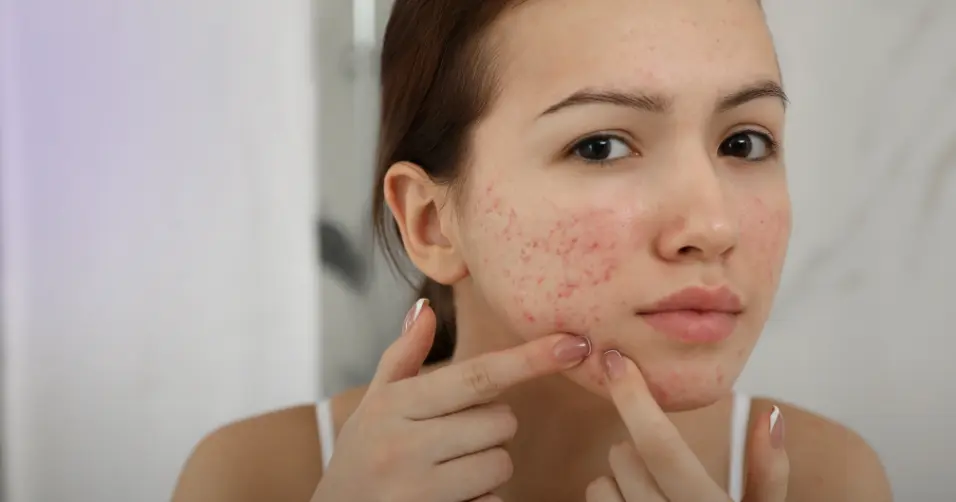
So, you're hitting the gym, trying to get stronger, and you're thinking about protein shakes.
Whey protein is super popular for that. But then you start noticing some new pimples popping up, and you wonder, 'Could this protein powder be the culprit?' It's a common question, and honestly, the link between what we eat and our skin can be pretty confusing. This article is going to break down if whey protein causes acne, looking at how it might affect your skin and what you can do about it.
Understanding The Link Between Whey Protein And Acne
So, you're hitting the gym, feeling good about your protein shakes, and then... breakouts. It's a story many people tell, and it often leads back to whey protein. But is there really a connection? Let's break it down.
How Whey Protein May Contribute To Acne Development
Whey protein is derived from milk, and milk contains hormones. When you consume whey, you're essentially taking in a concentrated dose of these compounds. One of the main players here is something called insulin-like growth factor 1, or IGF-1. Our bodies naturally produce IGF-1, and it's important for growth and repair. However, studies suggest that whey protein can actually increase IGF-1 levels in your bloodstream. Higher IGF-1 levels can signal your skin to produce more oil (sebum) and skin cells. When this happens, pores can get clogged more easily, creating a perfect environment for acne to develop. It's like giving your skin's oil glands a little nudge to go into overdrive.
The Role Of Hormones In Whey Protein And Acne
It all comes back to hormones, really. As mentioned, IGF-1 is a big one. But it doesn't stop there. Increased IGF-1 can also influence other hormones, like testosterone. When hormone levels fluctuate, especially in individuals already prone to acne, it can lead to increased sebum production and inflammation. This hormonal dance is a key reason why some people experience acne after starting whey protein supplements, while others don't notice a thing. It's a complex interplay, and your body's unique hormonal balance plays a significant role.
What The Research Suggests About Whey Protein And Breakouts
Okay, so what does the science actually say? Well, it's not a simple 'yes' or 'no'. Some studies have shown a correlation between whey protein consumption and an increase in acne. For instance, one study found that young men who consumed whey protein were significantly more likely to report acne than those who didn't. Another study observed that whey protein either triggered new breakouts or worsened existing ones, particularly in women and individuals without a prior history of acne. However, other research hasn't found such a clear link. A six-month study comparing whey protein to a non-whey supplement in men with acne showed no significant difference in breakout severity. So, while there's evidence suggesting a connection, it's not a universal outcome. Not everyone who uses whey protein will get acne. The research is still ongoing, and individual responses seem to vary quite a bit.
Factors Influencing Acne Susceptibility
So, we've talked about how whey protein might be linked to breakouts. But it's not a one-size-fits-all situation, right? Lots of things can play a role in whether you're more likely to get acne from supplements, or just in general. It's like a perfect storm of factors sometimes.
Who Is More Likely To Experience Acne From Whey Protein?
Honestly, it seems like some people are just more prone to it. If your parents or siblings dealt with acne, you might be in the same boat. It's not a guarantee, but genetics can definitely make your skin a bit more sensitive to things like clogged pores. Also, if you've noticed that dairy products, in general, tend to mess with your skin, then whey protein, which comes from dairy, could be a trigger for you. It's not just about the protein itself, but how your body reacts to dairy components.
Common Causes Of Acne Breakouts
Acne is complicated, and a bunch of things can contribute. It's not always just one culprit.
Hormones: These are a big one. Fluctuations, especially with androgens, can ramp up oil production in your skin. This happens a lot during puberty, but also at different times for women throughout their cycle or during pregnancy.
Genetics: Like I mentioned, if acne runs in your family, you might have a predisposition.
Medications: Some drugs, like certain steroids or even some birth control pills, can have acne as a side effect.
Lifestyle Factors: Things like not getting enough sleep, high stress levels, and even friction from tight clothing can make existing acne worse.
Skincare and Makeup: Using products that are too heavy or contain pore-clogging ingredients can definitely contribute.
The Impact Of Dairy Sensitivities On Skin Health
This is where the dairy connection really comes into play. Milk and dairy products contain hormones and proteins, including whey, that can influence your skin. For some people, these components can increase the production of oil and skin cells, leading to clogged pores. Studies have even shown a link between milk consumption and a higher likelihood of acne. It's not that everyone who drinks milk will break out, but for those who are sensitive, it can be a noticeable trigger. It's worth paying attention to how your skin reacts after consuming dairy, especially if you're considering protein supplements derived from it.
Exploring Different Types Of Whey Protein
So, you're thinking about whey protein, but maybe you've heard it can mess with your skin. Before you ditch it completely, let's talk about the different kinds out there. Not all whey is created equal, and understanding the variations might help you figure out if it's the culprit behind those pesky breakouts.
Whey Protein Concentrate Versus Isolate
When you look at whey protein supplements, you'll mostly see two main types: concentrate and isolate. They both come from milk, but they go through different processing steps. Think of it like this: concentrate is the first pass, while isolate is a more refined version.
Whey Protein Concentrate (WPC): This is generally less processed. It still has some fat and lactose (that's the sugar in milk) mixed in. The protein content can vary, usually somewhere between 30% and 80%. Because it's less processed, it tends to keep more of the natural nutrients found in whey. For some people, the extra lactose and fat in WPC could be a factor if they're sensitive.
Whey Protein Isolate (WPI): This type goes through extra steps to filter out most of the fat and lactose. This means you get a much higher protein percentage, often 90% or more. If you're really watching your carb and fat intake, or if you suspect dairy is bothering your skin, isolate might be a better bet because it's so much purer.
Understanding Processing And Purity
The way whey protein is processed really matters, especially when it comes to your skin. The more a supplement is processed, the fewer potential irritants like lactose and fat it will contain. However, sometimes extreme processing can also strip away beneficial compounds. It's a bit of a balancing act.
Filtration Levels: The key difference between concentrate and isolate is the filtration process. More advanced filtration means less lactose and fat.
Potential for Contaminants: Even with processing, there's always a chance for unwanted stuff to sneak in, which we'll talk about more later.
Impact on Digestion: For those with sensitive stomachs or lactose intolerance, isolate is usually the easier option to digest.
Choosing Quality Whey Protein Supplements
When you're picking out a whey protein, especially if you're worried about acne, quality is super important. You want to make sure what you're putting into your body is clean and doesn't have a bunch of extra junk that could cause problems.
Here’s a quick rundown on how to pick a good one:
Look for Third-Party Testing: This is a big one. Companies like NSF Certified for Sport or Informed Choice test supplements to make sure they contain what they say they do and are free from nasty stuff. It's like a stamp of approval for purity.
Check the Ingredient List: Keep an eye out for artificial sweeteners, added sugars, or fillers. These can sometimes cause inflammation, which isn't great for skin.
Consider Your Needs: If you're sensitive to dairy or trying to keep carbs low, whey isolate is probably your best bet. If you don't have those concerns, a good quality concentrate might be perfectly fine.
Ultimately, choosing a high-quality, minimally processed whey protein, especially an isolate if you're concerned about dairy, could make a difference in how your skin reacts.
Potential Contaminants In Protein Supplements
So, you're thinking about grabbing a protein supplement to help with your fitness goals, maybe even to support muscle growth after a workout. That's pretty common. But have you ever stopped to think about what's actually in that tub? It's not always just pure protein. Sometimes, things can sneak in that you definitely don't want, and these can mess with your skin.
Does Whey Protein Cause Acne?
Yes, whey protein can cause acne for some due to hormones and insulin effects in dairy.
Whey protein can cause acne in some people due to its effect on insulin and hormone levels. Elevated IGF-1 may trigger excess oil production in the skin. Sensitivity differs, with some users unaffected. Switching to plant-based protein may improve breakouts. Maintaining clean skin and balanced diet reduces risk.
Dairy peptides can stimulate sebum glands leading to clogged pores.
Reducing added sugars further limits acne-triggering insulin spikes.
Low-lactose isolates tend to cause fewer flare-ups.
Good hygiene and hydration support skin recovery.
Understanding The Link Between Whey Protein And Acne
So, you're hitting the gym, feeling good about your protein shakes, and then... breakouts. It's a story many people tell, and it often leads back to whey protein. But is there really a connection? Let's break it down.
How Whey Protein May Contribute To Acne Development
Whey protein is derived from milk, and milk contains hormones. When you consume whey, you're essentially taking in a concentrated dose of these compounds. One of the main players here is something called insulin-like growth factor 1, or IGF-1. Our bodies naturally produce IGF-1, and it's important for growth and repair. However, studies suggest that whey protein can actually increase IGF-1 levels in your bloodstream. Higher IGF-1 levels can signal your skin to produce more oil (sebum) and skin cells. When this happens, pores can get clogged more easily, creating a perfect environment for acne to develop. It's like giving your skin's oil glands a little nudge to go into overdrive.
The Role Of Hormones In Whey Protein And Acne
It all comes back to hormones, really. As mentioned, IGF-1 is a big one. But it doesn't stop there. Increased IGF-1 can also influence other hormones, like testosterone. When hormone levels fluctuate, especially in individuals already prone to acne, it can lead to increased sebum production and inflammation. This hormonal dance is a key reason why some people experience acne after starting whey protein supplements, while others don't notice a thing. It's a complex interplay, and your body's unique hormonal balance plays a significant role.
What The Research Suggests About Whey Protein And Breakouts
Okay, so what does the science actually say? Well, it's not a simple 'yes' or 'no'. Some studies have shown a correlation between whey protein consumption and an increase in acne. For instance, one study found that young men who consumed whey protein were significantly more likely to report acne than those who didn't. Another study observed that whey protein either triggered new breakouts or worsened existing ones, particularly in women and individuals without a prior history of acne. However, other research hasn't found such a clear link. A six-month study comparing whey protein to a non-whey supplement in men with acne showed no significant difference in breakout severity. So, while there's evidence suggesting a connection, it's not a universal outcome. Not everyone who uses whey protein will get acne. The research is still ongoing, and individual responses seem to vary quite a bit.
Factors Influencing Acne Susceptibility
So, we've talked about how whey protein might be linked to breakouts. But it's not a one-size-fits-all situation, right? Lots of things can play a role in whether you're more likely to get acne from supplements, or just in general. It's like a perfect storm of factors sometimes.
Who Is More Likely To Experience Acne From Whey Protein?
Honestly, it seems like some people are just more prone to it. If your parents or siblings dealt with acne, you might be in the same boat. It's not a guarantee, but genetics can definitely make your skin a bit more sensitive to things like clogged pores. Also, if you've noticed that dairy products, in general, tend to mess with your skin, then whey protein, which comes from dairy, could be a trigger for you. It's not just about the protein itself, but how your body reacts to dairy components.
Common Causes Of Acne Breakouts
Acne is complicated, and a bunch of things can contribute. It's not always just one culprit.
Hormones: These are a big one. Fluctuations, especially with androgens, can ramp up oil production in your skin. This happens a lot during puberty, but also at different times for women throughout their cycle or during pregnancy.
Genetics: Like I mentioned, if acne runs in your family, you might have a predisposition.
Medications: Some drugs, like certain steroids or even some birth control pills, can have acne as a side effect.
Lifestyle Factors: Things like not getting enough sleep, high stress levels, and even friction from tight clothing can make existing acne worse.
Skincare and Makeup: Using products that are too heavy or contain pore-clogging ingredients can definitely contribute.
The Impact Of Dairy Sensitivities On Skin Health
This is where the dairy connection really comes into play. Milk and dairy products contain hormones and proteins, including whey, that can influence your skin. For some people, these components can increase the production of oil and skin cells, leading to clogged pores. Studies have even shown a link between milk consumption and a higher likelihood of acne. It's not that everyone who drinks milk will break out, but for those who are sensitive, it can be a noticeable trigger. It's worth paying attention to how your skin reacts after consuming dairy, especially if you're considering protein supplements derived from it.
Exploring Different Types Of Whey Protein
So, you're thinking about whey protein, but maybe you've heard it can mess with your skin. Before you ditch it completely, let's talk about the different kinds out there. Not all whey is created equal, and understanding the variations might help you figure out if it's the culprit behind those pesky breakouts.
Whey Protein Concentrate Versus Isolate
When you look at whey protein supplements, you'll mostly see two main types: concentrate and isolate. They both come from milk, but they go through different processing steps. Think of it like this: concentrate is the first pass, while isolate is a more refined version.
Whey Protein Concentrate (WPC): This is generally less processed. It still has some fat and lactose (that's the sugar in milk) mixed in. The protein content can vary, usually somewhere between 30% and 80%. Because it's less processed, it tends to keep more of the natural nutrients found in whey. For some people, the extra lactose and fat in WPC could be a factor if they're sensitive.
Whey Protein Isolate (WPI): This type goes through extra steps to filter out most of the fat and lactose. This means you get a much higher protein percentage, often 90% or more. If you're really watching your carb and fat intake, or if you suspect dairy is bothering your skin, isolate might be a better bet because it's so much purer.
Understanding Processing And Purity
The way whey protein is processed really matters, especially when it comes to your skin. The more a supplement is processed, the fewer potential irritants like lactose and fat it will contain. However, sometimes extreme processing can also strip away beneficial compounds. It's a bit of a balancing act.
Filtration Levels: The key difference between concentrate and isolate is the filtration process. More advanced filtration means less lactose and fat.
Potential for Contaminants: Even with processing, there's always a chance for unwanted stuff to sneak in, which we'll talk about more later.
Impact on Digestion: For those with sensitive stomachs or lactose intolerance, isolate is usually the easier option to digest.
Choosing Quality Whey Protein Supplements
When you're picking out a whey protein, especially if you're worried about acne, quality is super important. You want to make sure what you're putting into your body is clean and doesn't have a bunch of extra junk that could cause problems.
Here’s a quick rundown on how to pick a good one:
Look for Third-Party Testing: This is a big one. Companies like NSF Certified for Sport or Informed Choice test supplements to make sure they contain what they say they do and are free from nasty stuff. It's like a stamp of approval for purity.
Check the Ingredient List: Keep an eye out for artificial sweeteners, added sugars, or fillers. These can sometimes cause inflammation, which isn't great for skin.
Consider Your Needs: If you're sensitive to dairy or trying to keep carbs low, whey isolate is probably your best bet. If you don't have those concerns, a good quality concentrate might be perfectly fine.
Ultimately, choosing a high-quality, minimally processed whey protein, especially an isolate if you're concerned about dairy, could make a difference in how your skin reacts.
Potential Contaminants In Protein Supplements
So, you're thinking about grabbing a protein supplement to help with your fitness goals, maybe even to support muscle growth after a workout. That's pretty common. But have you ever stopped to think about what's actually in that tub? It's not always just pure protein. Sometimes, things can sneak in that you definitely don't want, and these can mess with your skin.
The Risk Of Anabolic Steroids In Supplements
This is a big one. Some companies, unfortunately, might illegally add anabolic steroids or similar compounds to their products. They do this to try and make the supplements seem more effective for muscle building, even if it's not listed on the ingredients. When you take these, they can really mess with your hormones, specifically increasing things like testosterone. Higher androgen levels can tell your skin to produce more oil, and that excess oil is a prime suspect in causing those annoying breakouts, sometimes called 'steroid acne'. It's a serious issue because these aren't just minor side effects; they can have broader health implications too.
Heavy Metals And Their Effect On Inflammation
Another thing to watch out for is heavy metals. We're talking about stuff like lead, arsenic, mercury, and cadmium. These can sometimes find their way into protein powders. If these metals build up in your body over time, they can cause inflammation throughout your system. And when your body is inflamed, it can definitely make skin issues, including acne, worse or even trigger new ones. It's like adding fuel to a fire you didn't even know was smoldering.
Why Third-Party Testing Matters
This is where choosing a good brand really comes into play. Because the supplement industry isn't always super tightly regulated, you can't always take labels at face value. That's why looking for supplements that have been tested by independent, third-party organizations is so important. These companies check the products for purity and safety, making sure they don't contain the nasty stuff we just talked about, like steroids or heavy metals. It's an extra step, but it gives you a lot more confidence in what you're actually putting into your body. Think of it as a quality check that's done by someone who isn't trying to sell you the product.
Here's a quick rundown of why third-party testing is a good idea:
Verifies Ingredients: Confirms that what's on the label is actually in the product.
Checks for Contaminants: Screens for harmful substances like heavy metals and banned ingredients.
Ensures Purity: Assesses the overall quality and cleanliness of the manufacturing process.
Builds Trust: Provides an extra layer of assurance for consumers concerned about safety.
Alternatives To Whey Protein
So, you're thinking about ditching the whey protein, maybe because your skin's been acting up, or perhaps you're just curious about what else is out there. That's totally understandable. The good news is, you've got options! You don't have to miss out on protein just because whey isn't working for you. There are plenty of other ways to get your protein fix without the potential dairy drama.
Exploring Plant-Based Protein Options
Plant-based proteins are a fantastic alternative, and they've really come a long way. They're made from all sorts of good stuff found in nature. Think peas, rice, soy, hemp, and even pumpkin seeds. These powders are usually pretty easy to digest and come with their own set of benefits, like fiber and other nutrients you might not get from whey. Plus, they're a great choice if you're vegan, vegetarian, or just trying to cut back on animal products. Choosing a plant-based protein means you're likely avoiding the dairy components that some people find trigger their acne.
Here are a few popular plant-based choices:
Pea Protein: Made from yellow split peas, it's known for having a good amino acid profile and is generally easy on the stomach.
Soy Protein: A complete protein source, meaning it has all the essential amino acids your body needs. It's been around for a while and is widely available.
Hemp Protein: Comes from hemp seeds and offers a good mix of protein, fiber, and healthy fats. It has a bit of an earthy flavor, which some people like.
Rice Protein: Often combined with pea protein to create a more complete amino acid profile.
Fermented Dairy and Skin Health
Now, this one might sound a bit contradictory since we're talking about alternatives to whey, but hear me out. Some people who react to regular whey protein might find they tolerate fermented dairy products better. Think yogurt or kefir. The fermentation process changes the milk sugars (lactose) and proteins, making them easier to digest for some. This can sometimes mean less of an inflammatory response. It's not a direct protein powder alternative, but it's worth mentioning if you're exploring dairy options and your skin is the main concern. It's all about how your body handles the specific components.
Minimizing Breakouts With Dietary Changes
Beyond just swapping protein powders, looking at your whole diet can make a big difference for your skin. It’s not just about what you add, but also what you might want to cut back on. Sometimes, it's not the protein itself, but other things in the supplement or your overall eating habits that contribute to breakouts. Paying attention to inflammation is key. Foods that are high in sugar or processed ingredients can sometimes make acne worse for certain individuals. Focusing on whole, unprocessed foods, staying hydrated, and getting enough sleep are all part of the puzzle. If you do use a protein supplement, even a non-whey one, always check the ingredient list for added sugars, artificial sweeteners, or fillers that could potentially irritate your skin. Making smart choices with your food can really help support clearer skin.
Making Informed Choices About Supplement Use
So, you're thinking about whey protein, maybe for gains or just to up your protein intake, but you're also worried about your skin. It's a common concern, and honestly, figuring out what's best for your body can feel like a puzzle. The good news is, you don't have to just guess. There are smart ways to approach using supplements like whey protein, especially if you're prone to breakouts.
How To Use Whey Protein Safely
Using whey protein doesn't automatically mean you'll get acne. It's more about how you use it and what you choose. Here are a few pointers to keep in mind:
Pick wisely: Not all whey proteins are created equal. Look for brands that have been tested by a third party. This means companies like NSF Certified for Sport, Informed Choice, or USP have checked them to make sure they're free from nasty stuff like heavy metals or even steroids. You'll usually see a little seal on the packaging if they've passed.
Read the label: Check out the ingredients. Try to steer clear of products loaded with artificial sweeteners, extra sugars, or fillers. These things can sometimes cause inflammation, which isn't great for your skin.
Stick to the plan: Don't go overboard thinking more is better. Follow the serving size recommended on the product. Your body needs a balance, and too much of anything, even protein, might not be helpful.
Listen to your skin: This is a big one. If you start using whey protein and notice your skin acting up – more pimples, redness, whatever – it might be a sign. Consider cutting back or trying a different type of protein to see if that makes a difference.
Recognizing Potential Side Effects
While whey protein is generally safe for most people, it's good to know what could happen. Besides the acne concern, some people might experience:
Digestive issues: Bloating, gas, or stomach cramps can occur, especially if you're not used to it or if you have a sensitivity.
Allergic reactions: Though less common with processed whey, some individuals might react to dairy components.
Interactions: If you're on any medications, it's always a good idea to chat with your doctor before adding new supplements.
Consulting With Experts For Personalized Advice
Honestly, the best advice is often the kind tailored just for you. Your skin and your body are unique. If you're really struggling with acne or have questions about how whey protein fits into your diet, talking to a professional can be super helpful.
Dermatologist: They can look at your skin, figure out what might be causing the breakouts, and suggest treatments or lifestyle changes. They often take a whole-body approach, considering diet and other factors.
Registered Dietitian or Nutritionist: They can help you assess your overall diet, figure out if your protein intake is balanced, and recommend specific protein sources – whether that's whey, plant-based, or whole foods – that align with your health and skin goals.
Making informed choices means understanding the possibilities and seeking guidance when you need it. It's about finding what works for your body and your skin, so you can feel good inside and out.
So, Does Whey Protein Cause Acne?
Okay, so what's the final word on whey protein and breakouts? It's not a simple yes or no. For some people, especially those already prone to acne or with sensitive skin, whey protein might just be a trigger. It seems to mess with hormones that tell your skin to make more oil, which can clog up your pores. But here's the thing: not everyone who drinks a whey shake ends up with pimples. If you're worried, maybe try cutting back or switching to a plant-based protein for a bit and see if your skin calms down. And definitely look for reputable brands that are third-party tested – you don't want any weird additives messing with your skin either. Ultimately, listen to your body; it usually tells you what it likes and what it doesn't.
The Risk Of Anabolic Steroids In Supplements
This is a big one. Some companies, unfortunately, might illegally add anabolic steroids or similar compounds to their products. They do this to try and make the supplements seem more effective for muscle building, even if it's not listed on the ingredients. When you take these, they can really mess with your hormones, specifically increasing things like testosterone. Higher androgen levels can tell your skin to produce more oil, and that excess oil is a prime suspect in causing those annoying breakouts, sometimes called 'steroid acne'. It's a serious issue because these aren't just minor side effects; they can have broader health implications too.
Heavy Metals And Their Effect On Inflammation
Another thing to watch out for is heavy metals. We're talking about stuff like lead, arsenic, mercury, and cadmium. These can sometimes find their way into protein powders. If these metals build up in your body over time, they can cause inflammation throughout your system. And when your body is inflamed, it can definitely make skin issues, including acne, worse or even trigger new ones. It's like adding fuel to a fire you didn't even know was smoldering.
Why Third-Party Testing Matters
This is where choosing a good brand really comes into play. Because the supplement industry isn't always super tightly regulated, you can't always take labels at face value. That's why looking for supplements that have been tested by independent, third-party organizations is so important. These companies check the products for purity and safety, making sure they don't contain the nasty stuff we just talked about, like steroids or heavy metals. It's an extra step, but it gives you a lot more confidence in what you're actually putting into your body. Think of it as a quality check that's done by someone who isn't trying to sell you the product.
Here's a quick rundown of why third-party testing is a good idea:
Verifies Ingredients: Confirms that what's on the label is actually in the product.
Checks for Contaminants: Screens for harmful substances like heavy metals and banned ingredients.
Ensures Purity: Assesses the overall quality and cleanliness of the manufacturing process.
Builds Trust: Provides an extra layer of assurance for consumers concerned about safety.
Alternatives To Whey Protein
So, you're thinking about ditching the whey protein, maybe because your skin's been acting up, or perhaps you're just curious about what else is out there. That's totally understandable. The good news is, you've got options! You don't have to miss out on protein just because whey isn't working for you. There are plenty of other ways to get your protein fix without the potential dairy drama.
Exploring Plant-Based Protein Options
Plant-based proteins are a fantastic alternative, and they've really come a long way. They're made from all sorts of good stuff found in nature. Think peas, rice, soy, hemp, and even pumpkin seeds. These powders are usually pretty easy to digest and come with their own set of benefits, like fiber and other nutrients you might not get from whey. Plus, they're a great choice if you're vegan, vegetarian, or just trying to cut back on animal products. Choosing a plant-based protein means you're likely avoiding the dairy components that some people find trigger their acne.
Here are a few popular plant-based choices:
Pea Protein: Made from yellow split peas, it's known for having a good amino acid profile and is generally easy on the stomach.
Soy Protein: A complete protein source, meaning it has all the essential amino acids your body needs. It's been around for a while and is widely available.
Hemp Protein: Comes from hemp seeds and offers a good mix of protein, fiber, and healthy fats. It has a bit of an earthy flavor, which some people like.
Rice Protein: Often combined with pea protein to create a more complete amino acid profile.
Fermented Dairy and Skin Health
Now, this one might sound a bit contradictory since we're talking about alternatives to whey, but hear me out. Some people who react to regular whey protein might find they tolerate fermented dairy products better. Think yogurt or kefir. The fermentation process changes the milk sugars (lactose) and proteins, making them easier to digest for some. This can sometimes mean less of an inflammatory response. It's not a direct protein powder alternative, but it's worth mentioning if you're exploring dairy options and your skin is the main concern. It's all about how your body handles the specific components.
Minimizing Breakouts With Dietary Changes
Beyond just swapping protein powders, looking at your whole diet can make a big difference for your skin. It’s not just about what you add, but also what you might want to cut back on. Sometimes, it's not the protein itself, but other things in the supplement or your overall eating habits that contribute to breakouts. Paying attention to inflammation is key. Foods that are high in sugar or processed ingredients can sometimes make acne worse for certain individuals. Focusing on whole, unprocessed foods, staying hydrated, and getting enough sleep are all part of the puzzle. If you do use a protein supplement, even a non-whey one, always check the ingredient list for added sugars, artificial sweeteners, or fillers that could potentially irritate your skin. Making smart choices with your food can really help support clearer skin.
Making Informed Choices About Supplement Use
So, you're thinking about whey protein, maybe for gains or just to up your protein intake, but you're also worried about your skin. It's a common concern, and honestly, figuring out what's best for your body can feel like a puzzle. The good news is, you don't have to just guess. There are smart ways to approach using supplements like whey protein, especially if you're prone to breakouts.
How To Use Whey Protein Safely
Using whey protein doesn't automatically mean you'll get acne. It's more about how you use it and what you choose. Here are a few pointers to keep in mind:
Pick wisely: Not all whey proteins are created equal. Look for brands that have been tested by a third party. This means companies like NSF Certified for Sport, Informed Choice, or USP have checked them to make sure they're free from nasty stuff like heavy metals or even steroids. You'll usually see a little seal on the packaging if they've passed.
Read the label: Check out the ingredients. Try to steer clear of products loaded with artificial sweeteners, extra sugars, or fillers. These things can sometimes cause inflammation, which isn't great for your skin.
Stick to the plan: Don't go overboard thinking more is better. Follow the serving size recommended on the product. Your body needs a balance, and too much of anything, even protein, might not be helpful.
Listen to your skin: This is a big one. If you start using whey protein and notice your skin acting up – more pimples, redness, whatever – it might be a sign. Consider cutting back or trying a different type of protein to see if that makes a difference.
Recognizing Potential Side Effects
While whey protein is generally safe for most people, it's good to know what could happen. Besides the acne concern, some people might experience:
Digestive issues: Bloating, gas, or stomach cramps can occur, especially if you're not used to it or if you have a sensitivity.
Allergic reactions: Though less common with processed whey, some individuals might react to dairy components.
Interactions: If you're on any medications, it's always a good idea to chat with your doctor before adding new supplements.
Consulting With Experts For Personalized Advice
Honestly, the best advice is often the kind tailored just for you. Your skin and your body are unique. If you're really struggling with acne or have questions about how whey protein fits into your diet, talking to a professional can be super helpful.
Dermatologist: They can look at your skin, figure out what might be causing the breakouts, and suggest treatments or lifestyle changes. They often take a whole-body approach, considering diet and other factors.
Registered Dietitian or Nutritionist: They can help you assess your overall diet, figure out if your protein intake is balanced, and recommend specific protein sources – whether that's whey, plant-based, or whole foods – that align with your health and skin goals.
Making informed choices means understanding the possibilities and seeking guidance when you need it. It's about finding what works for your body and your skin, so you can feel good inside and out.
So, Does Whey Protein Cause Acne?
Okay, so what's the final word on whey protein and breakouts? It's not a simple yes or no. For some people, especially those already prone to acne or with sensitive skin, whey protein might just be a trigger. It seems to mess with hormones that tell your skin to make more oil, which can clog up your pores. But here's the thing: not everyone who drinks a whey shake ends up with pimples. If you're worried, maybe try cutting back or switching to a plant-based protein for a bit and see if your skin calms down. And definitely look for reputable brands that are third-party tested – you don't want any weird additives messing with your skin either. Ultimately, listen to your body; it usually tells you what it likes and what it doesn't.
Harald Ragnarok, Editor in Chief, Myopedia
Myopedia is your to-go source for simple, practical guide to getting stronger, leaner, and healthier for the long run—bringing together biohacking, longevity, and muscle growth in one place. It breaks down what to do and why it works, with straightforward training and nutrition basics plus clear explanations of supplements and newer health tools, so you can make better choices without getting lost in hype.
Medical Disclaimer: All content on this website is intended solely for informational and educational purposes and should not be interpreted as a substitute for professional medical advice, diagnosis, or treatment, nor as encouragement or promotion for or against any particular use, product, or activity. Results may vary and are not guaranteed. No doctor–patient relationship is created by your use of this content. Always consult a qualified healthcare provider, nutritionist, or other relevant expert before starting or changing any supplement, diet, exercise, or lifestyle program. This website can contain errors. Check important information. Read our full Disclaimer.
RSS – Status – Terms of Service – Privacy Policy – Disclaimer – About Myopedia.
©2025 Myopedia™. All rights reserved.
Myopedia is your to-go source for simple, practical guide to getting stronger, leaner, and healthier for the long run—bringing together biohacking, longevity, and muscle growth in one place. It breaks down what to do and why it works, with straightforward training and nutrition basics plus clear explanations of supplements and newer health tools, so you can make better choices without getting lost in hype.
Medical Disclaimer: All content on this website is intended solely for informational and educational purposes and should not be interpreted as a substitute for professional medical advice, diagnosis, or treatment, nor as encouragement or promotion for or against any particular use, product, or activity. Results may vary and are not guaranteed. No doctor–patient relationship is created by your use of this content. Always consult a qualified healthcare provider, nutritionist, or other relevant expert before starting or changing any supplement, diet, exercise, or lifestyle program. This website can contain errors. Check important information. Read our full Disclaimer.
RSS – Status – Terms of Service – Privacy Policy – Disclaimer – About Myopedia.
©2025 Myopedia™. All rights reserved.
Myopedia is your to-go source for simple, practical guide to getting stronger, leaner, and healthier for the long run—bringing together biohacking, longevity, and muscle growth in one place. It breaks down what to do and why it works, with straightforward training and nutrition basics plus clear explanations of supplements and newer health tools, so you can make better choices without getting lost in hype.
Medical Disclaimer: All content on this website is intended solely for informational and educational purposes and should not be interpreted as a substitute for professional medical advice, diagnosis, or treatment, nor as encouragement or promotion for or against any particular use, product, or activity. Results may vary and are not guaranteed. No doctor–patient relationship is created by your use of this content. Always consult a qualified healthcare provider, nutritionist, or other relevant expert before starting or changing any supplement, diet, exercise, or lifestyle program. This website can contain errors. Check important information. Read our full Disclaimer.
RSS – Status – Terms of Service – Privacy Policy – Disclaimer – About Myopedia.
©2025 Myopedia™. All rights reserved.