Body

DOMS – Delayed Onset Muscle Soreness

DOMS: Symptoms, Causes, and Treatment

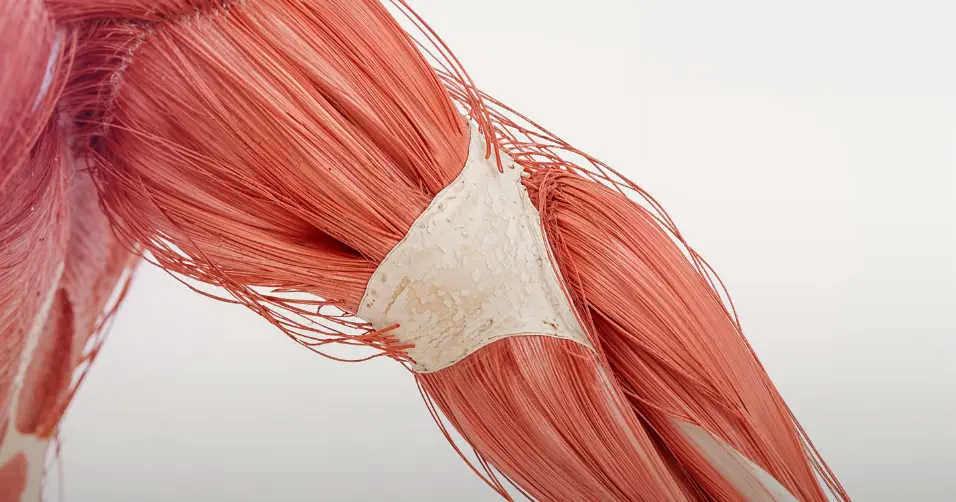
DOMS (Delayed Onset Muscle Soreness) is the muscle pain and stiffness experienced after unaccustomed or intense exercise, reflecting the process of muscle repair and adaptation.

This article is educational and not intended to diagnose, treat, or suggest any specific intervention, and should not replace qualified medical advice.
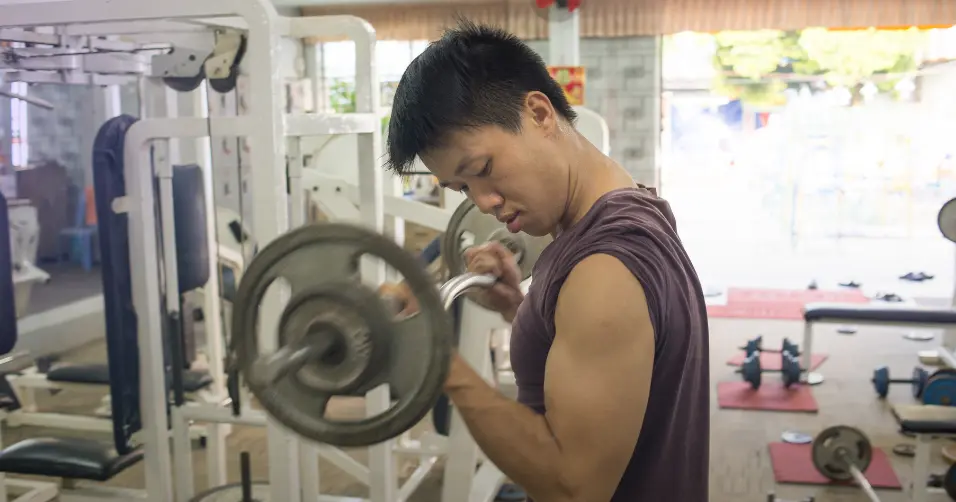

DOMS is muscle soreness occurring 24–48 hours after intense exercise.

How to Prevent DOMS?

DOMS (delayed onset muscle soreness) can be managed with active recovery, hydration, and gentle stretching.

Managing DOMS (delayed onset muscle soreness) involves balancing training load with recovery strategies. DOMS happens after unfamiliar or intense exercise, especially involving eccentric movements like downhill running. Gentle movement and stretching reduce stiffness by increasing blood flow. Adequate sleep and protein intake help the muscles repair more effectively. Gradual progression in training lowers the severity of DOMS over time.

  • Active recovery, such as light cycling or walking, helps relieve soreness by improving circulation.

  • Gradually increasing training intensity prevents overwhelming muscle damage that worsens DOMS.

  • Protein-rich meals support muscle repair, making soreness less intense and shorter-lasting.

  • Sleep is when muscle rebuilding peaks, so poor rest prolongs soreness and delays recovery.

Managing DOMS (delayed onset muscle soreness) involves balancing training load with recovery strategies. DOMS happens after unfamiliar or intense exercise, especially involving eccentric movements like downhill running. Gentle movement and stretching reduce stiffness by increasing blood flow. Adequate sleep and protein intake help the muscles repair more effectively. Gradual progression in training lowers the severity of DOMS over time.

  • Active recovery, such as light cycling or walking, helps relieve soreness by improving circulation.

  • Gradually increasing training intensity prevents overwhelming muscle damage that worsens DOMS.

  • Protein-rich meals support muscle repair, making soreness less intense and shorter-lasting.

  • Sleep is when muscle rebuilding peaks, so poor rest prolongs soreness and delays recovery.

What Is DOMS?

DOMS – Delayed Onset Muscle Soreness is muscle pain felt after new or intense exercise.

DOMS, or delayed onset muscle soreness, is the muscle pain that develops 12–48 hours after intense or unfamiliar exercise. It happens due to tiny tears in muscle fibers and the resulting inflammation. The soreness usually peaks within two days and fades in less than a week. Light activity, stretching, and proper rest can help ease discomfort. While uncomfortable, DOMS is a normal part of muscle adaptation and growth.

  • Cause: Small muscle fiber damage and inflammation trigger soreness.

  • Timing: Symptoms appear hours after exercise, not immediately.

  • Relief: Gentle movement and recovery methods reduce discomfort.

  • Adaptation: Muscles become stronger and more resistant after recovery.

DOMS, or delayed onset muscle soreness, is the muscle pain that develops 12–48 hours after intense or unfamiliar exercise. It happens due to tiny tears in muscle fibers and the resulting inflammation. The soreness usually peaks within two days and fades in less than a week. Light activity, stretching, and proper rest can help ease discomfort. While uncomfortable, DOMS is a normal part of muscle adaptation and growth.

  • Cause: Small muscle fiber damage and inflammation trigger soreness.

  • Timing: Symptoms appear hours after exercise, not immediately.

  • Relief: Gentle movement and recovery methods reduce discomfort.

  • Adaptation: Muscles become stronger and more resistant after recovery.

How Does DOMS Impact Your Health?

DOMS impacts health by causing short-term soreness, which can reduce activity if recovery is poor.

DOMS impacts health mainly by signaling muscle adaptation but also by temporarily reducing performance. While soreness shows that muscles are repairing, it can limit movement for several days. Severe or repeated DOMS without recovery increases risk of overtraining and injury. For athletes, it may interfere with consistent training if not managed well. When balanced, DOMS indicates progress, but chronic soreness suggests overload.

  • Mild DOMS promotes stronger muscles as tissues repair after stress.

  • Excessive soreness reduces range of motion, making everyday tasks uncomfortable.

  • Frequent DOMS without rest may lead to chronic inflammation and training plateaus.

  • Monitoring soreness helps guide training intensity and prevent overuse injuries.

DOMS impacts health mainly by signaling muscle adaptation but also by temporarily reducing performance. While soreness shows that muscles are repairing, it can limit movement for several days. Severe or repeated DOMS without recovery increases risk of overtraining and injury. For athletes, it may interfere with consistent training if not managed well. When balanced, DOMS indicates progress, but chronic soreness suggests overload.

  • Mild DOMS promotes stronger muscles as tissues repair after stress.

  • Excessive soreness reduces range of motion, making everyday tasks uncomfortable.

  • Frequent DOMS without rest may lead to chronic inflammation and training plateaus.

  • Monitoring soreness helps guide training intensity and prevent overuse injuries.

What We Often Get Wrong About DOMS?

DOMS – Delayed Onset Muscle Soreness is often thought to mean muscle damage, but it mainly comes from inflammation and microscopic repair.

A common misconception about DOMS is that more soreness equals better progress. While mild soreness signals adaptation, extreme soreness can indicate overtraining or injury. Another myth is that lactic acid causes DOMS, but soreness is due to tiny muscle fiber damage, not acid buildup. Some think DOMS is necessary for muscle growth, but progress can occur without noticeable soreness. Believing soreness equals success may push people into harmful training habits.

  • Lactic acid clears quickly after exercise, so it is not the cause of next-day soreness.

  • Severe soreness can hinder training consistency and increase injury risk.

  • Muscle growth is possible even without DOMS, especially in experienced athletes.

  • Equating soreness with progress encourages unsafe training loads and poor recovery practices.

A common misconception about DOMS is that more soreness equals better progress. While mild soreness signals adaptation, extreme soreness can indicate overtraining or injury. Another myth is that lactic acid causes DOMS, but soreness is due to tiny muscle fiber damage, not acid buildup. Some think DOMS is necessary for muscle growth, but progress can occur without noticeable soreness. Believing soreness equals success may push people into harmful training habits.

  • Lactic acid clears quickly after exercise, so it is not the cause of next-day soreness.

  • Severe soreness can hinder training consistency and increase injury risk.

  • Muscle growth is possible even without DOMS, especially in experienced athletes.

  • Equating soreness with progress encourages unsafe training loads and poor recovery practices.

Key DOMS Indicators You May Want to Track

Key DOMS indicators are soreness onset after 24–48 hours, reduced muscle function, and stiffness.

Key DOMS indicators include soreness intensity, duration, training history, and mobility changes. Mild soreness lasting 1–3 days suggests normal adaptation. Pain that lingers longer may show overtraining or minor injury. Training progression patterns reveal if DOMS is expected or excessive. Limited mobility and stiffness highlight the functional impact of soreness.

  • Soreness intensity helps distinguish between normal adaptation and excessive strain.

  • Duration beyond three days often points to poor recovery or injury risk.

  • Tracking training load clarifies if DOMS matches exercise intensity or volume.

  • Mobility restrictions show how DOMS interferes with daily function or performance.

Key DOMS indicators include soreness intensity, duration, training history, and mobility changes. Mild soreness lasting 1–3 days suggests normal adaptation. Pain that lingers longer may show overtraining or minor injury. Training progression patterns reveal if DOMS is expected or excessive. Limited mobility and stiffness highlight the functional impact of soreness.

  • Soreness intensity helps distinguish between normal adaptation and excessive strain.

  • Duration beyond three days often points to poor recovery or injury risk.

  • Tracking training load clarifies if DOMS matches exercise intensity or volume.

  • Mobility restrictions show how DOMS interferes with daily function or performance.

What Causes Changes in DOMS?

Changes in DOMS are caused by workout intensity, novelty of exercise, and recovery practices.

Changes in DOMS are caused by exercise intensity, type of movement, training history, and recovery methods. Eccentric movements, where muscles lengthen under load, cause more soreness. Higher intensity or new exercises trigger stronger DOMS. Beginners often feel more soreness than trained individuals. Proper recovery methods like stretching and rest reduce severity and duration.

  • Eccentric-focused training such as downhill running drives higher DOMS.

  • Unfamiliar or intense sessions spark more soreness compared to routine workouts.

  • Beginners experience greater DOMS due to lack of muscle adaptation.

  • Active recovery and good sleep lower soreness length and intensity.

Changes in DOMS are caused by exercise intensity, type of movement, training history, and recovery methods. Eccentric movements, where muscles lengthen under load, cause more soreness. Higher intensity or new exercises trigger stronger DOMS. Beginners often feel more soreness than trained individuals. Proper recovery methods like stretching and rest reduce severity and duration.

  • Eccentric-focused training such as downhill running drives higher DOMS.

  • Unfamiliar or intense sessions spark more soreness compared to routine workouts.

  • Beginners experience greater DOMS due to lack of muscle adaptation.

  • Active recovery and good sleep lower soreness length and intensity.

Does DOMS Relate to Longevity?

DOMS has little direct link to longevity, but excessive soreness may reduce consistent activity over time.

DOMS relates to longevity by influencing activity levels and long-term exercise adherence. Mild soreness signals adaptation and supports muscle strength gains. Excessive soreness may discourage activity, limiting exercise benefits over time. Staying active is critical for cardiovascular and bone health across lifespan. Managing DOMS well supports sustainable exercise, which extends healthy years.

  • Mild DOMS encourages adaptation that strengthens muscles for aging well.

  • Excess soreness reduces motivation, threatening long-term activity habits.

  • Consistent exercise supported by DOMS management benefits heart and bone health.

  • Sustainable training with controlled soreness promotes resilience into older years.

DOMS relates to longevity by influencing activity levels and long-term exercise adherence. Mild soreness signals adaptation and supports muscle strength gains. Excessive soreness may discourage activity, limiting exercise benefits over time. Staying active is critical for cardiovascular and bone health across lifespan. Managing DOMS well supports sustainable exercise, which extends healthy years.

  • Mild DOMS encourages adaptation that strengthens muscles for aging well.

  • Excess soreness reduces motivation, threatening long-term activity habits.

  • Consistent exercise supported by DOMS management benefits heart and bone health.

  • Sustainable training with controlled soreness promotes resilience into older years.

What Can Go Wrong With DOMS?

With DOMS, what can go wrong is excessive soreness that limits training frequency and quality.

When DOMS goes wrong, soreness becomes excessive or chronic, limiting activity. Severe DOMS can mask minor injuries or discourage exercise altogether. Repeated poor recovery leads to overtraining and joint stress. Excessive soreness reduces performance and delays training consistency. Instead of signaling growth, extreme DOMS harms long-term progress.

  • Severe soreness masks injuries that may worsen without rest.

  • Excess DOMS reduces mobility, interfering with daily function.

  • Poor recovery practices turn normal soreness into chronic inflammation.

  • Training consistency breaks down when soreness becomes overwhelming.

When DOMS goes wrong, soreness becomes excessive or chronic, limiting activity. Severe DOMS can mask minor injuries or discourage exercise altogether. Repeated poor recovery leads to overtraining and joint stress. Excessive soreness reduces performance and delays training consistency. Instead of signaling growth, extreme DOMS harms long-term progress.

  • Severe soreness masks injuries that may worsen without rest.

  • Excess DOMS reduces mobility, interfering with daily function.

  • Poor recovery practices turn normal soreness into chronic inflammation.

  • Training consistency breaks down when soreness becomes overwhelming.

How Does DOMS Vary With Age?

DOMS varies with age as soreness may last longer due to slower muscle repair.

DOMS varies with age because muscle recovery changes over time. Younger people often recover faster, with soreness resolving quickly. Middle-aged adults may feel DOMS more strongly due to slower repair. Older adults experience longer-lasting soreness as muscle regeneration declines. Proper recovery becomes more important with age to avoid prolonged discomfort.

  • Youthful recovery reduces soreness duration after exercise.

  • Middle age brings slower repair, making DOMS more noticeable.

  • Older adults face extended soreness periods due to weaker regeneration.

  • Active recovery and protein support are more critical in later years.

DOMS varies with age because muscle recovery changes over time. Younger people often recover faster, with soreness resolving quickly. Middle-aged adults may feel DOMS more strongly due to slower repair. Older adults experience longer-lasting soreness as muscle regeneration declines. Proper recovery becomes more important with age to avoid prolonged discomfort.

  • Youthful recovery reduces soreness duration after exercise.

  • Middle age brings slower repair, making DOMS more noticeable.

  • Older adults face extended soreness periods due to weaker regeneration.

  • Active recovery and protein support are more critical in later years.

How Does Your Lifestyle Affect DOMS?

Lifestyle affects DOMS through warm-up, recovery choices, and training frequency.

Lifestyle affects DOMS through training choices, recovery, and sleep habits. Rapid increases in training load cause stronger soreness. Active recovery methods reduce stiffness and promote faster healing. Poor sleep prolongs soreness by delaying repair processes. Balanced training schedules keep DOMS manageable while supporting progress.

  • Sudden training intensity spikes cause more severe DOMS episodes.

  • Active recovery boosts circulation, easing soreness more quickly.

  • Sleep quality determines how effectively muscles repair after strain.

  • Structured training prevents DOMS from becoming chronic or disruptive.

Lifestyle affects DOMS through training choices, recovery, and sleep habits. Rapid increases in training load cause stronger soreness. Active recovery methods reduce stiffness and promote faster healing. Poor sleep prolongs soreness by delaying repair processes. Balanced training schedules keep DOMS manageable while supporting progress.

  • Sudden training intensity spikes cause more severe DOMS episodes.

  • Active recovery boosts circulation, easing soreness more quickly.

  • Sleep quality determines how effectively muscles repair after strain.

  • Structured training prevents DOMS from becoming chronic or disruptive.

How Does Nutrition Impact DOMS?

Nutrition impacts DOMS by protein, omega-3 fats, and antioxidants for muscle recovery.

Nutrition impacts DOMS by providing nutrients for repair and recovery. Protein supplies amino acids for muscle rebuilding. Antioxidants from fruits and vegetables reduce excess inflammation. Omega-3 fats help manage soreness by lowering inflammatory pathways. Poor nutrition delays healing and prolongs soreness duration.

  • Protein-rich meals speed up repair of exercise-induced muscle damage.

  • Antioxidant foods like berries reduce oxidative stress in sore muscles.

  • Omega-3 fats calm inflammation, making soreness less severe.

  • Lack of key nutrients prolongs soreness and delays recovery.

Nutrition impacts DOMS by providing nutrients for repair and recovery. Protein supplies amino acids for muscle rebuilding. Antioxidants from fruits and vegetables reduce excess inflammation. Omega-3 fats help manage soreness by lowering inflammatory pathways. Poor nutrition delays healing and prolongs soreness duration.

  • Protein-rich meals speed up repair of exercise-induced muscle damage.

  • Antioxidant foods like berries reduce oxidative stress in sore muscles.

  • Omega-3 fats calm inflammation, making soreness less severe.

  • Lack of key nutrients prolongs soreness and delays recovery.

What Supplements May Aid DOMS?

Supplements that may aid DOMS are omega-3 fatty acids, tart cherry, and curcumin.

Supplements that may aid DOMS recovery include protein, omega-3 fats, and antioxidants. Protein helps rebuild muscle tissue damaged during exercise. Omega-3 fats reduce soreness by lowering inflammation in muscle tissue. Antioxidants like vitamin C and E may reduce excess oxidative stress. These supplements work best with active recovery and proper sleep.

  • Protein shakes supply amino acids for faster repair of microtears in muscle.

  • Omega-3s ease muscle soreness through anti-inflammatory effects.

  • Antioxidant vitamins help manage oxidative stress linked to soreness.

  • Active recovery and rest remain the strongest DOMS management tools.

Supplements that may aid DOMS recovery include protein, omega-3 fats, and antioxidants. Protein helps rebuild muscle tissue damaged during exercise. Omega-3 fats reduce soreness by lowering inflammation in muscle tissue. Antioxidants like vitamin C and E may reduce excess oxidative stress. These supplements work best with active recovery and proper sleep.

  • Protein shakes supply amino acids for faster repair of microtears in muscle.

  • Omega-3s ease muscle soreness through anti-inflammatory effects.

  • Antioxidant vitamins help manage oxidative stress linked to soreness.

  • Active recovery and rest remain the strongest DOMS management tools.

Can Fasting Impact DOMS?

Fasting can reduce DOMS inflammation for some, but may slow recovery if protein is lacking.

Fasting can reduce DOMS by lowering inflammation and supporting repair processes. During fasting, autophagy helps remove damaged cell parts after exercise. Lower insulin and blood sugar may also reduce excess swelling in sore muscles. However, very long fasting without nutrients delays muscle rebuilding. Pairing fasting with recovery nutrition ensures soreness reduction without harming repair.

  • Autophagy during fasting clears damaged muscle components efficiently.

  • Lower insulin reduces inflammation linked to muscle soreness.

  • Prolonged fasting without protein slows muscle repair, worsening DOMS.

  • Balanced meals post-fast restore nutrients needed for recovery.

Fasting can reduce DOMS by lowering inflammation and supporting repair processes. During fasting, autophagy helps remove damaged cell parts after exercise. Lower insulin and blood sugar may also reduce excess swelling in sore muscles. However, very long fasting without nutrients delays muscle rebuilding. Pairing fasting with recovery nutrition ensures soreness reduction without harming repair.

  • Autophagy during fasting clears damaged muscle components efficiently.

  • Lower insulin reduces inflammation linked to muscle soreness.

  • Prolonged fasting without protein slows muscle repair, worsening DOMS.

  • Balanced meals post-fast restore nutrients needed for recovery.

How Your Workout Regimen Affects DOMS?

Your workout regimen affects DOMS by making it more common with new exercises but less with adaptation.

Your workout regimen affects DOMS by determining soreness intensity and recovery speed. Sudden increases in workout intensity or new exercises worsen DOMS. Gradual progression keeps soreness manageable and short-lived. Active recovery and stretching reduce stiffness after hard sessions. Well-planned training prevents DOMS from interfering with consistency.

  • Unfamiliar or intense workouts increase DOMS severity significantly.

  • Gradual training progression limits soreness and speeds recovery.

  • Active recovery improves circulation, easing DOMS discomfort.

  • Planned rest days prevent chronic soreness from overwhelming adaptation.

Your workout regimen affects DOMS by determining soreness intensity and recovery speed. Sudden increases in workout intensity or new exercises worsen DOMS. Gradual progression keeps soreness manageable and short-lived. Active recovery and stretching reduce stiffness after hard sessions. Well-planned training prevents DOMS from interfering with consistency.

  • Unfamiliar or intense workouts increase DOMS severity significantly.

  • Gradual training progression limits soreness and speeds recovery.

  • Active recovery improves circulation, easing DOMS discomfort.

  • Planned rest days prevent chronic soreness from overwhelming adaptation.

What's the Latest Research on DOMS?

Latest research on DOMS indicates that omega-3 supplements reduce soreness without blocking adaptation.

The latest research on DOMS investigates recovery strategies and cellular mechanisms. Studies show eccentric exercise causes most soreness through muscle fiber damage. Research highlights protein intake and sleep as top recovery aids. Anti-inflammatory nutrients like omega-3s are being studied to reduce soreness duration. Trials also explore how genetics influence individual DOMS sensitivity.

  • Eccentric-focused training is confirmed as the main driver of DOMS.

  • Protein-rich diets and quality sleep accelerate muscle recovery.

  • Omega-3 supplementation is being tested for DOMS inflammation control.

  • Genetic studies reveal some people are naturally more prone to DOMS.

The latest research on DOMS investigates recovery strategies and cellular mechanisms. Studies show eccentric exercise causes most soreness through muscle fiber damage. Research highlights protein intake and sleep as top recovery aids. Anti-inflammatory nutrients like omega-3s are being studied to reduce soreness duration. Trials also explore how genetics influence individual DOMS sensitivity.

  • Eccentric-focused training is confirmed as the main driver of DOMS.

  • Protein-rich diets and quality sleep accelerate muscle recovery.

  • Omega-3 supplementation is being tested for DOMS inflammation control.

  • Genetic studies reveal some people are naturally more prone to DOMS.

What Does Being Sore Mean?

Being sore means muscles are experiencing delayed-onset muscle soreness (DOMS), a normal pain from small muscle fiber tears after exercise.

Being sore after exercise usually means microscopic muscle damage from training. This process, called delayed onset muscle soreness (DOMS), signals muscle adaptation and repair. It’s common after new or intense workouts. Mild soreness indicates effective stimulation, while excessive pain may mean overtraining. Proper rest, hydration, and nutrition help recovery.

  • DOMS typically peaks 24–72 hours after intense physical activity.

  • Stretching, light movement, and protein intake accelerate recovery.

  • Chronic soreness may suggest inadequate rest between sessions.

  • Muscle repair during soreness leads to strength and growth improvements.

Being sore after exercise usually means microscopic muscle damage from training. This process, called delayed onset muscle soreness (DOMS), signals muscle adaptation and repair. It’s common after new or intense workouts. Mild soreness indicates effective stimulation, while excessive pain may mean overtraining. Proper rest, hydration, and nutrition help recovery.

  • DOMS typically peaks 24–72 hours after intense physical activity.

  • Stretching, light movement, and protein intake accelerate recovery.

  • Chronic soreness may suggest inadequate rest between sessions.

  • Muscle repair during soreness leads to strength and growth improvements.

How Does DOMS Relate to Betaine?

DOMS meaning delayed-onset muscle soreness relates to betaine with unclear evidence.

DOMS relates to betaine through betaine’s possible role in easing muscle stress after training. DOMS is delayed soreness caused by micro-damage and inflammation. Betaine may help support normal cellular hydration, which can influence muscle comfort. Its effects appear mild and indirect. Training load and rest remain primary for recovery.

  • Supports fluid balance in muscle cells, which can affect how they handle stress.

  • May aid methylation processes that support general tissue repair.

  • Does not directly prevent soreness but may help overall recovery environment.

  • Works best with full nutrition including protein and rest.


DOMS relates to betaine through betaine’s possible role in easing muscle stress after training. DOMS is delayed soreness caused by micro-damage and inflammation. Betaine may help support normal cellular hydration, which can influence muscle comfort. Its effects appear mild and indirect. Training load and rest remain primary for recovery.

  • Supports fluid balance in muscle cells, which can affect how they handle stress.

  • May aid methylation processes that support general tissue repair.

  • Does not directly prevent soreness but may help overall recovery environment.

  • Works best with full nutrition including protein and rest.


Does Curcumin Ease Soreness?

Curcumin might ease soreness by reducing oxidative stress, meaning damage from unstable molecules called free radicals.

Curcumin may help ease general soreness by affecting inflammation-related signals. Its benefits appear mild and may take time. It is often used after exercise. Absorption varies and can change results. Human evidence is mixed and individual responses differ.

  • Exercise-related soreness may feel lighter due to reduced inflammatory signaling.

  • Antioxidant support helps counter stress from physical activity.

  • Muscle recovery comfort may improve when swelling pathways calm slightly.


Curcumin may help ease general soreness by affecting inflammation-related signals. Its benefits appear mild and may take time. It is often used after exercise. Absorption varies and can change results. Human evidence is mixed and individual responses differ.

  • Exercise-related soreness may feel lighter due to reduced inflammatory signaling.

  • Antioxidant support helps counter stress from physical activity.

  • Muscle recovery comfort may improve when swelling pathways calm slightly.


Do Prebiotics Support Gut Health?

Prebiotics support gut health by feeding beneficial bacteria that maintain intestinal balance.

Prebiotics support gut health by feeding beneficial bacteria in the colon. These bacteria produce short-chain fatty acids that strengthen the gut lining. Better microbial balance can reduce inflammation. Prebiotics help maintain regularity and comfort. Effects depend on fiber type and tolerance.

  • Bacterial fuel: Prebiotics nourish helpful microbes.

  • Gut barrier: Short-chain fatty acids support lining strength.

  • Inflammation control: Balanced microbes reduce irritation.

  • Digestive rhythm: Improved motility supports regularity.


Prebiotics support gut health by feeding beneficial bacteria in the colon. These bacteria produce short-chain fatty acids that strengthen the gut lining. Better microbial balance can reduce inflammation. Prebiotics help maintain regularity and comfort. Effects depend on fiber type and tolerance.

  • Bacterial fuel: Prebiotics nourish helpful microbes.

  • Gut barrier: Short-chain fatty acids support lining strength.

  • Inflammation control: Balanced microbes reduce irritation.

  • Digestive rhythm: Improved motility supports regularity.


Do Omega-3s Reduce Muscle Soreness?

Omega-3s may reduce muscle soreness through anti-inflammatory effects after training.

Omega-3s may help reduce muscle soreness by supporting the body’s normal inflammation response. They influence fatty acid balance in cell membranes. This can help muscles feel more comfortable after exercise. The effect varies among individuals. Their role is supportive rather than performance-specific.

  • Membrane balance influences soreness perception.

  • Inflammation modulation supports normal recovery processes.

  • Dietary intake complements training routines.

  • Individual response affects the outcome.


Omega-3s may help reduce muscle soreness by supporting the body’s normal inflammation response. They influence fatty acid balance in cell membranes. This can help muscles feel more comfortable after exercise. The effect varies among individuals. Their role is supportive rather than performance-specific.

  • Membrane balance influences soreness perception.

  • Inflammation modulation supports normal recovery processes.

  • Dietary intake complements training routines.

  • Individual response affects the outcome.


Does Recovery Reduce Muscle Soreness?

Recovery reduces muscle soreness by clearing waste and repairing tissue.

Recovery reduces muscle soreness by allowing damaged fibers to repair. This repair process includes inflammation, which is a short-term immune response. Adequate rest lowers tension in stressed tissue. Good sleep supports the release of growth-related hormones. Hydration supports circulation, which helps nutrients reach recovering muscles.

  • Muscle repair time eases soreness as microtears close. This process helps tissue stabilize.

  • Reduced stiffness appears when connective tissue settles after rest. Joints often feel smoother during movement.

  • Improved circulation supports removal of metabolic byproducts like lactate. Better circulation improves comfort after training.

  • Sleep support strengthens overnight recovery cycles. This helps soreness fade more consistently.

Recovery reduces muscle soreness by allowing damaged fibers to repair. This repair process includes inflammation, which is a short-term immune response. Adequate rest lowers tension in stressed tissue. Good sleep supports the release of growth-related hormones. Hydration supports circulation, which helps nutrients reach recovering muscles.

  • Muscle repair time eases soreness as microtears close. This process helps tissue stabilize.

  • Reduced stiffness appears when connective tissue settles after rest. Joints often feel smoother during movement.

  • Improved circulation supports removal of metabolic byproducts like lactate. Better circulation improves comfort after training.

  • Sleep support strengthens overnight recovery cycles. This helps soreness fade more consistently.

Medical Disclaimer: All content on this website is intended solely for informational and educational purposes and should not be interpreted as a substitute for professional medical advice, diagnosis, or treatment, nor as encouragement or promotion for or against any particular use, product, or activity. Results may vary and are not guaranteed. No doctor–patient relationship is created by your use of this content. Always consult a qualified healthcare provider, nutritionist, or other relevant expert before starting or changing any supplement, diet, exercise, or lifestyle program. This website can contain errors. Check important information. Read our full Disclaimer.

StatusTerms of ServicePrivacy PolicyDisclaimerAbout Myopedia.

©2025 Myopedia™. All rights reserved.

Medical Disclaimer: All content on this website is intended solely for informational and educational purposes and should not be interpreted as a substitute for professional medical advice, diagnosis, or treatment, nor as encouragement or promotion for or against any particular use, product, or activity. Results may vary and are not guaranteed. No doctor–patient relationship is created by your use of this content. Always consult a qualified healthcare provider, nutritionist, or other relevant expert before starting or changing any supplement, diet, exercise, or lifestyle program. This website can contain errors. Check important information. Read our full Disclaimer.

StatusTerms of ServicePrivacy PolicyDisclaimerAbout Myopedia.

©2025 Myopedia™. All rights reserved.

Medical Disclaimer: All content on this website is intended solely for informational and educational purposes and should not be interpreted as a substitute for professional medical advice, diagnosis, or treatment, nor as encouragement or promotion for or against any particular use, product, or activity. Results may vary and are not guaranteed. No doctor–patient relationship is created by your use of this content. Always consult a qualified healthcare provider, nutritionist, or other relevant expert before starting or changing any supplement, diet, exercise, or lifestyle program. This website can contain errors. Check important information. Read our full Disclaimer.

StatusTerms of ServicePrivacy PolicyDisclaimerAbout Myopedia.

©2025 Myopedia™. All rights reserved.