Eye Health
A Comprehensive Guide to Eye Health
Eye Health is the condition of maintaining clear vision and protecting the eyes from damage through proper nutrition and healthy lifestyle choices.
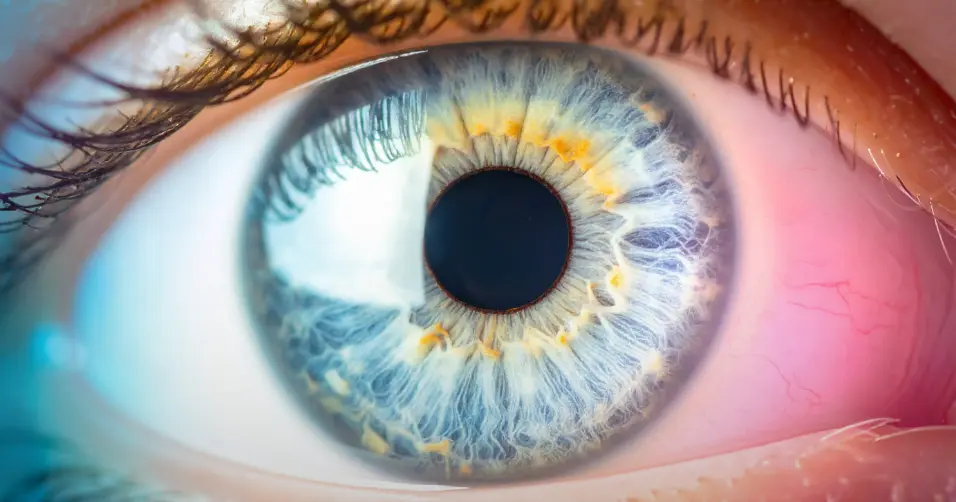
Regular eye checkups are super important, even if your vision seems fine. They help catch problems early.
Protecting your eyes from the sun with sunglasses and from injuries with safety glasses is a must.
What you eat matters for your eyes! Think leafy greens, fish, and fruits.
Screen time can be tough on your eyes, so remember to take breaks using the 20-20-20 rule.
If you notice sudden vision changes, pain, or other odd symptoms, don't wait – see an eye doctor right away.
This article is educational and not intended to diagnose, treat, or suggest any specific intervention, and should not replace qualified medical advice.






Understanding Your Eye Health
Why Eye Care Matters
Our eyes are pretty amazing, aren't they? They let us see the world, from the big picture down to the tiniest details. But because we use them all the time, it's easy to forget they need looking after, just like any other part of our body. Good eye care isn't just about having clear vision today; it's about protecting that vision for the future. Some eye problems can sneak up on you, showing no signs until they've already caused damage. That's why regular check-ups are so important. They're like a detective for your eyes, spotting potential issues early before they become big problems. Think of it as preventative maintenance for your sight.
Recognizing Common Threats to Vision
Several things can put your eyes at risk. For starters, as we get older, conditions like cataracts (when the lens gets cloudy) and glaucoma (which can damage the optic nerve) become more common. These can really affect how well you see. Diabetes is another big one; high blood sugar can mess with the small blood vessels in your eyes, leading to diabetic retinopathy. And then there's age-related macular degeneration, which impacts your central vision. It's not just about age or specific diseases, though. Things like spending too much time looking at screens can lead to tired, dry eyes. Even simple habits, like rubbing your eyes too much, can introduce germs or cause irritation. Being aware of these common threats is the first step in keeping your eyes healthy.
The Link Between Overall Health and Eye Health
It might surprise you, but your eyes can actually give clues about your general health. Conditions like diabetes and high blood pressure often show up in the eyes first. An eye doctor might spot changes in the blood vessels at the back of your eye that could indicate these underlying issues. So, when you go for an eye exam, it's not just about your vision prescription; it's also a check on your overall well-being. Taking care of your body through a healthy diet and regular exercise can also benefit your eyes. It's all connected, really. Keeping your whole body healthy is a big part of keeping your eyes healthy too.
Daily Habits for Optimal Eye Health
Taking care of your eyes doesn't always require a doctor's visit. Many simple, everyday actions can make a big difference in keeping your vision sharp and your eyes comfortable. It's about building good habits that protect your sight over the long haul.
Protecting Eyes from Sun Exposure
Think of your eyes like your skin – they need protection from the sun's rays. Prolonged exposure to ultraviolet (UV) radiation can contribute to serious eye issues down the road, like cataracts and age-related macular degeneration. The best defense? Always wear sunglasses when you're outside. Make sure they block 99% to 100% of both UVA and UVB rays. This applies even on cloudy days, as UV rays can still penetrate the clouds.
Reducing Digital Eye Strain
We spend a lot of time looking at screens these days, and our eyes can feel it. Staring at computers, phones, and tablets for hours can lead to dryness, fatigue, and blurry vision. A simple trick to combat this is the 20-20-20 rule: every 20 minutes, take a break to look at something about 20 feet away for at least 20 seconds. This gives your eye muscles a chance to relax. Also, try to blink more often; it helps keep your eyes moist.
Preventing Eye Injuries with Protective Eyewear
Accidents happen, and sometimes they involve our eyes. Whether you're doing some DIY home repairs, working with tools, or playing sports, wearing the right protective eyewear is a must. Standard safety glasses or goggles can prevent serious injuries that might otherwise lead to vision loss. Don't underestimate the need for this simple precaution.
Avoiding Harmful Habits Like Rubbing Eyes
It's a natural reflex to rub your eyes when they feel itchy or tired, but it's a habit best avoided. Your hands can carry dirt and germs, and rubbing can introduce these into your eyes, potentially causing irritation or even infection. If your eyes feel uncomfortable, try using lubricating eye drops or a cool compress instead.
Nutrition and Lifestyle for Vision
What you eat and how you live your life really does make a difference for your eyes. It’s not just about popping vitamins; it’s a whole picture.
Dietary Choices Supporting Eye Health
Think of your diet as fuel for your eyes. Certain nutrients are particularly helpful. Dark leafy greens like spinach and kale are packed with lutein and zeaxanthin. These compounds are like little shields for your eyes, helping to protect them from sunlight damage and potentially lowering the risk of age-related eye issues. Fatty fish, such as salmon and tuna, are great sources of omega-3 fatty acids. These fats are important for the health of your retina and can help with dry eyes. Other good choices include eggs, oranges, and sweet potatoes, which provide vitamins and minerals that keep your eyes functioning well.
Maintaining a Healthy Weight
Carrying extra weight isn't just about how you look; it can seriously impact your health, including your eyes. Being overweight or obese increases your chances of developing conditions like diabetes and high blood pressure. Both of these can lead to significant eye problems, like diabetic retinopathy, which damages the blood vessels in your eyes and can cause vision loss. Keeping your weight in a healthy range is a proactive step for your overall well-being and your eyesight.
The Impact of Smoking on Vision
If you smoke, quitting is one of the best things you can do for your eyes. Smoking introduces toxins into your body that can harm the delicate tissues in your eyes. It's linked to a higher risk of developing serious eye conditions such as cataracts, glaucoma, and age-related macular degeneration. The damage isn't always immediate, but over time, smoking can steadily degrade your vision.
Benefits of Regular Physical Activity
Getting regular exercise is another key piece of the puzzle. Physical activity helps manage conditions like diabetes, high blood pressure, and high cholesterol, all of which can negatively affect your eyes. When these health issues are under control, your eyes are less likely to suffer damage to their blood vessels. Plus, staying active generally contributes to better circulation throughout your body, which is good for your eyes too. Aim for a mix of activities that get your heart rate up and help you stay flexible.
When to Seek Professional Eye Care
Most of the time, our eyes just do their thing without us thinking much about them. But sometimes, things happen that mean you really should get them checked out by a professional, and not just wait for your next scheduled appointment. It’s like when your car starts making a weird noise; you don’t just ignore it, right? Your eyes are way more important.
Recognizing Urgent Symptoms
There are definitely signs that your eyes need immediate attention. If you suddenly notice your vision is blurry, or if you've lost some vision, that's a big one. Also, if you're experiencing ongoing pain or pressure in your eyes, don't brush it off. Some people see flashes of light, or new floaters (those little specks that drift around), or even a shadow creeping into their vision. These could be signs of something serious. Redness, swelling, or any unusual discharge from your eye also warrants a call to the doctor. And if you're suddenly having a lot more trouble seeing at night, that's another flag.
Importance of Regular Dilated Eye Exams
Beyond those urgent issues, regular checkups are key. A dilated eye exam is super important because it lets the doctor see the back of your eye, where a lot of problems can start without you even knowing. Think of it like this:
For most adults under 60 with no specific risk factors: A dilated exam every one to two years is a good idea.
If you're over 60: Your risk for conditions like cataracts and macular degeneration goes up, so yearly exams are recommended.
If you have diabetes or high blood pressure: These conditions can seriously affect your eyes, so you'll likely need an exam every year. Your doctor will tell you exactly how often.
If you're African American and over 40: You have a higher risk for glaucoma, so more frequent exams are advised.
How Does Astaxanthin Protect Eyes?
Astaxanthin protects eyes by reducing oxidative stress, meaning oxygen-related cell damage, in light-exposed tissues.
Astaxanthin supports eyes by helping protect the retina from oxidative stress. The retina is a thin layer that senses light and is sensitive to damage. Its antioxidant activity may help keep retinal cells stable under bright light exposure. Some studies note support for eye comfort during screen use. Benefits appear gentle and take time to develop.
Protects retinal lipids which are fatty structures vulnerable to light-induced oxidation; this may help maintain clarity.
May ease eye fatigue during prolonged digital work; effects are usually mild.
Supports blood flow around the eye in some research; this may support nutrient delivery.
Works with other carotenoids but each has a unique role in the eye; astaxanthin mainly helps with oxidative balance.
Understanding Your Eye Health
Why Eye Care Matters
Our eyes are pretty amazing, aren't they? They let us see the world, from the big picture down to the tiniest details. But because we use them all the time, it's easy to forget they need looking after, just like any other part of our body. Good eye care isn't just about having clear vision today; it's about protecting that vision for the future. Some eye problems can sneak up on you, showing no signs until they've already caused damage. That's why regular check-ups are so important. They're like a detective for your eyes, spotting potential issues early before they become big problems. Think of it as preventative maintenance for your sight.
Recognizing Common Threats to Vision
Several things can put your eyes at risk. For starters, as we get older, conditions like cataracts (when the lens gets cloudy) and glaucoma (which can damage the optic nerve) become more common. These can really affect how well you see. Diabetes is another big one; high blood sugar can mess with the small blood vessels in your eyes, leading to diabetic retinopathy. And then there's age-related macular degeneration, which impacts your central vision. It's not just about age or specific diseases, though. Things like spending too much time looking at screens can lead to tired, dry eyes. Even simple habits, like rubbing your eyes too much, can introduce germs or cause irritation. Being aware of these common threats is the first step in keeping your eyes healthy.
The Link Between Overall Health and Eye Health
It might surprise you, but your eyes can actually give clues about your general health. Conditions like diabetes and high blood pressure often show up in the eyes first. An eye doctor might spot changes in the blood vessels at the back of your eye that could indicate these underlying issues. So, when you go for an eye exam, it's not just about your vision prescription; it's also a check on your overall well-being. Taking care of your body through a healthy diet and regular exercise can also benefit your eyes. It's all connected, really. Keeping your whole body healthy is a big part of keeping your eyes healthy too.
Daily Habits for Optimal Eye Health
Taking care of your eyes doesn't always require a doctor's visit. Many simple, everyday actions can make a big difference in keeping your vision sharp and your eyes comfortable. It's about building good habits that protect your sight over the long haul.
Protecting Eyes from Sun Exposure
Think of your eyes like your skin – they need protection from the sun's rays. Prolonged exposure to ultraviolet (UV) radiation can contribute to serious eye issues down the road, like cataracts and age-related macular degeneration. The best defense? Always wear sunglasses when you're outside. Make sure they block 99% to 100% of both UVA and UVB rays. This applies even on cloudy days, as UV rays can still penetrate the clouds.
Reducing Digital Eye Strain
We spend a lot of time looking at screens these days, and our eyes can feel it. Staring at computers, phones, and tablets for hours can lead to dryness, fatigue, and blurry vision. A simple trick to combat this is the 20-20-20 rule: every 20 minutes, take a break to look at something about 20 feet away for at least 20 seconds. This gives your eye muscles a chance to relax. Also, try to blink more often; it helps keep your eyes moist.
Preventing Eye Injuries with Protective Eyewear
Accidents happen, and sometimes they involve our eyes. Whether you're doing some DIY home repairs, working with tools, or playing sports, wearing the right protective eyewear is a must. Standard safety glasses or goggles can prevent serious injuries that might otherwise lead to vision loss. Don't underestimate the need for this simple precaution.
Avoiding Harmful Habits Like Rubbing Eyes
It's a natural reflex to rub your eyes when they feel itchy or tired, but it's a habit best avoided. Your hands can carry dirt and germs, and rubbing can introduce these into your eyes, potentially causing irritation or even infection. If your eyes feel uncomfortable, try using lubricating eye drops or a cool compress instead.
Nutrition and Lifestyle for Vision
What you eat and how you live your life really does make a difference for your eyes. It’s not just about popping vitamins; it’s a whole picture.
Dietary Choices Supporting Eye Health
Think of your diet as fuel for your eyes. Certain nutrients are particularly helpful. Dark leafy greens like spinach and kale are packed with lutein and zeaxanthin. These compounds are like little shields for your eyes, helping to protect them from sunlight damage and potentially lowering the risk of age-related eye issues. Fatty fish, such as salmon and tuna, are great sources of omega-3 fatty acids. These fats are important for the health of your retina and can help with dry eyes. Other good choices include eggs, oranges, and sweet potatoes, which provide vitamins and minerals that keep your eyes functioning well.
Maintaining a Healthy Weight
Carrying extra weight isn't just about how you look; it can seriously impact your health, including your eyes. Being overweight or obese increases your chances of developing conditions like diabetes and high blood pressure. Both of these can lead to significant eye problems, like diabetic retinopathy, which damages the blood vessels in your eyes and can cause vision loss. Keeping your weight in a healthy range is a proactive step for your overall well-being and your eyesight.
The Impact of Smoking on Vision
If you smoke, quitting is one of the best things you can do for your eyes. Smoking introduces toxins into your body that can harm the delicate tissues in your eyes. It's linked to a higher risk of developing serious eye conditions such as cataracts, glaucoma, and age-related macular degeneration. The damage isn't always immediate, but over time, smoking can steadily degrade your vision.
Benefits of Regular Physical Activity
Getting regular exercise is another key piece of the puzzle. Physical activity helps manage conditions like diabetes, high blood pressure, and high cholesterol, all of which can negatively affect your eyes. When these health issues are under control, your eyes are less likely to suffer damage to their blood vessels. Plus, staying active generally contributes to better circulation throughout your body, which is good for your eyes too. Aim for a mix of activities that get your heart rate up and help you stay flexible.
When to Seek Professional Eye Care
Most of the time, our eyes just do their thing without us thinking much about them. But sometimes, things happen that mean you really should get them checked out by a professional, and not just wait for your next scheduled appointment. It’s like when your car starts making a weird noise; you don’t just ignore it, right? Your eyes are way more important.
Recognizing Urgent Symptoms
There are definitely signs that your eyes need immediate attention. If you suddenly notice your vision is blurry, or if you've lost some vision, that's a big one. Also, if you're experiencing ongoing pain or pressure in your eyes, don't brush it off. Some people see flashes of light, or new floaters (those little specks that drift around), or even a shadow creeping into their vision. These could be signs of something serious. Redness, swelling, or any unusual discharge from your eye also warrants a call to the doctor. And if you're suddenly having a lot more trouble seeing at night, that's another flag.
Importance of Regular Dilated Eye Exams
Beyond those urgent issues, regular checkups are key. A dilated eye exam is super important because it lets the doctor see the back of your eye, where a lot of problems can start without you even knowing. Think of it like this:
For most adults under 60 with no specific risk factors: A dilated exam every one to two years is a good idea.
If you're over 60: Your risk for conditions like cataracts and macular degeneration goes up, so yearly exams are recommended.
If you have diabetes or high blood pressure: These conditions can seriously affect your eyes, so you'll likely need an exam every year. Your doctor will tell you exactly how often.
If you're African American and over 40: You have a higher risk for glaucoma, so more frequent exams are advised.
Catching things early, like glaucoma or diabetic retinopathy, can make a huge difference in saving your sight.
Eye Care Needs Across Different Age Groups
Your eyes change as you get older, so what you need eye-wise shifts too.
Kids and Teens: Getting their eyes checked early is vital for their development and schoolwork. Things like nearsightedness or focusing problems can really mess with learning and sports. An exam between ages 3 and 5 is recommended.
Young and Middle-Aged Adults (20s-50s): This is a good time to build healthy habits. Staring at screens all day can cause eye strain and dryness. If you wear contacts, keeping up with your prescription is important.
Older Adults (60+): This is when age-related conditions like cataracts, glaucoma, and macular degeneration become more common. Regular, thorough exams are your best bet for catching these early and slowing them down if they do appear.
Basically, don't wait for a problem to pop up. Staying on top of your eye health with regular visits and knowing when to seek help is the best way to keep seeing clearly for years to come.
Common Eye Conditions and Diseases
It's a good idea to know about some of the more common eye issues people run into. Some of these can sneak up on you, while others are pretty straightforward. Understanding what they are can help you know when to get things checked out.
Understanding Cataracts and Glaucoma
Let's start with cataracts. Basically, a cataract is when the lens inside your eye gets cloudy. Think of it like looking through a foggy window – things just aren't as clear. This usually happens slowly as people get older, and it can make colors seem faded and make it hard to see at night. The good news is that cataracts can often be treated with surgery to replace the cloudy lens.
Then there's glaucoma. This one is a bit trickier because it often doesn't have any early signs. Glaucoma damages the optic nerve, which is like the cable connecting your eye to your brain. High pressure inside the eye is a common cause, but not always. If it's not managed, it can lead to permanent vision loss, starting with your side (peripheral) vision. Regular eye exams are really important for catching this early.
Diabetic Retinopathy and Macular Degeneration
If you have diabetes, you'll want to be aware of diabetic retinopathy. This condition affects the blood vessels in the back of your eye, the retina. High blood sugar levels can damage these tiny vessels, causing them to leak or even close off. This can lead to blurry vision or even vision loss if it progresses. Keeping your diabetes well-managed is the best way to protect against it.
Age-related macular degeneration, or AMD, is another condition that affects vision as we get older. It specifically impacts the macula, the part of your retina responsible for sharp, central vision. This means things like reading, recognizing faces, and driving can become difficult. There are different types, and while there's no cure, treatments can sometimes slow its progress, especially if caught early.
Addressing Refractive Errors
These are probably the most common vision issues people deal with. Refractive errors happen when the shape of your eye doesn't bend light correctly onto the retina. This results in blurry vision.
Here are the main types:
Myopia (Nearsightedness): You can see close objects clearly, but distant objects appear blurry.
Hyperopia (Farsightedness): You can see distant objects clearly, but close objects may appear blurry.
Astigmatism: This causes blurred vision at all distances because the cornea or lens isn't perfectly round.
Presbyopia: This is a natural part of aging, usually starting in your 40s, where the lens becomes less flexible, making it hard to focus on close-up things.
Luckily, these are usually quite manageable with glasses, contact lenses, or even corrective surgery. If you find yourself squinting a lot or holding things further away to see them, it might be time for a check-up.
Finding and Choosing Eye Care Professionals
Taking care of your eyes means knowing who to turn to when you need help. There are a few different types of professionals who focus on eye health, and understanding their roles can help you find the right person for your needs. It's not just about getting glasses; it's about maintaining your vision for the long haul.
Types of Eye Care Providers
When you think about eye care, you might picture someone giving you an eye exam or fitting you for glasses. But there are distinct roles in this field:
Ophthalmologists: These are medical doctors (MDs or DOs) who specialize in eye and vision care. They can diagnose and treat all eye diseases, perform eye surgery, and also prescribe and fit eyeglasses and contact lenses to correct vision problems. Think of them as your primary eye doctor, capable of handling everything from routine check-ups to complex medical and surgical interventions.
Optometrists: These doctors of optometry (ODs) are trained to examine eyes for vision defects and other problems. They can detect certain vision abnormalities and eye diseases as well as manage them. Optometrists prescribe eyeglasses and contact lenses, and can often manage conditions like dry eye or glaucoma. They are a great first stop for most routine eye care needs.
Opticians: Opticians are technicians who grind, fit, and dispense lenses and eyeglass frames according to prescriptions written by ophthalmologists or optometrists. They don't typically perform eye exams or diagnose eye conditions, but they are experts in helping you choose the right frames and ensuring your glasses fit comfortably and correctly.
Tips for Selecting an Eye Doctor
Finding an eye doctor you trust is important. Here are a few things to consider:
Ask for Recommendations: Talk to friends, family, or your primary care physician for suggestions. Personal experiences can be very telling.
Check Credentials: Make sure the doctor is licensed and board-certified in their specialty. You can usually find this information on their website or by contacting the relevant licensing board.
Consider Specialization: If you have a specific eye condition or concern (like pediatric eye care, glaucoma, or dry eye), look for a doctor who has experience or specializes in that area.
Location and Hours: Convenience matters. Choose someone whose office is reasonably accessible and whose hours fit your schedule.
Insurance and Cost: Verify that the doctor accepts your vision insurance or health insurance, and get an idea of their fees for exams and procedures.
Don't hesitate to schedule a consultation or introductory visit if you're unsure. A good eye doctor will make you feel comfortable and confident in their care.
Understanding Vision Rehabilitation Services
Sometimes, even with the best care, vision loss can occur. Vision rehabilitation services are designed to help individuals with visual impairments live more independently and maintain a good quality of life. These services are not about restoring lost vision, but rather about teaching new skills and using adaptive tools to make the most of remaining sight.
Services can include:
Low Vision Aids: This might involve training on how to use magnifiers, special lighting, or electronic devices to read or perform daily tasks.
Orientation and Mobility Training: Learning how to navigate safely in different environments, often with the use of a white cane or guide dog.
Assistive Technology: Getting familiar with screen readers, voice output devices, or other technologies that can help with communication, work, or leisure.
Daily Living Skills Training: Adapting everyday activities, like cooking, shopping, or personal care, to accommodate vision loss.
If you or someone you know is experiencing vision loss, exploring these services can make a significant difference in maintaining independence and engagement with the world.
Wrapping Up: Your Eyes Are Worth It
So, taking care of your eyes isn't just about seeing clearly today. It's about making sure you can keep seeing the world for a long, long time. Simple things like eating well, giving your eyes a break from screens, and wearing sunglasses can really make a difference. And don't forget those regular eye checkups – they're super important, especially as you get older or if you have health issues like diabetes. Catching problems early is the best way to keep your vision sharp. Your eyes do so much for you, so it's definitely worth putting in a little effort to keep them healthy.
Catching things early, like glaucoma or diabetic retinopathy, can make a huge difference in saving your sight.
Eye Care Needs Across Different Age Groups
Your eyes change as you get older, so what you need eye-wise shifts too.
Kids and Teens: Getting their eyes checked early is vital for their development and schoolwork. Things like nearsightedness or focusing problems can really mess with learning and sports. An exam between ages 3 and 5 is recommended.
Young and Middle-Aged Adults (20s-50s): This is a good time to build healthy habits. Staring at screens all day can cause eye strain and dryness. If you wear contacts, keeping up with your prescription is important.
Older Adults (60+): This is when age-related conditions like cataracts, glaucoma, and macular degeneration become more common. Regular, thorough exams are your best bet for catching these early and slowing them down if they do appear.
Basically, don't wait for a problem to pop up. Staying on top of your eye health with regular visits and knowing when to seek help is the best way to keep seeing clearly for years to come.
Common Eye Conditions and Diseases
It's a good idea to know about some of the more common eye issues people run into. Some of these can sneak up on you, while others are pretty straightforward. Understanding what they are can help you know when to get things checked out.
Understanding Cataracts and Glaucoma
Let's start with cataracts. Basically, a cataract is when the lens inside your eye gets cloudy. Think of it like looking through a foggy window – things just aren't as clear. This usually happens slowly as people get older, and it can make colors seem faded and make it hard to see at night. The good news is that cataracts can often be treated with surgery to replace the cloudy lens.
Then there's glaucoma. This one is a bit trickier because it often doesn't have any early signs. Glaucoma damages the optic nerve, which is like the cable connecting your eye to your brain. High pressure inside the eye is a common cause, but not always. If it's not managed, it can lead to permanent vision loss, starting with your side (peripheral) vision. Regular eye exams are really important for catching this early.
Diabetic Retinopathy and Macular Degeneration
If you have diabetes, you'll want to be aware of diabetic retinopathy. This condition affects the blood vessels in the back of your eye, the retina. High blood sugar levels can damage these tiny vessels, causing them to leak or even close off. This can lead to blurry vision or even vision loss if it progresses. Keeping your diabetes well-managed is the best way to protect against it.
Age-related macular degeneration, or AMD, is another condition that affects vision as we get older. It specifically impacts the macula, the part of your retina responsible for sharp, central vision. This means things like reading, recognizing faces, and driving can become difficult. There are different types, and while there's no cure, treatments can sometimes slow its progress, especially if caught early.
Addressing Refractive Errors
These are probably the most common vision issues people deal with. Refractive errors happen when the shape of your eye doesn't bend light correctly onto the retina. This results in blurry vision.
Here are the main types:
Myopia (Nearsightedness): You can see close objects clearly, but distant objects appear blurry.
Hyperopia (Farsightedness): You can see distant objects clearly, but close objects may appear blurry.
Astigmatism: This causes blurred vision at all distances because the cornea or lens isn't perfectly round.
Presbyopia: This is a natural part of aging, usually starting in your 40s, where the lens becomes less flexible, making it hard to focus on close-up things.
Luckily, these are usually quite manageable with glasses, contact lenses, or even corrective surgery. If you find yourself squinting a lot or holding things further away to see them, it might be time for a check-up.
Finding and Choosing Eye Care Professionals
Taking care of your eyes means knowing who to turn to when you need help. There are a few different types of professionals who focus on eye health, and understanding their roles can help you find the right person for your needs. It's not just about getting glasses; it's about maintaining your vision for the long haul.
Types of Eye Care Providers
When you think about eye care, you might picture someone giving you an eye exam or fitting you for glasses. But there are distinct roles in this field:
Ophthalmologists: These are medical doctors (MDs or DOs) who specialize in eye and vision care. They can diagnose and treat all eye diseases, perform eye surgery, and also prescribe and fit eyeglasses and contact lenses to correct vision problems. Think of them as your primary eye doctor, capable of handling everything from routine check-ups to complex medical and surgical interventions.
Optometrists: These doctors of optometry (ODs) are trained to examine eyes for vision defects and other problems. They can detect certain vision abnormalities and eye diseases as well as manage them. Optometrists prescribe eyeglasses and contact lenses, and can often manage conditions like dry eye or glaucoma. They are a great first stop for most routine eye care needs.
Opticians: Opticians are technicians who grind, fit, and dispense lenses and eyeglass frames according to prescriptions written by ophthalmologists or optometrists. They don't typically perform eye exams or diagnose eye conditions, but they are experts in helping you choose the right frames and ensuring your glasses fit comfortably and correctly.
Tips for Selecting an Eye Doctor
Finding an eye doctor you trust is important. Here are a few things to consider:
Ask for Recommendations: Talk to friends, family, or your primary care physician for suggestions. Personal experiences can be very telling.
Check Credentials: Make sure the doctor is licensed and board-certified in their specialty. You can usually find this information on their website or by contacting the relevant licensing board.
Consider Specialization: If you have a specific eye condition or concern (like pediatric eye care, glaucoma, or dry eye), look for a doctor who has experience or specializes in that area.
Location and Hours: Convenience matters. Choose someone whose office is reasonably accessible and whose hours fit your schedule.
Insurance and Cost: Verify that the doctor accepts your vision insurance or health insurance, and get an idea of their fees for exams and procedures.
Don't hesitate to schedule a consultation or introductory visit if you're unsure. A good eye doctor will make you feel comfortable and confident in their care.
Understanding Vision Rehabilitation Services
Sometimes, even with the best care, vision loss can occur. Vision rehabilitation services are designed to help individuals with visual impairments live more independently and maintain a good quality of life. These services are not about restoring lost vision, but rather about teaching new skills and using adaptive tools to make the most of remaining sight.
Services can include:
Low Vision Aids: This might involve training on how to use magnifiers, special lighting, or electronic devices to read or perform daily tasks.
Orientation and Mobility Training: Learning how to navigate safely in different environments, often with the use of a white cane or guide dog.
Assistive Technology: Getting familiar with screen readers, voice output devices, or other technologies that can help with communication, work, or leisure.
Daily Living Skills Training: Adapting everyday activities, like cooking, shopping, or personal care, to accommodate vision loss.
If you or someone you know is experiencing vision loss, exploring these services can make a significant difference in maintaining independence and engagement with the world.
Wrapping Up: Your Eyes Are Worth It
So, taking care of your eyes isn't just about seeing clearly today. It's about making sure you can keep seeing the world for a long, long time. Simple things like eating well, giving your eyes a break from screens, and wearing sunglasses can really make a difference. And don't forget those regular eye checkups – they're super important, especially as you get older or if you have health issues like diabetes. Catching problems early is the best way to keep your vision sharp. Your eyes do so much for you, so it's definitely worth putting in a little effort to keep them healthy.
Harald Ragnarok, Editor in Chief, Myopedia
Myopedia is your to-go source for simple, practical guide to getting stronger, leaner, and healthier for the long run—bringing together biohacking, longevity, and muscle growth in one place. It breaks down what to do and why it works, with straightforward training and nutrition basics plus clear explanations of supplements and newer health tools, so you can make better choices without getting lost in hype.
Medical Disclaimer: All content on this website is intended solely for informational and educational purposes and should not be interpreted as a substitute for professional medical advice, diagnosis, or treatment, nor as encouragement or promotion for or against any particular use, product, or activity. Results may vary and are not guaranteed. No doctor–patient relationship is created by your use of this content. Always consult a qualified healthcare provider, nutritionist, or other relevant expert before starting or changing any supplement, diet, exercise, or lifestyle program. This website can contain errors. Check important information. Read our full Disclaimer.
RSS – Status – Terms of Service – Privacy Policy – Disclaimer – About Myopedia.
©2025 Myopedia™. All rights reserved.
Myopedia is your to-go source for simple, practical guide to getting stronger, leaner, and healthier for the long run—bringing together biohacking, longevity, and muscle growth in one place. It breaks down what to do and why it works, with straightforward training and nutrition basics plus clear explanations of supplements and newer health tools, so you can make better choices without getting lost in hype.
Medical Disclaimer: All content on this website is intended solely for informational and educational purposes and should not be interpreted as a substitute for professional medical advice, diagnosis, or treatment, nor as encouragement or promotion for or against any particular use, product, or activity. Results may vary and are not guaranteed. No doctor–patient relationship is created by your use of this content. Always consult a qualified healthcare provider, nutritionist, or other relevant expert before starting or changing any supplement, diet, exercise, or lifestyle program. This website can contain errors. Check important information. Read our full Disclaimer.
RSS – Status – Terms of Service – Privacy Policy – Disclaimer – About Myopedia.
©2025 Myopedia™. All rights reserved.
Myopedia is your to-go source for simple, practical guide to getting stronger, leaner, and healthier for the long run—bringing together biohacking, longevity, and muscle growth in one place. It breaks down what to do and why it works, with straightforward training and nutrition basics plus clear explanations of supplements and newer health tools, so you can make better choices without getting lost in hype.
Medical Disclaimer: All content on this website is intended solely for informational and educational purposes and should not be interpreted as a substitute for professional medical advice, diagnosis, or treatment, nor as encouragement or promotion for or against any particular use, product, or activity. Results may vary and are not guaranteed. No doctor–patient relationship is created by your use of this content. Always consult a qualified healthcare provider, nutritionist, or other relevant expert before starting or changing any supplement, diet, exercise, or lifestyle program. This website can contain errors. Check important information. Read our full Disclaimer.
RSS – Status – Terms of Service – Privacy Policy – Disclaimer – About Myopedia.
©2025 Myopedia™. All rights reserved.