Supplements

Zeaxanthin

A Beginner’s Guide to Zeaxanthin

Zeaxanthin is a carotenoid that plays a crucial role in protecting the eyes from harmful light and oxidative damage, supporting overall vision health.
This article is educational and not intended to diagnose, treat, or suggest any specific intervention, and should not replace qualified medical advice.

Zeaxanthin is a carotenoid that protects vision and reduces eye strain.

What Does Zeaxanthin Do?

Zeaxanthin is a carotenoid antioxidant that protects the eyes by filtering harmful blue light.

Zeaxanthin is an antioxidant that mainly protects the eyes by filtering harmful blue light. It helps maintain clear vision and may lower the risk of age-related macular degeneration. Zeaxanthin also protects skin from UV light damage by reducing oxidative stress. It works alongside lutein, another carotenoid, for maximum effect. The body cannot make it, so it must come from diet or supplements.

  • Zeaxanthin is stored in the eye’s macula, where it shields sensitive cells from light damage.

  • It reduces free radicals, unstable molecules that can harm healthy tissues.

  • Studies suggest it supports sharper vision in low-light conditions.

  • Its antioxidant effects may also help with overall brain health by protecting nerve cells.

Zeaxanthin is an antioxidant that mainly protects the eyes by filtering harmful blue light. It helps maintain clear vision and may lower the risk of age-related macular degeneration. Zeaxanthin also protects skin from UV light damage by reducing oxidative stress. It works alongside lutein, another carotenoid, for maximum effect. The body cannot make it, so it must come from diet or supplements.

  • Zeaxanthin is stored in the eye’s macula, where it shields sensitive cells from light damage.

  • It reduces free radicals, unstable molecules that can harm healthy tissues.

  • Studies suggest it supports sharper vision in low-light conditions.

  • Its antioxidant effects may also help with overall brain health by protecting nerve cells.

Zeaxanthin: FACTS

Role

Antioxidant carotenoid; protects eyes, skin

Form & Classification

Xanthophyll carotenoid, non-provitamin A

Typical Dosage & Intake

2–20 mg/day for eye health

Cycling

Not needed; safe for continuous use

Sources

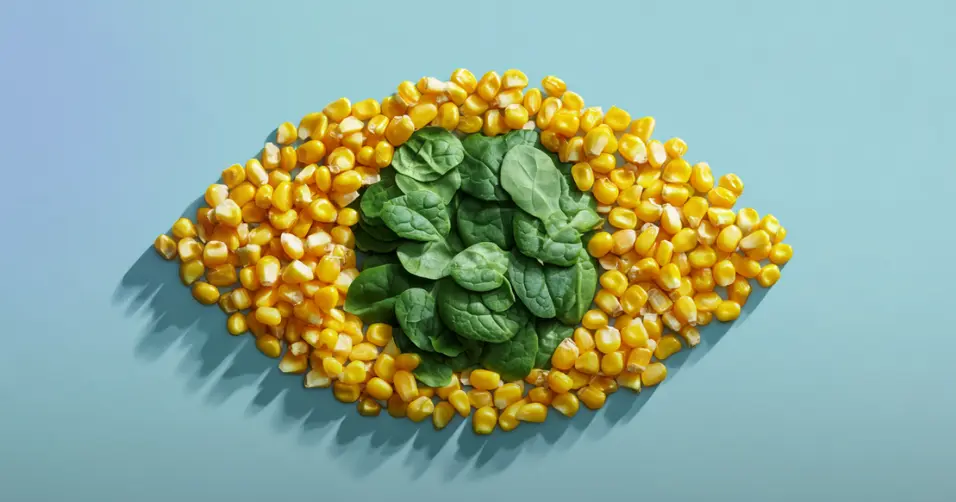
Kale, spinach, corn, egg yolk

Safety & Interactions

Very safe; high intakes may cause yellow skin tint

Dosage information is general and may vary with product brand, quality or individual needs; verify accuracy on package and consult a qualified practitioner before use.

Dosage information is general and may vary with product brand, quality or individual needs; verify accuracy on package and consult a qualified practitioner before use.

What Is Zeaxanthin?

Zeaxanthin is a plant pigment that protects the eye’s retina from oxidative damage.

Zeaxanthin is a carotenoid, a plant pigment that acts as an antioxidant, protecting cells from damage caused by free radicals. It is found in high amounts in leafy greens, corn, and egg yolks. In the body, it concentrates in the retina of the eye, where it helps filter harmful blue light. Studies suggest it may lower the risk of age-related eye diseases such as macular degeneration. Because the body cannot make zeaxanthin, it must come from diet or supplements.

  • Eye protection: Zeaxanthin absorbs high-energy light, reducing damage to the retina.

  • Antioxidant effects: It neutralizes harmful molecules that can damage cells and tissues.

  • Skin defense: Some research shows it may help protect the skin from UV damage.

  • Dietary synergy: Works best when consumed with fat, since it is fat-soluble.

Zeaxanthin is a carotenoid, a plant pigment that acts as an antioxidant, protecting cells from damage caused by free radicals. It is found in high amounts in leafy greens, corn, and egg yolks. In the body, it concentrates in the retina of the eye, where it helps filter harmful blue light. Studies suggest it may lower the risk of age-related eye diseases such as macular degeneration. Because the body cannot make zeaxanthin, it must come from diet or supplements.

  • Eye protection: Zeaxanthin absorbs high-energy light, reducing damage to the retina.

  • Antioxidant effects: It neutralizes harmful molecules that can damage cells and tissues.

  • Skin defense: Some research shows it may help protect the skin from UV damage.

  • Dietary synergy: Works best when consumed with fat, since it is fat-soluble.

Which Zeaxanthin Type Is Best?

Zeaxanthin from marigold flower extract is usually the best absorbed form.

The best type of Zeaxanthin is usually a natural extract from marigold flowers, since it is well absorbed and studied. Supplements often pair zeaxanthin with lutein for stronger eye health benefits. Esterified forms may be more stable, lasting longer in storage. The presence of dietary fat improves its absorption significantly. For general eye support, natural mixed carotenoid blends are often preferred.

  • Marigold-derived zeaxanthin contains a natural balance of carotenoids, close to how they occur in foods.

  • Blends with lutein mimic natural intake from leafy vegetables and may enhance protection against blue light.

  • Esterified zeaxanthin provides longer shelf life, keeping potency intact during storage.

  • Taking it with fats like olive oil or nuts helps the body absorb it more efficiently.

The best type of Zeaxanthin is usually a natural extract from marigold flowers, since it is well absorbed and studied. Supplements often pair zeaxanthin with lutein for stronger eye health benefits. Esterified forms may be more stable, lasting longer in storage. The presence of dietary fat improves its absorption significantly. For general eye support, natural mixed carotenoid blends are often preferred.

  • Marigold-derived zeaxanthin contains a natural balance of carotenoids, close to how they occur in foods.

  • Blends with lutein mimic natural intake from leafy vegetables and may enhance protection against blue light.

  • Esterified zeaxanthin provides longer shelf life, keeping potency intact during storage.

  • Taking it with fats like olive oil or nuts helps the body absorb it more efficiently.

How to Add Zeaxanthin to Your Diet?

Zeaxanthin can be increased in the diet by eating leafy greens such as kale and spinach.

To add Zeaxanthin to your diet, eat colorful vegetables like corn, orange peppers, kale, and spinach. Egg yolks also provide a well-absorbed form of zeaxanthin. Blending vegetables into smoothies or cooking them with healthy fats can improve absorption. Supplements are another option if dietary intake is too low for eye health needs. Pairing with lutein-rich foods further boosts protective effects for vision.

  • Green leafy vegetables like spinach and kale are rich in both zeaxanthin and lutein, key for eye health.

  • Egg yolks contain zeaxanthin in a fat-rich matrix, making it highly bioavailable.

  • Cooking vegetables with olive oil or avocado helps carotenoids dissolve and absorb better.

  • Supplements ensure consistent intake for people with low vegetable consumption or higher visual demands.

To add Zeaxanthin to your diet, eat colorful vegetables like corn, orange peppers, kale, and spinach. Egg yolks also provide a well-absorbed form of zeaxanthin. Blending vegetables into smoothies or cooking them with healthy fats can improve absorption. Supplements are another option if dietary intake is too low for eye health needs. Pairing with lutein-rich foods further boosts protective effects for vision.

  • Green leafy vegetables like spinach and kale are rich in both zeaxanthin and lutein, key for eye health.

  • Egg yolks contain zeaxanthin in a fat-rich matrix, making it highly bioavailable.

  • Cooking vegetables with olive oil or avocado helps carotenoids dissolve and absorb better.

  • Supplements ensure consistent intake for people with low vegetable consumption or higher visual demands.

What Are Key Ingredients of Zeaxanthin?

Zeaxanthin supplements contain the carotenoid pigment itself, often extracted from marigold flowers.

The key ingredients of Zeaxanthin supplements are carotenoids extracted mainly from marigold flowers. These are often combined with lutein to mimic natural food sources and improve eye health. Some formulations add antioxidants like vitamin C or E for stronger protection. Oil carriers such as sunflower oil may be used to boost absorption. Stabilizers ensure that the carotenoids remain potent during storage.

  • Zeaxanthin from marigold extract provides the main active compound that supports vision.

  • Lutein is often paired with zeaxanthin, as they naturally occur together in vegetables.

  • Antioxidants like vitamin E are sometimes added to enhance stability and benefits.

  • Oil bases help dissolve carotenoids, making them easier for the body to absorb.

The key ingredients of Zeaxanthin supplements are carotenoids extracted mainly from marigold flowers. These are often combined with lutein to mimic natural food sources and improve eye health. Some formulations add antioxidants like vitamin C or E for stronger protection. Oil carriers such as sunflower oil may be used to boost absorption. Stabilizers ensure that the carotenoids remain potent during storage.

  • Zeaxanthin from marigold extract provides the main active compound that supports vision.

  • Lutein is often paired with zeaxanthin, as they naturally occur together in vegetables.

  • Antioxidants like vitamin E are sometimes added to enhance stability and benefits.

  • Oil bases help dissolve carotenoids, making them easier for the body to absorb.

Which Processes Does Zeaxanthin Affect?

Zeaxanthin influences eye processes by filtering blue light and protecting the retina.

Zeaxanthin primarily affects processes related to vision and antioxidant defense. In the eyes, it filters blue light to prevent retinal damage. As an antioxidant, it reduces oxidative stress, protecting cells from premature aging. Zeaxanthin also supports skin defense against UV rays. These actions slow down cell wear and keep tissues healthy longer.

  • It works in the macula of the eye, protecting sight by filtering high-energy blue light.

  • Zeaxanthin reduces free radicals, preventing damage to proteins, lipids, and DNA.

  • It supports skin defense by reducing UV-induced oxidative stress.

  • Zeaxanthin may also aid nerve protection by lowering oxidative damage in brain tissue.

Zeaxanthin primarily affects processes related to vision and antioxidant defense. In the eyes, it filters blue light to prevent retinal damage. As an antioxidant, it reduces oxidative stress, protecting cells from premature aging. Zeaxanthin also supports skin defense against UV rays. These actions slow down cell wear and keep tissues healthy longer.

  • It works in the macula of the eye, protecting sight by filtering high-energy blue light.

  • Zeaxanthin reduces free radicals, preventing damage to proteins, lipids, and DNA.

  • It supports skin defense by reducing UV-induced oxidative stress.

  • Zeaxanthin may also aid nerve protection by lowering oxidative damage in brain tissue.

What Foods Contain Zeaxanthin?

Zeaxanthin is naturally present in kale, spinach, corn, and egg yolks.

Zeaxanthin is found naturally in vegetables and fruits with bright yellow, orange, or green colors. Rich sources include corn, orange peppers, kale, and spinach. Egg yolks also contain zeaxanthin in a well-absorbed form. Some tropical fruits like goji berries provide additional amounts. Eating a variety of colorful produce covers zeaxanthin needs effectively.

  • Corn and orange peppers are particularly high in zeaxanthin, supporting eye health.

  • Leafy greens such as kale and spinach provide both zeaxanthin and lutein.

  • Egg yolks offer a highly bioavailable form due to natural fat content.

  • Goji berries are a lesser-known but concentrated natural source of zeaxanthin.

Zeaxanthin is found naturally in vegetables and fruits with bright yellow, orange, or green colors. Rich sources include corn, orange peppers, kale, and spinach. Egg yolks also contain zeaxanthin in a well-absorbed form. Some tropical fruits like goji berries provide additional amounts. Eating a variety of colorful produce covers zeaxanthin needs effectively.

  • Corn and orange peppers are particularly high in zeaxanthin, supporting eye health.

  • Leafy greens such as kale and spinach provide both zeaxanthin and lutein.

  • Egg yolks offer a highly bioavailable form due to natural fat content.

  • Goji berries are a lesser-known but concentrated natural source of zeaxanthin.

Is Zeaxanthin Vegan?

Zeaxanthin is suitable for vegans when derived from marigold flowers or synthetic sources.

Zeaxanthin is suitable for vegans because it naturally comes from plants like corn, peppers, and leafy greens. Supplements are typically derived from marigold flowers, making them plant-based. Egg yolks also provide zeaxanthin but are not vegan. Vegans can easily obtain zeaxanthin through vegetables or supplements. A colorful plant-based diet ensures adequate intake.

  • Marigold flower extract is the main vegan source used in supplements.

  • Leafy greens and corn provide natural zeaxanthin without animal products.

  • Egg yolks are not vegan but provide a bioavailable form for non-vegans.

  • Vegan diets rich in colorful produce can meet zeaxanthin needs effectively.

Zeaxanthin is suitable for vegans because it naturally comes from plants like corn, peppers, and leafy greens. Supplements are typically derived from marigold flowers, making them plant-based. Egg yolks also provide zeaxanthin but are not vegan. Vegans can easily obtain zeaxanthin through vegetables or supplements. A colorful plant-based diet ensures adequate intake.

  • Marigold flower extract is the main vegan source used in supplements.

  • Leafy greens and corn provide natural zeaxanthin without animal products.

  • Egg yolks are not vegan but provide a bioavailable form for non-vegans.

  • Vegan diets rich in colorful produce can meet zeaxanthin needs effectively.

Will Zeaxanthin Break a Fast?

Zeaxanthin does not break a fast because it provides no calories or energy.

Zeaxanthin itself does not break a fast since it is a plant compound with no calories. However, supplements are often delivered in oil-based capsules to improve absorption. These oils contain calories and therefore break a strict fast. Food sources of zeaxanthin, such as vegetables, would also break a fast. For fasting, timing zeaxanthin intake with meals is the best option.

  • Pure zeaxanthin contains no calories but rarely comes alone in supplements.

  • Oil carriers in softgels provide calories, breaking fasting state.

  • Whole food sources like corn or spinach deliver zeaxanthin but end a fast.

  • Taking zeaxanthin during eating windows ensures both effectiveness and fasting compliance.

Zeaxanthin itself does not break a fast since it is a plant compound with no calories. However, supplements are often delivered in oil-based capsules to improve absorption. These oils contain calories and therefore break a strict fast. Food sources of zeaxanthin, such as vegetables, would also break a fast. For fasting, timing zeaxanthin intake with meals is the best option.

  • Pure zeaxanthin contains no calories but rarely comes alone in supplements.

  • Oil carriers in softgels provide calories, breaking fasting state.

  • Whole food sources like corn or spinach deliver zeaxanthin but end a fast.

  • Taking zeaxanthin during eating windows ensures both effectiveness and fasting compliance.

Breaking a fast here is strictly physiological (e.g., insulin effects). When we say a supplement ‘does not break a fast,’ we mean it has negligible calories in normal use and is unlikely to disrupt fasting metabolism. Certain traditions or religious rules may treat any intake as breaking a fast—please follow your tradition and health needs.

Breaking a fast here is strictly physiological (e.g., insulin effects). When we say a supplement ‘does not break a fast,’ we mean it has negligible calories in normal use and is unlikely to disrupt fasting metabolism. Certain traditions or religious rules may treat any intake as breaking a fast—please follow your tradition and health needs.

How to Pick the Best Zeaxanthin?

Zeaxanthin quality is higher when products are standardized for consistent carotenoid content.

When selecting high-quality Zeaxanthin, look for natural marigold flower extracts rather than synthetic forms. A good product often combines zeaxanthin with lutein for balanced eye support. Check for stabilization with antioxidants like vitamin E to prevent breakdown. Oil-based capsules improve absorption, but ensure they use clean, plant-based oils. Third-party testing ensures potency and safety.

  • Marigold-derived extracts provide a natural, well-studied form of zeaxanthin.

  • Blends with lutein mimic natural food ratios, strengthening vision protection.

  • Added stabilizers like vitamin E prevent oxidation during storage.

  • Plant-based oils such as sunflower oil support absorption without unnecessary additives.

When selecting high-quality Zeaxanthin, look for natural marigold flower extracts rather than synthetic forms. A good product often combines zeaxanthin with lutein for balanced eye support. Check for stabilization with antioxidants like vitamin E to prevent breakdown. Oil-based capsules improve absorption, but ensure they use clean, plant-based oils. Third-party testing ensures potency and safety.

  • Marigold-derived extracts provide a natural, well-studied form of zeaxanthin.

  • Blends with lutein mimic natural food ratios, strengthening vision protection.

  • Added stabilizers like vitamin E prevent oxidation during storage.

  • Plant-based oils such as sunflower oil support absorption without unnecessary additives.

What’s the Optimal Dosage and Timing for Zeaxanthin?

Zeaxanthin is often taken at 2–10 mg daily, usually with meals containing fat for better absorption.

The optimal dosage and timing for Zeaxanthin is usually 2–10 mg daily. It is best taken with a meal containing fat, as it is fat-soluble. Most studies show benefits for vision when combined with lutein. Long-term daily use supports eye health without known safety issues. Higher doses should be avoided unless supervised, as research beyond 20 mg is limited.

  • Effective daily intake ranges between 2–10 mg, depending on diet and needs.

  • Fat-containing meals improve absorption of this carotenoid significantly.

  • Lutein pairing enhances effects, so many products use combined formulas.

  • Conservative long-term use is considered safe, but excess has not been studied well.

The optimal dosage and timing for Zeaxanthin is usually 2–10 mg daily. It is best taken with a meal containing fat, as it is fat-soluble. Most studies show benefits for vision when combined with lutein. Long-term daily use supports eye health without known safety issues. Higher doses should be avoided unless supervised, as research beyond 20 mg is limited.

  • Effective daily intake ranges between 2–10 mg, depending on diet and needs.

  • Fat-containing meals improve absorption of this carotenoid significantly.

  • Lutein pairing enhances effects, so many products use combined formulas.

  • Conservative long-term use is considered safe, but excess has not been studied well.

Dosage and timing information is generalized and may not be appropriate for all individuals; occasional inaccuracies may occur. Variations in supplement purity, formulation, or quality can also affect dosing relevance. Verify accuracy on package and consult a qualified practitioner before use.

Dosage and timing information is generalized and may not be appropriate for all individuals; occasional inaccuracies may occur. Variations in supplement purity, formulation, or quality can also affect dosing relevance. Verify accuracy on package and consult a qualified practitioner before use.

What Are Common Mistakes When Taking Zeaxanthin?

Zeaxanthin mistakes include overdosing beyond studied amounts, which has no proven extra benefit.

Common mistakes with Zeaxanthin include not pairing it with fat, which lowers absorption. Many skip combining it with lutein, even though the two work better together for eye health. Some rely only on supplements without eating leafy greens or colorful vegetables. Taking very high doses without guidance is unnecessary, as research supports only moderate amounts. Inconsistent intake reduces its long-term protective effects for vision.

  • Taking zeaxanthin without fat lowers bioavailability, limiting effectiveness.

  • Ignoring lutein pairing reduces the natural synergistic benefits for the eyes.

  • Skipping vegetables reduces intake of other antioxidants that support vision health.

  • High doses beyond studied ranges offer no proven extra benefit and may waste money.

Common mistakes with Zeaxanthin include not pairing it with fat, which lowers absorption. Many skip combining it with lutein, even though the two work better together for eye health. Some rely only on supplements without eating leafy greens or colorful vegetables. Taking very high doses without guidance is unnecessary, as research supports only moderate amounts. Inconsistent intake reduces its long-term protective effects for vision.

  • Taking zeaxanthin without fat lowers bioavailability, limiting effectiveness.

  • Ignoring lutein pairing reduces the natural synergistic benefits for the eyes.

  • Skipping vegetables reduces intake of other antioxidants that support vision health.

  • High doses beyond studied ranges offer no proven extra benefit and may waste money.

How Fast Does Zeaxanthin Work?

Zeaxanthin works over months to build up in the retina and support eye health.

Zeaxanthin works slowly, as it builds up in the retina over time. Most studies show noticeable effects on vision protection after several months. It is not a quick-acting supplement but supports long-term eye health. Benefits include sharper vision in low light and protection against blue light damage. Consistency over years gives the strongest outcomes.

  • Macular pigment density increases gradually, often after 3–6 months.

  • Visual improvements such as contrast sensitivity emerge slowly with use.

  • Protective effects against degeneration require long-term daily intake.

  • Results depend on baseline diet and lifestyle factors like screen exposure.

Zeaxanthin works slowly, as it builds up in the retina over time. Most studies show noticeable effects on vision protection after several months. It is not a quick-acting supplement but supports long-term eye health. Benefits include sharper vision in low light and protection against blue light damage. Consistency over years gives the strongest outcomes.

  • Macular pigment density increases gradually, often after 3–6 months.

  • Visual improvements such as contrast sensitivity emerge slowly with use.

  • Protective effects against degeneration require long-term daily intake.

  • Results depend on baseline diet and lifestyle factors like screen exposure.

Results may vary between individuals, and no outcome is guaranteed. A tailored supplemntation plan is the best way to ensure the desired outcome.

Results may vary between individuals, and no outcome is guaranteed. A tailored supplemntation plan is the best way to ensure the desired outcome.

Does Zeaxanthin Require a Cooldown?

Zeaxanthin does not require cooldown, but long-term studies suggest moderate continuous use.

Zeaxanthin does not require a cooldown, as studies show it is safe for long-term use. It accumulates slowly in the retina, so steady intake is most effective. Cycling is not necessary because no dependency or toxicity is known at dietary levels. Stopping intake simply lowers protective carotenoid levels over time. Consistent use is best for ongoing eye support.

  • Zeaxanthin builds up in eye tissues and works best with regular use.

  • No studies suggest toxicity from moderate, long-term intake.

  • Cycling provides no added benefit since dependency does not occur.

  • Levels drop gradually if supplementation stops, reducing eye protection.

Zeaxanthin does not require a cooldown, as studies show it is safe for long-term use. It accumulates slowly in the retina, so steady intake is most effective. Cycling is not necessary because no dependency or toxicity is known at dietary levels. Stopping intake simply lowers protective carotenoid levels over time. Consistent use is best for ongoing eye support.

  • Zeaxanthin builds up in eye tissues and works best with regular use.

  • No studies suggest toxicity from moderate, long-term intake.

  • Cycling provides no added benefit since dependency does not occur.

  • Levels drop gradually if supplementation stops, reducing eye protection.

The need to pause or cycle depends on individual factors such as goals, tolerance, and clinical context. No universal rule applies, and specialist review is recommended before making adjustments.

The need to pause or cycle depends on individual factors such as goals, tolerance, and clinical context. No universal rule applies, and specialist review is recommended before making adjustments.

Does Tolerance Develop for Zeaxanthin?

Zeaxanthin does not show tolerance development in studies.

Zeaxanthin does not cause tolerance, as it functions like a dietary nutrient. The body stores it in the retina without reducing effectiveness over time. Consistent intake is important since levels decline if supplementation stops. No evidence shows reduced benefits from long-term use. Therefore, steady use is recommended rather than cycling.

  • Zeaxanthin maintains consistent effects with daily intake.

  • No adaptation reduces its protective action in the eyes.

  • Levels drop slowly when intake stops, lowering benefits.

  • Continuous use provides long-term visual protection without tolerance.

Zeaxanthin does not cause tolerance, as it functions like a dietary nutrient. The body stores it in the retina without reducing effectiveness over time. Consistent intake is important since levels decline if supplementation stops. No evidence shows reduced benefits from long-term use. Therefore, steady use is recommended rather than cycling.

  • Zeaxanthin maintains consistent effects with daily intake.

  • No adaptation reduces its protective action in the eyes.

  • Levels drop slowly when intake stops, lowering benefits.

  • Continuous use provides long-term visual protection without tolerance.

Information on tolerance is generalized and may not reflect individual differences in metabolism, duration of use, or health status. Reactions can vary, and any adjustment should follow qualified practicioner's recommendations.

Information on tolerance is generalized and may not reflect individual differences in metabolism, duration of use, or health status. Reactions can vary, and any adjustment should follow qualified practicioner's recommendations.

Can Zeaxanthin Be Stacked?

Zeaxanthin can be stacked with lutein, as they work together to protect eye health.

Zeaxanthin can be stacked effectively with lutein, as they naturally occur together in vegetables. Vitamin C and E enhance its antioxidant protection in the eyes. Omega-3 fatty acids may provide complementary support for retinal health. No harmful interactions with common nutrients are known. This makes zeaxanthin safe for long-term combination strategies.

  • Lutein and zeaxanthin work synergistically to protect the macula from light damage.

  • Vitamin C and E extend antioxidant defenses when paired with carotenoids.

  • Omega-3s add protective benefits for eye membranes and circulation.

  • Stacking with other antioxidants enhances long-term eye health outcomes.

Zeaxanthin can be stacked effectively with lutein, as they naturally occur together in vegetables. Vitamin C and E enhance its antioxidant protection in the eyes. Omega-3 fatty acids may provide complementary support for retinal health. No harmful interactions with common nutrients are known. This makes zeaxanthin safe for long-term combination strategies.

  • Lutein and zeaxanthin work synergistically to protect the macula from light damage.

  • Vitamin C and E extend antioxidant defenses when paired with carotenoids.

  • Omega-3s add protective benefits for eye membranes and circulation.

  • Stacking with other antioxidants enhances long-term eye health outcomes.

Many supplements can interact in ways that enhance or alter their effects. However, stacking makes it difficult to monitor the impact of each component and increases the risk of oversupplementation or unintended interactions.

Many supplements can interact in ways that enhance or alter their effects. However, stacking makes it difficult to monitor the impact of each component and increases the risk of oversupplementation or unintended interactions.

Do Zeaxanthin Effects Persist?

Zeaxanthin effects persist for weeks in eye tissue but decline if intake stops.

Zeaxanthin effects persist only with continuous use, as it gradually builds in the retina. Levels decrease if supplementation stops, reducing eye protection. Benefits such as sharper vision or blue-light filtering fade slowly. Dietary intake from leafy greens and corn helps maintain levels. Long-term use ensures ongoing visual support.

  • Macular pigment density decreases if zeaxanthin intake is stopped.

  • Protective effects against degeneration fade without steady intake.

  • Visual performance benefits are sustained only with long-term use.

  • Dietary carotenoids help preserve effects after supplementation ends.

Zeaxanthin effects persist only with continuous use, as it gradually builds in the retina. Levels decrease if supplementation stops, reducing eye protection. Benefits such as sharper vision or blue-light filtering fade slowly. Dietary intake from leafy greens and corn helps maintain levels. Long-term use ensures ongoing visual support.

  • Macular pigment density decreases if zeaxanthin intake is stopped.

  • Protective effects against degeneration fade without steady intake.

  • Visual performance benefits are sustained only with long-term use.

  • Dietary carotenoids help preserve effects after supplementation ends.

Results may vary between individuals, and no outcome is guaranteed. A tailored supplemntation plan is the best way to ensure the desired outcome.

Results may vary between individuals, and no outcome is guaranteed. A tailored supplemntation plan is the best way to ensure the desired outcome.

Does Zeaxanthin Aid Longevity?

Zeaxanthin may support longevity by protecting eye health and reducing oxidative damage.

Zeaxanthin contributes to longevity mainly through eye health and antioxidant action. Protecting the retina from light damage prevents age-related vision loss. Its antioxidant effects reduce cellular stress across tissues. Better vision in old age supports independence and quality of life. While not proven to extend lifespan, it helps preserve healthy function.

  • Zeaxanthin protects the macula, reducing risk of vision loss in later years.

  • It lowers oxidative stress, slowing cellular wear over time.

  • Maintained vision helps preserve independence in old age.

  • Its role in longevity is indirect but tied to quality of life support.

Zeaxanthin contributes to longevity mainly through eye health and antioxidant action. Protecting the retina from light damage prevents age-related vision loss. Its antioxidant effects reduce cellular stress across tissues. Better vision in old age supports independence and quality of life. While not proven to extend lifespan, it helps preserve healthy function.

  • Zeaxanthin protects the macula, reducing risk of vision loss in later years.

  • It lowers oxidative stress, slowing cellular wear over time.

  • Maintained vision helps preserve independence in old age.

  • Its role in longevity is indirect but tied to quality of life support.

What Are Alternatives to Zeaxanthin?

Zeaxanthin alternatives include lutein, another carotenoid supporting eye health.

Zeaxanthin alternatives include lutein, another carotenoid that works alongside it in eye health. Beta-carotene also supports vision indirectly as a Vitamin A precursor. Vitamin C and E offer antioxidant protection for the retina. Omega-3 fatty acids support macular health by strengthening eye membranes. These can help maintain vision if zeaxanthin intake is insufficient.

  • Lutein filters harmful light like zeaxanthin and complements its role in the retina.

  • Beta-carotene supports night vision through Vitamin A conversion.

  • Vitamin C and E defend retinal cells against oxidative stress.

  • Omega-3s improve retinal structure and circulation, aiding long-term eye function.

Zeaxanthin alternatives include lutein, another carotenoid that works alongside it in eye health. Beta-carotene also supports vision indirectly as a Vitamin A precursor. Vitamin C and E offer antioxidant protection for the retina. Omega-3 fatty acids support macular health by strengthening eye membranes. These can help maintain vision if zeaxanthin intake is insufficient.

  • Lutein filters harmful light like zeaxanthin and complements its role in the retina.

  • Beta-carotene supports night vision through Vitamin A conversion.

  • Vitamin C and E defend retinal cells against oxidative stress.

  • Omega-3s improve retinal structure and circulation, aiding long-term eye function.

There are often alternatives that better align with personal risk profiles, preferences, or resources; comparative review with a relevant certified consultant is advised.

There are often alternatives that better align with personal risk profiles, preferences, or resources; comparative review with a relevant certified consultant is advised.

What Are Possible Zeaxanthin Side Effects?

Zeaxanthin side effects are rare but may include yellowing of the skin with very high intake.

Zeaxanthin has few known side effects at normal supplement levels. Very high doses may cause skin yellowing, which is harmless and reversible. Some people may experience mild digestive discomfort. There is no evidence of serious toxicity from dietary intake. Overall, it is considered very safe.

  • High intake can give the skin a temporary yellow tint, similar to carrot overuse.

  • Digestive discomfort such as bloating may appear in sensitive users.

  • No severe side effects are documented at studied levels.

  • It is well tolerated from both food and supplements.

Zeaxanthin has few known side effects at normal supplement levels. Very high doses may cause skin yellowing, which is harmless and reversible. Some people may experience mild digestive discomfort. There is no evidence of serious toxicity from dietary intake. Overall, it is considered very safe.

  • High intake can give the skin a temporary yellow tint, similar to carrot overuse.

  • Digestive discomfort such as bloating may appear in sensitive users.

  • No severe side effects are documented at studied levels.

  • It is well tolerated from both food and supplements.

Responses differ among individuals. If adverse effects occur, discontinuation and professional evaluation are advised.

Responses differ among individuals. If adverse effects occur, discontinuation and professional evaluation are advised.

Who Should Avoid Zeaxanthin?

Zeaxanthin should be avoided by people with rare carotenoid metabolism disorders.

Zeaxanthin is generally safe, but those with carotenemia (skin yellowing from carotenoid excess) may want to avoid very high doses. People on carotenoid-rich supplements should avoid doubling up unnecessarily. Those with digestive malabsorption may not absorb it effectively. No serious drug interactions are reported, but caution is advised with high-dose blends. Moderate intake is safe for most adults.

  • Excess intake may worsen skin yellowing in sensitive individuals.

  • People already taking lutein or carotenoid blends should avoid high stacking doses.

  • Digestive malabsorption may limit effectiveness of supplementation.

  • Safe moderate intake avoids risks and maintains eye benefits.

Zeaxanthin is generally safe, but those with carotenemia (skin yellowing from carotenoid excess) may want to avoid very high doses. People on carotenoid-rich supplements should avoid doubling up unnecessarily. Those with digestive malabsorption may not absorb it effectively. No serious drug interactions are reported, but caution is advised with high-dose blends. Moderate intake is safe for most adults.

  • Excess intake may worsen skin yellowing in sensitive individuals.

  • People already taking lutein or carotenoid blends should avoid high stacking doses.

  • Digestive malabsorption may limit effectiveness of supplementation.

  • Safe moderate intake avoids risks and maintains eye benefits.

Individuals who may be at higher risk—including those with diabetes, eating disorders, pregnancy or breastfeeding, heavy training loads, health conditions, medication use, or prior adverse reactions—should seek tailored guidance before deciding supplementation or making major supplement or lifestyle changes.

Individuals who may be at higher risk—including those with diabetes, eating disorders, pregnancy or breastfeeding, heavy training loads, health conditions, medication use, or prior adverse reactions—should seek tailored guidance before deciding supplementation or making major supplement or lifestyle changes.

Is Zeaxanthin Available Over-the-Counter?

Zeaxanthin is available over-the-counter as part of eye health supplements.

Zeaxanthin is available over-the-counter as a dietary supplement. It is often sold together with lutein for vision support. Pharmacies, supermarkets, and online stores carry zeaxanthin capsules and blends. It is classified as a natural antioxidant, not requiring a prescription. Foods like corn and kale also provide natural intake without restriction.

  • Zeaxanthin supplements are widely available without prescription.

  • Vision-support formulas often combine zeaxanthin with lutein for synergy.

  • Supermarkets and online retailers stock it in capsule form.

  • As a carotenoid, it is treated as a safe OTC antioxidant supplement.

Zeaxanthin is available over-the-counter as a dietary supplement. It is often sold together with lutein for vision support. Pharmacies, supermarkets, and online stores carry zeaxanthin capsules and blends. It is classified as a natural antioxidant, not requiring a prescription. Foods like corn and kale also provide natural intake without restriction.

  • Zeaxanthin supplements are widely available without prescription.

  • Vision-support formulas often combine zeaxanthin with lutein for synergy.

  • Supermarkets and online retailers stock it in capsule form.

  • As a carotenoid, it is treated as a safe OTC antioxidant supplement.

For over-the-counter availability we use generic US data. Product availability and status may vary by country and region.

For over-the-counter availability we use generic US data. Product availability and status may vary by country and region.

What’s the History of Zeaxanthin?

Zeaxanthin was first identified in corn in the 1800s and studied for eye health in the 20th century.

Zeaxanthin has been consumed unknowingly for centuries through colorful vegetables like corn and peppers. It was first scientifically identified in the early 19th century. Research in the late 20th century linked it to eye health, especially protection against macular degeneration. Traditional diets rich in leafy greens and maize provided steady intake. Today, zeaxanthin is a key focus in vision-support supplements.

  • Zeaxanthin was discovered in the 1800s during studies of plant pigments.

  • Maize and leafy greens historically provided zeaxanthin to many cultures.

  • Late 20th-century research highlighted its role in protecting the retina.

  • It is now widely used in supplements targeting age-related eye conditions.

Zeaxanthin has been consumed unknowingly for centuries through colorful vegetables like corn and peppers. It was first scientifically identified in the early 19th century. Research in the late 20th century linked it to eye health, especially protection against macular degeneration. Traditional diets rich in leafy greens and maize provided steady intake. Today, zeaxanthin is a key focus in vision-support supplements.

  • Zeaxanthin was discovered in the 1800s during studies of plant pigments.

  • Maize and leafy greens historically provided zeaxanthin to many cultures.

  • Late 20th-century research highlighted its role in protecting the retina.

  • It is now widely used in supplements targeting age-related eye conditions.

How Does Astaxanthin Differ from Zeaxanthin?

Astaxanthin is a keto-carotenoid pigment while zeaxanthin is an ocular carotenoid concentrated in the eye’s macula meaning central retina.

Astaxanthin and zeaxanthin differ in where they act in the eye. Zeaxanthin concentrates in the central macula. Astaxanthin circulates more broadly and helps with oxidative stress. Zeaxanthin filters harmful wavelengths, especially blue light. Astaxanthin does not replace this filtering role.

  • Zeaxanthin strengthens macular pigment which supports sharp vision; astaxanthin works outside this pigment layer.

  • Astaxanthin supports eye muscles under strain; zeaxanthin focuses on light protection.

  • Distribution differs because zeaxanthin is stored locally while astaxanthin moves through the bloodstream.

  • Both complement each other in eye support but cannot substitute for each other.


Astaxanthin and zeaxanthin differ in where they act in the eye. Zeaxanthin concentrates in the central macula. Astaxanthin circulates more broadly and helps with oxidative stress. Zeaxanthin filters harmful wavelengths, especially blue light. Astaxanthin does not replace this filtering role.

  • Zeaxanthin strengthens macular pigment which supports sharp vision; astaxanthin works outside this pigment layer.

  • Astaxanthin supports eye muscles under strain; zeaxanthin focuses on light protection.

  • Distribution differs because zeaxanthin is stored locally while astaxanthin moves through the bloodstream.

  • Both complement each other in eye support but cannot substitute for each other.


Does Zeaxanthin Help the Eyes?

Zeaxanthin helps the eyes by protecting macula cells, which control central vision, from light damage.

Zeaxanthin is a carotenoid found alongside lutein in the central retina. It is concentrated in the macula’s center called the fovea, which handles sharp vision. Like lutein, it may help filter high-energy light and support long-term retinal comfort. It is often paired with lutein because together they form a protective pigment layer. Intake from food is common, and supplements use modest amounts.

  • Located in fovea where it protects cells involved in fine detail.

  • Filters blue light helping reduce stress from sunlight and screens.

  • Pairs with lutein forming macular pigment that supports retinal resilience.

  • Studied for aging eyes with varied findings among individuals.


Zeaxanthin is a carotenoid found alongside lutein in the central retina. It is concentrated in the macula’s center called the fovea, which handles sharp vision. Like lutein, it may help filter high-energy light and support long-term retinal comfort. It is often paired with lutein because together they form a protective pigment layer. Intake from food is common, and supplements use modest amounts.

  • Located in fovea where it protects cells involved in fine detail.

  • Filters blue light helping reduce stress from sunlight and screens.

  • Pairs with lutein forming macular pigment that supports retinal resilience.

  • Studied for aging eyes with varied findings among individuals.


How Do Lutein and Zeaxanthin Compare?

Lutein and zeaxanthin compare as both are carotenoids concentrated in the eye’s macula for visual protection.

Lutein and zeaxanthin are closely related carotenoids that work side by side in the retina. They form the main pigments in the macula. Lutein sits more in the outer layers, while zeaxanthin occupies the center. Both help filter blue light. They are often found together in leafy greens.

  • Macular distribution differs, with lutein at the edges and zeaxanthin in the center.

  • Chemical structures are similar, allowing them to act together in light protection.

  • Food overlap is high, since many greens contain both pigments.

  • Complementary roles mean they help maintain overall macular pigment balance.

Lutein and zeaxanthin are closely related carotenoids that work side by side in the retina. They form the main pigments in the macula. Lutein sits more in the outer layers, while zeaxanthin occupies the center. Both help filter blue light. They are often found together in leafy greens.

  • Macular distribution differs, with lutein at the edges and zeaxanthin in the center.

  • Chemical structures are similar, allowing them to act together in light protection.

  • Food overlap is high, since many greens contain both pigments.

  • Complementary roles mean they help maintain overall macular pigment balance.

Do Zeaxanthin and Vitamin A Support Vision?

Zeaxanthin and vitamin A support vision by filtering light and maintaining macular health.

Zeaxanthin and vitamin A support vision by protecting and nourishing the retina. Zeaxanthin concentrates in the macula, the center of detailed sight. Vitamin A supports pigment formation in all light conditions. Together they help maintain clarity and contrast sensitivity. Both nutrients appear in colorful produce.

  • Macula protection comes mainly from zeaxanthin.

  • Pigment formation relies on vitamin A.

  • Light filtering helps protect retinal cells.

  • Contrast perception improves with adequate intake.

  • Diet diversity supports both nutrients.

Zeaxanthin and vitamin A support vision by protecting and nourishing the retina. Zeaxanthin concentrates in the macula, the center of detailed sight. Vitamin A supports pigment formation in all light conditions. Together they help maintain clarity and contrast sensitivity. Both nutrients appear in colorful produce.

  • Macula protection comes mainly from zeaxanthin.

  • Pigment formation relies on vitamin A.

  • Light filtering helps protect retinal cells.

  • Contrast perception improves with adequate intake.

  • Diet diversity supports both nutrients.

Medical Disclaimer: All content on this website is intended solely for informational and educational purposes and should not be interpreted as a substitute for professional medical advice, diagnosis, or treatment, nor as encouragement or promotion for or against any particular use, product, or activity. Results may vary and are not guaranteed. No doctor–patient relationship is created by your use of this content. Always consult a qualified healthcare provider, nutritionist, or other relevant expert before starting or changing any supplement, diet, exercise, or lifestyle program. This website can contain errors. Check important information. Read our full Disclaimer.

StatusTerms of ServicePrivacy PolicyDisclaimerAbout Myopedia.

©2025 Myopedia™. All rights reserved.

Medical Disclaimer: All content on this website is intended solely for informational and educational purposes and should not be interpreted as a substitute for professional medical advice, diagnosis, or treatment, nor as encouragement or promotion for or against any particular use, product, or activity. Results may vary and are not guaranteed. No doctor–patient relationship is created by your use of this content. Always consult a qualified healthcare provider, nutritionist, or other relevant expert before starting or changing any supplement, diet, exercise, or lifestyle program. This website can contain errors. Check important information. Read our full Disclaimer.

StatusTerms of ServicePrivacy PolicyDisclaimerAbout Myopedia.

©2025 Myopedia™. All rights reserved.

Medical Disclaimer: All content on this website is intended solely for informational and educational purposes and should not be interpreted as a substitute for professional medical advice, diagnosis, or treatment, nor as encouragement or promotion for or against any particular use, product, or activity. Results may vary and are not guaranteed. No doctor–patient relationship is created by your use of this content. Always consult a qualified healthcare provider, nutritionist, or other relevant expert before starting or changing any supplement, diet, exercise, or lifestyle program. This website can contain errors. Check important information. Read our full Disclaimer.

StatusTerms of ServicePrivacy PolicyDisclaimerAbout Myopedia.

©2025 Myopedia™. All rights reserved.