Fenugreek
A Comprehensive Guide to Fenugreek
Fenugreek, a herb rich in soluble fiber and phytonutrients, is commonly used to support blood sugar regulation, lactation in breastfeeding mothers, and digestive health. Its seeds contain compounds like trigonelline and saponins, which may influence testosterone levels and libido in men, though findings are inconclusive.
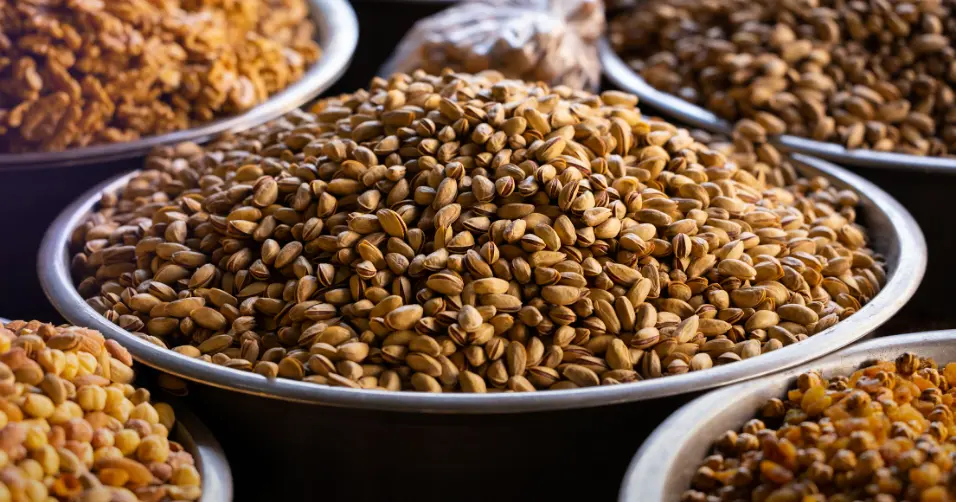
Fenugreek is an herb used for centuries in traditional medicine and cooking, known for its distinct nutty and sweet flavor.
It may support blood sugar management, potentially help increase testosterone levels in men, and is often used to boost breast milk production.
Fenugreek seeds are packed with nutrients like fiber and minerals, contributing to their potential health benefits.
While generally safe in recommended doses, fenugreek can cause mild side effects and may interact with certain medications, especially those for diabetes.
Incorporating fenugreek into your diet can be done through supplements, spices in cooking, or as a thickening agent, but it's wise to consult a doctor before starting supplements.
This article is educational and not intended to diagnose, treat, or suggest any specific intervention, and should not replace qualified medical advice.


Fenugreek: FACTS
Role | Testosterone, libido, glucose control |
Form & Classification | Herbal extract from Trigonella foenum-graecum |
Typical Dosage & Intake | 500–1500 mg/day |
Cycling | Often used in cycles |
Sources | Seeds, supplements |
Safety & Interactions | Safe; may lower blood sugar |
Dosage information is general and may vary with product brand, quality or individual needs; verify accuracy on package and consult a qualified practitioner before use.
What Does Fenugreek Do?
Fenugreek is a herb traditionally used to support digestion, blood sugar balance, and lactation.
Fenugreek is a herb used to support digestion, hormone balance, and sometimes blood sugar control. Many people use it to improve appetite or ease stomach discomfort. It is also traditionally linked with supporting milk production in breastfeeding women. Some studies suggest it may help regulate blood sugar by slowing carbohydrate absorption. Its effects are generally mild but can be supportive for daily wellness.
Fenugreek can aid in digestion by reducing bloating and improving gut comfort.
It is often used by breastfeeding women to encourage milk supply naturally.
The herb may help balance blood sugar, especially when taken before meals.
It has been linked with better appetite in those recovering from illness or underweight.
What Is Fenugreek?
Fenugreek is an herb used for digestion, blood sugar, and testosterone support.
Fenugreek is an herb traditionally used for digestion, blood sugar control, and lactation support. Its seeds contain compounds that may improve insulin response and lower cholesterol. Some women use fenugreek to increase milk production during breastfeeding. It is also used in cooking for its strong, slightly sweet flavor. While generally safe, it may interact with certain medications.
Blood sugar help: Fenugreek may improve how the body handles glucose.
Lactation use: Often taken by breastfeeding women to boost milk supply.
Cholesterol effect: Some studies show it may reduce harmful cholesterol levels.
Culinary role: Seeds and leaves are used in cooking for flavor and nutrition.
Which Fenugreek Type Is Best?
Fenugreek seed extract standardized to saponins is the most studied form.
The best type of fenugreek depends on its intended use, such as seed extracts or whole seed powder. Seed extracts are more concentrated and often standardized to compounds that influence blood sugar or milk production. Whole seed powder provides fiber and a gentler effect, making it useful for digestion. Capsules are convenient for daily use, while teas or ground seeds work well in cooking. People generally choose extracts for therapeutic use and powders for overall wellness.
Standardized seed extracts offer stronger support for blood sugar and lactation benefits.
Whole seed powder works as a mild digestive aid with added fiber content.
Capsule form ensures accurate dosage and avoids strong taste or odor.
Tea or spice form makes it easy to add into meals for lighter, long-term benefits.
How to Add Fenugreek to Your Diet?
Fenugreek can be added as seeds in cooking, tea, or in capsule form.
To add fenugreek to your diet, you can use its seeds, powders, teas, or supplements. Whole seeds are often soaked overnight and eaten, or ground and added to dishes. Powders and capsules provide more concentrated effects for blood sugar or lactation support. Fenugreek tea is a mild option for digestive comfort. The best method depends on whether you want culinary use or targeted supplementation.
Seeds can be soaked and eaten raw or cooked, adding fiber and digestive benefits.
Powders mix well into curries, smoothies, or bread for an herbal flavor and health support.
Capsules deliver consistent doses of active compounds for more reliable results.
Tea is a soothing way to enjoy fenugreek while easing mild stomach discomfort.
What Are Key Ingredients of Fenugreek?
Fenugreek supplements contain seed powder or extracts rich in saponins.
The key ingredients of fenugreek supplements are extracts from its seeds, which contain compounds like saponins and fiber. These seed extracts are often standardized to active compounds that support blood sugar and lactation. Powders and teas rely on the whole seed rather than isolated extracts. Some formulations also include other herbs that complement digestion or hormonal balance. The strength of the extract determines how noticeable the effects are.
Fenugreek seed extract provides saponins, believed to help regulate blood sugar and hormones.
Whole seed powder offers fiber, aiding digestion and appetite support.
Herbal blends may combine fenugreek with ginger or fennel for digestive comfort.
Standardization ensures consistent levels of active compounds in each serving.
Which Processes Does Fenugreek Affect?
Fenugreek influences blood sugar regulation and lactation processes.
Fenugreek affects digestion, metabolism, and hormone activity. It can slow carbohydrate breakdown, helping manage blood sugar levels. Its natural compounds may influence testosterone and estrogen balance, supporting energy and wellness. It also stimulates milk production in breastfeeding mothers. Beyond these, fenugreek supports appetite and soothes the digestive tract.
It slows carbohydrate absorption, helping regulate blood sugar responses after meals.
It interacts with hormones, possibly supporting balance in men and women.
It triggers milk production, aiding breastfeeding mothers.
It calms the stomach lining, reducing bloating or mild irritation.
What Foods Contain Fenugreek?
Fenugreek is naturally found in the seeds of the fenugreek plant.
Fenugreek is naturally found in its whole seeds and leaves. The seeds are the main dietary source and are often used in curries, teas, or breads. Fenugreek leaves can be eaten fresh or dried, offering a milder flavor. Both forms contain fiber and active compounds that support digestion and wellness. Most of its benefits come from regular use in cooking rather than isolated doses.
Whole seeds are the richest natural form, used in teas, powders, or cooking.
Fresh leaves provide a milder taste and still supply beneficial plant compounds.
Dried leaves add flavor to dishes and maintain some health benefits.
Ground fenugreek is widely used in spice blends and herbal remedies.
Is Fenugreek Vegan?
Fenugreek is vegan since it is derived from plant seeds.
Fenugreek is naturally vegan, as it comes directly from plant seeds and leaves. Most supplements use powdered or extracted seeds without animal products. However, capsules may sometimes contain gelatin. Vegans can choose powders, teas, or plant-based capsules instead. Whole fenugreek seeds used in cooking are always vegan-friendly.
Seeds and leaves are entirely plant-based, making them vegan by default.
Powders and teas provide vegan options without added ingredients.
Gelatin capsules should be avoided, but cellulose capsules are vegan-friendly.
Using fenugreek in meals ensures 100% vegan intake.
Will Fenugreek Break a Fast?
Fenugreek has calories if taken as seeds or powder, so it breaks a fast.
Fenugreek may break a fast depending on how it is consumed. Whole seeds, powders, or teas contain calories and fiber, which trigger digestion. Capsules with concentrated extracts may have fewer calories but can still affect the fasting state. If the goal is strict fasting, fenugreek should be avoided until eating hours. It is best taken with meals for maximum effect on digestion and blood sugar.
Seeds and powders contain calories and fiber, breaking a fast.
Extract capsules still stimulate digestion, though less than whole seeds.
Fenugreek tea has minimal calories but still activates digestive processes.
Best results occur when fenugreek is taken alongside meals.
Breaking a fast here is strictly physiological (e.g., insulin effects). When we say a supplement ‘does not break a fast,’ we mean it has negligible calories in normal use and is unlikely to disrupt fasting metabolism. Certain traditions or religious rules may treat any intake as breaking a fast—please follow your tradition and health needs.
How to Pick the Best Fenugreek?
Fenugreek should be chosen standardized for saponin content and tested for purity.
When choosing fenugreek, look for supplements standardized to active compounds like saponins. Capsules or extracts are more reliable than loose powders for accurate dosing. Seeds or powders should come from clean, pesticide-free sources if used in cooking. For lactation support, ensure the formula is tested for purity and safe for postpartum use. Organic certification adds assurance of quality.
Standardized extracts provide consistent active compound levels for effectiveness.
Capsules offer precise dosing, unlike powders with variable strength.
Pesticide-free or organic seeds reduce risks from contaminants.
Products labeled safe for breastfeeding ensure higher safety standards.
What’s the Optimal Dosage and Timing for Fenugreek?
Fenugreek is often taken at 500–1000 mg daily, with meals.
The optimal dosage of fenugreek is typically 500–1,000 mg daily in capsule or extract form. For blood sugar support, doses are usually split before meals. For lactation, tea or capsules are commonly taken two to three times daily. Whole seed use in cooking has milder effects and no fixed dosage. Starting with smaller amounts reduces the risk of digestive discomfort.
500–1,000 mg daily is common for standardized extracts in supplements.
Split doses before meals support better blood sugar control.
For lactation, multiple smaller servings throughout the day are often used.
Seeds in cooking offer mild benefits without strict dosing requirements.
Dosage and timing information is generalized and may not be appropriate for all individuals; occasional inaccuracies may occur. Variations in supplement purity, formulation, or quality can also affect dosing relevance. Verify accuracy on package and consult a qualified practitioner before use.
What Are Common Mistakes When Taking Fenugreek?
Fenugreek mistakes include taking very high doses that may upset digestion.
For fenugreek, common mistakes include taking too much too quickly, causing stomach upset. Some expect rapid changes in blood sugar or lactation without consistent use. Using it during fasting may also trigger digestive issues. Not checking for allergies or interactions with medications is another risk. Many overlook that seeds and extracts differ in strength.
Excessive intake often leads to bloating, diarrhea, or nausea.
Expecting immediate effects causes disappointment since benefits build gradually.
Not considering drug interactions may increase risks for those on medication.
Seeds provide mild effects compared to concentrated extracts, leading to dosing errors.
How Fast Does Fenugreek Work?
Fenugreek effects on digestion or lactation appear in days to weeks.
Fenugreek works at different speeds depending on purpose. For digestion, relief may be felt within hours after tea or seed use. For blood sugar balance, steady use over weeks is needed for results. Lactation benefits usually appear within several days of consistent intake. Hormonal effects tend to take longer, often weeks of supplementation.
Digestive comfort from tea or seeds can occur within a single day.
Blood sugar improvements require weeks of steady use before visible changes.
Lactation support often appears within 2–3 days of consistent supplementation.
Hormonal balance builds more slowly, requiring longer-term use.
Results may vary between individuals, and no outcome is guaranteed. A tailored supplemntation plan is the best way to ensure the desired outcome.
Does Fenugreek Require a Cooldown?
Fenugreek may require cooldown after months of continuous use due to hormone-related effects.
Fenugreek may benefit from short cooldowns if used in high doses or for specific goals like lactation. Long-term continuous use is less studied, especially at supplement levels. Traditional use in food is safe without breaks. For supplements, cycles of a few weeks with pauses may reduce side effect risk. This also allows monitoring for tolerance or diminishing results.
Traditional food use shows safety, but concentrated extracts lack long-term study.
Cooldowns help avoid digestive side effects with ongoing use.
Cycling gives the body time to reset hormone responses.
Regular breaks help assess if benefits remain necessary.
The need to pause or cycle depends on individual factors such as goals, tolerance, and clinical context. No universal rule applies, and specialist review is recommended before making adjustments.
Does Tolerance Develop for Fenugreek?
Fenugreek may show reduced effect with long-term continuous use.
Fenugreek may lead to reduced effectiveness over time if used daily in high doses. The body may adapt to its hormonal and metabolic effects. Breaks between use help maintain sensitivity. In food amounts, tolerance is unlikely. Supplements benefit from cycling to avoid diminishing results.
High-dose daily use can cause the body to adapt, lowering benefits.
Cooldowns restore responsiveness to supplementation.
Food use provides mild effects without risk of tolerance.
Cycling is useful for maintaining steady effectiveness.
Information on tolerance is generalized and may not reflect individual differences in metabolism, duration of use, or health status. Reactions can vary, and any adjustment should follow qualified practicioner's recommendations.
Can Fenugreek Be Stacked?
Fenugreek can be stacked with berberine to support blood sugar balance.
Fenugreek can be stacked with other digestion- or metabolism-support supplements. It works well with cinnamon or chromium for blood sugar balance. For lactation, it is often paired with fennel or blessed thistle. In sports nutrition, it may be combined with protein for appetite and recovery benefits. Care is needed to avoid stacking with too many hormone-active herbs.
Cinnamon and fenugreek together may improve insulin response naturally.
Chromium and fenugreek both support stable blood sugar when combined.
Herbal blends with fennel or thistle enhance milk supply support.
Pairing with protein helps appetite recovery after illness or exercise.
Many supplements can interact in ways that enhance or alter their effects. However, stacking makes it difficult to monitor the impact of each component and increases the risk of oversupplementation or unintended interactions.
Do Fenugreek Effects Persist?
Fenugreek effects fade within days to weeks after stopping.
Fenugreek effects persist only while actively used. Blood sugar and lactation benefits fade quickly after discontinuation. Digestive support from seeds or teas is short-lived once stopped. Hormonal effects also diminish over days to weeks without intake. It works best as a consistent dietary or supplemental habit.
Lactation support drops within days of stopping fenugreek.
Blood sugar control requires steady intake for results to remain.
Digestive comfort fades soon after discontinuation.
Hormonal benefits decrease within weeks without supplementation.
Results may vary between individuals, and no outcome is guaranteed. A tailored supplemntation plan is the best way to ensure the desired outcome.
Does Fenugreek Aid Longevity?
Fenugreek has limited evidence for longevity but may support blood sugar control.
Fenugreek has limited evidence for longevity benefits. Its blood sugar support may reduce risks tied to diabetes and heart disease. Hormonal balancing could aid quality of life with age. Antioxidant compounds in seeds may help protect cells from damage. While it may support healthy aging, it is not directly linked to lifespan extension.
Blood sugar regulation lowers risks of chronic age-related diseases.
Antioxidants in fenugreek reduce cellular stress over time.
Hormonal effects may improve vitality during middle age.
No direct studies link fenugreek to longer lifespan.
What Are Alternatives to Fenugreek?
Fenugreek alternatives include fennel or blessed thistle for digestive and lactation support.
Alternatives to fenugreek depend on the health goal. For digestion, ginger and peppermint provide relief from bloating. For blood sugar, cinnamon and chromium help regulate glucose. For lactation, fennel and blessed thistle are traditional herbal options. Balanced diets rich in fiber also improve appetite and gut comfort naturally.
Ginger supports digestion by reducing nausea and bloating.
Cinnamon helps stabilize blood sugar and improve insulin sensitivity.
Fennel seeds are a natural lactation support used in many cultures.
Fiber-rich diets enhance appetite control and bowel regularity.
There are often alternatives that better align with personal risk profiles, preferences, or resources; comparative review with a relevant certified consultant is advised.
What Are Possible Fenugreek Side Effects?
Fenugreek side effects include digestive upset and a maple syrup-like body odor.
Fenugreek side effects are usually digestive, such as bloating, gas, or diarrhea. Its strong smell may pass into sweat or urine. Some people report dizziness or headaches. At high doses, it may lower blood sugar too much, especially with diabetes medication. Allergic reactions are possible in those sensitive to legumes.
Bloating, diarrhea, and gas are the most frequent complaints.
A maple-like body odor is common from seed compounds.
Dizziness or headaches occur in some users with regular supplementation.
Low blood sugar may occur if combined with medications for diabetes.
Responses differ among individuals. If adverse effects occur, discontinuation and professional evaluation are advised.
Who Should Avoid Fenugreek?
Fenugreek should be avoided by people allergic to legumes or with low blood sugar.
Fenugreek should be avoided by pregnant women in large doses, as it may trigger contractions. People with low blood sugar or on diabetes medications should use it cautiously. Those allergic to legumes may also react to fenugreek. High doses may cause digestive distress in sensitive individuals. Infants should not be given fenugreek directly.
Pregnant women should avoid high fenugreek doses to prevent contractions.
Diabetic patients risk dangerously low blood sugar when combining it with medication.
Legume allergies can trigger reactions to fenugreek supplements or seeds.
Infants should not be given fenugreek due to safety concerns.
Individuals who may be at higher risk—including those with diabetes, eating disorders, pregnancy or breastfeeding, heavy training loads, health conditions, medication use, or prior adverse reactions—should seek tailored guidance before deciding supplementation or making major supplement or lifestyle changes.
Is Fenugreek Available Over-the-Counter?
Fenugreek is sold over-the-counter as capsules, teas, and powders.
Fenugreek is available over-the-counter as seeds, powders, teas, or capsules. It is sold in herbal supplement sections without prescription. Traditional food markets also carry seeds for cooking use. Stronger extracts are also available without restriction. Most countries classify it as a general wellness supplement.
Fenugreek seeds and powders are widely sold as food items.
Capsules and teas are common in supplement shops.
No prescription is required for general use in most areas.
Extracts and concentrates are legally available over-the-counter.
For over-the-counter availability we use generic US data. Product availability and status may vary by country and region.
What’s the History of Fenugreek?
Fenugreek has been used since ancient Egypt for digestion and lactation.
Fenugreek has been used for thousands of years in traditional medicine and cooking. Ancient Egyptians used it for digestive and respiratory health. In Indian and Middle Eastern cultures, it became a staple spice and herbal remedy. In the 20th century, scientific research began exploring its role in blood sugar and lactation support. Today, it is both a culinary spice and a global supplement.
Used in ancient Egypt for healing and food preparation.
Adopted in Ayurveda and Middle Eastern herbal traditions.
20th-century research highlighted blood sugar–related benefits.
Modern use includes supplements for lactation and metabolism.
Harald Ragnarok, Editor in Chief, Myopedia