Is Creatine Good for Runners
How Creatine Can Improve Endurance and Performance in Runners
So, you're a runner, and you've been hearing a lot about creatine.

What Does Creatine Do for Women

Should You Take Creatine Without Working Out?

Is Creatine Good for Runners

How Much Creatine per Day to Build Muscle Safely
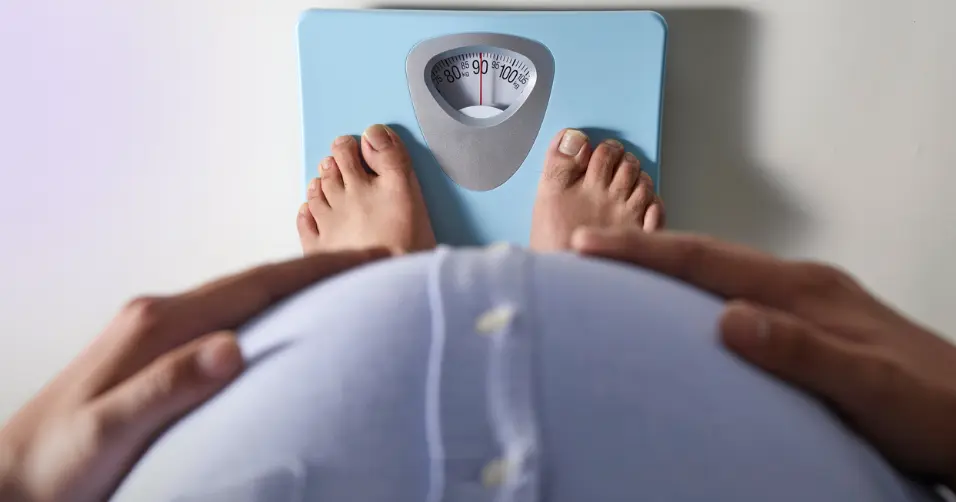
Does Creatine Make You Gain Weight

Does Creatine Make You Bloated

Does Creatine Help With Weight Loss

Does Creatine Cause Hair Loss
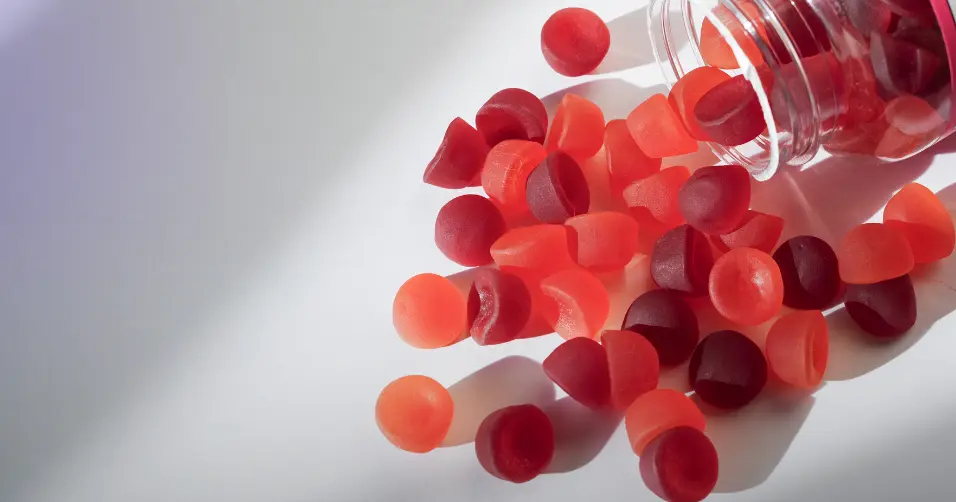
Do Creatine Gummies Work

Creatine Side Effects and Myths

Best Time to Take Creatine

6 Best Drinks to Mix With Creatine
So, you're a runner, and you've been hearing a lot about creatine.
Maybe you picture bodybuilders chugging shakes, but is it actually something for people who pound the pavement? It's a fair question. Creatine is a popular supplement, and like many things in the fitness world, it can be a bit confusing to figure out if it's right for your specific needs. We're going to break down what creatine is, how it works, and if it's actually good for runners.
Understanding Creatine For Runners
You've probably heard about creatine, maybe from friends who lift weights or from articles about athletic performance. It's a compound that your body naturally makes, and it's also found in foods like red meat and fish. When you supplement with creatine, you're essentially increasing the stores of a substance called phosphocreatine in your muscles.
What Is Creatine?
Creatine is an organic compound that our bodies produce from amino acids. It's stored primarily in our muscles, making up about 95% of the body's total creatine. Think of it as a readily available fuel source. While you get some creatine from your diet, the amounts are usually pretty small. For instance, a pound of beef has about 2 grams of creatine. If you're training hard and breaking down muscle tissue, you might need more than what food alone can provide to really notice a difference.
How Does Creatine Work in the Body?
Creatine's main job in the body is to help your muscles produce energy, especially during short, intense bursts of activity. When you do something that requires a lot of immediate effort, like sprinting or lifting something heavy, your muscles use a molecule called ATP for energy. Creatine helps your body quickly replenish ATP stores. This rapid energy regeneration is key for activities demanding explosive power. It's not just about lifting weights, though; even short, intense running efforts rely on this system.
Creatine's Role in Energy Production
During high-intensity exercise, your muscles burn through ATP quickly. Creatine phosphate, which is stored in your muscles, donates a phosphate molecule to ADP (adenosine diphosphate) to create more ATP. This process happens very fast, allowing you to sustain that intense effort for a little longer. For runners, this means that during those crucial moments of a race or during intense training intervals, having more creatine available could translate to better performance. It's particularly relevant for the anaerobic energy system, which is active during very short, very hard efforts.
Potential Benefits of Creatine for Runners
When you think about creatine, you might picture bodybuilders or sprinters, but it actually has some interesting potential upsides for runners too. It’s not just about lifting heavy things; creatine can play a role in how your body performs during those tough running sessions.
Enhanced Performance in High-Intensity Training
Even if you're primarily an endurance runner, your training likely includes bursts of high effort. Think about those hill repeats, track intervals, or even just those final sprints to the finish line. Creatine helps your muscles produce more energy quickly during these short, intense efforts. This means you might be able to push a little harder during those speed sessions, potentially leading to improvements in your overall speed and power over time. It’s like giving your muscles a bit more readily available fuel for those demanding moments.
Improved Glycogen Storage for Endurance
Glycogen is basically your body's stored carbohydrate, and it's super important for keeping you going during longer runs. Creatine might help your muscles store more of this vital fuel. Some research suggests it can do this by influencing insulin release, which helps get glucose into your muscles where it's stored as glycogen. Having more glycogen on hand could mean delaying that feeling of hitting a wall and being able to maintain your pace for longer.
Faster Recovery Between Training Sessions
Running, especially intense training, can leave your muscles feeling beat up. There's some evidence that creatine supplementation could help reduce muscle damage and inflammation after tough workouts. If your muscles recover a bit quicker, you can get back to your next hard session feeling fresher. This cumulative effect of faster recovery can really add up, allowing you to maintain a more consistent and demanding training schedule.
Preserving Muscle Mass During Injury
Getting injured is a runner's worst nightmare. When you're forced to take time off, maintaining muscle mass becomes a challenge. Creatine might help here too. By supporting muscle function and potentially reducing muscle breakdown during periods of inactivity, it could help you hold onto more of your hard-earned muscle and strength while you're healing. This can make the comeback process a bit smoother when you're finally cleared to run again.
Creatine's Impact on Different Running Disciplines
So, how does creatine actually fit into the picture for different types of runners? It's not a one-size-fits-all situation, and its effects can vary depending on the demands of your running.
Benefits for Sprinters and Middle-Distance Runners
For those who run shorter, faster races like the 100m, 200m, 400m, or even the 800m and 1500m, creatine can be quite beneficial. These disciplines rely heavily on quick bursts of energy and the ability to repeat those efforts. Creatine helps by increasing the availability of phosphocreatine in your muscles, which is key for regenerating ATP – the immediate energy currency of your cells. This means you can potentially sprint faster, push harder during intervals, and recover more quickly between those high-intensity efforts. Think of it as having a little extra fuel for those explosive moments that can make or break a race.
Improved sprint speed and power
Faster recovery between high-intensity intervals
Greater ability to maintain pace during repeated efforts
Considerations for Long-Distance Runners
When you get into longer distances, like half-marathons and marathons, the primary energy system shifts more towards aerobic metabolism. Creatine's direct impact on sustained, sub-maximal effort is less pronounced compared to sprinting. However, it's not entirely irrelevant. Creatine might play a role in improving your body's ability to store glycogen, which is your main fuel source for endurance events. More stored glycogen means you can potentially run longer before hitting the wall. Additionally, if your long-distance training includes speed work, hill repeats, or finishing kicks, creatine could still offer some advantages in those specific moments. It's more about supporting the high-intensity components that are often part of endurance training rather than directly fueling the entire aerobic run.
Aspect of Long-Distance Running | Potential Creatine Impact |
|---|---|
Glycogen Storage | May increase muscle glycogen |
High-Intensity Bursts (e.g., hills, finish) | May improve power and speed |
Aerobic Endurance | Less direct impact |
Creatine for Injury Rehabilitation
If you find yourself sidelined with an injury, creatine might be a helpful tool during your recovery. When you're not training as much, muscle mass can decrease. Creatine supplementation, combined with appropriate rehabilitation exercises, may help preserve muscle mass and strength. This can be really important for getting back to your previous fitness level more efficiently once you're cleared to resume training. It helps ensure that the muscle you do have stays as strong as possible during a period of reduced activity, potentially shortening the overall recovery timeline.
Helps maintain muscle mass during periods of reduced training.
May aid in preserving strength in affected limbs.
Supports a quicker return to pre-injury fitness levels.
Potential Drawbacks and Side Effects
While creatine is generally seen as safe for most healthy folks, it's not without its potential downsides, especially for runners. It's good to know what you might run into so you can be prepared.
Is Creatine Good For Runners?
Yes, creatine can help runners by improving sprint power and muscle recovery.
Creatine can be beneficial for runners by improving sprint performance and endurance recovery. It helps maintain ATP energy in muscle cells during repeated efforts. Long-distance runners may gain less speed benefit but improved training quality. Hydration is important to balance water retention effects. Regular low-dose use supports consistent energy during intense runs.
Short-distance runners benefit most from enhanced power output.
Creatine supports muscle glycogen replenishment after long sessions.
Loading phases are not essential for endurance athletes.
Hydration maintains comfort and prevents muscle cramps during use.
Understanding Creatine For Runners
You've probably heard about creatine, maybe from friends who lift weights or from articles about athletic performance. It's a compound that your body naturally makes, and it's also found in foods like red meat and fish. When you supplement with creatine, you're essentially increasing the stores of a substance called phosphocreatine in your muscles.
What Is Creatine?
Creatine is an organic compound that our bodies produce from amino acids. It's stored primarily in our muscles, making up about 95% of the body's total creatine. Think of it as a readily available fuel source. While you get some creatine from your diet, the amounts are usually pretty small. For instance, a pound of beef has about 2 grams of creatine. If you're training hard and breaking down muscle tissue, you might need more than what food alone can provide to really notice a difference.
How Does Creatine Work in the Body?
Creatine's main job in the body is to help your muscles produce energy, especially during short, intense bursts of activity. When you do something that requires a lot of immediate effort, like sprinting or lifting something heavy, your muscles use a molecule called ATP for energy. Creatine helps your body quickly replenish ATP stores. This rapid energy regeneration is key for activities demanding explosive power. It's not just about lifting weights, though; even short, intense running efforts rely on this system.
Creatine's Role in Energy Production
During high-intensity exercise, your muscles burn through ATP quickly. Creatine phosphate, which is stored in your muscles, donates a phosphate molecule to ADP (adenosine diphosphate) to create more ATP. This process happens very fast, allowing you to sustain that intense effort for a little longer. For runners, this means that during those crucial moments of a race or during intense training intervals, having more creatine available could translate to better performance. It's particularly relevant for the anaerobic energy system, which is active during very short, very hard efforts.
Potential Benefits of Creatine for Runners
When you think about creatine, you might picture bodybuilders or sprinters, but it actually has some interesting potential upsides for runners too. It’s not just about lifting heavy things; creatine can play a role in how your body performs during those tough running sessions.
Enhanced Performance in High-Intensity Training
Even if you're primarily an endurance runner, your training likely includes bursts of high effort. Think about those hill repeats, track intervals, or even just those final sprints to the finish line. Creatine helps your muscles produce more energy quickly during these short, intense efforts. This means you might be able to push a little harder during those speed sessions, potentially leading to improvements in your overall speed and power over time. It’s like giving your muscles a bit more readily available fuel for those demanding moments.
Improved Glycogen Storage for Endurance
Glycogen is basically your body's stored carbohydrate, and it's super important for keeping you going during longer runs. Creatine might help your muscles store more of this vital fuel. Some research suggests it can do this by influencing insulin release, which helps get glucose into your muscles where it's stored as glycogen. Having more glycogen on hand could mean delaying that feeling of hitting a wall and being able to maintain your pace for longer.
Faster Recovery Between Training Sessions
Running, especially intense training, can leave your muscles feeling beat up. There's some evidence that creatine supplementation could help reduce muscle damage and inflammation after tough workouts. If your muscles recover a bit quicker, you can get back to your next hard session feeling fresher. This cumulative effect of faster recovery can really add up, allowing you to maintain a more consistent and demanding training schedule.
Preserving Muscle Mass During Injury
Getting injured is a runner's worst nightmare. When you're forced to take time off, maintaining muscle mass becomes a challenge. Creatine might help here too. By supporting muscle function and potentially reducing muscle breakdown during periods of inactivity, it could help you hold onto more of your hard-earned muscle and strength while you're healing. This can make the comeback process a bit smoother when you're finally cleared to run again.
Creatine's Impact on Different Running Disciplines
So, how does creatine actually fit into the picture for different types of runners? It's not a one-size-fits-all situation, and its effects can vary depending on the demands of your running.
Benefits for Sprinters and Middle-Distance Runners
For those who run shorter, faster races like the 100m, 200m, 400m, or even the 800m and 1500m, creatine can be quite beneficial. These disciplines rely heavily on quick bursts of energy and the ability to repeat those efforts. Creatine helps by increasing the availability of phosphocreatine in your muscles, which is key for regenerating ATP – the immediate energy currency of your cells. This means you can potentially sprint faster, push harder during intervals, and recover more quickly between those high-intensity efforts. Think of it as having a little extra fuel for those explosive moments that can make or break a race.
Improved sprint speed and power
Faster recovery between high-intensity intervals
Greater ability to maintain pace during repeated efforts
Considerations for Long-Distance Runners
When you get into longer distances, like half-marathons and marathons, the primary energy system shifts more towards aerobic metabolism. Creatine's direct impact on sustained, sub-maximal effort is less pronounced compared to sprinting. However, it's not entirely irrelevant. Creatine might play a role in improving your body's ability to store glycogen, which is your main fuel source for endurance events. More stored glycogen means you can potentially run longer before hitting the wall. Additionally, if your long-distance training includes speed work, hill repeats, or finishing kicks, creatine could still offer some advantages in those specific moments. It's more about supporting the high-intensity components that are often part of endurance training rather than directly fueling the entire aerobic run.
Aspect of Long-Distance Running | Potential Creatine Impact |
|---|---|
Glycogen Storage | May increase muscle glycogen |
High-Intensity Bursts (e.g., hills, finish) | May improve power and speed |
Aerobic Endurance | Less direct impact |
Creatine for Injury Rehabilitation
If you find yourself sidelined with an injury, creatine might be a helpful tool during your recovery. When you're not training as much, muscle mass can decrease. Creatine supplementation, combined with appropriate rehabilitation exercises, may help preserve muscle mass and strength. This can be really important for getting back to your previous fitness level more efficiently once you're cleared to resume training. It helps ensure that the muscle you do have stays as strong as possible during a period of reduced activity, potentially shortening the overall recovery timeline.
Helps maintain muscle mass during periods of reduced training.
May aid in preserving strength in affected limbs.
Supports a quicker return to pre-injury fitness levels.
Potential Drawbacks and Side Effects
While creatine is generally seen as safe for most healthy folks, it's not without its potential downsides, especially for runners. It's good to know what you might run into so you can be prepared.
Gastrointestinal Discomfort and Bloating
Some people report feeling a bit off in the stomach when they start taking creatine. This can show up as bloating, mild cramps, or even diarrhea. It often happens if you take too much at once or don't mix it well with enough liquid. Splitting your dose throughout the day and making sure you're drinking plenty of water can really help minimize these issues. Sometimes, having a small snack with your creatine can also make a difference.
Water Retention and Weight Gain
Creatine pulls water into your muscle cells. This is part of how it works, but it can lead to a slight increase in body weight, usually a pound or two, especially in the first week or so. For sprinters or those looking to build muscle, this might even be a plus. However, for long-distance runners who are focused on staying as light as possible, this temporary weight gain might feel a bit unwelcome. It's important to remember this is mostly water weight, not fat.
Concerns About Dehydration
Because creatine draws water into the muscles, there's a theoretical concern that it could lead to dehydration if you're not careful with your fluid intake. This is why staying super hydrated is really key when you're supplementing with creatine, particularly if you're running long distances or in hot weather. Making sure you're drinking enough water throughout the day, and especially before, during, and after your runs, is a must.
Kidney Health Considerations
There's been a lot of talk over the years about creatine and kidney health. For individuals with healthy kidneys, current research suggests that creatine is safe and doesn't cause damage when taken at recommended doses. However, if you have any pre-existing kidney conditions, it's really important to talk to your doctor before you even think about starting creatine. They can advise you based on your specific health situation.
Making the Decision: Is Creatine Right for You?
So, should you add creatine to your running routine? It's not a simple yes or no answer, really. It genuinely depends on what you're trying to achieve with your running and how you train. Think of it like choosing the right shoes – what works for one runner might not be ideal for another.
Assessing Your Running Goals and Training Style
If you're mostly focused on long, steady runs, the benefits of creatine might be pretty minimal. It's most effective for those short, explosive bursts of effort. So, if your training includes a lot of:
Sprints
Hill repeats
Interval training
...then creatine could potentially give you that extra edge. It helps your body produce more of that quick energy needed for these intense efforts. On the flip side, if your runs are primarily at a consistent, moderate pace, you might not notice a significant difference. It's about matching the supplement to the demands of your training.
When Creatine Might Be Beneficial
There are definitely scenarios where creatine could be a good addition for runners. Consider it if:
You regularly incorporate high-intensity training into your schedule. This is where creatine really shines, helping you push harder during those demanding intervals and recover quicker between them.
You're a "hybrid" athlete. If you balance running with significant strength training, or are training for events like obstacle course races (OCR) that require both speed and strength, creatine can support performance in both areas.
You're recovering from an injury. During periods of reduced activity, creatine might help you hold onto muscle mass and strength, making your return to running smoother.
You focus on shorter race distances. For events like a 5K or 10K, where bursts of speed can make a difference, creatine's impact might be more noticeable than in longer endurance events.
When Creatine May Not Be Necessary
On the other hand, creatine might just be an unnecessary addition for some runners. You probably don't need it if:
Your primary focus is long-distance, steady-state running. The direct benefits for endurance are less clear, and the potential downsides might outweigh the positives.
You're a casual jogger looking for general fitness. While creatine is generally safe, it might not be worth the cost or the potential for minor side effects if you're not pushing your limits in specific ways.
You have certain pre-existing health conditions. If you have issues with your kidneys, liver, or high blood pressure, it's best to steer clear or consult a doctor very carefully. It's always better to be safe than sorry when it comes to your health.
Optimizing Creatine Use for Runners
So, you're thinking about adding creatine to your running routine. That's cool. But like anything you put into your body, it's not just a 'take it and forget it' kind of deal. You've got to be smart about it to get the most out of it and avoid any unwanted surprises. It's all about finding what works for you and your specific running goals.
Dosage and Timing Recommendations
When it comes to creatine, there are a couple of ways people usually go about it: a loading phase or just starting with a maintenance dose. A loading phase involves taking a higher amount, like 20 grams per day, split into smaller doses, for about a week. This helps saturate your muscles with creatine quickly. After that, you drop down to a maintenance dose of 3-5 grams per day. Some people skip the loading phase and just start with the 3-5 grams daily. It might take a bit longer to see the full effects, but it can also mean fewer stomach issues for some.
Timing-wise, most folks find it best to take their creatine dose post-run. Your muscles are pretty receptive after a workout, so they might soak it up a little better then. It doesn't have to be immediately after, but sometime within a few hours is generally recommended. Taking it with a meal or a shake that has some carbs and protein can also help with absorption.
Hydration Strategies
This is a big one. Creatine can pull water into your muscle cells. That's part of how it works, but it means you need to be extra mindful of your fluid intake. If you don't drink enough, you might feel sluggish or even get cramps. So, seriously, drink more water than you think you need. Aim for clear urine throughout the day. Carrying a water bottle with you and sipping on it regularly is a good habit to get into, especially on days you're taking creatine and hitting the pavement.
Consulting with Professionals
Look, I'm just a blog writer, not a doctor or a sports nutritionist. Before you start any new supplement, especially one like creatine that can affect your body in different ways, it's a really good idea to chat with someone who knows their stuff. Your doctor can tell you if it's safe for you based on your health history. A registered dietitian or a sports nutritionist can help you figure out the best dosage and timing for your specific training plan and goals. They can also help you understand how it might interact with other things you're doing. It’s about making an informed choice, not just following what everyone else is doing.
So, Should You Take Creatine?
Alright, let's wrap this up. Creatine isn't some magic potion that'll suddenly turn you into an ultra-marathoner overnight. For most runners, especially those focused on long, steady miles, the benefits might be pretty small. You might get a little help with recovery or storing energy, but don't expect miracles. However, if you're a sprinter, do a lot of speed work, or hit the gym for strength training alongside your running, creatine could actually give you a noticeable boost. Just remember, it's not for everyone. Some people get stomach issues, and it can make you hold onto a bit of extra water, which isn't ideal for distance runners. If you're thinking about trying it, chat with a doctor or a nutritionist first. They can help you figure out if it makes sense for your specific running goals and if it's safe for you.
Gastrointestinal Discomfort and Bloating
Some people report feeling a bit off in the stomach when they start taking creatine. This can show up as bloating, mild cramps, or even diarrhea. It often happens if you take too much at once or don't mix it well with enough liquid. Splitting your dose throughout the day and making sure you're drinking plenty of water can really help minimize these issues. Sometimes, having a small snack with your creatine can also make a difference.
Water Retention and Weight Gain
Creatine pulls water into your muscle cells. This is part of how it works, but it can lead to a slight increase in body weight, usually a pound or two, especially in the first week or so. For sprinters or those looking to build muscle, this might even be a plus. However, for long-distance runners who are focused on staying as light as possible, this temporary weight gain might feel a bit unwelcome. It's important to remember this is mostly water weight, not fat.
Concerns About Dehydration
Because creatine draws water into the muscles, there's a theoretical concern that it could lead to dehydration if you're not careful with your fluid intake. This is why staying super hydrated is really key when you're supplementing with creatine, particularly if you're running long distances or in hot weather. Making sure you're drinking enough water throughout the day, and especially before, during, and after your runs, is a must.
Kidney Health Considerations
There's been a lot of talk over the years about creatine and kidney health. For individuals with healthy kidneys, current research suggests that creatine is safe and doesn't cause damage when taken at recommended doses. However, if you have any pre-existing kidney conditions, it's really important to talk to your doctor before you even think about starting creatine. They can advise you based on your specific health situation.
Making the Decision: Is Creatine Right for You?
So, should you add creatine to your running routine? It's not a simple yes or no answer, really. It genuinely depends on what you're trying to achieve with your running and how you train. Think of it like choosing the right shoes – what works for one runner might not be ideal for another.
Assessing Your Running Goals and Training Style
If you're mostly focused on long, steady runs, the benefits of creatine might be pretty minimal. It's most effective for those short, explosive bursts of effort. So, if your training includes a lot of:
Sprints
Hill repeats
Interval training
...then creatine could potentially give you that extra edge. It helps your body produce more of that quick energy needed for these intense efforts. On the flip side, if your runs are primarily at a consistent, moderate pace, you might not notice a significant difference. It's about matching the supplement to the demands of your training.
When Creatine Might Be Beneficial
There are definitely scenarios where creatine could be a good addition for runners. Consider it if:
You regularly incorporate high-intensity training into your schedule. This is where creatine really shines, helping you push harder during those demanding intervals and recover quicker between them.
You're a "hybrid" athlete. If you balance running with significant strength training, or are training for events like obstacle course races (OCR) that require both speed and strength, creatine can support performance in both areas.
You're recovering from an injury. During periods of reduced activity, creatine might help you hold onto muscle mass and strength, making your return to running smoother.
You focus on shorter race distances. For events like a 5K or 10K, where bursts of speed can make a difference, creatine's impact might be more noticeable than in longer endurance events.
When Creatine May Not Be Necessary
On the other hand, creatine might just be an unnecessary addition for some runners. You probably don't need it if:
Your primary focus is long-distance, steady-state running. The direct benefits for endurance are less clear, and the potential downsides might outweigh the positives.
You're a casual jogger looking for general fitness. While creatine is generally safe, it might not be worth the cost or the potential for minor side effects if you're not pushing your limits in specific ways.
You have certain pre-existing health conditions. If you have issues with your kidneys, liver, or high blood pressure, it's best to steer clear or consult a doctor very carefully. It's always better to be safe than sorry when it comes to your health.
Optimizing Creatine Use for Runners
So, you're thinking about adding creatine to your running routine. That's cool. But like anything you put into your body, it's not just a 'take it and forget it' kind of deal. You've got to be smart about it to get the most out of it and avoid any unwanted surprises. It's all about finding what works for you and your specific running goals.
Dosage and Timing Recommendations
When it comes to creatine, there are a couple of ways people usually go about it: a loading phase or just starting with a maintenance dose. A loading phase involves taking a higher amount, like 20 grams per day, split into smaller doses, for about a week. This helps saturate your muscles with creatine quickly. After that, you drop down to a maintenance dose of 3-5 grams per day. Some people skip the loading phase and just start with the 3-5 grams daily. It might take a bit longer to see the full effects, but it can also mean fewer stomach issues for some.
Timing-wise, most folks find it best to take their creatine dose post-run. Your muscles are pretty receptive after a workout, so they might soak it up a little better then. It doesn't have to be immediately after, but sometime within a few hours is generally recommended. Taking it with a meal or a shake that has some carbs and protein can also help with absorption.
Hydration Strategies
This is a big one. Creatine can pull water into your muscle cells. That's part of how it works, but it means you need to be extra mindful of your fluid intake. If you don't drink enough, you might feel sluggish or even get cramps. So, seriously, drink more water than you think you need. Aim for clear urine throughout the day. Carrying a water bottle with you and sipping on it regularly is a good habit to get into, especially on days you're taking creatine and hitting the pavement.
Consulting with Professionals
Look, I'm just a blog writer, not a doctor or a sports nutritionist. Before you start any new supplement, especially one like creatine that can affect your body in different ways, it's a really good idea to chat with someone who knows their stuff. Your doctor can tell you if it's safe for you based on your health history. A registered dietitian or a sports nutritionist can help you figure out the best dosage and timing for your specific training plan and goals. They can also help you understand how it might interact with other things you're doing. It’s about making an informed choice, not just following what everyone else is doing.
So, Should You Take Creatine?
Alright, let's wrap this up. Creatine isn't some magic potion that'll suddenly turn you into an ultra-marathoner overnight. For most runners, especially those focused on long, steady miles, the benefits might be pretty small. You might get a little help with recovery or storing energy, but don't expect miracles. However, if you're a sprinter, do a lot of speed work, or hit the gym for strength training alongside your running, creatine could actually give you a noticeable boost. Just remember, it's not for everyone. Some people get stomach issues, and it can make you hold onto a bit of extra water, which isn't ideal for distance runners. If you're thinking about trying it, chat with a doctor or a nutritionist first. They can help you figure out if it makes sense for your specific running goals and if it's safe for you.
Does Creatine Help With Post-Run Soreness?
Yes, creatine helps reduce post-run soreness by aiding muscle energy restoration.
Creatine may reduce post-run soreness by supporting muscle energy recovery. It helps replenish ATP, reducing fatigue and tissue damage. Studies show improved muscle repair and lower inflammation after endurance or sprint workouts. Consistent use enhances recovery between training sessions. Adequate hydration further improves results.
Energy replenishment shortens muscle recovery time post-run.
Reduced oxidative stress minimizes delayed-onset soreness.
Stacking with protein amplifies tissue repair benefits.
Regular intake supports consistent performance in multi-day training.
Can Creatine Improve VO2 Max?
Creatine may slightly improve VO2 max, which measures aerobic capacity.
Creatine may modestly improve VO2 max by enhancing energy availability in muscles. While not directly affecting oxygen capacity, it supports training intensity that leads to aerobic improvements. It allows harder efforts before fatigue. Benefits are secondary to endurance conditioning. Combining with aerobic training yields gradual cardiovascular gains.
Creatine aids repeated high-intensity bursts during endurance sessions.
Enhanced power indirectly improves oxygen efficiency adaptations.
Studies show small but measurable performance improvements in runners.
Results depend on training style and hydration consistency.
How Fast Do Runners Notice Results From Creatine?
Runners may notice creatine benefits in 2–4 weeks of consistent use.
Runners typically notice creatine results within 2–3 weeks of consistent use. Early changes include improved recovery and reduced muscle fatigue. Strength and endurance gains become more apparent after several weeks. Hydration and proper dosing accelerate adaptation. Long-term benefits include sustained performance and resilience under training load.
Initial effects include less soreness and higher sprint output.
Continued use enhances recovery time between sessions.
Muscle energy stores increase steadily during first few weeks.
Full benefits appear with combined nutrition and progressive training.
How To Tell If Creatine Is Working?
You can tell creatine is working when strength, endurance, or muscle fullness improves.
You’ll know creatine is working when strength, recovery, or workout performance improves. Runners may notice reduced fatigue, faster recovery, and fuller muscles. Short-distance speed and endurance intervals become easier to sustain. After 2–4 weeks, training output should noticeably increase. Tracking times or lift progress confirms effectiveness.
Enhanced recovery and performance indicate muscle energy saturation.
Small increases in body weight reflect water stored inside muscle tissue.
Improved endurance and power show ATP regeneration efficiency.
Consistent training data validates measurable performance progress.
Harald Ragnarok, Editor in Chief, Myopedia
Myopedia is your to-go source for simple, practical guide to getting stronger, leaner, and healthier for the long run—bringing together biohacking, longevity, and muscle growth in one place. It breaks down what to do and why it works, with straightforward training and nutrition basics plus clear explanations of supplements and newer health tools, so you can make better choices without getting lost in hype.
Medical Disclaimer: All content on this website is intended solely for informational and educational purposes and should not be interpreted as a substitute for professional medical advice, diagnosis, or treatment, nor as encouragement or promotion for or against any particular use, product, or activity. Results may vary and are not guaranteed. No doctor–patient relationship is created by your use of this content. Always consult a qualified healthcare provider, nutritionist, or other relevant expert before starting or changing any supplement, diet, exercise, or lifestyle program. This website can contain errors. Check important information. Read our full Disclaimer.
RSS – Status – Terms of Service – Privacy Policy – Disclaimer – About Myopedia.
©2025 Myopedia™. All rights reserved.
Myopedia is your to-go source for simple, practical guide to getting stronger, leaner, and healthier for the long run—bringing together biohacking, longevity, and muscle growth in one place. It breaks down what to do and why it works, with straightforward training and nutrition basics plus clear explanations of supplements and newer health tools, so you can make better choices without getting lost in hype.
Medical Disclaimer: All content on this website is intended solely for informational and educational purposes and should not be interpreted as a substitute for professional medical advice, diagnosis, or treatment, nor as encouragement or promotion for or against any particular use, product, or activity. Results may vary and are not guaranteed. No doctor–patient relationship is created by your use of this content. Always consult a qualified healthcare provider, nutritionist, or other relevant expert before starting or changing any supplement, diet, exercise, or lifestyle program. This website can contain errors. Check important information. Read our full Disclaimer.
RSS – Status – Terms of Service – Privacy Policy – Disclaimer – About Myopedia.
©2025 Myopedia™. All rights reserved.
Myopedia is your to-go source for simple, practical guide to getting stronger, leaner, and healthier for the long run—bringing together biohacking, longevity, and muscle growth in one place. It breaks down what to do and why it works, with straightforward training and nutrition basics plus clear explanations of supplements and newer health tools, so you can make better choices without getting lost in hype.
Medical Disclaimer: All content on this website is intended solely for informational and educational purposes and should not be interpreted as a substitute for professional medical advice, diagnosis, or treatment, nor as encouragement or promotion for or against any particular use, product, or activity. Results may vary and are not guaranteed. No doctor–patient relationship is created by your use of this content. Always consult a qualified healthcare provider, nutritionist, or other relevant expert before starting or changing any supplement, diet, exercise, or lifestyle program. This website can contain errors. Check important information. Read our full Disclaimer.
RSS – Status – Terms of Service – Privacy Policy – Disclaimer – About Myopedia.
©2025 Myopedia™. All rights reserved.