Body
VO2 Max
A Complete Guide to VO2 Max and How It Works
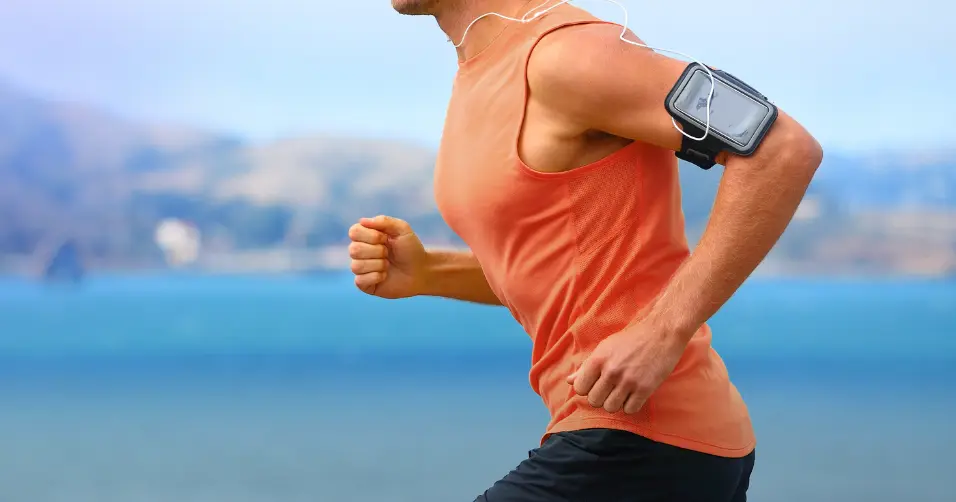
VO2 Max is a measure of the maximum volume of oxygen the body can use during intense exercise, serving as a key indicator of aerobic endurance.
This article is educational and not intended to diagnose, treat, or suggest any specific intervention, and should not replace qualified medical advice.




How to Optimize VO2 Max?
VO2 Max can be improved by regular aerobic exercise such as running or cycling that strengthens heart and lung efficiency.
Managing VO2 max involves structured training and monitoring progress over time. Interval training, such as alternating between high and low intensity, has been shown to improve oxygen use efficiency. Consistency in endurance exercise is key for gradual improvements. Recovery periods are equally important, as overtraining can hinder VO2 max development. Tracking progress with tests or wearables helps ensure training is effective.
Interval workouts stress the cardiovascular system, which adapts by improving oxygen uptake.
Long, steady-state cardio builds an endurance base, supporting higher VO2 max performance.
Adequate sleep and rest allow the body to recover and adapt from cardiovascular stress.
Monitoring heart rate zones during workouts ensures the right training intensity is maintained.
Managing VO2 max involves structured training and monitoring progress over time. Interval training, such as alternating between high and low intensity, has been shown to improve oxygen use efficiency. Consistency in endurance exercise is key for gradual improvements. Recovery periods are equally important, as overtraining can hinder VO2 max development. Tracking progress with tests or wearables helps ensure training is effective.
Interval workouts stress the cardiovascular system, which adapts by improving oxygen uptake.
Long, steady-state cardio builds an endurance base, supporting higher VO2 max performance.
Adequate sleep and rest allow the body to recover and adapt from cardiovascular stress.
Monitoring heart rate zones during workouts ensures the right training intensity is maintained.
What Is VO2 Max?
VO2 Max is the maximum rate of oxygen use during exercise, showing aerobic fitness.
VO2 Max is the maximum amount of oxygen the body can use during intense exercise, and it reflects aerobic fitness. A higher VO2 Max means the body can deliver and use oxygen more efficiently, improving endurance. It is often measured in athletes but is also an indicator of overall health and longevity. Genetics, age, training, and health conditions all influence VO2 Max levels. Regular aerobic training, like running or cycling, can raise it.
Fitness marker: VO2 Max is considered one of the best measures of cardiovascular endurance.
Training impact: Interval and endurance workouts are shown to improve VO2 Max.
Age factor: VO2 Max naturally declines with age, but exercise slows the drop.
Health link: Higher levels are associated with lower risk of heart disease and mortality.
VO2 Max is the maximum amount of oxygen the body can use during intense exercise, and it reflects aerobic fitness. A higher VO2 Max means the body can deliver and use oxygen more efficiently, improving endurance. It is often measured in athletes but is also an indicator of overall health and longevity. Genetics, age, training, and health conditions all influence VO2 Max levels. Regular aerobic training, like running or cycling, can raise it.
Fitness marker: VO2 Max is considered one of the best measures of cardiovascular endurance.
Training impact: Interval and endurance workouts are shown to improve VO2 Max.
Age factor: VO2 Max naturally declines with age, but exercise slows the drop.
Health link: Higher levels are associated with lower risk of heart disease and mortality.
How Does VO2 Max Impact Your Health?
VO2 Max strongly influences health as higher levels reflect better cardiovascular fitness and lower risk of heart disease.
VO2 max strongly reflects cardiovascular health and fitness. A higher score shows that the body efficiently uses oxygen during exercise, reducing heart strain. Low VO2 max is linked with greater risk of chronic diseases like heart disease. Improvements in VO2 max often mean better endurance and daily energy. Since it measures aerobic capacity, it is widely used to gauge overall fitness health.
High VO2 max lowers risk of cardiovascular disease by improving oxygen transport efficiency.
Low VO2 max suggests poor aerobic health, often tied with sedentary lifestyle risks.
Better oxygen use means muscles fatigue less, improving daily performance and exercise tolerance.
VO2 max scores are predictive of longevity and resilience against chronic conditions.
VO2 max strongly reflects cardiovascular health and fitness. A higher score shows that the body efficiently uses oxygen during exercise, reducing heart strain. Low VO2 max is linked with greater risk of chronic diseases like heart disease. Improvements in VO2 max often mean better endurance and daily energy. Since it measures aerobic capacity, it is widely used to gauge overall fitness health.
High VO2 max lowers risk of cardiovascular disease by improving oxygen transport efficiency.
Low VO2 max suggests poor aerobic health, often tied with sedentary lifestyle risks.
Better oxygen use means muscles fatigue less, improving daily performance and exercise tolerance.
VO2 max scores are predictive of longevity and resilience against chronic conditions.
What We Often Get Wrong About VO2 Max?
VO2 max is wrongly thought to improve only with running, but it can rise with any aerobic training.
A common misconception about VO2 max is that it only matters for elite athletes. In truth, it is a strong health marker for everyone. Another myth is that VO2 max cannot be improved, but structured training can raise it significantly. Some people think VO2 max is purely genetic, yet lifestyle has a large influence. It is also mistaken as just a measure of lung capacity, while it actually reflects heart, muscle, and blood efficiency.
Everyday people benefit from higher VO2 max, with better stamina and reduced disease risk.
Interval and endurance training can significantly improve VO2 max over time.
Genetics set a baseline, but lifestyle choices can shift the number considerably.
It measures oxygen use efficiency, not just breathing strength.
A common misconception about VO2 max is that it only matters for elite athletes. In truth, it is a strong health marker for everyone. Another myth is that VO2 max cannot be improved, but structured training can raise it significantly. Some people think VO2 max is purely genetic, yet lifestyle has a large influence. It is also mistaken as just a measure of lung capacity, while it actually reflects heart, muscle, and blood efficiency.
Everyday people benefit from higher VO2 max, with better stamina and reduced disease risk.
Interval and endurance training can significantly improve VO2 max over time.
Genetics set a baseline, but lifestyle choices can shift the number considerably.
It measures oxygen use efficiency, not just breathing strength.
Key VO2 Max Metrics You May Want to Track
Key VO2 Max metrics include oxygen uptake in milliliters per kilogram per minute, heart rate, and exercise duration.
Key VO2 max metrics include test results expressed in milliliters of oxygen per kilogram per minute. Tracking changes over time shows improvements or declines in cardiovascular capacity. Heart rate response during exercise also reflects oxygen use efficiency. Endurance performance, like running or cycling time at a steady pace, indirectly indicates VO2 max trends. Wearable devices now provide estimations for everyday monitoring.
Formal VO2 max tests measure oxygen consumption directly during maximal exercise.
Relative VO2 max scores allow comparisons by adjusting for body weight.
Tracking heart rate recovery after exercise gives insight into aerobic efficiency.
Wearables use pace, heart rate, and activity data to estimate VO2 max trends.
Key VO2 max metrics include test results expressed in milliliters of oxygen per kilogram per minute. Tracking changes over time shows improvements or declines in cardiovascular capacity. Heart rate response during exercise also reflects oxygen use efficiency. Endurance performance, like running or cycling time at a steady pace, indirectly indicates VO2 max trends. Wearable devices now provide estimations for everyday monitoring.
Formal VO2 max tests measure oxygen consumption directly during maximal exercise.
Relative VO2 max scores allow comparisons by adjusting for body weight.
Tracking heart rate recovery after exercise gives insight into aerobic efficiency.
Wearables use pace, heart rate, and activity data to estimate VO2 max trends.
What Causes Changes in VO2 Max?
Changes in VO2 Max are caused by aerobic training, aging, and cardiovascular health status.
Changes in VO2 max occur due to fitness level, age, and lifestyle. Regular aerobic training raises VO2 max by improving oxygen transport. Lack of exercise causes gradual decline, especially with age. Illness or smoking can further reduce capacity by impairing lung or heart function. Altitude training or high-intensity exercise can temporarily boost results.
Consistent endurance workouts strengthen the heart and raise oxygen use efficiency.
Aging naturally lowers VO2 max, but active lifestyles slow the decline.
Respiratory and cardiovascular diseases reduce the ability to deliver oxygen.
Training at high altitudes stimulates adaptation, improving oxygen uptake at sea level.
Changes in VO2 max occur due to fitness level, age, and lifestyle. Regular aerobic training raises VO2 max by improving oxygen transport. Lack of exercise causes gradual decline, especially with age. Illness or smoking can further reduce capacity by impairing lung or heart function. Altitude training or high-intensity exercise can temporarily boost results.
Consistent endurance workouts strengthen the heart and raise oxygen use efficiency.
Aging naturally lowers VO2 max, but active lifestyles slow the decline.
Respiratory and cardiovascular diseases reduce the ability to deliver oxygen.
Training at high altitudes stimulates adaptation, improving oxygen uptake at sea level.
Does VO2 Max Relate to Longevity?
VO2 Max relates to longevity as higher levels predict lower cardiovascular risk and longer life expectancy.
VO2 max is one of the strongest predictors of longevity. Higher values indicate efficient oxygen delivery, reducing cardiovascular risk. Low VO2 max is linked with higher mortality across many populations. Training to maintain or improve VO2 max preserves independence and function in later years. It is widely used as a benchmark for healthy aging.
High VO2 max lowers the risk of early death by improving heart and lung capacity.
Low aerobic capacity correlates strongly with chronic disease and reduced lifespan.
Maintaining VO2 max with age supports daily independence and vitality.
Cardiovascular fitness is a stronger survival predictor than many lab values.
VO2 max is one of the strongest predictors of longevity. Higher values indicate efficient oxygen delivery, reducing cardiovascular risk. Low VO2 max is linked with higher mortality across many populations. Training to maintain or improve VO2 max preserves independence and function in later years. It is widely used as a benchmark for healthy aging.
High VO2 max lowers the risk of early death by improving heart and lung capacity.
Low aerobic capacity correlates strongly with chronic disease and reduced lifespan.
Maintaining VO2 max with age supports daily independence and vitality.
Cardiovascular fitness is a stronger survival predictor than many lab values.
What Can Go Wrong With VO2 Max?
With VO2 Max, what can go wrong is a decline that signals poor cardiovascular health.
With VO2 max, what can go wrong is relying on it as the only measure of fitness. Very low VO2 max raises disease risk, while ignoring it means missing a key health marker. Overtraining to increase VO2 max can cause injury and burnout. Misinterpreting device-based estimates may give false confidence. Ignoring VO2 max decline with age can lead to reduced independence later in life.
Low VO2 max reduces cardiovascular resilience, raising risk of heart disease.
Excessive training to push VO2 max can cause fatigue and joint injuries.
Device estimates vary, leading to incorrect assumptions about health status.
Age-related decline without intervention leads to mobility loss and frailty.
With VO2 max, what can go wrong is relying on it as the only measure of fitness. Very low VO2 max raises disease risk, while ignoring it means missing a key health marker. Overtraining to increase VO2 max can cause injury and burnout. Misinterpreting device-based estimates may give false confidence. Ignoring VO2 max decline with age can lead to reduced independence later in life.
Low VO2 max reduces cardiovascular resilience, raising risk of heart disease.
Excessive training to push VO2 max can cause fatigue and joint injuries.
Device estimates vary, leading to incorrect assumptions about health status.
Age-related decline without intervention leads to mobility loss and frailty.
How Does VO2 Max Vary With Age?
VO2 Max varies with age by peaking in early adulthood and declining steadily with aging.
VO2 max varies strongly with age, generally peaking in the 20s. After that, it declines steadily unless maintained with exercise. The decline accelerates after age 40 and becomes more pronounced in older age. Regular training can slow this drop significantly. Older adults with high VO2 max tend to remain more active and independent.
VO2 max peaks in young adulthood when cardiovascular capacity is strongest.
Each decade after 30 sees a gradual decline without intervention.
Exercise preserves VO2 max, even in people over 70, compared to sedentary peers.
Loss of aerobic capacity in old age limits mobility and independence.
VO2 max varies strongly with age, generally peaking in the 20s. After that, it declines steadily unless maintained with exercise. The decline accelerates after age 40 and becomes more pronounced in older age. Regular training can slow this drop significantly. Older adults with high VO2 max tend to remain more active and independent.
VO2 max peaks in young adulthood when cardiovascular capacity is strongest.
Each decade after 30 sees a gradual decline without intervention.
Exercise preserves VO2 max, even in people over 70, compared to sedentary peers.
Loss of aerobic capacity in old age limits mobility and independence.
How Does Your Lifestyle Affect VO2 Max?
Lifestyle affects VO2 Max by regular exercise, smoking habits, and overall activity level.
Your lifestyle affects VO2 max by shaping heart and lung efficiency. Regular endurance training raises it, while inactivity lowers it. Smoking and poor air quality reduce oxygen use. Poor sleep and stress limit the body’s ability to adapt to training. Active living with good recovery improves VO2 max over time.
Consistent aerobic exercise trains the body to use oxygen more efficiently.
Sedentary routines lead to steep declines in VO2 max over years.
Smoking damages lung capacity, reducing oxygen delivery to muscles.
Good sleep and recovery allow cardiovascular gains from training to stick.
Your lifestyle affects VO2 max by shaping heart and lung efficiency. Regular endurance training raises it, while inactivity lowers it. Smoking and poor air quality reduce oxygen use. Poor sleep and stress limit the body’s ability to adapt to training. Active living with good recovery improves VO2 max over time.
Consistent aerobic exercise trains the body to use oxygen more efficiently.
Sedentary routines lead to steep declines in VO2 max over years.
Smoking damages lung capacity, reducing oxygen delivery to muscles.
Good sleep and recovery allow cardiovascular gains from training to stick.
How Does Nutrition Impact VO2 Max?
Nutrition impacts VO2 Max by providing carbohydrates for endurance and iron for oxygen transport.
Nutrition strongly affects VO2 max by fueling endurance and recovery. Carbohydrates provide quick energy for high-intensity training. Protein supports muscle repair, which is vital for adaptation. Micronutrients like iron are essential for oxygen transport in the blood. A poor diet limits energy and slows improvements in VO2 max.
Carbohydrates ensure enough glycogen for long or intense workouts.
Protein intake rebuilds muscles stressed during endurance training.
Iron supports hemoglobin, which carries oxygen to working muscles.
Deficiencies in key nutrients limit aerobic improvements over time.
Nutrition strongly affects VO2 max by fueling endurance and recovery. Carbohydrates provide quick energy for high-intensity training. Protein supports muscle repair, which is vital for adaptation. Micronutrients like iron are essential for oxygen transport in the blood. A poor diet limits energy and slows improvements in VO2 max.
Carbohydrates ensure enough glycogen for long or intense workouts.
Protein intake rebuilds muscles stressed during endurance training.
Iron supports hemoglobin, which carries oxygen to working muscles.
Deficiencies in key nutrients limit aerobic improvements over time.
What Supplements May Aid VO2 Max?
Supplements that may aid VO2 Max include beetroot (nitrates) and beta-alanine, which enhance oxygen use and endurance.
Certain supplements may support VO2 max improvements alongside training. Beetroot juice, high in nitrates, enhances blood flow and oxygen efficiency. Iron supplements help if deficiency limits oxygen transport. Beta-alanine may delay muscle fatigue during high-intensity exercise. Supplements work best with consistent training and nutrition.
Nitrate-rich beetroot improves oxygen delivery to muscles during exercise.
Iron corrects anemia, improving endurance capacity and VO2 max results.
Beta-alanine buffers muscle acid buildup, extending training intensity.
They are supportive, not replacements for cardiovascular training.
Certain supplements may support VO2 max improvements alongside training. Beetroot juice, high in nitrates, enhances blood flow and oxygen efficiency. Iron supplements help if deficiency limits oxygen transport. Beta-alanine may delay muscle fatigue during high-intensity exercise. Supplements work best with consistent training and nutrition.
Nitrate-rich beetroot improves oxygen delivery to muscles during exercise.
Iron corrects anemia, improving endurance capacity and VO2 max results.
Beta-alanine buffers muscle acid buildup, extending training intensity.
They are supportive, not replacements for cardiovascular training.
Can Fasting Optimize VO2 Max?
Fasting can optimize VO2 Max indirectly by improving weight control and cardiovascular health, though training is primary.
Fasting can optimize VO2 max indirectly by improving metabolic flexibility. Training in a fasted state teaches the body to use fat more efficiently. Some endurance athletes use this to boost performance adaptation. However, fasted high-intensity training may limit peak performance. Balanced use of fasting around training can support cardiovascular fitness.
Fasted exercise increases reliance on fat for energy, improving metabolic efficiency.
Endurance athletes sometimes train fasted to adapt to lower glycogen levels.
High-intensity work while fasting may reduce output due to low energy availability.
Strategic fasting helps but cannot replace structured VO2 max training.
Fasting can optimize VO2 max indirectly by improving metabolic flexibility. Training in a fasted state teaches the body to use fat more efficiently. Some endurance athletes use this to boost performance adaptation. However, fasted high-intensity training may limit peak performance. Balanced use of fasting around training can support cardiovascular fitness.
Fasted exercise increases reliance on fat for energy, improving metabolic efficiency.
Endurance athletes sometimes train fasted to adapt to lower glycogen levels.
High-intensity work while fasting may reduce output due to low energy availability.
Strategic fasting helps but cannot replace structured VO2 max training.
How Your Workout Regimen Affects VO2 Max?
Your workout regimen affects VO2 Max by improving oxygen delivery through consistent aerobic training.
Your workout regimen strongly impacts VO2 max. Aerobic exercises like running or cycling increase oxygen efficiency. High-intensity interval training is especially effective for boosting VO2 max. Strength training has a smaller effect but supports overall fitness. Lack of consistent training leads to a steady decline in VO2 max.
Endurance training improves the heart and lungs, raising VO2 max values.
Interval workouts push oxygen limits, creating strong adaptation.
Strength training indirectly supports VO2 max by improving muscular endurance.
Inactivity leads to a predictable decline in oxygen capacity over time.
Your workout regimen strongly impacts VO2 max. Aerobic exercises like running or cycling increase oxygen efficiency. High-intensity interval training is especially effective for boosting VO2 max. Strength training has a smaller effect but supports overall fitness. Lack of consistent training leads to a steady decline in VO2 max.
Endurance training improves the heart and lungs, raising VO2 max values.
Interval workouts push oxygen limits, creating strong adaptation.
Strength training indirectly supports VO2 max by improving muscular endurance.
Inactivity leads to a predictable decline in oxygen capacity over time.
What's the Latest Research on VO2 Max?
Latest research on VO2 Max highlights that high-intensity interval training increases aerobic capacity faster than moderate steady exercise.
The latest research on VO2 max emphasizes its role as a strong predictor of longevity. Large-scale studies confirm that higher VO2 max correlates with lower risk of early death. Scientists are exploring genetic markers that affect aerobic capacity. High-intensity interval training remains one of the most effective ways to raise VO2 max. Recent data also shows that VO2 max improvements benefit even the elderly when training is consistent.
New studies confirm VO2 max as one of the top predictors of survival in all age groups.
Genetic research identifies variations in oxygen transport efficiency linked to VO2 max.
Interval training continues to show superior results compared to steady cardio in trials.
Elderly participants still improve VO2 max significantly with structured exercise.
The latest research on VO2 max emphasizes its role as a strong predictor of longevity. Large-scale studies confirm that higher VO2 max correlates with lower risk of early death. Scientists are exploring genetic markers that affect aerobic capacity. High-intensity interval training remains one of the most effective ways to raise VO2 max. Recent data also shows that VO2 max improvements benefit even the elderly when training is consistent.
New studies confirm VO2 max as one of the top predictors of survival in all age groups.
Genetic research identifies variations in oxygen transport efficiency linked to VO2 max.
Interval training continues to show superior results compared to steady cardio in trials.
Elderly participants still improve VO2 max significantly with structured exercise.
Does Caffeine Boost VO2?
Caffeine can modestly boost VO2 max, the maximum oxygen use during exercise, by improving endurance capacity.
Caffeine can influence breathing efficiency during exercise for some people. A few studies show small increases in oxygen-use capacity. These changes can help sustain moderate-to-hard efforts. The effect is not equally strong in everyone. Timing and dose matter for predictable results.
Endurance activities may feel slightly easier at steady pace. This can help maintain output longer.
Lung ventilation can increase a bit, improving airflow during exertion. Sensitive users should watch for discomfort.
Fatigue perception drops which indirectly helps aerobic performance. This effect varies widely.
Moderate intake reduces side effects like anxious breathing. Starting low is safest.
Caffeine can influence breathing efficiency during exercise for some people. A few studies show small increases in oxygen-use capacity. These changes can help sustain moderate-to-hard efforts. The effect is not equally strong in everyone. Timing and dose matter for predictable results.
Endurance activities may feel slightly easier at steady pace. This can help maintain output longer.
Lung ventilation can increase a bit, improving airflow during exertion. Sensitive users should watch for discomfort.
Fatigue perception drops which indirectly helps aerobic performance. This effect varies widely.
Moderate intake reduces side effects like anxious breathing. Starting low is safest.
How Does Insulin Sensitivity Affect Weight Loss?
Higher insulin sensitivity supports weight loss by improving fat and glucose metabolism.
Insulin sensitivity affects weight loss because better sensitivity helps cells use glucose for energy instead of storing it as fat. This supports steadier energy levels and fewer cravings. Improved sensitivity lowers the body’s tendency to store surplus calories. Exercise and balanced diets often raise sensitivity. These changes make fat loss easier to maintain.
Fat storage: Poor sensitivity pushes calories into fat cells.
Energy use: Good response promotes active metabolism.
Craving control: Stable sugar reduces hunger swings.
Workout benefit: Training boosts insulin sensitivity naturally.
Insulin sensitivity affects weight loss because better sensitivity helps cells use glucose for energy instead of storing it as fat. This supports steadier energy levels and fewer cravings. Improved sensitivity lowers the body’s tendency to store surplus calories. Exercise and balanced diets often raise sensitivity. These changes make fat loss easier to maintain.
Fat storage: Poor sensitivity pushes calories into fat cells.
Energy use: Good response promotes active metabolism.
Craving control: Stable sugar reduces hunger swings.
Workout benefit: Training boosts insulin sensitivity naturally.
How Does Neural Adaption Influence VO2 Max?
Neural adaptation influences VO2 max by improving oxygen use efficiency through better motor control.
Neural adaptation influences VO2 max by improving movement efficiency during aerobic work. Better coordination reduces wasted motion, lowering energy cost. This helps the body use oxygen more effectively. Over time, smoother movement supports higher sustained effort. Neural gains complement cardiovascular changes.
Efficient muscle use reduces oxygen waste during exercise.
Better rhythm improves breathing and pacing.
Lower fatigue rate allows longer high-oxygen output.
Smoother technique enhances endurance performance.
Neural adaptation influences VO2 max by improving movement efficiency during aerobic work. Better coordination reduces wasted motion, lowering energy cost. This helps the body use oxygen more effectively. Over time, smoother movement supports higher sustained effort. Neural gains complement cardiovascular changes.
Efficient muscle use reduces oxygen waste during exercise.
Better rhythm improves breathing and pacing.
Lower fatigue rate allows longer high-oxygen output.
Smoother technique enhances endurance performance.
How Does Overtraining Affect VO2 Max?
Overtraining affects VO2 max by reducing endurance and oxygen efficiency due to fatigue.
Overtraining affects VO2 max by reducing the body’s ability to perform high-quality aerobic sessions. Fatigue limits training intensity, which slows cardiovascular improvements. Recovery deficits weaken lung and heart efficiency over time. Performance plateaus or declines. Rest periods help restore VO2 max progression.
Lower training intensity stalls aerobic development.
Chronic fatigue reduces oxygen use efficiency.
Cardiovascular strain slows adaptation.
Recovery blocks improve long-term VO2 results.
Overtraining affects VO2 max by reducing the body’s ability to perform high-quality aerobic sessions. Fatigue limits training intensity, which slows cardiovascular improvements. Recovery deficits weaken lung and heart efficiency over time. Performance plateaus or declines. Rest periods help restore VO2 max progression.
Lower training intensity stalls aerobic development.
Chronic fatigue reduces oxygen use efficiency.
Cardiovascular strain slows adaptation.
Recovery blocks improve long-term VO2 results.
How Does Nutrition Influence VO2 Max?
Nutrition influences VO2 max by supporting oxygen transport and energy metabolism.
Nutrition influences VO2 max by supporting energy systems that power aerobic training. Carbohydrates fuel long sessions that develop cardiovascular capacity. Healthy fats support steady endurance. Micronutrients help oxygen transport and enzyme function. Proper nutrition helps keep training intensity consistent.
Carb availability sustains long aerobic work.
Fat balance supports extended efforts.
Vitamins and minerals assist oxygen use.
Consistent fueling improves aerobic adaptations.
Nutrition influences VO2 max by supporting energy systems that power aerobic training. Carbohydrates fuel long sessions that develop cardiovascular capacity. Healthy fats support steady endurance. Micronutrients help oxygen transport and enzyme function. Proper nutrition helps keep training intensity consistent.
Carb availability sustains long aerobic work.
Fat balance supports extended efforts.
Vitamins and minerals assist oxygen use.
Consistent fueling improves aerobic adaptations.
How Do Plateaus Affect VO2 Max?
Plateaus affect VO2 max by limiting endurance improvements and oxygen efficiency.
Plateaus can slow VO2 max gains by limiting training intensity. VO2 max responds to progressive overload in cardio work. When routine intensity stops rising, oxygen use capacity levels off. Fatigue or monotony can contribute. Program changes often restart VO2 max growth.
Intensity ceiling stops aerobic adaptation.
Training variety renews cardiovascular stimulus.
Fatigue factors reduce output.
Interval changes break stagnation.
Recovery cycles support oxygen-use improvements.
Plateaus can slow VO2 max gains by limiting training intensity. VO2 max responds to progressive overload in cardio work. When routine intensity stops rising, oxygen use capacity levels off. Fatigue or monotony can contribute. Program changes often restart VO2 max growth.
Intensity ceiling stops aerobic adaptation.
Training variety renews cardiovascular stimulus.
Fatigue factors reduce output.
Interval changes break stagnation.
Recovery cycles support oxygen-use improvements.
Medical Disclaimer: All content on this website is intended solely for informational and educational purposes and should not be interpreted as a substitute for professional medical advice, diagnosis, or treatment, nor as encouragement or promotion for or against any particular use, product, or activity. Results may vary and are not guaranteed. No doctor–patient relationship is created by your use of this content. Always consult a qualified healthcare provider, nutritionist, or other relevant expert before starting or changing any supplement, diet, exercise, or lifestyle program. This website can contain errors. Check important information. Read our full Disclaimer.
Status – Terms of Service – Privacy Policy – Disclaimer – About Myopedia.
©2025 Myopedia™. All rights reserved.
Medical Disclaimer: All content on this website is intended solely for informational and educational purposes and should not be interpreted as a substitute for professional medical advice, diagnosis, or treatment, nor as encouragement or promotion for or against any particular use, product, or activity. Results may vary and are not guaranteed. No doctor–patient relationship is created by your use of this content. Always consult a qualified healthcare provider, nutritionist, or other relevant expert before starting or changing any supplement, diet, exercise, or lifestyle program. This website can contain errors. Check important information. Read our full Disclaimer.
Status – Terms of Service – Privacy Policy – Disclaimer – About Myopedia.
©2025 Myopedia™. All rights reserved.
Medical Disclaimer: All content on this website is intended solely for informational and educational purposes and should not be interpreted as a substitute for professional medical advice, diagnosis, or treatment, nor as encouragement or promotion for or against any particular use, product, or activity. Results may vary and are not guaranteed. No doctor–patient relationship is created by your use of this content. Always consult a qualified healthcare provider, nutritionist, or other relevant expert before starting or changing any supplement, diet, exercise, or lifestyle program. This website can contain errors. Check important information. Read our full Disclaimer.
Status – Terms of Service – Privacy Policy – Disclaimer – About Myopedia.
©2025 Myopedia™. All rights reserved.