Nutrition

Macronutrient Ratios

Your Complete Guide to Macronutrient Ratios

Macronutrient Ratios is the proportional distribution of proteins, carbohydrates, and fats in your diet, designed to maximize muscle growth, recovery, and overall health, essential for both bodybuilding and longevity.
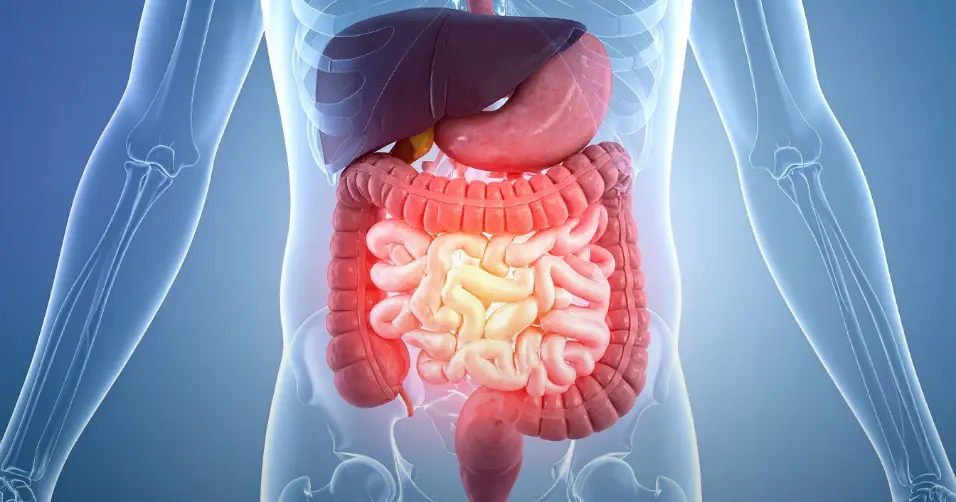
This article is educational and not intended to diagnose, treat, or suggest any specific intervention, and should not replace qualified medical advice.

Macronutrient ratios are the balance of proteins, fats, and carbs in a diet.

How Do Macronutrient Ratios Work?

Macronutrient ratios affect weight by changing how much protein, fat, and carbohydrates you eat, which influences hunger and energy use.

Works by adjusting the balance of protein, fat, and carbohydrate in the diet. Different ratios emphasize different goals, such as fat loss, muscle gain, or endurance. For example, higher protein ratios support muscle growth, while higher carbohydrate ratios support endurance sports. Flexibility allows tailoring to individual activity levels and body types. Success depends on consistency and tracking of food intake.

  • Protein ratios affect muscle repair and satiety, influencing body composition.

  • Carbohydrate ratios impact glycogen storage, critical for endurance athletes.

  • Fat ratios influence hormone balance and energy availability.

  • Ratios can be shifted based on training goals, weight management, or health conditions.

Works by adjusting the balance of protein, fat, and carbohydrate in the diet. Different ratios emphasize different goals, such as fat loss, muscle gain, or endurance. For example, higher protein ratios support muscle growth, while higher carbohydrate ratios support endurance sports. Flexibility allows tailoring to individual activity levels and body types. Success depends on consistency and tracking of food intake.

  • Protein ratios affect muscle repair and satiety, influencing body composition.

  • Carbohydrate ratios impact glycogen storage, critical for endurance athletes.

  • Fat ratios influence hormone balance and energy availability.

  • Ratios can be shifted based on training goals, weight management, or health conditions.

Macronutrient Ratios: FACTS

Core Idea

Balance of protein, fat, and carbs for goals.

Typical Regimen

Ratios adjusted for fat loss, maintenance, or bulking.

Common Foods

All food groups, based on macro targets.

Physiological Effects

Impacts energy, recovery, fat storage, muscle gain.

Benefits

Flexibility, precision for body composition.

Risks

Tracking can be time-consuming, stressful.

What Are Macronutrient Ratios?

Macronutrient Ratios are the proportions of protein, fat, and carbohydrate in a diet.

Macronutrient ratios describe the balance of carbohydrates, proteins, and fats in a diet. Different goals, like weight loss, muscle gain, or endurance training, may require adjusting these ratios. For example, a higher protein intake supports muscle growth, while endurance athletes often need more carbohydrates. There is no single ideal ratio, as individual needs vary based on age, activity, and metabolism. Tracking ratios can help align eating habits with personal health or fitness goals.

  • Three groups: Carbohydrates, proteins, and fats are the main sources of calories in any diet.

  • Goal-based: Athletes, dieters, and bodybuilders may adjust ratios differently for performance or health.

  • Flexibility: There is no universal formula, since lifestyle and genetics influence ideal ratios.

  • Tracking tool: Monitoring ratios can guide balanced eating for specific outcomes.

Macronutrient ratios describe the balance of carbohydrates, proteins, and fats in a diet. Different goals, like weight loss, muscle gain, or endurance training, may require adjusting these ratios. For example, a higher protein intake supports muscle growth, while endurance athletes often need more carbohydrates. There is no single ideal ratio, as individual needs vary based on age, activity, and metabolism. Tracking ratios can help align eating habits with personal health or fitness goals.

  • Three groups: Carbohydrates, proteins, and fats are the main sources of calories in any diet.

  • Goal-based: Athletes, dieters, and bodybuilders may adjust ratios differently for performance or health.

  • Flexibility: There is no universal formula, since lifestyle and genetics influence ideal ratios.

  • Tracking tool: Monitoring ratios can guide balanced eating for specific outcomes.

What We Often Get Wrong About Macronutrient Ratios?

Macronutrient ratios affect weight by changing how much protein, fat, and carbohydrates you eat, which influences hunger and energy use.

Often assumed that one macronutrient ratio works for everyone, but needs vary by goals and activity. Some think high-protein always speeds muscle growth, though total calories and training matter equally. Another misconception is that low-fat is always healthier, while fats are vital for hormones and energy. Many believe ratios must stay fixed, though they can shift with training cycles. Also, some assume carbohydrates are always bad, though they fuel performance in endurance sports.

  • Individual needs vary; no single ratio fits all lifestyles and goals.

  • Protein helps muscle, but overall energy balance and training drive growth.

  • Fats support hormones, so extremely low-fat diets can be harmful.

  • Carbohydrates are not inherently negative; they are key for endurance activity.

Often assumed that one macronutrient ratio works for everyone, but needs vary by goals and activity. Some think high-protein always speeds muscle growth, though total calories and training matter equally. Another misconception is that low-fat is always healthier, while fats are vital for hormones and energy. Many believe ratios must stay fixed, though they can shift with training cycles. Also, some assume carbohydrates are always bad, though they fuel performance in endurance sports.

  • Individual needs vary; no single ratio fits all lifestyles and goals.

  • Protein helps muscle, but overall energy balance and training drive growth.

  • Fats support hormones, so extremely low-fat diets can be harmful.

  • Carbohydrates are not inherently negative; they are key for endurance activity.

What Results to Expect from Macronutrient Ratios?

Macronutrient ratio changes can lead to more stable energy, altered muscle growth, or better fat loss depending on balance.

Results depend on chosen ratio—high-protein supports muscle, higher-carb aids endurance. Weight changes occur based on total calorie intake and activity. Hormone balance may improve with enough fat. Recovery and performance respond directly to macronutrient distribution. Adjustments often lead to visible results within weeks of consistency.

  • High-protein ratios improve recovery and muscle growth.

  • Higher carbohydrates support endurance capacity.

  • Balanced fats maintain hormones and energy.

  • Body composition shifts with ratio adjustments and exercise.

Results depend on chosen ratio—high-protein supports muscle, higher-carb aids endurance. Weight changes occur based on total calorie intake and activity. Hormone balance may improve with enough fat. Recovery and performance respond directly to macronutrient distribution. Adjustments often lead to visible results within weeks of consistency.

  • High-protein ratios improve recovery and muscle growth.

  • Higher carbohydrates support endurance capacity.

  • Balanced fats maintain hormones and energy.

  • Body composition shifts with ratio adjustments and exercise.

Are Macronutrient Ratios Sustainable Long Term?

Macronutrient ratios can be sustainable if adjusted to lifestyle and goals, though extreme ratios often fail over time.

Macronutrient ratios are sustainable when adapted to personal needs and training goals. Flexibility allows adjustment over time without major restrictions. Works best with regular tracking and awareness of portions. Some find it tiring if counting macros daily is required. More sustainable when applied with general guidelines rather than strict targets.

  • Adjustable over time, supporting long-term goals and body changes.

  • Flexible enough to adapt to different lifestyles and sports.

  • Daily tracking may feel demanding for some individuals.

  • General ratio ranges are easier to follow than precise numbers.

Macronutrient ratios are sustainable when adapted to personal needs and training goals. Flexibility allows adjustment over time without major restrictions. Works best with regular tracking and awareness of portions. Some find it tiring if counting macros daily is required. More sustainable when applied with general guidelines rather than strict targets.

  • Adjustable over time, supporting long-term goals and body changes.

  • Flexible enough to adapt to different lifestyles and sports.

  • Daily tracking may feel demanding for some individuals.

  • General ratio ranges are easier to follow than precise numbers.

Following restrictive patterns long term can affect nutrient status or biomarkers. Monitoring with a clinician helps keep things safe.

Following restrictive patterns long term can affect nutrient status or biomarkers. Monitoring with a clinician helps keep things safe.

How Does Your Body Adjust to Macronutrient Ratios?

Macronutrient ratio adjustment depends on shifts; high-protein may cause thirst, while high-fat may cause slower digestion at first.

Body adapts to macronutrient ratios by shifting energy pathways toward the emphasized nutrient. Higher protein intake enhances muscle repair efficiency. Increased fat intake adjusts hormone production and energy metabolism. Higher carbohydrate intake improves glycogen storage and endurance capacity. Adaptation is gradual and depends on consistency.

  • Protein-heavy ratios increase amino acid use for repair and growth.

  • High-fat ratios shift metabolism toward fat oxidation.

  • Carbohydrate-rich ratios enhance glycogen stores for exercise.

  • Hormonal balance adapts to new macronutrient distributions.

Body adapts to macronutrient ratios by shifting energy pathways toward the emphasized nutrient. Higher protein intake enhances muscle repair efficiency. Increased fat intake adjusts hormone production and energy metabolism. Higher carbohydrate intake improves glycogen storage and endurance capacity. Adaptation is gradual and depends on consistency.

  • Protein-heavy ratios increase amino acid use for repair and growth.

  • High-fat ratios shift metabolism toward fat oxidation.

  • Carbohydrate-rich ratios enhance glycogen stores for exercise.

  • Hormonal balance adapts to new macronutrient distributions.

Are Macronutrient Ratios a Fit for Your Lifestyle?

Macronutrient ratios fit best when tailored individually, such as higher protein for athletes or higher carbs for endurance.

Macronutrient ratios can fit many lifestyles depending on goals. Athletes may favor higher carb or protein, while sedentary people adjust differently. Requires tracking, which may not suit those preferring flexibility. Works well for structured eaters but less for spontaneous ones. Adaptable when applied broadly rather than rigidly.

  • Helps athletes fine-tune performance with ratio adjustments.

  • Sedentary individuals can lower carbs for weight control.

  • Tracking may be demanding for casual eaters.

  • Flexible ranges improve adherence for long-term use.

Macronutrient ratios can fit many lifestyles depending on goals. Athletes may favor higher carb or protein, while sedentary people adjust differently. Requires tracking, which may not suit those preferring flexibility. Works well for structured eaters but less for spontaneous ones. Adaptable when applied broadly rather than rigidly.

  • Helps athletes fine-tune performance with ratio adjustments.

  • Sedentary individuals can lower carbs for weight control.

  • Tracking may be demanding for casual eaters.

  • Flexible ranges improve adherence for long-term use.

Which Processes Do Macronutrient Ratios Affect?

Macronutrient ratios influence hormone balance, muscle growth, fat storage, and energy metabolism.

Macronutrient ratios affect energy pathways, hormones, and body composition. Protein ratios influence repair and muscle growth processes. Carbohydrate ratios impact glycogen storage and energy supply. Fat ratios regulate hormone production and cell health. Adjustments shift body’s reliance on different metabolic fuels.

  • Protein increases muscle synthesis and satiety hormones.

  • Carbs fuel glycogen storage and endurance activity.

  • Fats regulate hormones and long-term energy processes.

  • Ratios determine body composition changes over time.

Macronutrient ratios affect energy pathways, hormones, and body composition. Protein ratios influence repair and muscle growth processes. Carbohydrate ratios impact glycogen storage and energy supply. Fat ratios regulate hormone production and cell health. Adjustments shift body’s reliance on different metabolic fuels.

  • Protein increases muscle synthesis and satiety hormones.

  • Carbs fuel glycogen storage and endurance activity.

  • Fats regulate hormones and long-term energy processes.

  • Ratios determine body composition changes over time.

How Do Macronutrient Ratios Affect Metabolism?

Macronutrient ratios affect metabolism since protein raises calorie burn, while fats and carbs provide different energy efficiencies.

Macronutrient ratios directly affect metabolic processes. Higher protein increases thermogenesis and muscle-driven metabolism. More carbs boost glycogen turnover and exercise energy use. Higher fat shifts metabolism toward fat oxidation. Adjustments lead to specific energy pathway dominance.

  • Protein ratios raise calorie burn through digestion and muscle repair.

  • Carbohydrate ratios fuel glycogen cycles for performance.

  • Fat ratios adapt body toward fat-burning metabolism.

  • Metabolism shifts depending on ratio balance and activity.

Macronutrient ratios directly affect metabolic processes. Higher protein increases thermogenesis and muscle-driven metabolism. More carbs boost glycogen turnover and exercise energy use. Higher fat shifts metabolism toward fat oxidation. Adjustments lead to specific energy pathway dominance.

  • Protein ratios raise calorie burn through digestion and muscle repair.

  • Carbohydrate ratios fuel glycogen cycles for performance.

  • Fat ratios adapt body toward fat-burning metabolism.

  • Metabolism shifts depending on ratio balance and activity.

How Do Macronutrient Ratios Affect Energy Levels?

Macronutrient ratios change energy depending on balance: high-carb boosts quick energy, high-fat gives slower release.

Macronutrient ratios influence energy depending on balance chosen. High-carb ratios boost endurance and quick activity energy. High-protein ratios support stable energy but less immediate fuel. High-fat ratios give longer-lasting energy but may slow intensity at first. Adjustments change how energy is delivered during daily activity.

  • High-carb increases glycogen for endurance performance.

  • High-protein stabilizes energy without sharp spikes.

  • High-fat supports lasting fuel but reduces quick bursts.

  • Energy patterns depend on chosen ratio and activity needs.

Macronutrient ratios influence energy depending on balance chosen. High-carb ratios boost endurance and quick activity energy. High-protein ratios support stable energy but less immediate fuel. High-fat ratios give longer-lasting energy but may slow intensity at first. Adjustments change how energy is delivered during daily activity.

  • High-carb increases glycogen for endurance performance.

  • High-protein stabilizes energy without sharp spikes.

  • High-fat supports lasting fuel but reduces quick bursts.

  • Energy patterns depend on chosen ratio and activity needs.

What Supplements May Aid Macronutrient Ratios?

Macronutrient ratios can be supported with protein powder for higher protein needs or fiber supplements for low-carb balance.

Macronutrient ratios may be aided by protein powders, creatine, and omega-3. Protein powders simplify reaching high-protein ratios. Creatine supports muscle-focused plans with higher protein intake. Omega-3 balances fat ratios if intake is low from food. Supplements help fine-tune macronutrient goals.

  • Protein powders allow easier tracking of protein ratios.

  • Creatine complements high-protein, strength-focused eating plans.

  • Omega-3 supports balance when fats are mostly saturated.

  • Supplements add flexibility in reaching macro targets.

Macronutrient ratios may be aided by protein powders, creatine, and omega-3. Protein powders simplify reaching high-protein ratios. Creatine supports muscle-focused plans with higher protein intake. Omega-3 balances fat ratios if intake is low from food. Supplements help fine-tune macronutrient goals.

  • Protein powders allow easier tracking of protein ratios.

  • Creatine complements high-protein, strength-focused eating plans.

  • Omega-3 supports balance when fats are mostly saturated.

  • Supplements add flexibility in reaching macro targets.

What Risks Do Macronutrient Ratios Have?

Macronutrient ratios risk imbalances if extremes are chosen, such as very low carb or very low fat.

Macronutrient ratio risks depend on extremes. Very high protein may strain kidneys in vulnerable people. Very low fat can harm hormone production and nutrient absorption. Very low carb can reduce energy and performance. Imbalanced ratios may cause nutrient gaps if variety is low.

  • Excessive protein may burden kidneys for those with conditions.

  • Low fat intake disrupts hormone balance and vitamin absorption.

  • Low carb intake reduces endurance performance and glycogen stores.

  • Poor variety within ratios may lead to micronutrient deficiencies.

Macronutrient ratio risks depend on extremes. Very high protein may strain kidneys in vulnerable people. Very low fat can harm hormone production and nutrient absorption. Very low carb can reduce energy and performance. Imbalanced ratios may cause nutrient gaps if variety is low.

  • Excessive protein may burden kidneys for those with conditions.

  • Low fat intake disrupts hormone balance and vitamin absorption.

  • Low carb intake reduces endurance performance and glycogen stores.

  • Poor variety within ratios may lead to micronutrient deficiencies.

Rapid changes in eating patterns may alter blood glucose, electrolytes, hydration, and physical performance. These shifts can lead to unintended results, especially with health conditions or medications. Make changes gradually where appropriate, and seek clinical monitoring if you have risk factors or concerning symptoms.

Rapid changes in eating patterns may alter blood glucose, electrolytes, hydration, and physical performance. These shifts can lead to unintended results, especially with health conditions or medications. Make changes gradually where appropriate, and seek clinical monitoring if you have risk factors or concerning symptoms.

Can Macronutrient Ratios Cause Any Nutrient Imbalances?

Macronutrient ratios can lead to imbalance if protein, fat, or carbs are restricted too much.

Macronutrient ratios may create imbalances if extremes are followed. High protein may crowd out carbs or fats, reducing nutrient variety. Very low fat disrupts vitamin absorption. Very low carb reduces fiber and micronutrient intake. Balanced ranges prevent most imbalances.

  • High protein reduces intake of other nutrient groups.

  • Low fat prevents absorption of fat-soluble vitamins.

  • Low carb limits fiber and certain vitamins and minerals.

  • Moderate ranges maintain balance across nutrients.

Macronutrient ratios may create imbalances if extremes are followed. High protein may crowd out carbs or fats, reducing nutrient variety. Very low fat disrupts vitamin absorption. Very low carb reduces fiber and micronutrient intake. Balanced ranges prevent most imbalances.

  • High protein reduces intake of other nutrient groups.

  • Low fat prevents absorption of fat-soluble vitamins.

  • Low carb limits fiber and certain vitamins and minerals.

  • Moderate ranges maintain balance across nutrients.

Some eating patterns or supplements are not appropriate in pregnancy or lactation. Confirm safety and adequacy with your obstetric provider.

Some eating patterns or supplements are not appropriate in pregnancy or lactation. Confirm safety and adequacy with your obstetric provider.

Who Should Avoid Macronutrient Ratios?

Macronutrient ratios may be unsuitable if they are extreme and not matched to personal health needs.

Macronutrient ratios may not suit people uncomfortable with tracking food. Those with eating disorder history may find tracking triggering. Individuals with unpredictable routines may struggle with strict targets. High-protein ratios may not fit kidney patients. Simpler approaches may be safer for many.

  • Tracking may worsen food obsession for vulnerable individuals.

  • Unpredictable schedules reduce adherence to set ratios.

  • Kidney conditions limit high-protein intake safety.

  • General balanced eating may be more suitable long-term.

Macronutrient ratios may not suit people uncomfortable with tracking food. Those with eating disorder history may find tracking triggering. Individuals with unpredictable routines may struggle with strict targets. High-protein ratios may not fit kidney patients. Simpler approaches may be safer for many.

  • Tracking may worsen food obsession for vulnerable individuals.

  • Unpredictable schedules reduce adherence to set ratios.

  • Kidney conditions limit high-protein intake safety.

  • General balanced eating may be more suitable long-term.

Some eating patterns or supplements are not appropriate in pregnancy or lactation. Confirm safety and adequacy with your obstetric provider.

Some eating patterns or supplements are not appropriate in pregnancy or lactation. Confirm safety and adequacy with your obstetric provider.

What's the History of Macronutrient Ratios?

Macronutrient ratio history stems from early nutrition science in the 20th century that defined protein, fat, and carbohydrate needs.

Macronutrient ratios have been considered since early nutrition science in the 19th century. Researchers studied protein, fat, and carbohydrate needs for survival and performance. Different ratio trends emerged in the 20th century, from low-fat to high-protein. Bodybuilding and athletic communities drove experimentation with macros. Today, ratios are used to tailor diets to personal goals and health conditions.

  • 19th century nutrition science defined protein, fat, and carbohydrate needs.

  • 20th century saw cycles of low-fat, low-carb, and high-protein trends.

  • Athletes tested and popularized different macro distributions.

  • Now customized for health, weight, and performance goals.

Macronutrient ratios have been considered since early nutrition science in the 19th century. Researchers studied protein, fat, and carbohydrate needs for survival and performance. Different ratio trends emerged in the 20th century, from low-fat to high-protein. Bodybuilding and athletic communities drove experimentation with macros. Today, ratios are used to tailor diets to personal goals and health conditions.

  • 19th century nutrition science defined protein, fat, and carbohydrate needs.

  • 20th century saw cycles of low-fat, low-carb, and high-protein trends.

  • Athletes tested and popularized different macro distributions.

  • Now customized for health, weight, and performance goals.

How Do Cheat Meals Affect Macros?

Cheat meals affect macros by temporarily increasing calorie and carbohydrate intake, which can alter weekly energy balance.

Cheat meals can push macros off target by adding unexpected fat, sugar, or total calories. Even one meal can shift weekly averages. The body mainly responds to overall patterns rather than a single day. Planning around it can reduce disruptions. Tracking helps people understand the actual impact.

  • Usually high in calories, which can tilt weekly totals. This often affects weight-related goals.

  • Often high in fats and sugars, changing macro balance. These nutrients can exceed daily limits quickly.

  • Adjusting earlier meals can smooth out the effect. This helps maintain consistency.

Cheat meals can push macros off target by adding unexpected fat, sugar, or total calories. Even one meal can shift weekly averages. The body mainly responds to overall patterns rather than a single day. Planning around it can reduce disruptions. Tracking helps people understand the actual impact.

  • Usually high in calories, which can tilt weekly totals. This often affects weight-related goals.

  • Often high in fats and sugars, changing macro balance. These nutrients can exceed daily limits quickly.

  • Adjusting earlier meals can smooth out the effect. This helps maintain consistency.

How Do Fats Fit into Macro Ratios?

Fats fit into macro ratios as the main energy-dense nutrient, balanced with proteins and carbohydrates for diet planning.

Fats fit into macro ratios by providing concentrated energy that balances carbohydrates and proteins. They help regulate fullness signals that guide daily calorie intake. Different types of fats contribute differently to overall nutrition, with unsaturated fats generally preferred. People often adjust fat intake depending on activity level and health goals. A balanced ratio helps stabilize energy and support nutrient absorption.

  • Macro balance role: Fat helps maintain steady meal satisfaction, reducing rapid hunger cycles. This supports consistent eating patterns.

  • Energy density: Fat contains more calories per gram, so small changes strongly affect total calories. This makes portion awareness important.

  • Absorption support: Certain vitamins require fat for uptake, improving overall nutrition. This includes vitamins A, D, E, and K.

  • Diet variation: High-fat approaches shift the ratio toward fats for energy stability. Lower-fat plans shift toward carbs for quick fuel.


Fats fit into macro ratios by providing concentrated energy that balances carbohydrates and proteins. They help regulate fullness signals that guide daily calorie intake. Different types of fats contribute differently to overall nutrition, with unsaturated fats generally preferred. People often adjust fat intake depending on activity level and health goals. A balanced ratio helps stabilize energy and support nutrient absorption.

  • Macro balance role: Fat helps maintain steady meal satisfaction, reducing rapid hunger cycles. This supports consistent eating patterns.

  • Energy density: Fat contains more calories per gram, so small changes strongly affect total calories. This makes portion awareness important.

  • Absorption support: Certain vitamins require fat for uptake, improving overall nutrition. This includes vitamins A, D, E, and K.

  • Diet variation: High-fat approaches shift the ratio toward fats for energy stability. Lower-fat plans shift toward carbs for quick fuel.


How Does Gluten Influence Gut Health?

Gluten can affect gut health by triggering inflammation or barrier disruption in sensitive individuals.

Gluten influences gut health mainly in people with sensitivity by triggering inflammation in the small intestine. This can lead to bloating and discomfort when the immune system reacts. In others, gluten behaves like a typical dietary protein. The gut lining may be stressed if irritation becomes chronic. Effects depend heavily on individual biology.

  • Inflammatory response: Sensitivity causes immune activity in the gut.

  • Digestive symptoms: Gas and bloating often follow irritation.

  • Barrier stress: Ongoing inflammation may affect lining strength.

  • Individual variation: Tolerance differs widely.


Gluten influences gut health mainly in people with sensitivity by triggering inflammation in the small intestine. This can lead to bloating and discomfort when the immune system reacts. In others, gluten behaves like a typical dietary protein. The gut lining may be stressed if irritation becomes chronic. Effects depend heavily on individual biology.

  • Inflammatory response: Sensitivity causes immune activity in the gut.

  • Digestive symptoms: Gas and bloating often follow irritation.

  • Barrier stress: Ongoing inflammation may affect lining strength.

  • Individual variation: Tolerance differs widely.


What Are Key Things to Know About Senolytics?

Senolytics are compounds studied to clear senescent, or aging, cells that no longer divide and may harm tissues.

Key things to know about senolytics include their goal of clearing senescent cells, which are aged cells that resist removal. These cells can release inflammatory chemicals that stress tissues. Senolytics are studied mainly in animals and early human trials. Safety and dosing remain uncertain. They are experimental rather than routine wellness tools.

  • Cell clearance: Target aged, non-dividing cells.

  • Inflammation link: Senescent cells release harmful signals.

  • Research stage: Mostly early evidence.

  • Uncertain dosing: Safety profiles still evolving.


Key things to know about senolytics include their goal of clearing senescent cells, which are aged cells that resist removal. These cells can release inflammatory chemicals that stress tissues. Senolytics are studied mainly in animals and early human trials. Safety and dosing remain uncertain. They are experimental rather than routine wellness tools.

  • Cell clearance: Target aged, non-dividing cells.

  • Inflammation link: Senescent cells release harmful signals.

  • Research stage: Mostly early evidence.

  • Uncertain dosing: Safety profiles still evolving.


How Do Plant-Based Diets Affect Macros?

Plant-based diets affect macros by increasing carbs and fiber while lowering fat intake.

Plant-based diets affect macros by shifting fat and protein sources toward plants while increasing fiber-rich carbohydrates. Many meals rely on legumes and grains for protein. Plant fats come mainly from nuts, seeds, and oils. Carbohydrates are naturally higher due to fruits and vegetables. Overall macro balance depends on food selection.

  • Higher fiber shapes carbohydrate intake.

  • Plant proteins come from beans and grains.

  • Healthy fats arise from seeds and nuts.

  • Food choice determines total macro structure.


Plant-based diets affect macros by shifting fat and protein sources toward plants while increasing fiber-rich carbohydrates. Many meals rely on legumes and grains for protein. Plant fats come mainly from nuts, seeds, and oils. Carbohydrates are naturally higher due to fruits and vegetables. Overall macro balance depends on food selection.

  • Higher fiber shapes carbohydrate intake.

  • Plant proteins come from beans and grains.

  • Healthy fats arise from seeds and nuts.

  • Food choice determines total macro structure.


Medical Disclaimer: All content on this website is intended solely for informational and educational purposes and should not be interpreted as a substitute for professional medical advice, diagnosis, or treatment, nor as encouragement or promotion for or against any particular use, product, or activity. Results may vary and are not guaranteed. No doctor–patient relationship is created by your use of this content. Always consult a qualified healthcare provider, nutritionist, or other relevant expert before starting or changing any supplement, diet, exercise, or lifestyle program. This website can contain errors. Check important information. Read our full Disclaimer.

StatusTerms of ServicePrivacy PolicyDisclaimerAbout Myopedia.

©2025 Myopedia™. All rights reserved.

Medical Disclaimer: All content on this website is intended solely for informational and educational purposes and should not be interpreted as a substitute for professional medical advice, diagnosis, or treatment, nor as encouragement or promotion for or against any particular use, product, or activity. Results may vary and are not guaranteed. No doctor–patient relationship is created by your use of this content. Always consult a qualified healthcare provider, nutritionist, or other relevant expert before starting or changing any supplement, diet, exercise, or lifestyle program. This website can contain errors. Check important information. Read our full Disclaimer.

StatusTerms of ServicePrivacy PolicyDisclaimerAbout Myopedia.

©2025 Myopedia™. All rights reserved.

Medical Disclaimer: All content on this website is intended solely for informational and educational purposes and should not be interpreted as a substitute for professional medical advice, diagnosis, or treatment, nor as encouragement or promotion for or against any particular use, product, or activity. Results may vary and are not guaranteed. No doctor–patient relationship is created by your use of this content. Always consult a qualified healthcare provider, nutritionist, or other relevant expert before starting or changing any supplement, diet, exercise, or lifestyle program. This website can contain errors. Check important information. Read our full Disclaimer.

StatusTerms of ServicePrivacy PolicyDisclaimerAbout Myopedia.

©2025 Myopedia™. All rights reserved.