Nutrition

High-Protein Diet

High-Protein Diets: A Comprehensive Guide

High-protein diets prioritize lean meats, legumes, and dairy to support muscle synthesis, satiety, and metabolic rate, often aiding weight loss and recovery. Excessive intake may strain kidneys in susceptible individuals, making adequate hydration and fiber intake important.
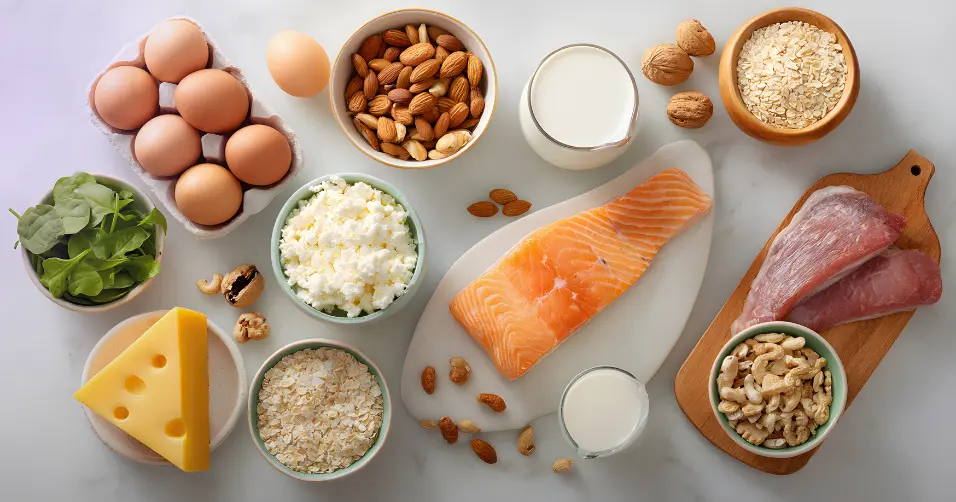
This article is educational and not intended to diagnose, treat, or suggest any specific intervention, and should not replace qualified medical advice.


High-protein diets emphasize protein intake to support muscle growth and recovery.

Will a High-Protein Diet Help You Lose Weight?

High-protein diets promote weight loss since protein boosts satiety and requires more energy to digest compared to carbs or fat.

High-protein diets work by increasing protein intake, which supports muscle repair and boosts satiety. Protein also has a higher thermic effect, meaning it requires more energy to digest compared to fats or carbs. This can raise overall calorie burn slightly while making it easier to feel full. Maintaining muscle mass during weight loss is another key benefit. Typically, carbs and fats are adjusted downward to make room for added protein.

  • Increases fullness hormones, which helps reduce snacking and overeating naturally.

  • Protects muscle tissue during calorie restriction, which helps maintain metabolism.

  • Digesting protein burns more calories, slightly increasing daily energy use.

  • Can be tailored for muscle gain or weight loss depending on calorie balance.

High-protein diets work by increasing protein intake, which supports muscle repair and boosts satiety. Protein also has a higher thermic effect, meaning it requires more energy to digest compared to fats or carbs. This can raise overall calorie burn slightly while making it easier to feel full. Maintaining muscle mass during weight loss is another key benefit. Typically, carbs and fats are adjusted downward to make room for added protein.

  • Increases fullness hormones, which helps reduce snacking and overeating naturally.

  • Protects muscle tissue during calorie restriction, which helps maintain metabolism.

  • Digesting protein burns more calories, slightly increasing daily energy use.

  • Can be tailored for muscle gain or weight loss depending on calorie balance.

High-Protein Diet: FACTS

Core Idea

Emphasizes protein intake for muscle/health.

Typical Regimen

1.6–2.2g protein per kg bodyweight daily.

Common Foods

Meat, fish, eggs, whey, beans, tofu.

Physiological Effects

Boosts muscle synthesis, satiety, metabolism.

Benefits

Muscle growth, fat loss, healthy aging.

Risks

Excess may strain kidneys in predisposed.

What Are High-Protein Diets?

High-Protein Diets emphasize protein intake for muscle growth and weight control.

High-protein diets emphasize protein-rich foods such as meat, fish, eggs, legumes, and dairy. They are often used to support muscle growth, weight loss, and satiety. Protein helps repair tissues, build muscle, and maintain lean body mass. These diets typically reduce carbohydrate intake to make room for more protein. While effective for many, very high protein intake may strain kidneys in some people.

  • Muscle support: Protein is essential for rebuilding and strengthening muscles after exercise.

  • Weight impact: High protein helps control hunger and supports fat loss while preserving lean mass.

  • Diet shift: Often involves lowering carb intake to increase daily protein percentage.

  • Health caution: Excessive intake may stress kidneys, especially in those with kidney problems.

High-protein diets emphasize protein-rich foods such as meat, fish, eggs, legumes, and dairy. They are often used to support muscle growth, weight loss, and satiety. Protein helps repair tissues, build muscle, and maintain lean body mass. These diets typically reduce carbohydrate intake to make room for more protein. While effective for many, very high protein intake may strain kidneys in some people.

  • Muscle support: Protein is essential for rebuilding and strengthening muscles after exercise.

  • Weight impact: High protein helps control hunger and supports fat loss while preserving lean mass.

  • Diet shift: Often involves lowering carb intake to increase daily protein percentage.

  • Health caution: Excessive intake may stress kidneys, especially in those with kidney problems.

What We Often Get Wrong About High-Protein Diets?

High-protein diets promote weight loss since protein boosts satiety and requires more energy to digest compared to carbs or fat.

A common misconception about high-protein diets is that they damage healthy kidneys. Research shows this mainly concerns people with pre-existing kidney issues, not healthy individuals. Another misunderstanding is that protein alone builds muscle, but resistance training is also required. Some believe eating very high protein speeds up fat loss drastically, but the effect is modest. People may also think carbs and fats should be eliminated, when balance is still important.

  • Kidney stress risk is relevant only in those with kidney disease, not healthy people.

  • Muscle gain requires both protein and training stimulus, not protein alone.

  • Higher protein boosts calorie burn slightly, but it is not a dramatic fat burner.

  • Balanced diet still needed, cutting all carbs or fats is not required.

A common misconception about high-protein diets is that they damage healthy kidneys. Research shows this mainly concerns people with pre-existing kidney issues, not healthy individuals. Another misunderstanding is that protein alone builds muscle, but resistance training is also required. Some believe eating very high protein speeds up fat loss drastically, but the effect is modest. People may also think carbs and fats should be eliminated, when balance is still important.

  • Kidney stress risk is relevant only in those with kidney disease, not healthy people.

  • Muscle gain requires both protein and training stimulus, not protein alone.

  • Higher protein boosts calorie burn slightly, but it is not a dramatic fat burner.

  • Balanced diet still needed, cutting all carbs or fats is not required.

What Results to Expect from a High-Protein Diet?

High-protein diets commonly increase satiety, support muscle gain, and help preserve lean mass during fat loss.

Results from high-protein diets often include improved satiety, making overeating less likely. Weight loss tends to be more from fat while muscle is preserved. Energy levels may stay more stable due to slower digestion of protein. Long-term, people may notice easier weight management due to fewer cravings. Muscle growth is possible if paired with strength training and calorie surplus.

  • Greater feeling of fullness reduces snacking and excess calories.

  • Fat loss with muscle preservation common during calorie deficits.

  • Stable energy from slower digestion compared to high-carb meals.

  • Supports muscle growth when combined with proper training.

  • Helps long-term weight control by managing appetite hormones.

Results from high-protein diets often include improved satiety, making overeating less likely. Weight loss tends to be more from fat while muscle is preserved. Energy levels may stay more stable due to slower digestion of protein. Long-term, people may notice easier weight management due to fewer cravings. Muscle growth is possible if paired with strength training and calorie surplus.

  • Greater feeling of fullness reduces snacking and excess calories.

  • Fat loss with muscle preservation common during calorie deficits.

  • Stable energy from slower digestion compared to high-carb meals.

  • Supports muscle growth when combined with proper training.

  • Helps long-term weight control by managing appetite hormones.

Is a High-Protein Diet Sustainable Long Term?

High-protein diets are sustainable if balanced with enough carbs and fats, though excessive protein can be hard to maintain.

High-protein diets are sustainable long term when balanced with carbs and fats. Protein is easy to include in many meals and helps maintain body composition. Excessive protein without variety may be harder to keep up. Sustainability improves when plant and animal sources are combined. Most people can follow high-protein eating for years without issue.

  • Works long term if diet includes variety of food groups.

  • Protein helps manage hunger, supporting adherence.

  • Overemphasis on only protein may become monotonous.

  • Balance with carbs and fats prevents nutrient gaps.

  • Generally sustainable for active and sedentary lifestyles alike.

High-protein diets are sustainable long term when balanced with carbs and fats. Protein is easy to include in many meals and helps maintain body composition. Excessive protein without variety may be harder to keep up. Sustainability improves when plant and animal sources are combined. Most people can follow high-protein eating for years without issue.

  • Works long term if diet includes variety of food groups.

  • Protein helps manage hunger, supporting adherence.

  • Overemphasis on only protein may become monotonous.

  • Balance with carbs and fats prevents nutrient gaps.

  • Generally sustainable for active and sedentary lifestyles alike.

Following restrictive patterns long term can affect nutrient status or biomarkers. Monitoring with a clinician helps keep things safe.

Following restrictive patterns long term can affect nutrient status or biomarkers. Monitoring with a clinician helps keep things safe.

How Does Your Body Adjust to a High-Protein Diet?

High-protein diet adjustment includes kidneys filtering more nitrogen from protein breakdown, which is normal in healthy people.

On a high-protein diet, the body adjusts by using more protein for repair and maintenance. The digestive system produces more enzymes to process larger protein loads. Satiety hormones adapt, reducing hunger over time. Kidneys in healthy people adjust without issue, but fluid needs may rise. Muscle recovery often improves with steady protein intake.

  • Body increases enzyme production for protein breakdown.

  • Hormonal signals for fullness improve, reducing cravings.

  • Water intake may need to rise due to higher protein metabolism.

  • Muscle repair becomes more efficient with consistent protein.

  • Adaptation occurs smoothly for most healthy people.

On a high-protein diet, the body adjusts by using more protein for repair and maintenance. The digestive system produces more enzymes to process larger protein loads. Satiety hormones adapt, reducing hunger over time. Kidneys in healthy people adjust without issue, but fluid needs may rise. Muscle recovery often improves with steady protein intake.

  • Body increases enzyme production for protein breakdown.

  • Hormonal signals for fullness improve, reducing cravings.

  • Water intake may need to rise due to higher protein metabolism.

  • Muscle repair becomes more efficient with consistent protein.

  • Adaptation occurs smoothly for most healthy people.

Is a High-Protein Diet a Fit for Your Lifestyle?

High-protein diet fits athletes, strength trainers, and those aiming for fat loss while preserving muscle.

High-protein diets fit well for athletes, active individuals, or those aiming for weight control. They require access to protein-rich foods at each meal. People who dislike or avoid protein sources may find it difficult. It is versatile since protein can be plant or animal-based. Generally fits most lifestyles with minimal restriction.

  • Supports active lifestyles with muscle and recovery needs.

  • Accessible through a wide variety of food choices.

  • Harder for people with limited access to protein-rich foods.

  • Can be adapted to plant-based or animal-based eating.

  • Flexible across different cultures and habits.

High-protein diets fit well for athletes, active individuals, or those aiming for weight control. They require access to protein-rich foods at each meal. People who dislike or avoid protein sources may find it difficult. It is versatile since protein can be plant or animal-based. Generally fits most lifestyles with minimal restriction.

  • Supports active lifestyles with muscle and recovery needs.

  • Accessible through a wide variety of food choices.

  • Harder for people with limited access to protein-rich foods.

  • Can be adapted to plant-based or animal-based eating.

  • Flexible across different cultures and habits.

Which Processes Does a High-Protein Diet Affect?

High-protein diets affect muscle repair, satiety hormones, and nitrogen balance (body’s protein use).

High-protein diets affect processes like muscle repair, satiety signaling, and thermogenesis. The body uses amino acids for building and maintaining muscle tissue. Protein digestion increases calorie burn slightly through higher energy cost. Hormones controlling hunger, like ghrelin and peptide YY, are influenced. Kidney function and hydration processes adapt to higher protein loads.

  • Boosts muscle repair and growth through steady amino acid supply.

  • Raises calorie burn due to thermic effect of protein digestion.

  • Improves satiety by triggering fullness hormones.

  • Increases nitrogen metabolism requiring proper hydration.

  • Supports body composition by reducing fat while maintaining muscle.

High-protein diets affect processes like muscle repair, satiety signaling, and thermogenesis. The body uses amino acids for building and maintaining muscle tissue. Protein digestion increases calorie burn slightly through higher energy cost. Hormones controlling hunger, like ghrelin and peptide YY, are influenced. Kidney function and hydration processes adapt to higher protein loads.

  • Boosts muscle repair and growth through steady amino acid supply.

  • Raises calorie burn due to thermic effect of protein digestion.

  • Improves satiety by triggering fullness hormones.

  • Increases nitrogen metabolism requiring proper hydration.

  • Supports body composition by reducing fat while maintaining muscle.

How Does a High-Protein Diet Affect Metabolism?

High-protein diets raise metabolism because protein digestion has a higher thermic effect, meaning more calories burned in processing.

High-protein diets affect metabolism by raising the thermic effect of food, which increases calorie burn during digestion. They preserve muscle mass, which keeps resting metabolism higher during weight loss. Protein also stabilizes blood sugar by slowing digestion. Excess protein can be converted to glucose if carbs are very low. Metabolic efficiency improves with muscle maintenance.

  • Increases calorie burn through protein digestion and processing.

  • Preserves lean muscle, protecting resting metabolic rate.

  • Stabilizes energy release by slowing blood sugar spikes.

  • Converts excess protein to glucose when carb intake is minimal.

  • Supports metabolic health by reducing overeating tendencies.

High-protein diets affect metabolism by raising the thermic effect of food, which increases calorie burn during digestion. They preserve muscle mass, which keeps resting metabolism higher during weight loss. Protein also stabilizes blood sugar by slowing digestion. Excess protein can be converted to glucose if carbs are very low. Metabolic efficiency improves with muscle maintenance.

  • Increases calorie burn through protein digestion and processing.

  • Preserves lean muscle, protecting resting metabolic rate.

  • Stabilizes energy release by slowing blood sugar spikes.

  • Converts excess protein to glucose when carb intake is minimal.

  • Supports metabolic health by reducing overeating tendencies.

Is a High-Protein Diet Suitable for Vegans?

High-protein diets are suitable for vegans if relying on soy, legumes, and protein powders.

High-protein diets are suitable for vegans with proper planning. Plant-based proteins like lentils, beans, soy, and seitan are key. Meeting protein targets can be harder but achievable with variety. Supplements like B12 and sometimes protein powders help cover gaps. With planning, vegans can successfully follow high-protein eating.

  • Requires focus on diverse plant proteins for complete amino acids.

  • Soy, legumes, and seitan are staple protein sources.

  • Higher calorie intake may be needed to hit protein goals.

  • B12 supplementation remains essential.

  • Feasible but requires mindful food choices.

High-protein diets are suitable for vegans with proper planning. Plant-based proteins like lentils, beans, soy, and seitan are key. Meeting protein targets can be harder but achievable with variety. Supplements like B12 and sometimes protein powders help cover gaps. With planning, vegans can successfully follow high-protein eating.

  • Requires focus on diverse plant proteins for complete amino acids.

  • Soy, legumes, and seitan are staple protein sources.

  • Higher calorie intake may be needed to hit protein goals.

  • B12 supplementation remains essential.

  • Feasible but requires mindful food choices.

How Does a High-Protein Diet Affect Energy Levels?

High-protein diets maintain steady energy by reducing blood sugar spikes but may lack quick fuel.

High-protein diets usually provide steady energy because protein digests slowly. Energy crashes are less common compared to high-carb eating. Some may feel low energy if carbs and fats are cut too aggressively. With balance, energy levels stay stable throughout the day. Protein supports muscle recovery, which improves workout performance.

  • Protein slows digestion, giving steady energy release.

  • Reduces post-meal crashes seen in carb-heavy diets.

  • Energy dips possible if carbs and fats too restricted.

  • Supports exercise recovery, maintaining performance energy.

  • Balance with other macros prevents fatigue.

High-protein diets usually provide steady energy because protein digests slowly. Energy crashes are less common compared to high-carb eating. Some may feel low energy if carbs and fats are cut too aggressively. With balance, energy levels stay stable throughout the day. Protein supports muscle recovery, which improves workout performance.

  • Protein slows digestion, giving steady energy release.

  • Reduces post-meal crashes seen in carb-heavy diets.

  • Energy dips possible if carbs and fats too restricted.

  • Supports exercise recovery, maintaining performance energy.

  • Balance with other macros prevents fatigue.

What Supplements May Aid a High-Protein Diet?

High-protein diets may be complemented by digestive enzymes to reduce bloating and aid absorption.

High-protein diets may benefit from fiber supplements to balance digestion. Omega-3 fats support overall health when meat intake is high. Digestive enzymes can help process large protein meals. Multivitamins ensure micronutrients are not overlooked. Creatine may support muscle growth alongside protein.

  • Fiber balances digestion with higher protein load.

  • Omega-3s reduce inflammation and balance animal protein intake.

  • Digestive enzymes ease discomfort from heavy protein meals.

  • Multivitamins support overall nutrient balance.

  • Creatine enhances training benefits with protein diets.

High-protein diets may benefit from fiber supplements to balance digestion. Omega-3 fats support overall health when meat intake is high. Digestive enzymes can help process large protein meals. Multivitamins ensure micronutrients are not overlooked. Creatine may support muscle growth alongside protein.

  • Fiber balances digestion with higher protein load.

  • Omega-3s reduce inflammation and balance animal protein intake.

  • Digestive enzymes ease discomfort from heavy protein meals.

  • Multivitamins support overall nutrient balance.

  • Creatine enhances training benefits with protein diets.

What Risks Does a High-Protein Diet Have?

High-protein diets risk digestive discomfort and dehydration if fluid intake is low.

High-protein diets risk digestive discomfort like bloating or constipation. People with kidney disease may worsen their condition on high protein. Lack of balance with fats and carbs can reduce energy. Excess animal protein may increase heart health concerns without balance. Over time, variety is needed to avoid nutrient gaps.

  • Digestive stress from very high protein intake possible.

  • Unsafe for people with kidney problems.

  • Energy dips if carbs and fats too restricted.

  • Excess red meat intake may impact heart health.

  • Lack of diet variety risks missing micronutrients.

High-protein diets risk digestive discomfort like bloating or constipation. People with kidney disease may worsen their condition on high protein. Lack of balance with fats and carbs can reduce energy. Excess animal protein may increase heart health concerns without balance. Over time, variety is needed to avoid nutrient gaps.

  • Digestive stress from very high protein intake possible.

  • Unsafe for people with kidney problems.

  • Energy dips if carbs and fats too restricted.

  • Excess red meat intake may impact heart health.

  • Lack of diet variety risks missing micronutrients.

Rapid changes in eating patterns may alter blood glucose, electrolytes, hydration, and physical performance. These shifts can lead to unintended results, especially with health conditions or medications. Make changes gradually where appropriate, and seek clinical monitoring if you have risk factors or concerning symptoms.

Rapid changes in eating patterns may alter blood glucose, electrolytes, hydration, and physical performance. These shifts can lead to unintended results, especially with health conditions or medications. Make changes gradually where appropriate, and seek clinical monitoring if you have risk factors or concerning symptoms.

Can a High-Protein Diet Cause Any Nutrient Imbalances?

High-protein diets may lower fiber intake, leading to digestive imbalance.

High-protein diets may cause imbalances by reducing carb and fat intake too much. Fiber can be low if protein replaces plant foods. Excess protein may crowd out fruits and vegetables. High animal protein without balance can reduce micronutrient diversity. Careful planning prevents these gaps.

  • Low carbs can reduce fiber and gut health support.

  • Fruits and vegetables often displaced by protein-heavy meals.

  • Micronutrient variety decreases without plant emphasis.

  • Fats may be too low, affecting hormone balance.

  • Balance with plants and healthy fats avoids gaps.

High-protein diets may cause imbalances by reducing carb and fat intake too much. Fiber can be low if protein replaces plant foods. Excess protein may crowd out fruits and vegetables. High animal protein without balance can reduce micronutrient diversity. Careful planning prevents these gaps.

  • Low carbs can reduce fiber and gut health support.

  • Fruits and vegetables often displaced by protein-heavy meals.

  • Micronutrient variety decreases without plant emphasis.

  • Fats may be too low, affecting hormone balance.

  • Balance with plants and healthy fats avoids gaps.

Some eating patterns or supplements are not appropriate in pregnancy or lactation. Confirm safety and adequacy with your obstetric provider.

Some eating patterns or supplements are not appropriate in pregnancy or lactation. Confirm safety and adequacy with your obstetric provider.

Who Should Avoid a High-Protein Diet?

High-protein diets might pose risks for people with kidney disease or impaired kidney function.

High-protein diets may not be suitable for people with kidney disease. Those with liver conditions may also struggle with protein metabolism. Very high protein can cause digestive discomfort for sensitive individuals. People with limited access to diverse foods may struggle to maintain balance. Long-term adherence may be difficult for those preferring carb-heavy meals.

  • Kidney disease patients risk further damage on high protein intake.

  • Liver conditions worsen with excess protein metabolism.

  • Sensitive people may face bloating or constipation from high protein.

  • Lack of access to varied foods makes balance harder.

  • Not suitable for those relying on carb-rich cultural diets.

High-protein diets may not be suitable for people with kidney disease. Those with liver conditions may also struggle with protein metabolism. Very high protein can cause digestive discomfort for sensitive individuals. People with limited access to diverse foods may struggle to maintain balance. Long-term adherence may be difficult for those preferring carb-heavy meals.

  • Kidney disease patients risk further damage on high protein intake.

  • Liver conditions worsen with excess protein metabolism.

  • Sensitive people may face bloating or constipation from high protein.

  • Lack of access to varied foods makes balance harder.

  • Not suitable for those relying on carb-rich cultural diets.

Some eating patterns or supplements are not appropriate in pregnancy or lactation. Confirm safety and adequacy with your obstetric provider.

Some eating patterns or supplements are not appropriate in pregnancy or lactation. Confirm safety and adequacy with your obstetric provider.

What's the History of a High-Protein Diet?

High-protein diet history gained traction in the mid-20th century with bodybuilding and strength sports.

High-protein diets date back to the early 1900s with early low-carb, high-protein experiments. Bodybuilders in the mid-20th century made them popular for muscle growth. By the 1970s–80s, they became widely known in strength sports. Research later confirmed protein’s role in satiety and weight control. Today, they are one of the most common diet approaches.

  • First explored in early 20th century weight-loss plans.

  • Adopted by bodybuilders to support muscle growth.

  • 1970s–80s spread in fitness and strength culture.

  • Later confirmed by studies as effective for satiety and fat loss.

  • Remains a mainstream diet strategy globally.

High-protein diets date back to the early 1900s with early low-carb, high-protein experiments. Bodybuilders in the mid-20th century made them popular for muscle growth. By the 1970s–80s, they became widely known in strength sports. Research later confirmed protein’s role in satiety and weight control. Today, they are one of the most common diet approaches.

  • First explored in early 20th century weight-loss plans.

  • Adopted by bodybuilders to support muscle growth.

  • 1970s–80s spread in fitness and strength culture.

  • Later confirmed by studies as effective for satiety and fat loss.

  • Remains a mainstream diet strategy globally.

What Is A High-Protein Diet?

A high-protein diet emphasizes protein-rich foods to support muscle repair, hormone balance, and satiety.

A high-protein diet emphasizes foods that supply abundant amino acids for muscle repair, metabolism, and satiety. It typically includes lean meats, fish, eggs, legumes, and dairy or plant proteins. This diet supports muscle growth, weight management, and improved recovery after workouts. Protein intake usually ranges from 1.6–2.2 g per kg of body weight. Proper hydration and fiber intake are essential for digestive comfort.

  • Higher protein supports muscle retention during fat loss phases.

  • Balanced fats and carbs prevent excessive strain on kidneys and metabolism.

  • Protein increases thermogenesis, aiding calorie burning.

  • Regular meal spacing ensures continuous amino acid availability for repair.

A high-protein diet emphasizes foods that supply abundant amino acids for muscle repair, metabolism, and satiety. It typically includes lean meats, fish, eggs, legumes, and dairy or plant proteins. This diet supports muscle growth, weight management, and improved recovery after workouts. Protein intake usually ranges from 1.6–2.2 g per kg of body weight. Proper hydration and fiber intake are essential for digestive comfort.

  • Higher protein supports muscle retention during fat loss phases.

  • Balanced fats and carbs prevent excessive strain on kidneys and metabolism.

  • Protein increases thermogenesis, aiding calorie burning.

  • Regular meal spacing ensures continuous amino acid availability for repair.

What Are Foods Highest In Protein?

Foods highest in protein include chicken breast, fish, eggs, lean beef, tofu, and lentils.

Foods highest in protein include chicken breast, lean beef, fish, eggs, lentils, and tofu. Dairy products like Greek yogurt also provide high-quality protein. These foods offer complete amino acid profiles essential for muscle growth. Combining animal and plant proteins enhances diversity in nutrients. Regular intake supports tissue repair and energy balance for active individuals.

  • Chicken and fish are top choices for lean, efficient protein sources.

  • Plant-based foods like lentils and soy support muscle health in vegetarian diets.

  • Eggs supply both fast and slow-digesting proteins in one food.

  • Pairing grains and legumes provides complete protein coverage for vegans.

Foods highest in protein include chicken breast, lean beef, fish, eggs, lentils, and tofu. Dairy products like Greek yogurt also provide high-quality protein. These foods offer complete amino acid profiles essential for muscle growth. Combining animal and plant proteins enhances diversity in nutrients. Regular intake supports tissue repair and energy balance for active individuals.

  • Chicken and fish are top choices for lean, efficient protein sources.

  • Plant-based foods like lentils and soy support muscle health in vegetarian diets.

  • Eggs supply both fast and slow-digesting proteins in one food.

  • Pairing grains and legumes provides complete protein coverage for vegans.

What Has More Protein Chicken Or Beef?

Chicken has slightly more protein per gram and less fat than beef, making it leaner.

Chicken and beef both provide high protein, but chicken generally has slightly more per serving with less fat. Chicken breast offers about 30–32 g of protein per 100 g, while lean beef provides around 26–28 g. Beef contains additional nutrients like iron and creatine. Chicken is lower in calories, making it popular for lean bulking or cutting. Both are excellent sources for building and maintaining muscle.

  • Chicken is ideal for calorie-controlled muscle gain due to low fat content.

  • Beef adds essential minerals like zinc and iron beneficial for strength athletes.

  • Combining both proteins adds dietary variety and nutritional balance.

  • Preparation method affects fat and calorie levels more than the meat type.

Chicken and beef both provide high protein, but chicken generally has slightly more per serving with less fat. Chicken breast offers about 30–32 g of protein per 100 g, while lean beef provides around 26–28 g. Beef contains additional nutrients like iron and creatine. Chicken is lower in calories, making it popular for lean bulking or cutting. Both are excellent sources for building and maintaining muscle.

  • Chicken is ideal for calorie-controlled muscle gain due to low fat content.

  • Beef adds essential minerals like zinc and iron beneficial for strength athletes.

  • Combining both proteins adds dietary variety and nutritional balance.

  • Preparation method affects fat and calorie levels more than the meat type.

Best High-Protein Snacks

Best high-protein snacks include Greek yogurt, boiled eggs, nuts, jerky, and protein bars.

High-protein snacks include Greek yogurt, boiled eggs, protein bars, nuts, jerky, and cottage cheese. These options provide convenient amino acids between meals. They help maintain steady energy and muscle repair throughout the day. Portable protein snacks support training recovery and appetite control. Choosing low-sugar versions enhances their nutritional value.

  • Snack proteins prevent muscle breakdown during long gaps between meals.

  • Nuts and seeds supply both protein and healthy fats for satiety.

  • Greek yogurt and cottage cheese deliver calcium along with protein benefits.

  • Protein bars or shakes are useful when traveling or after workouts.

High-protein snacks include Greek yogurt, boiled eggs, protein bars, nuts, jerky, and cottage cheese. These options provide convenient amino acids between meals. They help maintain steady energy and muscle repair throughout the day. Portable protein snacks support training recovery and appetite control. Choosing low-sugar versions enhances their nutritional value.

  • Snack proteins prevent muscle breakdown during long gaps between meals.

  • Nuts and seeds supply both protein and healthy fats for satiety.

  • Greek yogurt and cottage cheese deliver calcium along with protein benefits.

  • Protein bars or shakes are useful when traveling or after workouts.

Will High-Protein Diet Make You Gain Weight?

A high-protein diet may cause weight gain if total calories exceed daily energy needs.

A high-protein diet will not cause weight gain unless total calories exceed daily needs. Extra protein supports muscle growth but can contribute to fat gain if overeaten. Proper portion control maintains a healthy energy balance. Increased protein may even aid fat loss by improving satiety and metabolism. Weight outcomes depend on overall calorie intake and activity level.

  • Protein increases calorie burn due to its high thermic effect during digestion.

  • Balanced macronutrient planning prevents excess calorie surplus.

  • High-protein diets preserve lean mass during fat loss phases.

  • Monitoring total calorie intake ensures controlled body composition changes.

A high-protein diet will not cause weight gain unless total calories exceed daily needs. Extra protein supports muscle growth but can contribute to fat gain if overeaten. Proper portion control maintains a healthy energy balance. Increased protein may even aid fat loss by improving satiety and metabolism. Weight outcomes depend on overall calorie intake and activity level.

  • Protein increases calorie burn due to its high thermic effect during digestion.

  • Balanced macronutrient planning prevents excess calorie surplus.

  • High-protein diets preserve lean mass during fat loss phases.

  • Monitoring total calorie intake ensures controlled body composition changes.

How Much Protein In Ground Beef And Steak?

Ground beef contains about 26 grams of protein per 100 grams, while steak has roughly 25–31 grams depending on cut and fat content.

Ground Beef – A standard 3–4 oz cooked portion of Ground Beef (about the size of a deck of cards or a small hamburger patty) contains roughly 22 grams of protein. Ground Beef is compact and rich, with some fat content depending on the leanness (e.g., 85/15 vs. 93/7).

Steak – A typical 4–6 oz cooked portion of Steak (about the size of your palm or a smartphone) offers around 29 grams of protein. Steak is dense and filling, especially when grilled or pan-seared for extra flavor.

Pound of Ground Beef – About the size of a small loaf of bread or a large fist-sized portion before cooking. One pound of Ground Beef contains around 25 grams of protein per 4 oz serving — roughly 100 grams total when cooked down, making Ground Beef a versatile protein source.

Ribeye Steak – Known for its marbling and tenderness, Ribeye Steak (usually 8–12 oz cooked) offers about 22 grams of protein per 4 oz serving. Visually, Ribeye Steak is about the size of two palms or a thick slice of roast, prized for its juicy, rich flavor.

6 Oz Steak – Slightly larger than the average restaurant portion, a 6 Oz Steak (about the size of your hand including fingers) provides around 16 grams of protein per 3 oz, or roughly 32 grams total for the full piece. This Steak cut offers a hearty, satisfying serving of beef protein.

Pound of Steak – A large, full Steak or multiple portions — about the size of two to three palms together. A Pound of Steak contains approximately 75–80 grams of protein in total when cooked, making it ideal for meal prep or sharing.

Sirloin Steak – A leaner cut of Steak compared to Ribeye, Sirloin Steak (around the size of a smartphone or hand palm for a 4–6 oz portion) delivers about 24 grams of protein per serving. Sirloin Steak has less fat and a firmer texture, making it a popular lean beef option.

Hamburger Patty – A round, compact portion of cooked Ground Beef, typically 4–6 oz, providing around 25–30 grams of protein depending on fat content and size.
Visually, the Hamburger Patty is about the size of a deck of cards or your palm, with a browned exterior and juicy center. Served on its own or in a bun, the Hamburger Patty delivers the bulk of the protein in a burger meal.

Beef Jerky – A dried, concentrated form of lean Beef, rich in protein and very low in moisture. One ounce of Beef Jerky (about a small handful or 3–4 strips) offers roughly 9–12 grams of protein.
Visually, Beef Jerky pieces are thin, dark, and chewy, fitting in the palm of your hand. Because of dehydration, Beef Jerky is calorie-dense and protein-packed for its size.

Beef Tenderloin / Filet Mignon – A premium, tender cut of Beef from the center of the loin. A 4 oz cooked portion of Beef Tenderloin provides approximately 26–28 grams of protein, with minimal fat.
Visually, the Filet Mignon is a thick, round medallion about the size of your palm, with a smooth, even texture. Known for its buttery tenderness, Beef Tenderloin is often served as a high-end Steak or roasted whole.

Ground Beef – A standard 3–4 oz cooked portion of Ground Beef (about the size of a deck of cards or a small hamburger patty) contains roughly 22 grams of protein. Ground Beef is compact and rich, with some fat content depending on the leanness (e.g., 85/15 vs. 93/7).

Steak – A typical 4–6 oz cooked portion of Steak (about the size of your palm or a smartphone) offers around 29 grams of protein. Steak is dense and filling, especially when grilled or pan-seared for extra flavor.

Pound of Ground Beef – About the size of a small loaf of bread or a large fist-sized portion before cooking. One pound of Ground Beef contains around 25 grams of protein per 4 oz serving — roughly 100 grams total when cooked down, making Ground Beef a versatile protein source.

Ribeye Steak – Known for its marbling and tenderness, Ribeye Steak (usually 8–12 oz cooked) offers about 22 grams of protein per 4 oz serving. Visually, Ribeye Steak is about the size of two palms or a thick slice of roast, prized for its juicy, rich flavor.

6 Oz Steak – Slightly larger than the average restaurant portion, a 6 Oz Steak (about the size of your hand including fingers) provides around 16 grams of protein per 3 oz, or roughly 32 grams total for the full piece. This Steak cut offers a hearty, satisfying serving of beef protein.

Pound of Steak – A large, full Steak or multiple portions — about the size of two to three palms together. A Pound of Steak contains approximately 75–80 grams of protein in total when cooked, making it ideal for meal prep or sharing.

Sirloin Steak – A leaner cut of Steak compared to Ribeye, Sirloin Steak (around the size of a smartphone or hand palm for a 4–6 oz portion) delivers about 24 grams of protein per serving. Sirloin Steak has less fat and a firmer texture, making it a popular lean beef option.

Hamburger Patty – A round, compact portion of cooked Ground Beef, typically 4–6 oz, providing around 25–30 grams of protein depending on fat content and size.
Visually, the Hamburger Patty is about the size of a deck of cards or your palm, with a browned exterior and juicy center. Served on its own or in a bun, the Hamburger Patty delivers the bulk of the protein in a burger meal.

Beef Jerky – A dried, concentrated form of lean Beef, rich in protein and very low in moisture. One ounce of Beef Jerky (about a small handful or 3–4 strips) offers roughly 9–12 grams of protein.
Visually, Beef Jerky pieces are thin, dark, and chewy, fitting in the palm of your hand. Because of dehydration, Beef Jerky is calorie-dense and protein-packed for its size.

Beef Tenderloin / Filet Mignon – A premium, tender cut of Beef from the center of the loin. A 4 oz cooked portion of Beef Tenderloin provides approximately 26–28 grams of protein, with minimal fat.
Visually, the Filet Mignon is a thick, round medallion about the size of your palm, with a smooth, even texture. Known for its buttery tenderness, Beef Tenderloin is often served as a high-end Steak or roasted whole.

How Much Protein In Eggs?

One large egg provides about 6–7 grams of protein, mostly from the egg white.

5 Eggs – About the size of a small bowlful when cracked and whisked. Five large Eggs contain roughly 16 grams of protein, offering a nutrient-dense breakfast or post-workout meal when cooked any style. Eggs are versatile, easy to prepare, and rich in essential nutrients.

<

How many eggs is 30 grams of protein? – It takes about 5 large eggs to make 30 grams of protein, since each large egg contains roughly 6 grams of protein.

Three Eggs – Roughly the size of a small handful (uncooked) or enough to fill a medium plate when scrambled. Three large Eggs deliver around 20-29 grams of protein, making them a solid single-serving source of Egg-based protein for most meals.

2 Scrambled Eggs – About half a cup to three-quarters of a cup when cooked. Two Scrambled Eggs provide around 17 grams of protein — a light portion often paired with toast or fruit for a quick breakfast.

Scrambled Eggs – A fluffy serving of Scrambled Eggs (roughly one cup cooked) provides about 26 grams of protein, depending on how many Eggs are used and whether milk or butter is added. Scrambled Eggs are soft, warm, and filling, ideal for any meal of the day.

Fried Egg – Each large Fried Egg, about palm-sized with crisp edges, contains around 21 grams of protein per standard two-egg serving. One Fried Egg alone offers roughly 6–7 grams of protein and adds rich flavor to any dish.

Boiled Eggs – Two Boiled Eggs (medium size) offer around 12–14 grams of protein. Boiled Eggs are firm, compact, and easy to transport, about the size of a small lime each, and perfect for snacks or meal prep.

Egg Whites – The pure protein part of the Egg, Egg Whites are low-fat and lean. Three Egg Whites provide about 11 grams of protein. Visually, they appear light and translucent before cooking, turning white and fluffy when heated.

Omelet – A folded, cooked mix of beaten Eggs often filled with cheese or vegetables. A standard Omelet made with three large Eggs provides about 18–20 grams of protein. Omelets are golden and plate-sized, perfect for customizable, high-protein meals.

Egg Sandwich – Made with one or two Fried Eggs between slices of bread, an Egg Sandwich offers around 14–18 grams of protein depending on ingredients. The Egg Sandwich is compact, handheld, and rich in flavor, making it a classic breakfast option.

Egg Yolk – The yellow center of the Egg, rich in nutrients and healthy fats. One Egg Yolk provides about 3 grams of protein and is about the size of a coin. Egg Yolks add creaminess and flavor, especially in sauces and baked dishes.

Ostrich Egg – An Ostrich Egg is the largest edible egg, weighing about 3 pounds (roughly 20–24 chicken eggs in volume). One whole Ostrich Egg contains approximately 170–175 grams of protein, making it one of the most protein-rich natural foods. A single cup of cooked Ostrich Egg (about 1/4 of the egg) provides roughly 40–45 grams of protein. Visually, the Ostrich Egg is about the size of a small melon, with a thick, glossy shell that requires effort to crack. Ostrich Eggs are rich, creamy, and similar in flavor to chicken eggs, often used for large omelets or shared breakfasts. Ostrich Egg offers a unique, nutrient-dense source of high-quality animal protein.

5 Eggs – About the size of a small bowlful when cracked and whisked. Five large Eggs contain roughly 16 grams of protein, offering a nutrient-dense breakfast or post-workout meal when cooked any style. Eggs are versatile, easy to prepare, and rich in essential nutrients.

<

How many eggs is 30 grams of protein? – It takes about 5 large eggs to make 30 grams of protein, since each large egg contains roughly 6 grams of protein.

Three Eggs – Roughly the size of a small handful (uncooked) or enough to fill a medium plate when scrambled. Three large Eggs deliver around 20-29 grams of protein, making them a solid single-serving source of Egg-based protein for most meals.

2 Scrambled Eggs – About half a cup to three-quarters of a cup when cooked. Two Scrambled Eggs provide around 17 grams of protein — a light portion often paired with toast or fruit for a quick breakfast.

Scrambled Eggs – A fluffy serving of Scrambled Eggs (roughly one cup cooked) provides about 26 grams of protein, depending on how many Eggs are used and whether milk or butter is added. Scrambled Eggs are soft, warm, and filling, ideal for any meal of the day.

Fried Egg – Each large Fried Egg, about palm-sized with crisp edges, contains around 21 grams of protein per standard two-egg serving. One Fried Egg alone offers roughly 6–7 grams of protein and adds rich flavor to any dish.

Boiled Eggs – Two Boiled Eggs (medium size) offer around 12–14 grams of protein. Boiled Eggs are firm, compact, and easy to transport, about the size of a small lime each, and perfect for snacks or meal prep.

Egg Whites – The pure protein part of the Egg, Egg Whites are low-fat and lean. Three Egg Whites provide about 11 grams of protein. Visually, they appear light and translucent before cooking, turning white and fluffy when heated.

Omelet – A folded, cooked mix of beaten Eggs often filled with cheese or vegetables. A standard Omelet made with three large Eggs provides about 18–20 grams of protein. Omelets are golden and plate-sized, perfect for customizable, high-protein meals.

Egg Sandwich – Made with one or two Fried Eggs between slices of bread, an Egg Sandwich offers around 14–18 grams of protein depending on ingredients. The Egg Sandwich is compact, handheld, and rich in flavor, making it a classic breakfast option.

Egg Yolk – The yellow center of the Egg, rich in nutrients and healthy fats. One Egg Yolk provides about 3 grams of protein and is about the size of a coin. Egg Yolks add creaminess and flavor, especially in sauces and baked dishes.

Ostrich Egg – An Ostrich Egg is the largest edible egg, weighing about 3 pounds (roughly 20–24 chicken eggs in volume). One whole Ostrich Egg contains approximately 170–175 grams of protein, making it one of the most protein-rich natural foods. A single cup of cooked Ostrich Egg (about 1/4 of the egg) provides roughly 40–45 grams of protein. Visually, the Ostrich Egg is about the size of a small melon, with a thick, glossy shell that requires effort to crack. Ostrich Eggs are rich, creamy, and similar in flavor to chicken eggs, often used for large omelets or shared breakfasts. Ostrich Egg offers a unique, nutrient-dense source of high-quality animal protein.

How Much Protein In Vegetables?

Vegetables have 1–5 grams of protein per 100 grams, with peas, spinach, and broccoli being higher sources.

Edamame (Soybeans) – A cup of cooked Edamame (Soybeans) (about the size of a small bowl or a large handful of pods) provides roughly 18 grams of protein. Edamame (Soybeans) are bright green, tender, and one of the richest plant-based protein sources, perfect as a snack or side dish.

Lentils – A cup of cooked Lentils (fills a medium bowl) contains around 17–18 grams of protein. Lentils have a soft, earthy texture and are often used in soups, curries, or salads. Visually, a serving of Lentils looks like two scoops of rice or oatmeal-sized portions.

Chickpeas (Garbanzo Beans) – One cooked cup of Chickpeas (Garbanzo Beans) (about a medium handful or small cereal bowl) offers 14–15 grams of protein. Chickpeas (Garbanzo Beans) are dense and nutty, common in hummus and stews, with each serving roughly the size of a baseball.

Green Peas – A cooked cup of Green Peas (fills a small bowl or your cupped hands) gives about 8–9 grams of protein. Green Peas are tiny, round vegetables that are light yet substantial, often served with grains or mashed dishes for added protein.

Spinach – A full cooked cup of Spinach (shrinks down from several large handfuls raw) provides about 5–6 grams of protein. Cooked Spinach is compact, about the size of half a coffee mug, and ideal for mixing into eggs, pasta, or rice dishes.

Broccoli – One cooked cup of Broccoli (roughly one medium head chopped, about the size of a large fist) contains 5–6 grams of protein. Broccoli florets are dense and hold up well in stir-fries or roasted dishes, offering a satisfying bite as a vegetable protein source.

Edamame (Soybeans) – A cup of cooked Edamame (Soybeans) (about the size of a small bowl or a large handful of pods) provides roughly 18 grams of protein. Edamame (Soybeans) are bright green, tender, and one of the richest plant-based protein sources, perfect as a snack or side dish.

Lentils – A cup of cooked Lentils (fills a medium bowl) contains around 17–18 grams of protein. Lentils have a soft, earthy texture and are often used in soups, curries, or salads. Visually, a serving of Lentils looks like two scoops of rice or oatmeal-sized portions.

Chickpeas (Garbanzo Beans) – One cooked cup of Chickpeas (Garbanzo Beans) (about a medium handful or small cereal bowl) offers 14–15 grams of protein. Chickpeas (Garbanzo Beans) are dense and nutty, common in hummus and stews, with each serving roughly the size of a baseball.

Green Peas – A cooked cup of Green Peas (fills a small bowl or your cupped hands) gives about 8–9 grams of protein. Green Peas are tiny, round vegetables that are light yet substantial, often served with grains or mashed dishes for added protein.

Spinach – A full cooked cup of Spinach (shrinks down from several large handfuls raw) provides about 5–6 grams of protein. Cooked Spinach is compact, about the size of half a coffee mug, and ideal for mixing into eggs, pasta, or rice dishes.

Broccoli – One cooked cup of Broccoli (roughly one medium head chopped, about the size of a large fist) contains 5–6 grams of protein. Broccoli florets are dense and hold up well in stir-fries or roasted dishes, offering a satisfying bite as a vegetable protein source.

How Much Protein In Salmon?

Salmon offers around 20–25 grams of protein per 100 grams along with beneficial omega-3 fatty acids.

Salmon Fillet – A typical Salmon Fillet (about 6–8 oz raw, or roughly the size of your hand including fingers) provides around 34–40 grams of protein when cooked. Salmon Fillet is dense, flaky, and rich in omega-3 fats, making it one of the healthiest fish options. One Salmon Fillet generally covers half a dinner plate.

6 Oz Salmon – About the size of your palm and fingers together, or two decks of cards stacked. A 6 Oz Salmon portion contains approximately 34 grams of protein, making Salmon a high-protein, moderate-fat option ideal for balanced meals.

Piece of Salmon – Refers to a smaller cut of Salmon, usually around 4–6 oz. A 4 Oz Piece of Salmon (deck-of-cards size) delivers roughly 23–25 grams of protein, depending on the type of Salmon (wild or farmed). Each Piece of Salmon is tender and full of flavor.

Salmon Steak – A cross-cut portion of Salmon with bone in the center, typically 6–8 oz raw. A cooked Salmon Steak contains about 34–36 grams of protein. Visually, the Salmon Steak is roughly circular and palm-sized, with a firm, meaty texture that holds up well to grilling or broiling.

4 Oz Salmon – About the size of your palm or a checkbook. A 4 Oz Salmon portion provides roughly 23–25 grams of protein, a good single serving for balanced meals or salads. 4 Oz Salmon is lean, flavorful, and nutrient-rich, ideal for a light, healthy dish.

Salmon Fillet – A typical Salmon Fillet (about 6–8 oz raw, or roughly the size of your hand including fingers) provides around 34–40 grams of protein when cooked. Salmon Fillet is dense, flaky, and rich in omega-3 fats, making it one of the healthiest fish options. One Salmon Fillet generally covers half a dinner plate.

6 Oz Salmon – About the size of your palm and fingers together, or two decks of cards stacked. A 6 Oz Salmon portion contains approximately 34 grams of protein, making Salmon a high-protein, moderate-fat option ideal for balanced meals.

Piece of Salmon – Refers to a smaller cut of Salmon, usually around 4–6 oz. A 4 Oz Piece of Salmon (deck-of-cards size) delivers roughly 23–25 grams of protein, depending on the type of Salmon (wild or farmed). Each Piece of Salmon is tender and full of flavor.

Salmon Steak – A cross-cut portion of Salmon with bone in the center, typically 6–8 oz raw. A cooked Salmon Steak contains about 34–36 grams of protein. Visually, the Salmon Steak is roughly circular and palm-sized, with a firm, meaty texture that holds up well to grilling or broiling.

4 Oz Salmon – About the size of your palm or a checkbook. A 4 Oz Salmon portion provides roughly 23–25 grams of protein, a good single serving for balanced meals or salads. 4 Oz Salmon is lean, flavorful, and nutrient-rich, ideal for a light, healthy dish.

How Much Protein In Pork?

Pork provides about 25–30 grams of protein per 100 grams, depending on the cut and preparation.

Pork Chop – A medium Pork Chop (about 4–6 oz cooked, roughly the size of your palm) contains around 30–33 grams of protein. Pork Chop is lean, juicy, and versatile, often served grilled or pan-seared for a hearty, flavorful meal.

Slice of Bacon – A single Slice of Bacon (about 1/2 oz, the length of a fork) has roughly 3 grams of protein. A typical serving of Bacon (3–4 slices) provides around 10–12 grams of protein, though Bacon is higher in fat and sodium, offering rich flavor in moderation.

Pork Tenderloin – A 4 oz portion of Pork Tenderloin (deck-of-cards size) contains about 26 grams of protein. Pork Tenderloin is the leanest pork cut, tender and mild in flavor, with a texture similar to Chicken Breast. A whole Pork Tenderloin looks like a long, cylinder-shaped roast about a foot in length.

Pulled Pork – A 4 oz serving of Pulled Pork (about half a cup shredded) provides approximately 24–25 grams of protein. Pulled Pork is tender, slow-cooked, and often served in sandwiches or bowls. Visually, Pulled Pork appears as a small mound that fits easily in one hand.

Pork Sausage (Link or Patty) – A standard Pork Sausage link or patty (about 2 oz cooked, palm-sized) offers 9–12 grams of protein. Pork Sausage comes in a variety of styles and flavors, with fattier versions offering rich taste but varying in protein content depending on ingredients.

Ham – A 3 oz serving of Ham (about the size of a deck of cards) provides around 18–20 grams of protein. Ham is a cured, flavorful Pork product often served sliced or diced in sandwiches, breakfasts, and salads. Ham offers a salty-sweet taste and lean texture depending on the cut.

Pork Ribs – A serving of Pork Ribs (about 4–5 ribs, roughly 6 oz cooked meat) provides 28–30 grams of protein. Pork Ribs are juicy, rich, and often coated in barbecue sauce, with a mix of lean meat and fat. Visually, Pork Ribs are long, curved pieces served in racks or portions.

Bacon Bits – A tablespoon of Bacon Bits (roughly 7 grams) provides about 2 grams of protein. Bacon Bits are small, crispy pieces made from real Bacon or soy alternatives, often used as toppings for salads, soups, or potatoes. Bacon Bits add a smoky flavor and crunchy texture to dishes.

Pork Chop – A medium Pork Chop (about 4–6 oz cooked, roughly the size of your palm) contains around 30–33 grams of protein. Pork Chop is lean, juicy, and versatile, often served grilled or pan-seared for a hearty, flavorful meal.

Slice of Bacon – A single Slice of Bacon (about 1/2 oz, the length of a fork) has roughly 3 grams of protein. A typical serving of Bacon (3–4 slices) provides around 10–12 grams of protein, though Bacon is higher in fat and sodium, offering rich flavor in moderation.

Pork Tenderloin – A 4 oz portion of Pork Tenderloin (deck-of-cards size) contains about 26 grams of protein. Pork Tenderloin is the leanest pork cut, tender and mild in flavor, with a texture similar to Chicken Breast. A whole Pork Tenderloin looks like a long, cylinder-shaped roast about a foot in length.

Pulled Pork – A 4 oz serving of Pulled Pork (about half a cup shredded) provides approximately 24–25 grams of protein. Pulled Pork is tender, slow-cooked, and often served in sandwiches or bowls. Visually, Pulled Pork appears as a small mound that fits easily in one hand.

Pork Sausage (Link or Patty) – A standard Pork Sausage link or patty (about 2 oz cooked, palm-sized) offers 9–12 grams of protein. Pork Sausage comes in a variety of styles and flavors, with fattier versions offering rich taste but varying in protein content depending on ingredients.

Ham – A 3 oz serving of Ham (about the size of a deck of cards) provides around 18–20 grams of protein. Ham is a cured, flavorful Pork product often served sliced or diced in sandwiches, breakfasts, and salads. Ham offers a salty-sweet taste and lean texture depending on the cut.

Pork Ribs – A serving of Pork Ribs (about 4–5 ribs, roughly 6 oz cooked meat) provides 28–30 grams of protein. Pork Ribs are juicy, rich, and often coated in barbecue sauce, with a mix of lean meat and fat. Visually, Pork Ribs are long, curved pieces served in racks or portions.

Bacon Bits – A tablespoon of Bacon Bits (roughly 7 grams) provides about 2 grams of protein. Bacon Bits are small, crispy pieces made from real Bacon or soy alternatives, often used as toppings for salads, soups, or potatoes. Bacon Bits add a smoky flavor and crunchy texture to dishes.

How Much Protein In Seafood?

Seafood averages 20–24 grams of protein per 100 grams, with shrimp, tuna, and cod being rich sources.

Shrimp – A 3 oz serving of Shrimp (about 8–10 medium pieces or a small handful) provides around 20–21 grams of protein. Shrimp are light, tender, and low in fat, making them a lean source of seafood protein. Cooked Shrimp are pink, curled, and about thumb-sized, ideal for salads, pastas, or stir-fries.

Tuna – A 4 oz portion of Tuna (about the size of a deck of cards) contains roughly 26–28 grams of protein. Tuna is dense, meaty, and very high in lean protein. Canned Tuna or seared Tuna steaks are excellent high-protein meal options, rich in omega-3s and nutrients.

Cod – A 4 oz cooked piece of Cod (about the size of your palm) provides about 23 grams of protein. Cod is a mild, white fish that flakes easily and has a light, clean taste. Cod is often baked, grilled, or fried and is popular for low-fat, high-protein meals.

Crab – A 3 oz serving of Crab meat (roughly a small fist-sized portion) delivers around 17 grams of protein. Crab is slightly sweet, tender, and often served in cakes, salads, or bisques. Fresh Crab meat is white and flaky, offering a rich seafood flavor and lean nutrition profile.

Tilapia – A 4 oz fillet of Tilapia (about the size of a small hand) provides approximately 23 grams of protein. Tilapia is a mild, flaky white fish that cooks quickly and pairs well with vegetables or rice. Tilapia is one of the most popular lean fish proteins worldwide.

Salmon – A 4 oz cooked Salmon fillet (about the size of your palm) provides 23–25 grams of protein. Salmon is rich in omega-3 fatty acids and offers a soft, flaky texture with a savory taste. Salmon is ideal for grilling, baking, or pan-searing as a heart-healthy protein choice.

Scallops – A 3 oz serving of Scallops (about 5–6 medium pieces) contains roughly 18–20 grams of protein. Scallops are tender, round, and slightly sweet, with a smooth, buttery flavor. Cooked Scallops are golden on the outside and about coin-sized, perfect for gourmet seafood dishes.

Lobster – A 4 oz portion of Lobster meat (about half a tail) provides around 22–24 grams of protein. Lobster is firm, sweet, and low in fat, offering high-quality seafood protein. Lobster is commonly served steamed, grilled, or with butter for a rich, elegant meal.

Clams – A 3 oz serving of Clams (about a dozen small clams) contains roughly 21 grams of protein. Clams are chewy, savory, and packed with iron and minerals. Clams are often enjoyed steamed, in soups, or pasta dishes as a nutrient-dense seafood option.

Mussels – A 3 oz serving of Mussels (about 6–8 medium mussels) provides approximately 20 grams of protein. Mussels are rich, briny, and tender when steamed. Mussels are commonly served in garlic broth or sauces, offering a flavorful, high-protein seafood dish.

Shrimp – A 3 oz serving of Shrimp (about 8–10 medium pieces or a small handful) provides around 20–21 grams of protein. Shrimp are light, tender, and low in fat, making them a lean source of seafood protein. Cooked Shrimp are pink, curled, and about thumb-sized, ideal for salads, pastas, or stir-fries.

Tuna – A 4 oz portion of Tuna (about the size of a deck of cards) contains roughly 26–28 grams of protein. Tuna is dense, meaty, and very high in lean protein. Canned Tuna or seared Tuna steaks are excellent high-protein meal options, rich in omega-3s and nutrients.

Cod – A 4 oz cooked piece of Cod (about the size of your palm) provides about 23 grams of protein. Cod is a mild, white fish that flakes easily and has a light, clean taste. Cod is often baked, grilled, or fried and is popular for low-fat, high-protein meals.

Crab – A 3 oz serving of Crab meat (roughly a small fist-sized portion) delivers around 17 grams of protein. Crab is slightly sweet, tender, and often served in cakes, salads, or bisques. Fresh Crab meat is white and flaky, offering a rich seafood flavor and lean nutrition profile.

Tilapia – A 4 oz fillet of Tilapia (about the size of a small hand) provides approximately 23 grams of protein. Tilapia is a mild, flaky white fish that cooks quickly and pairs well with vegetables or rice. Tilapia is one of the most popular lean fish proteins worldwide.

Salmon – A 4 oz cooked Salmon fillet (about the size of your palm) provides 23–25 grams of protein. Salmon is rich in omega-3 fatty acids and offers a soft, flaky texture with a savory taste. Salmon is ideal for grilling, baking, or pan-searing as a heart-healthy protein choice.

Scallops – A 3 oz serving of Scallops (about 5–6 medium pieces) contains roughly 18–20 grams of protein. Scallops are tender, round, and slightly sweet, with a smooth, buttery flavor. Cooked Scallops are golden on the outside and about coin-sized, perfect for gourmet seafood dishes.

Lobster – A 4 oz portion of Lobster meat (about half a tail) provides around 22–24 grams of protein. Lobster is firm, sweet, and low in fat, offering high-quality seafood protein. Lobster is commonly served steamed, grilled, or with butter for a rich, elegant meal.

Clams – A 3 oz serving of Clams (about a dozen small clams) contains roughly 21 grams of protein. Clams are chewy, savory, and packed with iron and minerals. Clams are often enjoyed steamed, in soups, or pasta dishes as a nutrient-dense seafood option.

Mussels – A 3 oz serving of Mussels (about 6–8 medium mussels) provides approximately 20 grams of protein. Mussels are rich, briny, and tender when steamed. Mussels are commonly served in garlic broth or sauces, offering a flavorful, high-protein seafood dish.

How Much Protein In Dairy?

Dairy foods like milk and yogurt supply 3–10 grams of protein per 100 grams, depending on fat content.

Greek Yogurt – A 1-cup serving of Greek Yogurt (about the size of a small bowl) provides roughly 20 grams of protein. Greek Yogurt is thick, creamy, and tangy, often eaten plain or mixed with fruit and honey. Greek Yogurt is a rich source of natural dairy protein and probiotics for gut health.

Milk – One cup of Milk (about 240 ml or a small glass) offers around 8 grams of protein. Milk is smooth, versatile, and nutrient-dense, providing calcium, vitamin D, and potassium. Whole Milk, 2%, and skim Milk each contain similar protein content, with fat levels varying by type.

Cheese – A 1 oz serving of Cheese (about the size of two dice) contains around 6–7 grams of protein. Cheese varieties such as Cheddar, Mozzarella, and Swiss offer dense, flavorful sources of dairy protein. Cheese is often added to sandwiches, salads, or cooked meals for richness and texture.

Cottage Cheese – A half-cup serving of Cottage Cheese (about the size of a small bowl) provides around 14 grams of protein. Cottage Cheese is creamy and slightly tangy, made from curds of pasteurized milk. Cottage Cheese is a filling, high-protein snack often paired with fruit or vegetables.

Yogurt (Regular) – A 1-cup serving of regular Yogurt (about the size of a small bowl) provides around 8–10 grams of protein. Yogurt is smooth, mildly tangy, and rich in probiotics that support digestion. Regular Yogurt is lighter in texture than Greek Yogurt but equally nourishing as a dairy protein.

Butter – Butter contains minimal protein (less than 1 gram per tablespoon) but adds richness and flavor to dairy-based meals. Butter is creamy, golden, and soft at room temperature. While not a major protein source, Butter enhances the taste and mouthfeel of other dairy foods.

Cream Cheese – A 2-tablespoon serving of Cream Cheese (about the size of a ping-pong ball) provides around 2 grams of protein. Cream Cheese is smooth, mild, and spreadable, commonly used on bagels or in desserts. Cream Cheese adds creamy texture to meals but is lower in protein than solid Cheese.

Ricotta Cheese – A half-cup serving of Ricotta Cheese provides about 14 grams of protein. Ricotta Cheese is soft, fluffy, and slightly sweet, often used in lasagna, pasta dishes, and baked goods. Ricotta Cheese is a wholesome dairy protein source with a light texture and mild taste.

Kefir – One cup of Kefir (about 240 ml) contains roughly 9–10 grams of protein. Kefir is a fermented dairy drink with a tart, tangy flavor and smooth consistency similar to drinkable Yogurt. Kefir is rich in probiotics and natural Milk protein, supporting digestive and immune health.

Heavy Cream – A quarter-cup of Heavy Cream (about 60 ml) provides around 2 grams of protein. Heavy Cream is thick, rich, and often used for cooking or coffee. Although not high in protein, Heavy Cream is a whole dairy ingredient that adds texture and flavor to various dishes.

Half-and-Half – A 2-tablespoon serving of Half-and-Half (a mix of Milk and Cream) provides about 1 gram of protein. Half-and-Half is smooth, light, and commonly added to coffee or recipes. It delivers the taste of real dairy with moderate fat and mild creaminess.

Greek Yogurt – A 1-cup serving of Greek Yogurt (about the size of a small bowl) provides roughly 20 grams of protein. Greek Yogurt is thick, creamy, and tangy, often eaten plain or mixed with fruit and honey. Greek Yogurt is a rich source of natural dairy protein and probiotics for gut health.

Milk – One cup of Milk (about 240 ml or a small glass) offers around 8 grams of protein. Milk is smooth, versatile, and nutrient-dense, providing calcium, vitamin D, and potassium. Whole Milk, 2%, and skim Milk each contain similar protein content, with fat levels varying by type.

Cheese – A 1 oz serving of Cheese (about the size of two dice) contains around 6–7 grams of protein. Cheese varieties such as Cheddar, Mozzarella, and Swiss offer dense, flavorful sources of dairy protein. Cheese is often added to sandwiches, salads, or cooked meals for richness and texture.

Cottage Cheese – A half-cup serving of Cottage Cheese (about the size of a small bowl) provides around 14 grams of protein. Cottage Cheese is creamy and slightly tangy, made from curds of pasteurized milk. Cottage Cheese is a filling, high-protein snack often paired with fruit or vegetables.

Yogurt (Regular) – A 1-cup serving of regular Yogurt (about the size of a small bowl) provides around 8–10 grams of protein. Yogurt is smooth, mildly tangy, and rich in probiotics that support digestion. Regular Yogurt is lighter in texture than Greek Yogurt but equally nourishing as a dairy protein.

Butter – Butter contains minimal protein (less than 1 gram per tablespoon) but adds richness and flavor to dairy-based meals. Butter is creamy, golden, and soft at room temperature. While not a major protein source, Butter enhances the taste and mouthfeel of other dairy foods.

Cream Cheese – A 2-tablespoon serving of Cream Cheese (about the size of a ping-pong ball) provides around 2 grams of protein. Cream Cheese is smooth, mild, and spreadable, commonly used on bagels or in desserts. Cream Cheese adds creamy texture to meals but is lower in protein than solid Cheese.

Ricotta Cheese – A half-cup serving of Ricotta Cheese provides about 14 grams of protein. Ricotta Cheese is soft, fluffy, and slightly sweet, often used in lasagna, pasta dishes, and baked goods. Ricotta Cheese is a wholesome dairy protein source with a light texture and mild taste.

Kefir – One cup of Kefir (about 240 ml) contains roughly 9–10 grams of protein. Kefir is a fermented dairy drink with a tart, tangy flavor and smooth consistency similar to drinkable Yogurt. Kefir is rich in probiotics and natural Milk protein, supporting digestive and immune health.

Heavy Cream – A quarter-cup of Heavy Cream (about 60 ml) provides around 2 grams of protein. Heavy Cream is thick, rich, and often used for cooking or coffee. Although not high in protein, Heavy Cream is a whole dairy ingredient that adds texture and flavor to various dishes.

Half-and-Half – A 2-tablespoon serving of Half-and-Half (a mix of Milk and Cream) provides about 1 gram of protein. Half-and-Half is smooth, light, and commonly added to coffee or recipes. It delivers the taste of real dairy with moderate fat and mild creaminess.

How Much Protein In Nuts, Seeds, And Legumes?

Nuts, seeds, and legumes provide 15–25 grams of protein per 100 grams, with lentils and pumpkin seeds among the highest.

Almonds – A 1 oz serving of Almonds (about 23 whole nuts or a small handful) provides roughly 6 grams of protein. Almonds are crunchy, nutrient-dense, and packed with healthy fats, vitamin E, and fiber. Almonds make a convenient snack or can be added to salads, yogurt, or oatmeal for extra plant-based protein.

Peanut Butter – Two tablespoons of Peanut Butter (about the size of a golf ball) offer around 7–8 grams of protein. Peanut Butter is thick, rich, and naturally satisfying, made from ground peanuts. Peanut Butter provides plant-based protein and healthy fats, ideal for toast, smoothies, or snacks.

Chia Seeds – Two tablespoons of Chia Seeds (about 28 grams) provide around 4–5 grams of protein. Chia Seeds are tiny, oval, and swell in liquid to form a gel-like texture. Chia Seeds are high in fiber and omega-3s, making them excellent for smoothies, puddings, or yogurt toppings.

Sunflower Seeds – A 1 oz serving of Sunflower Seeds (about 1/4 cup or a small handful) contains approximately 6 grams of protein. Sunflower Seeds are crunchy and slightly nutty, packed with vitamin E and healthy fats. Sunflower Seeds are great as a snack or sprinkled over salads and oatmeal.

Tofu – A 4 oz serving of Tofu (about the size of a deck of cards) provides around 10 grams of protein. Tofu is made from soybeans and has a mild flavor that absorbs sauces well. Tofu can be grilled, stir-fried, or blended into smoothies, offering a versatile source of plant-based protein.

Tempeh – A 3 oz portion of Tempeh (about the size of your palm) provides roughly 16 grams of protein. Tempeh is a fermented soy product with a firm, nutty texture. Tempeh is high in probiotics and complete plant protein, making it ideal for stir-fries, sandwiches, or grain bowls.

Pumpkin Seeds – A 1 oz serving of Pumpkin Seeds (about 85 seeds or 1/4 cup) provides around 8–9 grams of protein. Pumpkin Seeds are small, flat, and green, rich in magnesium, zinc, and iron. Pumpkin Seeds are perfect for snacking or adding to granola, salads, or baked goods.

Cashews – A 1 oz serving of Cashews (about 18 nuts or a small handful) contains approximately 5 grams of protein. Cashews are creamy and slightly sweet, providing a softer texture than other nuts. Cashews are ideal for trail mixes, stir-fries, or making plant-based sauces and nut butter.

Walnuts – A 1 oz serving of Walnuts (about 14 halves) offers roughly 4 grams of protein. Walnuts are rich in omega-3 fatty acids and antioxidants. Walnuts have a mild, earthy taste and pair well with oatmeal, salads, or baked dishes for added protein and heart-healthy fats.

Pistachios – A 1 oz serving of Pistachios (about 49 nuts or a small handful) provides around 6 grams of protein. Pistachios are slightly sweet and vibrant green inside their shells. Pistachios make a fun, high-protein snack and add color and crunch to desserts, salads, and rice dishes.

Almonds – A 1 oz serving of Almonds (about 23 whole nuts or a small handful) provides roughly 6 grams of protein. Almonds are crunchy, nutrient-dense, and packed with healthy fats, vitamin E, and fiber. Almonds make a convenient snack or can be added to salads, yogurt, or oatmeal for extra plant-based protein.

Peanut Butter – Two tablespoons of Peanut Butter (about the size of a golf ball) offer around 7–8 grams of protein. Peanut Butter is thick, rich, and naturally satisfying, made from ground peanuts. Peanut Butter provides plant-based protein and healthy fats, ideal for toast, smoothies, or snacks.

Chia Seeds – Two tablespoons of Chia Seeds (about 28 grams) provide around 4–5 grams of protein. Chia Seeds are tiny, oval, and swell in liquid to form a gel-like texture. Chia Seeds are high in fiber and omega-3s, making them excellent for smoothies, puddings, or yogurt toppings.

Sunflower Seeds – A 1 oz serving of Sunflower Seeds (about 1/4 cup or a small handful) contains approximately 6 grams of protein. Sunflower Seeds are crunchy and slightly nutty, packed with vitamin E and healthy fats. Sunflower Seeds are great as a snack or sprinkled over salads and oatmeal.

Tofu – A 4 oz serving of Tofu (about the size of a deck of cards) provides around 10 grams of protein. Tofu is made from soybeans and has a mild flavor that absorbs sauces well. Tofu can be grilled, stir-fried, or blended into smoothies, offering a versatile source of plant-based protein.

Tempeh – A 3 oz portion of Tempeh (about the size of your palm) provides roughly 16 grams of protein. Tempeh is a fermented soy product with a firm, nutty texture. Tempeh is high in probiotics and complete plant protein, making it ideal for stir-fries, sandwiches, or grain bowls.

Pumpkin Seeds – A 1 oz serving of Pumpkin Seeds (about 85 seeds or 1/4 cup) provides around 8–9 grams of protein. Pumpkin Seeds are small, flat, and green, rich in magnesium, zinc, and iron. Pumpkin Seeds are perfect for snacking or adding to granola, salads, or baked goods.

Cashews – A 1 oz serving of Cashews (about 18 nuts or a small handful) contains approximately 5 grams of protein. Cashews are creamy and slightly sweet, providing a softer texture than other nuts. Cashews are ideal for trail mixes, stir-fries, or making plant-based sauces and nut butter.

Walnuts – A 1 oz serving of Walnuts (about 14 halves) offers roughly 4 grams of protein. Walnuts are rich in omega-3 fatty acids and antioxidants. Walnuts have a mild, earthy taste and pair well with oatmeal, salads, or baked dishes for added protein and heart-healthy fats.

Pistachios – A 1 oz serving of Pistachios (about 49 nuts or a small handful) provides around 6 grams of protein. Pistachios are slightly sweet and vibrant green inside their shells. Pistachios make a fun, high-protein snack and add color and crunch to desserts, salads, and rice dishes.

How Much Protein In Cheese?

Cheese contains 20–35 grams of protein per 100 grams, varying by type such as cottage or hard cheese.

String Cheese (Mozzarella Stick) – A single stick (1 oz / 28 g) of string cheese contains 6–7 grams of protein. It’s made from part-skim mozzarella and offers a quick, high-protein snack.

Cheese Stick (general) – Same as string cheese: about 6–7 grams of protein per 1 oz stick, depending on cheese type (usually mozzarella or cheddar).

Cream Cheese – Two tablespoons (about 1 oz / 28 g) of cream cheese provide 2 grams of protein. Cream cheese is low in protein but high in fat, often used as a spread or base for dips.

Slice of Cheese – One standard slice (about 1 oz / 28 g) of processed or deli cheese contains 5–7 grams of protein, depending on the cheese variety. For example, American cheese slices tend to be on the lower end (~5 g), while cheddar slices reach closer to 7 g.

Cheddar Cheese – A 1 oz (28 g) serving of cheddar cheese provides 7 grams of protein. It’s dense and flavorful, making it one of the most protein-rich traditional cheeses.

Parmesan Cheese – One ounce (28 g) of parmesan contains 10 grams of protein. Parmesan is a hard, aged cheese with concentrated protein and calcium — just 2 tablespoons of grated parmesan deliver about 2 grams of protein.

Mozzarella Cheese – A 1 oz (28 g) serving of mozzarella has 6–7 grams of protein. Fresh mozzarella is slightly lower in protein due to higher moisture, while part-skim versions are higher.

Feta Cheese – A 1 oz (28 g) serving of feta provides 4 grams of protein. Feta is softer, saltier, and higher in moisture, so it contains less protein by weight than harder cheeses.

Brie Cheese – A 1 oz (28 g) portion of brie cheese contains about 4–5 grams of protein. Brie is soft, creamy, and rich with a mild flavor, typically eaten with bread or fruit. Its high moisture and fat content make it less dense in protein than firm cheeses.

Blue Cheese – A 1 oz (28 g) serving of blue cheese provides around 6 grams of protein. Blue cheese is bold, tangy, and marbled with veins of blue mold, offering a strong flavor and moderate protein content compared to other soft cheeses.

String Cheese (Mozzarella Stick) – A single stick (1 oz / 28 g) of string cheese contains 6–7 grams of protein. It’s made from part-skim mozzarella and offers a quick, high-protein snack.

Cheese Stick (general) – Same as string cheese: about 6–7 grams of protein per 1 oz stick, depending on cheese type (usually mozzarella or cheddar).

Cream Cheese – Two tablespoons (about 1 oz / 28 g) of cream cheese provide 2 grams of protein. Cream cheese is low in protein but high in fat, often used as a spread or base for dips.

Slice of Cheese – One standard slice (about 1 oz / 28 g) of processed or deli cheese contains 5–7 grams of protein, depending on the cheese variety. For example, American cheese slices tend to be on the lower end (~5 g), while cheddar slices reach closer to 7 g.

Cheddar Cheese – A 1 oz (28 g) serving of cheddar cheese provides 7 grams of protein. It’s dense and flavorful, making it one of the most protein-rich traditional cheeses.

Parmesan Cheese – One ounce (28 g) of parmesan contains 10 grams of protein. Parmesan is a hard, aged cheese with concentrated protein and calcium — just 2 tablespoons of grated parmesan deliver about 2 grams of protein.

Mozzarella Cheese – A 1 oz (28 g) serving of mozzarella has 6–7 grams of protein. Fresh mozzarella is slightly lower in protein due to higher moisture, while part-skim versions are higher.

Feta Cheese – A 1 oz (28 g) serving of feta provides 4 grams of protein. Feta is softer, saltier, and higher in moisture, so it contains less protein by weight than harder cheeses.

Brie Cheese – A 1 oz (28 g) portion of brie cheese contains about 4–5 grams of protein. Brie is soft, creamy, and rich with a mild flavor, typically eaten with bread or fruit. Its high moisture and fat content make it less dense in protein than firm cheeses.

Blue Cheese – A 1 oz (28 g) serving of blue cheese provides around 6 grams of protein. Blue cheese is bold, tangy, and marbled with veins of blue mold, offering a strong flavor and moderate protein content compared to other soft cheeses.

Does Iron Influence Energy?

Iron influences energy by supporting hemoglobin, the oxygen-carrying protein in red blood cells.

Iron influences energy because it carries oxygen to tissues, allowing cells to produce ATP, the body’s energy molecule. Low iron reduces oxygen delivery, causing fatigue. Adequate iron helps maintain endurance and focus. It works through hemoglobin in red blood cells. Energy output depends strongly on iron status.

  • Oxygen transport: Iron enables cells to access oxygen.

  • Fatigue link: Low iron often causes tiredness.

  • ATP role: Oxygen allows efficient energy production.

  • Performance: Supports stamina during activity.


Iron influences energy because it carries oxygen to tissues, allowing cells to produce ATP, the body’s energy molecule. Low iron reduces oxygen delivery, causing fatigue. Adequate iron helps maintain endurance and focus. It works through hemoglobin in red blood cells. Energy output depends strongly on iron status.

  • Oxygen transport: Iron enables cells to access oxygen.

  • Fatigue link: Low iron often causes tiredness.

  • ATP role: Oxygen allows efficient energy production.

  • Performance: Supports stamina during activity.


Can Mediterranean Diet Be High in Protein?

Mediterranean diet can be high in protein when emphasizing fish, poultry, and legumes.

A Mediterranean diet can be high in protein if designed with more seafood, legumes, and dairy. The traditional pattern leans moderate in protein, but adjustments can raise levels. Lean fish, yogurt, and beans can increase protein without breaking the style. This approach still fits the diet’s plant-forward design. The key is keeping healthy fats and vegetables central.

  • Seafood emphasis raises protein intake easily. The diet already encourages fish.

  • More legumes increases plant protein. Beans blend well with the cuisine.

  • Dairy inclusion boosts protein through yogurt and cheese. Portions can be adjusted while staying consistent with the pattern.


A Mediterranean diet can be high in protein if designed with more seafood, legumes, and dairy. The traditional pattern leans moderate in protein, but adjustments can raise levels. Lean fish, yogurt, and beans can increase protein without breaking the style. This approach still fits the diet’s plant-forward design. The key is keeping healthy fats and vegetables central.

  • Seafood emphasis raises protein intake easily. The diet already encourages fish.

  • More legumes increases plant protein. Beans blend well with the cuisine.

  • Dairy inclusion boosts protein through yogurt and cheese. Portions can be adjusted while staying consistent with the pattern.


Can Plant-Based Foods Be High in Protein?

Plant-based foods can be high in protein when including legumes, soy, or quinoa.

Plant-based foods can be high in protein when they include legumes, seeds, nuts, or concentrated plant protein sources. Many plant foods provide solid amino acid levels. Combining foods helps complete amino acid profiles. This makes plant diets viable for active lifestyles. Plenty of options support higher protein needs.

  • Legume richness boosts daily intake.

  • Seed and nut density adds extra protein.

  • Complementary pairing improves profiles.

  • Protein powders offer concentrated support.


Plant-based foods can be high in protein when they include legumes, seeds, nuts, or concentrated plant protein sources. Many plant foods provide solid amino acid levels. Combining foods helps complete amino acid profiles. This makes plant diets viable for active lifestyles. Plenty of options support higher protein needs.

  • Legume richness boosts daily intake.

  • Seed and nut density adds extra protein.

  • Complementary pairing improves profiles.

  • Protein powders offer concentrated support.


How Do Refeeds Relate to a High-Protein Diet?

Refeeds relate to high-protein diets by balancing energy without lowering protein intake.

Refeeds relate to a high-protein diet by complementing it with added carbohydrates. High-protein patterns often leave carbohydrates lower. Refeeds temporarily raise carbs without changing protein intake. This supports energy-heavy training weeks. The mix keeps protein steady while adding fuel.

  • Fuel balance improves since protein alone does not supply fast energy. Carbs fill this gap.

  • Muscle readiness increases with higher glycogen. This pairs well with steady protein intake.

  • Hormone support improves when carbs increase leptin, a hormone linked to energy status. Stable hormones help training consistency.

  • Meal planning stays simple by keeping protein constant. Only carbs are adjusted upward.

Refeeds relate to a high-protein diet by complementing it with added carbohydrates. High-protein patterns often leave carbohydrates lower. Refeeds temporarily raise carbs without changing protein intake. This supports energy-heavy training weeks. The mix keeps protein steady while adding fuel.

  • Fuel balance improves since protein alone does not supply fast energy. Carbs fill this gap.

  • Muscle readiness increases with higher glycogen. This pairs well with steady protein intake.

  • Hormone support improves when carbs increase leptin, a hormone linked to energy status. Stable hormones help training consistency.

  • Meal planning stays simple by keeping protein constant. Only carbs are adjusted upward.

Can Vegan Diet Be High in Protein?

Vegan diet can be high in protein using legumes, tofu, and soy-based foods.

Vegan diets can be high in protein through legumes, tofu, whole grains, and nuts. Combining different plant foods covers all essential amino acids. Athletes often increase serving sizes to meet targets. Protein powders derived from plants also help. Calorie adequacy supports muscle goals.

  • Plant proteins cover full amino acid needs.

  • Serving size compensates for lower density.

  • Grain-legume pairing improves amino acid balance.

  • Supplement options support training demands.

  • Muscle outcomes depend on total intake.

Vegan diets can be high in protein through legumes, tofu, whole grains, and nuts. Combining different plant foods covers all essential amino acids. Athletes often increase serving sizes to meet targets. Protein powders derived from plants also help. Calorie adequacy supports muscle goals.

  • Plant proteins cover full amino acid needs.

  • Serving size compensates for lower density.

  • Grain-legume pairing improves amino acid balance.

  • Supplement options support training demands.

  • Muscle outcomes depend on total intake.

Medical Disclaimer: All content on this website is intended solely for informational and educational purposes and should not be interpreted as a substitute for professional medical advice, diagnosis, or treatment, nor as encouragement or promotion for or against any particular use, product, or activity. Results may vary and are not guaranteed. No doctor–patient relationship is created by your use of this content. Always consult a qualified healthcare provider, nutritionist, or other relevant expert before starting or changing any supplement, diet, exercise, or lifestyle program. This website can contain errors. Check important information. Read our full Disclaimer.

StatusTerms of ServicePrivacy PolicyDisclaimerAbout Myopedia.

©2025 Myopedia™. All rights reserved.

Medical Disclaimer: All content on this website is intended solely for informational and educational purposes and should not be interpreted as a substitute for professional medical advice, diagnosis, or treatment, nor as encouragement or promotion for or against any particular use, product, or activity. Results may vary and are not guaranteed. No doctor–patient relationship is created by your use of this content. Always consult a qualified healthcare provider, nutritionist, or other relevant expert before starting or changing any supplement, diet, exercise, or lifestyle program. This website can contain errors. Check important information. Read our full Disclaimer.

StatusTerms of ServicePrivacy PolicyDisclaimerAbout Myopedia.

©2025 Myopedia™. All rights reserved.

Medical Disclaimer: All content on this website is intended solely for informational and educational purposes and should not be interpreted as a substitute for professional medical advice, diagnosis, or treatment, nor as encouragement or promotion for or against any particular use, product, or activity. Results may vary and are not guaranteed. No doctor–patient relationship is created by your use of this content. Always consult a qualified healthcare provider, nutritionist, or other relevant expert before starting or changing any supplement, diet, exercise, or lifestyle program. This website can contain errors. Check important information. Read our full Disclaimer.

StatusTerms of ServicePrivacy PolicyDisclaimerAbout Myopedia.

©2025 Myopedia™. All rights reserved.