Supplements
Prebiotics
A Comprehensive Guide to Prebiotics
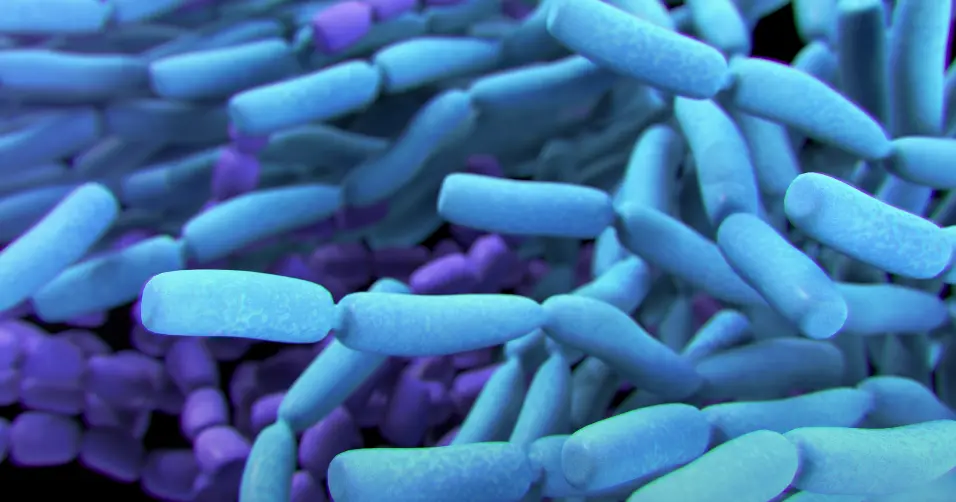
Prebiotics are indigestible fibers, such as inulin and oligosaccharides, that nourish gut probiotics, promoting microbial diversity and the production of short-chain fatty acids for colon health. Found in foods like garlic, onions, and oats, they enhance digestion and may help reduce inflammation.
This article is educational and not intended to diagnose, treat, or suggest any specific intervention, and should not replace qualified medical advice.



What Do Prebiotics Do?
Prebiotics are fibers that feed beneficial gut bacteria and improve digestive balance.
Prebiotics are dietary fibers that feed beneficial gut bacteria, supporting a balanced microbiome. They are not digested by humans but fermented in the colon, where they produce short-chain fatty acids. These fatty acids support gut lining integrity and overall digestive health. Prebiotics may also improve calcium absorption and regulate appetite. When combined with probiotics, they create a synergistic effect called synbiotics.
Encourage the growth of beneficial bacteria like bifidobacteria and lactobacilli.
Produce short-chain fatty acids that nourish colon cells and support immune defense.
Improve mineral absorption, particularly calcium and magnesium.
Help regulate bowel movements and may reduce digestive discomfort.
Prebiotics are dietary fibers that feed beneficial gut bacteria, supporting a balanced microbiome. They are not digested by humans but fermented in the colon, where they produce short-chain fatty acids. These fatty acids support gut lining integrity and overall digestive health. Prebiotics may also improve calcium absorption and regulate appetite. When combined with probiotics, they create a synergistic effect called synbiotics.
Encourage the growth of beneficial bacteria like bifidobacteria and lactobacilli.
Produce short-chain fatty acids that nourish colon cells and support immune defense.
Improve mineral absorption, particularly calcium and magnesium.
Help regulate bowel movements and may reduce digestive discomfort.
Prebiotics: FACTS
Role | Feed good bacteria; gut & metabolic health |
Form & Classification | Non-digestible fibers |
Typical Dosage & Intake | 3–10 g/day common |
Cycling | No cycling; daily beneficial |
Sources | Garlic, onions, bananas, inulin |
Safety & Interactions | Excess may cause bloating |
Dosage information is general and may vary with product brand, quality or individual needs; verify accuracy on package and consult a qualified practitioner before use.
What Are Prebiotics?
Prebiotics are plant fibers that feed beneficial gut bacteria.
Prebiotics are types of dietary fiber that feed beneficial gut bacteria. Unlike probiotics, which are live organisms, prebiotics are non-digestible compounds that pass into the colon and stimulate healthy bacteria growth. Foods rich in prebiotics include onions, garlic, bananas, and whole grains. They improve digestion, enhance mineral absorption, and support immune health. Consistent intake helps maintain a balanced gut microbiome.
Gut fuel: Prebiotics act as food for probiotics, boosting their growth and activity.
Digestive health: They support bowel regularity and reduce harmful bacteria.
Nutrient absorption: Prebiotics improve uptake of minerals like calcium and magnesium.
Food sources: Naturally found in many fruits, vegetables, and grains.
Prebiotics are types of dietary fiber that feed beneficial gut bacteria. Unlike probiotics, which are live organisms, prebiotics are non-digestible compounds that pass into the colon and stimulate healthy bacteria growth. Foods rich in prebiotics include onions, garlic, bananas, and whole grains. They improve digestion, enhance mineral absorption, and support immune health. Consistent intake helps maintain a balanced gut microbiome.
Gut fuel: Prebiotics act as food for probiotics, boosting their growth and activity.
Digestive health: They support bowel regularity and reduce harmful bacteria.
Nutrient absorption: Prebiotics improve uptake of minerals like calcium and magnesium.
Food sources: Naturally found in many fruits, vegetables, and grains.
Which Prebiotic Type Is Best?
Prebiotics in the form of inulin or fructooligosaccharides (FOS) are well studied and effective.
The best type of Prebiotics are natural fibers like inulin, fructooligosaccharides, and galactooligosaccharides. These are well-studied for feeding beneficial gut bacteria. Powder form allows easy mixing into food and drinks, while capsules provide convenience. Blends combining different fibers may offer broader effects on the microbiome. The source should be natural and minimally processed.
Inulin and oligosaccharides are proven to support beneficial bacteria growth.
Powder forms are flexible for adding to meals or beverages daily.
Capsules provide measured doses but may contain smaller amounts than powders.
Blends of multiple fibers help diversify gut bacterial populations.
The best type of Prebiotics are natural fibers like inulin, fructooligosaccharides, and galactooligosaccharides. These are well-studied for feeding beneficial gut bacteria. Powder form allows easy mixing into food and drinks, while capsules provide convenience. Blends combining different fibers may offer broader effects on the microbiome. The source should be natural and minimally processed.
Inulin and oligosaccharides are proven to support beneficial bacteria growth.
Powder forms are flexible for adding to meals or beverages daily.
Capsules provide measured doses but may contain smaller amounts than powders.
Blends of multiple fibers help diversify gut bacterial populations.
How to Add Prebiotics to Your Diet?
Prebiotics are included in the diet by eating onions, garlic, bananas, and whole grains.
You can add Prebiotics to your diet by eating fiber-rich foods like garlic, onions, bananas, and oats. Supplement powders can be stirred into smoothies, water, or yogurt. Start with small amounts to prevent bloating as your gut adjusts. Combining prebiotics with probiotics (synbiotics) may improve effectiveness. Daily intake is best for consistent digestive support.
Eat onions, leeks, and bananas to naturally boost prebiotic intake.
Powder supplements allow flexible mixing into drinks and meals.
Introduce gradually to avoid temporary gas or discomfort.
Pair with probiotics for stronger microbiome support.
You can add Prebiotics to your diet by eating fiber-rich foods like garlic, onions, bananas, and oats. Supplement powders can be stirred into smoothies, water, or yogurt. Start with small amounts to prevent bloating as your gut adjusts. Combining prebiotics with probiotics (synbiotics) may improve effectiveness. Daily intake is best for consistent digestive support.
Eat onions, leeks, and bananas to naturally boost prebiotic intake.
Powder supplements allow flexible mixing into drinks and meals.
Introduce gradually to avoid temporary gas or discomfort.
Pair with probiotics for stronger microbiome support.
What Are Key Ingredients of Prebiotics?
Prebiotic supplements contain fibers like inulin, fructooligosaccharides, or galactooligosaccharides.
The key ingredients of Prebiotics are non-digestible fibers such as inulin, fructooligosaccharides, and galactooligosaccharides. These fibers selectively feed beneficial gut bacteria. They are fermented into short-chain fatty acids, which support gut and immune health. Some blends combine multiple fibers for broader microbial support. Ingredient quality affects tolerance and digestive comfort.
Inulin provides food for bifidobacteria, improving microbiome balance.
Fructooligosaccharides help stimulate lactobacillus growth in the gut.
Galactooligosaccharides support immune-related gut bacteria activity.
Combination blends promote diverse microbial growth for better resilience.
The key ingredients of Prebiotics are non-digestible fibers such as inulin, fructooligosaccharides, and galactooligosaccharides. These fibers selectively feed beneficial gut bacteria. They are fermented into short-chain fatty acids, which support gut and immune health. Some blends combine multiple fibers for broader microbial support. Ingredient quality affects tolerance and digestive comfort.
Inulin provides food for bifidobacteria, improving microbiome balance.
Fructooligosaccharides help stimulate lactobacillus growth in the gut.
Galactooligosaccharides support immune-related gut bacteria activity.
Combination blends promote diverse microbial growth for better resilience.
Which Processes Do Prebiotics Affect?
Prebiotics affect growth of beneficial gut bacteria and digestive health.
Prebiotics affect fermentation processes in the gut that feed beneficial bacteria. They encourage production of short-chain fatty acids, which nourish colon cells. Prebiotics also support mineral absorption, especially calcium and magnesium. By fostering beneficial bacteria, they influence immunity and metabolism. They indirectly affect appetite regulation and gut health.
Fuel beneficial gut microbes, strengthening the intestinal microbiome.
Produce short-chain fatty acids that protect and feed colon cells.
Enhance mineral uptake, improving bone and metabolic health.
Support immune balance by fostering good bacteria dominance.
Prebiotics affect fermentation processes in the gut that feed beneficial bacteria. They encourage production of short-chain fatty acids, which nourish colon cells. Prebiotics also support mineral absorption, especially calcium and magnesium. By fostering beneficial bacteria, they influence immunity and metabolism. They indirectly affect appetite regulation and gut health.
Fuel beneficial gut microbes, strengthening the intestinal microbiome.
Produce short-chain fatty acids that protect and feed colon cells.
Enhance mineral uptake, improving bone and metabolic health.
Support immune balance by fostering good bacteria dominance.
What Foods Contain Prebiotics?
Prebiotics are naturally found in garlic, onions, bananas, and oats.
Prebiotics are naturally present in high-fiber foods, especially fruits, vegetables, and whole grains. Good sources include garlic, onions, leeks, asparagus, and bananas. Legumes such as beans and lentils are also rich in prebiotics. These fibers reach the colon intact and are fermented by beneficial bacteria. A varied plant-based diet provides abundant prebiotics.
Garlic and onions are some of the most concentrated natural sources.
Bananas and asparagus provide both fiber and prebiotic compounds.
Beans and lentils deliver prebiotics along with protein and minerals.
Whole grains like oats add fermentable fiber to the diet.
Prebiotics are naturally present in high-fiber foods, especially fruits, vegetables, and whole grains. Good sources include garlic, onions, leeks, asparagus, and bananas. Legumes such as beans and lentils are also rich in prebiotics. These fibers reach the colon intact and are fermented by beneficial bacteria. A varied plant-based diet provides abundant prebiotics.
Garlic and onions are some of the most concentrated natural sources.
Bananas and asparagus provide both fiber and prebiotic compounds.
Beans and lentils deliver prebiotics along with protein and minerals.
Whole grains like oats add fermentable fiber to the diet.
Is Prebiotic Vegan?
Prebiotics are vegan as they are fibers naturally found in plants.
Prebiotics are suitable for vegans because they are plant fibers like inulin, fructooligosaccharides, and resistant starch. They naturally occur in fruits, vegetables, and legumes. Supplements are extracted from plants such as chicory root. No animal ingredients are involved in their production. They integrate easily into vegan diets.
Prebiotic fibers come directly from plants like chicory and garlic.
Bananas, onions, and legumes provide natural vegan-friendly prebiotics.
Supplements are plant-extracted and do not involve animal processing.
They naturally fit within plant-based dietary patterns.
Prebiotics are suitable for vegans because they are plant fibers like inulin, fructooligosaccharides, and resistant starch. They naturally occur in fruits, vegetables, and legumes. Supplements are extracted from plants such as chicory root. No animal ingredients are involved in their production. They integrate easily into vegan diets.
Prebiotic fibers come directly from plants like chicory and garlic.
Bananas, onions, and legumes provide natural vegan-friendly prebiotics.
Supplements are plant-extracted and do not involve animal processing.
They naturally fit within plant-based dietary patterns.
Will Prebiotics Break a Fast?
Prebiotics are fibers with minimal calories and may technically break a strict fast.
Prebiotics will break a fast because they are dietary fibers that contain calories. Even though they are not fully digested, they still provide energy to gut bacteria. This fermentation process technically interrupts strict fasting. For intermittent fasting aimed at weight control, the effect may be less significant. To preserve autophagy, prebiotics should be taken with meals instead of during fasts.
Prebiotic fibers provide calories through bacterial fermentation.
They break strict fasting even if not fully absorbed by the body.
Intermittent fasting for calorie control may allow some flexibility.
Best consumed with meals to avoid breaking fast-driven processes.
Prebiotics will break a fast because they are dietary fibers that contain calories. Even though they are not fully digested, they still provide energy to gut bacteria. This fermentation process technically interrupts strict fasting. For intermittent fasting aimed at weight control, the effect may be less significant. To preserve autophagy, prebiotics should be taken with meals instead of during fasts.
Prebiotic fibers provide calories through bacterial fermentation.
They break strict fasting even if not fully absorbed by the body.
Intermittent fasting for calorie control may allow some flexibility.
Best consumed with meals to avoid breaking fast-driven processes.
Breaking a fast here is strictly physiological (e.g., insulin effects). When we say a supplement ‘does not break a fast,’ we mean it has negligible calories in normal use and is unlikely to disrupt fasting metabolism. Certain traditions or religious rules may treat any intake as breaking a fast—please follow your tradition and health needs.
How to Pick the Best Prebiotic?
Prebiotics quality is best when fibers are natural, non-GMO, and tested for purity.
To pick high-quality Prebiotics, select natural fiber sources like inulin or oligosaccharides. Labels should specify the exact type of prebiotic fiber. Start with small doses to check digestive tolerance. Choose products without added sugars or artificial sweeteners. Powders should dissolve easily in liquids, showing proper processing.
Inulin and oligosaccharides are well-studied, effective prebiotics.
Clear labeling prevents confusion with general fiber supplements.
Simple, additive-free formulations avoid digestive irritation.
Powdered forms allow flexible use in food or drinks.
To pick high-quality Prebiotics, select natural fiber sources like inulin or oligosaccharides. Labels should specify the exact type of prebiotic fiber. Start with small doses to check digestive tolerance. Choose products without added sugars or artificial sweeteners. Powders should dissolve easily in liquids, showing proper processing.
Inulin and oligosaccharides are well-studied, effective prebiotics.
Clear labeling prevents confusion with general fiber supplements.
Simple, additive-free formulations avoid digestive irritation.
Powdered forms allow flexible use in food or drinks.
What’s the Optimal Dosage and Timing for Prebiotics?
Prebiotics are commonly taken at 3–5 grams daily, best introduced slowly to avoid gas.
The optimal dosage and timing for Prebiotics is 3–5 grams daily, increasing gradually as tolerated. They can be taken at any time but are usually consumed with meals. Slow introduction helps prevent gas or bloating. Powdered prebiotics mix easily into food or drinks. Consistent intake is most important for gut health benefits.
Typical intake range is 3–5 grams daily for digestive support.
Taking with meals improves comfort and gradual fermentation.
Slow increases prevent excessive gas or discomfort.
Powders blend well into smoothies or yogurt for easy use.
The optimal dosage and timing for Prebiotics is 3–5 grams daily, increasing gradually as tolerated. They can be taken at any time but are usually consumed with meals. Slow introduction helps prevent gas or bloating. Powdered prebiotics mix easily into food or drinks. Consistent intake is most important for gut health benefits.
Typical intake range is 3–5 grams daily for digestive support.
Taking with meals improves comfort and gradual fermentation.
Slow increases prevent excessive gas or discomfort.
Powders blend well into smoothies or yogurt for easy use.
Dosage and timing information is generalized and may not be appropriate for all individuals; occasional inaccuracies may occur. Variations in supplement purity, formulation, or quality can also affect dosing relevance. Verify accuracy on package and consult a qualified practitioner before use.
What Are Common Mistakes When Taking Prebiotics?
Prebiotics mistakes include taking too much at once, leading to bloating and gas.
Common mistakes when taking Prebiotics include starting with large doses, leading to bloating and gas. Some users mistake prebiotics for probiotics, confusing their roles. Taking them irregularly limits their effect on the microbiome. Combining with a low-fiber diet reduces overall benefit. Another mistake is overlooking individual tolerance, since some fibers may cause discomfort.
High starting doses often trigger digestive discomfort and bloating.
Confusing prebiotics with probiotics can cause unrealistic expectations.
Irregular use weakens the beneficial microbiome changes.
Ignoring individual fiber tolerance may result in discomfort.
Common mistakes when taking Prebiotics include starting with large doses, leading to bloating and gas. Some users mistake prebiotics for probiotics, confusing their roles. Taking them irregularly limits their effect on the microbiome. Combining with a low-fiber diet reduces overall benefit. Another mistake is overlooking individual tolerance, since some fibers may cause discomfort.
High starting doses often trigger digestive discomfort and bloating.
Confusing prebiotics with probiotics can cause unrealistic expectations.
Irregular use weakens the beneficial microbiome changes.
Ignoring individual fiber tolerance may result in discomfort.
How Fast Do Prebiotics Work?
Prebiotics work in weeks as gut bacteria gradually change.
Prebiotics may cause digestive changes like increased gas within days of starting. Beneficial microbiome growth usually appears within 2–4 weeks. Metabolic and mineral absorption benefits require several months. Slow introduction reduces discomfort and improves tolerance. Long-term consistency ensures stronger gut health results.
Digestive changes are often felt within days of initial use.
Healthy bacteria growth builds within 2–4 weeks.
Bone and metabolic support effects appear after months of steady use.
Gradual dose increases improve comfort and sustainability.
Prebiotics may cause digestive changes like increased gas within days of starting. Beneficial microbiome growth usually appears within 2–4 weeks. Metabolic and mineral absorption benefits require several months. Slow introduction reduces discomfort and improves tolerance. Long-term consistency ensures stronger gut health results.
Digestive changes are often felt within days of initial use.
Healthy bacteria growth builds within 2–4 weeks.
Bone and metabolic support effects appear after months of steady use.
Gradual dose increases improve comfort and sustainability.
Results may vary between individuals, and no outcome is guaranteed. A tailored supplemntation plan is the best way to ensure the desired outcome.
Do Prebiotics Require a Cooldown?
Prebiotics do not require cooldown but should be adjusted if digestive upset occurs.
Prebiotics generally do not require cooldowns because they are fibers found in foods. Long-term daily intake is safe and beneficial. However, very high doses may require breaks to reduce digestive discomfort. Cycling is only needed if symptoms like gas or bloating become excessive. Regular intake through food is naturally sustainable.
Prebiotics are part of daily diets, so no cooldown is normally needed.
Excessive supplementation may cause discomfort and need short breaks.
Safe to consume consistently through plant foods.
Cooldowns are only relevant for high-dose supplement use.
Prebiotics generally do not require cooldowns because they are fibers found in foods. Long-term daily intake is safe and beneficial. However, very high doses may require breaks to reduce digestive discomfort. Cycling is only needed if symptoms like gas or bloating become excessive. Regular intake through food is naturally sustainable.
Prebiotics are part of daily diets, so no cooldown is normally needed.
Excessive supplementation may cause discomfort and need short breaks.
Safe to consume consistently through plant foods.
Cooldowns are only relevant for high-dose supplement use.
The need to pause or cycle depends on individual factors such as goals, tolerance, and clinical context. No universal rule applies, and specialist review is recommended before making adjustments.
Does Tolerance Develop for Prebiotics?
Prebiotics do not cause tolerance but effects may stabilize over time.
Prebiotics do not lead to tolerance, since they are fibers that feed gut bacteria. The body continues to use them consistently over time. Changes in the microbiome may stabilize after months. Benefits remain as long as intake continues. Only excessive intake may cause discomfort, not adaptation.
No tolerance develops because prebiotics are dietary fibers.
Gut bacteria continue fermenting them into beneficial compounds.
Effects stabilize but do not diminish with long-term intake.
Overuse may cause bloating, unrelated to tolerance.
Prebiotics do not lead to tolerance, since they are fibers that feed gut bacteria. The body continues to use them consistently over time. Changes in the microbiome may stabilize after months. Benefits remain as long as intake continues. Only excessive intake may cause discomfort, not adaptation.
No tolerance develops because prebiotics are dietary fibers.
Gut bacteria continue fermenting them into beneficial compounds.
Effects stabilize but do not diminish with long-term intake.
Overuse may cause bloating, unrelated to tolerance.
Information on tolerance is generalized and may not reflect individual differences in metabolism, duration of use, or health status. Reactions can vary, and any adjustment should follow qualified practicioner's recommendations.
Can Prebiotics Be Stacked?
Prebiotics stack naturally with probiotics to enhance bacterial growth.
Prebiotics stack best with probiotics to form synbiotics. They also combine with fiber-rich foods to support gut fermentation. Prebiotics pair with polyphenols from berries for enhanced microbiome diversity. Omega-3s may improve prebiotic effects through anti-inflammatory action. Together, these stacks strengthen gut and overall health.
Prebiotics + probiotics build a stronger and more stable gut ecosystem.
Dietary fiber alongside prebiotics enhances beneficial fermentation.
Polyphenols and prebiotics work together to promote microbial diversity.
Omega-3s reduce gut inflammation, complementing prebiotic activity.
Prebiotics stack best with probiotics to form synbiotics. They also combine with fiber-rich foods to support gut fermentation. Prebiotics pair with polyphenols from berries for enhanced microbiome diversity. Omega-3s may improve prebiotic effects through anti-inflammatory action. Together, these stacks strengthen gut and overall health.
Prebiotics + probiotics build a stronger and more stable gut ecosystem.
Dietary fiber alongside prebiotics enhances beneficial fermentation.
Polyphenols and prebiotics work together to promote microbial diversity.
Omega-3s reduce gut inflammation, complementing prebiotic activity.
Many supplements can interact in ways that enhance or alter their effects. However, stacking makes it difficult to monitor the impact of each component and increases the risk of oversupplementation or unintended interactions.
Do Prebiotic Effects Persist?
Prebiotic effects diminish as gut bacteria shift back after stopping.
Prebiotics effects fade gradually but depend on diet. Gut bacteria benefits continue if fiber-rich foods remain in the diet. Without intake, diversity and gut health may decline over weeks. No long-term persistence exists if consumption stops completely. Benefits require continuous intake for maintenance.
Effects last longer when supported by a plant-rich diet.
Gut flora diversity decreases when prebiotics are stopped.
No storage means benefits fade within weeks.
Ongoing intake ensures consistent digestive support.
Prebiotics effects fade gradually but depend on diet. Gut bacteria benefits continue if fiber-rich foods remain in the diet. Without intake, diversity and gut health may decline over weeks. No long-term persistence exists if consumption stops completely. Benefits require continuous intake for maintenance.
Effects last longer when supported by a plant-rich diet.
Gut flora diversity decreases when prebiotics are stopped.
No storage means benefits fade within weeks.
Ongoing intake ensures consistent digestive support.
Results may vary between individuals, and no outcome is guaranteed. A tailored supplemntation plan is the best way to ensure the desired outcome.
Do Prebiotics Aid Longevity?
Prebiotics may aid longevity by feeding beneficial gut bacteria.
Prebiotics may support longevity by nourishing beneficial gut bacteria. They promote production of short-chain fatty acids, which protect colon cells. Prebiotics also improve calcium absorption, supporting bone health with age. By reducing harmful bacteria, they lower risks of chronic inflammation. Indirectly, this fosters healthier aging rather than longer lifespan.
Feed gut bacteria that produce protective compounds against aging.
Improve calcium uptake, reducing fracture risk in older adults.
Support immune balance by suppressing harmful microbes.
Promote overall gut resilience, linked to healthy aging.
Prebiotics may support longevity by nourishing beneficial gut bacteria. They promote production of short-chain fatty acids, which protect colon cells. Prebiotics also improve calcium absorption, supporting bone health with age. By reducing harmful bacteria, they lower risks of chronic inflammation. Indirectly, this fosters healthier aging rather than longer lifespan.
Feed gut bacteria that produce protective compounds against aging.
Improve calcium uptake, reducing fracture risk in older adults.
Support immune balance by suppressing harmful microbes.
Promote overall gut resilience, linked to healthy aging.
What Are Alternatives to Prebiotics?
Prebiotic alternatives include high-fiber foods like oats and onions.
Prebiotics alternatives include high-fiber foods like oats, legumes, and apples. Resistant starch from cooked and cooled potatoes is another option. Polyphenols from berries act as microbiome modulators similar to prebiotics. Synbiotics combine probiotics and fibers as a replacement approach. These substitutes provide microbial nourishment naturally.
Oats and legumes are rich in fermentable fibers that act like prebiotics.
Resistant starch provides similar gut benefits as supplemental prebiotics.
Polyphenols from fruits encourage healthy gut bacteria growth.
Synbiotics combine fiber and probiotics for complete support.
Prebiotics alternatives include high-fiber foods like oats, legumes, and apples. Resistant starch from cooked and cooled potatoes is another option. Polyphenols from berries act as microbiome modulators similar to prebiotics. Synbiotics combine probiotics and fibers as a replacement approach. These substitutes provide microbial nourishment naturally.
Oats and legumes are rich in fermentable fibers that act like prebiotics.
Resistant starch provides similar gut benefits as supplemental prebiotics.
Polyphenols from fruits encourage healthy gut bacteria growth.
Synbiotics combine fiber and probiotics for complete support.
There are often alternatives that better align with personal risk profiles, preferences, or resources; comparative review with a relevant certified consultant is advised.
What Are Possible Prebiotic Side Effects?
Prebiotic side effects may include gas, bloating, and digestive discomfort.
Prebiotics side effects mainly involve digestive discomfort such as bloating, gas, or cramps. These are caused by fermentation of fibers in the gut. Starting with high doses increases the risk of discomfort. Rarely, diarrhea may occur with excessive intake. Gradual introduction minimizes side effects.
Bloating and gas are common as gut bacteria ferment prebiotics.
Cramping and diarrhea may happen at high intakes.
Starting small helps the gut adjust comfortably.
Individual tolerance varies by type of prebiotic fiber.
Prebiotics side effects mainly involve digestive discomfort such as bloating, gas, or cramps. These are caused by fermentation of fibers in the gut. Starting with high doses increases the risk of discomfort. Rarely, diarrhea may occur with excessive intake. Gradual introduction minimizes side effects.
Bloating and gas are common as gut bacteria ferment prebiotics.
Cramping and diarrhea may happen at high intakes.
Starting small helps the gut adjust comfortably.
Individual tolerance varies by type of prebiotic fiber.
Responses differ among individuals. If adverse effects occur, discontinuation and professional evaluation are advised.
Who Should Avoid Prebiotics?
Prebiotics should be avoided by people with severe digestive disorders.
Prebiotics should be avoided in large doses by people with digestive conditions like IBS. Excess intake may worsen gas, bloating, or diarrhea. Those with small intestinal bacterial overgrowth (SIBO) should avoid prebiotics. People sensitive to certain fibers may react poorly. Moderate intake from food is usually safe.
IBS patients often worsen symptoms with prebiotic overuse.
SIBO patients risk feeding harmful bacteria with prebiotics.
Fiber sensitivity causes discomfort in some individuals.
Dietary prebiotics are safer than concentrated supplements for sensitive people.
Prebiotics should be avoided in large doses by people with digestive conditions like IBS. Excess intake may worsen gas, bloating, or diarrhea. Those with small intestinal bacterial overgrowth (SIBO) should avoid prebiotics. People sensitive to certain fibers may react poorly. Moderate intake from food is usually safe.
IBS patients often worsen symptoms with prebiotic overuse.
SIBO patients risk feeding harmful bacteria with prebiotics.
Fiber sensitivity causes discomfort in some individuals.
Dietary prebiotics are safer than concentrated supplements for sensitive people.
Individuals who may be at higher risk—including those with diabetes, eating disorders, pregnancy or breastfeeding, heavy training loads, health conditions, medication use, or prior adverse reactions—should seek tailored guidance before deciding supplementation or making major supplement or lifestyle changes.
Are Prebiotics Available Over-the-Counter?
Prebiotics are sold over-the-counter as fiber powders and capsules.
Prebiotics are sold over-the-counter as powders, capsules, and added to foods. No prescription is required since they are dietary fibers. Common in health food shops and supermarkets. Available online in many forms. Safe to purchase and use without medical supervision at normal doses.
Powdered fibers and capsules are sold as OTC prebiotics.
No prescription required due to their dietary status.
Prebiotics are often added to packaged foods as well.
Accessible in stores and online health markets.
Prebiotics are sold over-the-counter as powders, capsules, and added to foods. No prescription is required since they are dietary fibers. Common in health food shops and supermarkets. Available online in many forms. Safe to purchase and use without medical supervision at normal doses.
Powdered fibers and capsules are sold as OTC prebiotics.
No prescription required due to their dietary status.
Prebiotics are often added to packaged foods as well.
Accessible in stores and online health markets.
For over-the-counter availability we use generic US data. Product availability and status may vary by country and region.
What’s the History of Prebiotics?
Prebiotics were defined in the 1990s as fibers feeding beneficial gut bacteria.
Prebiotics were first identified in the 1990s as non-digestible fibers feeding gut bacteria. Ancient diets naturally contained high levels of prebiotic fibers from plants. Modern food processing reduced intake, increasing interest in supplementation. Research has since linked prebiotics to gut health and mineral absorption. Today, prebiotics are added to foods and sold as standalone supplements.
Identified in the 1990s as food for beneficial gut bacteria.
Traditional plant-based diets historically provided natural prebiotics.
Interest grew as processed diets reduced fiber content.
Now widely marketed in powders, capsules, and fortified foods.
Prebiotics were first identified in the 1990s as non-digestible fibers feeding gut bacteria. Ancient diets naturally contained high levels of prebiotic fibers from plants. Modern food processing reduced intake, increasing interest in supplementation. Research has since linked prebiotics to gut health and mineral absorption. Today, prebiotics are added to foods and sold as standalone supplements.
Identified in the 1990s as food for beneficial gut bacteria.
Traditional plant-based diets historically provided natural prebiotics.
Interest grew as processed diets reduced fiber content.
Now widely marketed in powders, capsules, and fortified foods.
Does Ginseng Enhance Resilience?
Ginseng may enhance resilience by supporting adrenal function and balancing energy response.
Ginseng may enhance resilience by supporting stress-response pathways. Adaptogens help the body handle physical and emotional strain more steadily. Some studies note improvements in perceived energy levels. Ginseng’s effects vary with product form and individual biology. It is discussed as supportive rather than strongly stimulating.
Stress buffering: Ginseng helps regulate stress hormones.
Energy perception: Users often report steadier energy.
Adaptogenic role: Helps maintain balance during strain.
Individual response: Effects differ with health status.
Ginseng may enhance resilience by supporting stress-response pathways. Adaptogens help the body handle physical and emotional strain more steadily. Some studies note improvements in perceived energy levels. Ginseng’s effects vary with product form and individual biology. It is discussed as supportive rather than strongly stimulating.
Stress buffering: Ginseng helps regulate stress hormones.
Energy perception: Users often report steadier energy.
Adaptogenic role: Helps maintain balance during strain.
Individual response: Effects differ with health status.
How Does Hormesis Relate to GLYNAC?
Hormesis, a mild stress response that strengthens cells, relates to GLYNAC by supporting antioxidant balance and mitochondrial function.
Hormesis relates to GLYNAC through research discussing mild stress signals that trigger antioxidant responses. GLYNAC combines glycine and N-acetylcysteine, which help build glutathione, a key antioxidant. Hormesis describes how small stressors strengthen defenses, and glutathione participates in this process. GLYNAC is examined for how it may support redox balance. The relationship is biochemical rather than direct.
Mild stress response: Hormesis boosts internal defenses.
Glutathione link: GLYNAC supports the body’s main antioxidant.
Redox balance: Both relate to managing oxidative shifts.
Conceptual overlap: Hormesis explains why antioxidant pathways matter.
Hormesis relates to GLYNAC through research discussing mild stress signals that trigger antioxidant responses. GLYNAC combines glycine and N-acetylcysteine, which help build glutathione, a key antioxidant. Hormesis describes how small stressors strengthen defenses, and glutathione participates in this process. GLYNAC is examined for how it may support redox balance. The relationship is biochemical rather than direct.
Mild stress response: Hormesis boosts internal defenses.
Glutathione link: GLYNAC supports the body’s main antioxidant.
Redox balance: Both relate to managing oxidative shifts.
Conceptual overlap: Hormesis explains why antioxidant pathways matter.
How Does Beta-Alanine Differ from L-Citrulline?
Beta-alanine buffers muscle acid buildup, while L-citrulline boosts nitric oxide for blood flow.
Beta-alanine and L-citrulline support different performance needs. Beta-alanine boosts carnosine, a muscle acid buffer, helping high-intensity sets. Citrulline supports blood flow. They target separate exercise systems. Many people use them together for broad coverage.
Beta-alanine helps short bursts by buffering acid.
Citrulline aids blood delivery for sustained sets.
Stacking is common since pathways differ.
Beta-alanine and L-citrulline support different performance needs. Beta-alanine boosts carnosine, a muscle acid buffer, helping high-intensity sets. Citrulline supports blood flow. They target separate exercise systems. Many people use them together for broad coverage.
Beta-alanine helps short bursts by buffering acid.
Citrulline aids blood delivery for sustained sets.
Stacking is common since pathways differ.
Do Prebiotics Complement Probiotics?
Prebiotics complement probiotics by enhancing their survival and activity.
Prebiotics complement probiotics by feeding the bacteria introduced or supported by probiotics. This improves their survival and activity. The partnership is often called a “synbiotic” effect. It creates stronger microbial resilience. Combining both supports long-term gut stability.
Feeding action strengthens probiotic bacteria.
Higher activity enhances digestive outcomes.
Synbiotic pairing boosts overall microbiome strength.
Long-term stability improves gut comfort.
Prebiotics complement probiotics by feeding the bacteria introduced or supported by probiotics. This improves their survival and activity. The partnership is often called a “synbiotic” effect. It creates stronger microbial resilience. Combining both supports long-term gut stability.
Feeding action strengthens probiotic bacteria.
Higher activity enhances digestive outcomes.
Synbiotic pairing boosts overall microbiome strength.
Long-term stability improves gut comfort.
Medical Disclaimer: All content on this website is intended solely for informational and educational purposes and should not be interpreted as a substitute for professional medical advice, diagnosis, or treatment, nor as encouragement or promotion for or against any particular use, product, or activity. Results may vary and are not guaranteed. No doctor–patient relationship is created by your use of this content. Always consult a qualified healthcare provider, nutritionist, or other relevant expert before starting or changing any supplement, diet, exercise, or lifestyle program. This website can contain errors. Check important information. Read our full Disclaimer.
Status – Terms of Service – Privacy Policy – Disclaimer – About Myopedia.
©2025 Myopedia™. All rights reserved.
Medical Disclaimer: All content on this website is intended solely for informational and educational purposes and should not be interpreted as a substitute for professional medical advice, diagnosis, or treatment, nor as encouragement or promotion for or against any particular use, product, or activity. Results may vary and are not guaranteed. No doctor–patient relationship is created by your use of this content. Always consult a qualified healthcare provider, nutritionist, or other relevant expert before starting or changing any supplement, diet, exercise, or lifestyle program. This website can contain errors. Check important information. Read our full Disclaimer.
Status – Terms of Service – Privacy Policy – Disclaimer – About Myopedia.
©2025 Myopedia™. All rights reserved.
Medical Disclaimer: All content on this website is intended solely for informational and educational purposes and should not be interpreted as a substitute for professional medical advice, diagnosis, or treatment, nor as encouragement or promotion for or against any particular use, product, or activity. Results may vary and are not guaranteed. No doctor–patient relationship is created by your use of this content. Always consult a qualified healthcare provider, nutritionist, or other relevant expert before starting or changing any supplement, diet, exercise, or lifestyle program. This website can contain errors. Check important information. Read our full Disclaimer.
Status – Terms of Service – Privacy Policy – Disclaimer – About Myopedia.
©2025 Myopedia™. All rights reserved.