Supplements

Probiotics

Your Complete Guide to Probiotics

Probiotics are live beneficial bacteria that support gut health by balancing the microbiome, enhancing digestion, immune function, and nutrient absorption. Strains like Lactobacillus and Bifidobacterium, found in fermented foods and supplements, may also help alleviate conditions like IBS and antibiotic-related diarrhea.

This article is educational and not intended to diagnose, treat, or suggest any specific intervention, and should not replace qualified medical advice.
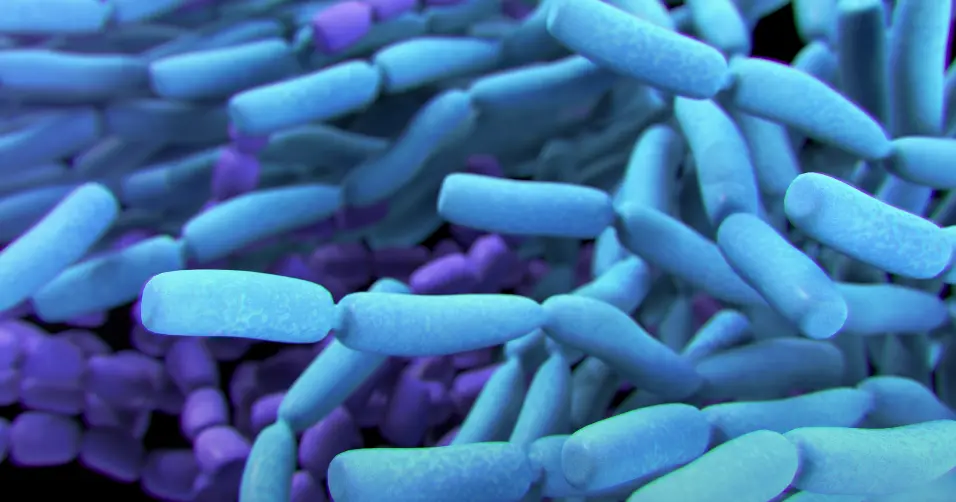

Probiotics are beneficial bacteria that support digestion and immune function.

What Do Probiotics Do?

Probiotics are live beneficial bacteria that support gut health and digestion.

Probiotics are live microorganisms that support gut balance and digestive health. They help maintain a healthy ratio of beneficial bacteria, which influences digestion, nutrient absorption, and immunity. Certain strains may reduce symptoms of digestive discomfort, such as bloating or irregularity. Probiotics can also strengthen the gut barrier, preventing harmful microbes from entering the bloodstream. Regular use is associated with improved gut-brain communication and mood regulation.

  • Restore healthy gut microbiota, especially after antibiotic use or illness.

  • Improve digestion by assisting in the breakdown of food and absorption of nutrients.

  • Support immune system activity by enhancing gut-associated defenses.

  • May influence mental health by affecting neurotransmitter production in the gut.

Probiotics are live microorganisms that support gut balance and digestive health. They help maintain a healthy ratio of beneficial bacteria, which influences digestion, nutrient absorption, and immunity. Certain strains may reduce symptoms of digestive discomfort, such as bloating or irregularity. Probiotics can also strengthen the gut barrier, preventing harmful microbes from entering the bloodstream. Regular use is associated with improved gut-brain communication and mood regulation.

  • Restore healthy gut microbiota, especially after antibiotic use or illness.

  • Improve digestion by assisting in the breakdown of food and absorption of nutrients.

  • Support immune system activity by enhancing gut-associated defenses.

  • May influence mental health by affecting neurotransmitter production in the gut.

Probiotics: FACTS

Role

Live microbes; improve gut, immunity, digestion

Form & Classification

Bacteria & yeast strains

Typical Dosage & Intake

1–10 billion CFU/day common

Cycling

Not needed; daily for effect

Sources

Yogurt, kefir, sauerkraut, supplements

Safety & Interactions

Safe; caution in immune-compromised

Dosage information is general and may vary with product brand, quality or individual needs; verify accuracy on package and consult a qualified practitioner before use.

Dosage information is general and may vary with product brand, quality or individual needs; verify accuracy on package and consult a qualified practitioner before use.

What Are Probiotics?

Probiotics are live bacteria that support gut health and digestion.

Probiotics are live microorganisms that, when consumed in adequate amounts, support gut health. They are often found in fermented foods like yogurt, sauerkraut, and kimchi. Probiotics help balance gut bacteria, aid digestion, and may strengthen the immune system. Research suggests they can improve some digestive disorders, though benefits depend on the strain. Regular intake is usually needed for lasting effects.

  • Gut balance: Probiotics restore healthy bacteria in the digestive system.

  • Digestive support: They may reduce bloating, constipation, and diarrhea in some people.

  • Immune role: A balanced gut microbiome helps defend against infections.

  • Food sources: Found in fermented foods and available as supplements.

Probiotics are live microorganisms that, when consumed in adequate amounts, support gut health. They are often found in fermented foods like yogurt, sauerkraut, and kimchi. Probiotics help balance gut bacteria, aid digestion, and may strengthen the immune system. Research suggests they can improve some digestive disorders, though benefits depend on the strain. Regular intake is usually needed for lasting effects.

  • Gut balance: Probiotics restore healthy bacteria in the digestive system.

  • Digestive support: They may reduce bloating, constipation, and diarrhea in some people.

  • Immune role: A balanced gut microbiome helps defend against infections.

  • Food sources: Found in fermented foods and available as supplements.

Which Probiotic Type Is Best?

Probiotics with multiple strains and high colony-forming units (CFUs) are generally most effective.

The best type of Probiotics are multi-strain blends that include both Lactobacillus and Bifidobacterium species. These strains cover different areas of the gut and offer broad digestive and immune benefits. Shelf-stable probiotics with enteric coating survive stomach acid better, reaching the intestines alive. The best choice depends on the intended benefit, such as digestion, immunity, or mood. Clinical-grade products with clear CFU counts are the most reliable.

  • Multi-strain blends provide diverse benefits for gut balance and resilience.

  • Lactobacillus species support the small intestine, while Bifidobacterium target the colon.

  • Enteric-coated capsules improve survival through stomach acid.

  • Clinical-grade products with labeled CFUs allow tracking of effective dosage.

The best type of Probiotics are multi-strain blends that include both Lactobacillus and Bifidobacterium species. These strains cover different areas of the gut and offer broad digestive and immune benefits. Shelf-stable probiotics with enteric coating survive stomach acid better, reaching the intestines alive. The best choice depends on the intended benefit, such as digestion, immunity, or mood. Clinical-grade products with clear CFU counts are the most reliable.

  • Multi-strain blends provide diverse benefits for gut balance and resilience.

  • Lactobacillus species support the small intestine, while Bifidobacterium target the colon.

  • Enteric-coated capsules improve survival through stomach acid.

  • Clinical-grade products with labeled CFUs allow tracking of effective dosage.

How to Add Probiotics to Your Diet?

Probiotics can be added through yogurt, kefir, sauerkraut, or supplements.

You can add Probiotics to your diet through fermented foods like yogurt, kefir, sauerkraut, or kimchi. Supplements in capsule or powder form provide specific strains and controlled doses. Taking them with food, especially containing some fat, may improve survival through the stomach. Consistency is key for long-term gut balance. Choosing multi-strain options broadens the potential benefits.

  • Include fermented foods regularly to support natural gut flora.

  • Capsules offer precise strain combinations for targeted benefits.

  • Taking with meals improves survival of bacteria through digestion.

  • Daily use promotes stable gut microbiome changes over time.

You can add Probiotics to your diet through fermented foods like yogurt, kefir, sauerkraut, or kimchi. Supplements in capsule or powder form provide specific strains and controlled doses. Taking them with food, especially containing some fat, may improve survival through the stomach. Consistency is key for long-term gut balance. Choosing multi-strain options broadens the potential benefits.

  • Include fermented foods regularly to support natural gut flora.

  • Capsules offer precise strain combinations for targeted benefits.

  • Taking with meals improves survival of bacteria through digestion.

  • Daily use promotes stable gut microbiome changes over time.

What Are Key Ingredients of Probiotics?

Probiotic supplements contain live bacterial strains such as Lactobacillus or Bifidobacterium.

The key ingredients of Probiotics are live bacterial strains such as Lactobacillus and Bifidobacterium. These strains colonize the gut and support digestion, immunity, and microbiome balance. Some products include yeast strains like Saccharomyces boulardii for added benefits. The effectiveness depends on strain variety and viability. Prebiotics are sometimes added to support bacterial growth.

  • Lactobacillus strains support digestion in the small intestine and immune defense.

  • Bifidobacterium strains promote colon health and nutrient absorption.

  • Saccharomyces boulardii may reduce digestive discomfort and improve gut balance.

  • Prebiotic fibers in blends help probiotics survive and multiply in the gut.

The key ingredients of Probiotics are live bacterial strains such as Lactobacillus and Bifidobacterium. These strains colonize the gut and support digestion, immunity, and microbiome balance. Some products include yeast strains like Saccharomyces boulardii for added benefits. The effectiveness depends on strain variety and viability. Prebiotics are sometimes added to support bacterial growth.

  • Lactobacillus strains support digestion in the small intestine and immune defense.

  • Bifidobacterium strains promote colon health and nutrient absorption.

  • Saccharomyces boulardii may reduce digestive discomfort and improve gut balance.

  • Prebiotic fibers in blends help probiotics survive and multiply in the gut.

Which Processes Do Probiotics Affect?

Probiotics influence gut microbiome balance and digestion processes.

Probiotics affect gut microbiome balance, digestion, and immune defense. They restore healthy bacteria ratios after disruptions like antibiotics. Probiotics enhance nutrient absorption and protect the gut lining. They also influence signaling between the gut and brain, impacting mood. Additionally, they reduce harmful bacteria growth in the intestines.

  • Balance gut bacteria, improving digestive comfort and nutrient uptake.

  • Strengthen gut lining, preventing harmful microbes from entering circulation.

  • Enhance immune readiness by activating gut-associated defenses.

  • Impact brain function through gut-brain communication pathways.

Probiotics affect gut microbiome balance, digestion, and immune defense. They restore healthy bacteria ratios after disruptions like antibiotics. Probiotics enhance nutrient absorption and protect the gut lining. They also influence signaling between the gut and brain, impacting mood. Additionally, they reduce harmful bacteria growth in the intestines.

  • Balance gut bacteria, improving digestive comfort and nutrient uptake.

  • Strengthen gut lining, preventing harmful microbes from entering circulation.

  • Enhance immune readiness by activating gut-associated defenses.

  • Impact brain function through gut-brain communication pathways.

What Foods Contain Probiotics?

Probiotics occur naturally in yogurt, kefir, kimchi, and sauerkraut.

Probiotics are naturally found in fermented foods such as yogurt, kefir, sauerkraut, kimchi, and miso. These foods contain live cultures of beneficial bacteria. Traditional diets around the world often include fermented foods for preservation and gut health. Different fermentation methods create different strains of probiotics. Regular intake of such foods supports gut balance naturally.

  • Yogurt and kefir provide live bacterial cultures for gut health.

  • Sauerkraut and kimchi supply probiotics along with fiber.

  • Miso and tempeh are traditional soy-based probiotic-rich foods.

  • Fermentation type determines which probiotic strains are present.

Probiotics are naturally found in fermented foods such as yogurt, kefir, sauerkraut, kimchi, and miso. These foods contain live cultures of beneficial bacteria. Traditional diets around the world often include fermented foods for preservation and gut health. Different fermentation methods create different strains of probiotics. Regular intake of such foods supports gut balance naturally.

  • Yogurt and kefir provide live bacterial cultures for gut health.

  • Sauerkraut and kimchi supply probiotics along with fiber.

  • Miso and tempeh are traditional soy-based probiotic-rich foods.

  • Fermentation type determines which probiotic strains are present.

Is Probiotic Vegan?

Probiotics are vegan if grown on plant-based mediums, but some are cultured on dairy.

Probiotics can be suitable for vegans, depending on the bacterial culture medium. Many are grown on dairy-based mediums, but vegan-certified probiotics use plant-based fermentation. Fermented foods like sauerkraut, kimchi, and kombucha provide vegan sources naturally. Capsule ingredients should also be checked for vegan suitability. Selecting vegan-labeled products ensures compliance.

  • Plant-based fermentation produces probiotics without dairy use.

  • Foods like sauerkraut and kombucha naturally contain vegan probiotics.

  • Some supplements use dairy mediums, so vegan certification is important.

  • Capsule casings should be plant-based for full vegan compatibility.

Probiotics can be suitable for vegans, depending on the bacterial culture medium. Many are grown on dairy-based mediums, but vegan-certified probiotics use plant-based fermentation. Fermented foods like sauerkraut, kimchi, and kombucha provide vegan sources naturally. Capsule ingredients should also be checked for vegan suitability. Selecting vegan-labeled products ensures compliance.

  • Plant-based fermentation produces probiotics without dairy use.

  • Foods like sauerkraut and kombucha naturally contain vegan probiotics.

  • Some supplements use dairy mediums, so vegan certification is important.

  • Capsule casings should be plant-based for full vegan compatibility.

Will Probiotics Break a Fast?

Probiotics may contain trace carriers, but generally do not break a fast.

Probiotics may or may not break a fast depending on the formulation. Pure capsules with live bacteria and no fillers are unlikely to contribute calories. However, probiotics in yogurt or kefir do break a fast due to proteins, carbs, and fats. For fasting focused on autophagy, even small fillers may be disruptive. Vegan capsule forms without additives are safest during fasting.

  • Pure probiotic capsules are calorie-free and suitable for fasting.

  • Food-based probiotics like yogurt break a fast due to nutrient content.

  • Some supplements include carriers that may contribute calories.

  • Choosing filler-free capsules ensures minimal fasting interference.

Probiotics may or may not break a fast depending on the formulation. Pure capsules with live bacteria and no fillers are unlikely to contribute calories. However, probiotics in yogurt or kefir do break a fast due to proteins, carbs, and fats. For fasting focused on autophagy, even small fillers may be disruptive. Vegan capsule forms without additives are safest during fasting.

  • Pure probiotic capsules are calorie-free and suitable for fasting.

  • Food-based probiotics like yogurt break a fast due to nutrient content.

  • Some supplements include carriers that may contribute calories.

  • Choosing filler-free capsules ensures minimal fasting interference.

Breaking a fast here is strictly physiological (e.g., insulin effects). When we say a supplement ‘does not break a fast,’ we mean it has negligible calories in normal use and is unlikely to disrupt fasting metabolism. Certain traditions or religious rules may treat any intake as breaking a fast—please follow your tradition and health needs.

Breaking a fast here is strictly physiological (e.g., insulin effects). When we say a supplement ‘does not break a fast,’ we mean it has negligible calories in normal use and is unlikely to disrupt fasting metabolism. Certain traditions or religious rules may treat any intake as breaking a fast—please follow your tradition and health needs.

How to Pick the Best Probiotic?

Probiotics should be chosen with clearly labeled strains, CFU count, and shelf-stability testing.

To pick high-quality Probiotics, look for products with multiple strains, including Lactobacillus and Bifidobacterium. Ensure they list colony-forming units (CFUs) and have enteric coating for survival through stomach acid. Refrigerated or shelf-stable forms should be stored properly. Third-party testing for live organism count ensures reliability. Avoid vague labeling without strain identification.

  • Multi-strain blends provide broader benefits for digestion and immunity.

  • Enteric-coated capsules protect bacteria through the stomach environment.

  • CFU counts on labels confirm effective bacterial levels.

  • Third-party testing verifies viability and purity of strains.

To pick high-quality Probiotics, look for products with multiple strains, including Lactobacillus and Bifidobacterium. Ensure they list colony-forming units (CFUs) and have enteric coating for survival through stomach acid. Refrigerated or shelf-stable forms should be stored properly. Third-party testing for live organism count ensures reliability. Avoid vague labeling without strain identification.

  • Multi-strain blends provide broader benefits for digestion and immunity.

  • Enteric-coated capsules protect bacteria through the stomach environment.

  • CFU counts on labels confirm effective bacterial levels.

  • Third-party testing verifies viability and purity of strains.

What’s the Optimal Dosage and Timing for Probiotics?

Probiotics are usually taken at 1–10 billion CFU daily, preferably on an empty stomach.

The optimal dosage and timing for Probiotics varies, but most studies use 1–10 billion CFU daily. They are best taken with meals, especially those containing some fat, to improve survival through digestion. Morning or midday timing is common, though consistency is most important. Strain-specific recommendations may vary depending on the health goal. Gradual introduction reduces risk of digestive discomfort.

  • Common effective range is 1–10 billion CFU daily.

  • Taking with meals helps probiotics survive stomach acid.

  • Strain choice and dosage should match health goals.

  • Starting small helps minimize temporary bloating or gas.

The optimal dosage and timing for Probiotics varies, but most studies use 1–10 billion CFU daily. They are best taken with meals, especially those containing some fat, to improve survival through digestion. Morning or midday timing is common, though consistency is most important. Strain-specific recommendations may vary depending on the health goal. Gradual introduction reduces risk of digestive discomfort.

  • Common effective range is 1–10 billion CFU daily.

  • Taking with meals helps probiotics survive stomach acid.

  • Strain choice and dosage should match health goals.

  • Starting small helps minimize temporary bloating or gas.

Dosage and timing information is generalized and may not be appropriate for all individuals; occasional inaccuracies may occur. Variations in supplement purity, formulation, or quality can also affect dosing relevance. Verify accuracy on package and consult a qualified practitioner before use.

Dosage and timing information is generalized and may not be appropriate for all individuals; occasional inaccuracies may occur. Variations in supplement purity, formulation, or quality can also affect dosing relevance. Verify accuracy on package and consult a qualified practitioner before use.

What Are Common Mistakes When Taking Probiotics?

Probiotics mistakes include not matching strains to specific health needs.

Common mistakes when taking Probiotics include choosing products without strain specificity or clear CFU counts. Taking them on an empty stomach may kill bacteria due to stomach acid. Some people stop after a short period, not allowing the microbiome to adapt. Using only one strain may limit overall benefits. Storage mistakes, such as leaving them unrefrigerated, reduce potency.

  • Vague labels without strain details may deliver ineffective products.

  • Empty stomach intake lowers bacterial survival in harsh stomach acid.

  • Short-term use prevents proper gut colonization.

  • Improper storage may kill live bacteria before use.

Common mistakes when taking Probiotics include choosing products without strain specificity or clear CFU counts. Taking them on an empty stomach may kill bacteria due to stomach acid. Some people stop after a short period, not allowing the microbiome to adapt. Using only one strain may limit overall benefits. Storage mistakes, such as leaving them unrefrigerated, reduce potency.

  • Vague labels without strain details may deliver ineffective products.

  • Empty stomach intake lowers bacterial survival in harsh stomach acid.

  • Short-term use prevents proper gut colonization.

  • Improper storage may kill live bacteria before use.

How Fast Do Probiotics Work?

Probiotics effects vary, but digestion improvements may show in days to weeks.

Probiotics can work within days to improve digestion and reduce bloating. Gut microbiome balance improvements usually take 2–4 weeks. Immune support and mood effects may require 1–3 months. Different strains act at different speeds. Consistency is key for lasting benefits.

  • Digestive comfort benefits may appear within the first week.

  • Microbiome rebalancing typically requires 2–4 weeks.

  • Immune and mood improvements may take up to 3 months.

  • Strain variety and dosage strongly affect timing of results.

Probiotics can work within days to improve digestion and reduce bloating. Gut microbiome balance improvements usually take 2–4 weeks. Immune support and mood effects may require 1–3 months. Different strains act at different speeds. Consistency is key for lasting benefits.

  • Digestive comfort benefits may appear within the first week.

  • Microbiome rebalancing typically requires 2–4 weeks.

  • Immune and mood improvements may take up to 3 months.

  • Strain variety and dosage strongly affect timing of results.

Results may vary between individuals, and no outcome is guaranteed. A tailored supplemntation plan is the best way to ensure the desired outcome.

Results may vary between individuals, and no outcome is guaranteed. A tailored supplemntation plan is the best way to ensure the desired outcome.

Do Probiotics Require a Cooldown?

Probiotics may require cycling if specific strains are used long term.

Probiotics may benefit from cooldowns depending on health goals. Daily use is safe, but the microbiome often maintains improvements after stopping. Cycling allows natural gut balance to establish without constant supplementation. Many people use probiotics for 1–3 months, then pause. This helps determine if ongoing use is necessary.

  • Safe for daily use but not always required long term.

  • 1–3 month courses followed by breaks are a common approach.

  • Cooldowns allow gut flora to stabilize naturally.

  • Pausing helps check if benefits are sustainable without supplementation.

Probiotics may benefit from cooldowns depending on health goals. Daily use is safe, but the microbiome often maintains improvements after stopping. Cycling allows natural gut balance to establish without constant supplementation. Many people use probiotics for 1–3 months, then pause. This helps determine if ongoing use is necessary.

  • Safe for daily use but not always required long term.

  • 1–3 month courses followed by breaks are a common approach.

  • Cooldowns allow gut flora to stabilize naturally.

  • Pausing helps check if benefits are sustainable without supplementation.

The need to pause or cycle depends on individual factors such as goals, tolerance, and clinical context. No universal rule applies, and specialist review is recommended before making adjustments.

The need to pause or cycle depends on individual factors such as goals, tolerance, and clinical context. No universal rule applies, and specialist review is recommended before making adjustments.

Does Tolerance Develop for Probiotics?

Probiotics may lose effectiveness if the same strain is taken long-term.

Probiotics may appear less effective over time if the same strains are used continuously. This is not true tolerance but microbiome stabilization. Rotating strains helps maintain diverse benefits. Long-term use is safe but may require adjusting strains. The body itself does not become resistant to probiotics.

  • Same-strain use may show reduced impact as gut balance stabilizes.

  • Rotating strains preserves diversity and perceived effectiveness.

  • Benefits remain with consistent use, though changes may slow.

  • No true tolerance develops; adaptation is microbiome-related.

Probiotics may appear less effective over time if the same strains are used continuously. This is not true tolerance but microbiome stabilization. Rotating strains helps maintain diverse benefits. Long-term use is safe but may require adjusting strains. The body itself does not become resistant to probiotics.

  • Same-strain use may show reduced impact as gut balance stabilizes.

  • Rotating strains preserves diversity and perceived effectiveness.

  • Benefits remain with consistent use, though changes may slow.

  • No true tolerance develops; adaptation is microbiome-related.

Information on tolerance is generalized and may not reflect individual differences in metabolism, duration of use, or health status. Reactions can vary, and any adjustment should follow qualified practicioner's recommendations.

Information on tolerance is generalized and may not reflect individual differences in metabolism, duration of use, or health status. Reactions can vary, and any adjustment should follow qualified practicioner's recommendations.

Can Probiotics Be Stacked?

Probiotics can be stacked with prebiotics, forming a synbiotic for gut health.

Probiotics stack well with prebiotics, forming synbiotics that enhance microbiome health. They also combine with digestive enzymes to improve nutrient absorption. Probiotics may be paired with omega-3s for gut and brain axis support. Multi-strain combinations expand benefits but must be chosen carefully. Stacks should focus on strain diversity and supportive nutrients.

  • Probiotics + prebiotics (synbiotics) create stronger microbiome resilience.

  • Digestive enzymes + probiotics improve nutrient breakdown and uptake.

  • Probiotics + omega-3s support gut-brain communication and mood.

  • Strain diversity in stacks provides broader gut health effects.

Probiotics stack well with prebiotics, forming synbiotics that enhance microbiome health. They also combine with digestive enzymes to improve nutrient absorption. Probiotics may be paired with omega-3s for gut and brain axis support. Multi-strain combinations expand benefits but must be chosen carefully. Stacks should focus on strain diversity and supportive nutrients.

  • Probiotics + prebiotics (synbiotics) create stronger microbiome resilience.

  • Digestive enzymes + probiotics improve nutrient breakdown and uptake.

  • Probiotics + omega-3s support gut-brain communication and mood.

  • Strain diversity in stacks provides broader gut health effects.

Many supplements can interact in ways that enhance or alter their effects. However, stacking makes it difficult to monitor the impact of each component and increases the risk of oversupplementation or unintended interactions.

Many supplements can interact in ways that enhance or alter their effects. However, stacking makes it difficult to monitor the impact of each component and increases the risk of oversupplementation or unintended interactions.

Do Probiotic Effects Persist?

Probiotic effects fade within days to weeks if supplementation ends.

Probiotics effects may persist for weeks after stopping, depending on strain and diet. Some bacteria colonize temporarily but decline without support. A high-fiber diet may extend their benefits. Gut balance returns to baseline if supplementation is stopped for long. Consistency ensures stronger and longer-lasting effects.

  • Some strains linger in the gut for weeks post-use.

  • Effects fade if diet does not support bacterial growth.

  • Gut flora returns to baseline without continuous intake.

  • Prebiotic foods help extend probiotic benefits.

Probiotics effects may persist for weeks after stopping, depending on strain and diet. Some bacteria colonize temporarily but decline without support. A high-fiber diet may extend their benefits. Gut balance returns to baseline if supplementation is stopped for long. Consistency ensures stronger and longer-lasting effects.

  • Some strains linger in the gut for weeks post-use.

  • Effects fade if diet does not support bacterial growth.

  • Gut flora returns to baseline without continuous intake.

  • Prebiotic foods help extend probiotic benefits.

Results may vary between individuals, and no outcome is guaranteed. A tailored supplemntation plan is the best way to ensure the desired outcome.

Results may vary between individuals, and no outcome is guaranteed. A tailored supplemntation plan is the best way to ensure the desired outcome.

Do Probiotics Aid Longevity?

Probiotics may support longevity by improving gut and immune health.

Probiotics may support longevity through gut health and immune balance. A diverse microbiome is linked to reduced inflammation and healthy aging. Probiotics strengthen gut barriers, lowering risks of chronic disease. They may also influence mood and cognition through gut-brain pathways. Effects depend on strain and consistency of use.

  • Diverse gut bacteria reduce chronic inflammation linked to aging.

  • Strengthened gut lining lowers risks of systemic age-related diseases.

  • Gut-brain communication may support cognition in older age.

  • Long-term use helps sustain a resilient microbiome.

Probiotics may support longevity through gut health and immune balance. A diverse microbiome is linked to reduced inflammation and healthy aging. Probiotics strengthen gut barriers, lowering risks of chronic disease. They may also influence mood and cognition through gut-brain pathways. Effects depend on strain and consistency of use.

  • Diverse gut bacteria reduce chronic inflammation linked to aging.

  • Strengthened gut lining lowers risks of systemic age-related diseases.

  • Gut-brain communication may support cognition in older age.

  • Long-term use helps sustain a resilient microbiome.

What Are Alternatives to Probiotics?

Probiotic alternatives include fermented foods like sauerkraut and kefir.

Probiotics alternatives include fermented foods like sauerkraut, kimchi, and kombucha. Prebiotics can indirectly support gut health by feeding existing bacteria. Synbiotics combine both approaches as an alternative. Soil-based organisms are another form of natural gut support. These options maintain microbiome balance without capsules.

  • Sauerkraut and kimchi deliver live cultures for gut support.

  • Prebiotics feed native bacteria, indirectly substituting probiotics.

  • Synbiotics combine probiotics and prebiotics for a balanced alternative.

  • Soil-based organisms provide diverse natural bacterial exposure.

Probiotics alternatives include fermented foods like sauerkraut, kimchi, and kombucha. Prebiotics can indirectly support gut health by feeding existing bacteria. Synbiotics combine both approaches as an alternative. Soil-based organisms are another form of natural gut support. These options maintain microbiome balance without capsules.

  • Sauerkraut and kimchi deliver live cultures for gut support.

  • Prebiotics feed native bacteria, indirectly substituting probiotics.

  • Synbiotics combine probiotics and prebiotics for a balanced alternative.

  • Soil-based organisms provide diverse natural bacterial exposure.

There are often alternatives that better align with personal risk profiles, preferences, or resources; comparative review with a relevant certified consultant is advised.

There are often alternatives that better align with personal risk profiles, preferences, or resources; comparative review with a relevant certified consultant is advised.

What Are Possible Probiotic Side Effects?

Probiotic side effects include bloating and gas during early use.

Probiotics side effects are generally mild, including bloating, gas, or digestive discomfort. These usually resolve as the body adapts. Rarely, probiotics may cause infections in people with weakened immune systems. Some strains may lead to temporary changes in bowel habits. Side effects are strain- and dose-dependent.

  • Gas and bloating are common during the first days of use.

  • Temporary diarrhea or constipation may occur as gut flora adjusts.

  • Immunocompromised individuals risk infection from live bacteria.

  • Strain differences determine the likelihood of side effects.

Probiotics side effects are generally mild, including bloating, gas, or digestive discomfort. These usually resolve as the body adapts. Rarely, probiotics may cause infections in people with weakened immune systems. Some strains may lead to temporary changes in bowel habits. Side effects are strain- and dose-dependent.

  • Gas and bloating are common during the first days of use.

  • Temporary diarrhea or constipation may occur as gut flora adjusts.

  • Immunocompromised individuals risk infection from live bacteria.

  • Strain differences determine the likelihood of side effects.

Responses differ among individuals. If adverse effects occur, discontinuation and professional evaluation are advised.

Responses differ among individuals. If adverse effects occur, discontinuation and professional evaluation are advised.

Who Should Avoid Probiotics?

Probiotics should be avoided by people with weakened immune systems.

Probiotics should be avoided by people with severely weakened immune systems. Those with central venous catheters or recent surgery are also at higher risk. People with pancreatitis may experience complications from probiotics. Infants and critically ill patients should only use them under medical care. For most healthy people, they are safe.

  • Immunocompromised patients risk infection from live bacteria.

  • Recent surgery patients may develop rare but serious infections.

  • Pancreatitis can worsen with probiotic use in sensitive individuals.

  • Infants and critically ill should only use probiotics under supervision.

Probiotics should be avoided by people with severely weakened immune systems. Those with central venous catheters or recent surgery are also at higher risk. People with pancreatitis may experience complications from probiotics. Infants and critically ill patients should only use them under medical care. For most healthy people, they are safe.

  • Immunocompromised patients risk infection from live bacteria.

  • Recent surgery patients may develop rare but serious infections.

  • Pancreatitis can worsen with probiotic use in sensitive individuals.

  • Infants and critically ill should only use probiotics under supervision.

Individuals who may be at higher risk—including those with diabetes, eating disorders, pregnancy or breastfeeding, heavy training loads, health conditions, medication use, or prior adverse reactions—should seek tailored guidance before deciding supplementation or making major supplement or lifestyle changes.

Individuals who may be at higher risk—including those with diabetes, eating disorders, pregnancy or breastfeeding, heavy training loads, health conditions, medication use, or prior adverse reactions—should seek tailored guidance before deciding supplementation or making major supplement or lifestyle changes.

Are Probiotics Available Over-the-Counter?

Probiotics are widely available over-the-counter in capsules, powders, and yogurts.

Probiotics are widely available over-the-counter in capsules, powders, and drinks. They are considered food supplements in most countries. No prescription is required for general probiotic products. Available in supermarkets, pharmacies, and online stores. Medical-grade probiotics may require a prescription in some cases.

  • Capsules, powders, and yogurts are the most common OTC forms.

  • Generally classified as supplements, not medicines.

  • OTC probiotics are widely available worldwide.

  • Prescription forms exist for certain medical-grade strains.

Probiotics are widely available over-the-counter in capsules, powders, and drinks. They are considered food supplements in most countries. No prescription is required for general probiotic products. Available in supermarkets, pharmacies, and online stores. Medical-grade probiotics may require a prescription in some cases.

  • Capsules, powders, and yogurts are the most common OTC forms.

  • Generally classified as supplements, not medicines.

  • OTC probiotics are widely available worldwide.

  • Prescription forms exist for certain medical-grade strains.

For over-the-counter availability we use generic US data. Product availability and status may vary by country and region.

For over-the-counter availability we use generic US data. Product availability and status may vary by country and region.

What’s the History of Probiotics?

Probiotics were first studied in the early 1900s by Élie Metchnikoff, who linked bacteria to health.

Probiotics have a long history in fermented foods consumed worldwide. Ancient cultures used yogurt, kefir, and sauerkraut for digestive health. The term "probiotic" was coined in the 20th century to describe beneficial bacteria. Research expanded in the late 20th century into gut microbiome and immunity. Today, probiotics are a major category in dietary supplements.

  • Ancient diets included fermented foods rich in probiotics.

  • The term "probiotic" emerged in the 20th century.

  • Scientific research connected probiotics to gut and immune health.

  • Modern supplements offer targeted probiotic strains.

Probiotics have a long history in fermented foods consumed worldwide. Ancient cultures used yogurt, kefir, and sauerkraut for digestive health. The term "probiotic" was coined in the 20th century to describe beneficial bacteria. Research expanded in the late 20th century into gut microbiome and immunity. Today, probiotics are a major category in dietary supplements.

  • Ancient diets included fermented foods rich in probiotics.

  • The term "probiotic" emerged in the 20th century.

  • Scientific research connected probiotics to gut and immune health.

  • Modern supplements offer targeted probiotic strains.

How Do Enzymes Relate to Probiotics?

Enzymes relate to probiotics by aiding digestion, while probiotics are live bacteria that balance gut flora.

Enzymes relate to probiotics because enzymes break food down, while probiotics are live microbes that help balance gut communities. They act in different ways. Enzymes work on nutrients; probiotics support microbe diversity. Some people use both for digestive comfort. Their effects do not replace each other.

  • Different targets as enzymes act on food, and probiotics act on gut microbes.

  • Digestive synergy may occur when food breakdown supports a healthier gut environment.

  • Stool regularity may improve when both digestion and microbial balance stabilize.


Enzymes relate to probiotics because enzymes break food down, while probiotics are live microbes that help balance gut communities. They act in different ways. Enzymes work on nutrients; probiotics support microbe diversity. Some people use both for digestive comfort. Their effects do not replace each other.

  • Different targets as enzymes act on food, and probiotics act on gut microbes.

  • Digestive synergy may occur when food breakdown supports a healthier gut environment.

  • Stool regularity may improve when both digestion and microbial balance stabilize.


How Does Ginseng Differ from Ashwagandha?

Ginseng differs from Ashwagandha by acting more as an energy enhancer than a stress reducer.

Ginseng differs from ashwagandha in how they influence stress pathways. Ginseng is often considered more energizing, while ashwagandha is more calming. Their plants come from different regions and contain different active compounds. Both are adaptogens but with distinct tones of effect. Choice depends on whether one prefers stimulating or soothing support.

  • Energy direction: Ginseng elevates; ashwagandha relaxes.

  • Compound types: Distinct chemical classes guide effects.

  • Cultural origins: Asia vs. traditional Indian systems.

  • Use patterns: Chosen for contrasting stress responses.


Ginseng differs from ashwagandha in how they influence stress pathways. Ginseng is often considered more energizing, while ashwagandha is more calming. Their plants come from different regions and contain different active compounds. Both are adaptogens but with distinct tones of effect. Choice depends on whether one prefers stimulating or soothing support.

  • Energy direction: Ginseng elevates; ashwagandha relaxes.

  • Compound types: Distinct chemical classes guide effects.

  • Cultural origins: Asia vs. traditional Indian systems.

  • Use patterns: Chosen for contrasting stress responses.


Does GLYNAC Support Longevity?

GLYNAC, a mix of glycine and N-acetylcysteine, is studied for longevity as it helps restore glutathione, a key cellular antioxidant.

GLYNAC is studied for longevity because of its impact on glutathione and mitochondrial health. Glutathione helps protect cells from oxidative stress, which rises with age. Early research explores improvements in energy use and cellular cleanup processes. Findings are preliminary and not definitive. Interest is high due to its biochemical roles.

  • Antioxidant boost: Better glutathione levels may support cellular protection.

  • Mitochondrial notes: Some studies show improved energy metabolism.

  • Aging markers: Research explores mobility and oxidative markers.

  • Early evidence: Human trials remain limited.


GLYNAC is studied for longevity because of its impact on glutathione and mitochondrial health. Glutathione helps protect cells from oxidative stress, which rises with age. Early research explores improvements in energy use and cellular cleanup processes. Findings are preliminary and not definitive. Interest is high due to its biochemical roles.

  • Antioxidant boost: Better glutathione levels may support cellular protection.

  • Mitochondrial notes: Some studies show improved energy metabolism.

  • Aging markers: Research explores mobility and oxidative markers.

  • Early evidence: Human trials remain limited.


How Do Probiotics Differ from Prebiotics?

Probiotics differ from prebiotics as they add live bacteria instead of feeding existing ones.

Probiotics differ from prebiotics because probiotics are live beneficial bacteria, while prebiotics are fibers that feed those bacteria. Probiotics help populate the gut with helpful microbes. Prebiotics act as fuel to help those microbes grow. They work together but play different roles. One provides the organisms; the other supports their environment.

  • Probiotics add bacteria directly to the gut.

  • Prebiotics feed bacteria already living there.

  • Different functions shape the microbiome in separate ways.

  • Combined use helps maintain balance.


Probiotics differ from prebiotics because probiotics are live beneficial bacteria, while prebiotics are fibers that feed those bacteria. Probiotics help populate the gut with helpful microbes. Prebiotics act as fuel to help those microbes grow. They work together but play different roles. One provides the organisms; the other supports their environment.

  • Probiotics add bacteria directly to the gut.

  • Prebiotics feed bacteria already living there.

  • Different functions shape the microbiome in separate ways.

  • Combined use helps maintain balance.


Medical Disclaimer: All content on this website is intended solely for informational and educational purposes and should not be interpreted as a substitute for professional medical advice, diagnosis, or treatment, nor as encouragement or promotion for or against any particular use, product, or activity. Results may vary and are not guaranteed. No doctor–patient relationship is created by your use of this content. Always consult a qualified healthcare provider, nutritionist, or other relevant expert before starting or changing any supplement, diet, exercise, or lifestyle program. This website can contain errors. Check important information. Read our full Disclaimer.

StatusTerms of ServicePrivacy PolicyDisclaimerAbout Myopedia.

©2025 Myopedia™. All rights reserved.

Medical Disclaimer: All content on this website is intended solely for informational and educational purposes and should not be interpreted as a substitute for professional medical advice, diagnosis, or treatment, nor as encouragement or promotion for or against any particular use, product, or activity. Results may vary and are not guaranteed. No doctor–patient relationship is created by your use of this content. Always consult a qualified healthcare provider, nutritionist, or other relevant expert before starting or changing any supplement, diet, exercise, or lifestyle program. This website can contain errors. Check important information. Read our full Disclaimer.

StatusTerms of ServicePrivacy PolicyDisclaimerAbout Myopedia.

©2025 Myopedia™. All rights reserved.

Medical Disclaimer: All content on this website is intended solely for informational and educational purposes and should not be interpreted as a substitute for professional medical advice, diagnosis, or treatment, nor as encouragement or promotion for or against any particular use, product, or activity. Results may vary and are not guaranteed. No doctor–patient relationship is created by your use of this content. Always consult a qualified healthcare provider, nutritionist, or other relevant expert before starting or changing any supplement, diet, exercise, or lifestyle program. This website can contain errors. Check important information. Read our full Disclaimer.

StatusTerms of ServicePrivacy PolicyDisclaimerAbout Myopedia.

©2025 Myopedia™. All rights reserved.