Nutrition

Saturated Fats

The Definitive Guide to Saturated Fats

Saturated Fats is a category of fats found in various animal products and certain plant oils, providing concentrated energy and playing a role in hormone production, yet requiring moderation for overall health.

This article is educational and not intended to diagnose, treat, or suggest any specific intervention, and should not replace qualified medical advice.


Saturated fats are fats found in animal products and some plants, supporting hormone function.

Are Saturated Fats Bad for You?

Saturated fats are bad for health in large amounts since they can raise LDL cholesterol and increase heart disease risk.

Saturated fats have a mixed reputation but are usually considered less healthy than unsaturated fats. High intake is associated with increased LDL cholesterol, which raises heart disease risk. Some studies suggest moderate amounts may not be as harmful when eaten with whole foods. Still, health authorities recommend limiting intake. They should be balanced with healthier fats in the diet.

  • They are stable at high cooking temperatures, making them common in cooking.

  • They can raise total cholesterol, especially when combined with low fiber diets.

  • Some natural sources provide additional nutrients like fat-soluble vitamins.

  • Excess intake is linked to arterial plaque buildup over time.

Saturated fats have a mixed reputation but are usually considered less healthy than unsaturated fats. High intake is associated with increased LDL cholesterol, which raises heart disease risk. Some studies suggest moderate amounts may not be as harmful when eaten with whole foods. Still, health authorities recommend limiting intake. They should be balanced with healthier fats in the diet.

  • They are stable at high cooking temperatures, making them common in cooking.

  • They can raise total cholesterol, especially when combined with low fiber diets.

  • Some natural sources provide additional nutrients like fat-soluble vitamins.

  • Excess intake is linked to arterial plaque buildup over time.

Saturated Fats: FACTS

Dietary Role

Provide energy; excess raises cholesterol and CVD risk.

Sources

Butter, cheese, red meat, coconut oil, palm oil.

Nutrient Value

Energy-dense; some fat-soluble vitamins.

Safety & Interactions

Moderation advised; excess linked to heart disease.

What Are Saturated Fats?

Saturated Fats are solid fats from animal or tropical oils that may raise cholesterol.

Saturated fats are fats that remain solid at room temperature and are mainly found in animal products and some tropical oils. Unlike unsaturated fats, they have no double bonds in their structure. High intake of saturated fats has been linked to increased cholesterol levels and higher risk of heart disease. However, small amounts are still part of a normal diet. Health experts recommend limiting them in favor of unsaturated fats.

  • Structure: Saturated fats are fully "saturated" with hydrogen atoms, making them solid.

  • Sources: Found in red meat, butter, cheese, and certain tropical oils.

  • Health impact: Excess intake raises LDL cholesterol and heart disease risk.

  • Diet advice: Replacing with unsaturated fats improves long-term health outcomes.

Saturated fats are fats that remain solid at room temperature and are mainly found in animal products and some tropical oils. Unlike unsaturated fats, they have no double bonds in their structure. High intake of saturated fats has been linked to increased cholesterol levels and higher risk of heart disease. However, small amounts are still part of a normal diet. Health experts recommend limiting them in favor of unsaturated fats.

  • Structure: Saturated fats are fully "saturated" with hydrogen atoms, making them solid.

  • Sources: Found in red meat, butter, cheese, and certain tropical oils.

  • Health impact: Excess intake raises LDL cholesterol and heart disease risk.

  • Diet advice: Replacing with unsaturated fats improves long-term health outcomes.

How Do Saturated Fats Affect Your Body?

Saturated fats supply energy but may clog arteries when consumed heavily.

Saturated fats work by providing energy and being stored in body fat. In the bloodstream, they raise LDL cholesterol, which can clog arteries. They also change the structure of cell membranes, making them less flexible. When eaten in moderation, some forms may not cause major harm. The main problem comes from diets too high in them, displacing healthier fats.

  • They raise LDL cholesterol, which promotes plaque buildup.

  • They are stored as body fat when eaten in excess.

  • They affect cell membrane structure, reducing flexibility.

  • Healthier fats should replace them for better outcomes.

Saturated fats work by providing energy and being stored in body fat. In the bloodstream, they raise LDL cholesterol, which can clog arteries. They also change the structure of cell membranes, making them less flexible. When eaten in moderation, some forms may not cause major harm. The main problem comes from diets too high in them, displacing healthier fats.

  • They raise LDL cholesterol, which promotes plaque buildup.

  • They are stored as body fat when eaten in excess.

  • They affect cell membrane structure, reducing flexibility.

  • Healthier fats should replace them for better outcomes.

What Foods Contain Saturated Fats?

Saturated fats are common in butter, cheese, fatty meats, and coconut oil.

Saturated fats are found in both animal and plant foods. Common sources include meat, butter, cheese, and full-fat dairy. Tropical oils such as coconut and palm oil also contain high amounts. Processed baked goods and fried foods often carry hidden saturated fats. Choosing leaner cuts of meat and lower-fat dairy reduces intake.

  • Meat and dairy are major sources of saturated fat.

  • Coconut and palm oils are plant-based saturated fat sources.

  • Cheese and butter supply concentrated amounts.

  • Processed snacks often hide added saturated fats.

Saturated fats are found in both animal and plant foods. Common sources include meat, butter, cheese, and full-fat dairy. Tropical oils such as coconut and palm oil also contain high amounts. Processed baked goods and fried foods often carry hidden saturated fats. Choosing leaner cuts of meat and lower-fat dairy reduces intake.

  • Meat and dairy are major sources of saturated fat.

  • Coconut and palm oils are plant-based saturated fat sources.

  • Cheese and butter supply concentrated amounts.

  • Processed snacks often hide added saturated fats.

What Are Good Alternatives for Saturated Fats?

Saturated fats alternatives include unsaturated fats from nuts, seeds, and plant oils.

Saturated fat alternatives include unsaturated fats from plants and fish. Replacing butter with avocado or olive oil provides heart-friendly fats. Nuts and seeds are excellent choices for snacks. Oily fish deliver omega-3 fats that improve cholesterol balance. These swaps reduce cardiovascular risks while maintaining flavor.

  • Olive oil provides healthier fat for cooking than butter.

  • Avocados replace saturated fats in spreads or toppings.

  • Nuts deliver protein and unsaturated fats as snacks.

  • Oily fish give protective omega-3 fatty acids.

Saturated fat alternatives include unsaturated fats from plants and fish. Replacing butter with avocado or olive oil provides heart-friendly fats. Nuts and seeds are excellent choices for snacks. Oily fish deliver omega-3 fats that improve cholesterol balance. These swaps reduce cardiovascular risks while maintaining flavor.

  • Olive oil provides healthier fat for cooking than butter.

  • Avocados replace saturated fats in spreads or toppings.

  • Nuts deliver protein and unsaturated fats as snacks.

  • Oily fish give protective omega-3 fatty acids.

How Do Saturated Fats Affect Longevity?

Saturated fats may reduce longevity by encouraging artery clogging and heart disease.

Saturated fats may reduce longevity if eaten in large amounts. They contribute to artery plaque, heart disease, and strokes. Some studies suggest whole-food sources are less harmful than processed. Long-term intake of high levels is still linked with shorter lifespan. Replacing them with unsaturated fats improves health outcomes over time.

  • Artery plaque raises risk of heart attack and early death.

  • Stroke risk rises with long-term high intake.

  • Processed sources are more harmful than natural sources.

  • Replacing with unsaturated fats supports longer life.

Saturated fats may reduce longevity if eaten in large amounts. They contribute to artery plaque, heart disease, and strokes. Some studies suggest whole-food sources are less harmful than processed. Long-term intake of high levels is still linked with shorter lifespan. Replacing them with unsaturated fats improves health outcomes over time.

  • Artery plaque raises risk of heart attack and early death.

  • Stroke risk rises with long-term high intake.

  • Processed sources are more harmful than natural sources.

  • Replacing with unsaturated fats supports longer life.

Do Saturated Fats Impact Your Workout Performance?

Saturated fats may supply long-term energy, though they are less efficient for high-intensity exercise.

Saturated fats do not directly enhance workout performance. They are slow-digesting and mainly stored as energy reserves. High intake may reduce cardiovascular efficiency over time. In the short term, they may cause sluggishness before exercise. Replacing them with unsaturated fats supports endurance and recovery.

  • Slow digestion limits usefulness before workouts.

  • Cardiovascular strain reduces long-term exercise capacity.

  • Energy storage comes from fat reserves rather than immediate fuel.

  • Performance improves when healthier fats replace them.

Saturated fats do not directly enhance workout performance. They are slow-digesting and mainly stored as energy reserves. High intake may reduce cardiovascular efficiency over time. In the short term, they may cause sluggishness before exercise. Replacing them with unsaturated fats supports endurance and recovery.

  • Slow digestion limits usefulness before workouts.

  • Cardiovascular strain reduces long-term exercise capacity.

  • Energy storage comes from fat reserves rather than immediate fuel.

  • Performance improves when healthier fats replace them.

What's the Nutritional Value of Saturated Fats?

Saturated fats supply 9 calories per gram and sometimes fat-soluble vitamins.

Saturated fats provide energy but fewer health benefits compared to unsaturated fats. They do not contain essential fatty acids that the body cannot make. Some natural sources provide fat-soluble vitamins like A and D. Their nutritional value is mainly as an energy reserve. Overconsumption reduces the quality of dietary fat intake.

  • Energy dense nutrient for long-term storage.

  • Lack of essential fatty acids lowers nutritional importance.

  • Fat-soluble vitamins may be present in animal-based sources.

  • Excess intake reduces balance of healthy fats.

Saturated fats provide energy but fewer health benefits compared to unsaturated fats. They do not contain essential fatty acids that the body cannot make. Some natural sources provide fat-soluble vitamins like A and D. Their nutritional value is mainly as an energy reserve. Overconsumption reduces the quality of dietary fat intake.

  • Energy dense nutrient for long-term storage.

  • Lack of essential fatty acids lowers nutritional importance.

  • Fat-soluble vitamins may be present in animal-based sources.

  • Excess intake reduces balance of healthy fats.

Who Should Avoid Saturated Fats?

Saturated fats should be limited by people with cardiovascular disease or high cholesterol.

Saturated fats should be avoided by those with heart disease or high cholesterol. People with obesity may worsen weight problems with excess intake. Those at risk of stroke should also limit them. Some genetic conditions make individuals more sensitive to dietary cholesterol. For most, moderation is key but vulnerable groups must be careful.

  • Heart disease patients should minimize saturated fat intake.

  • High cholesterol individuals face higher risks with excess.

  • Stroke-prone individuals are more vulnerable to saturated fats.

  • Genetic lipid disorders worsen with dietary saturated fats.

Saturated fats should be avoided by those with heart disease or high cholesterol. People with obesity may worsen weight problems with excess intake. Those at risk of stroke should also limit them. Some genetic conditions make individuals more sensitive to dietary cholesterol. For most, moderation is key but vulnerable groups must be careful.

  • Heart disease patients should minimize saturated fat intake.

  • High cholesterol individuals face higher risks with excess.

  • Stroke-prone individuals are more vulnerable to saturated fats.

  • Genetic lipid disorders worsen with dietary saturated fats.

Rapid changes in eating patterns may alter blood glucose, electrolytes, hydration, and physical performance. These shifts can lead to unintended results, especially with health conditions or medications. Make changes gradually where appropriate, and seek clinical monitoring if you have risk factors or concerning symptoms.

Rapid changes in eating patterns may alter blood glucose, electrolytes, hydration, and physical performance. These shifts can lead to unintended results, especially with health conditions or medications. Make changes gradually where appropriate, and seek clinical monitoring if you have risk factors or concerning symptoms.

What Are Intake Limits for Saturated Fats?

Saturated fats should be kept below 10% of daily calories, ideally closer to 7%.

Saturated fats should be kept under 10% of daily calories. Some guidelines suggest aiming closer to 5% for heart protection. For a 2,000 calorie diet, that equals about 20 grams per day. Replacing them with unsaturated fats lowers disease risk. Small amounts from whole foods are acceptable but processed sources should be limited.

  • Recommended intake: under 10% of calories.

  • Stricter limit: 5% for those with heart concerns.

  • 20 grams daily fits a 2,000 calorie diet.

  • Replacement with healthy fats is more effective than removal.

Saturated fats should be kept under 10% of daily calories. Some guidelines suggest aiming closer to 5% for heart protection. For a 2,000 calorie diet, that equals about 20 grams per day. Replacing them with unsaturated fats lowers disease risk. Small amounts from whole foods are acceptable but processed sources should be limited.

  • Recommended intake: under 10% of calories.

  • Stricter limit: 5% for those with heart concerns.

  • 20 grams daily fits a 2,000 calorie diet.

  • Replacement with healthy fats is more effective than removal.

How Are Saturated Fats Metabolized?

Saturated fats are metabolized into fatty acids and cholesterol, often stored in fat tissue or used for energy.

Saturated fats are metabolized in the intestine with help of bile acids. They are broken down into fatty acids and glycerol for absorption. The liver processes them into cholesterol and triglycerides. These are then transported through blood lipoproteins. Excess leads to fat buildup in arteries and tissues.

  • Bile acids break down saturated fats for digestion.

  • Fatty acids enter blood for use or storage.

  • Liver processing converts them into cholesterol and triglycerides.

  • Excess contributes to artery plaque buildup.

Saturated fats are metabolized in the intestine with help of bile acids. They are broken down into fatty acids and glycerol for absorption. The liver processes them into cholesterol and triglycerides. These are then transported through blood lipoproteins. Excess leads to fat buildup in arteries and tissues.

  • Bile acids break down saturated fats for digestion.

  • Fatty acids enter blood for use or storage.

  • Liver processing converts them into cholesterol and triglycerides.

  • Excess contributes to artery plaque buildup.

What Effects Does Coconut Oil Have?

Coconut oil’s effects include antimicrobial action, quick energy supply, and variable impact on cholesterol levels.

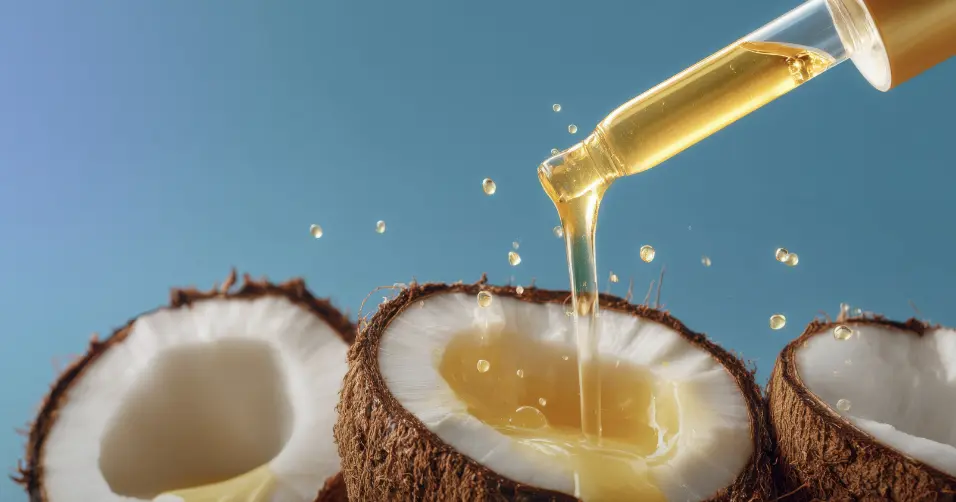
Coconut oil provides calories and fatty acids that the body can use for energy. It contains medium-chain fats that digest more rapidly than long-chain ones. It also provides saturated fats, which affect cholesterol levels differently. Its effects depend heavily on dose and diet context. Many people use it for cooking because of its stability.

  • Provides quick-digesting fats that the liver can use quickly. This may offer fast energy.

  • Has a strong saturated profile, influencing cholesterol patterns. Responses differ among individuals.

  • Stable for cooking due to its fatty acid structure. This makes it popular for high-heat dishes.

Coconut oil provides calories and fatty acids that the body can use for energy. It contains medium-chain fats that digest more rapidly than long-chain ones. It also provides saturated fats, which affect cholesterol levels differently. Its effects depend heavily on dose and diet context. Many people use it for cooking because of its stability.

  • Provides quick-digesting fats that the liver can use quickly. This may offer fast energy.

  • Has a strong saturated profile, influencing cholesterol patterns. Responses differ among individuals.

  • Stable for cooking due to its fatty acid structure. This makes it popular for high-heat dishes.

How Do Saturated Fats Differ from CLA?

Saturated fats differ from CLA since they provide energy but do not modulate fat oxidation pathways like CLA.

Saturated fats are solid at room temperature and come from many foods, while CLA is a specific fatty acid with a slightly different structure. Saturated fats mainly provide energy and influence cholesterol patterns. CLA acts more like a unique lipid with its own metabolic behavior. Their health effects differ widely. They are not interchangeable.

  • Saturated fats affect cholesterol depending on diet. CLA behaves differently in metabolism.

  • Structural differences change how the body processes them. CLA has altered bonds.

  • Cooking uses vary since saturated fats are heat-stable. CLA is usually not used for cooking.

Saturated fats are solid at room temperature and come from many foods, while CLA is a specific fatty acid with a slightly different structure. Saturated fats mainly provide energy and influence cholesterol patterns. CLA acts more like a unique lipid with its own metabolic behavior. Their health effects differ widely. They are not interchangeable.

  • Saturated fats affect cholesterol depending on diet. CLA behaves differently in metabolism.

  • Structural differences change how the body processes them. CLA has altered bonds.

  • Cooking uses vary since saturated fats are heat-stable. CLA is usually not used for cooking.

How Does MCT Oil Differ from Saturated Fats?

MCT oil differs from saturated fats as it digests faster and is less likely to be stored as body fat.

MCT oil differs from typical saturated fats because its molecules are shorter and handled faster by the body. Traditional saturated fats are long-chain and take longer to digest. MCTs go directly to the liver instead of moving through the lymph system. This makes them behave more like quick fuel. Their structure influences how the body processes them.

  • Shorter chain length changes digestion speed. Standard saturated fats require enzymes and transport steps.

  • Direct liver processing allows quicker energy use. Long fats are packaged and moved through the bloodstream.

  • Smoother digestion can help some people tolerate MCTs better. Heavier fats may slow the stomach.


MCT oil differs from typical saturated fats because its molecules are shorter and handled faster by the body. Traditional saturated fats are long-chain and take longer to digest. MCTs go directly to the liver instead of moving through the lymph system. This makes them behave more like quick fuel. Their structure influences how the body processes them.

  • Shorter chain length changes digestion speed. Standard saturated fats require enzymes and transport steps.

  • Direct liver processing allows quicker energy use. Long fats are packaged and moved through the bloodstream.

  • Smoother digestion can help some people tolerate MCTs better. Heavier fats may slow the stomach.


How Does Omega-3 Differ from Saturated Fat?

Omega-3 differs from saturated fat by being unsaturated, flexible, and heart-protective.

Omega-3 differs from saturated fat because it is an unsaturated fatty acid with flexible chemical bonds. This flexibility affects how it behaves in cell membranes. Saturated fats are more rigid and influence structure differently. Omega-3s support fluidity, while saturated fats support firmness. Both play roles but in different proportions for optimal health.

  • Unsaturated structure makes omega-3s more flexible.

  • Saturated structure creates firmer membranes.

  • Functional differences shape cell behavior.

  • Balanced intake supports overall tissue health.


Omega-3 differs from saturated fat because it is an unsaturated fatty acid with flexible chemical bonds. This flexibility affects how it behaves in cell membranes. Saturated fats are more rigid and influence structure differently. Omega-3s support fluidity, while saturated fats support firmness. Both play roles but in different proportions for optimal health.

  • Unsaturated structure makes omega-3s more flexible.

  • Saturated structure creates firmer membranes.

  • Functional differences shape cell behavior.

  • Balanced intake supports overall tissue health.


How Do Saturated Fats Differ from Trans Fats?

Saturated fats differ from trans fats by being natural animal or tropical fats rather than industrially altered.

Saturated fats and trans fats differ in shape and metabolic influence. Saturated fats have straight chains from natural sources. Trans fats have altered shapes that interfere with cell membranes. Saturated fats in moderation fit into balanced diets. Trans fats show clear negative markers.

  • Molecular shape stays natural in saturated fats.

  • Artificial geometry defines trans fats.

  • Health risks rise sharply with trans fat intake.

  • Food sources differ greatly between the two groups.

  • Regulatory action focuses on trans fats only.

Saturated fats and trans fats differ in shape and metabolic influence. Saturated fats have straight chains from natural sources. Trans fats have altered shapes that interfere with cell membranes. Saturated fats in moderation fit into balanced diets. Trans fats show clear negative markers.

  • Molecular shape stays natural in saturated fats.

  • Artificial geometry defines trans fats.

  • Health risks rise sharply with trans fat intake.

  • Food sources differ greatly between the two groups.

  • Regulatory action focuses on trans fats only.

How Do Saturated and Unsaturated Fats Differ?

Saturated and unsaturated fats differ in structure; unsaturated remain liquid and heart-friendly.

Saturated and unsaturated fats differ in chemical bonds and body effects. Saturated fats have no double bonds and stay solid at room temperature. Unsaturated fats contain one or more double bonds that keep them fluid. This fluidity supports healthier lipid patterns. Saturated fats fit best in moderation.

  • Chemical structure sets the main difference.

  • Room temperature state shows saturated fats as solid.

  • Membrane flexibility relies on unsaturated fats.

  • Lipid patterns trend healthier with unsaturated intake.

  • Dietary role favors balance across both types.

Saturated and unsaturated fats differ in chemical bonds and body effects. Saturated fats have no double bonds and stay solid at room temperature. Unsaturated fats contain one or more double bonds that keep them fluid. This fluidity supports healthier lipid patterns. Saturated fats fit best in moderation.

  • Chemical structure sets the main difference.

  • Room temperature state shows saturated fats as solid.

  • Membrane flexibility relies on unsaturated fats.

  • Lipid patterns trend healthier with unsaturated intake.

  • Dietary role favors balance across both types.

Medical Disclaimer: All content on this website is intended solely for informational and educational purposes and should not be interpreted as a substitute for professional medical advice, diagnosis, or treatment, nor as encouragement or promotion for or against any particular use, product, or activity. Results may vary and are not guaranteed. No doctor–patient relationship is created by your use of this content. Always consult a qualified healthcare provider, nutritionist, or other relevant expert before starting or changing any supplement, diet, exercise, or lifestyle program. This website can contain errors. Check important information. Read our full Disclaimer.

StatusTerms of ServicePrivacy PolicyDisclaimerAbout Myopedia.

©2025 Myopedia™. All rights reserved.

Medical Disclaimer: All content on this website is intended solely for informational and educational purposes and should not be interpreted as a substitute for professional medical advice, diagnosis, or treatment, nor as encouragement or promotion for or against any particular use, product, or activity. Results may vary and are not guaranteed. No doctor–patient relationship is created by your use of this content. Always consult a qualified healthcare provider, nutritionist, or other relevant expert before starting or changing any supplement, diet, exercise, or lifestyle program. This website can contain errors. Check important information. Read our full Disclaimer.

StatusTerms of ServicePrivacy PolicyDisclaimerAbout Myopedia.

©2025 Myopedia™. All rights reserved.

Medical Disclaimer: All content on this website is intended solely for informational and educational purposes and should not be interpreted as a substitute for professional medical advice, diagnosis, or treatment, nor as encouragement or promotion for or against any particular use, product, or activity. Results may vary and are not guaranteed. No doctor–patient relationship is created by your use of this content. Always consult a qualified healthcare provider, nutritionist, or other relevant expert before starting or changing any supplement, diet, exercise, or lifestyle program. This website can contain errors. Check important information. Read our full Disclaimer.

StatusTerms of ServicePrivacy PolicyDisclaimerAbout Myopedia.

©2025 Myopedia™. All rights reserved.