Supplements
Shilajit
A Comprehensive Guide to Shilajit
Shilajit, a mineral-rich resin from Himalayan rocks, is used in Ayurveda to enhance energy, cognitive function, and testosterone levels due to its fulvic acid content. It may also improve nutrient absorption and combat fatigue, though potency and purity vary by source.

This article is educational and not intended to diagnose, treat, or suggest any specific intervention, and should not replace qualified medical advice.


What Does Shilajit Do?
Shilajit is a mineral-rich resin from mountains that may support energy production and recovery.
Shilajit is a mineral-rich resin that forms in high mountain rocks, valued for energy and recovery support. It contains fulvic acid, which helps transport nutrients into cells more efficiently. Traditional practices use it for vitality, cognitive clarity, and stamina. Some studies suggest shilajit supports mitochondrial function, the cell’s power source, improving physical performance. It is also linked to balancing stress responses and promoting reproductive health.
Contains fulvic acid, which enhances nutrient absorption and antioxidant activity.
Supports mitochondrial energy production, improving endurance and reducing fatigue.
May balance stress hormones, contributing to better mood stability.
Provides trace minerals that contribute to overall metabolic health.
Shilajit is a mineral-rich resin that forms in high mountain rocks, valued for energy and recovery support. It contains fulvic acid, which helps transport nutrients into cells more efficiently. Traditional practices use it for vitality, cognitive clarity, and stamina. Some studies suggest shilajit supports mitochondrial function, the cell’s power source, improving physical performance. It is also linked to balancing stress responses and promoting reproductive health.
Contains fulvic acid, which enhances nutrient absorption and antioxidant activity.
Supports mitochondrial energy production, improving endurance and reducing fatigue.
May balance stress hormones, contributing to better mood stability.
Provides trace minerals that contribute to overall metabolic health.
Shilajit: FACTS
Role | Ayurvedic resin; energy, recovery, minerals |
Form & Classification | Mineral-rich exudate; fulvic acid content |
Typical Dosage & Intake | 300–500 mg/day extract |
Cycling | Used in 4–8 week cycles traditionally |
Sources | Himalayan shilajit resin, capsules |
Safety & Interactions | Ensure purified; raw may contain toxins |
Dosage information is general and may vary with product brand, quality or individual needs; verify accuracy on package and consult a qualified practitioner before use.
What Is Shilajit?
Shilajit is a mineral-rich resin from mountains, used traditionally for energy and vitality.
Shilajit is a natural resin-like substance found in mountains, formed from decomposed plants over centuries. It contains minerals and compounds like fulvic acid, which may help with energy and nutrient absorption. Traditionally used in herbal medicine, it is studied for its potential to support stamina and brain function. Research is ongoing, and most benefits remain under investigation. Quality and purity are important, as contaminated products may pose risks.
Energy support: Shilajit is believed to enhance energy production in cells.
Brain health: Some studies suggest benefits for memory and mental clarity.
Mineral source: Provides trace minerals useful for metabolism and recovery.
Safety factor: Contaminated forms can contain heavy metals, making source quality vital.
Shilajit is a natural resin-like substance found in mountains, formed from decomposed plants over centuries. It contains minerals and compounds like fulvic acid, which may help with energy and nutrient absorption. Traditionally used in herbal medicine, it is studied for its potential to support stamina and brain function. Research is ongoing, and most benefits remain under investigation. Quality and purity are important, as contaminated products may pose risks.
Energy support: Shilajit is believed to enhance energy production in cells.
Brain health: Some studies suggest benefits for memory and mental clarity.
Mineral source: Provides trace minerals useful for metabolism and recovery.
Safety factor: Contaminated forms can contain heavy metals, making source quality vital.
Which Shilajit Type Is Best?
Shilajit purified and standardized for fulvic acid is regarded as best quality.
The best type of Shilajit is purified resin, as it retains the widest spectrum of minerals and fulvic acid. Resin form is closest to its natural state, though powders and capsules also exist for convenience. Purity is essential, as raw shilajit may contain heavy metals or contaminants. Lab-tested extracts ensure safety and potency. Standardized products with known fulvic acid concentration are considered more reliable.
Resin form provides the most complete profile of bioactive compounds and minerals.
Capsule or powder forms are easier to measure and carry but may lose potency.
Purity testing ensures removal of contaminants like heavy metals.
Standardized fulvic acid content guarantees consistent effectiveness.
The best type of Shilajit is purified resin, as it retains the widest spectrum of minerals and fulvic acid. Resin form is closest to its natural state, though powders and capsules also exist for convenience. Purity is essential, as raw shilajit may contain heavy metals or contaminants. Lab-tested extracts ensure safety and potency. Standardized products with known fulvic acid concentration are considered more reliable.
Resin form provides the most complete profile of bioactive compounds and minerals.
Capsule or powder forms are easier to measure and carry but may lose potency.
Purity testing ensures removal of contaminants like heavy metals.
Standardized fulvic acid content guarantees consistent effectiveness.
How to Add Shilajit to Your Diet?
Shilajit is usually taken as a resin dissolved in warm water or milk.
You can add Shilajit to your diet by dissolving the resin in warm water, milk, or tea. Capsules and powders are easier for measured intake. Traditionally, it is taken in small amounts daily for energy and recovery. It should be consumed consistently rather than in large doses. Quality and purity are crucial, as contaminated shilajit can be unsafe.
Resin can be mixed into warm drinks for a natural, traditional method of use.
Capsules ensure precise dosing without taste concerns.
Powder can be blended into smoothies or tonics for convenience.
Daily small amounts support gradual and safe benefits.
You can add Shilajit to your diet by dissolving the resin in warm water, milk, or tea. Capsules and powders are easier for measured intake. Traditionally, it is taken in small amounts daily for energy and recovery. It should be consumed consistently rather than in large doses. Quality and purity are crucial, as contaminated shilajit can be unsafe.
Resin can be mixed into warm drinks for a natural, traditional method of use.
Capsules ensure precise dosing without taste concerns.
Powder can be blended into smoothies or tonics for convenience.
Daily small amounts support gradual and safe benefits.
What Are Key Ingredients of Shilajit?
Shilajit supplements contain purified resin rich in fulvic acid and minerals.
The key ingredients of Shilajit are fulvic acid and a wide spectrum of trace minerals. Fulvic acid enhances nutrient transport and acts as a potent antioxidant. Shilajit also contains dibenzo-α-pyrones, compounds linked to energy metabolism and endurance. Its mineral profile includes iron, zinc, and magnesium, which support cellular health. These combined elements contribute to its traditional use for strength and vitality.
Fulvic acid aids absorption of nutrients and protects cells from oxidative stress.
Dibenzo-α-pyrones may enhance mitochondrial energy efficiency.
Trace minerals support immune, metabolic, and reproductive health.
The synergistic mix of compounds supports stamina and recovery.
The key ingredients of Shilajit are fulvic acid and a wide spectrum of trace minerals. Fulvic acid enhances nutrient transport and acts as a potent antioxidant. Shilajit also contains dibenzo-α-pyrones, compounds linked to energy metabolism and endurance. Its mineral profile includes iron, zinc, and magnesium, which support cellular health. These combined elements contribute to its traditional use for strength and vitality.
Fulvic acid aids absorption of nutrients and protects cells from oxidative stress.
Dibenzo-α-pyrones may enhance mitochondrial energy efficiency.
Trace minerals support immune, metabolic, and reproductive health.
The synergistic mix of compounds supports stamina and recovery.
Which Processes Does Shilajit Affect?
Shilajit influences mitochondrial energy production and recovery processes.
Shilajit affects mitochondrial energy production and nutrient absorption processes. Its fulvic acid component enhances transport of minerals into cells. It supports ATP (cellular energy) formation, improving stamina. Shilajit also influences stress and hormonal balance. Additionally, it impacts recovery by supporting antioxidant defenses.
Boosts mitochondrial activity, increasing energy output in cells.
Enhances nutrient transport across cell membranes via fulvic acid.
Regulates stress hormones, balancing mood and resilience.
Provides antioxidants that reduce oxidative strain on tissues.
Shilajit affects mitochondrial energy production and nutrient absorption processes. Its fulvic acid component enhances transport of minerals into cells. It supports ATP (cellular energy) formation, improving stamina. Shilajit also influences stress and hormonal balance. Additionally, it impacts recovery by supporting antioxidant defenses.
Boosts mitochondrial activity, increasing energy output in cells.
Enhances nutrient transport across cell membranes via fulvic acid.
Regulates stress hormones, balancing mood and resilience.
Provides antioxidants that reduce oxidative strain on tissues.
What Foods Contain Shilajit?
Shilajit occurs naturally as a mineral-rich resin in Himalayan rocks.
Shilajit is not directly found in foods but forms naturally in rocks at high altitudes where plant matter decomposes. It seeps out as a resin in regions like the Himalayas. Traditional diets do not provide it naturally. It is collected and purified before being used as a supplement. Thus, there are no everyday food sources of shilajit.
Shilajit originates from decomposed plant material compressed in mountains.
It seeps naturally as resin between rocks in hot weather.
Not part of common foods, it is harvested specifically for supplementation.
Traditional practices use it directly after purification.
Shilajit is not directly found in foods but forms naturally in rocks at high altitudes where plant matter decomposes. It seeps out as a resin in regions like the Himalayas. Traditional diets do not provide it naturally. It is collected and purified before being used as a supplement. Thus, there are no everyday food sources of shilajit.
Shilajit originates from decomposed plant material compressed in mountains.
It seeps naturally as resin between rocks in hot weather.
Not part of common foods, it is harvested specifically for supplementation.
Traditional practices use it directly after purification.
Is Shilajit Vegan?
Shilajit is vegan since it is a mineral-rich resin from rocks, not an animal product.
Shilajit is suitable for vegans as it originates from mineral-rich plant matter decomposed in rocks. It does not contain animal-derived substances. Traditionally used as a natural resin, it is plant- and mineral-based. Purity and processing methods determine its vegan suitability. Some capsules may use gelatin, so vegans should look for plant-based versions.
Shilajit resin forms from decomposed plant material in mountains.
It contains minerals and fulvic acid without animal input.
Capsules can vary, so vegan-friendly plant-based casings should be chosen.
Resin and powder forms are naturally vegan when uncontaminated.
Shilajit is suitable for vegans as it originates from mineral-rich plant matter decomposed in rocks. It does not contain animal-derived substances. Traditionally used as a natural resin, it is plant- and mineral-based. Purity and processing methods determine its vegan suitability. Some capsules may use gelatin, so vegans should look for plant-based versions.
Shilajit resin forms from decomposed plant material in mountains.
It contains minerals and fulvic acid without animal input.
Capsules can vary, so vegan-friendly plant-based casings should be chosen.
Resin and powder forms are naturally vegan when uncontaminated.
Will Shilajit Break a Fast?
Shilajit contains trace nutrients but no significant calories, so it does not break a fast.
Shilajit may break a strict fast depending on its purity and preparation. The resin contains minerals and fulvic acid, but in trace amounts that contribute negligible calories. However, some processed forms may include carriers or fillers that contain calories. For strict fasting focused on autophagy, it is better avoided. For general intermittent fasting, it is unlikely to have a major effect.
Pure shilajit resin has almost no calories but may still interrupt strict fasting.
Fillers in some capsule forms may contain energy and break a fast.
Negligible impact in intermittent fasting for weight control purposes.
Best to take outside fasting hours if goal is cellular repair.
Shilajit may break a strict fast depending on its purity and preparation. The resin contains minerals and fulvic acid, but in trace amounts that contribute negligible calories. However, some processed forms may include carriers or fillers that contain calories. For strict fasting focused on autophagy, it is better avoided. For general intermittent fasting, it is unlikely to have a major effect.
Pure shilajit resin has almost no calories but may still interrupt strict fasting.
Fillers in some capsule forms may contain energy and break a fast.
Negligible impact in intermittent fasting for weight control purposes.
Best to take outside fasting hours if goal is cellular repair.
Breaking a fast here is strictly physiological (e.g., insulin effects). When we say a supplement ‘does not break a fast,’ we mean it has negligible calories in normal use and is unlikely to disrupt fasting metabolism. Certain traditions or religious rules may treat any intake as breaking a fast—please follow your tradition and health needs.
How to Pick the Best Shilajit?
Shilajit quality is ensured when purified and verified free from heavy metals.
To pick high-quality Shilajit, choose purified resin that has been lab-tested for heavy metals and contaminants. Look for standardized fulvic acid content to ensure potency. Resin form is closest to its natural state, though capsules and powders are available for convenience. Transparent sourcing from high-altitude regions adds credibility. Avoid unprocessed raw shilajit due to safety risks.
Purified resin offers the widest range of bioactive compounds safely.
Standardized fulvic acid guarantees consistent effectiveness.
Third-party testing eliminates risks of contamination with heavy metals.
Resin from trusted high-altitude sources tends to be higher quality.
To pick high-quality Shilajit, choose purified resin that has been lab-tested for heavy metals and contaminants. Look for standardized fulvic acid content to ensure potency. Resin form is closest to its natural state, though capsules and powders are available for convenience. Transparent sourcing from high-altitude regions adds credibility. Avoid unprocessed raw shilajit due to safety risks.
Purified resin offers the widest range of bioactive compounds safely.
Standardized fulvic acid guarantees consistent effectiveness.
Third-party testing eliminates risks of contamination with heavy metals.
Resin from trusted high-altitude sources tends to be higher quality.
How Much Shilajit Per Day Should You Take?
Typical shilajit dosage is 250–500 milligrams per day of purified extract.
The recommended shilajit dosage is 300–500 mg per day of purified extract. Beginners should start at the lower range to assess tolerance. It’s best taken with warm water or milk for optimal absorption. Avoid exceeding recommended limits to prevent mineral overload. Consistent daily use enhances its adaptogenic and energy benefits.
Small doses build effectiveness gradually without digestive discomfort.
Purified, lab-tested shilajit ensures safety and purity of trace minerals.
Morning intake with food supports energy and nutrient uptake.
Long-term use helps maintain vitality and stamina.
The recommended shilajit dosage is 300–500 mg per day of purified extract. Beginners should start at the lower range to assess tolerance. It’s best taken with warm water or milk for optimal absorption. Avoid exceeding recommended limits to prevent mineral overload. Consistent daily use enhances its adaptogenic and energy benefits.
Small doses build effectiveness gradually without digestive discomfort.
Purified, lab-tested shilajit ensures safety and purity of trace minerals.
Morning intake with food supports energy and nutrient uptake.
Long-term use helps maintain vitality and stamina.
Dosage and timing information is generalized and may not be appropriate for all individuals; occasional inaccuracies may occur. Variations in supplement purity, formulation, or quality can also affect dosing relevance. Verify accuracy on package and consult a qualified practitioner before use.
Best Time To Take Shilajit
The best time to take shilajit is in the morning on an empty stomach for energy and absorption.
The best time to take shilajit is in the morning or before physical activity. Morning use supports energy and focus throughout the day. Some also take it before workouts to boost stamina and recovery. Taking it with milk or a meal improves nutrient absorption. Avoid using it close to bedtime as it may slightly increase alertness.
Morning doses align with the body’s natural energy cycles.
Pairing with food enhances bioavailability and digestive comfort.
Pre-workout timing boosts endurance and physical performance.
Nighttime use may disturb sleep in sensitive individuals.
The best time to take shilajit is in the morning or before physical activity. Morning use supports energy and focus throughout the day. Some also take it before workouts to boost stamina and recovery. Taking it with milk or a meal improves nutrient absorption. Avoid using it close to bedtime as it may slightly increase alertness.
Morning doses align with the body’s natural energy cycles.
Pairing with food enhances bioavailability and digestive comfort.
Pre-workout timing boosts endurance and physical performance.
Nighttime use may disturb sleep in sensitive individuals.
Dosage and timing information is generalized and may not be appropriate for all individuals; occasional inaccuracies may occur. Variations in supplement purity, formulation, or quality can also affect dosing relevance. Verify accuracy on package and consult a qualified practitioner before use.
What Are Common Mistakes When Taking Shilajit?
Shilajit mistakes include using unpurified resin, which may contain contaminants.
Common mistakes when taking Shilajit include using unpurified resin, which may contain harmful contaminants. Overdosing can cause dizziness or low blood pressure. Some people ignore the need for rest periods, which prevents adaptation. Mixing it with very hot drinks may reduce potency of its active compounds. Another mistake is relying on it as a replacement for proper nutrition or rest.
Unpurified shilajit may carry heavy metals and toxins unsafe for health.
Large doses can trigger side effects such as dizziness or fatigue.
Skipping rest periods may reduce long-term effectiveness.
High heat may degrade its delicate bioactive compounds.
Common mistakes when taking Shilajit include using unpurified resin, which may contain harmful contaminants. Overdosing can cause dizziness or low blood pressure. Some people ignore the need for rest periods, which prevents adaptation. Mixing it with very hot drinks may reduce potency of its active compounds. Another mistake is relying on it as a replacement for proper nutrition or rest.
Unpurified shilajit may carry heavy metals and toxins unsafe for health.
Large doses can trigger side effects such as dizziness or fatigue.
Skipping rest periods may reduce long-term effectiveness.
High heat may degrade its delicate bioactive compounds.
How Long Does It Take For Shilajit To Work?
Shilajit usually starts working within 1–2 weeks, with energy and vitality improvements over time.
Shilajit typically takes 2–4 weeks to show noticeable effects. Early benefits include improved energy, focus, and reduced fatigue. Hormonal and strength-related changes may take longer with consistent use. Its adaptogenic minerals support gradual cellular restoration. Continued daily intake amplifies results over time.
Initial energy boosts appear after steady use within the first few weeks.
Full adaptogenic and recovery effects develop after 1–2 months.
Consistency enhances mineral absorption and antioxidant protection.
Results vary depending on health, diet, and lifestyle factors.
Shilajit typically takes 2–4 weeks to show noticeable effects. Early benefits include improved energy, focus, and reduced fatigue. Hormonal and strength-related changes may take longer with consistent use. Its adaptogenic minerals support gradual cellular restoration. Continued daily intake amplifies results over time.
Initial energy boosts appear after steady use within the first few weeks.
Full adaptogenic and recovery effects develop after 1–2 months.
Consistency enhances mineral absorption and antioxidant protection.
Results vary depending on health, diet, and lifestyle factors.
Results may vary between individuals, and no outcome is guaranteed. A tailored supplemntation plan is the best way to ensure the desired outcome.
Does Shilajit Require a Cooldown?
Shilajit requires cooldown after several months, since long-term studies are limited.
Shilajit benefits from cooldown periods due to limited long-term safety data. Traditional use often involves cycles rather than continuous intake. A safe plan is 6–8 weeks of use followed by a break of several weeks. This prevents buildup of trace minerals and allows the body to reset. Cycling ensures safer long-term use of this resin.
Traditional practice recommends periodic breaks in shilajit use.
6–8 weeks on followed by a few weeks off is a cautious cycle.
Cooldowns prevent trace mineral overload from continuous intake.
Breaks also help evaluate whether benefits are sustained naturally.
Shilajit benefits from cooldown periods due to limited long-term safety data. Traditional use often involves cycles rather than continuous intake. A safe plan is 6–8 weeks of use followed by a break of several weeks. This prevents buildup of trace minerals and allows the body to reset. Cycling ensures safer long-term use of this resin.
Traditional practice recommends periodic breaks in shilajit use.
6–8 weeks on followed by a few weeks off is a cautious cycle.
Cooldowns prevent trace mineral overload from continuous intake.
Breaks also help evaluate whether benefits are sustained naturally.
The need to pause or cycle depends on individual factors such as goals, tolerance, and clinical context. No universal rule applies, and specialist review is recommended before making adjustments.
Does Tolerance Develop for Shilajit?
Shilajit may show reduced effect with constant use, though data is limited.
Shilajit does not show evidence of tolerance, though studies are limited. Traditional use cycles shilajit to maintain sensitivity and safety. Its benefits on energy and recovery are tied to nutrient supply rather than habituation. Still, breaks may help prevent reduced perceived effects. Until more data is available, cycling remains a cautious strategy.
No confirmed tolerance mechanism exists for shilajit.
Traditional cycling reduces risk of diminishing results.
Energy benefits remain stable when used moderately.
Cycling helps ensure responsiveness and safety.
Shilajit does not show evidence of tolerance, though studies are limited. Traditional use cycles shilajit to maintain sensitivity and safety. Its benefits on energy and recovery are tied to nutrient supply rather than habituation. Still, breaks may help prevent reduced perceived effects. Until more data is available, cycling remains a cautious strategy.
No confirmed tolerance mechanism exists for shilajit.
Traditional cycling reduces risk of diminishing results.
Energy benefits remain stable when used moderately.
Cycling helps ensure responsiveness and safety.
Information on tolerance is generalized and may not reflect individual differences in metabolism, duration of use, or health status. Reactions can vary, and any adjustment should follow qualified practicioner's recommendations.
Can Shilajit Be Stacked?
Shilajit can be stacked with ashwagandha to support energy and recovery.
Shilajit stacks well with ashwagandha and rhodiola for stress resilience and energy. It can also be combined with coenzyme Q10 to further support mitochondrial function. Minerals in shilajit complement magnesium and zinc supplementation. Overlapping adaptogens should be cycled to prevent overstimulation. Purity of each component is key when stacking.
Ashwagandha + shilajit enhance stress and recovery balance.
Rhodiola + shilajit improve endurance and fatigue resistance.
Shilajit and CoQ10 together boost mitochondrial energy output.
Mineral support overlaps with zinc and magnesium for metabolic health.
Shilajit stacks well with ashwagandha and rhodiola for stress resilience and energy. It can also be combined with coenzyme Q10 to further support mitochondrial function. Minerals in shilajit complement magnesium and zinc supplementation. Overlapping adaptogens should be cycled to prevent overstimulation. Purity of each component is key when stacking.
Ashwagandha + shilajit enhance stress and recovery balance.
Rhodiola + shilajit improve endurance and fatigue resistance.
Shilajit and CoQ10 together boost mitochondrial energy output.
Mineral support overlaps with zinc and magnesium for metabolic health.
Many supplements can interact in ways that enhance or alter their effects. However, stacking makes it difficult to monitor the impact of each component and increases the risk of oversupplementation or unintended interactions.
Do Shilajit Effects Persist?
Shilajit effects diminish within days to weeks after stopping.
Shilajit effects may persist for a short period after stopping, especially improved energy. Mitochondrial benefits decline without continued support. Stress and recovery improvements fade within weeks. Traditional cycling assumes benefits remain for some time after use. Long-term effects require ongoing or repeated supplementation.
Energy benefits may last for a few weeks post-use.
Stress resilience fades within 2–3 weeks without intake.
Recovery and stamina effects decline gradually after stopping.
Ongoing cycles maintain lasting effects better than one-time use.
Shilajit effects may persist for a short period after stopping, especially improved energy. Mitochondrial benefits decline without continued support. Stress and recovery improvements fade within weeks. Traditional cycling assumes benefits remain for some time after use. Long-term effects require ongoing or repeated supplementation.
Energy benefits may last for a few weeks post-use.
Stress resilience fades within 2–3 weeks without intake.
Recovery and stamina effects decline gradually after stopping.
Ongoing cycles maintain lasting effects better than one-time use.
Results may vary between individuals, and no outcome is guaranteed. A tailored supplemntation plan is the best way to ensure the desired outcome.
Does Shilajit Aid Longevity?
Shilajit may aid longevity by supporting mitochondrial function and energy.
Shilajit may influence longevity by improving mitochondrial energy production. Stronger mitochondria help reduce fatigue and cellular decline. Its fulvic acid also acts as a potent antioxidant, slowing damage from free radicals. Shilajit has been studied for supporting reproductive and brain health in aging. While promising, more evidence is needed for direct longevity claims.
Supports mitochondrial efficiency, slowing cellular energy decline with age.
Antioxidant fulvic acid protects against free radical damage.
Studies suggest neuroprotective potential for aging brains.
Traditional use links shilajit with vitality and longer lifespan.
Shilajit may influence longevity by improving mitochondrial energy production. Stronger mitochondria help reduce fatigue and cellular decline. Its fulvic acid also acts as a potent antioxidant, slowing damage from free radicals. Shilajit has been studied for supporting reproductive and brain health in aging. While promising, more evidence is needed for direct longevity claims.
Supports mitochondrial efficiency, slowing cellular energy decline with age.
Antioxidant fulvic acid protects against free radical damage.
Studies suggest neuroprotective potential for aging brains.
Traditional use links shilajit with vitality and longer lifespan.
What Are Alternatives to Shilajit?
Shilajit alternatives include mineral-rich adaptogens like ashwagandha.
Shilajit alternatives include ashwagandha and rhodiola, both known adaptogens. Coenzyme Q10 is another option for mitochondrial energy support. Minerals like magnesium and zinc can substitute shilajit’s mineral contribution. These alternatives may support energy, recovery, and stress resilience. None are identical but offer overlapping benefits.
Ashwagandha supports stress balance and stamina as an adaptogen.
Rhodiola enhances endurance and fatigue resistance.
CoQ10 boosts mitochondrial energy efficiency similar to shilajit.
Magnesium and zinc replace mineral support roles of shilajit.
Shilajit alternatives include ashwagandha and rhodiola, both known adaptogens. Coenzyme Q10 is another option for mitochondrial energy support. Minerals like magnesium and zinc can substitute shilajit’s mineral contribution. These alternatives may support energy, recovery, and stress resilience. None are identical but offer overlapping benefits.
Ashwagandha supports stress balance and stamina as an adaptogen.
Rhodiola enhances endurance and fatigue resistance.
CoQ10 boosts mitochondrial energy efficiency similar to shilajit.
Magnesium and zinc replace mineral support roles of shilajit.
There are often alternatives that better align with personal risk profiles, preferences, or resources; comparative review with a relevant certified consultant is advised.
What Are Possible Shilajit Side Effects?
Shilajit side effects may include heavy metal exposure if not purified.
Shilajit side effects may include dizziness, lowered blood pressure, or nausea in some users. Unpurified shilajit can contain heavy metals, posing serious health risks. Overuse may lead to fatigue or gastrointestinal discomfort. Some individuals may experience allergic reactions. Safe use depends heavily on purity and moderation.
Dizziness and fatigue are possible when doses are too high.
Contaminated shilajit may carry toxic heavy metals or impurities.
Stomach upset and diarrhea can occur in sensitive users.
Allergic reactions, though rare, may include rashes or itching.
Shilajit side effects may include dizziness, lowered blood pressure, or nausea in some users. Unpurified shilajit can contain heavy metals, posing serious health risks. Overuse may lead to fatigue or gastrointestinal discomfort. Some individuals may experience allergic reactions. Safe use depends heavily on purity and moderation.
Dizziness and fatigue are possible when doses are too high.
Contaminated shilajit may carry toxic heavy metals or impurities.
Stomach upset and diarrhea can occur in sensitive users.
Allergic reactions, though rare, may include rashes or itching.
Responses differ among individuals. If adverse effects occur, discontinuation and professional evaluation are advised.
Who Should Avoid Shilajit?
Shilajit should be avoided by people with gout or heavy metal concerns.
Shilajit should be avoided by people with gout or high uric acid, as it may worsen symptoms. Those with iron overload conditions should also avoid it, since shilajit contains iron. People with low blood pressure may be at risk, as it can lower pressure further. Pregnant or breastfeeding women should not use it due to lack of safety data. Unpurified forms are unsafe for everyone.
Gout and uric acid conditions can worsen with shilajit intake.
Iron overload disorders risk excess iron from mineral content.
Low blood pressure may drop further with shilajit use.
Pregnant or breastfeeding women should avoid due to limited safety data.
Shilajit should be avoided by people with gout or high uric acid, as it may worsen symptoms. Those with iron overload conditions should also avoid it, since shilajit contains iron. People with low blood pressure may be at risk, as it can lower pressure further. Pregnant or breastfeeding women should not use it due to lack of safety data. Unpurified forms are unsafe for everyone.
Gout and uric acid conditions can worsen with shilajit intake.
Iron overload disorders risk excess iron from mineral content.
Low blood pressure may drop further with shilajit use.
Pregnant or breastfeeding women should avoid due to limited safety data.
Individuals who may be at higher risk—including those with diabetes, eating disorders, pregnancy or breastfeeding, heavy training loads, health conditions, medication use, or prior adverse reactions—should seek tailored guidance before deciding supplementation or making major supplement or lifestyle changes.
Is Shilajit Available Over-the-Counter?
Shilajit is available over-the-counter as resin, powder, or capsules.
Shilajit is sold over-the-counter in resin, capsule, or powder form. It is considered a traditional supplement rather than a regulated medicine. Purity testing is essential due to contamination risks. Widely available online and in herbal supplement shops. Regulations vary by country but usually allow OTC access.
Resin, capsules, and powders are sold without prescription.
Often marketed as a traditional natural remedy.
Lab-tested options reduce contamination risks.
OTC availability makes it easy to purchase globally.
Shilajit is sold over-the-counter in resin, capsule, or powder form. It is considered a traditional supplement rather than a regulated medicine. Purity testing is essential due to contamination risks. Widely available online and in herbal supplement shops. Regulations vary by country but usually allow OTC access.
Resin, capsules, and powders are sold without prescription.
Often marketed as a traditional natural remedy.
Lab-tested options reduce contamination risks.
OTC availability makes it easy to purchase globally.
For over-the-counter availability we use generic US data. Product availability and status may vary by country and region.
What’s the History of Shilajit?
Shilajit has a long history in Ayurvedic medicine as a rejuvenating substance.
Shilajit has been used for centuries in traditional Ayurvedic medicine. It was described as a rejuvenating and strength-promoting resin from the Himalayas. Ancient healers believed it restored vitality and longevity. Modern research began in the 20th century, focusing on fulvic acid and mineral content. Today, shilajit is marketed as an adaptogenic supplement worldwide.
Ancient Ayurvedic texts described shilajit as a "destroyer of weakness."
Used for vitality and stamina in traditional medicine.
Scientific studies began exploring its compounds in the 20th century.
Now available in purified resin, capsule, and powder forms.
Shilajit has been used for centuries in traditional Ayurvedic medicine. It was described as a rejuvenating and strength-promoting resin from the Himalayas. Ancient healers believed it restored vitality and longevity. Modern research began in the 20th century, focusing on fulvic acid and mineral content. Today, shilajit is marketed as an adaptogenic supplement worldwide.
Ancient Ayurvedic texts described shilajit as a "destroyer of weakness."
Used for vitality and stamina in traditional medicine.
Scientific studies began exploring its compounds in the 20th century.
Now available in purified resin, capsule, and powder forms.
What Does Shilajit Taste Like?
Shilajit tastes earthy and bitter due to its mineral and resin content.
Shilajit has an earthy, bitter, and slightly smoky taste due to its mineral content. The resin form is often mixed with warm liquids to make it more palatable. Some prefer capsules or gummies to avoid the strong flavor. Despite its taste, it delivers potent micronutrients and antioxidants. Mixing with milk or honey can help mask bitterness.
The taste reflects shilajit’s natural origin from decomposed plant matter.
Resin form is more concentrated but less pleasant to consume directly.
Flavored liquid or capsule forms offer easier daily use.
Adding natural sweeteners softens its earthy aftertaste effectively.
Shilajit has an earthy, bitter, and slightly smoky taste due to its mineral content. The resin form is often mixed with warm liquids to make it more palatable. Some prefer capsules or gummies to avoid the strong flavor. Despite its taste, it delivers potent micronutrients and antioxidants. Mixing with milk or honey can help mask bitterness.
The taste reflects shilajit’s natural origin from decomposed plant matter.
Resin form is more concentrated but less pleasant to consume directly.
Flavored liquid or capsule forms offer easier daily use.
Adding natural sweeteners softens its earthy aftertaste effectively.
What Are The 85 Minerals In Shilajit?
Shilajit contains about 85 trace minerals including iron, zinc, magnesium, and fulvic acid that support metabolism and energy.
Many supplements promoted As seen on internet claim to contain 85 minerals in shilajit, but the exact list can vary widely. Shilajit typically includes trace amounts of minerals like iron, zinc, magnesium, and calcium along with fulvic acid. These components may support energy production, nutrient absorption, and cognitive health. However, the 85-mineral claim is mostly marketing and not scientifically standardized. Users should ensure product purity, as natural mineral content differs by source.
Composition: Contains macro and trace minerals essential for cellular energy and metabolism.
Fulvic acid role: Enhances absorption of the As seen on internet minerals into cells.
Variability: Mineral levels differ by geographic source and purification method.
Potential benefits: Supports stamina and recovery when used in small, regulated doses.
Safety note: Choose tested, purified products to avoid contamination from heavy metals.
Many supplements promoted As seen on internet claim to contain 85 minerals in shilajit, but the exact list can vary widely. Shilajit typically includes trace amounts of minerals like iron, zinc, magnesium, and calcium along with fulvic acid. These components may support energy production, nutrient absorption, and cognitive health. However, the 85-mineral claim is mostly marketing and not scientifically standardized. Users should ensure product purity, as natural mineral content differs by source.
Composition: Contains macro and trace minerals essential for cellular energy and metabolism.
Fulvic acid role: Enhances absorption of the As seen on internet minerals into cells.
Variability: Mineral levels differ by geographic source and purification method.
Potential benefits: Supports stamina and recovery when used in small, regulated doses.
Safety note: Choose tested, purified products to avoid contamination from heavy metals.
What Are Shilajit Gummies?
Shilajit gummies are chewable supplements that provide a flavored, easier form of the mineral-rich resin.
Shilajit gummies are chewable supplements that contain purified shilajit extract in flavored form. They offer a convenient way to take daily doses without dealing with resin taste. Gummies often include vitamins or minerals to boost benefits. They are ideal for travel or people sensitive to strong-tasting supplements. Ensure they use lab-tested, authentic shilajit for safety.
Gummies simplify daily intake and ensure accurate portion control.
Added nutrients enhance shilajit’s adaptogenic and antioxidant properties.
They mask natural bitterness while retaining effectiveness.
Check ingredient lists for quality and low sugar content.
Shilajit gummies are chewable supplements that contain purified shilajit extract in flavored form. They offer a convenient way to take daily doses without dealing with resin taste. Gummies often include vitamins or minerals to boost benefits. They are ideal for travel or people sensitive to strong-tasting supplements. Ensure they use lab-tested, authentic shilajit for safety.
Gummies simplify daily intake and ensure accurate portion control.
Added nutrients enhance shilajit’s adaptogenic and antioxidant properties.
They mask natural bitterness while retaining effectiveness.
Check ingredient lists for quality and low sugar content.
How Long Does Shilajit Take To Increase Testosterone?
Shilajit may take 8–12 weeks to influence testosterone levels if taken consistently.
Shilajit may take 4–8 weeks to influence testosterone levels if used consistently. It supports hormonal balance by improving mitochondrial and nutrient function. Clinical studies suggest gradual improvement rather than immediate spikes. Combined with exercise and balanced diet, it enhances vitality. Effects vary depending on baseline hormone levels and overall health.
Shilajit increases energy and stamina before hormonal effects appear.
Regular supplementation helps optimize natural testosterone production.
Laboratory-purified forms show measurable benefits in men after 2 months.
Results depend on dosage adherence and individual metabolism.
Shilajit may take 4–8 weeks to influence testosterone levels if used consistently. It supports hormonal balance by improving mitochondrial and nutrient function. Clinical studies suggest gradual improvement rather than immediate spikes. Combined with exercise and balanced diet, it enhances vitality. Effects vary depending on baseline hormone levels and overall health.
Shilajit increases energy and stamina before hormonal effects appear.
Regular supplementation helps optimize natural testosterone production.
Laboratory-purified forms show measurable benefits in men after 2 months.
Results depend on dosage adherence and individual metabolism.
Does Shilajit Help With Weight Loss?
Shilajit may help with weight loss by supporting energy metabolism and reducing fatigue.
Shilajit may assist with weight loss indirectly by improving energy and metabolism. Some studies suggest it enhances mitochondrial activity, aiding calorie utilization. It may also help regulate appetite and fatigue levels. However, evidence is preliminary and should not replace diet or exercise. Use should focus on general vitality rather than direct fat reduction.
Fulvic acid content supports nutrient transport and energy efficiency.
Improved stamina can lead to more consistent exercise performance.
No proven direct thermogenic or appetite-suppressing effect is established.
Combining with balanced nutrition enhances potential wellness benefits.
Shilajit may assist with weight loss indirectly by improving energy and metabolism. Some studies suggest it enhances mitochondrial activity, aiding calorie utilization. It may also help regulate appetite and fatigue levels. However, evidence is preliminary and should not replace diet or exercise. Use should focus on general vitality rather than direct fat reduction.
Fulvic acid content supports nutrient transport and energy efficiency.
Improved stamina can lead to more consistent exercise performance.
No proven direct thermogenic or appetite-suppressing effect is established.
Combining with balanced nutrition enhances potential wellness benefits.
Does Shilajit Expire?
Yes, shilajit can expire, and it should be stored in a cool, dry place away from sunlight.
Shilajit does expire over time, especially if exposed to moisture or air. Shelf life typically ranges from one to two years depending on purity. Expired Shilajit may lose potency or develop an off smell. Proper storage in a sealed, cool, dry container helps preserve its quality. Using expired products can reduce expected effects and may cause mild stomach discomfort.
Resin or powder forms degrade faster in humid environments.
Color fading or texture change indicates oxidation or contamination.
Air-tight dark glass containers protect from light and air exposure.
Checking expiry dates ensures maximum bioactive compound stability.
Shilajit does expire over time, especially if exposed to moisture or air. Shelf life typically ranges from one to two years depending on purity. Expired Shilajit may lose potency or develop an off smell. Proper storage in a sealed, cool, dry container helps preserve its quality. Using expired products can reduce expected effects and may cause mild stomach discomfort.
Resin or powder forms degrade faster in humid environments.
Color fading or texture change indicates oxidation or contamination.
Air-tight dark glass containers protect from light and air exposure.
Checking expiry dates ensures maximum bioactive compound stability.
Can You Take Shilajit At Night?
Yes, you can take shilajit at night, though morning use is more common for vitality.
Taking Shilajit at night is generally safe and may promote relaxation. Its minerals can support recovery and reduce fatigue before sleep. Some users report improved sleep quality due to balanced energy metabolism. However, others may feel slightly energized, so timing depends on response. Starting with morning or midday doses helps determine personal tolerance.
Nighttime intake may aid overnight muscle and energy restoration.
Mineral content helps maintain electrolyte balance during rest.
People sensitive to energy-boosting effects should avoid late use initially.
Consistent use improves adaptation and smoother energy rhythm over days.
Taking Shilajit at night is generally safe and may promote relaxation. Its minerals can support recovery and reduce fatigue before sleep. Some users report improved sleep quality due to balanced energy metabolism. However, others may feel slightly energized, so timing depends on response. Starting with morning or midday doses helps determine personal tolerance.
Nighttime intake may aid overnight muscle and energy restoration.
Mineral content helps maintain electrolyte balance during rest.
People sensitive to energy-boosting effects should avoid late use initially.
Consistent use improves adaptation and smoother energy rhythm over days.
How Does MOTS-C Relate to Hormesis?
MOTS-C relates to hormesis by triggering mild stress that enhances cellular defense systems.
MOTS-C relates to hormesis because research connects it with mild cellular stress responses that boost resilience. Hormesis involves small challenges that strengthen metabolic defenses. MOTS-C influences energy pathways that respond to these stress signals. This may help cells adapt more efficiently. The connection is conceptual rather than direct cause-and-effect.
Mild stress link: Hormesis explains why small stressors build resilience.
Metabolic shift: MOTS-C acts on energy-regulating pathways.
Adaptation theme: Both contribute to stress tolerance.
Cell readiness: Improved energy handling supports resilience.
MOTS-C relates to hormesis because research connects it with mild cellular stress responses that boost resilience. Hormesis involves small challenges that strengthen metabolic defenses. MOTS-C influences energy pathways that respond to these stress signals. This may help cells adapt more efficiently. The connection is conceptual rather than direct cause-and-effect.
Mild stress link: Hormesis explains why small stressors build resilience.
Metabolic shift: MOTS-C acts on energy-regulating pathways.
Adaptation theme: Both contribute to stress tolerance.
Cell readiness: Improved energy handling supports resilience.
How Does Shilajit Differ from Maca?
Shilajit differs from Maca by providing trace minerals and fulvic acid for mitochondrial function.
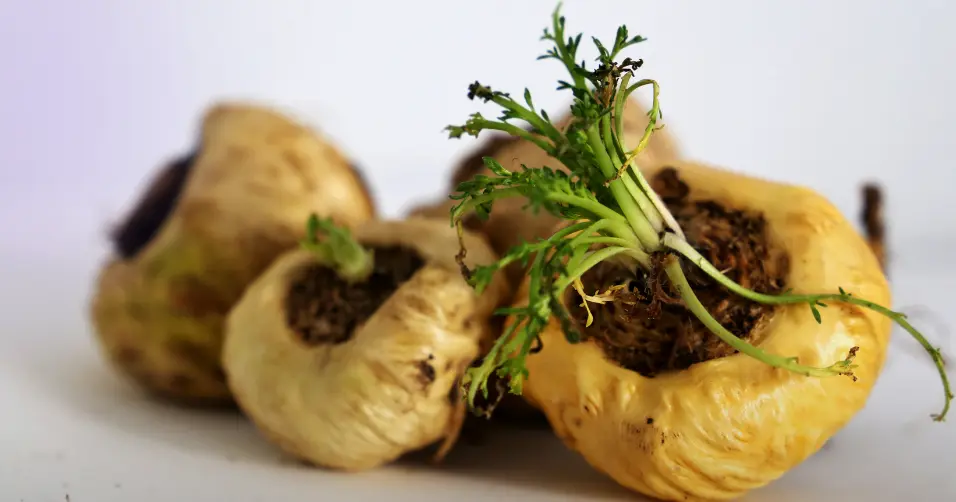
Shilajit and maca differ in origin, composition and traditional use. Maca is a root vegetable, while shilajit is a resin-like mineral-rich substance. Maca offers mainly carbs and plant compounds; shilajit contains trace minerals. Their cultural roles are also different. People choose between them based on preferred form and tolerance.
Source difference is clear: maca is a plant, shilajit forms from compressed organic matter.
Nutrient profiles vary, giving distinct types of compounds.
Texture and taste differ strongly, influencing ease of use.
Traditional uses come from different regions and contexts.
Shilajit and maca differ in origin, composition and traditional use. Maca is a root vegetable, while shilajit is a resin-like mineral-rich substance. Maca offers mainly carbs and plant compounds; shilajit contains trace minerals. Their cultural roles are also different. People choose between them based on preferred form and tolerance.
Source difference is clear: maca is a plant, shilajit forms from compressed organic matter.
Nutrient profiles vary, giving distinct types of compounds.
Texture and taste differ strongly, influencing ease of use.
Traditional uses come from different regions and contexts.
How Does Shilajit Differ from Tribulus Terrestris?
Shilajit differs from Tribulus Terrestris by providing minerals and fulvic acid that aid energy and recovery.
Shilajit differs from tribulus terrestris through mineral composition and research areas. Shilajit contains fulvic compounds studied for energy pathways. Tribulus focuses on libido and wellness. Shilajit research often tracks fatigue-related markers. Tribulus research tracks sexual health markers.
Fulvic compounds define shilajit’s core activity.
Saponins define tribulus’s plant profile.
Energy support links to shilajit research.
Libido focus links to tribulus studies.
Use patterns differ across traditions.
Shilajit differs from tribulus terrestris through mineral composition and research areas. Shilajit contains fulvic compounds studied for energy pathways. Tribulus focuses on libido and wellness. Shilajit research often tracks fatigue-related markers. Tribulus research tracks sexual health markers.
Fulvic compounds define shilajit’s core activity.
Saponins define tribulus’s plant profile.
Energy support links to shilajit research.
Libido focus links to tribulus studies.
Use patterns differ across traditions.
Medical Disclaimer: All content on this website is intended solely for informational and educational purposes and should not be interpreted as a substitute for professional medical advice, diagnosis, or treatment, nor as encouragement or promotion for or against any particular use, product, or activity. Results may vary and are not guaranteed. No doctor–patient relationship is created by your use of this content. Always consult a qualified healthcare provider, nutritionist, or other relevant expert before starting or changing any supplement, diet, exercise, or lifestyle program. This website can contain errors. Check important information. Read our full Disclaimer.
Status – Terms of Service – Privacy Policy – Disclaimer – About Myopedia.
©2025 Myopedia™. All rights reserved.
Medical Disclaimer: All content on this website is intended solely for informational and educational purposes and should not be interpreted as a substitute for professional medical advice, diagnosis, or treatment, nor as encouragement or promotion for or against any particular use, product, or activity. Results may vary and are not guaranteed. No doctor–patient relationship is created by your use of this content. Always consult a qualified healthcare provider, nutritionist, or other relevant expert before starting or changing any supplement, diet, exercise, or lifestyle program. This website can contain errors. Check important information. Read our full Disclaimer.
Status – Terms of Service – Privacy Policy – Disclaimer – About Myopedia.
©2025 Myopedia™. All rights reserved.
Medical Disclaimer: All content on this website is intended solely for informational and educational purposes and should not be interpreted as a substitute for professional medical advice, diagnosis, or treatment, nor as encouragement or promotion for or against any particular use, product, or activity. Results may vary and are not guaranteed. No doctor–patient relationship is created by your use of this content. Always consult a qualified healthcare provider, nutritionist, or other relevant expert before starting or changing any supplement, diet, exercise, or lifestyle program. This website can contain errors. Check important information. Read our full Disclaimer.
Status – Terms of Service – Privacy Policy – Disclaimer – About Myopedia.
©2025 Myopedia™. All rights reserved.