Nutrition

Sodium

The Definitive Guide to Sodium

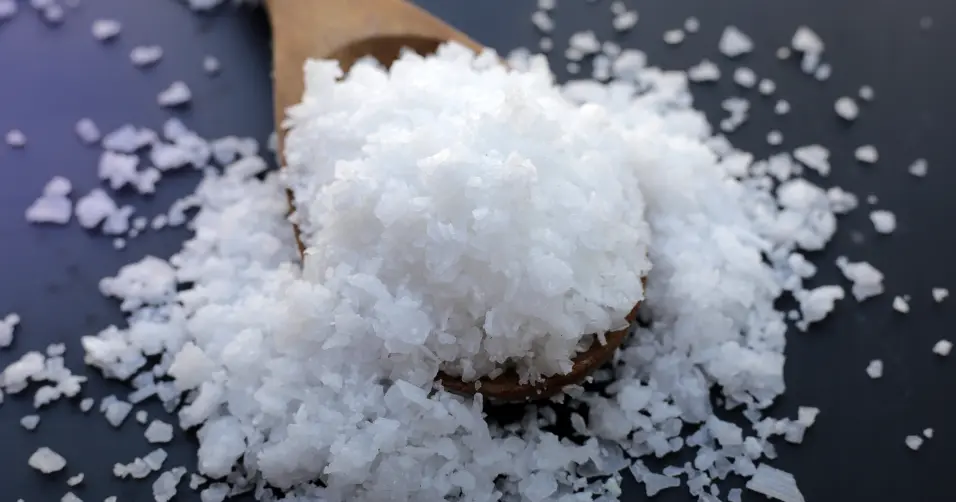
Sodium, a key electrolyte, maintains fluid balance, nerve transmission, and muscle function, but excessive intake is linked to hypertension and cardiovascular risk. Found abundantly in processed foods, moderation is critical to prevent adverse health outcomes.
This article is educational and not intended to diagnose, treat, or suggest any specific intervention, and should not replace qualified medical advice.


Sodium is an electrolyte that helps maintain hydration and nerve function.

Is Sodium Bad for You?

Sodium is bad for health when consumed in excess as it increases blood pressure, a risk factor for heart disease.

Sodium is essential for body functions like nerve signaling and fluid balance, but excess is usually bad for health. High intake is linked to hypertension, which increases risk of heart attack and stroke. Many people consume more sodium than recommended, mainly from processed foods. A balanced amount supports hydration and muscle function. Moderation is key to avoiding negative effects.

  • It helps maintain blood volume and pressure in the right amounts.

  • Excess intake causes fluid retention, leading to swelling and strain on the heart.

  • People with kidney problems are especially vulnerable to sodium overload.

  • Most dietary sodium comes from hidden sources, not from table salt use.

Sodium is essential for body functions like nerve signaling and fluid balance, but excess is usually bad for health. High intake is linked to hypertension, which increases risk of heart attack and stroke. Many people consume more sodium than recommended, mainly from processed foods. A balanced amount supports hydration and muscle function. Moderation is key to avoiding negative effects.

  • It helps maintain blood volume and pressure in the right amounts.

  • Excess intake causes fluid retention, leading to swelling and strain on the heart.

  • People with kidney problems are especially vulnerable to sodium overload.

  • Most dietary sodium comes from hidden sources, not from table salt use.

Sodium: FACTS

Dietary Role

Regulates fluid balance, nerve/muscle function.

Sources

Salt, processed foods, canned soups, sauces.

Nutrient Value

Electrolyte; essential in small amounts.

Safety & Interactions

Excess leads to hypertension, kidney strain, water retention.

What Is Sodium?

Sodium is a mineral that regulates fluid balance and nerve signaling.

Sodium is an essential mineral and electrolyte that helps regulate fluid balance, nerve signals, and muscle contractions. It is naturally present in many foods but is consumed in higher amounts through table salt and processed foods. While the body needs sodium, too much can raise blood pressure and increase the risk of heart disease and stroke. The kidneys control sodium levels by adjusting urine output. Moderation is key to balancing sodium’s benefits and risks.

  • Electrolyte role: Sodium balances fluids inside and outside cells.

  • Nerve function: It helps transmit electrical signals between nerve cells.

  • Muscle role: Supports proper muscle contraction and relaxation.

  • Health risk: Excess intake is linked to high blood pressure and cardiovascular disease.

Sodium is an essential mineral and electrolyte that helps regulate fluid balance, nerve signals, and muscle contractions. It is naturally present in many foods but is consumed in higher amounts through table salt and processed foods. While the body needs sodium, too much can raise blood pressure and increase the risk of heart disease and stroke. The kidneys control sodium levels by adjusting urine output. Moderation is key to balancing sodium’s benefits and risks.

  • Electrolyte role: Sodium balances fluids inside and outside cells.

  • Nerve function: It helps transmit electrical signals between nerve cells.

  • Muscle role: Supports proper muscle contraction and relaxation.

  • Health risk: Excess intake is linked to high blood pressure and cardiovascular disease.

How Does Sodium Affect Your Body?

Sodium helps fluid balance and nerve signals but easily overloads the body.

Sodium works by regulating fluid balance and electrical signals in the body. It helps control blood pressure by attracting water into blood vessels. Sodium is also critical for nerve signals and muscle contractions. Too much sodium causes the body to hold excess water, straining the heart. Too little sodium leads to weakness, cramps, or low blood pressure.

  • Sodium draws water into blood vessels, affecting pressure.

  • It enables nerve cells to send signals properly.

  • It helps muscles contract and relax effectively.

  • Excess intake causes fluid retention and strain on the heart.

Sodium works by regulating fluid balance and electrical signals in the body. It helps control blood pressure by attracting water into blood vessels. Sodium is also critical for nerve signals and muscle contractions. Too much sodium causes the body to hold excess water, straining the heart. Too little sodium leads to weakness, cramps, or low blood pressure.

  • Sodium draws water into blood vessels, affecting pressure.

  • It enables nerve cells to send signals properly.

  • It helps muscles contract and relax effectively.

  • Excess intake causes fluid retention and strain on the heart.

What Foods Contain Sodium?

Sodium is usually high in table salt, processed meats, canned soups, and snack foods.

Sodium is found naturally in many foods but often added during processing. Salt is the primary source in most diets. Processed meats, canned soups, and instant meals contain very high sodium. Bread and cheese can also add significant amounts. Some vegetables and seafood provide sodium naturally, though in smaller amounts.

  • Salt is the most concentrated source of sodium.

  • Processed meats like sausages are sodium-heavy.

  • Canned soups often contain several hundred milligrams per serving.

  • Cheese and bread contribute to daily sodium intake.

Sodium is found naturally in many foods but often added during processing. Salt is the primary source in most diets. Processed meats, canned soups, and instant meals contain very high sodium. Bread and cheese can also add significant amounts. Some vegetables and seafood provide sodium naturally, though in smaller amounts.

  • Salt is the most concentrated source of sodium.

  • Processed meats like sausages are sodium-heavy.

  • Canned soups often contain several hundred milligrams per serving.

  • Cheese and bread contribute to daily sodium intake.

What Are Good Alternatives for Sodium?

Sodium alternatives include herbs, spices, and potassium-based seasonings for flavor without raising blood pressure.

Sodium alternatives include herbs, spices, and natural flavor enhancers. Lemon juice and vinegar add tanginess without raising sodium. Garlic, onion, and pepper bring strong flavors to meals. Potassium-based salt substitutes are sometimes used but should be taken cautiously. Fresh herbs like basil and cilantro enhance taste without extra salt.

  • Lemon juice adds acidity that reduces the need for salt.

  • Garlic and onion provide depth of flavor naturally.

  • Vinegar enhances dishes with tang without sodium.

  • Fresh herbs like cilantro bring strong aroma as salt replacements.

Sodium alternatives include herbs, spices, and natural flavor enhancers. Lemon juice and vinegar add tanginess without raising sodium. Garlic, onion, and pepper bring strong flavors to meals. Potassium-based salt substitutes are sometimes used but should be taken cautiously. Fresh herbs like basil and cilantro enhance taste without extra salt.

  • Lemon juice adds acidity that reduces the need for salt.

  • Garlic and onion provide depth of flavor naturally.

  • Vinegar enhances dishes with tang without sodium.

  • Fresh herbs like cilantro bring strong aroma as salt replacements.

How Does Sodium Affect Longevity?

Sodium excess may negatively affect longevity by contributing to hypertension and cardiovascular disease.

Sodium can influence longevity depending on intake levels. Moderate amounts are essential for life, but excess harms heart and kidney health. Chronic high sodium intake raises blood pressure and stroke risk. Over years, this damage can shorten life expectancy. Balanced intake with high-potassium foods supports longer healthspan.

  • Excess sodium increases hypertension and heart strain.

  • Stroke risk rises with long-term high sodium diets.

  • Kidney health declines under chronic sodium overload.

  • Balance with potassium helps protect lifespan.

Sodium can influence longevity depending on intake levels. Moderate amounts are essential for life, but excess harms heart and kidney health. Chronic high sodium intake raises blood pressure and stroke risk. Over years, this damage can shorten life expectancy. Balanced intake with high-potassium foods supports longer healthspan.

  • Excess sodium increases hypertension and heart strain.

  • Stroke risk rises with long-term high sodium diets.

  • Kidney health declines under chronic sodium overload.

  • Balance with potassium helps protect lifespan.

Does Sodium Impact Your Workout Performance?

Sodium support workouts by helping maintain hydration and lowering the risk of muscle cramps.

Sodium plays a major role in workout performance by regulating hydration. It helps retain fluids and maintain muscle contractions. During heavy sweating, sodium loss can cause cramps and fatigue. Replacing sodium is key in endurance sports. Balanced intake supports stamina and prevents dehydration risks.

  • Hydration balance depends on sodium regulation.

  • Muscle contraction relies on steady sodium levels.

  • Cramps and fatigue result from sodium depletion.

  • Endurance athletes benefit from sodium replacement drinks.

Sodium plays a major role in workout performance by regulating hydration. It helps retain fluids and maintain muscle contractions. During heavy sweating, sodium loss can cause cramps and fatigue. Replacing sodium is key in endurance sports. Balanced intake supports stamina and prevents dehydration risks.

  • Hydration balance depends on sodium regulation.

  • Muscle contraction relies on steady sodium levels.

  • Cramps and fatigue result from sodium depletion.

  • Endurance athletes benefit from sodium replacement drinks.

What's the Nutritional Value of Sodium?

Sodium has no calories but is an essential electrolyte for fluid balance.

Sodium is an essential nutrient with a narrow balance range. It helps regulate fluid balance and nerve signaling. While vital in small amounts, most people consume too much. It contributes no calories but plays a critical role in physiology. Excessive sodium intake reduces overall nutritional quality of the diet.

  • Fluid balance relies on sodium regulation.

  • Nerve function depends on sodium signals.

  • Essential mineral without caloric contribution.

  • Excessive intake reduces diet quality and harms health.

Sodium is an essential nutrient with a narrow balance range. It helps regulate fluid balance and nerve signaling. While vital in small amounts, most people consume too much. It contributes no calories but plays a critical role in physiology. Excessive sodium intake reduces overall nutritional quality of the diet.

  • Fluid balance relies on sodium regulation.

  • Nerve function depends on sodium signals.

  • Essential mineral without caloric contribution.

  • Excessive intake reduces diet quality and harms health.

Who Should Avoid Sodium?

Sodium should be restricted by people with high blood pressure, kidney disease, or heart failure.

Sodium should be avoided in excess by people with hypertension. Those with kidney disease must restrict sodium to prevent strain. People with heart failure risk worsening fluid retention. Individuals prone to swelling or high blood pressure should be cautious. Athletes with high sweat loss may require more but must avoid overcompensation.

  • Hypertension patients worsen condition with high sodium intake.

  • Kidney disease requires strict sodium control.

  • Heart failure is aggravated by sodium-induced fluid retention.

  • Edema sufferers experience worsening swelling with sodium.

Sodium should be avoided in excess by people with hypertension. Those with kidney disease must restrict sodium to prevent strain. People with heart failure risk worsening fluid retention. Individuals prone to swelling or high blood pressure should be cautious. Athletes with high sweat loss may require more but must avoid overcompensation.

  • Hypertension patients worsen condition with high sodium intake.

  • Kidney disease requires strict sodium control.

  • Heart failure is aggravated by sodium-induced fluid retention.

  • Edema sufferers experience worsening swelling with sodium.

Rapid changes in eating patterns may alter blood glucose, electrolytes, hydration, and physical performance. These shifts can lead to unintended results, especially with health conditions or medications. Make changes gradually where appropriate, and seek clinical monitoring if you have risk factors or concerning symptoms.

Rapid changes in eating patterns may alter blood glucose, electrolytes, hydration, and physical performance. These shifts can lead to unintended results, especially with health conditions or medications. Make changes gradually where appropriate, and seek clinical monitoring if you have risk factors or concerning symptoms.

What Are Intake Limits for Sodium?

Sodium should be kept under 2,300 mg per day, with 1,500 mg better for heart health.

Sodium intake should stay below 2,300 mg per day for most adults. Lower targets of around 1,500 mg are advised for those with high blood pressure. Excess sodium raises risks of heart and kidney problems. Since most sodium comes from processed foods, reducing them is key. Athletes with heavy sweat loss may require slightly more.

  • General limit: 2,300 mg daily for adults.

  • At-risk groups: aim for 1,500 mg daily.

  • Processed foods are the main sodium contributors.

  • Athletes may need higher intake depending on sweat loss.

Sodium intake should stay below 2,300 mg per day for most adults. Lower targets of around 1,500 mg are advised for those with high blood pressure. Excess sodium raises risks of heart and kidney problems. Since most sodium comes from processed foods, reducing them is key. Athletes with heavy sweat loss may require slightly more.

  • General limit: 2,300 mg daily for adults.

  • At-risk groups: aim for 1,500 mg daily.

  • Processed foods are the main sodium contributors.

  • Athletes may need higher intake depending on sweat loss.

How Is Sodium Metabolized?

Sodium is not metabolized but absorbed into the bloodstream and regulated by the kidneys.

Sodium is metabolized differently as it is a mineral, not an energy source. It is absorbed quickly in the small intestine. Sodium enters the bloodstream and helps regulate fluid balance. The kidneys control sodium levels by excreting excess in urine. Imbalance occurs when intake is too high or kidney function is impaired.

  • Absorption happens quickly in the small intestine.

  • Blood circulation distributes sodium for fluid balance.

  • Kidneys regulate sodium excretion and retention.

  • Imbalance leads to high blood pressure or deficiency.

Sodium is metabolized differently as it is a mineral, not an energy source. It is absorbed quickly in the small intestine. Sodium enters the bloodstream and helps regulate fluid balance. The kidneys control sodium levels by excreting excess in urine. Imbalance occurs when intake is too high or kidney function is impaired.

  • Absorption happens quickly in the small intestine.

  • Blood circulation distributes sodium for fluid balance.

  • Kidneys regulate sodium excretion and retention.

  • Imbalance leads to high blood pressure or deficiency.

How Does Sodium Differ from Potassium?

Sodium differs from potassium since sodium increases fluid retention, while potassium balances it.

Sodium differs from potassium because sodium works outside cells, while potassium works mostly inside cells. This separation maintains electrical gradients needed for muscle and nerve function. Sodium helps regulate fluid outside cells. Potassium stabilizes electrical charges inside them. Their balance is essential for normal physiology.

  • Outside-cell activity defines sodium’s main role.

  • Inside-cell activity defines potassium’s main role.

  • Electrical gradients rely on both minerals working together.

  • Fluid control depends on their combined balance.


Sodium differs from potassium because sodium works outside cells, while potassium works mostly inside cells. This separation maintains electrical gradients needed for muscle and nerve function. Sodium helps regulate fluid outside cells. Potassium stabilizes electrical charges inside them. Their balance is essential for normal physiology.

  • Outside-cell activity defines sodium’s main role.

  • Inside-cell activity defines potassium’s main role.

  • Electrical gradients rely on both minerals working together.

  • Fluid control depends on their combined balance.


Medical Disclaimer: All content on this website is intended solely for informational and educational purposes and should not be interpreted as a substitute for professional medical advice, diagnosis, or treatment, nor as encouragement or promotion for or against any particular use, product, or activity. Results may vary and are not guaranteed. No doctor–patient relationship is created by your use of this content. Always consult a qualified healthcare provider, nutritionist, or other relevant expert before starting or changing any supplement, diet, exercise, or lifestyle program. This website can contain errors. Check important information. Read our full Disclaimer.

StatusTerms of ServicePrivacy PolicyDisclaimerAbout Myopedia.

©2025 Myopedia™. All rights reserved.

Medical Disclaimer: All content on this website is intended solely for informational and educational purposes and should not be interpreted as a substitute for professional medical advice, diagnosis, or treatment, nor as encouragement or promotion for or against any particular use, product, or activity. Results may vary and are not guaranteed. No doctor–patient relationship is created by your use of this content. Always consult a qualified healthcare provider, nutritionist, or other relevant expert before starting or changing any supplement, diet, exercise, or lifestyle program. This website can contain errors. Check important information. Read our full Disclaimer.

StatusTerms of ServicePrivacy PolicyDisclaimerAbout Myopedia.

©2025 Myopedia™. All rights reserved.

Medical Disclaimer: All content on this website is intended solely for informational and educational purposes and should not be interpreted as a substitute for professional medical advice, diagnosis, or treatment, nor as encouragement or promotion for or against any particular use, product, or activity. Results may vary and are not guaranteed. No doctor–patient relationship is created by your use of this content. Always consult a qualified healthcare provider, nutritionist, or other relevant expert before starting or changing any supplement, diet, exercise, or lifestyle program. This website can contain errors. Check important information. Read our full Disclaimer.

StatusTerms of ServicePrivacy PolicyDisclaimerAbout Myopedia.

©2025 Myopedia™. All rights reserved.