Supplements
Spirulina
Your Complete Guide to Spirulina
Spirulina, a nutrient-dense blue-green algae, is rich in protein, vitamins, and antioxidants like phycocyanin, which may help reduce inflammation and support immune and cardiovascular health. Its detoxifying properties may also aid in heavy metal chelation, though more research is needed.
This article is educational and not intended to diagnose, treat, or suggest any specific intervention, and should not replace qualified medical advice.

What Does Spirulina Do?
Spirulina is a blue-green algae rich in protein, vitamins, minerals, and antioxidants.
Spirulina is a nutrient-rich blue-green algae that supports energy, immune defense, and antioxidant protection. It contains high levels of protein, vitamins, and minerals, making it popular among those looking for plant-based nutrition. Research shows it may help regulate cholesterol levels and promote healthy blood sugar balance. Its antioxidants, such as phycocyanin, can reduce oxidative stress, which damages cells over time. People often use spirulina as a daily supplement to boost vitality and overall wellness.
It provides complete plant protein, including all essential amino acids, which support muscle and tissue repair.
Contains high levels of B vitamins and iron, supporting energy production and oxygen transport.
The phycocyanin pigment has anti-inflammatory and antioxidant effects, which may protect cells from free radicals.
It supports immune system activity by stimulating antibody production and natural defense cells.
Spirulina is a nutrient-rich blue-green algae that supports energy, immune defense, and antioxidant protection. It contains high levels of protein, vitamins, and minerals, making it popular among those looking for plant-based nutrition. Research shows it may help regulate cholesterol levels and promote healthy blood sugar balance. Its antioxidants, such as phycocyanin, can reduce oxidative stress, which damages cells over time. People often use spirulina as a daily supplement to boost vitality and overall wellness.
It provides complete plant protein, including all essential amino acids, which support muscle and tissue repair.
Contains high levels of B vitamins and iron, supporting energy production and oxygen transport.
The phycocyanin pigment has anti-inflammatory and antioxidant effects, which may protect cells from free radicals.
It supports immune system activity by stimulating antibody production and natural defense cells.
Spirulina: FACTS
Role | Algae superfood; protein, iron, antioxidants |
Form & Classification | Cyanobacteria supplement |
Typical Dosage & Intake | 2–10 g/day |
Cycling | No cycling needed |
Sources | Blue-green algae powder, tablets |
Safety & Interactions | Generally safe; ensure purity |
Dosage information is general and may vary with product brand, quality or individual needs; verify accuracy on package and consult a qualified practitioner before use.
What Is Spirulina?
Spirulina is a blue-green algae rich in protein, vitamins, and antioxidants.
Spirulina is a type of blue-green algae often consumed as a supplement for its dense nutrient content. It is rich in protein, B vitamins, iron, and antioxidants. Some studies suggest it may support immune function, reduce inflammation, and improve endurance. Spirulina has been used in both modern and traditional diets as a concentrated food source. It is considered safe for most people but should be purchased from clean sources to avoid contamination.
Nutrient density: Provides protein, vitamins, minerals, and antioxidants in small servings.
Immune support: Studies show spirulina may enhance immune response and reduce inflammation.
Performance aid: Some research links it to improved stamina and reduced fatigue.
Safety note: Contamination with toxins is possible if grown in unsafe water.
Spirulina is a type of blue-green algae often consumed as a supplement for its dense nutrient content. It is rich in protein, B vitamins, iron, and antioxidants. Some studies suggest it may support immune function, reduce inflammation, and improve endurance. Spirulina has been used in both modern and traditional diets as a concentrated food source. It is considered safe for most people but should be purchased from clean sources to avoid contamination.
Nutrient density: Provides protein, vitamins, minerals, and antioxidants in small servings.
Immune support: Studies show spirulina may enhance immune response and reduce inflammation.
Performance aid: Some research links it to improved stamina and reduced fatigue.
Safety note: Contamination with toxins is possible if grown in unsafe water.
Which Spirulina Type Is Best?
Spirulina in powder or pressed tablet form, tested for contaminants, is considered best quality.
The best type of Spirulina is organic, grown in controlled freshwater environments free of heavy metals or contaminants. Powder and tablet forms are most common, with powder often chosen for flexibility in smoothies and juices. Tablets are preferred by people who want convenience and measured doses. Quality is judged by purity, cultivation method, and absence of additives. Cold-dried spirulina tends to preserve nutrients better than heat-processed forms.
Organic spirulina ensures the algae is grown without pesticides and in clean water, lowering contamination risk.
Powder form is versatile for blending into foods and drinks, offering flexible dosing.
Tablet form provides convenience and portability for daily use.
Cold-drying methods maintain antioxidants and proteins better than heat processing.
The best type of Spirulina is organic, grown in controlled freshwater environments free of heavy metals or contaminants. Powder and tablet forms are most common, with powder often chosen for flexibility in smoothies and juices. Tablets are preferred by people who want convenience and measured doses. Quality is judged by purity, cultivation method, and absence of additives. Cold-dried spirulina tends to preserve nutrients better than heat-processed forms.
Organic spirulina ensures the algae is grown without pesticides and in clean water, lowering contamination risk.
Powder form is versatile for blending into foods and drinks, offering flexible dosing.
Tablet form provides convenience and portability for daily use.
Cold-drying methods maintain antioxidants and proteins better than heat processing.
How to Add Spirulina to Your Diet?
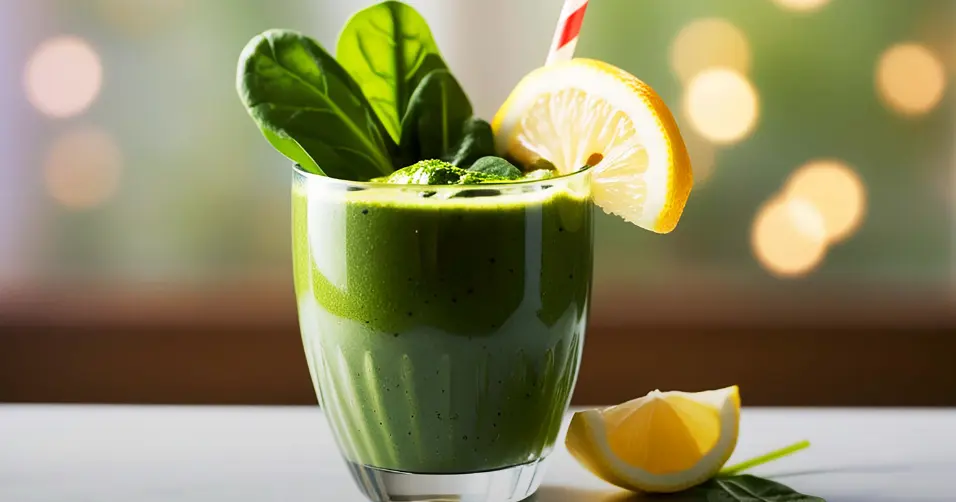
Spirulina can be mixed into smoothies, juices, or sprinkled over food.
You can add Spirulina to your diet by mixing the powder into smoothies, juices, or energy bowls. It has a strong earthy taste, so blending with fruit helps mask it. Tablets are convenient for those who prefer no flavor and easy dosing. Some people sprinkle it lightly on salads or mix into soups after cooking. Start with small amounts to let your body adjust to its dense nutrients.
Blend spirulina powder with banana or berries to balance its strong flavor.
Tablets provide an easy way to consume it without altering taste.
Adding it after cooking preserves its heat-sensitive nutrients.
Begin with 1 teaspoon or less to avoid digestive discomfort.
You can add Spirulina to your diet by mixing the powder into smoothies, juices, or energy bowls. It has a strong earthy taste, so blending with fruit helps mask it. Tablets are convenient for those who prefer no flavor and easy dosing. Some people sprinkle it lightly on salads or mix into soups after cooking. Start with small amounts to let your body adjust to its dense nutrients.
Blend spirulina powder with banana or berries to balance its strong flavor.
Tablets provide an easy way to consume it without altering taste.
Adding it after cooking preserves its heat-sensitive nutrients.
Begin with 1 teaspoon or less to avoid digestive discomfort.
What Are Key Ingredients of Spirulina?
Spirulina supplements contain dried blue-green algae powder or pressed tablets.
The key ingredients of Spirulina include complete plant proteins, B vitamins, and essential minerals like iron and magnesium. It also contains powerful antioxidants such as phycocyanin, which helps reduce inflammation. Chlorophyll and carotenoids in spirulina support detoxification and immune health. Its amino acid profile makes it comparable to animal proteins in quality. Together, these nutrients make it a dense superfood supplement.
High protein content with all essential amino acids supports muscle repair and energy.
Rich in iron and magnesium, helping oxygen transport and nerve function.
Contains phycocyanin, a unique antioxidant pigment with anti-inflammatory effects.
Chlorophyll and carotenoids aid detoxification and protect against cell damage.
The key ingredients of Spirulina include complete plant proteins, B vitamins, and essential minerals like iron and magnesium. It also contains powerful antioxidants such as phycocyanin, which helps reduce inflammation. Chlorophyll and carotenoids in spirulina support detoxification and immune health. Its amino acid profile makes it comparable to animal proteins in quality. Together, these nutrients make it a dense superfood supplement.
High protein content with all essential amino acids supports muscle repair and energy.
Rich in iron and magnesium, helping oxygen transport and nerve function.
Contains phycocyanin, a unique antioxidant pigment with anti-inflammatory effects.
Chlorophyll and carotenoids aid detoxification and protect against cell damage.
Which Processes Does Spirulina Affect?
Spirulina affects immune function, antioxidant defense, and energy metabolism.
Spirulina affects processes related to energy metabolism, immune defense, and antioxidant protection. It supports cellular energy by providing amino acids and B vitamins. Antioxidants like phycocyanin reduce oxidative stress, protecting tissues. Spirulina also influences lipid metabolism, helping regulate cholesterol. Additionally, it modulates immune activity by stimulating defense cells.
Enhances energy pathways by supplying proteins and coenzymes for metabolism.
Reduces oxidative stress through antioxidant pigments like phycocyanin.
Supports lipid regulation by influencing cholesterol and triglyceride balance.
Stimulates immune cells, improving the body’s defense response.
Spirulina affects processes related to energy metabolism, immune defense, and antioxidant protection. It supports cellular energy by providing amino acids and B vitamins. Antioxidants like phycocyanin reduce oxidative stress, protecting tissues. Spirulina also influences lipid metabolism, helping regulate cholesterol. Additionally, it modulates immune activity by stimulating defense cells.
Enhances energy pathways by supplying proteins and coenzymes for metabolism.
Reduces oxidative stress through antioxidant pigments like phycocyanin.
Supports lipid regulation by influencing cholesterol and triglyceride balance.
Stimulates immune cells, improving the body’s defense response.
What Foods Contain Spirulina?
Spirulina is naturally derived from blue-green algae harvested in water.
Spirulina is naturally found in certain alkaline lakes in warm climates. However, it is not commonly eaten in its raw form but cultivated for supplements. Small amounts of spirulina can also be present in some traditional foods in Africa and Central America. Because of contamination risks, most spirulina consumed today comes from controlled farming. Natural food sources beyond algae itself are very limited.
Spirulina occurs naturally in lakes with high mineral content, mainly in tropical regions.
It has a history of being consumed by ancient populations near Lake Chad and Mexico.
Modern spirulina is usually grown in closed, clean-water systems for safety.
Few common foods naturally contain spirulina apart from algae-based preparations.
Spirulina is naturally found in certain alkaline lakes in warm climates. However, it is not commonly eaten in its raw form but cultivated for supplements. Small amounts of spirulina can also be present in some traditional foods in Africa and Central America. Because of contamination risks, most spirulina consumed today comes from controlled farming. Natural food sources beyond algae itself are very limited.
Spirulina occurs naturally in lakes with high mineral content, mainly in tropical regions.
It has a history of being consumed by ancient populations near Lake Chad and Mexico.
Modern spirulina is usually grown in closed, clean-water systems for safety.
Few common foods naturally contain spirulina apart from algae-based preparations.
Is Spirulina Vegan?
Spirulina is vegan because it is an algae product.
Spirulina is suitable for vegans because it is derived from blue-green algae, a plant-like microorganism. It contains no animal products and is often chosen as a vegan protein source. Spirulina provides essential nutrients like iron and B vitamins, which are important in plant-based diets. However, its vitamin B12 content is in an inactive form, so vegans should not rely on it as their only B12 source. When sourced from clean cultivation, it fits well into vegan diets.
Spirulina is algae-based, containing no animal ingredients.
It provides plant protein and iron, supporting vegan nutrition needs.
B12 in spirulina is mostly inactive and should not replace supplements.
Purity of cultivation ensures it meets vegan and safety standards.
Spirulina is suitable for vegans because it is derived from blue-green algae, a plant-like microorganism. It contains no animal products and is often chosen as a vegan protein source. Spirulina provides essential nutrients like iron and B vitamins, which are important in plant-based diets. However, its vitamin B12 content is in an inactive form, so vegans should not rely on it as their only B12 source. When sourced from clean cultivation, it fits well into vegan diets.
Spirulina is algae-based, containing no animal ingredients.
It provides plant protein and iron, supporting vegan nutrition needs.
B12 in spirulina is mostly inactive and should not replace supplements.
Purity of cultivation ensures it meets vegan and safety standards.
Will Spirulina Break a Fast?
Spirulina has calories from protein, so technically it breaks a fast.
Spirulina will not break a fast in small amounts if taken as a supplement, but because it contains protein and calories, it technically interrupts a strict fast. Some people use it during intermittent fasting for nutrient support, though purists avoid it. If the goal is autophagy (cellular repair during fasting), spirulina may interfere. However, for fasting aimed at calorie reduction only, its effect is minor. Timing intake outside fasting windows ensures full compliance.
Spirulina contains calories and amino acids, breaking a strict fast.
Autophagy-driven fasting may be reduced by spirulina consumption.
Minor use during intermittent fasting has little effect on weight loss goals.
Taking it with meals preserves the benefits of fasting periods.
Spirulina will not break a fast in small amounts if taken as a supplement, but because it contains protein and calories, it technically interrupts a strict fast. Some people use it during intermittent fasting for nutrient support, though purists avoid it. If the goal is autophagy (cellular repair during fasting), spirulina may interfere. However, for fasting aimed at calorie reduction only, its effect is minor. Timing intake outside fasting windows ensures full compliance.
Spirulina contains calories and amino acids, breaking a strict fast.
Autophagy-driven fasting may be reduced by spirulina consumption.
Minor use during intermittent fasting has little effect on weight loss goals.
Taking it with meals preserves the benefits of fasting periods.
Breaking a fast here is strictly physiological (e.g., insulin effects). When we say a supplement ‘does not break a fast,’ we mean it has negligible calories in normal use and is unlikely to disrupt fasting metabolism. Certain traditions or religious rules may treat any intake as breaking a fast—please follow your tradition and health needs.
How to Pick the Best Spirulina?
Spirulina quality depends on testing for heavy metals and toxins like microcystins.
To pick high-quality Spirulina, choose products that are organically grown in controlled freshwater environments to avoid contamination with heavy metals or toxins. Look for cold-dried spirulina, as this method preserves antioxidants and proteins better. Third-party testing for purity and safety ensures reliability. The color should be deep green, indicating good chlorophyll content. Avoid products with artificial fillers or additives.
Certified organic spirulina reduces risk of contamination with pesticides or toxins.
Cold-drying helps maintain antioxidant compounds like phycocyanin.
Third-party lab results confirm purity and absence of heavy metals.
A rich green hue indicates nutrient density and freshness.
To pick high-quality Spirulina, choose products that are organically grown in controlled freshwater environments to avoid contamination with heavy metals or toxins. Look for cold-dried spirulina, as this method preserves antioxidants and proteins better. Third-party testing for purity and safety ensures reliability. The color should be deep green, indicating good chlorophyll content. Avoid products with artificial fillers or additives.
Certified organic spirulina reduces risk of contamination with pesticides or toxins.
Cold-drying helps maintain antioxidant compounds like phycocyanin.
Third-party lab results confirm purity and absence of heavy metals.
A rich green hue indicates nutrient density and freshness.
What’s the Optimal Dosage and Timing for Spirulina?
Spirulina is usually taken at 1–3 grams daily, often in powder or tablet form.
The optimal dosage and timing for Spirulina is usually 1–3 grams daily, with some studies using up to 10 grams safely. It is best taken in divided doses with meals to aid absorption and reduce digestive discomfort. Starting with a small dose helps the body adjust to its dense nutrients. Spirulina is not stimulating, so it can be taken morning or evening. Consistency is more important than exact timing for its benefits.
Common safe range is 1–3 grams per day, with research supporting up to 10 grams.
Divided dosing with meals reduces stomach upset and improves nutrient use.
Gradual introduction helps prevent digestive discomfort.
Timing is flexible, but daily regularity maximizes effects.
The optimal dosage and timing for Spirulina is usually 1–3 grams daily, with some studies using up to 10 grams safely. It is best taken in divided doses with meals to aid absorption and reduce digestive discomfort. Starting with a small dose helps the body adjust to its dense nutrients. Spirulina is not stimulating, so it can be taken morning or evening. Consistency is more important than exact timing for its benefits.
Common safe range is 1–3 grams per day, with research supporting up to 10 grams.
Divided dosing with meals reduces stomach upset and improves nutrient use.
Gradual introduction helps prevent digestive discomfort.
Timing is flexible, but daily regularity maximizes effects.
Dosage and timing information is generalized and may not be appropriate for all individuals; occasional inaccuracies may occur. Variations in supplement purity, formulation, or quality can also affect dosing relevance. Verify accuracy on package and consult a qualified practitioner before use.
What Are Common Mistakes When Taking Spirulina?
Spirulina mistakes include buying untested products that may contain heavy metals.
Common mistakes when taking Spirulina include starting with high doses that may cause digestive upset. Some people overlook contamination risks and buy low-quality products not tested for heavy metals. Relying on spirulina as the only protein source is also a mistake, since variety is important. Another error is assuming its B12 is active, while most of it is not. Skipping gradual introduction can reduce tolerance and effectiveness.
High starting doses may lead to nausea, gas, or diarrhea.
Low-quality spirulina can contain heavy metals or toxins if not lab-tested.
Using it as the sole protein source ignores dietary diversity needs.
Relying on its inactive B12 may cause deficiencies in strict vegans.
Common mistakes when taking Spirulina include starting with high doses that may cause digestive upset. Some people overlook contamination risks and buy low-quality products not tested for heavy metals. Relying on spirulina as the only protein source is also a mistake, since variety is important. Another error is assuming its B12 is active, while most of it is not. Skipping gradual introduction can reduce tolerance and effectiveness.
High starting doses may lead to nausea, gas, or diarrhea.
Low-quality spirulina can contain heavy metals or toxins if not lab-tested.
Using it as the sole protein source ignores dietary diversity needs.
Relying on its inactive B12 may cause deficiencies in strict vegans.
How Fast Does Spirulina Work?
Spirulina works within weeks by supporting energy and nutrition.
Spirulina works fairly quickly, with some users noticing energy and digestion improvements within a few days. Its antioxidant effects may build up within 2–4 weeks of regular use. More measurable benefits, such as cholesterol balance, often take 1–3 months. Because it is nutrient-dense, results depend on diet quality and consistency. Long-term daily use tends to show the most reliable outcomes.
Energy and digestion support can appear within days of supplementation.
Antioxidant benefits build steadily over several weeks.
Blood lipid improvements usually require at least 1–3 months.
Consistency and diet quality strongly influence the speed of results.
Spirulina works fairly quickly, with some users noticing energy and digestion improvements within a few days. Its antioxidant effects may build up within 2–4 weeks of regular use. More measurable benefits, such as cholesterol balance, often take 1–3 months. Because it is nutrient-dense, results depend on diet quality and consistency. Long-term daily use tends to show the most reliable outcomes.
Energy and digestion support can appear within days of supplementation.
Antioxidant benefits build steadily over several weeks.
Blood lipid improvements usually require at least 1–3 months.
Consistency and diet quality strongly influence the speed of results.
Results may vary between individuals, and no outcome is guaranteed. A tailored supplemntation plan is the best way to ensure the desired outcome.
Does Spirulina Require a Cooldown?
Spirulina does not require cooldown if tested pure, but long-term safety data is still limited.
Spirulina does not require a strict cooldown, but cycling may be wise to ensure long-term tolerance. Studies generally test spirulina for a few months at a time rather than years. Continuous use appears safe, yet short breaks allow the body to reset. A conservative approach is to take spirulina for 2–3 months, then pause for several weeks. This prevents reliance and allows monitoring of any side effects.
Evidence supports use for a few months, but not indefinite daily intake.
Short breaks reduce the chance of nutrient overload or sensitivity.
Cycling 2–3 months on, followed by weeks off, is a cautious strategy.
Cooldowns also help assess whether benefits persist without constant intake.
Spirulina does not require a strict cooldown, but cycling may be wise to ensure long-term tolerance. Studies generally test spirulina for a few months at a time rather than years. Continuous use appears safe, yet short breaks allow the body to reset. A conservative approach is to take spirulina for 2–3 months, then pause for several weeks. This prevents reliance and allows monitoring of any side effects.
Evidence supports use for a few months, but not indefinite daily intake.
Short breaks reduce the chance of nutrient overload or sensitivity.
Cycling 2–3 months on, followed by weeks off, is a cautious strategy.
Cooldowns also help assess whether benefits persist without constant intake.
The need to pause or cycle depends on individual factors such as goals, tolerance, and clinical context. No universal rule applies, and specialist review is recommended before making adjustments.
Does Tolerance Develop for Spirulina?
Spirulina does not cause tolerance, as it is a nutrient source.
Spirulina does not typically lead to tolerance, since it acts as a nutrient source rather than a stimulant. Its proteins, minerals, and antioxidants work consistently with daily intake. Some people may perceive reduced effects if they expect rapid changes. Benefits such as cholesterol support or immunity remain stable with use. Cycling is more about safety monitoring than preventing tolerance.
Spirulina functions as food, so tolerance does not build in the usual sense.
Effects like antioxidant support remain consistent with regular intake.
Reduced perceived benefits are often due to unrealistic expectations.
Cycling is practiced for safety, not tolerance prevention.
Spirulina does not typically lead to tolerance, since it acts as a nutrient source rather than a stimulant. Its proteins, minerals, and antioxidants work consistently with daily intake. Some people may perceive reduced effects if they expect rapid changes. Benefits such as cholesterol support or immunity remain stable with use. Cycling is more about safety monitoring than preventing tolerance.
Spirulina functions as food, so tolerance does not build in the usual sense.
Effects like antioxidant support remain consistent with regular intake.
Reduced perceived benefits are often due to unrealistic expectations.
Cycling is practiced for safety, not tolerance prevention.
Information on tolerance is generalized and may not reflect individual differences in metabolism, duration of use, or health status. Reactions can vary, and any adjustment should follow qualified practicioner's recommendations.
Can Spirulina Be Stacked?
Spirulina stacks well with chlorella for nutrient and detox support.
Spirulina can be stacked with other supplements that enhance its nutrient profile. It pairs well with vitamin C, which improves iron absorption from spirulina. Combining with probiotics may improve nutrient uptake and digestion. Spirulina also complements omega-3 supplements for anti-inflammatory benefits. However, stacking with other high-iron supplements should be done cautiously to avoid overload.
Vitamin C increases bioavailability of spirulina’s plant-based iron.
Probiotics enhance gut health, supporting spirulina nutrient absorption.
Omega-3s combine with spirulina’s antioxidants for stronger inflammation control.
Caution is needed when stacking with extra iron sources to avoid excess intake.
Spirulina can be stacked with other supplements that enhance its nutrient profile. It pairs well with vitamin C, which improves iron absorption from spirulina. Combining with probiotics may improve nutrient uptake and digestion. Spirulina also complements omega-3 supplements for anti-inflammatory benefits. However, stacking with other high-iron supplements should be done cautiously to avoid overload.
Vitamin C increases bioavailability of spirulina’s plant-based iron.
Probiotics enhance gut health, supporting spirulina nutrient absorption.
Omega-3s combine with spirulina’s antioxidants for stronger inflammation control.
Caution is needed when stacking with extra iron sources to avoid excess intake.
Many supplements can interact in ways that enhance or alter their effects. However, stacking makes it difficult to monitor the impact of each component and increases the risk of oversupplementation or unintended interactions.
Do Spirulina Effects Persist?
Spirulina effects fade if supplementation is stopped.
Spirulina effects can persist for weeks after stopping, especially improved nutrient levels. Its antioxidants may continue protecting cells for a short time. However, benefits like cholesterol balance and energy support decline without continued intake. Since it functions as food, results fade gradually. Regular intake is needed to maintain full effects.
Nutrient stores built from spirulina may last a few weeks post-use.
Antioxidant protection decreases once intake stops.
Cholesterol and immune benefits diminish without steady intake.
Daily use is required for long-term consistent effects.
Spirulina effects can persist for weeks after stopping, especially improved nutrient levels. Its antioxidants may continue protecting cells for a short time. However, benefits like cholesterol balance and energy support decline without continued intake. Since it functions as food, results fade gradually. Regular intake is needed to maintain full effects.
Nutrient stores built from spirulina may last a few weeks post-use.
Antioxidant protection decreases once intake stops.
Cholesterol and immune benefits diminish without steady intake.
Daily use is required for long-term consistent effects.
Results may vary between individuals, and no outcome is guaranteed. A tailored supplemntation plan is the best way to ensure the desired outcome.
Does Spirulina Aid Longevity?
Spirulina may aid longevity with antioxidant and nutrient support.
Spirulina may aid longevity indirectly through its antioxidant and anti-inflammatory effects. It helps reduce oxidative stress, which contributes to aging. Spirulina also supports immune balance and cardiovascular health. Its nutrient density can prevent deficiencies linked to age-related decline. While not a proven longevity supplement, it contributes to healthier aging.
Antioxidants like phycocyanin protect cells from age-related oxidative damage.
Supports immunity, reducing infections common in older age.
Improves lipid balance, supporting cardiovascular longevity.
Nutrient density reduces risks of deficiency-related aging effects.
Spirulina may aid longevity indirectly through its antioxidant and anti-inflammatory effects. It helps reduce oxidative stress, which contributes to aging. Spirulina also supports immune balance and cardiovascular health. Its nutrient density can prevent deficiencies linked to age-related decline. While not a proven longevity supplement, it contributes to healthier aging.
Antioxidants like phycocyanin protect cells from age-related oxidative damage.
Supports immunity, reducing infections common in older age.
Improves lipid balance, supporting cardiovascular longevity.
Nutrient density reduces risks of deficiency-related aging effects.
What Are Alternatives to Spirulina?
Spirulina alternatives include chlorella or other nutrient-rich algae.
Spirulina alternatives include chlorella, which is another algae rich in protein and antioxidants. Wheatgrass is another nutrient-dense green with detox and antioxidant properties. For plant-based protein, soy and pea protein powders are effective substitutes. These alternatives provide similar nutritional benefits without reliance on spirulina. Each option offers unique compounds but supports general wellness.
Chlorella supplies protein, chlorophyll, and detoxification support.
Wheatgrass delivers antioxidants and micronutrients for immune health.
Soy and pea proteins offer plant-based amino acids for muscle support.
Green powders often combine multiple plant superfoods for balance.
Spirulina alternatives include chlorella, which is another algae rich in protein and antioxidants. Wheatgrass is another nutrient-dense green with detox and antioxidant properties. For plant-based protein, soy and pea protein powders are effective substitutes. These alternatives provide similar nutritional benefits without reliance on spirulina. Each option offers unique compounds but supports general wellness.
Chlorella supplies protein, chlorophyll, and detoxification support.
Wheatgrass delivers antioxidants and micronutrients for immune health.
Soy and pea proteins offer plant-based amino acids for muscle support.
Green powders often combine multiple plant superfoods for balance.
There are often alternatives that better align with personal risk profiles, preferences, or resources; comparative review with a relevant certified consultant is advised.
What Are Possible Spirulina Side Effects?
Spirulina side effects may include nausea or contamination risk if poorly sourced.
Spirulina side effects may include digestive upset such as nausea, diarrhea, or bloating when starting at high doses. Contaminated spirulina can cause liver stress, nausea, or even poisoning from heavy metals. People with autoimmune conditions may experience worsened symptoms due to immune stimulation. Rare allergic reactions have been reported. Overall, most side effects relate to purity and excessive intake.
Digestive issues occur if large doses are taken suddenly.
Contaminated products may carry heavy metals or harmful toxins.
Autoimmune flare-ups are possible because spirulina activates the immune system.
Allergic skin reactions or rashes are rare but documented.
Spirulina side effects may include digestive upset such as nausea, diarrhea, or bloating when starting at high doses. Contaminated spirulina can cause liver stress, nausea, or even poisoning from heavy metals. People with autoimmune conditions may experience worsened symptoms due to immune stimulation. Rare allergic reactions have been reported. Overall, most side effects relate to purity and excessive intake.
Digestive issues occur if large doses are taken suddenly.
Contaminated products may carry heavy metals or harmful toxins.
Autoimmune flare-ups are possible because spirulina activates the immune system.
Allergic skin reactions or rashes are rare but documented.
Responses differ among individuals. If adverse effects occur, discontinuation and professional evaluation are advised.
Who Should Avoid Spirulina?
Spirulina should be avoided by people with autoimmune conditions.
Spirulina should be avoided by people with autoimmune diseases, as it may overstimulate the immune system. Those with phenylketonuria (PKU) should also avoid it, since it contains phenylalanine. People prone to allergies to algae or seafood may react negatively. Contaminated spirulina is dangerous for anyone with liver or kidney issues. Pregnant and breastfeeding women should consult a doctor before use.
Autoimmune patients risk flare-ups due to immune stimulation.
PKU patients cannot metabolize phenylalanine in spirulina.
Algae or seafood allergies may trigger adverse reactions.
Liver or kidney disease increases sensitivity to contaminated products.
Spirulina should be avoided by people with autoimmune diseases, as it may overstimulate the immune system. Those with phenylketonuria (PKU) should also avoid it, since it contains phenylalanine. People prone to allergies to algae or seafood may react negatively. Contaminated spirulina is dangerous for anyone with liver or kidney issues. Pregnant and breastfeeding women should consult a doctor before use.
Autoimmune patients risk flare-ups due to immune stimulation.
PKU patients cannot metabolize phenylalanine in spirulina.
Algae or seafood allergies may trigger adverse reactions.
Liver or kidney disease increases sensitivity to contaminated products.
Individuals who may be at higher risk—including those with diabetes, eating disorders, pregnancy or breastfeeding, heavy training loads, health conditions, medication use, or prior adverse reactions—should seek tailored guidance before deciding supplementation or making major supplement or lifestyle changes.
Is Spirulina Available Over-the-Counter?
Spirulina is available over-the-counter in powder and tablet forms.
Spirulina is available over-the-counter in powder, tablet, or capsule form. It is sold as a dietary supplement in most countries without prescription. Quality and purity vary widely, making trusted sourcing important. It is commonly found in health stores and online markets. Regulation is minimal, so third-party testing ensures safety.
Powder and capsules are the most common OTC forms.
No prescription is needed, as spirulina is considered a food supplement.
Purity varies, so independent lab testing is recommended.
Widely available in both physical stores and online outlets.
Spirulina is available over-the-counter in powder, tablet, or capsule form. It is sold as a dietary supplement in most countries without prescription. Quality and purity vary widely, making trusted sourcing important. It is commonly found in health stores and online markets. Regulation is minimal, so third-party testing ensures safety.
Powder and capsules are the most common OTC forms.
No prescription is needed, as spirulina is considered a food supplement.
Purity varies, so independent lab testing is recommended.
Widely available in both physical stores and online outlets.
For over-the-counter availability we use generic US data. Product availability and status may vary by country and region.
What’s the History of Spirulina?
Spirulina has been consumed for centuries by Aztecs and later studied by NASA as a food source.
Spirulina has a long history, used by ancient Aztecs and populations around Lake Chad as a nutrient-rich food. It was harvested from natural alkaline lakes and dried into cakes. In the 20th century, spirulina was studied as a sustainable protein source. It gained popularity in the 1970s as part of global nutrition projects. Today, it is cultivated worldwide in controlled environments.
Aztecs consumed spirulina as a dried cake called "tecuitlatl."
Communities near Lake Chad traditionally harvested spirulina from lakes.
NASA explored spirulina for space nutrition in the 20th century.
Modern large-scale cultivation began in the 1970s.
Spirulina has a long history, used by ancient Aztecs and populations around Lake Chad as a nutrient-rich food. It was harvested from natural alkaline lakes and dried into cakes. In the 20th century, spirulina was studied as a sustainable protein source. It gained popularity in the 1970s as part of global nutrition projects. Today, it is cultivated worldwide in controlled environments.
Aztecs consumed spirulina as a dried cake called "tecuitlatl."
Communities near Lake Chad traditionally harvested spirulina from lakes.
NASA explored spirulina for space nutrition in the 20th century.
Modern large-scale cultivation began in the 1970s.
How Does Spirulina Differ from Chlorella?
Spirulina differs from chlorella as it contains more protein and antioxidants but less detoxifying fiber.
Spirulina and chlorella are both algae but from different species. Spirulina is technically a cyanobacteria, while chlorella is a true algae with a harder cell wall. Their nutrient profiles overlap but are not identical. Spirulina tends to contain more protein by weight. Chlorella often contains more chlorophyll.
Spirulina digests easily due to a softer structure. Chlorella may require cell-wall processing.
Protein density is higher in spirulina. This makes it common in protein-focused blends.
Chlorophyll levels are typically greater in chlorella. This appeals to people interested in detox-support concepts.
Spirulina and chlorella are both algae but from different species. Spirulina is technically a cyanobacteria, while chlorella is a true algae with a harder cell wall. Their nutrient profiles overlap but are not identical. Spirulina tends to contain more protein by weight. Chlorella often contains more chlorophyll.
Spirulina digests easily due to a softer structure. Chlorella may require cell-wall processing.
Protein density is higher in spirulina. This makes it common in protein-focused blends.
Chlorophyll levels are typically greater in chlorella. This appeals to people interested in detox-support concepts.
Does Spirulina Support Liver Health?
Spirulina supports liver health through antioxidants and detox-supporting compounds.
Spirulina is a nutrient-rich algae studied for general wellness. It contains antioxidants and micronutrients that may help maintain normal liver function. Its effects appear modest and supportive. People often use it for overall nutrition. Responses depend on diet quality.
Provides antioxidant support that may reduce cellular stress.
Contains micronutrients helpful for general metabolic health.
Works best as part of a balanced plan.
Spirulina is a nutrient-rich algae studied for general wellness. It contains antioxidants and micronutrients that may help maintain normal liver function. Its effects appear modest and supportive. People often use it for overall nutrition. Responses depend on diet quality.
Provides antioxidant support that may reduce cellular stress.
Contains micronutrients helpful for general metabolic health.
Works best as part of a balanced plan.
Medical Disclaimer: All content on this website is intended solely for informational and educational purposes and should not be interpreted as a substitute for professional medical advice, diagnosis, or treatment, nor as encouragement or promotion for or against any particular use, product, or activity. Results may vary and are not guaranteed. No doctor–patient relationship is created by your use of this content. Always consult a qualified healthcare provider, nutritionist, or other relevant expert before starting or changing any supplement, diet, exercise, or lifestyle program. This website can contain errors. Check important information. Read our full Disclaimer.
Status – Terms of Service – Privacy Policy – Disclaimer – About Myopedia.
©2025 Myopedia™. All rights reserved.
Medical Disclaimer: All content on this website is intended solely for informational and educational purposes and should not be interpreted as a substitute for professional medical advice, diagnosis, or treatment, nor as encouragement or promotion for or against any particular use, product, or activity. Results may vary and are not guaranteed. No doctor–patient relationship is created by your use of this content. Always consult a qualified healthcare provider, nutritionist, or other relevant expert before starting or changing any supplement, diet, exercise, or lifestyle program. This website can contain errors. Check important information. Read our full Disclaimer.
Status – Terms of Service – Privacy Policy – Disclaimer – About Myopedia.
©2025 Myopedia™. All rights reserved.
Medical Disclaimer: All content on this website is intended solely for informational and educational purposes and should not be interpreted as a substitute for professional medical advice, diagnosis, or treatment, nor as encouragement or promotion for or against any particular use, product, or activity. Results may vary and are not guaranteed. No doctor–patient relationship is created by your use of this content. Always consult a qualified healthcare provider, nutritionist, or other relevant expert before starting or changing any supplement, diet, exercise, or lifestyle program. This website can contain errors. Check important information. Read our full Disclaimer.
Status – Terms of Service – Privacy Policy – Disclaimer – About Myopedia.
©2025 Myopedia™. All rights reserved.