Supplements
Antioxidants
The Definitive Guide to Antioxidants
Antioxidants is a collection of molecules that combat free radicals and oxidative stress, essential for muscle recovery and reducing aging effects, making them a cornerstone of longevity strategies.
This article is educational and not intended to diagnose, treat, or suggest any specific intervention, and should not replace qualified medical advice.

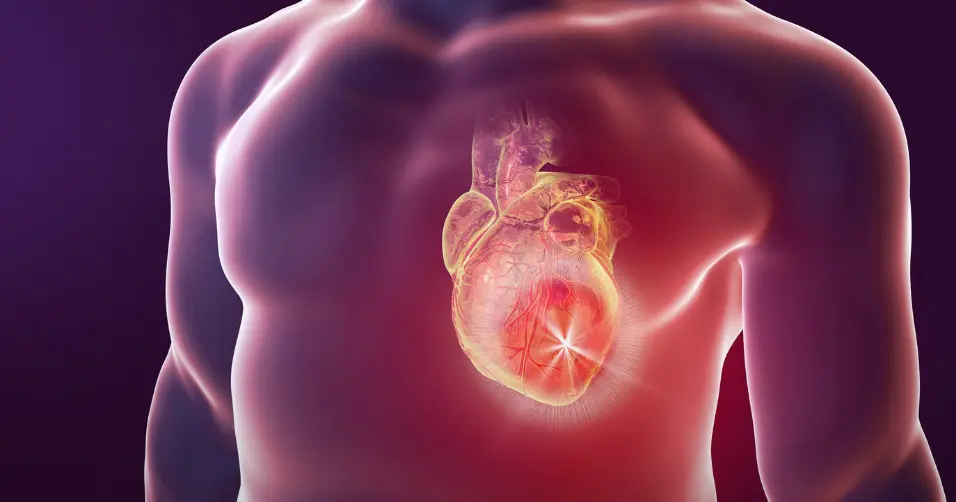

What Do Antioxidants Do?
Antioxidants are compounds that neutralize free radicals, protecting cells from damage.
Antioxidants are compounds that protect cells from free radical damage. Free radicals are unstable molecules that can harm DNA, proteins, and fats, contributing to aging and disease. By neutralizing these molecules, antioxidants reduce oxidative stress in the body. They are linked to lower risks of chronic diseases like heart disease and certain cancers. A diet rich in antioxidants supports healthy aging and overall wellness.
Antioxidants help slow visible aging by protecting skin and tissues from cell damage.
They improve recovery after exercise by reducing muscle oxidative stress.
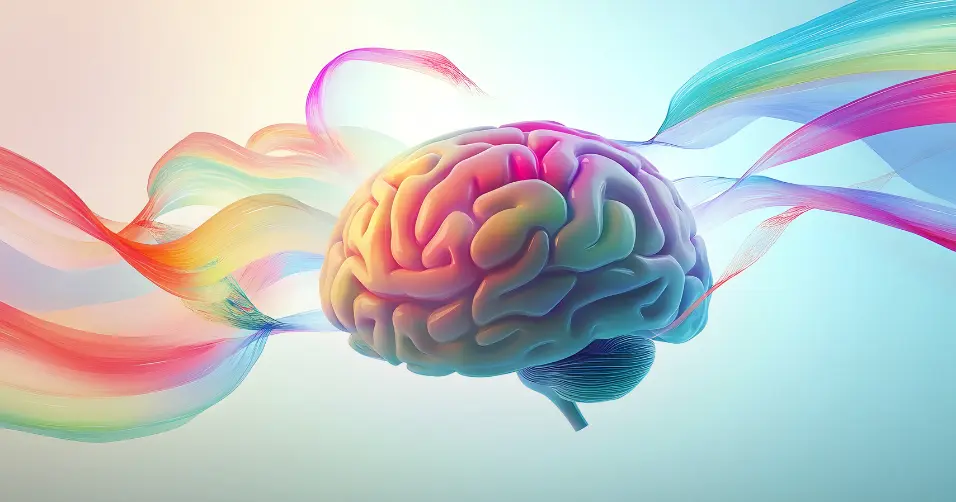
Adequate intake supports brain health, lowering the risk of memory decline.
They also protect cardiovascular health by preventing cholesterol oxidation.
Antioxidants are compounds that protect cells from free radical damage. Free radicals are unstable molecules that can harm DNA, proteins, and fats, contributing to aging and disease. By neutralizing these molecules, antioxidants reduce oxidative stress in the body. They are linked to lower risks of chronic diseases like heart disease and certain cancers. A diet rich in antioxidants supports healthy aging and overall wellness.
Antioxidants help slow visible aging by protecting skin and tissues from cell damage.
They improve recovery after exercise by reducing muscle oxidative stress.
Adequate intake supports brain health, lowering the risk of memory decline.
They also protect cardiovascular health by preventing cholesterol oxidation.
Antioxidants: FACTS
Role | Protect cells from oxidative stress & aging |
Form & Classification | Broad group of compounds |
Typical Dosage & Intake | No set dose; vary by compound |
Cycling | Not required |
Sources | Fruits, veggies, teas, supplements |
Safety & Interactions | Generally safe; very high doses may blunt exercise benefits |
Dosage information is general and may vary with product brand, quality or individual needs; verify accuracy on package and consult a qualified practitioner before use.
What Are Antioxidants?
Antioxidants are compounds that protect cells from damage by free radicals.
Antioxidants are compounds that protect the body from oxidative stress caused by free radicals. Free radicals are unstable molecules that damage cells and contribute to aging and disease. Antioxidants come from vitamins like C and E, as well as plant compounds in fruits and vegetables. A diet rich in antioxidants supports long-term health and reduces inflammation. Supplements are available but food sources are generally considered more effective.
Protection: Antioxidants neutralize harmful free radicals in the body.
Sources: Found in fruits, vegetables, nuts, and whole grains.
Health role: Linked to lower risks of chronic disease and slower aging.
Food first: Whole foods provide better balance than supplements alone.
Antioxidants are compounds that protect the body from oxidative stress caused by free radicals. Free radicals are unstable molecules that damage cells and contribute to aging and disease. Antioxidants come from vitamins like C and E, as well as plant compounds in fruits and vegetables. A diet rich in antioxidants supports long-term health and reduces inflammation. Supplements are available but food sources are generally considered more effective.
Protection: Antioxidants neutralize harmful free radicals in the body.
Sources: Found in fruits, vegetables, nuts, and whole grains.
Health role: Linked to lower risks of chronic disease and slower aging.
Food first: Whole foods provide better balance than supplements alone.
Which Antioxidant Type Is Best?
Antioxidants from a diverse mix of plant foods are generally best for broad cellular protection.
Antioxidants come in many forms, including capsules, powders, liquids, and whole foods. The best type is usually from whole foods, since they provide a mix of compounds working together. Supplements may focus on one antioxidant like vitamin C, vitamin E, or coenzyme Q10. A balanced formula with multiple antioxidants can offer broader protection. The form should match the specific antioxidant’s solubility for best absorption.
Whole foods provide synergistic antioxidants that work together more effectively.
Capsules are useful for concentrated doses of single antioxidants.
Powders can combine several antioxidants into drinks or smoothies.
Fat-soluble antioxidants absorb better when taken in oil-based forms.
Antioxidants come in many forms, including capsules, powders, liquids, and whole foods. The best type is usually from whole foods, since they provide a mix of compounds working together. Supplements may focus on one antioxidant like vitamin C, vitamin E, or coenzyme Q10. A balanced formula with multiple antioxidants can offer broader protection. The form should match the specific antioxidant’s solubility for best absorption.
Whole foods provide synergistic antioxidants that work together more effectively.
Capsules are useful for concentrated doses of single antioxidants.
Powders can combine several antioxidants into drinks or smoothies.
Fat-soluble antioxidants absorb better when taken in oil-based forms.
How to Add Antioxidants to Your Diet?
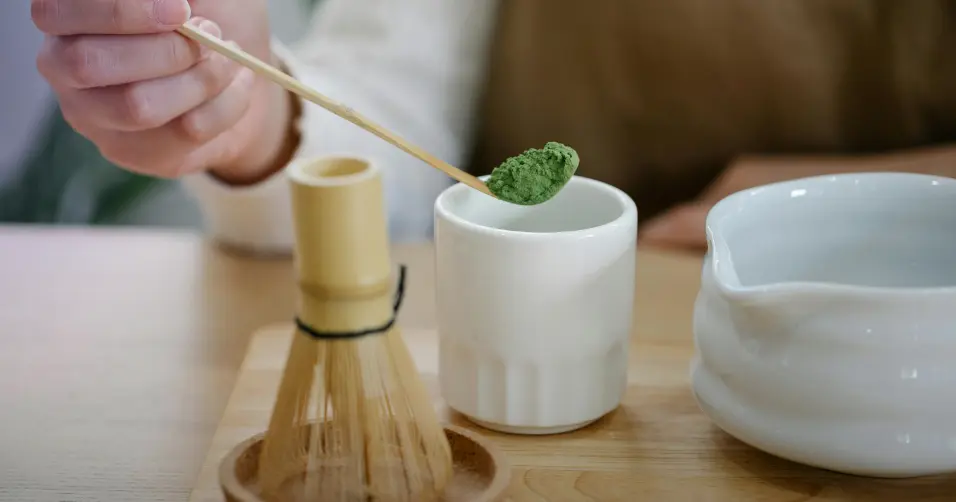
Antioxidants can be added by eating colorful fruits, vegetables, and green tea.
Antioxidants are best added through a diet rich in colorful fruits, vegetables, nuts, and whole grains. Each food provides a mix of different antioxidants that work together for protection. Supplements are available when extra support is needed, such as vitamin C, vitamin E, or plant extracts. Cooking methods like steaming help preserve antioxidant levels in vegetables. Combining several food sources ensures broader health coverage than relying on one type.
Berries, leafy greens, and nuts naturally supply diverse antioxidants.
Supplements provide targeted support when diet is insufficient.
Steaming vegetables preserves more antioxidants than boiling.
Mixing food sources broadens the spectrum of cell protection.
Antioxidants are best added through a diet rich in colorful fruits, vegetables, nuts, and whole grains. Each food provides a mix of different antioxidants that work together for protection. Supplements are available when extra support is needed, such as vitamin C, vitamin E, or plant extracts. Cooking methods like steaming help preserve antioxidant levels in vegetables. Combining several food sources ensures broader health coverage than relying on one type.
Berries, leafy greens, and nuts naturally supply diverse antioxidants.
Supplements provide targeted support when diet is insufficient.
Steaming vegetables preserves more antioxidants than boiling.
Mixing food sources broadens the spectrum of cell protection.
What Are Key Ingredients of Antioxidants?
Antioxidant supplements contain vitamins, minerals, and plant compounds that neutralize free radicals.
Antioxidant products may include vitamins, minerals, or plant compounds. Common ingredients are vitamin C, vitamin E, selenium, and polyphenols. Some use carotenoids like beta-carotene and lutein for vision and skin support. Plant extracts such as green tea or grape seed add flavonoids for extra protection. The mix of ingredients determines whether the antioxidant acts in fat, water, or both environments in the body.
Vitamin C and E protect cells in water- and fat-based tissues.
Selenium acts with enzymes to reduce harmful oxidative reactions.
Carotenoids like lutein protect vision and skin from light damage.
Polyphenols in plants offer wide-ranging cellular protection.
Antioxidant products may include vitamins, minerals, or plant compounds. Common ingredients are vitamin C, vitamin E, selenium, and polyphenols. Some use carotenoids like beta-carotene and lutein for vision and skin support. Plant extracts such as green tea or grape seed add flavonoids for extra protection. The mix of ingredients determines whether the antioxidant acts in fat, water, or both environments in the body.
Vitamin C and E protect cells in water- and fat-based tissues.
Selenium acts with enzymes to reduce harmful oxidative reactions.
Carotenoids like lutein protect vision and skin from light damage.
Polyphenols in plants offer wide-ranging cellular protection.
Which Processes Do Antioxidants Affect?
Antioxidants affect free radical neutralization and cell protection.
Antioxidants affect cellular protection, aging, and immune function. They neutralize free radicals, reducing oxidative damage to DNA and proteins. This protection lowers the risk of chronic illnesses such as heart disease. Antioxidants also support immune cells, helping them resist stress. They play a major role in skin and brain health over the long term.
DNA and proteins are shielded from damage by free radical neutralization.
Chronic disease risks decline with steady antioxidant intake.
Immune cells become more resilient under oxidative stress.
Skin and brain tissue age more slowly when oxidative stress is controlled.
Antioxidants affect cellular protection, aging, and immune function. They neutralize free radicals, reducing oxidative damage to DNA and proteins. This protection lowers the risk of chronic illnesses such as heart disease. Antioxidants also support immune cells, helping them resist stress. They play a major role in skin and brain health over the long term.
DNA and proteins are shielded from damage by free radical neutralization.
Chronic disease risks decline with steady antioxidant intake.
Immune cells become more resilient under oxidative stress.
Skin and brain tissue age more slowly when oxidative stress is controlled.
What Foods Contain Antioxidants?
Antioxidants are naturally found in berries, green tea, nuts, and vegetables.
Antioxidants are found in a wide range of plant and animal foods. Fruits like berries, citrus, and grapes are rich in vitamin C and flavonoids. Nuts, seeds, and vegetable oils provide vitamin E. Green vegetables like spinach and kale carry carotenoids. Spices such as turmeric and cinnamon contain powerful antioxidant compounds as well.
Berries are rich in polyphenols and vitamin C for strong antioxidant support.
Nuts and seeds provide fat-soluble antioxidants like vitamin E.
Leafy greens supply carotenoids for eye and skin protection.
Spices such as turmeric contain curcumin, a potent antioxidant compound.
Antioxidants are found in a wide range of plant and animal foods. Fruits like berries, citrus, and grapes are rich in vitamin C and flavonoids. Nuts, seeds, and vegetable oils provide vitamin E. Green vegetables like spinach and kale carry carotenoids. Spices such as turmeric and cinnamon contain powerful antioxidant compounds as well.
Berries are rich in polyphenols and vitamin C for strong antioxidant support.
Nuts and seeds provide fat-soluble antioxidants like vitamin E.
Leafy greens supply carotenoids for eye and skin protection.
Spices such as turmeric contain curcumin, a potent antioxidant compound.
Is Antioxidants Vegan?
Antioxidants are vegan when derived from plants or synthetic sources.
Antioxidants are suitable for vegans when derived from plants such as fruits, vegetables, nuts, and seeds. Many supplements use synthetic or plant-based forms of vitamins C and E. Some carotenoids like beta-carotene are always plant-derived. However, animal-based antioxidants like certain fish oils are not vegan. Checking ingredient sources ensures compatibility with vegan diets.
Fruits, nuts, and seeds supply vegan antioxidants naturally.
Vitamin C and beta-carotene are plant-based antioxidants.
Vitamin E can be plant- or animal-derived, requiring label checks.
Plant polyphenols are inherently vegan-friendly.
Antioxidants are suitable for vegans when derived from plants such as fruits, vegetables, nuts, and seeds. Many supplements use synthetic or plant-based forms of vitamins C and E. Some carotenoids like beta-carotene are always plant-derived. However, animal-based antioxidants like certain fish oils are not vegan. Checking ingredient sources ensures compatibility with vegan diets.
Fruits, nuts, and seeds supply vegan antioxidants naturally.
Vitamin C and beta-carotene are plant-based antioxidants.
Vitamin E can be plant- or animal-derived, requiring label checks.
Plant polyphenols are inherently vegan-friendly.
Will Antioxidants Break a Fast?
Antioxidants themselves are calorie-free, but food-based sources may break a fast.
Antioxidants vary depending on the type. Vitamins like C and E have no calories and do not break a fast. Plant-based antioxidant powders often contain natural sugars or calories, breaking a strict fast. Capsules with pure isolated antioxidants are fasting-safe. The impact depends on whether they include calorie-containing carriers or whole food powders.
Pure vitamin C or E supplements do not interrupt fasting.
Powders made from berries or fruits contain calories and break fasts.
Capsules with minimal fillers are generally fasting-safe.
The fasting impact depends on whether the source is pure or food-based.
Antioxidants vary depending on the type. Vitamins like C and E have no calories and do not break a fast. Plant-based antioxidant powders often contain natural sugars or calories, breaking a strict fast. Capsules with pure isolated antioxidants are fasting-safe. The impact depends on whether they include calorie-containing carriers or whole food powders.
Pure vitamin C or E supplements do not interrupt fasting.
Powders made from berries or fruits contain calories and break fasts.
Capsules with minimal fillers are generally fasting-safe.
The fasting impact depends on whether the source is pure or food-based.
Breaking a fast here is strictly physiological (e.g., insulin effects). When we say a supplement ‘does not break a fast,’ we mean it has negligible calories in normal use and is unlikely to disrupt fasting metabolism. Certain traditions or religious rules may treat any intake as breaking a fast—please follow your tradition and health needs.
How to Pick the Best Antioxidants?
Antioxidants should be chosen from diverse plant-based extracts with tested potency.
High-quality antioxidants come from whole-food-based extracts or pure vitamins with clear labeling. Products should list specific antioxidant compounds and dosages. Blends need to balance fat- and water-soluble antioxidants for complete coverage. Minimal fillers and no artificial coloring are signs of quality. Independent testing confirms potency and absence of contaminants.
Whole-food extracts provide natural synergy among antioxidants.
Label transparency helps track exact dosages and compounds.
Balanced blends ensure activity across body systems.
Lab-verified purity prevents contamination with harmful substances.
High-quality antioxidants come from whole-food-based extracts or pure vitamins with clear labeling. Products should list specific antioxidant compounds and dosages. Blends need to balance fat- and water-soluble antioxidants for complete coverage. Minimal fillers and no artificial coloring are signs of quality. Independent testing confirms potency and absence of contaminants.
Whole-food extracts provide natural synergy among antioxidants.
Label transparency helps track exact dosages and compounds.
Balanced blends ensure activity across body systems.
Lab-verified purity prevents contamination with harmful substances.
What’s the Optimal Dosage and Timing for Antioxidants?
Antioxidants are best taken daily in varied doses from foods, with supplements used moderately.
The optimal dosage of antioxidants depends on type, but vitamin C (500–1,000 mg daily) and vitamin E (100–200 IU daily) are common. Food sources remain the preferred way to get antioxidants. Supplements are best taken with meals to aid absorption. Timing is flexible since benefits accumulate with steady intake. High doses should be avoided to prevent imbalances.
Vitamin C and E are common supplemental antioxidants with safe ranges.
Meals improve absorption of fat-soluble antioxidants like vitamin E.
Antioxidants are best spread out daily for consistent protection.
Over-supplementation may cause oxidative imbalance rather than benefits.
The optimal dosage of antioxidants depends on type, but vitamin C (500–1,000 mg daily) and vitamin E (100–200 IU daily) are common. Food sources remain the preferred way to get antioxidants. Supplements are best taken with meals to aid absorption. Timing is flexible since benefits accumulate with steady intake. High doses should be avoided to prevent imbalances.
Vitamin C and E are common supplemental antioxidants with safe ranges.
Meals improve absorption of fat-soluble antioxidants like vitamin E.
Antioxidants are best spread out daily for consistent protection.
Over-supplementation may cause oxidative imbalance rather than benefits.
Dosage and timing information is generalized and may not be appropriate for all individuals; occasional inaccuracies may occur. Variations in supplement purity, formulation, or quality can also affect dosing relevance. Verify accuracy on package and consult a qualified practitioner before use.
What Are Common Mistakes When Taking Antioxidants?
Antioxidants mistakes include taking very high doses, which may act as pro-oxidants.
Antioxidant mistakes include relying only on supplements while neglecting food sources. Taking very high doses of one antioxidant may create imbalances. Some forget that fat-soluble antioxidants like vitamin E need dietary fat. Assuming instant anti-aging effects is unrealistic. Overheating vegetables during cooking can also destroy natural antioxidants.
Over-supplementation may lead to oxidative imbalance rather than benefit.
Fat-soluble antioxidants require food fats for proper absorption.
Relying on supplements instead of diet reduces overall diversity of antioxidants.
Cooking at very high heat reduces antioxidant levels in vegetables.
Antioxidant mistakes include relying only on supplements while neglecting food sources. Taking very high doses of one antioxidant may create imbalances. Some forget that fat-soluble antioxidants like vitamin E need dietary fat. Assuming instant anti-aging effects is unrealistic. Overheating vegetables during cooking can also destroy natural antioxidants.
Over-supplementation may lead to oxidative imbalance rather than benefit.
Fat-soluble antioxidants require food fats for proper absorption.
Relying on supplements instead of diet reduces overall diversity of antioxidants.
Cooking at very high heat reduces antioxidant levels in vegetables.
How Fast Do Antioxidants Work?
Antioxidants effects vary but protection is ongoing with daily use.
Antioxidant supplements or foods work continuously but effects are subtle. Cellular protection begins soon after intake. Visible changes like skin quality improve over weeks to months. Chronic disease risk reduction requires years of consistent intake. Benefits are cumulative rather than immediate.
Cellular protection starts quickly after antioxidants enter the bloodstream.
Skin elasticity and glow improve gradually with steady intake.
Exercise recovery may improve after weeks of higher antioxidant intake.
Long-term benefits include reduced risks of chronic disease.
Antioxidant supplements or foods work continuously but effects are subtle. Cellular protection begins soon after intake. Visible changes like skin quality improve over weeks to months. Chronic disease risk reduction requires years of consistent intake. Benefits are cumulative rather than immediate.
Cellular protection starts quickly after antioxidants enter the bloodstream.
Skin elasticity and glow improve gradually with steady intake.
Exercise recovery may improve after weeks of higher antioxidant intake.
Long-term benefits include reduced risks of chronic disease.
Results may vary between individuals, and no outcome is guaranteed. A tailored supplemntation plan is the best way to ensure the desired outcome.
Do Antioxidants Require a Cooldown?
Antioxidants may require cooldown in high-dose supplement form, since excess may disturb balance.
Antioxidants usually do not require cooldowns when taken through food. Continuous intake is essential for cell protection. High-dose supplements may benefit from breaks to avoid imbalance. Long-term safety is strongest when antioxidants are balanced from diverse sources. Cycling may be considered only for very high-dose supplementation.
Food-based antioxidants are safe continuously without breaks.
High-dose single antioxidants may cause imbalance if unchecked.
Cooldowns may help if taking concentrated supplements for months.
Diverse diet remains the safest way to sustain antioxidant intake.
Antioxidants usually do not require cooldowns when taken through food. Continuous intake is essential for cell protection. High-dose supplements may benefit from breaks to avoid imbalance. Long-term safety is strongest when antioxidants are balanced from diverse sources. Cycling may be considered only for very high-dose supplementation.
Food-based antioxidants are safe continuously without breaks.
High-dose single antioxidants may cause imbalance if unchecked.
Cooldowns may help if taking concentrated supplements for months.
Diverse diet remains the safest way to sustain antioxidant intake.
The need to pause or cycle depends on individual factors such as goals, tolerance, and clinical context. No universal rule applies, and specialist review is recommended before making adjustments.
Does Tolerance Develop for Antioxidants?
Antioxidants do not cause tolerance, though high doses may disrupt balance.
Antioxidants do not lead to tolerance because they work by neutralizing free radicals. The body continues to benefit from them daily. Effects remain steady as long as intake is adequate. Excess supplementation may cause imbalance but not adaptation. Food sources provide reliable long-term protection without tolerance.
Antioxidant effects stay consistent without tolerance loss.
Daily intake supports cell defense continuously.
Imbalance from excess is possible, but adaptation is not an issue.
Food-based antioxidants remain effective lifelong.
Antioxidants do not lead to tolerance because they work by neutralizing free radicals. The body continues to benefit from them daily. Effects remain steady as long as intake is adequate. Excess supplementation may cause imbalance but not adaptation. Food sources provide reliable long-term protection without tolerance.
Antioxidant effects stay consistent without tolerance loss.
Daily intake supports cell defense continuously.
Imbalance from excess is possible, but adaptation is not an issue.
Food-based antioxidants remain effective lifelong.
Information on tolerance is generalized and may not reflect individual differences in metabolism, duration of use, or health status. Reactions can vary, and any adjustment should follow qualified practicioner's recommendations.
Can Antioxidants Be Stacked?
Antioxidants can be stacked together, like vitamin C with vitamin E, for stronger protection.
Antioxidants are commonly stacked together for broader protection. Vitamin C and vitamin E work synergistically by recycling each other. Plant polyphenols like green tea extract enhance antioxidant diversity. Overstacking single antioxidants at high doses may disrupt balance. Balanced stacks provide coverage across fat- and water-based tissues.
Vitamin C and E recycle one another for longer-lasting effects.
Green tea polyphenols expand antioxidant coverage in the body.
Carotenoids stack with other antioxidants to protect eyes and skin.
Excessive antioxidant doses may cause oxidative imbalance.
Antioxidants are commonly stacked together for broader protection. Vitamin C and vitamin E work synergistically by recycling each other. Plant polyphenols like green tea extract enhance antioxidant diversity. Overstacking single antioxidants at high doses may disrupt balance. Balanced stacks provide coverage across fat- and water-based tissues.
Vitamin C and E recycle one another for longer-lasting effects.
Green tea polyphenols expand antioxidant coverage in the body.
Carotenoids stack with other antioxidants to protect eyes and skin.
Excessive antioxidant doses may cause oxidative imbalance.
Many supplements can interact in ways that enhance or alter their effects. However, stacking makes it difficult to monitor the impact of each component and increases the risk of oversupplementation or unintended interactions.
Do Antioxidant Effects Persist?
Antioxidant effects fade quickly without regular intake.
Antioxidant effects persist only with daily intake, as the body constantly produces free radicals. Cellular protection declines if intake is reduced. Skin and brain benefits fade gradually when antioxidant levels drop. Chronic disease protection requires lifelong intake. Food-based sources provide the most reliable ongoing support.
Cellular defense weakens quickly without continuous antioxidants.
Skin and cognitive benefits diminish with lower intake.
Chronic disease protection requires long-term dietary antioxidants.
Daily intake through food is the most sustainable source.
Antioxidant effects persist only with daily intake, as the body constantly produces free radicals. Cellular protection declines if intake is reduced. Skin and brain benefits fade gradually when antioxidant levels drop. Chronic disease protection requires lifelong intake. Food-based sources provide the most reliable ongoing support.
Cellular defense weakens quickly without continuous antioxidants.
Skin and cognitive benefits diminish with lower intake.
Chronic disease protection requires long-term dietary antioxidants.
Daily intake through food is the most sustainable source.
Results may vary between individuals, and no outcome is guaranteed. A tailored supplemntation plan is the best way to ensure the desired outcome.
Do Antioxidants Aid Longevity?
Antioxidants may support longevity by reducing oxidative stress, though excess can harm.
Antioxidants are closely tied to longevity by protecting against free radical damage. Diets high in antioxidants are linked to reduced risk of chronic diseases. They slow visible aging in skin and protect brain function. Supplements may help but food sources are more reliable long-term. Excess antioxidant supplementation can disrupt balance and reduce benefits.
Antioxidants prevent DNA and cell damage that accelerates aging.
Diets rich in fruits and vegetables support long healthy lives.
Skin and brain aging slow with steady antioxidant intake.
Balance is critical—too much supplementation may reduce effects.
Antioxidants are closely tied to longevity by protecting against free radical damage. Diets high in antioxidants are linked to reduced risk of chronic diseases. They slow visible aging in skin and protect brain function. Supplements may help but food sources are more reliable long-term. Excess antioxidant supplementation can disrupt balance and reduce benefits.
Antioxidants prevent DNA and cell damage that accelerates aging.
Diets rich in fruits and vegetables support long healthy lives.
Skin and brain aging slow with steady antioxidant intake.
Balance is critical—too much supplementation may reduce effects.
What Are Alternatives to Antioxidants?
Antioxidant alternatives include polyphenol-rich foods like berries and green tea.
Alternatives to antioxidants include lifestyle strategies like exercise and a plant-rich diet. Exercise boosts natural antioxidant enzymes in the body. Polyphenol-rich teas, berries, and spices are excellent replacements. Healthy sleep also reduces oxidative stress. These approaches protect cells without relying solely on supplements.
Exercise raises natural antioxidant defenses in tissues.
Berries and teas provide polyphenols that neutralize free radicals.
Spices like turmeric add strong antioxidant compounds.
Good sleep lowers oxidative stress naturally.
Alternatives to antioxidants include lifestyle strategies like exercise and a plant-rich diet. Exercise boosts natural antioxidant enzymes in the body. Polyphenol-rich teas, berries, and spices are excellent replacements. Healthy sleep also reduces oxidative stress. These approaches protect cells without relying solely on supplements.
Exercise raises natural antioxidant defenses in tissues.
Berries and teas provide polyphenols that neutralize free radicals.
Spices like turmeric add strong antioxidant compounds.
Good sleep lowers oxidative stress naturally.
There are often alternatives that better align with personal risk profiles, preferences, or resources; comparative review with a relevant certified consultant is advised.
What Are Possible Antioxidant Side Effects?
Antioxidant side effects at high doses may include imbalance and reduced natural defense.
Antioxidant supplements can cause imbalances when taken in very high doses. Vitamin E excess may increase bleeding risk. Too much vitamin C can lead to diarrhea and kidney stones. Over-supplementation may blunt the body’s natural defense systems. Food sources are safer and more balanced.
Excess vitamin E may thin blood and increase bleeding risk.
Large vitamin C doses can trigger digestive upset and stones.
Too many antioxidants disrupt natural oxidative balance.
Food-based antioxidants rarely cause harmful side effects.
Antioxidant supplements can cause imbalances when taken in very high doses. Vitamin E excess may increase bleeding risk. Too much vitamin C can lead to diarrhea and kidney stones. Over-supplementation may blunt the body’s natural defense systems. Food sources are safer and more balanced.
Excess vitamin E may thin blood and increase bleeding risk.
Large vitamin C doses can trigger digestive upset and stones.
Too many antioxidants disrupt natural oxidative balance.
Food-based antioxidants rarely cause harmful side effects.
Responses differ among individuals. If adverse effects occur, discontinuation and professional evaluation are advised.
Who Should Avoid Antioxidants?
Antioxidants should be avoided in very high doses by cancer patients during treatment unless advised.
Antioxidant supplements should be avoided by people on blood-thinning medication, as they may increase bleeding risk. High doses should also be avoided by smokers, since some antioxidants raise cancer risk in this group. People with balanced diets may not need supplements. Those with kidney issues should be careful with high vitamin C intake. Balance is safer than heavy supplementation.
Blood-thinners interact with vitamin E, raising bleeding risk.
Smokers risk higher cancer incidence with high-dose beta-carotene.
Balanced diets often make extra supplementation unnecessary.
Kidney patients may struggle with excess vitamin C processing.
Antioxidant supplements should be avoided by people on blood-thinning medication, as they may increase bleeding risk. High doses should also be avoided by smokers, since some antioxidants raise cancer risk in this group. People with balanced diets may not need supplements. Those with kidney issues should be careful with high vitamin C intake. Balance is safer than heavy supplementation.
Blood-thinners interact with vitamin E, raising bleeding risk.
Smokers risk higher cancer incidence with high-dose beta-carotene.
Balanced diets often make extra supplementation unnecessary.
Kidney patients may struggle with excess vitamin C processing.
Individuals who may be at higher risk—including those with diabetes, eating disorders, pregnancy or breastfeeding, heavy training loads, health conditions, medication use, or prior adverse reactions—should seek tailored guidance before deciding supplementation or making major supplement or lifestyle changes.
Are Antioxidants Available Over-the-Counter?
Antioxidants are available over-the-counter in multivitamins and herbal blends.
Antioxidants like vitamin C, vitamin E, and selenium are sold over-the-counter. They appear in single supplements, multivitamins, and blends. No prescription is needed for standard amounts. Higher doses may be regulated in some countries. In general, they are among the most accessible supplements worldwide.
Vitamin C and E are available in almost every pharmacy OTC.
Multivitamins provide antioxidants in balanced blends.
No prescription is required for regular dietary doses.
Regulations may apply for mega-dose antioxidant products.
Antioxidants like vitamin C, vitamin E, and selenium are sold over-the-counter. They appear in single supplements, multivitamins, and blends. No prescription is needed for standard amounts. Higher doses may be regulated in some countries. In general, they are among the most accessible supplements worldwide.
Vitamin C and E are available in almost every pharmacy OTC.
Multivitamins provide antioxidants in balanced blends.
No prescription is required for regular dietary doses.
Regulations may apply for mega-dose antioxidant products.
For over-the-counter availability we use generic US data. Product availability and status may vary by country and region.
What’s the History of Antioxidants?
Antioxidants were identified in the 20th century as compounds protecting cells from free radicals.
Antioxidants have been part of human diets since prehistoric times through fruits and plants. Their health significance was recognized in the 20th century when free radical theory emerged. Vitamins C and E were identified as major antioxidant nutrients. Supplements became popular for disease prevention and anti-aging. Today research focuses on balancing antioxidant intake with natural defenses.
Early diets supplied antioxidants unknowingly through plants.
Free radical theory of aging in the 1950s highlighted their role.
Vitamin discoveries linked antioxidants to cell protection.
Supplements surged in popularity for anti-aging benefits.
Antioxidants have been part of human diets since prehistoric times through fruits and plants. Their health significance was recognized in the 20th century when free radical theory emerged. Vitamins C and E were identified as major antioxidant nutrients. Supplements became popular for disease prevention and anti-aging. Today research focuses on balancing antioxidant intake with natural defenses.
Early diets supplied antioxidants unknowingly through plants.
Free radical theory of aging in the 1950s highlighted their role.
Vitamin discoveries linked antioxidants to cell protection.
Supplements surged in popularity for anti-aging benefits.
Does CoQ10 Support Cellular Energy?
CoQ10 supports cellular energy by helping mitochondria produce ATP, the body’s energy molecule.
CoQ10 participates in mitochondrial energy transfer by helping shuttle electrons. This process supports normal cellular energy output. People use it to maintain vitality, especially with age. Its levels can decline over time, prompting supplementation. Effects vary among users.
Works inside mitochondria as an electron carrier. This helps create ATP, the cell’s energy molecule.
Supports tissues with high energy demand. This includes muscles and organs.
Body makes CoQ10 naturally, but levels shift with age. Supplementation aims to restore balance.
CoQ10 participates in mitochondrial energy transfer by helping shuttle electrons. This process supports normal cellular energy output. People use it to maintain vitality, especially with age. Its levels can decline over time, prompting supplementation. Effects vary among users.
Works inside mitochondria as an electron carrier. This helps create ATP, the cell’s energy molecule.
Supports tissues with high energy demand. This includes muscles and organs.
Body makes CoQ10 naturally, but levels shift with age. Supplementation aims to restore balance.
Does Curcumin Reduce Inflammation?
Curcumin, the main compound in turmeric, may reduce inflammation by moderating immune signaling molecules called cytokines.
Curcumin is a plant compound known for its role in inflammation-related pathways. Some studies show it may help modulate normal inflammatory responses. Its absorption varies widely unless formulated well. Effects are often subtle and require consistent use. Diet and lifestyle remain central to inflammation control.
Acts on signaling pathways tied to inflammation. This may support comfort.
Low absorption affects potency. Many people pair it with fats or pepper extracts.
Best seen as supportive, not a standalone solution. Routine matters.
Curcumin is a plant compound known for its role in inflammation-related pathways. Some studies show it may help modulate normal inflammatory responses. Its absorption varies widely unless formulated well. Effects are often subtle and require consistent use. Diet and lifestyle remain central to inflammation control.
Acts on signaling pathways tied to inflammation. This may support comfort.
Low absorption affects potency. Many people pair it with fats or pepper extracts.
Best seen as supportive, not a standalone solution. Routine matters.
Does Lutein Support Eye Health?
Lutein supports eye health by filtering blue light and protecting retinal cells.
Lutein is linked with maintaining normal eye function through its role in filtering blue light. It collects in the retina, the light-sensitive layer at the back of the eye. Diets rich in leafy greens naturally provide lutein. Older adults often have particular interest in this nutrient. Intake from food is considered safe for most people.
Lutein concentrates in the macula, a central retina area important for sharp vision, helping absorb excess light.
Its antioxidant role supports protection of cell membranes from oxidative stress.
Healthy food sources include green vegetables that naturally deliver lutein with other carotenoids.
Absorption improves with fats, since lutein is fat-soluble and dissolves better with oils.
Lutein is linked with maintaining normal eye function through its role in filtering blue light. It collects in the retina, the light-sensitive layer at the back of the eye. Diets rich in leafy greens naturally provide lutein. Older adults often have particular interest in this nutrient. Intake from food is considered safe for most people.
Lutein concentrates in the macula, a central retina area important for sharp vision, helping absorb excess light.
Its antioxidant role supports protection of cell membranes from oxidative stress.
Healthy food sources include green vegetables that naturally deliver lutein with other carotenoids.
Absorption improves with fats, since lutein is fat-soluble and dissolves better with oils.
How Do Antioxidants Relate to Phytonutrients?
Antioxidants relate to phytonutrients as many phytonutrients act as antioxidants neutralizing free radicals.
Antioxidants relate to phytonutrients because many phytonutrients act as antioxidants. Phytonutrients are natural compounds found in plants. They help protect cells from oxidative stress, which is damage from reactive molecules. Antioxidant effects vary by compound. The two categories overlap but are not identical.
Shared plant origin links many compounds.
Oxidative-stress protection is a common function.
Phytonutrient diversity spans many chemical families.
Overlapping roles explain their connection.
Antioxidants relate to phytonutrients because many phytonutrients act as antioxidants. Phytonutrients are natural compounds found in plants. They help protect cells from oxidative stress, which is damage from reactive molecules. Antioxidant effects vary by compound. The two categories overlap but are not identical.
Shared plant origin links many compounds.
Oxidative-stress protection is a common function.
Phytonutrient diversity spans many chemical families.
Overlapping roles explain their connection.
Does Resveratrol Combat Oxidative Stress?
Resveratrol combats oxidative stress by neutralizing free radicals.
Resveratrol is linked with antioxidant activity that interacts with oxidative stress. Oxidative stress refers to cell strain caused by unstable molecules called free radicals. Resveratrol appears in foods like grapes and peanuts. This compound interacts with cell pathways that manage free radicals. Its overall effect depends on diet and lifestyle.
Antioxidant interaction helps neutralize free radicals. This supports general cell stability.
Plant-based source offers natural access through whole foods. These foods fit many eating patterns.
Cell pathway impact relates to stress-response proteins. These proteins help maintain balance.
Diet synergy grows when paired with varied plant foods. This broadens nutrient support.
Resveratrol is linked with antioxidant activity that interacts with oxidative stress. Oxidative stress refers to cell strain caused by unstable molecules called free radicals. Resveratrol appears in foods like grapes and peanuts. This compound interacts with cell pathways that manage free radicals. Its overall effect depends on diet and lifestyle.
Antioxidant interaction helps neutralize free radicals. This supports general cell stability.
Plant-based source offers natural access through whole foods. These foods fit many eating patterns.
Cell pathway impact relates to stress-response proteins. These proteins help maintain balance.
Diet synergy grows when paired with varied plant foods. This broadens nutrient support.
Does Selenium Support Antioxidant Enzymes?
Selenium supports antioxidant enzymes like glutathione peroxidase that neutralize free radicals.
Selenium supports antioxidant enzymes by acting as a key component of certain protective proteins. These proteins help neutralize free radicals, which are unstable molecules that strain cells. Selenium’s role helps maintain balanced oxidative status. Its effectiveness depends on total diet quality. Food sources provide steady intake.
Enzyme activation relies on selenium in specific antioxidant proteins. These proteins help control oxidative stress.
Cell protection improves when these enzymes work smoothly. This supports overall stability.
Diet dependence shapes how well selenium works. Plant and seafood sources contribute intake.
Balanced levels keep enzymes efficient. Very high or low intake can disrupt function.
Selenium supports antioxidant enzymes by acting as a key component of certain protective proteins. These proteins help neutralize free radicals, which are unstable molecules that strain cells. Selenium’s role helps maintain balanced oxidative status. Its effectiveness depends on total diet quality. Food sources provide steady intake.
Enzyme activation relies on selenium in specific antioxidant proteins. These proteins help control oxidative stress.
Cell protection improves when these enzymes work smoothly. This supports overall stability.
Diet dependence shapes how well selenium works. Plant and seafood sources contribute intake.
Balanced levels keep enzymes efficient. Very high or low intake can disrupt function.
Does Spirulina Fit Antioxidants?
Spirulina fits antioxidants due to its chlorophyll and phycocyanin content.
Spirulina fits antioxidants through its natural pigments and nutrients. It contains phycocyanin, a blue-green pigment with antioxidant activity. These compounds help manage oxidative stress in cells. Spirulina also provides vitamins and minerals. Its nutrient density supports general wellness.
Pigment antioxidants appear in spirulina naturally. These pigments help protect cells.
Oxidative balance improves with nutrient variety. Spirulina adds helpful compounds.
Micronutrients support daily functions. Vitamins and minerals reinforce overall health.
Whole-food source offers broad coverage. Spirulina acts like a nutrient concentrate.
Spirulina fits antioxidants through its natural pigments and nutrients. It contains phycocyanin, a blue-green pigment with antioxidant activity. These compounds help manage oxidative stress in cells. Spirulina also provides vitamins and minerals. Its nutrient density supports general wellness.
Pigment antioxidants appear in spirulina naturally. These pigments help protect cells.
Oxidative balance improves with nutrient variety. Spirulina adds helpful compounds.
Micronutrients support daily functions. Vitamins and minerals reinforce overall health.
Whole-food source offers broad coverage. Spirulina acts like a nutrient concentrate.
What Superfoods Are High in Antioxidants?
Superfoods high in antioxidants include berries, spirulina, turmeric, and green tea.
Foods rich in antioxidants include berries, leafy greens, brightly colored vegetables, legumes, and nuts. These foods contain compounds that help manage oxidative stress, which is the cell strain caused by unstable molecules. Dark berries carry pigments that act strongly in this role. Leafy greens supply vitamins that support normal cell repair. Nuts and seeds add plant chemicals that work alongside these nutrients.
Berry pigments give strong antioxidant activity and support normal cell stability.
Leafy greens carry vitamins that help maintain tissue balance.
Colorful vegetables contain carotenoids that support eye and skin function.
Legumes provide plant chemicals that aid general metabolic health.
Nuts and seeds deliver healthy fats that help absorb antioxidant compounds.
Foods rich in antioxidants include berries, leafy greens, brightly colored vegetables, legumes, and nuts. These foods contain compounds that help manage oxidative stress, which is the cell strain caused by unstable molecules. Dark berries carry pigments that act strongly in this role. Leafy greens supply vitamins that support normal cell repair. Nuts and seeds add plant chemicals that work alongside these nutrients.
Berry pigments give strong antioxidant activity and support normal cell stability.
Leafy greens carry vitamins that help maintain tissue balance.
Colorful vegetables contain carotenoids that support eye and skin function.
Legumes provide plant chemicals that aid general metabolic health.
Nuts and seeds deliver healthy fats that help absorb antioxidant compounds.
Does Turmeric Lower Oxidative Stress?
Turmeric lowers oxidative stress through its antioxidant compound curcumin.
Turmeric can lower oxidative stress by providing curcumin, a plant compound that manages reactive molecules. Oxidative stress refers to cell strain from unstable oxygen particles. Curcumin interacts with these particles to reduce harm. Effects depend on absorption. Whole-food use offers gentle support.
Curcumin action interacts with reactive molecules.
Cell strain decreases when oxidative load falls.
Absorption factors influence effectiveness.
Dietary use gives mild protection.
Spice blends add supportive compounds.
Turmeric can lower oxidative stress by providing curcumin, a plant compound that manages reactive molecules. Oxidative stress refers to cell strain from unstable oxygen particles. Curcumin interacts with these particles to reduce harm. Effects depend on absorption. Whole-food use offers gentle support.
Curcumin action interacts with reactive molecules.
Cell strain decreases when oxidative load falls.
Absorption factors influence effectiveness.
Dietary use gives mild protection.
Spice blends add supportive compounds.
Does Vitamin C Reduce Oxidative Damage?
Vitamin C reduces oxidative damage by neutralizing reactive oxygen species.
Vitamin C reduces oxidative damage by neutralizing reactive oxygen molecules. These molecules strain cells when they accumulate. Vitamin C donates electrons to stabilize them. This process lowers cellular stress. Fruits and vegetables provide steady supply.
Antioxidant action helps calm reactive molecules.
Cell strain decreases when oxidation falls.
Electron donation explains its protective role.
Membrane safety improves as stress lowers.
Dietary sources maintain daily levels.
Vitamin C reduces oxidative damage by neutralizing reactive oxygen molecules. These molecules strain cells when they accumulate. Vitamin C donates electrons to stabilize them. This process lowers cellular stress. Fruits and vegetables provide steady supply.
Antioxidant action helps calm reactive molecules.
Cell strain decreases when oxidation falls.
Electron donation explains its protective role.
Membrane safety improves as stress lowers.
Dietary sources maintain daily levels.
Does Vitamin E Protect Cell Membranes?
Vitamin E protects cell membranes by stopping oxidation of fatty acids within them.
Vitamin E protects cell membranes by acting as a fat-soluble antioxidant. Membranes contain fatty layers that are vulnerable to oxidation. Vitamin E helps stabilize these layers. This protection supports overall cell comfort. Adequate intake helps maintain resilience.
Antioxidant effect shields membrane lipids.
Oxidative strain decreases with higher stability.
Fat-soluble nature lets vitamin E sit inside membranes.
Cell comfort improves with stable membranes.
Dietary sources maintain supply.
Vitamin E protects cell membranes by acting as a fat-soluble antioxidant. Membranes contain fatty layers that are vulnerable to oxidation. Vitamin E helps stabilize these layers. This protection supports overall cell comfort. Adequate intake helps maintain resilience.
Antioxidant effect shields membrane lipids.
Oxidative strain decreases with higher stability.
Fat-soluble nature lets vitamin E sit inside membranes.
Cell comfort improves with stable membranes.
Dietary sources maintain supply.
Does Zeaxanthin Protect Vision?
Zeaxanthin protects vision by filtering blue light and preventing retinal damage.
Zeaxanthin protects vision by filtering blue light that reaches the retina. It concentrates in the macula, the center of detailed sight. This pigment reduces light-induced strain on cells. It supports clarity and contrast perception. Colorful produce supplies this nutrient naturally.
Blue-light filtering reduces retinal stress.
Macular concentration is highest for zeaxanthin.
Cell comfort improves with steady intake.
Contrast perception benefits from this pigment.
Dietary sources include bright yellow and orange foods.
Zeaxanthin protects vision by filtering blue light that reaches the retina. It concentrates in the macula, the center of detailed sight. This pigment reduces light-induced strain on cells. It supports clarity and contrast perception. Colorful produce supplies this nutrient naturally.
Blue-light filtering reduces retinal stress.
Macular concentration is highest for zeaxanthin.
Cell comfort improves with steady intake.
Contrast perception benefits from this pigment.
Dietary sources include bright yellow and orange foods.
Medical Disclaimer: All content on this website is intended solely for informational and educational purposes and should not be interpreted as a substitute for professional medical advice, diagnosis, or treatment, nor as encouragement or promotion for or against any particular use, product, or activity. Results may vary and are not guaranteed. No doctor–patient relationship is created by your use of this content. Always consult a qualified healthcare provider, nutritionist, or other relevant expert before starting or changing any supplement, diet, exercise, or lifestyle program. This website can contain errors. Check important information. Read our full Disclaimer.
Status – Terms of Service – Privacy Policy – Disclaimer – About Myopedia.
©2025 Myopedia™. All rights reserved.
Medical Disclaimer: All content on this website is intended solely for informational and educational purposes and should not be interpreted as a substitute for professional medical advice, diagnosis, or treatment, nor as encouragement or promotion for or against any particular use, product, or activity. Results may vary and are not guaranteed. No doctor–patient relationship is created by your use of this content. Always consult a qualified healthcare provider, nutritionist, or other relevant expert before starting or changing any supplement, diet, exercise, or lifestyle program. This website can contain errors. Check important information. Read our full Disclaimer.
Status – Terms of Service – Privacy Policy – Disclaimer – About Myopedia.
©2025 Myopedia™. All rights reserved.
Medical Disclaimer: All content on this website is intended solely for informational and educational purposes and should not be interpreted as a substitute for professional medical advice, diagnosis, or treatment, nor as encouragement or promotion for or against any particular use, product, or activity. Results may vary and are not guaranteed. No doctor–patient relationship is created by your use of this content. Always consult a qualified healthcare provider, nutritionist, or other relevant expert before starting or changing any supplement, diet, exercise, or lifestyle program. This website can contain errors. Check important information. Read our full Disclaimer.
Status – Terms of Service – Privacy Policy – Disclaimer – About Myopedia.
©2025 Myopedia™. All rights reserved.