Nutrition
The Best and Worst Foods for Weight Loss
Foods That Help You Slim Down—and the Ones That Don’t
Weight loss foods – identify the foods that actively support fat loss and the ones that slow it, backed by practical nutrition insights.


Thinking about shedding some pounds?
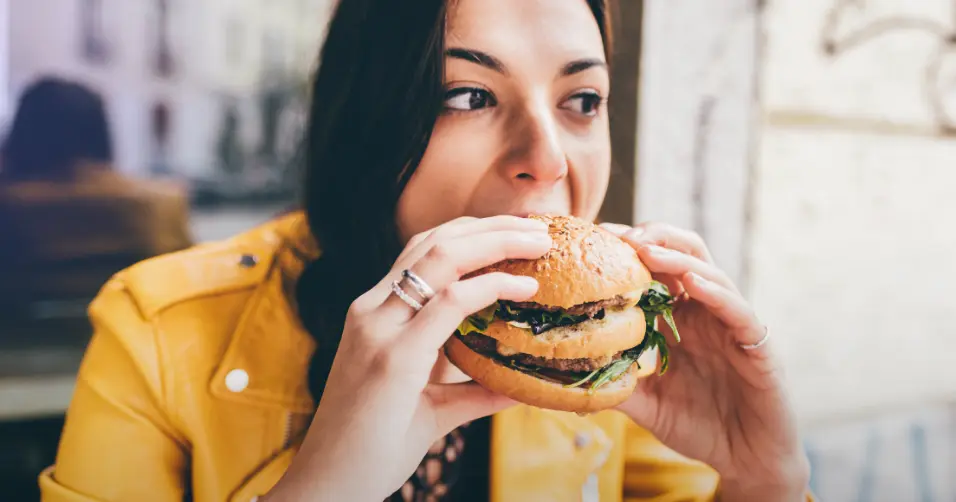
It's not just about how much you eat, but also what you eat. Some foods can really pack on the calories without making you feel full, making weight loss a tough go. We're talking about the stuff that's often loaded with sugar, refined carbs, and unhealthy fats, but skimps on the good stuff like protein and fiber. Let's look at some common culprits that might be slowing down your progress and what to consider if you want to find the best foods for weight loss.
Key Takeaways
Sugary drinks add calories without making you feel full, often leading to more calorie intake overall.
Fried foods like French fries and potato chips are calorie-dense and linked to weight gain.
Candy bars, pastries, cookies, and desserts are typically high in sugar, refined flour, and fat, offering little nutritional value.
White bread is refined, low in fiber and protein, and can cause blood sugar spikes, making weight loss harder.
Ultra-processed foods often lack essential nutrients and can contribute to overeating due to their composition.
This article is educational and not intended to diagnose, treat, or suggest any specific intervention, and should not replace qualified medical advice.
Key Takeaways
Worst Foods for Weight Loss
1. Sugary Drinks
Okay, let's talk about sugary drinks. These are the ones that can really sneak up on you when you're trying to shed some pounds. Think sodas, sweetened teas, sports drinks, and even some fruit juices that have a lot of added sugar. The weird thing is, even though they pack a lot of calories, your brain doesn't really register them like it does solid food. So, you end up drinking them and then still eating your regular meals, basically adding extra calories without feeling any fuller.
It's pretty wild how much sugar can be in these drinks. The official advice is to keep added sugar to less than 10% of your daily calories, which is about 12 teaspoons if you're eating around 2,000 calories a day. But get this, the average person in the US is actually downing about 17 teaspoons daily, and almost half of that comes from drinks! That's a lot of liquid sugar.
Here's a quick rundown of why they're not your friend for weight loss:
Empty Calories: They provide energy but very few, if any, useful nutrients.
Don't Fill You Up: Liquid calories don't trigger the same fullness signals as solid food, making it easy to overconsume.
Sugar Overload: High sugar intake is linked to various health issues, including weight gain, type 2 diabetes, and heart disease.
If you're serious about losing weight, cutting back on these is a really good place to start. Instead, try reaching for plain water, maybe with a slice of lemon or cucumber, or unsweetened sparkling water. If you like a bit of flavor, naturally sweetened kombucha or even just plain coffee or tea without added sugar are much better choices. And if you're craving juice, stick to small portions of 100% fruit juice without added sugar, or better yet, just eat the whole fruit – you get the fiber that way!
2. French Fries And Potato Chips
Okay, let's talk about French fries and potato chips. These are the kinds of snacks that are super easy to grab, right? But when you're trying to shed some pounds, they can be a real hurdle. They're loaded with calories and fat, and honestly, they don't do much to keep you feeling full. That means you might end up eating more than you intended without even realizing it.
Studies have actually linked eating these snacks regularly to gaining weight. Some research even suggests that potato chips might contribute more to weight gain per serving than other foods. Plus, the way they're often cooked can create substances that aren't great for our health in the long run.
Here's a quick look at why they're tricky:
High Calorie Density: You can pack a lot of calories into a small serving. For example, nuts and regular potato chips can have around 2,500 to 3,000 calories per pound, which is way more than vegetables or fruits.
Low Satiety: They lack fiber and protein, the things that actually make you feel satisfied after eating. So, you're hungry again pretty quickly.
Potential for Overconsumption: Because they're so tasty and easy to eat, it's really easy to go through a whole bag without thinking.
The bottom line is that while they're delicious, it's best to enjoy French fries and potato chips in moderation. If you're craving that crispy potato fix, maybe try baking some potato wedges at home with just a little bit of oil. It's not quite the same, but it's a much better option for your weight loss goals.
3. Candy Bars
Okay, let's talk about candy bars. These things are like little calorie bombs, all packed into a convenient wrapper. They're usually loaded with added sugar, refined flour, and oils that don't do much for your body besides add a lot of calories without making you feel full. Think about it: a typical chocolate bar can easily hit 200-300 calories, and if you grab a bigger one, you're looking at even more.
It's pretty tough to fit these into a weight loss plan. They're just not very nutrient-dense, meaning you get a lot of energy (calories) but very little in the way of vitamins, minerals, or fiber.
If you're really craving something sweet, here are a few ideas that are a bit kinder to your waistline:
A small piece of dark chocolate (aim for 70% cocoa or higher).
Fresh fruit – it's naturally sweet and full of fiber.
A small handful of nuts for some healthy fats and protein.
A yogurt parfait with some berries.
These options can satisfy a sweet tooth without derailing your progress like a full-sized candy bar likely would.
4. White Bread
Okay, let's talk about white bread. You know, the soft, fluffy kind that's a staple in so many sandwiches. While it's convenient and tastes good, it's not exactly a weight loss champion. White bread is made from flour that's been heavily processed, stripping away most of its natural fiber and nutrients. This means it doesn't keep you feeling full for very long, which can lead to snacking more later on.
It's also known for having a high glycemic index. This basically means it can cause your blood sugar to spike pretty quickly after you eat it, and then crash, leaving you feeling hungry again. Some studies have even linked regular consumption of white bread to a higher chance of gaining weight.
Here's a quick look at why it's not ideal:
Low in Fiber: Fiber is your friend when you're trying to lose weight because it helps you feel satisfied.
Low in Protein: Protein also helps with fullness and maintaining muscle mass.
High Glycemic Index: Leads to blood sugar spikes and subsequent hunger.
Think of it this way: a pound of white bread can pack around 1,200 to 1,400 calories, similar to dried fruit or muffins. That's a lot of calories without a lot of staying power.
What are some better choices? Look for breads made with whole grains, like 100% whole wheat or sprouted grain options. These usually have more fiber and nutrients, helping you stay full and satisfied for longer.
5. Baked Foods
Okay, let's talk about baked goods. Think cookies, cakes, pastries, muffins – you know the drill. While they might taste amazing, they're often loaded with stuff that doesn't do your weight loss goals any favors. We're talking lots of added sugars, and sometimes even trans fats, which aren't great for your health.
These treats are usually pretty calorie-dense but don't keep you feeling full for long. That means you can end up eating more calories than you intended without even realizing it.
Here's a quick look at why they can be tricky:
High in Added Sugars: Many baked items use a lot of sugar, which can mess with your hunger signals and make you crave more sweets.
Often Contain Unhealthy Fats: Some recipes include ingredients that contribute unhealthy fats, which are best avoided when trying to shed pounds.
Low in Filling Nutrients: They typically lack fiber and protein, the things that actually help you feel satisfied after a meal.
The key takeaway here is moderation. It doesn't mean you can never have a cookie again, but making them an occasional treat rather than a daily habit is a much better strategy for weight loss.
If you're looking for something a bit healthier, consider options that use whole grains or have less sugar. Sometimes, a piece of fruit or a small handful of nuts can hit the spot without derailing your progress.
6. Ultra-Processed Foods
Is Maize Good For Weight Loss?
Yes, maize (corn) is good for weight loss when portion-controlled and minimally processed.
Maize can support weight loss when portioned correctly and prepared healthily. It offers fiber and moderate calories that keep you satisfied. Boiled or roasted maize helps manage hunger without high fat intake. Avoiding added butter or oils maintains its diet-friendly profile. It fits well in balanced calorie-controlled meals.
Fiber aids digestion and reduces overeating by prolonging satiety.
Natural sweetness satisfies cravings without added sugar.
Whole corn kernels retain nutrients unlike refined corn flour.
Excessive fried forms negate its benefits with added calories.
Maize can support weight loss when portioned correctly and prepared healthily. It offers fiber and moderate calories that keep you satisfied. Boiled or roasted maize helps manage hunger without high fat intake. Avoiding added butter or oils maintains its diet-friendly profile. It fits well in balanced calorie-controlled meals.
Fiber aids digestion and reduces overeating by prolonging satiety.
Natural sweetness satisfies cravings without added sugar.
Whole corn kernels retain nutrients unlike refined corn flour.
Excessive fried forms negate its benefits with added calories.
Worst Foods for Weight Loss
1. Sugary Drinks
Okay, let's talk about sugary drinks. These are the ones that can really sneak up on you when you're trying to shed some pounds. Think sodas, sweetened teas, sports drinks, and even some fruit juices that have a lot of added sugar. The weird thing is, even though they pack a lot of calories, your brain doesn't really register them like it does solid food. So, you end up drinking them and then still eating your regular meals, basically adding extra calories without feeling any fuller.
It's pretty wild how much sugar can be in these drinks. The official advice is to keep added sugar to less than 10% of your daily calories, which is about 12 teaspoons if you're eating around 2,000 calories a day. But get this, the average person in the US is actually downing about 17 teaspoons daily, and almost half of that comes from drinks! That's a lot of liquid sugar.
Here's a quick rundown of why they're not your friend for weight loss:
Empty Calories: They provide energy but very few, if any, useful nutrients.
Don't Fill You Up: Liquid calories don't trigger the same fullness signals as solid food, making it easy to overconsume.
Sugar Overload: High sugar intake is linked to various health issues, including weight gain, type 2 diabetes, and heart disease.
If you're serious about losing weight, cutting back on these is a really good place to start. Instead, try reaching for plain water, maybe with a slice of lemon or cucumber, or unsweetened sparkling water. If you like a bit of flavor, naturally sweetened kombucha or even just plain coffee or tea without added sugar are much better choices. And if you're craving juice, stick to small portions of 100% fruit juice without added sugar, or better yet, just eat the whole fruit – you get the fiber that way!
2. French Fries And Potato Chips
Okay, let's talk about French fries and potato chips. These are the kinds of snacks that are super easy to grab, right? But when you're trying to shed some pounds, they can be a real hurdle. They're loaded with calories and fat, and honestly, they don't do much to keep you feeling full. That means you might end up eating more than you intended without even realizing it.
Studies have actually linked eating these snacks regularly to gaining weight. Some research even suggests that potato chips might contribute more to weight gain per serving than other foods. Plus, the way they're often cooked can create substances that aren't great for our health in the long run.
Here's a quick look at why they're tricky:
High Calorie Density: You can pack a lot of calories into a small serving. For example, nuts and regular potato chips can have around 2,500 to 3,000 calories per pound, which is way more than vegetables or fruits.
Low Satiety: They lack fiber and protein, the things that actually make you feel satisfied after eating. So, you're hungry again pretty quickly.
Potential for Overconsumption: Because they're so tasty and easy to eat, it's really easy to go through a whole bag without thinking.
The bottom line is that while they're delicious, it's best to enjoy French fries and potato chips in moderation. If you're craving that crispy potato fix, maybe try baking some potato wedges at home with just a little bit of oil. It's not quite the same, but it's a much better option for your weight loss goals.
3. Candy Bars
Okay, let's talk about candy bars. These things are like little calorie bombs, all packed into a convenient wrapper. They're usually loaded with added sugar, refined flour, and oils that don't do much for your body besides add a lot of calories without making you feel full. Think about it: a typical chocolate bar can easily hit 200-300 calories, and if you grab a bigger one, you're looking at even more.
It's pretty tough to fit these into a weight loss plan. They're just not very nutrient-dense, meaning you get a lot of energy (calories) but very little in the way of vitamins, minerals, or fiber.
If you're really craving something sweet, here are a few ideas that are a bit kinder to your waistline:
A small piece of dark chocolate (aim for 70% cocoa or higher).
Fresh fruit – it's naturally sweet and full of fiber.
A small handful of nuts for some healthy fats and protein.
A yogurt parfait with some berries.
These options can satisfy a sweet tooth without derailing your progress like a full-sized candy bar likely would.
4. White Bread
Okay, let's talk about white bread. You know, the soft, fluffy kind that's a staple in so many sandwiches. While it's convenient and tastes good, it's not exactly a weight loss champion. White bread is made from flour that's been heavily processed, stripping away most of its natural fiber and nutrients. This means it doesn't keep you feeling full for very long, which can lead to snacking more later on.
It's also known for having a high glycemic index. This basically means it can cause your blood sugar to spike pretty quickly after you eat it, and then crash, leaving you feeling hungry again. Some studies have even linked regular consumption of white bread to a higher chance of gaining weight.
Here's a quick look at why it's not ideal:
Low in Fiber: Fiber is your friend when you're trying to lose weight because it helps you feel satisfied.
Low in Protein: Protein also helps with fullness and maintaining muscle mass.
High Glycemic Index: Leads to blood sugar spikes and subsequent hunger.
Think of it this way: a pound of white bread can pack around 1,200 to 1,400 calories, similar to dried fruit or muffins. That's a lot of calories without a lot of staying power.
What are some better choices? Look for breads made with whole grains, like 100% whole wheat or sprouted grain options. These usually have more fiber and nutrients, helping you stay full and satisfied for longer.
5. Baked Foods
Okay, let's talk about baked goods. Think cookies, cakes, pastries, muffins – you know the drill. While they might taste amazing, they're often loaded with stuff that doesn't do your weight loss goals any favors. We're talking lots of added sugars, and sometimes even trans fats, which aren't great for your health.
These treats are usually pretty calorie-dense but don't keep you feeling full for long. That means you can end up eating more calories than you intended without even realizing it.
Here's a quick look at why they can be tricky:
High in Added Sugars: Many baked items use a lot of sugar, which can mess with your hunger signals and make you crave more sweets.
Often Contain Unhealthy Fats: Some recipes include ingredients that contribute unhealthy fats, which are best avoided when trying to shed pounds.
Low in Filling Nutrients: They typically lack fiber and protein, the things that actually help you feel satisfied after a meal.
The key takeaway here is moderation. It doesn't mean you can never have a cookie again, but making them an occasional treat rather than a daily habit is a much better strategy for weight loss.
If you're looking for something a bit healthier, consider options that use whole grains or have less sugar. Sometimes, a piece of fruit or a small handful of nuts can hit the spot without derailing your progress.
6. Ultra-Processed Foods
Key Takeaways
Okay, let's talk about ultra-processed foods. These are the ones that often come in packages, have long ingredient lists with stuff you can't pronounce, and are generally pretty convenient. Think chips, sugary cereals, pre-made meals, and most packaged snacks. The problem is, they're usually loaded with added sugars, unhealthy fats, and a ton of salt, while being pretty low in the good stuff like fiber and protein.
When you're trying to shed some pounds, these foods can really throw a wrench in your plans. Because they're not very filling, it's super easy to overeat them without even realizing it. You might finish a bag of chips and still feel hungry, leading you to grab something else. It’s like a calorie trap!
Here’s a quick look at why they’re tricky:
Low Satiety: They don't keep you feeling full for long, so you end up eating more.
High Calorie Density: You can consume a lot of calories without getting many nutrients.
Additives Galore: Many contain artificial flavors, colors, and preservatives that aren't doing your body any favors.
It's not about never eating them again, but being aware is key. Reading labels and choosing options with simpler ingredients can make a big difference. Sometimes, a little bit of planning goes a long way in avoiding these convenience pitfalls.
7. Fried Potatoes
Okay, let's talk about fried potatoes. We're talking French fries, potato wedges, those crispy little hash browns – you know the ones. They taste amazing, right? That satisfying crunch, the salty goodness... it's hard to resist. But when you're trying to shed some pounds, these guys can be a real roadblock.
Here's the deal: when potatoes get fried, they soak up a ton of oil. That oil adds a lot of extra calories and fat that weren't there before. Plus, potatoes themselves aren't exactly packed with fiber or protein, which are the things that actually make you feel full and satisfied. So, you can eat a whole bunch of fries and still feel hungry pretty quickly, leading you to eat more.
Think about it:
High Calorie Density: Frying significantly increases the calorie count of potatoes. A medium-sized baked potato is one thing, but a serving of French fries can easily pack hundreds of extra calories from the oil.
Low Satiety: Because they lack fiber and protein, fried potatoes don't keep you feeling full for long. This can lead to overeating later.
Unhealthy Fats: The type of oil used for frying, and how it's used, can contribute unhealthy fats to your diet.
The bottom line is that while delicious, fried potatoes are calorie-dense and don't do much to keep hunger at bay.
What are some better options? You could try baking or roasting potato wedges with just a little bit of olive oil. Or, if you're craving that potato fix, consider a plain baked potato with some healthy toppings instead of a side of fries. It's all about making smarter choices that still let you enjoy your food.
8. Pastries
Oh, pastries. They look so good, don't they? That flaky crust, the sweet filling, the glaze... it's a whole experience. But when you're trying to shed some pounds, they can be a real roadblock. Most pastries are loaded with refined flour, sugar, and unhealthy fats. Think about croissants, danishes, muffins, and donuts – they're often packed with calories but don't keep you full for very long. This means you might end up eating more later on.
The problem is that many pastries are made with ingredients that are high in calories but low in nutrients that help you feel satisfied. They're designed to taste good, not necessarily to be filling. For example, a single croissant can easily pack over 200 calories, and that's before you add any jam or butter. Muffins, especially the larger ones you see at coffee shops, can sometimes have more calories than a whole meal!
Here's a quick look at why they're tricky:
High in Calories: They pack a lot of energy into a small package.
Refined Flour: This type of flour lacks fiber, so it doesn't help you feel full.
Added Sugars: These contribute to calorie count without adding nutritional value and can make you crave more sweets.
Unhealthy Fats: Often made with butter, shortening, or oils that aren't the best for your health or weight goals.
If you're really craving something sweet and pastry-like, maybe try a smaller portion, or look for options made with whole grains and less sugar. Sometimes, just a small bite is enough to satisfy the craving without derailing your progress.
9. Cookies
Ah, cookies. The classic treat. They're everywhere, aren't they? From the office break room to grandma's kitchen, it's hard to avoid them. And let's be honest, they taste good. But when you're trying to shed some pounds, cookies can be a real roadblock.
Most store-bought cookies are loaded with sugar, refined flour, and unhealthy fats. This combination makes them calorie-dense but not very filling. You eat one, maybe two, and suddenly you're craving another. It's a cycle that can easily derail your weight loss efforts. The high sugar content can also lead to energy crashes, making you feel tired and more likely to reach for another sugary snack.
Here's a quick look at why they're tricky:
Sugar Rush & Crash: The quick energy boost from sugar is followed by a slump, leaving you wanting more.
Low in Fiber: Most cookies lack fiber, which is what helps you feel full and satisfied.
Calorie Dense: They pack a lot of calories into a small package, making it easy to overeat without realizing it.
If you're really craving something sweet, try to opt for healthier alternatives. Maybe a piece of fruit, or a small handful of nuts. If you absolutely must have a cookie, try to find one made with whole grains and less sugar, and stick to just one. It's all about moderation, right?
10. Desserts
Okay, let's talk about desserts. We all love them, right? That sweet little something after a meal can feel like the perfect end to the day. But when you're trying to shed some pounds, desserts can be a real tricky area. Most of the time, they're loaded with sugar, unhealthy fats, and a whole lot of calories without giving you much in the way of good stuff like vitamins or fiber.
Think about it: a slice of cake, a couple of cookies, or even a fancy pastry. They often pack a serious calorie punch. For example, things like chocolate bars, croissants, and doughnuts can easily pack between 2,200 to 2,500 calories per pound. That's a lot of energy packed into a small space!
So, what's a person to do? You don't necessarily have to cut out sweets completely. The key is moderation and making smarter choices. Instead of a big slice of pie, maybe opt for a small piece of dark chocolate or some fresh fruit with a dollop of low-fat yogurt. It's about finding that balance so you don't feel deprived but still keep your weight loss goals in sight.
Here are a few things to keep in mind:
Portion Control is King: Even a small treat can add up. Be mindful of how much you're actually eating.
Check the Ingredients: Look for desserts made with more wholesome ingredients like whole grains, fruits, or nuts, and less added sugar and unhealthy fats.
Mindful Eating: Try to really savor your dessert. Turn off the TV, put away your phone, and focus on the taste and texture. You might find you're satisfied with less.
Ultimately, enjoying a dessert occasionally as part of a balanced diet is perfectly fine, but making them a daily habit can really derail your weight loss efforts.
Wrapping It Up
So, we've talked about a bunch of foods that can make losing weight a real uphill battle. Think sugary drinks, fried stuff, and overly processed snacks – they're usually packed with calories but don't keep you full. The good news? It's not about never eating those things again, but more about being smart with what you choose most of the time. Focusing on foods that fill you up with fewer calories, like fruits, veggies, and lean proteins, makes a huge difference. It's really about finding a balance that works for you long-term, so you feel good and can actually stick with it. Small changes add up, and you've got this!
Okay, let's talk about ultra-processed foods. These are the ones that often come in packages, have long ingredient lists with stuff you can't pronounce, and are generally pretty convenient. Think chips, sugary cereals, pre-made meals, and most packaged snacks. The problem is, they're usually loaded with added sugars, unhealthy fats, and a ton of salt, while being pretty low in the good stuff like fiber and protein.
When you're trying to shed some pounds, these foods can really throw a wrench in your plans. Because they're not very filling, it's super easy to overeat them without even realizing it. You might finish a bag of chips and still feel hungry, leading you to grab something else. It’s like a calorie trap!
Here’s a quick look at why they’re tricky:
Low Satiety: They don't keep you feeling full for long, so you end up eating more.
High Calorie Density: You can consume a lot of calories without getting many nutrients.
Additives Galore: Many contain artificial flavors, colors, and preservatives that aren't doing your body any favors.
It's not about never eating them again, but being aware is key. Reading labels and choosing options with simpler ingredients can make a big difference. Sometimes, a little bit of planning goes a long way in avoiding these convenience pitfalls.
7. Fried Potatoes
Okay, let's talk about fried potatoes. We're talking French fries, potato wedges, those crispy little hash browns – you know the ones. They taste amazing, right? That satisfying crunch, the salty goodness... it's hard to resist. But when you're trying to shed some pounds, these guys can be a real roadblock.
Here's the deal: when potatoes get fried, they soak up a ton of oil. That oil adds a lot of extra calories and fat that weren't there before. Plus, potatoes themselves aren't exactly packed with fiber or protein, which are the things that actually make you feel full and satisfied. So, you can eat a whole bunch of fries and still feel hungry pretty quickly, leading you to eat more.
Think about it:
High Calorie Density: Frying significantly increases the calorie count of potatoes. A medium-sized baked potato is one thing, but a serving of French fries can easily pack hundreds of extra calories from the oil.
Low Satiety: Because they lack fiber and protein, fried potatoes don't keep you feeling full for long. This can lead to overeating later.
Unhealthy Fats: The type of oil used for frying, and how it's used, can contribute unhealthy fats to your diet.
The bottom line is that while delicious, fried potatoes are calorie-dense and don't do much to keep hunger at bay.
What are some better options? You could try baking or roasting potato wedges with just a little bit of olive oil. Or, if you're craving that potato fix, consider a plain baked potato with some healthy toppings instead of a side of fries. It's all about making smarter choices that still let you enjoy your food.
8. Pastries
Oh, pastries. They look so good, don't they? That flaky crust, the sweet filling, the glaze... it's a whole experience. But when you're trying to shed some pounds, they can be a real roadblock. Most pastries are loaded with refined flour, sugar, and unhealthy fats. Think about croissants, danishes, muffins, and donuts – they're often packed with calories but don't keep you full for very long. This means you might end up eating more later on.
The problem is that many pastries are made with ingredients that are high in calories but low in nutrients that help you feel satisfied. They're designed to taste good, not necessarily to be filling. For example, a single croissant can easily pack over 200 calories, and that's before you add any jam or butter. Muffins, especially the larger ones you see at coffee shops, can sometimes have more calories than a whole meal!
Here's a quick look at why they're tricky:
High in Calories: They pack a lot of energy into a small package.
Refined Flour: This type of flour lacks fiber, so it doesn't help you feel full.
Added Sugars: These contribute to calorie count without adding nutritional value and can make you crave more sweets.
Unhealthy Fats: Often made with butter, shortening, or oils that aren't the best for your health or weight goals.
If you're really craving something sweet and pastry-like, maybe try a smaller portion, or look for options made with whole grains and less sugar. Sometimes, just a small bite is enough to satisfy the craving without derailing your progress.
9. Cookies
Ah, cookies. The classic treat. They're everywhere, aren't they? From the office break room to grandma's kitchen, it's hard to avoid them. And let's be honest, they taste good. But when you're trying to shed some pounds, cookies can be a real roadblock.
Most store-bought cookies are loaded with sugar, refined flour, and unhealthy fats. This combination makes them calorie-dense but not very filling. You eat one, maybe two, and suddenly you're craving another. It's a cycle that can easily derail your weight loss efforts. The high sugar content can also lead to energy crashes, making you feel tired and more likely to reach for another sugary snack.
Here's a quick look at why they're tricky:
Sugar Rush & Crash: The quick energy boost from sugar is followed by a slump, leaving you wanting more.
Low in Fiber: Most cookies lack fiber, which is what helps you feel full and satisfied.
Calorie Dense: They pack a lot of calories into a small package, making it easy to overeat without realizing it.
If you're really craving something sweet, try to opt for healthier alternatives. Maybe a piece of fruit, or a small handful of nuts. If you absolutely must have a cookie, try to find one made with whole grains and less sugar, and stick to just one. It's all about moderation, right?
10. Desserts
Okay, let's talk about desserts. We all love them, right? That sweet little something after a meal can feel like the perfect end to the day. But when you're trying to shed some pounds, desserts can be a real tricky area. Most of the time, they're loaded with sugar, unhealthy fats, and a whole lot of calories without giving you much in the way of good stuff like vitamins or fiber.
Think about it: a slice of cake, a couple of cookies, or even a fancy pastry. They often pack a serious calorie punch. For example, things like chocolate bars, croissants, and doughnuts can easily pack between 2,200 to 2,500 calories per pound. That's a lot of energy packed into a small space!
So, what's a person to do? You don't necessarily have to cut out sweets completely. The key is moderation and making smarter choices. Instead of a big slice of pie, maybe opt for a small piece of dark chocolate or some fresh fruit with a dollop of low-fat yogurt. It's about finding that balance so you don't feel deprived but still keep your weight loss goals in sight.
Here are a few things to keep in mind:
Portion Control is King: Even a small treat can add up. Be mindful of how much you're actually eating.
Check the Ingredients: Look for desserts made with more wholesome ingredients like whole grains, fruits, or nuts, and less added sugar and unhealthy fats.
Mindful Eating: Try to really savor your dessert. Turn off the TV, put away your phone, and focus on the taste and texture. You might find you're satisfied with less.
Ultimately, enjoying a dessert occasionally as part of a balanced diet is perfectly fine, but making them a daily habit can really derail your weight loss efforts.
Wrapping It Up
So, we've talked about a bunch of foods that can make losing weight a real uphill battle. Think sugary drinks, fried stuff, and overly processed snacks – they're usually packed with calories but don't keep you full. The good news? It's not about never eating those things again, but more about being smart with what you choose most of the time. Focusing on foods that fill you up with fewer calories, like fruits, veggies, and lean proteins, makes a huge difference. It's really about finding a balance that works for you long-term, so you feel good and can actually stick with it. Small changes add up, and you've got this!
Is Sourdough Bread Good For Weight Loss?
Yes, sourdough bread can be good for weight loss because fermentation improves digestion and lowers glycemic response.
Sourdough bread can be good for weight loss when consumed in moderation. Its fermentation improves digestion and nutrient absorption. It often has a lower glycemic index than regular white bread. This helps stabilize blood sugar and reduce cravings. Choosing whole-grain sourdough enhances fiber and fullness effects.
Beneficial bacteria from fermentation support gut health and metabolism.
Smaller portions still deliver satisfying texture and flavor.
Acidic fermentation slows starch digestion aiding satiety.
Pairing with lean protein or vegetables creates balanced low-calorie meals.
Sourdough bread can be good for weight loss when consumed in moderation. Its fermentation improves digestion and nutrient absorption. It often has a lower glycemic index than regular white bread. This helps stabilize blood sugar and reduce cravings. Choosing whole-grain sourdough enhances fiber and fullness effects.
Beneficial bacteria from fermentation support gut health and metabolism.
Smaller portions still deliver satisfying texture and flavor.
Acidic fermentation slows starch digestion aiding satiety.
Pairing with lean protein or vegetables creates balanced low-calorie meals.
Are Rice Cakes Good For Weight Loss?
Yes, rice cakes are good for weight loss if eaten with protein or fiber-rich toppings.
Rice cakes can fit into a weight-loss plan if used as a low-calorie snack. They are light but not very filling on their own. Combining with protein or healthy fat improves satiety. Their low fiber makes portion control important. Overeating can still lead to calorie excess due to toppings.
Plain rice cakes contain around 30–40 calories each.
Pairing with nut butter or avocado balances macronutrients.
Choosing brown rice versions adds slight nutritional value.
Best used for controlled snacking rather than meal replacement.
Rice cakes can fit into a weight-loss plan if used as a low-calorie snack. They are light but not very filling on their own. Combining with protein or healthy fat improves satiety. Their low fiber makes portion control important. Overeating can still lead to calorie excess due to toppings.
Plain rice cakes contain around 30–40 calories each.
Pairing with nut butter or avocado balances macronutrients.
Choosing brown rice versions adds slight nutritional value.
Best used for controlled snacking rather than meal replacement.
Is Steak Healthy For Weight Loss?
Yes, steak is healthy for weight loss when lean cuts are chosen and portion-controlled.
Steak can be healthy for weight loss when lean cuts are chosen. It provides high protein that supports satiety and muscle retention. Trimming visible fat and using moderate cooking oils keeps calories low. Iron and zinc in steak aid metabolism and recovery. Portion awareness ensures it fits into a calorie deficit.
Lean cuts like sirloin or tenderloin minimize fat intake.
Grilling or broiling preserves nutrients while reducing oil use.
High protein content maintains fullness between meals.
Excessive red meat should be balanced with vegetables and fiber.
Steak can be healthy for weight loss when lean cuts are chosen. It provides high protein that supports satiety and muscle retention. Trimming visible fat and using moderate cooking oils keeps calories low. Iron and zinc in steak aid metabolism and recovery. Portion awareness ensures it fits into a calorie deficit.
Lean cuts like sirloin or tenderloin minimize fat intake.
Grilling or broiling preserves nutrients while reducing oil use.
High protein content maintains fullness between meals.
Excessive red meat should be balanced with vegetables and fiber.
Is Tuna Healthy For Weight Loss?
Yes, tuna is excellent for weight loss as it is high in protein and low in calories.
Tuna is an excellent food for weight loss due to its high protein and low fat. It supports lean muscle maintenance during calorie restriction. Packed in water rather than oil, it provides minimal calories. Its omega-3 fats benefit heart and metabolic health. Consumed moderately, it fits most weight-loss diets.
Protein-rich meals increase thermogenesis and fullness.
Mercury levels should be monitored with frequent consumption.
Ideal for quick, nutrient-dense meals or snacks.
Combining with vegetables enhances volume and fiber intake.
Tuna is an excellent food for weight loss due to its high protein and low fat. It supports lean muscle maintenance during calorie restriction. Packed in water rather than oil, it provides minimal calories. Its omega-3 fats benefit heart and metabolic health. Consumed moderately, it fits most weight-loss diets.
Protein-rich meals increase thermogenesis and fullness.
Mercury levels should be monitored with frequent consumption.
Ideal for quick, nutrient-dense meals or snacks.
Combining with vegetables enhances volume and fiber intake.
Is Beef Jerky Good For Weight Loss?
Yes, beef jerky is good for weight loss when low in sodium and sugar.
Beef jerky can aid weight loss as a high-protein, low-carb snack. It promotes satiety between meals and supports muscle preservation. However, sodium content is often high, requiring moderation. Choosing minimally processed versions reduces additives and sugar. Proper hydration offsets salt effects.
Portable protein makes it useful for calorie control during travel.
Overconsumption can increase sodium-related water retention.
Combining with fresh fruit or vegetables balances nutrition.
Check ingredient lists to avoid added sugars or preservatives.
Beef jerky can aid weight loss as a high-protein, low-carb snack. It promotes satiety between meals and supports muscle preservation. However, sodium content is often high, requiring moderation. Choosing minimally processed versions reduces additives and sugar. Proper hydration offsets salt effects.
Portable protein makes it useful for calorie control during travel.
Overconsumption can increase sodium-related water retention.
Combining with fresh fruit or vegetables balances nutrition.
Check ingredient lists to avoid added sugars or preservatives.
Is Oat Milk Good For Weight Loss?
Yes, oat milk can be good for weight loss if unsweetened and part of a balanced diet.
Oat milk can be suitable for weight loss depending on its formulation. Unsweetened versions provide fiber and moderate calories. It supports digestion and may enhance satiety slightly compared to low-fiber milks. Sweetened varieties can add unwanted sugar. Selecting plain, low-calorie options fits best in diet plans.
Oats provide beta-glucans that slow digestion and hunger return.
Fortified versions add vitamins and minerals beneficial for metabolism.
Flavored versions often double calorie content through added sugars.
Blending with coffee or smoothies can replace high-calorie dairy creams.
Oat milk can be suitable for weight loss depending on its formulation. Unsweetened versions provide fiber and moderate calories. It supports digestion and may enhance satiety slightly compared to low-fiber milks. Sweetened varieties can add unwanted sugar. Selecting plain, low-calorie options fits best in diet plans.
Oats provide beta-glucans that slow digestion and hunger return.
Fortified versions add vitamins and minerals beneficial for metabolism.
Flavored versions often double calorie content through added sugars.
Blending with coffee or smoothies can replace high-calorie dairy creams.
Are Strawberries Good For Weight Loss?
Yes, strawberries are good for weight loss due to low calories and high fiber.
Strawberries are excellent for weight loss due to their low calories and high fiber. They satisfy sweet cravings without excessive sugar. Antioxidants in strawberries support inflammation control and recovery. Their water content promotes hydration and fullness. Fresh or frozen forms fit easily into healthy snacks.
One cup provides under 50 calories making it ideal for calorie control.
Vitamin C supports metabolism and skin health during dieting.
Fiber slows glucose absorption stabilizing energy levels.
Adding to yogurt or oats enhances nutrient density of meals.
Strawberries are excellent for weight loss due to their low calories and high fiber. They satisfy sweet cravings without excessive sugar. Antioxidants in strawberries support inflammation control and recovery. Their water content promotes hydration and fullness. Fresh or frozen forms fit easily into healthy snacks.
One cup provides under 50 calories making it ideal for calorie control.
Vitamin C supports metabolism and skin health during dieting.
Fiber slows glucose absorption stabilizing energy levels.
Adding to yogurt or oats enhances nutrient density of meals.
Is Cantaloupe Good For Weight Loss?
Yes, cantaloupe is good for weight loss as it is low in calories and high in water.
Cantaloupe is good for weight loss because it is low in calories and high in water. It provides vitamins A and C that boost metabolism and immunity. Its natural sweetness helps satisfy dessert cravings healthily. Eating it as a snack or breakfast addition curbs hunger. Portion control keeps sugar intake moderate.
High water content aids hydration and digestive efficiency.
Antioxidant carotenoids support cell recovery during exercise.
Pairs well with yogurt or cottage cheese for a balanced snack.
Overripe fruit increases sugar concentration, so moderation is key.
Cantaloupe is good for weight loss because it is low in calories and high in water. It provides vitamins A and C that boost metabolism and immunity. Its natural sweetness helps satisfy dessert cravings healthily. Eating it as a snack or breakfast addition curbs hunger. Portion control keeps sugar intake moderate.
High water content aids hydration and digestive efficiency.
Antioxidant carotenoids support cell recovery during exercise.
Pairs well with yogurt or cottage cheese for a balanced snack.
Overripe fruit increases sugar concentration, so moderation is key.
Is Bacon Good For Weight Loss?
No, bacon is not ideal for weight loss because it is high in fat and sodium.
Bacon is not ideal for weight loss due to its high fat and sodium content. While it provides protein, calories from fat can add up quickly. Occasional consumption in moderation is fine. Opting for leaner protein sources supports better calorie control. Cooking methods like baking can reduce some excess grease.
High sodium can cause water retention masking fat loss progress.
Processed meats may increase cholesterol and long-term health risk.
Portioning and pairing with vegetables minimize negative impact.
Frequent consumption slows calorie deficit effectiveness.
Bacon is not ideal for weight loss due to its high fat and sodium content. While it provides protein, calories from fat can add up quickly. Occasional consumption in moderation is fine. Opting for leaner protein sources supports better calorie control. Cooking methods like baking can reduce some excess grease.
High sodium can cause water retention masking fat loss progress.
Processed meats may increase cholesterol and long-term health risk.
Portioning and pairing with vegetables minimize negative impact.
Frequent consumption slows calorie deficit effectiveness.
Is Chicken And Rice Good For Weight Loss?
Yes, chicken and rice can support weight loss when portions and oils are controlled.
Chicken and rice can be good for weight loss when portion-controlled and cooked healthily. Chicken provides lean protein that supports muscle retention, while rice adds sustained energy. Choosing brown rice increases fiber and satiety. Avoiding fried or high-sauce versions keeps calories moderate. Balancing with vegetables ensures a nutrient-dense, low-fat meal.
Grilled or baked chicken maintains protein with minimal added fat.
Brown rice slows digestion for longer fullness compared to white rice.
Portion control prevents calorie surplus from large servings.
Adding greens enhances fiber and micronutrient balance.
Chicken and rice can be good for weight loss when portion-controlled and cooked healthily. Chicken provides lean protein that supports muscle retention, while rice adds sustained energy. Choosing brown rice increases fiber and satiety. Avoiding fried or high-sauce versions keeps calories moderate. Balancing with vegetables ensures a nutrient-dense, low-fat meal.
Grilled or baked chicken maintains protein with minimal added fat.
Brown rice slows digestion for longer fullness compared to white rice.
Portion control prevents calorie surplus from large servings.
Adding greens enhances fiber and micronutrient balance.
Is Ground Beef Good For Weight Loss?
Yes, lean ground beef is fine for weight loss when eaten in moderate amounts.
Ground beef can fit into a weight-loss plan if lean cuts are chosen. It offers high-quality protein and iron essential for metabolism. Limiting fat content keeps calorie intake under control. Cooking methods like grilling or baking reduce grease absorption. Combining with vegetables or whole grains creates balanced, filling meals.
Lean beef (90% or higher) minimizes unnecessary saturated fat.
Protein supports satiety and muscle preservation during calorie deficit.
Drain excess fat after cooking to reduce overall calories.
Moderate portions prevent calorie overload despite high nutrient value.
Ground beef can fit into a weight-loss plan if lean cuts are chosen. It offers high-quality protein and iron essential for metabolism. Limiting fat content keeps calorie intake under control. Cooking methods like grilling or baking reduce grease absorption. Combining with vegetables or whole grains creates balanced, filling meals.
Lean beef (90% or higher) minimizes unnecessary saturated fat.
Protein supports satiety and muscle preservation during calorie deficit.
Drain excess fat after cooking to reduce overall calories.
Moderate portions prevent calorie overload despite high nutrient value.
Are Baked Potatoes Good For Weight Loss?
Yes, baked potatoes are good for weight loss when not loaded with butter or cream.
Baked potatoes are good for weight loss when not loaded with butter or sour cream. They are naturally low in calories and rich in fiber and potassium. Baking retains nutrients while avoiding added fats. Eating them with lean protein balances energy levels. Portion control keeps carbohydrate intake in check.
One medium baked potato contains about 150 calories without toppings.
Resistant starch improves gut health and prolongs satiety.
Adding herbs or Greek yogurt provides flavor without excess fat.
Cooling after baking increases resistant starch for better fullness.
Baked potatoes are good for weight loss when not loaded with butter or sour cream. They are naturally low in calories and rich in fiber and potassium. Baking retains nutrients while avoiding added fats. Eating them with lean protein balances energy levels. Portion control keeps carbohydrate intake in check.
One medium baked potato contains about 150 calories without toppings.
Resistant starch improves gut health and prolongs satiety.
Adding herbs or Greek yogurt provides flavor without excess fat.
Cooling after baking increases resistant starch for better fullness.
Is Corn Healthy For Weight Loss?
Yes, corn is healthy for weight loss as it provides fiber and nutrients if eaten in moderation.
Corn can be healthy for weight loss when consumed in moderation. It contains fiber, vitamins, and slow-digesting carbohydrates. Whole corn is better than processed forms for calorie control. Boiling or roasting without butter keeps it diet-friendly. Overeating corn-based snacks can reverse its benefits.
Fiber aids digestion and reduces hunger between meals.
High-antioxidant content supports cellular recovery and energy balance.
Popcorn without oil or sugar serves as a light snack option.
Portioning ensures natural sugars remain within calorie goals.
Corn can be healthy for weight loss when consumed in moderation. It contains fiber, vitamins, and slow-digesting carbohydrates. Whole corn is better than processed forms for calorie control. Boiling or roasting without butter keeps it diet-friendly. Overeating corn-based snacks can reverse its benefits.
Fiber aids digestion and reduces hunger between meals.
High-antioxidant content supports cellular recovery and energy balance.
Popcorn without oil or sugar serves as a light snack option.
Portioning ensures natural sugars remain within calorie goals.
Is Pasta Good For Weight Loss?
Yes, pasta can be part of weight loss if portioned and paired with protein and vegetables.
Pasta can be part of a weight-loss diet when portioned and paired with protein and vegetables. Whole-grain or lentil pasta offers more fiber and nutrients than refined types. Avoiding heavy sauces and oils keeps calorie count low. Balanced meals promote steady energy without fat gain. Cooking al dente reduces glycemic impact and prolongs satiety.
Whole-grain pasta supports digestive health and fullness.
Combining with lean protein helps control hunger post-meal.
Smaller portions with vegetable-rich sauces improve volume and satisfaction.
Limiting cheese or cream toppings avoids hidden calories.
Pasta can be part of a weight-loss diet when portioned and paired with protein and vegetables. Whole-grain or lentil pasta offers more fiber and nutrients than refined types. Avoiding heavy sauces and oils keeps calorie count low. Balanced meals promote steady energy without fat gain. Cooking al dente reduces glycemic impact and prolongs satiety.
Whole-grain pasta supports digestive health and fullness.
Combining with lean protein helps control hunger post-meal.
Smaller portions with vegetable-rich sauces improve volume and satisfaction.
Limiting cheese or cream toppings avoids hidden calories.
Is Honey Healthy For Weight Loss?
Yes, honey is healthy in small amounts but calorie-dense, so use sparingly for weight loss.
Honey can be healthy for weight loss in moderation due to its antioxidants and natural sweetness. It’s still sugar-dense, so portion control is essential. Replacing refined sugar with small amounts of honey may help reduce cravings. Avoid excessive use as it still adds calories quickly. A teaspoon in tea or oatmeal is usually sufficient.
Honey offers trace nutrients and antibacterial properties absent in table sugar.
Moderate use supports energy levels without sugar spikes.
Large quantities can offset calorie deficit and slow fat loss.
Best used as a flavor enhancer rather than a primary sweetener.
Honey can be healthy for weight loss in moderation due to its antioxidants and natural sweetness. It’s still sugar-dense, so portion control is essential. Replacing refined sugar with small amounts of honey may help reduce cravings. Avoid excessive use as it still adds calories quickly. A teaspoon in tea or oatmeal is usually sufficient.
Honey offers trace nutrients and antibacterial properties absent in table sugar.
Moderate use supports energy levels without sugar spikes.
Large quantities can offset calorie deficit and slow fat loss.
Best used as a flavor enhancer rather than a primary sweetener.
Is Overnight Oats Good For Weight Loss?
Yes, overnight oats are good for weight loss when made with controlled portions and low sugar.
Overnight oats are excellent for weight loss due to slow-digesting fiber and balanced nutrients. They promote satiety and stable blood sugar levels. Adding fruit or seeds boosts vitamins and antioxidants. Using unsweetened milk or yogurt reduces sugar intake. Regular consumption supports sustained energy for morning activities.
Beta-glucan fiber in oats lowers cholesterol and prolongs fullness.
Customizing with protein powder enhances meal balance.
Chilling improves resistant starch, aiding fat metabolism.
Avoid added syrups to maintain calorie control.
Overnight oats are excellent for weight loss due to slow-digesting fiber and balanced nutrients. They promote satiety and stable blood sugar levels. Adding fruit or seeds boosts vitamins and antioxidants. Using unsweetened milk or yogurt reduces sugar intake. Regular consumption supports sustained energy for morning activities.
Beta-glucan fiber in oats lowers cholesterol and prolongs fullness.
Customizing with protein powder enhances meal balance.
Chilling improves resistant starch, aiding fat metabolism.
Avoid added syrups to maintain calorie control.
Is Avocado Toast Good For Weight Loss?
Yes, avocado toast supports weight loss when portioned properly due to healthy fats and fiber.
Avocado toast can be healthy for weight loss when made with whole-grain bread and controlled portions. Avocado provides healthy fats that enhance satiety. Combining with eggs or lean protein creates a balanced breakfast. Avoiding excess oil or toppings prevents calorie overflow. It supports steady energy release throughout the day.
Monounsaturated fats help reduce cravings and support heart health.
Whole-grain bread adds fiber, improving digestion and fullness.
Portion control keeps fats within daily calorie goals.
Pairing with vegetables increases meal nutrient density.
Avocado toast can be healthy for weight loss when made with whole-grain bread and controlled portions. Avocado provides healthy fats that enhance satiety. Combining with eggs or lean protein creates a balanced breakfast. Avoiding excess oil or toppings prevents calorie overflow. It supports steady energy release throughout the day.
Monounsaturated fats help reduce cravings and support heart health.
Whole-grain bread adds fiber, improving digestion and fullness.
Portion control keeps fats within daily calorie goals.
Pairing with vegetables increases meal nutrient density.
Are Dill Pickles Good For Weight Loss?
Yes, dill pickles are good for weight loss since they are low in calories and add flavor.
Dill pickles can support weight loss as a low-calorie, high-flavor snack. Their vinegar content may help reduce appetite slightly. However, sodium levels are high, so moderation is necessary. Choosing low-salt versions avoids water retention. They can replace high-calorie snacks during cravings.
Each pickle typically contains under 10 calories, making it guilt-free.
Vinegar can modestly enhance fat metabolism after meals.
High sodium may cause bloating if eaten excessively.
Homemade varieties allow better control of salt and preservatives.
Dill pickles can support weight loss as a low-calorie, high-flavor snack. Their vinegar content may help reduce appetite slightly. However, sodium levels are high, so moderation is necessary. Choosing low-salt versions avoids water retention. They can replace high-calorie snacks during cravings.
Each pickle typically contains under 10 calories, making it guilt-free.
Vinegar can modestly enhance fat metabolism after meals.
High sodium may cause bloating if eaten excessively.
Homemade varieties allow better control of salt and preservatives.
Is Tuna Fish Good For Weight Loss?
Yes, tuna fish is great for weight loss as it is high in protein and very low in fat.
Tuna fish is effective for weight loss due to its lean protein and low fat content. It helps preserve muscle during calorie restriction. Water-packed tuna keeps calories minimal compared to oil-packed options. Omega-3s in tuna also support metabolism and heart health. Regular intake promotes satiety and reduced hunger.
High protein promotes thermogenesis and lean tissue protection.
Mercury exposure should be limited by rotating with other proteins.
Mixing with light vegetables creates low-calorie, filling meals.
Combining with whole grains balances overall nutrition.
Tuna fish is effective for weight loss due to its lean protein and low fat content. It helps preserve muscle during calorie restriction. Water-packed tuna keeps calories minimal compared to oil-packed options. Omega-3s in tuna also support metabolism and heart health. Regular intake promotes satiety and reduced hunger.
High protein promotes thermogenesis and lean tissue protection.
Mercury exposure should be limited by rotating with other proteins.
Mixing with light vegetables creates low-calorie, filling meals.
Combining with whole grains balances overall nutrition.
Is Rice A Good Weight Loss Food?
Yes, rice can be a good weight loss food when eaten in moderation and balanced with protein.
Rice can aid weight loss when consumed in moderation and as part of balanced meals. Brown rice is more beneficial due to its fiber and nutrient content. Proper portioning prevents excess calorie intake. It provides long-lasting energy for workouts and daily activity. Cooking without added oils maintains its light calorie profile.
One cup of cooked brown rice provides steady energy for hours.
Combining with lean protein increases satiety and muscle maintenance.
Controlling serving size avoids calorie surplus from carbohydrates.
Cold rice increases resistant starch supporting digestion and fat use.
Rice can aid weight loss when consumed in moderation and as part of balanced meals. Brown rice is more beneficial due to its fiber and nutrient content. Proper portioning prevents excess calorie intake. It provides long-lasting energy for workouts and daily activity. Cooking without added oils maintains its light calorie profile.
One cup of cooked brown rice provides steady energy for hours.
Combining with lean protein increases satiety and muscle maintenance.
Controlling serving size avoids calorie surplus from carbohydrates.
Cold rice increases resistant starch supporting digestion and fat use.
Is Sushi Healthy For Weight Loss?
Yes, sushi can be healthy for weight loss when made with lean protein and minimal sauces.
Sushi can be healthy for weight loss when chosen carefully. Options with lean fish, vegetables, and minimal sauces are best. Avoiding fried rolls or mayonnaise-based toppings keeps calories low. Brown rice versions add extra fiber for fullness. Portion moderation ensures steady progress toward goals.
Fish provides omega-3 fats that enhance metabolism and recovery.
Seaweed wraps supply minerals and low-calorie bulk.
Limiting soy sauce reduces sodium-related water retention.
Sashimi offers high protein with minimal carbohydrate load.
Sushi can be healthy for weight loss when chosen carefully. Options with lean fish, vegetables, and minimal sauces are best. Avoiding fried rolls or mayonnaise-based toppings keeps calories low. Brown rice versions add extra fiber for fullness. Portion moderation ensures steady progress toward goals.
Fish provides omega-3 fats that enhance metabolism and recovery.
Seaweed wraps supply minerals and low-calorie bulk.
Limiting soy sauce reduces sodium-related water retention.
Sashimi offers high protein with minimal carbohydrate load.
Is Hummus Good For Weight Loss?
Yes, hummus is good for weight loss as it is rich in protein, fiber, and healthy fats.
Hummus is good for weight loss when portioned properly. It provides plant protein, healthy fats, and fiber that improve satiety. Overeating can add extra calories due to its fat content. Pairing with vegetables instead of bread lowers energy intake. Homemade versions allow better control over oil and salt.
Chickpeas supply protein and slow-digesting carbohydrates.
Tahini and olive oil contribute beneficial unsaturated fats.
Two tablespoons average about 70 calories, ideal for snacks.
Combining with raw vegetables boosts fiber and nutrient volume.
Hummus is good for weight loss when portioned properly. It provides plant protein, healthy fats, and fiber that improve satiety. Overeating can add extra calories due to its fat content. Pairing with vegetables instead of bread lowers energy intake. Homemade versions allow better control over oil and salt.
Chickpeas supply protein and slow-digesting carbohydrates.
Tahini and olive oil contribute beneficial unsaturated fats.
Two tablespoons average about 70 calories, ideal for snacks.
Combining with raw vegetables boosts fiber and nutrient volume.
This article was last updated on Jan 11, 2026 by the
Harald Ragnarok, Editor in Chief, Myopedia
Myopedia is your to-go source for simple, practical guide to getting stronger, leaner, and healthier for the long run—bringing together biohacking, longevity, and muscle growth in one place. It breaks down what to do and why it works, with straightforward training and nutrition basics plus clear explanations of supplements and newer health tools, so you can make better choices without getting lost in hype.
Medical Disclaimer: All content on this website is intended solely for informational and educational purposes and should not be interpreted as a substitute for professional medical advice, diagnosis, or treatment, nor as encouragement or promotion for or against any particular use, product, or activity. Results may vary and are not guaranteed. No doctor–patient relationship is created by your use of this content. Always consult a qualified healthcare provider, nutritionist, or other relevant expert before starting or changing any supplement, diet, exercise, or lifestyle program. This website can contain errors. Check important information. Read our full Disclaimer.
RSS – Status – Terms of Service – Privacy Policy – Disclaimer – About Myopedia.
©2025 Myopedia™. All rights reserved.
Myopedia is your to-go source for simple, practical guide to getting stronger, leaner, and healthier for the long run—bringing together biohacking, longevity, and muscle growth in one place. It breaks down what to do and why it works, with straightforward training and nutrition basics plus clear explanations of supplements and newer health tools, so you can make better choices without getting lost in hype.
Medical Disclaimer: All content on this website is intended solely for informational and educational purposes and should not be interpreted as a substitute for professional medical advice, diagnosis, or treatment, nor as encouragement or promotion for or against any particular use, product, or activity. Results may vary and are not guaranteed. No doctor–patient relationship is created by your use of this content. Always consult a qualified healthcare provider, nutritionist, or other relevant expert before starting or changing any supplement, diet, exercise, or lifestyle program. This website can contain errors. Check important information. Read our full Disclaimer.
RSS – Status – Terms of Service – Privacy Policy – Disclaimer – About Myopedia.
©2025 Myopedia™. All rights reserved.
Myopedia is your to-go source for simple, practical guide to getting stronger, leaner, and healthier for the long run—bringing together biohacking, longevity, and muscle growth in one place. It breaks down what to do and why it works, with straightforward training and nutrition basics plus clear explanations of supplements and newer health tools, so you can make better choices without getting lost in hype.
Medical Disclaimer: All content on this website is intended solely for informational and educational purposes and should not be interpreted as a substitute for professional medical advice, diagnosis, or treatment, nor as encouragement or promotion for or against any particular use, product, or activity. Results may vary and are not guaranteed. No doctor–patient relationship is created by your use of this content. Always consult a qualified healthcare provider, nutritionist, or other relevant expert before starting or changing any supplement, diet, exercise, or lifestyle program. This website can contain errors. Check important information. Read our full Disclaimer.
RSS – Status – Terms of Service – Privacy Policy – Disclaimer – About Myopedia.
©2025 Myopedia™. All rights reserved.