The Best Rep Range for Muscle Growth
How Many Reps You Need for Maximum Muscle Gains
So, you're wondering about the best rep range for muscle growth, huh?


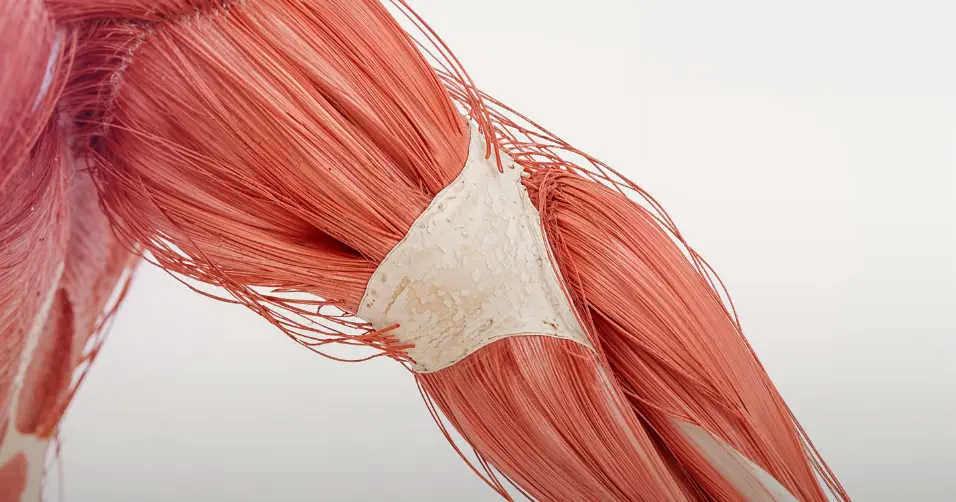





So, you're wondering about the best rep range for muscle growth, huh?
It's a question a lot of people have when they start hitting the gym more seriously. You see folks doing all sorts of reps, some lifting super heavy for just a few reps, others going lighter for way more. It can get confusing trying to figure out what actually works for getting bigger muscles. Let's break down what the science and the gym veterans say about hitting those gains.
Hypertrophy Rep Range
Okay, so let's talk about building muscle, or hypertrophy. For a long time, the go-to idea was that you had to stick to a specific rep range, usually somewhere between 8 and 12 reps per set, to get the best muscle growth. This is often called the 'hypertrophy zone'. The thinking was that this range hit a sweet spot for stimulating muscle fibers and causing them to get bigger.
While that 8-12 rep range is still a solid bet for many people, recent research suggests it's not the only way to build muscle. It turns out, you can actually get good muscle growth across a pretty wide range of repetitions, as long as you're lifting a challenging weight. We're talking loads that are at least 30% of what you can lift for one max rep (30% 1RM).
So, why the 8-12 rep range popularity? Well, it's often seen as a practical middle ground. Lifting lighter weights for more reps (like 15+) can take a lot of time and get pretty uncomfortable due to that burning sensation. On the other hand, lifting super heavy weights for very few reps (1-5) might not be the most time-efficient for pure size gains and can put a lot of stress on your joints over time. The 8-12 range seems to balance effectiveness with manageability for most folks.
Here's a quick breakdown of how different rep ranges are often viewed:
8-12 Reps: Generally considered the sweet spot for muscle growth. It balances mechanical tension and metabolic stress.
1-7 Reps: More focused on building strength and power, though some hypertrophy can still occur.
13+ Reps: Primarily targets muscular endurance, but can also contribute to hypertrophy, especially if taken close to failure.
Ultimately, the key is to challenge your muscles. Whether you're doing 8 reps or 12 reps, if you're pushing yourself close to your limit on those last few reps, you're likely stimulating muscle growth.
Strength And Power Rep Range
When you're aiming to get seriously strong or develop explosive power, you're generally looking at the lower end of the repetition spectrum. Think sets of 1 to 5 reps. This is where you're lifting heavy weights, often close to your maximum for one lift (your 1RM). The idea here is to train your nervous system to fire more efficiently, teaching your muscles to produce a lot of force very quickly. It's not just about brute strength, though; this kind of training can also help you get used to pushing yourself to your absolute limit, which has its own mental benefits.
This approach is super important for athletes in sports that demand quick bursts of energy, like sprinting, jumping, or throwing. It's about maximizing force production in a short amount of time.
Here's a quick rundown:
Rep Range: Typically 1-5 reps per set.
Weight: Heavy, often 85% of your 1RM or more.
Focus: Maximal force production and neuromuscular efficiency.
Benefits: Increased maximal strength, improved power output, enhanced rate of force development.
It's worth noting that lifting this heavy requires good form and a solid plan. You can't just jump into it without proper preparation, or you might risk injury. Plus, it's not the best way to build a lot of muscle mass on its own, but it's definitely a cornerstone for building raw strength and power.
Muscular Endurance Rep Range
Alright, let's talk about muscular endurance. This is basically your muscles' ability to keep going, to perform a movement over and over again without getting totally wiped out. Think about doing a bunch of push-ups or holding a plank for a long time. That's muscular endurance in action.
When you're aiming to build this kind of stamina, you're generally looking at higher repetition ranges. We're talking sets of 15 reps or more. The weights you'll be using are lighter compared to what you'd lift for pure strength or even hypertrophy. The main goal here isn't to lift the heaviest weight possible, but to keep the muscles working for an extended period.
So, what's actually happening when you train for muscular endurance?
Improved Buffering Capacity: Your muscles get better at handling the byproducts of intense work, like lactic acid. This means they can keep firing for longer before fatigue really sets in.
Increased Capillarization: More tiny blood vessels develop around your muscle fibers. This is good because it means more oxygen and nutrients can get to the muscles, and waste products can be removed more efficiently.
Enhanced Oxidative Capacity: Your muscles become more efficient at using oxygen to produce energy. This is a big deal for any activity that requires sustained effort.
It's not just about doing endless reps, though. You still want to challenge yourself. While you don't necessarily need to go to complete failure on every single set, you should feel a significant burn and fatigue by the end of your reps. Some people use a velocity-based approach, stopping a set when the speed of their reps drops by a certain percentage, like 10% or 20%. This helps ensure you're still working hard enough to stimulate adaptation without just going through the motions.
The key takeaway is that training for muscular endurance involves higher reps with lighter loads to improve your muscles' ability to resist fatigue over time. It's a different goal than building massive muscles or lifting super heavy weights, and it requires a different approach to your training.
Moderate Repetition Scheme
When people talk about building muscle, they often mention a specific range of reps, and that's usually the moderate one. We're talking about doing somewhere between 8 and 12 repetitions for each set. This range is pretty popular because it seems to hit a sweet spot for muscle growth, or hypertrophy.
Think of it like this: you're lifting a weight that's challenging enough that you can't do way more than 12 reps, but not so heavy that you can only manage a few. This sweet spot is often considered the go-to for making muscles bigger.
Here's a quick breakdown of why this range is so talked about:
Mechanical Tension: Lifting moderate weights for a moderate number of reps creates a good amount of tension within the muscle fibers. This tension is a big signal for muscles to grow.
Metabolic Stress: Doing 8-12 reps also builds up metabolic byproducts in the muscle, like lactate. This
Low Repetition Scheme
When you're aiming to get seriously strong, lifting heavy weights for fewer reps is the way to go. We're talking about lifting weights that are pretty challenging, usually in the range of 1 to 5 repetitions per set. This means you're using a weight that's about 80% to 100% of what you can lift just once (your 1-rep max, or 1RM).
Why does this work? Well, lifting super heavy forces your muscles and nervous system to adapt to handle that intense load. It's all about building raw strength and power. Think of powerlifters or Olympic weightlifters – they spend a lot of time in this low-rep, high-weight zone.
Here's a quick rundown:
Rep Range: 1-5 reps per set.
Weight: 80-100% of your 1-rep max (1RM).
Primary Goal: Maximize strength and power development.
Rest Between Sets: Typically longer, around 2-5 minutes, to allow for full recovery so you can hit those heavy lifts hard each set.
High Reps Vs Low Reps
High reps build endurance, while low reps build strength and size when paired with heavy weights.
High reps vs low reps training affects muscle size and strength differently. Low reps (4–6) with heavy weights build strength and power. High reps (12–20) with moderate weight improve muscle endurance and tone. For hypertrophy, moderate reps (6–12) combine both benefits. Varying rep ranges prevents plateaus and enhances balanced muscle development.
Low reps target neural efficiency and maximal force output.
High reps create metabolic stress for muscle definition and stamina.
Moderate ranges optimize time under tension for muscle growth.
Rotating rep styles promotes continual adaptation and progress.
Hypertrophy Rep Range
Okay, so let's talk about building muscle, or hypertrophy. For a long time, the go-to idea was that you had to stick to a specific rep range, usually somewhere between 8 and 12 reps per set, to get the best muscle growth. This is often called the 'hypertrophy zone'. The thinking was that this range hit a sweet spot for stimulating muscle fibers and causing them to get bigger.
While that 8-12 rep range is still a solid bet for many people, recent research suggests it's not the only way to build muscle. It turns out, you can actually get good muscle growth across a pretty wide range of repetitions, as long as you're lifting a challenging weight. We're talking loads that are at least 30% of what you can lift for one max rep (30% 1RM).
So, why the 8-12 rep range popularity? Well, it's often seen as a practical middle ground. Lifting lighter weights for more reps (like 15+) can take a lot of time and get pretty uncomfortable due to that burning sensation. On the other hand, lifting super heavy weights for very few reps (1-5) might not be the most time-efficient for pure size gains and can put a lot of stress on your joints over time. The 8-12 range seems to balance effectiveness with manageability for most folks.
Here's a quick breakdown of how different rep ranges are often viewed:
8-12 Reps: Generally considered the sweet spot for muscle growth. It balances mechanical tension and metabolic stress.
1-7 Reps: More focused on building strength and power, though some hypertrophy can still occur.
13+ Reps: Primarily targets muscular endurance, but can also contribute to hypertrophy, especially if taken close to failure.
Ultimately, the key is to challenge your muscles. Whether you're doing 8 reps or 12 reps, if you're pushing yourself close to your limit on those last few reps, you're likely stimulating muscle growth.
Strength And Power Rep Range
When you're aiming to get seriously strong or develop explosive power, you're generally looking at the lower end of the repetition spectrum. Think sets of 1 to 5 reps. This is where you're lifting heavy weights, often close to your maximum for one lift (your 1RM). The idea here is to train your nervous system to fire more efficiently, teaching your muscles to produce a lot of force very quickly. It's not just about brute strength, though; this kind of training can also help you get used to pushing yourself to your absolute limit, which has its own mental benefits.
This approach is super important for athletes in sports that demand quick bursts of energy, like sprinting, jumping, or throwing. It's about maximizing force production in a short amount of time.
Here's a quick rundown:
Rep Range: Typically 1-5 reps per set.
Weight: Heavy, often 85% of your 1RM or more.
Focus: Maximal force production and neuromuscular efficiency.
Benefits: Increased maximal strength, improved power output, enhanced rate of force development.
It's worth noting that lifting this heavy requires good form and a solid plan. You can't just jump into it without proper preparation, or you might risk injury. Plus, it's not the best way to build a lot of muscle mass on its own, but it's definitely a cornerstone for building raw strength and power.
Muscular Endurance Rep Range
Alright, let's talk about muscular endurance. This is basically your muscles' ability to keep going, to perform a movement over and over again without getting totally wiped out. Think about doing a bunch of push-ups or holding a plank for a long time. That's muscular endurance in action.
When you're aiming to build this kind of stamina, you're generally looking at higher repetition ranges. We're talking sets of 15 reps or more. The weights you'll be using are lighter compared to what you'd lift for pure strength or even hypertrophy. The main goal here isn't to lift the heaviest weight possible, but to keep the muscles working for an extended period.
So, what's actually happening when you train for muscular endurance?
Improved Buffering Capacity: Your muscles get better at handling the byproducts of intense work, like lactic acid. This means they can keep firing for longer before fatigue really sets in.
Increased Capillarization: More tiny blood vessels develop around your muscle fibers. This is good because it means more oxygen and nutrients can get to the muscles, and waste products can be removed more efficiently.
Enhanced Oxidative Capacity: Your muscles become more efficient at using oxygen to produce energy. This is a big deal for any activity that requires sustained effort.
It's not just about doing endless reps, though. You still want to challenge yourself. While you don't necessarily need to go to complete failure on every single set, you should feel a significant burn and fatigue by the end of your reps. Some people use a velocity-based approach, stopping a set when the speed of their reps drops by a certain percentage, like 10% or 20%. This helps ensure you're still working hard enough to stimulate adaptation without just going through the motions.
The key takeaway is that training for muscular endurance involves higher reps with lighter loads to improve your muscles' ability to resist fatigue over time. It's a different goal than building massive muscles or lifting super heavy weights, and it requires a different approach to your training.
Moderate Repetition Scheme
When people talk about building muscle, they often mention a specific range of reps, and that's usually the moderate one. We're talking about doing somewhere between 8 and 12 repetitions for each set. This range is pretty popular because it seems to hit a sweet spot for muscle growth, or hypertrophy.
Think of it like this: you're lifting a weight that's challenging enough that you can't do way more than 12 reps, but not so heavy that you can only manage a few. This sweet spot is often considered the go-to for making muscles bigger.
Here's a quick breakdown of why this range is so talked about:
Mechanical Tension: Lifting moderate weights for a moderate number of reps creates a good amount of tension within the muscle fibers. This tension is a big signal for muscles to grow.
Metabolic Stress: Doing 8-12 reps also builds up metabolic byproducts in the muscle, like lactate. This
Low Repetition Scheme
When you're aiming to get seriously strong, lifting heavy weights for fewer reps is the way to go. We're talking about lifting weights that are pretty challenging, usually in the range of 1 to 5 repetitions per set. This means you're using a weight that's about 80% to 100% of what you can lift just once (your 1-rep max, or 1RM).
Why does this work? Well, lifting super heavy forces your muscles and nervous system to adapt to handle that intense load. It's all about building raw strength and power. Think of powerlifters or Olympic weightlifters – they spend a lot of time in this low-rep, high-weight zone.
Here's a quick rundown:
Rep Range: 1-5 reps per set.
Weight: 80-100% of your 1-rep max (1RM).
Primary Goal: Maximize strength and power development.
Rest Between Sets: Typically longer, around 2-5 minutes, to allow for full recovery so you can hit those heavy lifts hard each set.
While the main focus here is strength, you'll still get some muscle growth (hypertrophy) from this, especially if you're newer to lifting. It's just not the primary adaptation you're chasing compared to moderate rep ranges. The key is to pick a weight that makes those 1-5 reps feel really tough, but still allows you to maintain good form throughout the set. Don't sacrifice technique for more weight; that's a fast track to getting hurt.
High Repetition Scheme
So, you're looking at doing a lot of reps, like 15 or more per set, with weights that feel pretty light, maybe less than 60% of what you can lift just once. This is what we call a high repetition scheme. It's not really about getting super strong in the heavy lifting sense, but it's pretty good for building up your muscular endurance. Think about it: if you can do 20 reps easily, your muscles get used to working for longer periods without getting tired. This is great for activities where you need to keep going for a while, like long runs or certain sports.
While it might not be the fastest way to build big muscles compared to lifting heavier for fewer reps, it definitely has its place. It can be a good way to finish off a workout, or for people who are just starting out and need to get a feel for the movements without risking injury. Plus, some muscles, like those in your calves or your upper back, tend to have more of the slow-twitch fibers that respond well to this kind of training. It's all about picking the right tool for the job, you know?
Repetition Continuum
So, the idea of the repetition continuum is basically this concept that different rep ranges are good for different things. Like, if you lift super heavy for only a few reps, you get stronger. If you lift lighter for a lot of reps, you build endurance. It's kind of like a spectrum, right?
For a long time, people really bought into this. The thinking was that you had these distinct zones: low reps for strength, high reps for endurance, and somewhere in the middle for muscle size (hypertrophy). It made sense on paper. You'd see studies suggesting that if you wanted to get stronger, you had to lift heavy, and if you wanted to improve your endurance, you had to do tons of reps.
But here's the thing: it's not quite that black and white. More recent research has started to poke holes in this strict separation. While there's definitely some truth to it – heavy lifting is great for strength, and high reps do help with endurance – it turns out your body is a bit more adaptable than we initially thought.
Think about it like this:
Strength: Lifting really heavy weights (think 1-5 reps) is still the king for getting your absolute strength up. Your nervous system learns to recruit more muscle fibers all at once.
Muscular Endurance: Doing higher reps (like 15+) with lighter weights helps your muscles resist fatigue over longer periods. Your body gets better at using oxygen and clearing out waste products.
Hypertrophy (Muscle Size): This is where it gets interesting. The middle ground (often cited as 6-12 reps) is still a sweet spot for building muscle mass. However, studies now show you can get pretty good muscle growth even when training at lower or higher rep ranges, as long as you're pushing yourself close to failure.
The big takeaway is that while specific rep ranges might be optimal for certain goals, you can achieve a lot of different adaptations across a much wider range of repetitions. It’s less about hitting a magic number and more about the overall effort and stimulus you provide to your muscles. So, don't be afraid to mix things up and explore different rep schemes to keep your body guessing and growing.
Size Principle
So, you're wondering how your muscles actually decide which fibers to recruit when you lift something, right? It's not random. There's this thing called the size principle, and it's pretty neat. Basically, your body likes to be efficient. When you start lifting, it calls upon the smallest, weakest muscle fibers first. Think of them as the go-to guys for light tasks.
As the weight gets heavier, or the effort increases, your body has to bring in more help. It starts recruiting progressively larger and stronger muscle fibers. It's like calling in reinforcements. This happens in a specific order, from smallest to largest. This ordered recruitment is key to how we get stronger and build muscle.
Here's a simplified look at how it generally works:
Type I Fibers: These are your endurance fibers. They're small, don't generate a ton of force, but they can keep going for a long time. They're the first ones activated, even with light weights.
Type IIa Fibers: These are a bit bigger and stronger than Type I. They can produce more force and are used for moderate-intensity activities. They get recruited when the Type I fibers aren't quite enough.
Type IIx Fibers: These are the biggest, strongest, and most powerful fibers. They generate the most force but also fatigue the quickest. They're only called into action when you're lifting really heavy or pushing close to your maximum effort.
Understanding this helps explain why lifting heavier weights (which recruits more of those larger, Type II fibers) is often emphasized for muscle growth, though research shows that even lighter weights can be effective if you take your sets close to failure. It's all about making sure you're challenging enough of those muscle fibers to signal them to adapt and grow.
Progressive Overload
Okay, so you've been hitting the gym, doing your sets, and feeling pretty good about it. But are you actually getting stronger or building more muscle over time? If not, you might be missing out on something super important: progressive overload.
Basically, progressive overload means you're gradually increasing the stress on your muscles during workouts. Your body is pretty smart; it adapts to what you throw at it. If you keep doing the exact same thing week after week, your muscles have no reason to grow bigger or stronger. They're already handling it!
So, how do you actually do this? It's not rocket science, but it does take some planning.
Add More Weight: This is the most common way people think about progressive overload. If you can easily do 10 reps with a certain weight, try bumping it up to 12 or 15 next time, or even just adding a little more weight to the bar.
Do More Reps: If adding weight feels like too big a jump, just try to squeeze out an extra rep or two with the weight you're already using. Every little bit counts.
Increase Sets: Instead of doing 3 sets of 10, maybe try 4 sets of 10. This increases the total work your muscles have to do.
Improve Form/Tempo: Sometimes, just focusing on doing the exercise with better control, a slower negative (the lowering part of the lift), or a pause at the bottom can make it harder and more effective, even if the weight or reps stay the same.
The key is to consistently challenge your muscles just a little bit more than they're used to. Don't try to do too much too soon, though. That's a fast track to injury. Listen to your body, track your workouts (seriously, write it down!), and make small, steady improvements. That's how you keep making gains.
Rep Quality
So, we've talked a lot about reps, sets, and weight. But what about how you actually do the reps? It's not just about moving the weight from point A to point B. Think about it: you could do a sloppy, fast rep that barely engages the muscle, or you could do a controlled rep that really makes the muscle work. That's rep quality.
The goal is to make each repetition count towards your muscle growth. This means focusing on a few key things:
Control: Don't let gravity do the work. Lower the weight slowly and deliberately. This is often called the eccentric or negative part of the lift. It's where a lot of muscle damage happens, which is good for growth.
Mind-Muscle Connection: Really try to feel the muscle you're supposed to be working. Squeeze it at the top of the movement. It sounds a bit woo-woo, but it makes a big difference.
Full Range of Motion: Use the entire path the joint can move through. Don't cut reps short. This ensures you're working the muscle through its full length, which is generally better for hypertrophy.
When you're lifting heavy, it's easy to let your form slip. You might see people doing reps that look more like a jerky dance than a controlled exercise. That's not quality. It's also not safe. Focusing on good form, even if it means lifting a little less weight or doing fewer reps, will serve you much better in the long run for building muscle and staying injury-free.
Wrapping It Up
So, what's the magic number for reps? Honestly, it's not a single number. For building muscle, aiming for that 8-12 rep range seems to be the sweet spot most of the time. But don't forget that lifting heavier for fewer reps (like 1-6) is great for getting stronger, and doing more reps with lighter weight can help with endurance. The best approach? Mix it up. Throwing in different rep ranges into your workouts is a smart way to keep your body guessing, reduce the chance of getting hurt, and build well-rounded strength. Think of it like adding different spices to your cooking – a little variety makes everything better and leads to the best results in the long run.
While the main focus here is strength, you'll still get some muscle growth (hypertrophy) from this, especially if you're newer to lifting. It's just not the primary adaptation you're chasing compared to moderate rep ranges. The key is to pick a weight that makes those 1-5 reps feel really tough, but still allows you to maintain good form throughout the set. Don't sacrifice technique for more weight; that's a fast track to getting hurt.
High Repetition Scheme
So, you're looking at doing a lot of reps, like 15 or more per set, with weights that feel pretty light, maybe less than 60% of what you can lift just once. This is what we call a high repetition scheme. It's not really about getting super strong in the heavy lifting sense, but it's pretty good for building up your muscular endurance. Think about it: if you can do 20 reps easily, your muscles get used to working for longer periods without getting tired. This is great for activities where you need to keep going for a while, like long runs or certain sports.
While it might not be the fastest way to build big muscles compared to lifting heavier for fewer reps, it definitely has its place. It can be a good way to finish off a workout, or for people who are just starting out and need to get a feel for the movements without risking injury. Plus, some muscles, like those in your calves or your upper back, tend to have more of the slow-twitch fibers that respond well to this kind of training. It's all about picking the right tool for the job, you know?
Repetition Continuum
So, the idea of the repetition continuum is basically this concept that different rep ranges are good for different things. Like, if you lift super heavy for only a few reps, you get stronger. If you lift lighter for a lot of reps, you build endurance. It's kind of like a spectrum, right?
For a long time, people really bought into this. The thinking was that you had these distinct zones: low reps for strength, high reps for endurance, and somewhere in the middle for muscle size (hypertrophy). It made sense on paper. You'd see studies suggesting that if you wanted to get stronger, you had to lift heavy, and if you wanted to improve your endurance, you had to do tons of reps.
But here's the thing: it's not quite that black and white. More recent research has started to poke holes in this strict separation. While there's definitely some truth to it – heavy lifting is great for strength, and high reps do help with endurance – it turns out your body is a bit more adaptable than we initially thought.
Think about it like this:
Strength: Lifting really heavy weights (think 1-5 reps) is still the king for getting your absolute strength up. Your nervous system learns to recruit more muscle fibers all at once.
Muscular Endurance: Doing higher reps (like 15+) with lighter weights helps your muscles resist fatigue over longer periods. Your body gets better at using oxygen and clearing out waste products.
Hypertrophy (Muscle Size): This is where it gets interesting. The middle ground (often cited as 6-12 reps) is still a sweet spot for building muscle mass. However, studies now show you can get pretty good muscle growth even when training at lower or higher rep ranges, as long as you're pushing yourself close to failure.
The big takeaway is that while specific rep ranges might be optimal for certain goals, you can achieve a lot of different adaptations across a much wider range of repetitions. It’s less about hitting a magic number and more about the overall effort and stimulus you provide to your muscles. So, don't be afraid to mix things up and explore different rep schemes to keep your body guessing and growing.
Size Principle
So, you're wondering how your muscles actually decide which fibers to recruit when you lift something, right? It's not random. There's this thing called the size principle, and it's pretty neat. Basically, your body likes to be efficient. When you start lifting, it calls upon the smallest, weakest muscle fibers first. Think of them as the go-to guys for light tasks.
As the weight gets heavier, or the effort increases, your body has to bring in more help. It starts recruiting progressively larger and stronger muscle fibers. It's like calling in reinforcements. This happens in a specific order, from smallest to largest. This ordered recruitment is key to how we get stronger and build muscle.
Here's a simplified look at how it generally works:
Type I Fibers: These are your endurance fibers. They're small, don't generate a ton of force, but they can keep going for a long time. They're the first ones activated, even with light weights.
Type IIa Fibers: These are a bit bigger and stronger than Type I. They can produce more force and are used for moderate-intensity activities. They get recruited when the Type I fibers aren't quite enough.
Type IIx Fibers: These are the biggest, strongest, and most powerful fibers. They generate the most force but also fatigue the quickest. They're only called into action when you're lifting really heavy or pushing close to your maximum effort.
Understanding this helps explain why lifting heavier weights (which recruits more of those larger, Type II fibers) is often emphasized for muscle growth, though research shows that even lighter weights can be effective if you take your sets close to failure. It's all about making sure you're challenging enough of those muscle fibers to signal them to adapt and grow.
Progressive Overload
Okay, so you've been hitting the gym, doing your sets, and feeling pretty good about it. But are you actually getting stronger or building more muscle over time? If not, you might be missing out on something super important: progressive overload.
Basically, progressive overload means you're gradually increasing the stress on your muscles during workouts. Your body is pretty smart; it adapts to what you throw at it. If you keep doing the exact same thing week after week, your muscles have no reason to grow bigger or stronger. They're already handling it!
So, how do you actually do this? It's not rocket science, but it does take some planning.
Add More Weight: This is the most common way people think about progressive overload. If you can easily do 10 reps with a certain weight, try bumping it up to 12 or 15 next time, or even just adding a little more weight to the bar.
Do More Reps: If adding weight feels like too big a jump, just try to squeeze out an extra rep or two with the weight you're already using. Every little bit counts.
Increase Sets: Instead of doing 3 sets of 10, maybe try 4 sets of 10. This increases the total work your muscles have to do.
Improve Form/Tempo: Sometimes, just focusing on doing the exercise with better control, a slower negative (the lowering part of the lift), or a pause at the bottom can make it harder and more effective, even if the weight or reps stay the same.
The key is to consistently challenge your muscles just a little bit more than they're used to. Don't try to do too much too soon, though. That's a fast track to injury. Listen to your body, track your workouts (seriously, write it down!), and make small, steady improvements. That's how you keep making gains.
Rep Quality
So, we've talked a lot about reps, sets, and weight. But what about how you actually do the reps? It's not just about moving the weight from point A to point B. Think about it: you could do a sloppy, fast rep that barely engages the muscle, or you could do a controlled rep that really makes the muscle work. That's rep quality.
The goal is to make each repetition count towards your muscle growth. This means focusing on a few key things:
Control: Don't let gravity do the work. Lower the weight slowly and deliberately. This is often called the eccentric or negative part of the lift. It's where a lot of muscle damage happens, which is good for growth.
Mind-Muscle Connection: Really try to feel the muscle you're supposed to be working. Squeeze it at the top of the movement. It sounds a bit woo-woo, but it makes a big difference.
Full Range of Motion: Use the entire path the joint can move through. Don't cut reps short. This ensures you're working the muscle through its full length, which is generally better for hypertrophy.
When you're lifting heavy, it's easy to let your form slip. You might see people doing reps that look more like a jerky dance than a controlled exercise. That's not quality. It's also not safe. Focusing on good form, even if it means lifting a little less weight or doing fewer reps, will serve you much better in the long run for building muscle and staying injury-free.
Wrapping It Up
So, what's the magic number for reps? Honestly, it's not a single number. For building muscle, aiming for that 8-12 rep range seems to be the sweet spot most of the time. But don't forget that lifting heavier for fewer reps (like 1-6) is great for getting stronger, and doing more reps with lighter weight can help with endurance. The best approach? Mix it up. Throwing in different rep ranges into your workouts is a smart way to keep your body guessing, reduce the chance of getting hurt, and build well-rounded strength. Think of it like adding different spices to your cooking – a little variety makes everything better and leads to the best results in the long run.
How Many Reps For Strength?
Finding the best rep range for strength depends on the goal of maximizing neural efficiency and power. Generally, 1–6 reps per set with heavy weights builds maximal strength. Longer rest periods between sets allow full recovery of the nervous system. Proper form and progressive overload are key to preventing injury. This approach suits those aiming to increase pure power rather than size.
Low reps: Ideal for activating high-twitch muscle fibers for strength output.
Heavy load: Training at 80–90% of one’s max optimizes best rep range for strength.
Rest time: Take 2–5 minutes between sets for recovery and performance consistency.
Technique focus: Proper lifting form ensures safety during high-intensity sets.
Progression: Gradually add weight to stimulate continued adaptation.
Low Weights High Reps
Low weights with high reps improve muscle tone and endurance but less hypertrophy.
Low weights and high reps workouts emphasize endurance, toning, and muscle conditioning. They increase blood flow and metabolic stress without heavy joint strain. This style suits beginners or recovery days to maintain movement and stability. While not ideal for maximum muscle gain, it supports definition and muscular endurance. Consistency improves muscle density and joint health over time.
High reps with light loads enhance muscular stamina and circulation.
Reduced strain lowers injury risk while maintaining activity.
Best combined with heavier sessions for complete strength balance.
Improves mobility, tone, and recovery efficiency when cycled properly.
Best Hypertrophy Workout
The best hypertrophy workout combines compound lifts and isolation moves in moderate rep ranges.
The best hypertrophy workout includes compound and isolation exercises across all major muscle groups. Focus on 3–5 sets of 6–12 reps with moderate rest (60–90 seconds). Compound lifts like squats, presses, and rows build size efficiently. Isolation work like curls and lateral raises refines muscle definition. Progressive overload, recovery, and nutrition complete the program.
Compound movements recruit multiple muscles for overall mass gain.
Moderate reps and rest maximize mechanical tension and fatigue balance.
Training 4–5 times weekly ensures adequate volume and recovery.
Proper diet and sleep amplify muscle synthesis and hypertrophy outcomes.
Best Rep Range For Muscle Growth
The best rep and set range for muscle growth typically falls between 6–12 reps per set with moderate weights. This rep range creates enough tension and fatigue to stimulate hypertrophy, or muscle enlargement. Training each muscle 2–3 times per week promotes steady growth. Controlled tempo and short rest intervals enhance metabolic stress, a key factor in growth. Combining volume with proper recovery ensures sustainable progress.
Moderate reps: Encourages muscle fiber growth without overloading the nervous system.
Training volume: 3–5 sets per exercise best supports best rep and set range principles.
Time under tension: Slower reps boost muscle activation and endurance.
Rest intervals: 60–90 seconds promotes metabolic fatigue for hypertrophy.
Consistency: Regularly increasing resistance maintains progress over time.
Harald Ragnarok, Editor in Chief, Myopedia
Myopedia is your to-go source for simple, practical guide to getting stronger, leaner, and healthier for the long run—bringing together biohacking, longevity, and muscle growth in one place. It breaks down what to do and why it works, with straightforward training and nutrition basics plus clear explanations of supplements and newer health tools, so you can make better choices without getting lost in hype.
Medical Disclaimer: All content on this website is intended solely for informational and educational purposes and should not be interpreted as a substitute for professional medical advice, diagnosis, or treatment, nor as encouragement or promotion for or against any particular use, product, or activity. Results may vary and are not guaranteed. No doctor–patient relationship is created by your use of this content. Always consult a qualified healthcare provider, nutritionist, or other relevant expert before starting or changing any supplement, diet, exercise, or lifestyle program. This website can contain errors. Check important information. Read our full Disclaimer.
RSS – Status – Terms of Service – Privacy Policy – Disclaimer – About Myopedia.
©2025 Myopedia™. All rights reserved.
Myopedia is your to-go source for simple, practical guide to getting stronger, leaner, and healthier for the long run—bringing together biohacking, longevity, and muscle growth in one place. It breaks down what to do and why it works, with straightforward training and nutrition basics plus clear explanations of supplements and newer health tools, so you can make better choices without getting lost in hype.
Medical Disclaimer: All content on this website is intended solely for informational and educational purposes and should not be interpreted as a substitute for professional medical advice, diagnosis, or treatment, nor as encouragement or promotion for or against any particular use, product, or activity. Results may vary and are not guaranteed. No doctor–patient relationship is created by your use of this content. Always consult a qualified healthcare provider, nutritionist, or other relevant expert before starting or changing any supplement, diet, exercise, or lifestyle program. This website can contain errors. Check important information. Read our full Disclaimer.
RSS – Status – Terms of Service – Privacy Policy – Disclaimer – About Myopedia.
©2025 Myopedia™. All rights reserved.
Myopedia is your to-go source for simple, practical guide to getting stronger, leaner, and healthier for the long run—bringing together biohacking, longevity, and muscle growth in one place. It breaks down what to do and why it works, with straightforward training and nutrition basics plus clear explanations of supplements and newer health tools, so you can make better choices without getting lost in hype.
Medical Disclaimer: All content on this website is intended solely for informational and educational purposes and should not be interpreted as a substitute for professional medical advice, diagnosis, or treatment, nor as encouragement or promotion for or against any particular use, product, or activity. Results may vary and are not guaranteed. No doctor–patient relationship is created by your use of this content. Always consult a qualified healthcare provider, nutritionist, or other relevant expert before starting or changing any supplement, diet, exercise, or lifestyle program. This website can contain errors. Check important information. Read our full Disclaimer.
RSS – Status – Terms of Service – Privacy Policy – Disclaimer – About Myopedia.
©2025 Myopedia™. All rights reserved.