Top Lactose-Free Protein Options for Sensitive Stomachs
Top Dairy-Free Proteins for Sensitive Stomachs
Dealing with a sensitive stomach can make choosing a protein powder feel like a minefield.

Whey Protein

Top Lactose-Free Protein Options for Sensitive Stomachs

Soy Protein

Rice Protein

Plant-Based Protein

Pea Protein

Leucine

Lactose-Free Protein

Is Milk Good for Muscle Growth

Is a Protein Shake a Good Breakfast
How to Get 100 Grams of Protein a Day

How Long Does Protein Powder Last

How Is Protein Powder Made

High-Protein Vegan Meals That Boost Muscle and Energy

High-Protein Chicken Recipes for Muscle Building

Gluten-Free Protein

Does Protein Keep You Awake

Cheap and Easy High-Protein Meals for Busy Days

Casein Protein

Can Protein Make You Poop More?
Best Vegetarian Protein Sources

10 Best Seafood Protein Sources to Add to Your Diet

10 Best High-Protein Vegetarian Foods for Every Meal

10 Best High-Protein Vegan Foods for Plant-Based Diets

10 Best High-Protein Meat Dishes for Muscle Growth

10 Best High-Protein Chicken Dishes You’ll Crave

10 Best Cheeses High in Protein for Healthy Diets

8 Healthy High-Protein Dinners You’ll Want Every Night

2-Minute Protein Mug Cake Recipe
Dealing with a sensitive stomach can make choosing a protein powder feel like a minefield.
You want the benefits, but not the bloat or discomfort. Luckily, there are plenty of great Lactose-Free Protein options out there that can help you meet your protein goals without the tummy troubles. We've rounded up some of the top contenders that are known for being gentle on your digestive system, so you can focus on feeling good and getting stronger.
What Is Lactose-Free Protein?
Lactose-free protein is made by removing milk sugar (lactose) for easier digestion.
Lactose-free protein is protein powder formulated without milk sugar (lactose). It’s suitable for lactose-intolerant individuals who experience digestive discomfort from dairy. Whey isolate, egg, soy, or pea protein are common lactose-free choices. These powders still deliver full amino acid profiles for muscle repair. They offer the same performance and recovery benefits as regular protein powders.
Lactose removal improves digestion and reduces bloating or gas.
Whey isolate naturally contains minimal lactose, ideal for sensitive users.
Plant-based versions offer vegan, allergen-friendly alternatives.
Protein quality and absorption remain equivalent to standard formulations.
Is Casein Protein Lactose Free?
Casein protein is not naturally lactose-free, though filtered versions can reduce lactose.
Casein protein is not fully lactose-free but contains very little lactose. Its slow-digesting nature benefits overnight recovery for most users. Those with mild intolerance can often tolerate casein well. Individuals with severe lactose sensitivity should choose lactose-free or plant-based options. Label verification ensures suitability.
Micellar casein typically contains trace lactose below 1 gram per serving.
Fermented or hydrolyzed forms may reduce lactose further.
Lactose-free alternatives provide similar slow-release properties.
Digestive enzyme supplements improve comfort for sensitive users.
Best Lactose Free Protein Powder Options
Best lactose-free protein powders include pea, soy, rice, and hydrolyzed whey isolate.
The best lactose-free protein powders include whey isolate, soy, pea, and rice proteins. Whey isolate offers the highest protein concentration with minimal lactose. Plant-based options are entirely dairy-free and rich in fiber. Egg white protein is another allergen-free, complete protein source. All support muscle growth, recovery, and balanced nutrition.
Whey isolate delivers fast absorption and complete amino acids.
Soy and pea proteins cater to vegan and lactose-intolerant individuals.
Egg protein offers excellent digestibility without dairy allergens.
Rice protein provides mild flavor and easy digestion for sensitive users.
Does Whey Protein Have Lactose?
Yes, whey protein contains lactose unless processed into isolate form with minimal lactose.
Whey protein contains lactose since it is derived from milk. Isolate forms, however, have significantly less lactose than concentrates. People with mild intolerance can often tolerate isolates comfortably. Those with severe sensitivity should consider lactose-free or plant-based options. Reading labels helps ensure digestive comfort and safety.
Concentrates may contain 2–4 grams lactose per serving.
Processing removes most lactose from isolate varieties.
Enzyme supplements assist breakdown for sensitive users.
Lactose-free alternatives prevent bloating or gas discomfort.
Does Lactose-Free Protein Work Differently From Whey?
Lactose-free protein works similarly to whey, providing complete amino acids without digestion issues.
Lactose-free protein works the same as whey in building muscle. Removing lactose does not affect amino acid composition or absorption. It supports recovery and growth equally well. Digestive comfort may even improve for sensitive individuals. Its effectiveness relies on total protein intake and workout consistency.
Lactose removal only affects carbohydrate content, not protein quality.
Muscle protein synthesis rates remain identical to standard whey.
Suitable for those managing lactose intolerance or digestive issues.
Consistent use yields equal recovery and strength results over time.
What Lactose-Free Foods Are High In Protein?
Lactose-free high-protein foods include eggs, meat, fish, quinoa, and soy products.
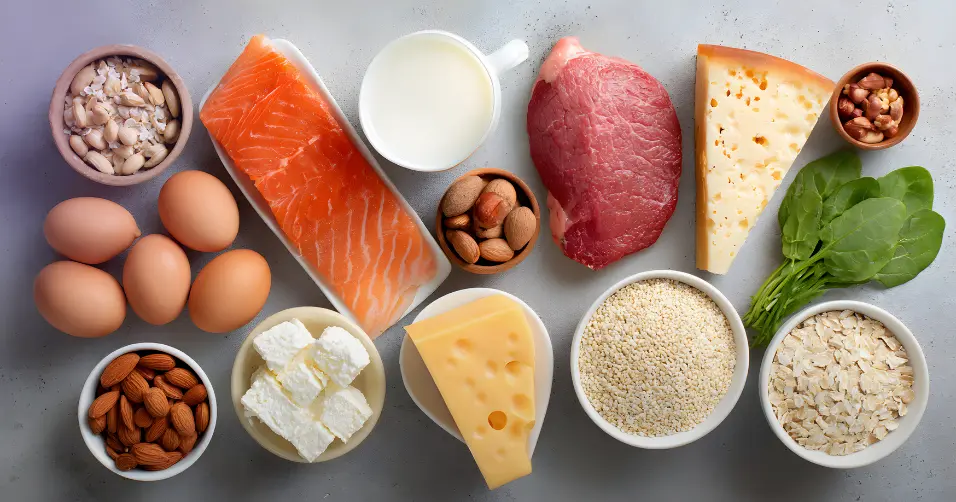
Lactose-free foods high in protein include eggs, poultry, fish, tofu, lentils, and quinoa. Plant-based options like beans, chickpeas, and seeds are excellent sources. Non-dairy yogurts fortified with protein can also fit lactose-free diets. Combining several of these ensures a full amino acid spectrum. These foods support muscle growth and weight control naturally.
Animal-based proteins deliver complete amino acids with zero lactose.
Legumes and grains complement each other for balanced plant proteins.
Non-dairy alternatives maintain digestive comfort and nutrient density.
Meal diversity ensures steady protein intake across the day.
Do Lactose-Free Protein Support Weight Loss?
Yes, lactose-free protein supports weight loss by aiding muscle retention and fullness.
Lactose-free protein can support weight loss effectively when calorie-controlled. It offers high-quality amino acids without digestive discomfort. These proteins help preserve lean mass during dieting. Choosing low-sugar, low-fat versions optimizes fat-burning potential. Proper timing post-workout maximizes recovery and metabolic benefits.
Lactose-free forms prevent bloating and improve nutrient absorption.
Protein-induced satiety reduces total calorie intake naturally.
Combining with fiber and healthy fats sustains energy balance.
Frequent moderate servings enhance daily metabolic activity.
Harald Ragnarok, Editor in Chief, Myopedia