Vitamin B12: Cobalamin
A Beginner’s Guide to Vitamin B12
Vitamin B12, a water-soluble vitamin found primarily in animal products, is vital for nerve function, red blood cell formation, and DNA synthesis. Vegans and older adults often require supplementation due to absorption challenges or dietary restrictions to prevent deficiency-related anemia or neurological issues.

Vitamin B12, also called cobalamin, is a nutrient your body needs for healthy nerve and blood cells, DNA creation, and energy production. It's water-soluble and stored in the liver.
It plays a big part in making red blood cells and is needed for the proper development of the central nervous system.
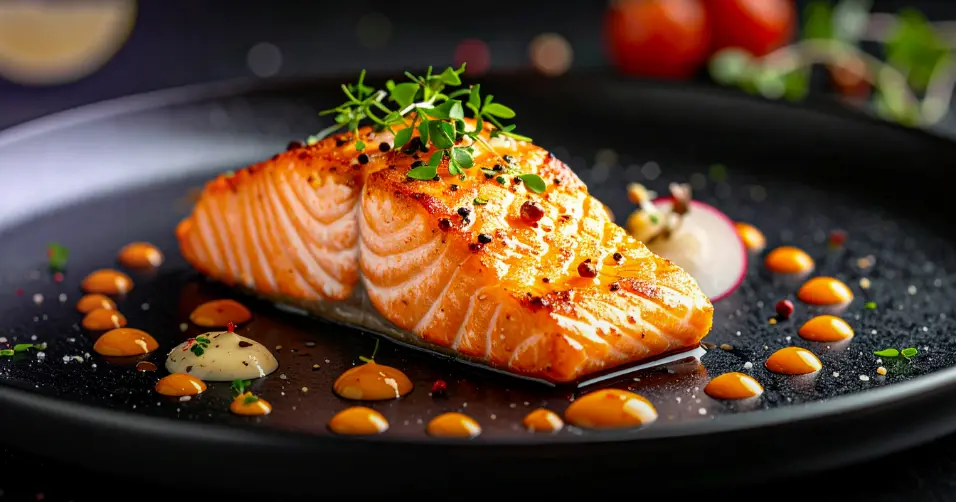
Natural sources of Vitamin B12 are animal products like meat, fish, eggs, and dairy. Fortified foods and supplements are also options, especially for those who don't eat animal products.
Certain groups, including older adults, vegetarians, vegans, and people with specific medical conditions or who've had certain surgeries, are more likely to have low Vitamin B12 levels.
Symptoms of a deficiency can include fatigue, weakness, nerve issues like tingling, and mood changes. It's generally safe, but high doses might have side effects, and it's always good to chat with a doctor about supplements.
This article is educational and not intended to diagnose, treat, or suggest any specific intervention, and should not replace qualified medical advice.





Vitamin B12: FACTS
Role | Nerve health, red blood cells, DNA synthesis |
Form & Classification | Water-soluble vitamin |
Typical Dosage & Intake | 2.4 mcg/day |
Cycling | No cycling; stored in liver |
Sources | Meat, fish, dairy, supplements |
Safety & Interactions | Very safe; deficiency common in vegans |
Dosage information is general and may vary with product brand, quality or individual needs; verify accuracy on package and consult a qualified practitioner before use.
What Does Vitamin B12 Do?
Vitamin B12 supports nerve function, red blood cell formation, and DNA synthesis.
Vitamin B12 supports healthy nerves and helps the body make DNA. It is vital for making red blood cells, preventing anemia and fatigue. B12 also supports brain function and may reduce age-related memory decline. Since it is found mainly in animal foods, vegans often require supplementation. A deficiency may cause weakness, numbness, or mood changes if not corrected early.
Vitamin B12 helps maintain the myelin sheath, a protective cover around nerves.
It is needed for normal DNA replication, keeping cells dividing properly.
B12 prevents megaloblastic anemia, which causes large, weak red blood cells.
It assists in turning food into energy by aiding metabolic pathways.
What Is Vitamin B12?
Vitamin B12 is a water-soluble vitamin needed for nerve health and red blood cell production.
Vitamin B12 is a water-soluble vitamin essential for nerve function, red blood cell production, and DNA synthesis. It is found naturally in animal foods like meat, fish, dairy, and eggs. People following plant-based diets may need fortified foods or supplements to meet their needs. Deficiency can lead to anemia, nerve damage, and fatigue. The body can store vitamin B12 in the liver for years, so deficiency may develop slowly.
Nervous system: Vitamin B12 protects nerves and supports signal transmission in the brain.
Red blood cells: It is crucial for producing healthy, oxygen-carrying blood cells.
DNA repair: B12 is involved in making and repairing genetic material.
Deficiency risk: People on vegan diets or with absorption issues are most at risk.
Which Vitamin B12 Type Is Best?
Vitamin B12 as methylcobalamin is considered more bioactive than the synthetic cyanocobalamin.
The best type of Vitamin B12 is methylcobalamin, as it is active and well used by the nervous system. Cyanocobalamin is the most common form and is effective but must be converted in the body. Hydroxocobalamin is often used in medical settings since it stays in the blood longer. For those with absorption problems, sublingual or liquid B12 is often better than tablets. Vegans and vegetarians usually benefit most from methylcobalamin or cyanocobalamin supplements.
Methylcobalamin directly supports nerve protection and brain health without extra conversion.
Cyanocobalamin is stable and effective, making it a common choice in multivitamins.
Hydroxocobalamin lasts longer in the bloodstream, useful in injections.
Sublingual forms bypass digestion and may help people with absorption issues.
How to Add Vitamin B12 to Your Diet?
Vitamin B12 is mainly obtained from fish, meat, eggs, and fortified plant foods.
To add Vitamin B12 to your diet, eat animal-based foods such as fish, meat, poultry, and dairy. For vegans, fortified foods and supplements are the main options. Because B12 absorption requires stomach acid and intrinsic factor, some people may need higher doses. Sublingual or liquid forms may bypass absorption issues. Daily or weekly intake is important to maintain healthy nerve and blood function.
Fish, beef, and dairy products provide high levels of natural Vitamin B12.
Vegans can rely on fortified cereals, plant milks, or B12 supplements.
Older adults may need supplementation due to reduced stomach acid production.
Sublingual or liquid B12 ensures better absorption for those with digestive problems.
What Are Key Ingredients of Vitamin B12?
Vitamin B12 products contain cyanocobalamin or methylcobalamin as the active ingredient.
The key ingredients of Vitamin B12 supplements are methylcobalamin, cyanocobalamin, or hydroxocobalamin. Each has a slightly different absorption profile, with methylcobalamin being the most active. Fillers and stabilizers are used in tablets or capsules to maintain form. Liquid and sublingual products may use glycerin or alcohol as carriers. Some blends include folate for improved red blood cell formation.
Methylcobalamin is the active B12 form that supports nerves and DNA synthesis.
Cyanocobalamin is widely used due to stability and cost-effectiveness.
Hydroxocobalamin lasts longer in the bloodstream, often used in injections.
Carriers such as glycerin in liquid forms ensure smooth absorption under the tongue.
Which Processes Does Vitamin B12 Affect?
Vitamin B12 affects DNA synthesis, red blood cell formation, and nerve health.
Vitamin B12 affects DNA synthesis, nerve protection, and red blood cell production. It maintains the myelin sheath, the protective cover around nerves. B12 also ensures proper cell division, especially in blood-forming tissues. Low levels disrupt these processes, causing anemia and nerve damage. Supplementation restores balance in those at risk.
B12 activates enzymes needed for DNA replication in every dividing cell.
It maintains myelin integrity, preventing nerve malfunction and numbness.
B12 enables normal red blood cell formation, preventing fatigue and weakness.
It supports metabolism by helping convert fats and carbohydrates into energy.
What Foods Contain Vitamin B12?
Vitamin B12 occurs naturally in meat, fish, eggs, and dairy.
Vitamin B12 is found naturally in animal-based foods. Rich sources include fish, shellfish, meat, poultry, and dairy products. Eggs also contribute modest amounts. Plant foods do not naturally contain Vitamin B12. Therefore, vegans must rely on fortified foods or supplements.
Fish and shellfish provide highly concentrated natural Vitamin B12.
Meat and poultry are reliable daily dietary sources.
Dairy products like milk and cheese offer smaller but steady contributions.
Eggs supply some Vitamin B12, though in lower amounts than meat or fish.
Is Vitamin B12 Vegan?
Vitamin B12 is suitable for vegans only if produced by bacterial fermentation and fortified into foods or supplements.
Vitamin B12 is not naturally vegan, as it comes from animal foods. Plant foods do not provide reliable amounts. However, vegan-friendly B12 supplements are widely available, usually in cyanocobalamin or methylcobalamin forms. Fortified foods like plant milk and cereals are essential for vegans. Without supplementation, deficiency is very likely over time.
Animal foods like fish and meat are natural sources, but not vegan-friendly.
Fortified cereals and plant milks provide vegan options for daily intake.
Synthetic B12 in supplements is vegan and highly effective.
Long-term vegans require supplementation to avoid anemia and nerve issues.
Will Vitamin B12 Break a Fast?
Vitamin B12 does not break a fast as it contains no calories.
Vitamin B12 does not break a fast in its pure supplement form. It contains no calories and is often available as sublingual tablets or sprays. However, flavored lozenges may contain sugars that break fasting. Food sources like dairy or fish always break a fast. Vegans and vegetarians using synthetic B12 can safely take it during fasting windows.
B12 tablets and sprays are calorie-free and safe for fasting.
Sublingual lozenges may include sweeteners that interfere with fasting.
Animal-based food sources deliver B12 but always end fasting states.
Synthetic vegan B12 allows fasting compliance without nutrient compromise.
Breaking a fast here is strictly physiological (e.g., insulin effects). When we say a supplement ‘does not break a fast,’ we mean it has negligible calories in normal use and is unlikely to disrupt fasting metabolism. Certain traditions or religious rules may treat any intake as breaking a fast—please follow your tradition and health needs.
How to Pick the Best Vitamin B12?
Vitamin B12 should be chosen in methylcobalamin form and confirmed by third-party purity testing.
For high-quality Vitamin B12, look for active forms like methylcobalamin or adenosylcobalamin. Check that the product is free from artificial sweeteners, especially in sublingual forms. Independent third-party testing should confirm purity and potency. Vegan-friendly products are usually synthetic, so check labels. Choose stable forms with clear dosage information.
Methylcobalamin supports direct nerve and DNA functions without conversion.
Clean formulas avoid unnecessary sugars or artificial ingredients in lozenges.
Third-party lab checks ensure accurate B12 content and absence of contaminants.
Vegan-labeled B12 ensures compatibility with plant-based diets.
What’s the Optimal Dosage and Timing for Vitamin B12?
Vitamin B12 is often taken at 250–500 mcg daily, best absorbed on an empty stomach.
The optimal dosage and timing for Vitamin B12 is about 2.4 mcg daily for adults. Supplements often provide much higher amounts since absorption is limited. They can be taken at any time, with or without food. Sublingual forms may be used in the morning for convenience. Higher doses may be required for those with absorption issues or strict vegan diets.
Standard daily needs are 2.4 mcg, though supplements often contain larger amounts.
Limited absorption means excess amounts are excreted without harm.
Sublingual and liquid forms allow direct absorption without digestion.
Morning intake is common, but timing does not strongly affect effectiveness.
Dosage and timing information is generalized and may not be appropriate for all individuals; occasional inaccuracies may occur. Variations in supplement purity, formulation, or quality can also affect dosing relevance. Verify accuracy on package and consult a qualified practitioner before use.
What Are Common Mistakes When Taking Vitamin B12?
Vitamin B12 mistakes include assuming plant foods provide enough without supplements or fortified foods.
Common mistakes with Vitamin B12 include assuming plant foods naturally provide enough. Some rely on poorly absorbed forms like cyanocobalamin without considering active versions. Skipping supplementation in vegan diets almost always leads to deficiency. High-dose supplements are safe but unnecessary for those with normal absorption. Inconsistent intake can cause fatigue and nerve problems to return.
Plant foods lack reliable Vitamin B12, so supplements or fortified foods are essential.
Methylcobalamin and adenosylcobalamin may be more effective than basic cyanocobalamin.
Vegans skipping B12 intake risk long-term neurological issues.
Irregular use interrupts red blood cell and nerve function support.
How Fast Does Vitamin B12 Work?
Vitamin B12 may take weeks to correct deficiency symptoms like fatigue.
Vitamin B12 often works quickly when deficiency is corrected. Energy and mood may improve within a week. Neurological recovery takes longer, sometimes months. Red blood cell production improves steadily over weeks. Consistent intake is required to maintain levels.
Fatigue relief may occur within 1–2 weeks of supplementation.
Blood tests show improved red cell counts after several weeks.
Nerve repair from deficiency may take months to fully recover.
Daily or weekly intake ensures sustained effectiveness.
Results may vary between individuals, and no outcome is guaranteed. A tailored supplemntation plan is the best way to ensure the desired outcome.
Does Vitamin B12 Require a Cooldown?
Vitamin B12 does not require cooldown as it is stored safely in the body.
Vitamin B12 does not require cooldowns, as it is water-soluble and excess is excreted. Daily or weekly supplementation is safe long-term. People with absorption issues may need higher doses, which are still considered safe. Stopping supplementation quickly lowers levels, especially in vegans. Continuous intake is usually recommended.
Water-soluble nature prevents harmful accumulation in the body.
Consistent use prevents fatigue and neurological symptoms from returning.
Cooldowns are unnecessary, even with high-dose supplementation.
Vegans and older adults benefit from continuous reliable intake.
The need to pause or cycle depends on individual factors such as goals, tolerance, and clinical context. No universal rule applies, and specialist review is recommended before making adjustments.
Does Tolerance Develop for Vitamin B12?
Vitamin B12 does not cause tolerance, as the body stores it efficiently.
Vitamin B12 does not cause tolerance, even at high doses. The body absorbs only what it needs and excretes the rest. Benefits continue with steady intake, especially for vegans and older adults. Stopping intake lowers blood levels over months. Regular use is needed for long-term nerve and energy support.
Vitamin B12 remains effective without adaptation or tolerance development.
Excess amounts are excreted safely, preventing reduced effect.
Daily or weekly intake maintains blood and nerve health.
Stopping intake eventually leads to deficiency but not tolerance.
Information on tolerance is generalized and may not reflect individual differences in metabolism, duration of use, or health status. Reactions can vary, and any adjustment should follow qualified practicioner's recommendations.
Can Vitamin B12 Be Stacked?
Vitamin B12 is often stacked with folate and B6 to support red blood cell formation.
Vitamin B12 stacks well with folate and B6 to support red blood cell formation. Omega-3s may complement B12 for brain protection. Iron works synergistically with B12 for preventing anemia. These stacks strengthen energy, cognition, and circulation. No harmful interactions are known with balanced dosing.
B12, folate, and B6 reduce homocysteine, lowering cardiovascular risk.
Omega-3s and B12 support memory and neurological health together.
Iron and B12 prevent fatigue and anemia when balanced properly.
Stacking enhances multiple systems including blood, brain, and heart.
Many supplements can interact in ways that enhance or alter their effects. However, stacking makes it difficult to monitor the impact of each component and increases the risk of oversupplementation or unintended interactions.
Do Vitamin B12 Effects Persist?
Vitamin B12 effects can persist for months since it is stored in the liver.
Vitamin B12 effects persist longer due to storage in the liver. Reserves can last for months to years, depending on diet and health. Deficiency symptoms may take time to appear after intake stops. Benefits continue as long as stores remain adequate. However, vegans or older adults may deplete faster and need consistent intake.
B12 stores provide protection for months even after stopping intake.
Fatigue and anemia return slowly as reserves decline.
Neurological benefits persist until liver stores are exhausted.
Regular intake prevents delayed but serious deficiency risks.
Results may vary between individuals, and no outcome is guaranteed. A tailored supplemntation plan is the best way to ensure the desired outcome.
Does Vitamin B12 Aid Longevity?
Vitamin B12 may support longevity by preventing anemia and maintaining nerve health.
Vitamin B12 supports longevity by maintaining nerve and red blood cell health. Deficiency leads to fatigue, anemia, and cognitive decline in older adults. Long-term adequate intake lowers risks of memory loss and neurological damage. Vegan diets require supplementation to sustain these benefits. Ongoing use preserves healthspan and independence.
B12 prevents megaloblastic anemia, which can shorten lifespan if untreated.
It preserves myelin, protecting nerves from age-related damage.
Low B12 in elderly populations is linked to dementia and frailty.
Consistent intake supports healthspan even if lifespan effects are indirect.
What Are Alternatives to Vitamin B12?
Vitamin B12 alternatives include fortified plant milks or nutritional yeast for vegans.
Vitamin B12 alternatives are limited, as it is unique in function. Folate and B6 support red blood cell production and cardiovascular health, partly compensating. Iron helps prevent anemia, addressing one role of B12. Omega-3s maintain brain health in aging populations. However, true replacement requires supplementation or fortified foods.
Folate and B6 reduce homocysteine and support blood health in absence of B12.
Iron prevents anemia, overlapping with one role of B12.
Omega-3s preserve brain health, complementing B12’s neurological functions.
No direct plant alternative exists, making supplements essential for vegans.
There are often alternatives that better align with personal risk profiles, preferences, or resources; comparative review with a relevant certified consultant is advised.
What Are Possible Vitamin B12 Side Effects?
Vitamin B12 side effects are rare but may include acne-like rash.
Vitamin B12 has very few side effects, as excess is excreted. Rarely, high doses may cause acne or skin rash. Some people report mild diarrhea. Injections can occasionally cause swelling or soreness at the site. Otherwise, B12 is safe for long-term use.
Skin reactions such as rash or acne may occur in rare cases.
Digestive upset like mild diarrhea is uncommon but possible.
Injections may cause local soreness or redness.
Excess is excreted, making toxicity extremely rare.
Responses differ among individuals. If adverse effects occur, discontinuation and professional evaluation are advised.
Who Should Avoid Vitamin B12?
Vitamin B12 should be avoided in excess by people with certain eye conditions like Leber’s disease.
Vitamin B12 should be avoided in very high doses by people with acne-prone skin, as it may worsen breakouts. Those with kidney disease should use caution with long-term supplementation. People with rare cobalt allergies should avoid B12 supplements. Otherwise, it is safe for most, especially those with deficiency risk. Food intake is harmless for nearly all adults.
Acne-prone individuals may see flare-ups from high-dose supplementation.
Kidney patients may accumulate excess with poorly filtered supplements.
Cobalt allergies make B12 supplementation unsafe in rare cases.
Normal dietary intake from animal products remains safe for most people.
Individuals who may be at higher risk—including those with diabetes, eating disorders, pregnancy or breastfeeding, heavy training loads, health conditions, medication use, or prior adverse reactions—should seek tailored guidance before deciding supplementation or making major supplement or lifestyle changes.
Is Vitamin B12 Available Over-the-Counter?
Vitamin B12 is sold over-the-counter in tablets, sprays, and injections in some regions.
Vitamin B12 is widely available over-the-counter in tablets, sprays, and sublingual forms. Cyanocobalamin and methylcobalamin are the common OTC versions. High-dose injections are usually prescription-only. Vegan-friendly fortified foods also provide OTC access. Pharmacies and supermarkets stock it in multiple convenient forms.
OTC B12 is sold in lozenges, sprays, and tablets.
Multivitamins almost always include some form of B12.
Injections typically require prescription for medical use.
Fortified plant foods provide accessible B12 for vegans without supplements.
For over-the-counter availability we use generic US data. Product availability and status may vary by country and region.
What’s the History of Vitamin B12?
Vitamin B12 was identified in the 1940s as the treatment for pernicious anemia.
Vitamin B12 was discovered in 1948 during research on pernicious anemia, a fatal blood disorder. Scientists isolated the compound from liver extracts. By the 1950s, its complex structure was mapped. It became the last vitamin to be fully identified. Today, it is critical in dietary supplementation, especially for vegans and older adults.
In 1948, Vitamin B12 was isolated as the cure for pernicious anemia.
Liver therapy was used before scientists understood its specific compound.
Its complex structure was solved in the 1950s, earning Nobel recognition.
B12 is now widely supplemented in populations at risk of deficiency.
Harald Ragnarok, Editor in Chief, Myopedia