10 High-Calorie Foods for Weight Gain and Healthy Bulking
Nutritious Foods That Help You Bulk Up the Healthy Way
Trying to pack on some pounds in a healthy way?


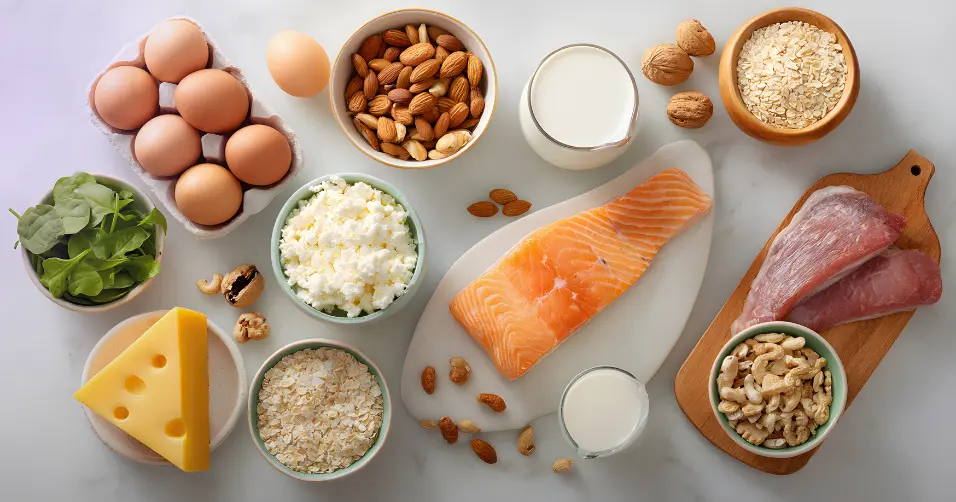



Trying to pack on some pounds in a healthy way?
It's not always as simple as just eating more. Sometimes, you need to be strategic about what you're putting into your body. If you're looking to gain weight and build muscle, focusing on high-calorie foods for weight gain is key. These foods not only give you the energy you need but also pack in the nutrients to support your goals. Let's check out some of the best options out there.
1. Rice
When you're looking to pack on some pounds, rice is a pretty solid choice. It's cheap, easy to find, and gives you a good amount of carbs and calories without a ton of fat. A single cup of cooked white rice can easily give you over 200 calories and about 44 grams of carbs. That's a lot of fuel for your body when you're trying to gain weight.
One of the best things about rice is how versatile it is. You can mix it with all sorts of things to boost the calories and flavor. Think about stirring in some butter and Parmesan cheese, or maybe some broccoli and cheese if you want a bit of green. Scrambled eggs are another easy addition that bumps up the protein. For a quick flavor and calorie boost, toasted sesame seeds, peanuts, or cashews work great too.
Rice also makes a fantastic base for other meals. You can top it with curry, pesto, or alfredo sauce. It's also a great partner for stir-fries, chili, or even picadillo. If you're short on time, those microwaveable rice packs are a lifesaver. Or, you can just make a big batch at the beginning of the week, portion it out, and then add your favorite protein and veggies. It really helps if you tend to get full quickly or just don't feel like eating a lot at one time. Rice is a simple way to add calories and carbs to your diet, making it easier to reach your weight gain goals.
2. Nuts
When you're looking to pack on some extra pounds, nuts are a fantastic option. They're small, but they pack a serious calorie punch. Think about it: a small handful can easily add a couple hundred calories to your day without making you feel stuffed. This is super helpful when you're trying to eat more overall.
Nuts are loaded with healthy fats, protein, and a bunch of vitamins and minerals. The type of fat, mostly monounsaturated, is the good kind that helps your body out. Plus, they taste great whether you eat them plain, toss them in a salad, or mix them with dried fruit for a trail mix.
Here's a quick look at how some common nuts stack up calorie-wise:
Nut Type | Serving Size | Approximate Calories |
|---|---|---|
Almonds | 1 ounce | 160-170 |
Walnuts | 1 ounce | 185-190 |
Pistachios | 1 ounce | 155-160 |
Cashews | 1 ounce | 155-160 |
Don't forget about nut butters, either! They offer many of the same benefits. Spreading a couple of tablespoons of natural peanut butter on an apple or banana is an easy way to boost your calorie intake. Just try to stick with natural versions that don't have a lot of added sugar or oils. Making your own nut butter is also a simple way to control what goes in.
3. Red Meats
When you're looking to pack on some serious mass, red meats like beef and pork are definitely worth considering. They're loaded with protein, which is what your muscles need to grow after a tough workout. Plus, red meat has an amino acid called leucine, and that's a big player in getting your body to build more muscle. You'll also find creatine in red meat, which is pretty important for getting stronger and bigger.
Now, while lean cuts are good for you, don't shy away from the fattier options if your goal is to gain weight. Those extra calories from the fat can really help you reach your target. Some research even suggests that eating red meat, especially when you're lifting weights, can help you build more muscle and even slow down muscle loss as you get older. Just remember to keep things balanced, as with any food group.
Here's a quick look at what some common red meats offer:
Meat Type (approx. 3 oz / 85g) | Calories | Protein (g) | Fat (g) |
|---|---|---|---|
Steak | 228 | 24 | 2.5 |
Ground Beef (80/20) | 230 | 20 | 15 |
Pork Chop | 180 | 22 | 9 |
For easier digestion and to add calories without much fuss, consider ground red meat. It's a staple in many hearty meals and provides all the same benefits with less chewing required.
4. Complex Carbohydrates
When you're trying to pack on some serious mass, complex carbohydrates are your best friend. They're not just about adding calories; they're about providing sustained energy that fuels your workouts and recovery. Think of them as the slow-burning fuel for your body's engine.
Unlike simple sugars that hit you fast and then leave you crashing, complex carbs break down gradually. This means a more even energy release throughout the day, which is super helpful when you're training hard. Plus, many of these foods come loaded with other good stuff like fiber, vitamins, and minerals.
Here are some top picks for complex carbs to add to your bulking menu:
Oats: A classic for a reason. You can have them as oatmeal, add them to smoothies, or even bake with them. They're versatile and provide steady energy.
Quinoa: This grain is a complete protein and a great source of carbs. It works well as a side dish or mixed into salads.
Potatoes and Sweet Potatoes: Whether baked, roasted, or mashed, these are calorie-dense and packed with nutrients. Don't shy away from the skins – that's where a lot of the fiber is.
Beans and Legumes: Lentils, chickpeas, black beans – these are fantastic for adding carbs, protein, and fiber. They can bulk up any meal.
To really boost the calorie count of your complex carbs, try adding healthy fats. Drizzle some olive oil over roasted potatoes, sprinkle cheese on your quinoa, or add a dollop of sour cream. These simple additions make a big difference in your daily intake without making your meals feel overly complicated.
5. Oily Fish
When you're looking to pack on some pounds, oily fish like salmon, mackerel, and herring are a solid choice. They're not just about protein, though that's a big part of it. These fish are loaded with omega-3 fatty acids, which are good for your heart and overall health. Think of them as a way to gain weight that also comes with some nice health perks.
A typical fillet of Atlantic salmon, for instance, can give you around 155 calories, a good chunk of protein (about 22 grams), and 7 grams of healthy fats. That's a pretty decent calorie boost without going overboard on things that aren't good for you.
Here are a few ways to get more oily fish into your diet:
Salmon Salad: Mix canned salmon with a bit of Greek yogurt or mayonnaise, maybe some chopped celery, and serve it over greens.
Smoked Salmon Snack: Spread some cream cheese on whole-grain crackers and top with smoked salmon. Add a slice of cucumber if you like.
Tuna Salad Swap: Use canned salmon instead of tuna in your favorite tuna salad recipe. Add a little extra olive oil for more calories.
Baked Salmon with Veggies: Bake a salmon fillet alongside some potatoes or sweet potatoes. The fish adds calories and nutrients, and the starchy vegetables help too.
6. Eggs
Eggs are a fantastic addition to any weight gain plan. They're super convenient, pretty affordable, and pack a good punch of protein and healthy fats. A single large egg has about 74 calories, so eating a couple can really add up. Don't be afraid to eat the whole egg, because most of the good stuff, like vitamins and minerals, is actually in the yolk.
For most people, unless you have a specific allergy or intolerance, there's really no need to stress about how many eggs you eat. You can easily incorporate three or more into your daily meals. They're also incredibly versatile. You can boil them for a quick snack, scramble them with veggies for breakfast, or even bake them into muffins.
1. Avocados
Calories: ~250 per fruit
Nutrients: Healthy monounsaturated fats, potassium, fiber, vitamins E, C, and B6.
Tip: Add to smoothies, toast, or salads.
1. Rice
When you're looking to pack on some pounds, rice is a pretty solid choice. It's cheap, easy to find, and gives you a good amount of carbs and calories without a ton of fat. A single cup of cooked white rice can easily give you over 200 calories and about 44 grams of carbs. That's a lot of fuel for your body when you're trying to gain weight.
One of the best things about rice is how versatile it is. You can mix it with all sorts of things to boost the calories and flavor. Think about stirring in some butter and Parmesan cheese, or maybe some broccoli and cheese if you want a bit of green. Scrambled eggs are another easy addition that bumps up the protein. For a quick flavor and calorie boost, toasted sesame seeds, peanuts, or cashews work great too.
Rice also makes a fantastic base for other meals. You can top it with curry, pesto, or alfredo sauce. It's also a great partner for stir-fries, chili, or even picadillo. If you're short on time, those microwaveable rice packs are a lifesaver. Or, you can just make a big batch at the beginning of the week, portion it out, and then add your favorite protein and veggies. It really helps if you tend to get full quickly or just don't feel like eating a lot at one time. Rice is a simple way to add calories and carbs to your diet, making it easier to reach your weight gain goals.
2. Nuts
When you're looking to pack on some extra pounds, nuts are a fantastic option. They're small, but they pack a serious calorie punch. Think about it: a small handful can easily add a couple hundred calories to your day without making you feel stuffed. This is super helpful when you're trying to eat more overall.
Nuts are loaded with healthy fats, protein, and a bunch of vitamins and minerals. The type of fat, mostly monounsaturated, is the good kind that helps your body out. Plus, they taste great whether you eat them plain, toss them in a salad, or mix them with dried fruit for a trail mix.
Here's a quick look at how some common nuts stack up calorie-wise:
Nut Type | Serving Size | Approximate Calories |
|---|---|---|
Almonds | 1 ounce | 160-170 |
Walnuts | 1 ounce | 185-190 |
Pistachios | 1 ounce | 155-160 |
Cashews | 1 ounce | 155-160 |
Don't forget about nut butters, either! They offer many of the same benefits. Spreading a couple of tablespoons of natural peanut butter on an apple or banana is an easy way to boost your calorie intake. Just try to stick with natural versions that don't have a lot of added sugar or oils. Making your own nut butter is also a simple way to control what goes in.
3. Red Meats
When you're looking to pack on some serious mass, red meats like beef and pork are definitely worth considering. They're loaded with protein, which is what your muscles need to grow after a tough workout. Plus, red meat has an amino acid called leucine, and that's a big player in getting your body to build more muscle. You'll also find creatine in red meat, which is pretty important for getting stronger and bigger.
Now, while lean cuts are good for you, don't shy away from the fattier options if your goal is to gain weight. Those extra calories from the fat can really help you reach your target. Some research even suggests that eating red meat, especially when you're lifting weights, can help you build more muscle and even slow down muscle loss as you get older. Just remember to keep things balanced, as with any food group.
Here's a quick look at what some common red meats offer:
Meat Type (approx. 3 oz / 85g) | Calories | Protein (g) | Fat (g) |
|---|---|---|---|
Steak | 228 | 24 | 2.5 |
Ground Beef (80/20) | 230 | 20 | 15 |
Pork Chop | 180 | 22 | 9 |
For easier digestion and to add calories without much fuss, consider ground red meat. It's a staple in many hearty meals and provides all the same benefits with less chewing required.
4. Complex Carbohydrates
When you're trying to pack on some serious mass, complex carbohydrates are your best friend. They're not just about adding calories; they're about providing sustained energy that fuels your workouts and recovery. Think of them as the slow-burning fuel for your body's engine.
Unlike simple sugars that hit you fast and then leave you crashing, complex carbs break down gradually. This means a more even energy release throughout the day, which is super helpful when you're training hard. Plus, many of these foods come loaded with other good stuff like fiber, vitamins, and minerals.
Here are some top picks for complex carbs to add to your bulking menu:
Oats: A classic for a reason. You can have them as oatmeal, add them to smoothies, or even bake with them. They're versatile and provide steady energy.
Quinoa: This grain is a complete protein and a great source of carbs. It works well as a side dish or mixed into salads.
Potatoes and Sweet Potatoes: Whether baked, roasted, or mashed, these are calorie-dense and packed with nutrients. Don't shy away from the skins – that's where a lot of the fiber is.
Beans and Legumes: Lentils, chickpeas, black beans – these are fantastic for adding carbs, protein, and fiber. They can bulk up any meal.
To really boost the calorie count of your complex carbs, try adding healthy fats. Drizzle some olive oil over roasted potatoes, sprinkle cheese on your quinoa, or add a dollop of sour cream. These simple additions make a big difference in your daily intake without making your meals feel overly complicated.
5. Oily Fish
When you're looking to pack on some pounds, oily fish like salmon, mackerel, and herring are a solid choice. They're not just about protein, though that's a big part of it. These fish are loaded with omega-3 fatty acids, which are good for your heart and overall health. Think of them as a way to gain weight that also comes with some nice health perks.
A typical fillet of Atlantic salmon, for instance, can give you around 155 calories, a good chunk of protein (about 22 grams), and 7 grams of healthy fats. That's a pretty decent calorie boost without going overboard on things that aren't good for you.
Here are a few ways to get more oily fish into your diet:
Salmon Salad: Mix canned salmon with a bit of Greek yogurt or mayonnaise, maybe some chopped celery, and serve it over greens.
Smoked Salmon Snack: Spread some cream cheese on whole-grain crackers and top with smoked salmon. Add a slice of cucumber if you like.
Tuna Salad Swap: Use canned salmon instead of tuna in your favorite tuna salad recipe. Add a little extra olive oil for more calories.
Baked Salmon with Veggies: Bake a salmon fillet alongside some potatoes or sweet potatoes. The fish adds calories and nutrients, and the starchy vegetables help too.
6. Eggs
Eggs are a fantastic addition to any weight gain plan. They're super convenient, pretty affordable, and pack a good punch of protein and healthy fats. A single large egg has about 74 calories, so eating a couple can really add up. Don't be afraid to eat the whole egg, because most of the good stuff, like vitamins and minerals, is actually in the yolk.
For most people, unless you have a specific allergy or intolerance, there's really no need to stress about how many eggs you eat. You can easily incorporate three or more into your daily meals. They're also incredibly versatile. You can boil them for a quick snack, scramble them with veggies for breakfast, or even bake them into muffins.
Here are a few ways to get more eggs into your diet:
Omelets: Load them up with cheese, veggies, and maybe some leftover chicken.
Egg Salad Sandwiches: A classic for a reason, and easy to make ahead.
Baked Egg Cups: Mix eggs with your favorite fillings and bake in muffin tins for portable meals.
Add to Dishes: Toss a fried or poached egg on top of salads, rice bowls, or even pasta for an extra boost.
7. Dark Chocolate
Okay, let's talk about dark chocolate. It's not just a treat; it can actually be a pretty smart addition to your diet when you're trying to pack on some healthy weight. Think about it – a small amount can give you a good number of calories without making you feel overly full. That's a win-win when you're aiming to eat more. Plus, it's loaded with stuff that's good for you, like antioxidants and minerals.
When you're picking some out, aim for the good stuff, usually with at least 70% cacao. This means you're getting more of the beneficial compounds and less sugar. A standard 100-gram bar with this cacao content can easily hit around 600 calories. It's also got fiber, which is nice.
How can you get more of it in your day? Well, you don't just have to eat it plain, though that's fine too. You could toss some dark chocolate chips into your morning cereal or oatmeal. It's also a great addition to homemade trail mix. Some people even like to melt it down a bit and dip fruit in it, or stir it into a warm glass of milk. If you're feeling adventurous, you can use it in recipes for energy balls or even puddings.
Here are a few ideas:
Add chocolate chips to your yogurt or oatmeal.
Melt it and use it as a dip for fruits like strawberries or bananas.
Incorporate chopped dark chocolate into homemade granola or energy bars.
Blend a small amount into smoothies for a richer flavor and extra calories.
It's a delicious way to boost your calorie intake while enjoying something sweet. Just remember, like anything, moderation is key, but for weight gain, it's a fantastic option to have in your back pocket.
8. Milk & Other Dairy Products
Milk and other dairy products have been a go-to for folks looking to pack on some pounds for ages, and for good reason. They're packed with calories, protein, and a bunch of other good stuff your body needs. Think of whole milk, for example. It's got a solid mix of protein, carbs, and fats, plus calcium and other vitamins. Some research even suggests milk can help speed up muscle growth when you're hitting the weights. It's also pretty easy on the stomach and doesn't take too long to digest, which means you can fit more food into your day.
Beyond just plain milk, there's a whole world of dairy to explore for bulking:
Greek Yogurt: This stuff is loaded with protein and good bacteria for your gut. It's super versatile – toss it in smoothies, mix it with your cereal, or just eat it plain as a snack. You can go for full-fat or lower-fat versions, depending on your needs.
Cheese: High in calories and protein, cheese can make any meal tastier and more substantial. Some cheeses, like Parmesan, even offer probiotics that are good for digestion. It's a simple way to add flavor and calories to your dishes.
Kefir: This fermented milk drink is similar to yogurt but often has even more protein and beneficial probiotics. The fermentation process breaks down some of the milk's sugars, making it easier to digest for some people.
Here's a quick look at how different dairy options stack up:
Product | Serving Size | Calories (approx.) | Protein (g) (approx.) | Notes |
|---|---|---|---|---|
Whole Milk | 1 cup (237 mL) | 150 | 8 | Good balance of macros, calcium source |
Skim Milk | 1 cup (237 mL) | 85 | 8 | Lower fat, still good protein |
Full-Fat Greek Yogurt | 1 cup (224 g) | 220 | 20 | High protein, probiotics |
Cheddar Cheese | 1 oz (28 g) | 115 | 7 | Calorie-dense, good for adding flavor |
Adding dairy to your diet is a straightforward way to increase your calorie and protein intake, supporting your weight gain goals. It's a familiar and accessible food group that can be easily incorporated into various meals and snacks throughout the day.
9. Avocados
Avocados are a fantastic addition to any diet aimed at healthy weight gain. They're packed with good fats, which are calorie-dense and beneficial for your body. Seriously, one large avocado can easily add over 300 calories to your day, and it comes with a good dose of fiber, vitamins, and minerals too.
What's great about avocados is how versatile they are. You can mash them up for avocado toast, which is a classic for a reason. Just adding half an avocado to your morning toast can bump up the calories significantly. Or, blend them into smoothies for a creamier texture and extra calories without altering the taste too much. They also make a great addition to salads, sandwiches, or even as a base for homemade guacamole.
Here are a few simple ways to get more avocado into your meals:
Slice or cube avocado and add it to your morning eggs or an evening salad.
Mash avocado and spread it on whole-grain toast, maybe with a sprinkle of chili flakes.
Blend half an avocado into your favorite fruit smoothie for added creaminess and calories.
Use mashed avocado as a healthier substitute for mayonnaise in sandwiches or wraps.
Don't be afraid to get creative; avocados are a simple way to boost the calorie count of almost any meal. They're a tasty way to get those extra calories without resorting to less healthy options.
10. Cereal Bars
When you're on the go and need a quick calorie boost, cereal bars can be a pretty decent option. Most of them pack around 150 to 200 calories, which isn't too shabby for a snack. They're also handy because they usually have a mix of carbs that digest at different speeds, making them good for before or after a workout.
Think of them as a portable way to get some extra energy into your day.
If you want to really amp up the calories and nutrients, try pairing a cereal bar with something else. A bowl of whole milk Greek yogurt, a couple of hard-boiled eggs, or even a protein shake can turn that bar into a more substantial mini-meal. It's all about stacking those calories.
Here are a few ideas for making your own cereal bars at home:
Combine rolled oats, a binder like honey or maple syrup, and some chopped nuts.
Add dried fruits such as raisins or cranberries for extra sweetness and chewiness.
Mix in seeds like chia or flax for added fiber and healthy fats.
Making your own is often simpler than you'd think, and you can control exactly what goes in. Plus, you can throw in extras like dark chocolate chips or nut butter for even more calories.
Wrapping It Up
So, there you have it. Packing on some healthy weight isn't about just eating anything you can get your hands on. It's about being smart with your food choices. By adding these calorie-dense, nutrient-packed foods into your daily meals, you're giving your body the fuel it needs to build muscle and gain weight the right way. Remember, consistency is key, and pairing these foods with a solid workout routine will really make a difference. Don't be afraid to experiment and find what works best for you. Happy bulking!
Here are a few ways to get more eggs into your diet:
Omelets: Load them up with cheese, veggies, and maybe some leftover chicken.
Egg Salad Sandwiches: A classic for a reason, and easy to make ahead.
Baked Egg Cups: Mix eggs with your favorite fillings and bake in muffin tins for portable meals.
Add to Dishes: Toss a fried or poached egg on top of salads, rice bowls, or even pasta for an extra boost.
7. Dark Chocolate
Okay, let's talk about dark chocolate. It's not just a treat; it can actually be a pretty smart addition to your diet when you're trying to pack on some healthy weight. Think about it – a small amount can give you a good number of calories without making you feel overly full. That's a win-win when you're aiming to eat more. Plus, it's loaded with stuff that's good for you, like antioxidants and minerals.
When you're picking some out, aim for the good stuff, usually with at least 70% cacao. This means you're getting more of the beneficial compounds and less sugar. A standard 100-gram bar with this cacao content can easily hit around 600 calories. It's also got fiber, which is nice.
How can you get more of it in your day? Well, you don't just have to eat it plain, though that's fine too. You could toss some dark chocolate chips into your morning cereal or oatmeal. It's also a great addition to homemade trail mix. Some people even like to melt it down a bit and dip fruit in it, or stir it into a warm glass of milk. If you're feeling adventurous, you can use it in recipes for energy balls or even puddings.
Here are a few ideas:
Add chocolate chips to your yogurt or oatmeal.
Melt it and use it as a dip for fruits like strawberries or bananas.
Incorporate chopped dark chocolate into homemade granola or energy bars.
Blend a small amount into smoothies for a richer flavor and extra calories.
It's a delicious way to boost your calorie intake while enjoying something sweet. Just remember, like anything, moderation is key, but for weight gain, it's a fantastic option to have in your back pocket.
8. Milk & Other Dairy Products
Milk and other dairy products have been a go-to for folks looking to pack on some pounds for ages, and for good reason. They're packed with calories, protein, and a bunch of other good stuff your body needs. Think of whole milk, for example. It's got a solid mix of protein, carbs, and fats, plus calcium and other vitamins. Some research even suggests milk can help speed up muscle growth when you're hitting the weights. It's also pretty easy on the stomach and doesn't take too long to digest, which means you can fit more food into your day.
Beyond just plain milk, there's a whole world of dairy to explore for bulking:
Greek Yogurt: This stuff is loaded with protein and good bacteria for your gut. It's super versatile – toss it in smoothies, mix it with your cereal, or just eat it plain as a snack. You can go for full-fat or lower-fat versions, depending on your needs.
Cheese: High in calories and protein, cheese can make any meal tastier and more substantial. Some cheeses, like Parmesan, even offer probiotics that are good for digestion. It's a simple way to add flavor and calories to your dishes.
Kefir: This fermented milk drink is similar to yogurt but often has even more protein and beneficial probiotics. The fermentation process breaks down some of the milk's sugars, making it easier to digest for some people.
Here's a quick look at how different dairy options stack up:
Product | Serving Size | Calories (approx.) | Protein (g) (approx.) | Notes |
|---|---|---|---|---|
Whole Milk | 1 cup (237 mL) | 150 | 8 | Good balance of macros, calcium source |
Skim Milk | 1 cup (237 mL) | 85 | 8 | Lower fat, still good protein |
Full-Fat Greek Yogurt | 1 cup (224 g) | 220 | 20 | High protein, probiotics |
Cheddar Cheese | 1 oz (28 g) | 115 | 7 | Calorie-dense, good for adding flavor |
Adding dairy to your diet is a straightforward way to increase your calorie and protein intake, supporting your weight gain goals. It's a familiar and accessible food group that can be easily incorporated into various meals and snacks throughout the day.
9. Avocados
Avocados are a fantastic addition to any diet aimed at healthy weight gain. They're packed with good fats, which are calorie-dense and beneficial for your body. Seriously, one large avocado can easily add over 300 calories to your day, and it comes with a good dose of fiber, vitamins, and minerals too.
What's great about avocados is how versatile they are. You can mash them up for avocado toast, which is a classic for a reason. Just adding half an avocado to your morning toast can bump up the calories significantly. Or, blend them into smoothies for a creamier texture and extra calories without altering the taste too much. They also make a great addition to salads, sandwiches, or even as a base for homemade guacamole.
Here are a few simple ways to get more avocado into your meals:
Slice or cube avocado and add it to your morning eggs or an evening salad.
Mash avocado and spread it on whole-grain toast, maybe with a sprinkle of chili flakes.
Blend half an avocado into your favorite fruit smoothie for added creaminess and calories.
Use mashed avocado as a healthier substitute for mayonnaise in sandwiches or wraps.
Don't be afraid to get creative; avocados are a simple way to boost the calorie count of almost any meal. They're a tasty way to get those extra calories without resorting to less healthy options.
10. Cereal Bars
When you're on the go and need a quick calorie boost, cereal bars can be a pretty decent option. Most of them pack around 150 to 200 calories, which isn't too shabby for a snack. They're also handy because they usually have a mix of carbs that digest at different speeds, making them good for before or after a workout.
Think of them as a portable way to get some extra energy into your day.
If you want to really amp up the calories and nutrients, try pairing a cereal bar with something else. A bowl of whole milk Greek yogurt, a couple of hard-boiled eggs, or even a protein shake can turn that bar into a more substantial mini-meal. It's all about stacking those calories.
Here are a few ideas for making your own cereal bars at home:
Combine rolled oats, a binder like honey or maple syrup, and some chopped nuts.
Add dried fruits such as raisins or cranberries for extra sweetness and chewiness.
Mix in seeds like chia or flax for added fiber and healthy fats.
Making your own is often simpler than you'd think, and you can control exactly what goes in. Plus, you can throw in extras like dark chocolate chips or nut butter for even more calories.
Wrapping It Up
So, there you have it. Packing on some healthy weight isn't about just eating anything you can get your hands on. It's about being smart with your food choices. By adding these calorie-dense, nutrient-packed foods into your daily meals, you're giving your body the fuel it needs to build muscle and gain weight the right way. Remember, consistency is key, and pairing these foods with a solid workout routine will really make a difference. Don't be afraid to experiment and find what works best for you. Happy bulking!
2. Nuts (Almonds, Walnuts, Cashews)
Calories: ~160–200 per 30g serving
Nutrients: Protein, healthy fats, fiber, magnesium, and vitamin E.
Tip: Snack between meals or sprinkle on oatmeal and yogurt.
3. Nut Butters (Peanut, Almond, Cashew)
Calories: ~90–100 per tablespoon
Nutrients: Protein, monounsaturated fats, and minerals like magnesium and potassium.
Tip: Spread on toast, fruit, or blend into shakes.
4. Whole Eggs
Calories: ~70 per egg
Nutrients: High-quality protein, healthy fats, choline, vitamin D, and B vitamins.
Tip: Eat boiled, scrambled, or in omelets with vegetables.
5. Salmon
Calories: ~230 per 100g serving
Nutrients: Omega-3 fatty acids, protein, B vitamins, and selenium.
Tip: Grill or bake with olive oil and herbs for a nutrient-dense meal.
6. Quinoa
Calories: ~220 per cooked cup
Nutrients: Complete protein, fiber, magnesium, and iron.
Tip: Use as a base for salads or as a side dish with vegetables and lean proteins.
7. Greek Yogurt (Full-Fat)
Calories: ~190 per cup
Nutrients: Protein, probiotics, calcium, and healthy fats.
Tip: Mix with honey, nuts, or fruit for a calorie-dense snack.
8. Oats
Calories: ~150 per 40g serving
Nutrients: Complex carbohydrates, fiber, B vitamins, and iron.
Tip: Cook with milk, add nut butter, and top with fruit for extra calories.
9. Sweet Potatoes
Calories: ~180 per medium potato
Nutrients: Complex carbs, fiber, beta-carotene (vitamin A), and potassium.
Tip: Roast or mash with olive oil or butter for added calories.
10. Olive Oil
Calories: ~120 per tablespoon
Nutrients: Monounsaturated fats, antioxidants, and vitamin E.
Tip: Drizzle over salads, pasta, or cooked vegetables to increase calorie intake.
Harald Ragnarok, Editor in Chief, Myopedia
Myopedia is your to-go source for simple, practical guide to getting stronger, leaner, and healthier for the long run—bringing together biohacking, longevity, and muscle growth in one place. It breaks down what to do and why it works, with straightforward training and nutrition basics plus clear explanations of supplements and newer health tools, so you can make better choices without getting lost in hype.
Medical Disclaimer: All content on this website is intended solely for informational and educational purposes and should not be interpreted as a substitute for professional medical advice, diagnosis, or treatment, nor as encouragement or promotion for or against any particular use, product, or activity. Results may vary and are not guaranteed. No doctor–patient relationship is created by your use of this content. Always consult a qualified healthcare provider, nutritionist, or other relevant expert before starting or changing any supplement, diet, exercise, or lifestyle program. This website can contain errors. Check important information. Read our full Disclaimer.
RSS – Status – Terms of Service – Privacy Policy – Disclaimer – About Myopedia.
©2025 Myopedia™. All rights reserved.
Myopedia is your to-go source for simple, practical guide to getting stronger, leaner, and healthier for the long run—bringing together biohacking, longevity, and muscle growth in one place. It breaks down what to do and why it works, with straightforward training and nutrition basics plus clear explanations of supplements and newer health tools, so you can make better choices without getting lost in hype.
Medical Disclaimer: All content on this website is intended solely for informational and educational purposes and should not be interpreted as a substitute for professional medical advice, diagnosis, or treatment, nor as encouragement or promotion for or against any particular use, product, or activity. Results may vary and are not guaranteed. No doctor–patient relationship is created by your use of this content. Always consult a qualified healthcare provider, nutritionist, or other relevant expert before starting or changing any supplement, diet, exercise, or lifestyle program. This website can contain errors. Check important information. Read our full Disclaimer.
RSS – Status – Terms of Service – Privacy Policy – Disclaimer – About Myopedia.
©2025 Myopedia™. All rights reserved.
Myopedia is your to-go source for simple, practical guide to getting stronger, leaner, and healthier for the long run—bringing together biohacking, longevity, and muscle growth in one place. It breaks down what to do and why it works, with straightforward training and nutrition basics plus clear explanations of supplements and newer health tools, so you can make better choices without getting lost in hype.
Medical Disclaimer: All content on this website is intended solely for informational and educational purposes and should not be interpreted as a substitute for professional medical advice, diagnosis, or treatment, nor as encouragement or promotion for or against any particular use, product, or activity. Results may vary and are not guaranteed. No doctor–patient relationship is created by your use of this content. Always consult a qualified healthcare provider, nutritionist, or other relevant expert before starting or changing any supplement, diet, exercise, or lifestyle program. This website can contain errors. Check important information. Read our full Disclaimer.
RSS – Status – Terms of Service – Privacy Policy – Disclaimer – About Myopedia.
©2025 Myopedia™. All rights reserved.