10 Best Seafood Protein Sources to Add to Your Diet
Ocean-Sourced Proteins to Fuel a Stronger You
Protein is super important for, well, pretty much everything your body does.

Whey Protein

Top Lactose-Free Protein Options for Sensitive Stomachs

Soy Protein
Rice Protein

Plant-Based Protein

Pea Protein

Leucine

Lactose-Free Protein

Is Milk Good for Muscle Growth

Is a Protein Shake a Good Breakfast
How to Get 100 Grams of Protein a Day

How Long Does Protein Powder Last

How Is Protein Powder Made

High-Protein Vegan Meals That Boost Muscle and Energy

High-Protein Chicken Recipes for Muscle Building

Gluten-Free Protein

Does Protein Keep You Awake

Cheap and Easy High-Protein Meals for Busy Days

Casein Protein

Can Protein Make You Poop More?
Best Vegetarian Protein Sources
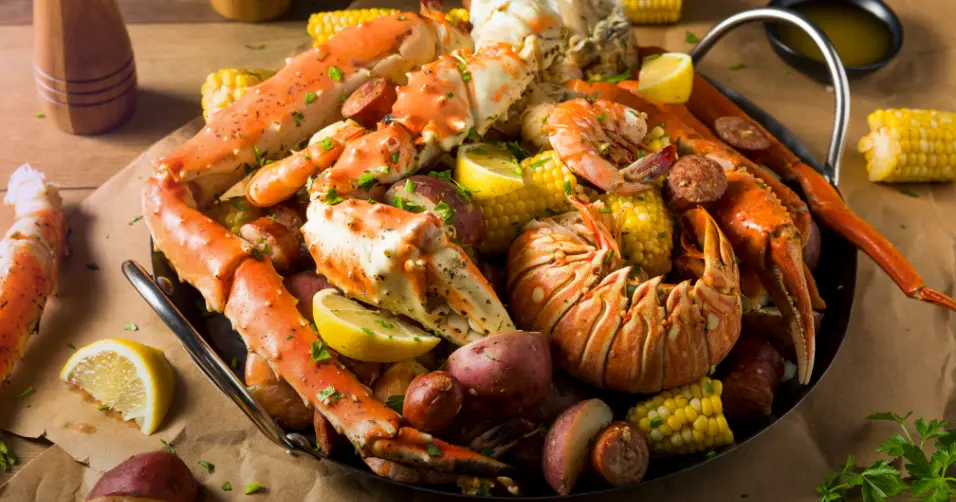
10 Best Seafood Protein Sources to Add to Your Diet
10 Best High-Protein Vegetarian Foods for Every Meal

10 Best High-Protein Vegan Foods for Plant-Based Diets

10 Best High-Protein Meat Dishes for Muscle Growth

10 Best High-Protein Chicken Dishes You’ll Crave
10 Best Cheeses High in Protein for Healthy Diets

8 Healthy High-Protein Dinners You’ll Want Every Night

2-Minute Protein Mug Cake Recipe
Protein is super important for, well, pretty much everything your body does.
And if you're looking to get more of it, seafood is a fantastic option. It's not just about the protein, either; a lot of fish and shellfish come packed with good fats like omega-3s, plus vitamins and minerals. So, whether you're trying to get stronger, recover faster after a workout, or just eat healthier overall, adding some of these seafood protein powerhouses to your plate is a smart move. Let's look at some of the best choices.
1. Tuna
Tuna is a really popular choice for a reason. It's readily available, whether you grab a can from the pantry or a fresh steak from the fish counter. A typical 5-ounce can of light tuna, packed in water, can give you about 27 grams of protein with just a little over a gram of fat. That's pretty good bang for your buck when you're trying to get more protein into your meals. Plus, it's a decent source of vitamin D, some B vitamins, and selenium.
When you're thinking about how to use it, tuna is super flexible. Canned tuna is a lifesaver for quick lunches – think tuna salad sandwiches, mixed into pasta, or just scooped onto crackers. Fresh tuna steaks are fantastic grilled or seared, and if you're into sushi or poke bowls, that's another great way to enjoy it. Just remember, if you're pregnant or planning to be, it's a good idea to stick with light tuna, as it generally has less mercury than albacore (white) tuna. The FDA suggests a couple of servings of canned light tuna a week is usually fine.
2. Salmon
Salmon is a fantastic fish to add to your meals. It's known for being loaded with good stuff, especially omega-3 fatty acids, which are great for your brain and can help with inflammation. A typical 3-ounce serving gives you about 22.5 grams of protein and a decent amount of healthy fats.
Beyond the omega-3s, salmon also brings a good dose of B vitamins, vitamin D, and selenium to the table. It's one of the few foods that naturally provides a good amount of vitamin D, which is pretty important for bone health and immune function. You can prepare salmon in so many ways – baking, grilling, pan-searing, or even air frying. Cooking it with the skin on can give you even more of those beneficial omega-3s, especially if you get the skin nice and crispy.
Here’s a quick look at what you might find in a 3-ounce cooked serving of salmon:
Nutrient | Amount |
|---|---|
Protein | ~22.5 grams |
Fat | ~4.7 grams |
Vitamin D | ~71% DV |
Selenium | Good source |
B Vitamins | Good source |
It's a really versatile fish, too. You can flake it into salads, serve it with roasted vegetables, or even use it in tacos. Just remember, whether you're buying it fresh or frozen, salmon is a solid choice for a nutritious and tasty meal.
3. Cod
Cod is a fantastic white fish that’s pretty mild in flavor and has a nice flaky texture. It’s a really accessible option, often found in fish and chips, but it’s great for so many other things too. When you're looking for a lean protein source, cod really fits the bill.
A 3-ounce serving of cooked Atlantic cod typically offers around 19 grams of protein while keeping the calorie count low, usually about 70 calories. This makes it a smart choice if you're watching your intake. It’s also quite low in fat, with less than a gram per serving. Beyond the protein, cod provides selenium, which is good for your immune system, and some B vitamins that help with energy. You'll also find omega-3 fatty acids in cod, though not as much as in fattier fish.
Here’s a quick look at what you might get from a 3-ounce serving of Atlantic cod:
Protein: ~19g
Calories: ~70
Fat: <1g
Key Nutrients: Selenium, B Vitamins, Omega-3s
Because cod is so mild, it takes on flavors really well. You can bake it with some lemon and herbs, broil it, or even sauté it. It’s also a great addition to fish tacos, soups, or stews. Just be careful not to overcook it, or it can get a bit dry. Aim for that point where it flakes easily with a fork.
4. Shrimp
Shrimp is a popular choice for a reason. It's pretty easy to find and cook, and it gives you a good amount of protein without a ton of calories. A typical 3-ounce serving of shrimp has about 20 grams of protein and around 99 calories. That's a pretty solid ratio if you're watching your intake.
Beyond just protein, shrimp also brings some other good stuff to the table. It's a source of selenium, which is important for your immune system, and iodine, which helps your thyroid do its job. Plus, the protein itself is great for keeping your muscles in good shape.
When it comes to cooking, shrimp is super fast. You can boil them, sauté them, or toss them on the grill. They work in all sorts of dishes, too. Think about adding them to salads, pasta, stir-fries, or even tacos. Their mild flavor means they pair well with lots of different seasonings, like garlic and herbs, or a squeeze of lemon. Just be careful not to overcook them, or they can get a bit rubbery. A quick cook is usually best.
Here's a quick look at how shrimp stacks up:
Nutrient | Amount (per 3 oz. serving) |
|---|---|
Protein | ~20.9 g |
Calories | ~99 |
Fat | ~0.3 g |
Selenium | Good source |
Iodine | Good source |
5. Halibut
Halibut is a fantastic option if you're looking for a lean, white fish that packs a protein punch. You'll get about 22 grams of protein for every 100 grams of halibut, which is pretty solid for muscle building and keeping you feeling full. It's not just about the protein, though. Halibut also brings magnesium and phosphorus to the table, minerals that are good for your bones and heart.
This fish has a firm, meaty texture that holds up well to different cooking methods. Grilling or baking halibut are great ways to go, especially if you want to keep it light. You can also pan-sear it for a nice crust. If you're aiming for something super delicate, try poaching or steaming it. Serving halibut with some steamed veggies or a simple salad makes for a really wholesome meal. It's a versatile fish that doesn't overpower other flavors, making it easy to incorporate into your weekly meals.
10 Best Seafood Protein Sources
Seafood provides some of the best natural sources of high-quality protein, rich in omega-3 fats and essential minerals. These options support muscle growth, heart health, and brain function while being generally low in saturated fat. Lean fish varieties offer pure protein, while fatty fish supply additional healthy fats. Most seafood cooks quickly and fits easily into balanced diets. The list below highlights ten top seafood choices for protein-rich meals.
Tuna: Very high in protein and low in fat, ideal for salads, sandwiches, or grilled dishes.
Salmon: Combines complete protein with omega-3 fatty acids that support heart and joint health.
Cod: A lean white fish that delivers solid protein with minimal calories and mild flavor.
Halibut: Dense in protein and selenium, supporting metabolism and muscle repair.
Sardines: Provide protein, calcium, and omega-3 fats; excellent when eaten whole or canned.
Shrimp: High in protein and low in calories, offering essential minerals like iodine and zinc.
Crab: Lean seafood with a sweet flavor, rich in protein and vitamin B12.
Scallops: Low-fat shellfish that supply clean, easily digestible protein and magnesium.
Mussels: Packed with protein, iron, and omega-3s, ideal for soups or steamed dishes.
Trout: A freshwater fish combining high protein content with beneficial omega fats.
1. Tuna
Tuna is a really popular choice for a reason. It's readily available, whether you grab a can from the pantry or a fresh steak from the fish counter. A typical 5-ounce can of light tuna, packed in water, can give you about 27 grams of protein with just a little over a gram of fat. That's pretty good bang for your buck when you're trying to get more protein into your meals. Plus, it's a decent source of vitamin D, some B vitamins, and selenium.
When you're thinking about how to use it, tuna is super flexible. Canned tuna is a lifesaver for quick lunches – think tuna salad sandwiches, mixed into pasta, or just scooped onto crackers. Fresh tuna steaks are fantastic grilled or seared, and if you're into sushi or poke bowls, that's another great way to enjoy it. Just remember, if you're pregnant or planning to be, it's a good idea to stick with light tuna, as it generally has less mercury than albacore (white) tuna. The FDA suggests a couple of servings of canned light tuna a week is usually fine.
2. Salmon
Salmon is a fantastic fish to add to your meals. It's known for being loaded with good stuff, especially omega-3 fatty acids, which are great for your brain and can help with inflammation. A typical 3-ounce serving gives you about 22.5 grams of protein and a decent amount of healthy fats.
Beyond the omega-3s, salmon also brings a good dose of B vitamins, vitamin D, and selenium to the table. It's one of the few foods that naturally provides a good amount of vitamin D, which is pretty important for bone health and immune function. You can prepare salmon in so many ways – baking, grilling, pan-searing, or even air frying. Cooking it with the skin on can give you even more of those beneficial omega-3s, especially if you get the skin nice and crispy.
Here’s a quick look at what you might find in a 3-ounce cooked serving of salmon:
Nutrient | Amount |
|---|---|
Protein | ~22.5 grams |
Fat | ~4.7 grams |
Vitamin D | ~71% DV |
Selenium | Good source |
B Vitamins | Good source |
It's a really versatile fish, too. You can flake it into salads, serve it with roasted vegetables, or even use it in tacos. Just remember, whether you're buying it fresh or frozen, salmon is a solid choice for a nutritious and tasty meal.
3. Cod
Cod is a fantastic white fish that’s pretty mild in flavor and has a nice flaky texture. It’s a really accessible option, often found in fish and chips, but it’s great for so many other things too. When you're looking for a lean protein source, cod really fits the bill.
A 3-ounce serving of cooked Atlantic cod typically offers around 19 grams of protein while keeping the calorie count low, usually about 70 calories. This makes it a smart choice if you're watching your intake. It’s also quite low in fat, with less than a gram per serving. Beyond the protein, cod provides selenium, which is good for your immune system, and some B vitamins that help with energy. You'll also find omega-3 fatty acids in cod, though not as much as in fattier fish.
Here’s a quick look at what you might get from a 3-ounce serving of Atlantic cod:
Protein: ~19g
Calories: ~70
Fat: <1g
Key Nutrients: Selenium, B Vitamins, Omega-3s
Because cod is so mild, it takes on flavors really well. You can bake it with some lemon and herbs, broil it, or even sauté it. It’s also a great addition to fish tacos, soups, or stews. Just be careful not to overcook it, or it can get a bit dry. Aim for that point where it flakes easily with a fork.
4. Shrimp
Shrimp is a popular choice for a reason. It's pretty easy to find and cook, and it gives you a good amount of protein without a ton of calories. A typical 3-ounce serving of shrimp has about 20 grams of protein and around 99 calories. That's a pretty solid ratio if you're watching your intake.
Beyond just protein, shrimp also brings some other good stuff to the table. It's a source of selenium, which is important for your immune system, and iodine, which helps your thyroid do its job. Plus, the protein itself is great for keeping your muscles in good shape.
When it comes to cooking, shrimp is super fast. You can boil them, sauté them, or toss them on the grill. They work in all sorts of dishes, too. Think about adding them to salads, pasta, stir-fries, or even tacos. Their mild flavor means they pair well with lots of different seasonings, like garlic and herbs, or a squeeze of lemon. Just be careful not to overcook them, or they can get a bit rubbery. A quick cook is usually best.
Here's a quick look at how shrimp stacks up:
Nutrient | Amount (per 3 oz. serving) |
|---|---|
Protein | ~20.9 g |
Calories | ~99 |
Fat | ~0.3 g |
Selenium | Good source |
Iodine | Good source |
5. Halibut
Halibut is a fantastic option if you're looking for a lean, white fish that packs a protein punch. You'll get about 22 grams of protein for every 100 grams of halibut, which is pretty solid for muscle building and keeping you feeling full. It's not just about the protein, though. Halibut also brings magnesium and phosphorus to the table, minerals that are good for your bones and heart.
This fish has a firm, meaty texture that holds up well to different cooking methods. Grilling or baking halibut are great ways to go, especially if you want to keep it light. You can also pan-sear it for a nice crust. If you're aiming for something super delicate, try poaching or steaming it. Serving halibut with some steamed veggies or a simple salad makes for a really wholesome meal. It's a versatile fish that doesn't overpower other flavors, making it easy to incorporate into your weekly meals.
6. Scallops
Don't let their small size fool you; scallops pack a serious protein punch. You get about 24 grams of protein for every 100 grams of scallops, which is pretty impressive when you think about how tiny they are. They're also really low in fat and calories, making them a smart choice if you're watching what you eat. Plus, they come with minerals like magnesium and potassium that are good for your heart and nerves.
Scallops have this wonderfully light, almost buttery taste and a texture that's super tender. They cook up really fast, too, which is a bonus on busy weeknights. Searing them is a popular method because it brings out their natural sweetness and gives them a nice little crust.
Here's a quick look at what you get:
Protein: Around 24g per 100g
Fat: Low
Minerals: Magnesium, Potassium
When you're cooking them, just a quick sear in a hot pan is usually all they need. Overcooking them can make them tough, so keep an eye on them. Serve them up with some steamed veggies or a simple salad for a complete meal that's both healthy and delicious.
7. Mackerel
Mackerel is a fantastic choice if you're looking for a fish that's not only packed with protein but also loaded with beneficial fats. A typical 3-ounce serving can give you around 15 to 20 grams of protein, depending on the specific type. What really sets mackerel apart, though, is its high content of omega-3 fatty acids, specifically EPA and DHA. These are the types of fats that are really good for your heart and brain health.
Beyond the protein and omega-3s, mackerel also offers a good dose of vitamin D, which a lot of people don't get enough of, plus vitamin B12, selenium, and magnesium. It's a pretty nutrient-dense fish all around.
When it comes to cooking, mackerel has a richer, bolder flavor compared to milder white fish. This means it stands up well to grilling, baking, or even smoking. A little lemon, some garlic, or herbs like rosemary can really complement its taste. Because it's an oily fish, it stays moist during cooking, which is a nice bonus. You can often find it fresh or canned, and both are good options for adding to your diet.
8. Swordfish
Swordfish is a substantial fish, offering about 23 grams of protein per 100-gram serving. It's known for its firm, meaty texture, which makes it really forgiving when you're cooking. This means it holds up well whether you decide to grill it, bake it, or even pan-sear it.
Beyond the protein, swordfish also brings B vitamins, magnesium, and zinc to the table. These nutrients are helpful for your body's energy production and keeping your muscles working right. It's a good choice if you're looking for something filling and packed with protein.
When it comes to flavor, swordfish has a mild taste that pairs nicely with a variety of seasonings. Don't be afraid to use marinades or rubs to give it an extra kick. Serving it with some steamed vegetables or roasted potatoes makes for a complete and satisfying meal.
9. Crab
Crab is a fantastic choice if you're looking to boost your protein intake. A 100-gram serving typically offers around 17 grams of protein. Beyond just protein, crab meat is a good source of important nutrients like zinc and copper, which play roles in keeping your immune system working well and helping your body use energy. It's also got B vitamins that are good for your metabolism and nerves.
The delicate, sweet flavor of crab makes it really versatile in the kitchen. You can steam or boil crab legs to enjoy them simply, or pick out the meat to use in all sorts of dishes. Think about adding it to salads, mixing it into sandwiches, or tossing it with pasta. Crab cakes are another popular option, serving up a delicious way to get your protein fix. Crab pairs nicely with bright flavors like lemon and fresh herbs, so don't be afraid to experiment with light sauces.
10. Sardines
Don't let their small size fool you; sardines are absolute nutritional champions. These little fish pack a serious protein punch, often around 28 grams per 100-gram serving, which is pretty impressive. Beyond just protein, they're loaded with good stuff like omega-3 fatty acids, vitamin D, and calcium, especially if you eat them with the bones. This makes them great for your heart and keeping your bones strong.
What's cool about sardines is how easy they are to eat. You can grab them right out of the can for a quick snack, toss them into a salad to give it some substance, or pile them onto some whole-grain crackers. They have a pretty bold flavor, so don't be shy with seasonings like garlic or a squeeze of lemon. Plus, they're usually quite affordable, making them a smart choice for adding more protein to your meals without breaking the bank.
Here are a few ways to enjoy them:
Straight from the can with a sprinkle of black pepper.
Mashed onto toast with a bit of avocado.
Mixed into pasta dishes with olive oil and herbs.
Added to a green salad for extra protein and flavor.
Wrapping It Up
So there you have it – a bunch of great seafood options that pack a serious protein punch. Whether you're trying to get stronger, recover from a tough workout, or just eat a bit healthier overall, adding these fish and shellfish to your meals is a smart move. They're not just good for you because of the protein, but they also come with those healthy fats and other good stuff that your body needs. Don't be afraid to try different kinds and cooking methods to find what you like best. Your body will thank you for it.
6. Scallops
Don't let their small size fool you; scallops pack a serious protein punch. You get about 24 grams of protein for every 100 grams of scallops, which is pretty impressive when you think about how tiny they are. They're also really low in fat and calories, making them a smart choice if you're watching what you eat. Plus, they come with minerals like magnesium and potassium that are good for your heart and nerves.
Scallops have this wonderfully light, almost buttery taste and a texture that's super tender. They cook up really fast, too, which is a bonus on busy weeknights. Searing them is a popular method because it brings out their natural sweetness and gives them a nice little crust.
Here's a quick look at what you get:
Protein: Around 24g per 100g
Fat: Low
Minerals: Magnesium, Potassium
When you're cooking them, just a quick sear in a hot pan is usually all they need. Overcooking them can make them tough, so keep an eye on them. Serve them up with some steamed veggies or a simple salad for a complete meal that's both healthy and delicious.
7. Mackerel
Mackerel is a fantastic choice if you're looking for a fish that's not only packed with protein but also loaded with beneficial fats. A typical 3-ounce serving can give you around 15 to 20 grams of protein, depending on the specific type. What really sets mackerel apart, though, is its high content of omega-3 fatty acids, specifically EPA and DHA. These are the types of fats that are really good for your heart and brain health.
Beyond the protein and omega-3s, mackerel also offers a good dose of vitamin D, which a lot of people don't get enough of, plus vitamin B12, selenium, and magnesium. It's a pretty nutrient-dense fish all around.
When it comes to cooking, mackerel has a richer, bolder flavor compared to milder white fish. This means it stands up well to grilling, baking, or even smoking. A little lemon, some garlic, or herbs like rosemary can really complement its taste. Because it's an oily fish, it stays moist during cooking, which is a nice bonus. You can often find it fresh or canned, and both are good options for adding to your diet.
8. Swordfish
Swordfish is a substantial fish, offering about 23 grams of protein per 100-gram serving. It's known for its firm, meaty texture, which makes it really forgiving when you're cooking. This means it holds up well whether you decide to grill it, bake it, or even pan-sear it.
Beyond the protein, swordfish also brings B vitamins, magnesium, and zinc to the table. These nutrients are helpful for your body's energy production and keeping your muscles working right. It's a good choice if you're looking for something filling and packed with protein.
When it comes to flavor, swordfish has a mild taste that pairs nicely with a variety of seasonings. Don't be afraid to use marinades or rubs to give it an extra kick. Serving it with some steamed vegetables or roasted potatoes makes for a complete and satisfying meal.
9. Crab
Crab is a fantastic choice if you're looking to boost your protein intake. A 100-gram serving typically offers around 17 grams of protein. Beyond just protein, crab meat is a good source of important nutrients like zinc and copper, which play roles in keeping your immune system working well and helping your body use energy. It's also got B vitamins that are good for your metabolism and nerves.
The delicate, sweet flavor of crab makes it really versatile in the kitchen. You can steam or boil crab legs to enjoy them simply, or pick out the meat to use in all sorts of dishes. Think about adding it to salads, mixing it into sandwiches, or tossing it with pasta. Crab cakes are another popular option, serving up a delicious way to get your protein fix. Crab pairs nicely with bright flavors like lemon and fresh herbs, so don't be afraid to experiment with light sauces.
10. Sardines
Don't let their small size fool you; sardines are absolute nutritional champions. These little fish pack a serious protein punch, often around 28 grams per 100-gram serving, which is pretty impressive. Beyond just protein, they're loaded with good stuff like omega-3 fatty acids, vitamin D, and calcium, especially if you eat them with the bones. This makes them great for your heart and keeping your bones strong.
What's cool about sardines is how easy they are to eat. You can grab them right out of the can for a quick snack, toss them into a salad to give it some substance, or pile them onto some whole-grain crackers. They have a pretty bold flavor, so don't be shy with seasonings like garlic or a squeeze of lemon. Plus, they're usually quite affordable, making them a smart choice for adding more protein to your meals without breaking the bank.
Here are a few ways to enjoy them:
Straight from the can with a sprinkle of black pepper.
Mashed onto toast with a bit of avocado.
Mixed into pasta dishes with olive oil and herbs.
Added to a green salad for extra protein and flavor.
Wrapping It Up
So there you have it – a bunch of great seafood options that pack a serious protein punch. Whether you're trying to get stronger, recover from a tough workout, or just eat a bit healthier overall, adding these fish and shellfish to your meals is a smart move. They're not just good for you because of the protein, but they also come with those healthy fats and other good stuff that your body needs. Don't be afraid to try different kinds and cooking methods to find what you like best. Your body will thank you for it.
How Much Protein In One Shrimp?
One medium shrimp contains about 1 gram of protein.
One medium shrimp contains about 1 gram of protein, making it nutrient-dense and low in calories. A typical serving of 100 grams provides 20–24 grams of protein. Shrimp is rich in omega-3 fatty acids, selenium, and vitamin B12. It’s an excellent lean protein for heart and muscle health. Grilling or steaming preserves its nutrients best.
Shrimp provides high protein with minimal fat, ideal for lean diets.
Its micronutrients support metabolism and immune health.
Cooking lightly maintains texture and essential nutrients.
Regular inclusion supports heart and muscle maintenance efficiently.
Harald Ragnarok, Editor in Chief, Myopedia
Myopedia is your to-go source for simple, practical guide to getting stronger, leaner, and healthier for the long run—bringing together biohacking, longevity, and muscle growth in one place. It breaks down what to do and why it works, with straightforward training and nutrition basics plus clear explanations of supplements and newer health tools, so you can make better choices without getting lost in hype.
Medical Disclaimer: All content on this website is intended solely for informational and educational purposes and should not be interpreted as a substitute for professional medical advice, diagnosis, or treatment, nor as encouragement or promotion for or against any particular use, product, or activity. Results may vary and are not guaranteed. No doctor–patient relationship is created by your use of this content. Always consult a qualified healthcare provider, nutritionist, or other relevant expert before starting or changing any supplement, diet, exercise, or lifestyle program. This website can contain errors. Check important information. Read our full Disclaimer.
RSS – Status – Terms of Service – Privacy Policy – Disclaimer – About Myopedia.
©2025 Myopedia™. All rights reserved.
Myopedia is your to-go source for simple, practical guide to getting stronger, leaner, and healthier for the long run—bringing together biohacking, longevity, and muscle growth in one place. It breaks down what to do and why it works, with straightforward training and nutrition basics plus clear explanations of supplements and newer health tools, so you can make better choices without getting lost in hype.
Medical Disclaimer: All content on this website is intended solely for informational and educational purposes and should not be interpreted as a substitute for professional medical advice, diagnosis, or treatment, nor as encouragement or promotion for or against any particular use, product, or activity. Results may vary and are not guaranteed. No doctor–patient relationship is created by your use of this content. Always consult a qualified healthcare provider, nutritionist, or other relevant expert before starting or changing any supplement, diet, exercise, or lifestyle program. This website can contain errors. Check important information. Read our full Disclaimer.
RSS – Status – Terms of Service – Privacy Policy – Disclaimer – About Myopedia.
©2025 Myopedia™. All rights reserved.
Myopedia is your to-go source for simple, practical guide to getting stronger, leaner, and healthier for the long run—bringing together biohacking, longevity, and muscle growth in one place. It breaks down what to do and why it works, with straightforward training and nutrition basics plus clear explanations of supplements and newer health tools, so you can make better choices without getting lost in hype.
Medical Disclaimer: All content on this website is intended solely for informational and educational purposes and should not be interpreted as a substitute for professional medical advice, diagnosis, or treatment, nor as encouragement or promotion for or against any particular use, product, or activity. Results may vary and are not guaranteed. No doctor–patient relationship is created by your use of this content. Always consult a qualified healthcare provider, nutritionist, or other relevant expert before starting or changing any supplement, diet, exercise, or lifestyle program. This website can contain errors. Check important information. Read our full Disclaimer.
RSS – Status – Terms of Service – Privacy Policy – Disclaimer – About Myopedia.
©2025 Myopedia™. All rights reserved.