2-Minute Protein Mug Cake Recipe
A Quick and Easy Dessert Packed With Protein
Craving something sweet but want to keep it healthy?
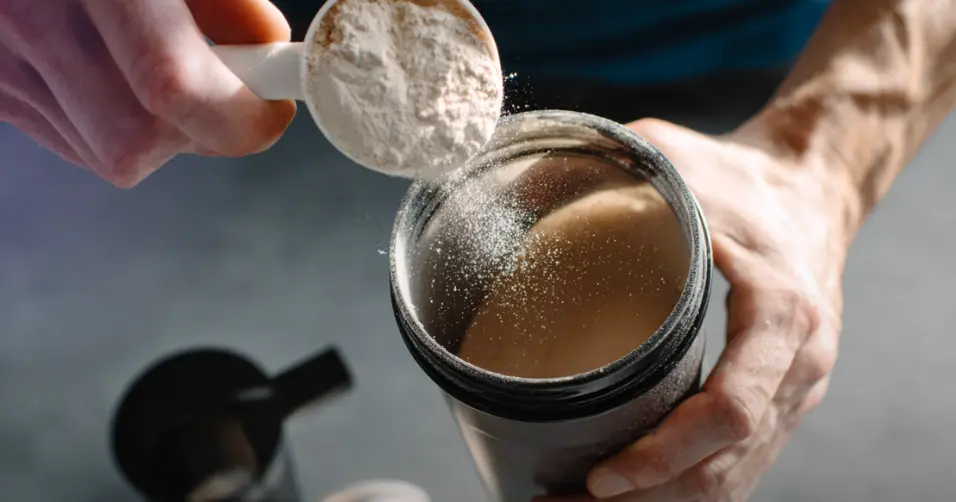
Whey Protein
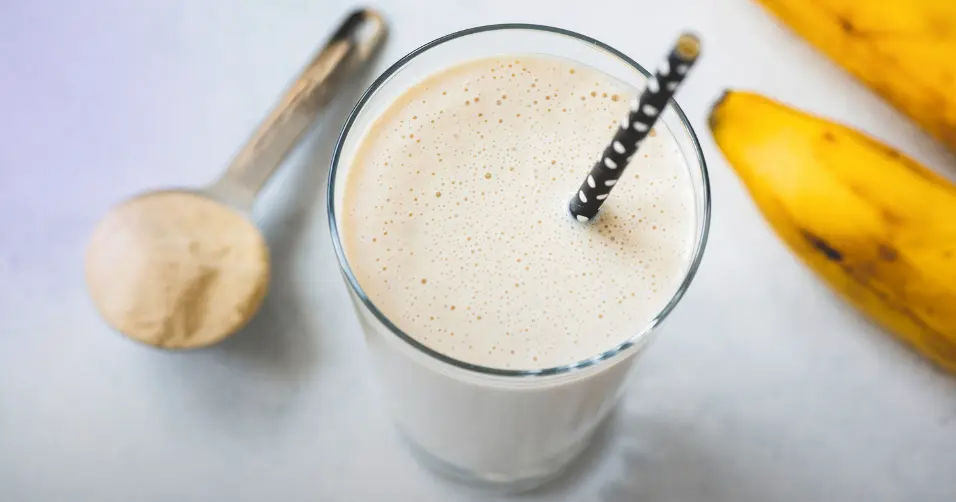
Top Lactose-Free Protein Options for Sensitive Stomachs

Soy Protein

Rice Protein
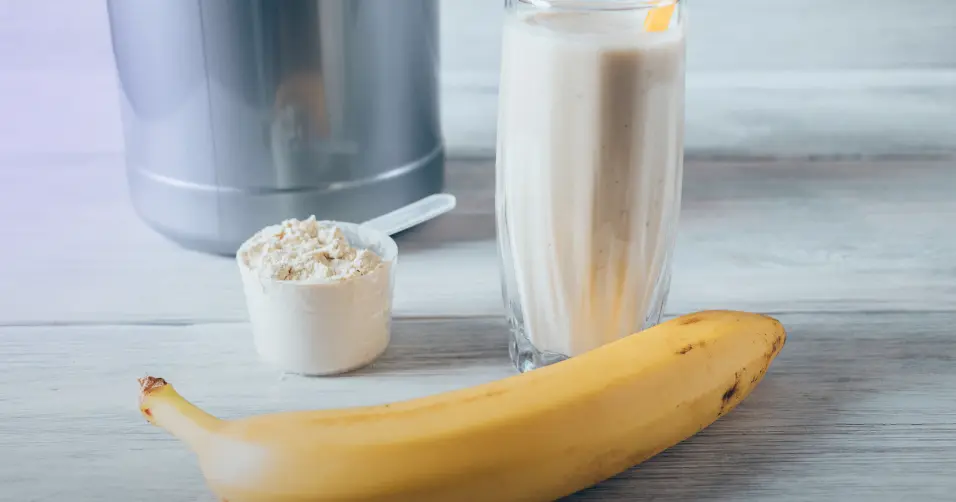
Plant-Based Protein
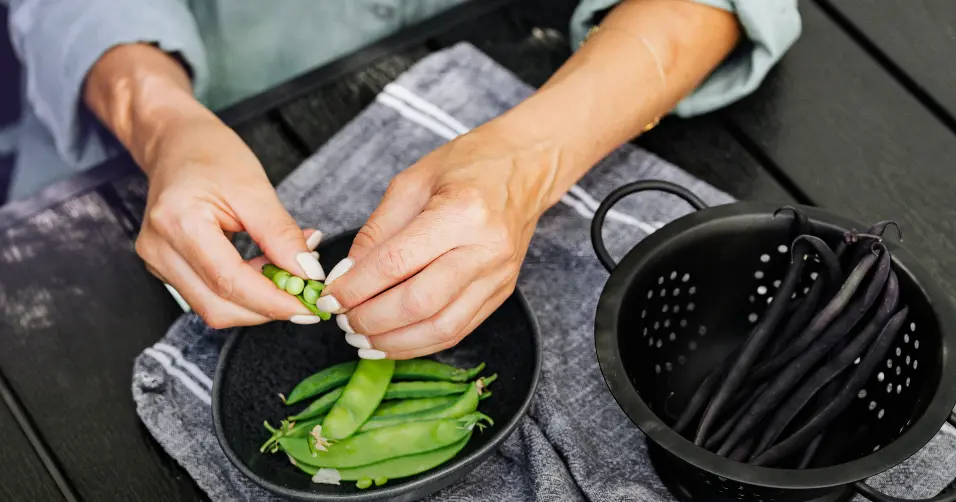
Pea Protein
Leucine

Lactose-Free Protein

Is Milk Good for Muscle Growth

Is a Protein Shake a Good Breakfast
How to Get 100 Grams of Protein a Day
How Long Does Protein Powder Last

How Is Protein Powder Made

High-Protein Vegan Meals That Boost Muscle and Energy

High-Protein Chicken Recipes for Muscle Building

Gluten-Free Protein

Does Protein Keep You Awake

Cheap and Easy High-Protein Meals for Busy Days

Casein Protein

Can Protein Make You Poop More?

Best Vegetarian Protein Sources

10 Best Seafood Protein Sources to Add to Your Diet

10 Best High-Protein Vegetarian Foods for Every Meal

10 Best High-Protein Vegan Foods for Plant-Based Diets

10 Best High-Protein Meat Dishes for Muscle Growth

10 Best High-Protein Chicken Dishes You’ll Crave

10 Best Cheeses High in Protein for Healthy Diets

8 Healthy High-Protein Dinners You’ll Want Every Night
2-Minute Protein Mug Cake Recipe
Craving something sweet but want to keep it healthy?
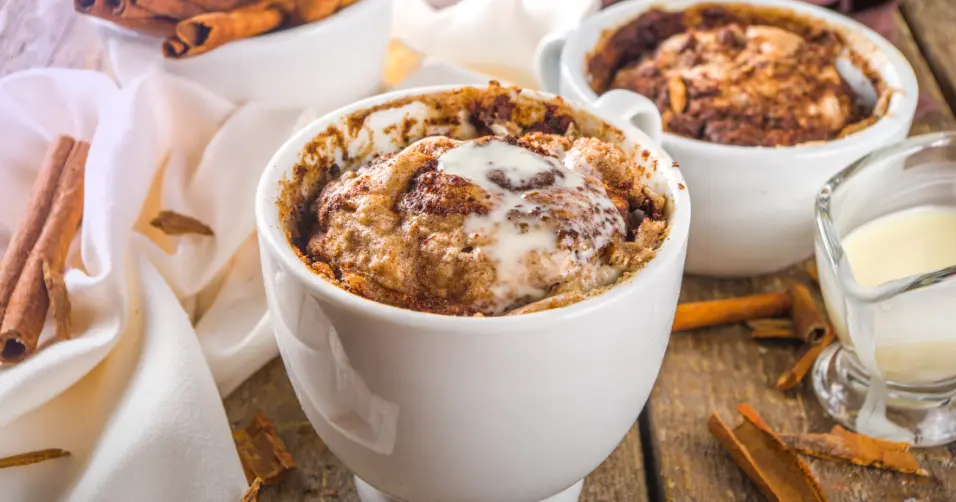
A Protein Mug Cake might be just the thing. Forget complicated baking; this recipe is super simple and comes together in minutes, perfect for when that sweet tooth hits hard. It's a great way to get some extra protein in without feeling like you're totally derailing your diet. Plus, you can totally make it your own with different flavors and add-ins.
Can You Make Protein Mug Cake Without Eggs?
Yes, you can make a protein mug cake without eggs by using mashed banana, applesauce, or flaxseed as binders.
You can make a protein mug cake without eggs by using baking powder and milk alternatives. The protein powder itself provides structure and volume when heated. Adding banana or yogurt improves texture and moisture. It’s ideal for a quick, high-protein dessert or snack. Cooking time is usually under two minutes in the microwave.
Replacing eggs with applesauce or flaxseed maintains softness.
Protein powder provides natural binding under heat expansion.
Adjusting liquid ratio prevents dryness or over-thick texture.
Adding cocoa or berries enhances flavor without extra sugar.
What Protein Powder Works Best For Baking?
Whey and casein protein powders work best for baking because they maintain texture and flavor under heat.
The best protein powders for baking are whey, casein, and pea protein. Whey offers a light texture and good binding in most recipes. Casein provides moisture and density for cakes and brownies. Pea protein suits vegan and lactose-free recipes while maintaining structure. Avoid collagen protein alone as it doesn’t rise or bind effectively.
Whey protein delivers soft texture and fast cooking results.
Casein enhances thickness and moisture retention in baked goods.
Pea protein adapts well to vegan or gluten-free baking options.
Combining types creates balanced texture and improved flavor in recipes.
How Many Calories Are In A Protein Mug Cake?
A typical protein mug cake has about 200–350 calories depending on ingredients and portion size.
A protein mug cake typically contains 180–300 calories, depending on ingredients. The protein powder, milk, and sweeteners contribute most of the calories. Using nut butter or banana increases total energy. For lower-calorie versions, opt for unsweetened milk and skip oils. Adjusting ingredients lets you fit it into weight-loss or gain goals easily.
Calorie content depends on portion size and protein powder type.
Whey-based recipes usually stay on the lighter side under 250 calories.
Adding fats or fruits boosts energy and flavor for meal replacements.
Portion control keeps dessert indulgence balanced with daily targets.
Can I Make A Vegan Protein Mug Cake?
Yes, you can make a vegan protein mug cake using plant-based protein like pea or soy and dairy-free milk.
You can make a vegan protein mug cake easily using plant protein and non-dairy milk. Flaxseed or chia seeds act as natural egg substitutes. Coconut oil or mashed fruit adds richness without animal products. The result is soft, nutrient-rich, and dairy-free. It’s suitable for quick desserts with clean ingredients.
Plant proteins like pea or soy blend well for smooth texture.
Non-dairy milk ensures consistent moisture during cooking.
Vegan sweeteners such as maple syrup add mild flavor.
Cooking time varies slightly based on microwave power and batter thickness.
Why Does My Protein Mug Cake Turn Out Rubbery?
A protein mug cake turns rubbery if overcooked or if too much whey protein is used without moisture.
If your protein mug cake turns rubbery, it’s usually overcooked or has too much protein powder. Protein solidifies quickly under heat, creating a chewy texture. Reduce cooking time by 10–15 seconds and add more moisture. Mixing ingredients gently also helps avoid toughness. Combining different protein types can produce a softer result.
Excess microwaving dries out ingredients and hardens texture.
Adding yogurt or milk maintains softness through moisture balance.
Combining protein with flour or oats improves elasticity and structure.
Use correct powder ratio to avoid dense or rubbery outcomes.
How To Store Leftover Protein Cake?
Store leftover protein cake in an airtight container in the fridge for up to two days.
To store leftover protein cake, let it cool fully, then refrigerate in an airtight container. Consume within 2–3 days for best flavor and texture. You can also freeze portions for up to a month. Reheat briefly in a microwave before serving. Avoid leaving at room temperature for long to prevent spoilage.
Cooled storage prevents condensation that can cause sogginess.
Airtight containers maintain freshness and moisture levels.
Freezing extends shelf life while preserving texture effectively.
Short reheating returns desired warmth and fluffiness before eating.
Can Protein Powder Replace Flour In Desserts?
Yes, protein powder can replace part of the flour in desserts but may alter texture and moisture.
Protein powder can replace flour in desserts to increase protein content. Substitution ratios vary, as powders absorb more liquid than flour. Combining with oats, almond flour, or starch balances texture. It adds nutritional value to baked goods like muffins or pancakes. Experimentation helps achieve the right consistency and taste.
Protein powder thickens batters, so extra moisture is often required.
Best used as partial replacement—about 25–50% of flour volume.
Flavorless or vanilla versions blend well with sweet recipes.
Overuse may make desserts dry or rubbery, so ratios matter.
Can You Freeze Protein Desserts?
Yes, you can freeze protein desserts for up to one month in sealed containers to preserve freshness.
Protein desserts can be frozen for later use without major nutrient loss. Freezing preserves freshness and extends shelf life. Defrosting slowly in the fridge maintains texture and taste. Some liquid separation may occur depending on ingredients. Proper airtight storage prevents freezer burn and odor absorption.
Low-fat dairy or plant bases freeze better than high-fat ones.
Single-portion freezing simplifies reheating and portion control.
Labeling helps track freshness over several weeks.
Gradual thawing avoids texture breakdown or sogginess.
How To Make A Protein Powder Mug Cake
This protein mug cake recipe is a fast way to satisfy a sweet craving while boosting daily protein intake. Mix 1 scoop of protein powder, 1 egg, 1 tbsp milk, ½ tsp baking powder, and a small sweetener in a mug. Microwave for about 60–90 seconds until firm but moist. You can add cocoa powder or cinnamon for extra flavor. It’s a convenient dessert that doubles as a post-workout snack or breakfast treat.
Protein powder choice affects texture—whey makes it fluffy, while casein makes it dense.
Cooking time varies by microwave strength; avoid overcooking to keep it soft.
Toppings like yogurt or nut butter add creaminess and nutrients.
Customization with fruits or nuts creates diverse flavor combinations.
Banana & Chocolate Protein Powder Mug Cake
Recipe for High protein mug cake: blends banana and chocolate for a rich yet nutritious snack. Mash half a banana, add 1 scoop chocolate protein powder, 1 tbsp oat flour, and 2 tbsp milk. Stir until smooth, then microwave for 70–80 seconds until it rises slightly. The banana keeps it moist and naturally sweet. It’s ideal as a post-exercise dessert or energy-boosting breakfast.
Banana provides potassium, supporting muscle recovery after workouts.
Chocolate protein enhances flavor and increases total protein per serving.
Microwave timing is key to avoid drying out the mixture.
Optional toppings like sliced banana or dark chocolate chips elevate taste.
More Yummy Ideas? Here's 5 Our Favorite Protein Powder Desserts
There are many delicious protein powder desserts you can make to meet your fitness goals. Try recipes like protein brownies, mug cakes, pancakes, energy balls, or cheesecakes. Each one delivers a tasty way to increase daily protein intake without added guilt. Experimenting with different flavors keeps your diet enjoyable and sustainable. These options balance indulgence and nutrition perfectly for active lifestyles.
Protein brownies offer dense texture and long-lasting satiety.
Protein pancakes make a filling breakfast with added fiber and energy.
Energy balls are portable and quick snacks for on-the-go nutrition.
Protein cheesecakes satisfy dessert cravings with a creamy, nutrient-rich twist.
Mug cakes stay quick, portion-controlled, and customizable for flavor variety.
Overnight Protein Mug Cake
This protein cake recipe can be prepared overnight for convenience and better texture. Combine 1 scoop protein powder, 2 tbsp oats, 1 tbsp yogurt, and 3 tbsp milk in a mug. Stir, cover, and refrigerate overnight. In the morning, microwave for 60 seconds to set and enjoy a fluffy, high-protein breakfast. The chilled soaking time helps ingredients blend smoothly and enhances digestion.
Overnight soaking softens oats, creating a cake-like consistency when cooked.
Yogurt adds moisture and probiotics, improving gut health.
Microwave briefly to keep it tender, not rubbery.
Optional toppings like fruit or honey improve taste and presentation.
Protein Muffin In A Mug
This easy cupcake in a mug is a protein-packed version of a classic muffin. Mix 1 scoop protein powder, 1 egg white, 1 tbsp milk, and 1 tbsp oat flour. Microwave for 60–75 seconds until fluffy and lightly set. It’s a quick breakfast or snack that fits a high-protein diet. Add blueberries or cinnamon for extra flavor and antioxidants.
Egg white keeps texture light while boosting protein without extra fat.
Oat flour adds fiber and smooth consistency to the batter.
Microwave timing ensures the right balance between moist and cooked.
Flavor options make it suitable for daily variation and enjoyment.
Casein Pudding
This night time casein pudding is perfect for slow digestion and overnight recovery. Mix 1 scoop casein protein, 100 ml milk, and a teaspoon of cocoa or vanilla extract. Stir until thick, then refrigerate for 30–60 minutes until creamy. The slow-release protein helps prevent muscle breakdown while you sleep. It’s a simple dessert that doubles as a recovery aid for athletes.
Casein digests slowly, keeping amino acids available overnight.
Chilling thickens the texture for a pudding-like consistency.
Flavoring with cocoa or vanilla keeps it satisfying without added sugar.
Evening use aligns with muscle repair cycles during sleep.
Harald Ragnarok, Editor in Chief, Myopedia