Best Vegetarian Protein Sources
Plant-Based Options That Deliver Serious Protein Power
So, you're thinking about cutting back on meat, or maybe you're already on the vegetarian train.

Whey Protein
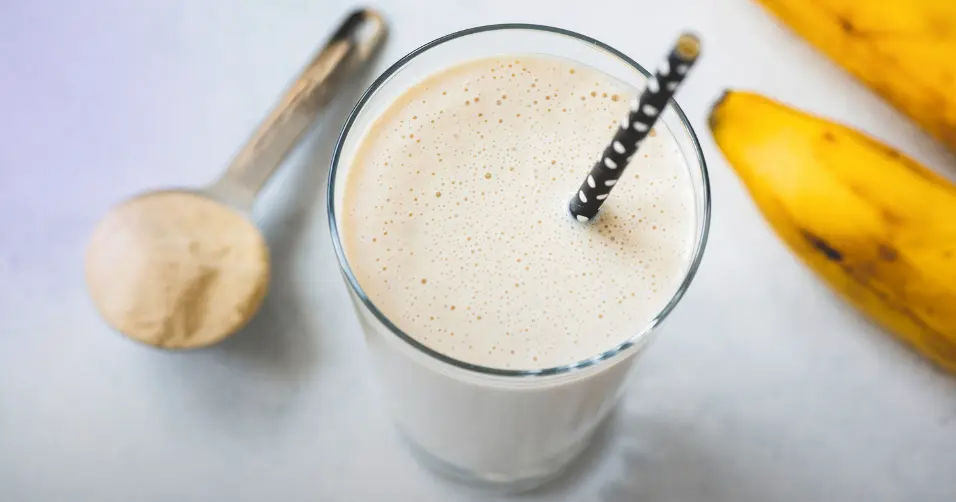
Top Lactose-Free Protein Options for Sensitive Stomachs

Soy Protein
Rice Protein

Plant-Based Protein

Pea Protein

Leucine

Lactose-Free Protein

Is Milk Good for Muscle Growth

Is a Protein Shake a Good Breakfast
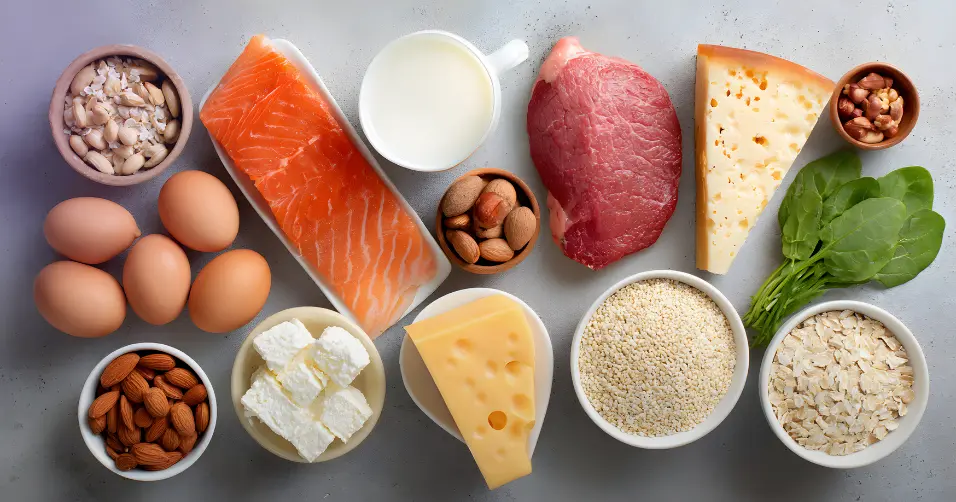
How to Get 100 Grams of Protein a Day

How Long Does Protein Powder Last

How Is Protein Powder Made
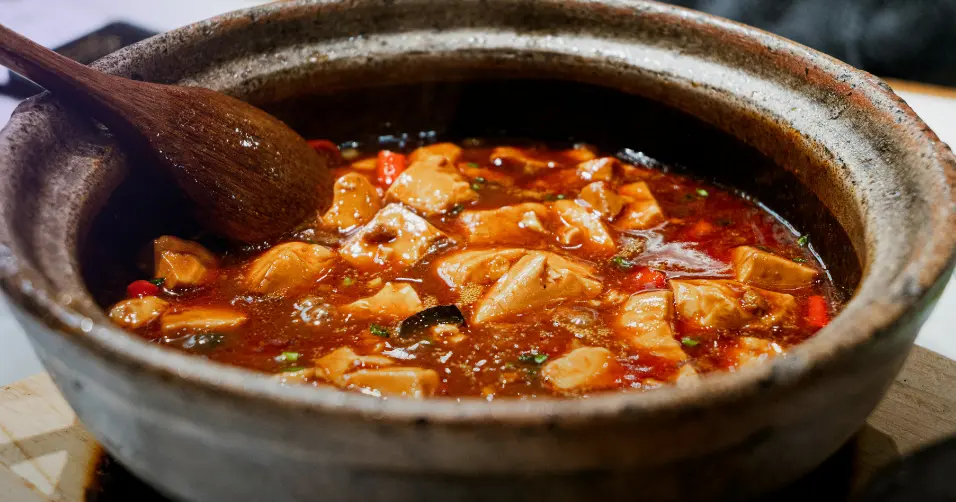
High-Protein Vegan Meals That Boost Muscle and Energy

High-Protein Chicken Recipes for Muscle Building

Gluten-Free Protein

Does Protein Keep You Awake

Cheap and Easy High-Protein Meals for Busy Days

Casein Protein

Can Protein Make You Poop More?
Best Vegetarian Protein Sources

10 Best Seafood Protein Sources to Add to Your Diet

10 Best High-Protein Vegetarian Foods for Every Meal

10 Best High-Protein Vegan Foods for Plant-Based Diets

10 Best High-Protein Meat Dishes for Muscle Growth

10 Best High-Protein Chicken Dishes You’ll Crave

10 Best Cheeses High in Protein for Healthy Diets

8 Healthy High-Protein Dinners You’ll Want Every Night

2-Minute Protein Mug Cake Recipe
So, you're thinking about cutting back on meat, or maybe you're already on the vegetarian train.
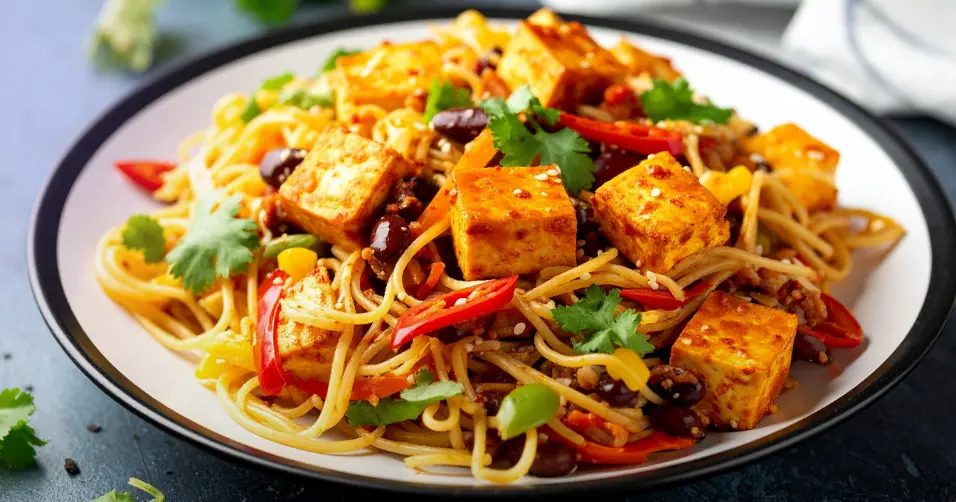
That's cool. A common worry people have is about getting enough protein, and honestly, it's a fair question. But here's the thing: you absolutely can get plenty of protein from plant-based foods. It just means knowing which foods pack the biggest punch. We're talking about a whole world of delicious options that are not only good for you but also super versatile in the kitchen. Let's look at some of the best Vegetarian Protein Sources out there.
How To Get Protein As A Vegetarian?
Vegetarians can get enough protein by focusing on good sources of protein for vegetarians such as legumes, lentils, tofu, tempeh, and quinoa. Nuts, seeds, and dairy also provide valuable amino acids. Combining various plant proteins ensures a complete amino acid profile. Balanced meals with these foods support muscle growth and repair just as effectively as animal protein. Regular meal planning helps maintain consistent intake and overall health.
Legumes and lentils offer high protein with added fiber for digestion.
Soy products like tofu and tempeh supply complete plant-based proteins.
Nuts and seeds add healthy fats that support hormone balance.
Quinoa is a rare grain containing all essential amino acids.
Is Whey Protein Vegetarian?
Whey protein is derived from milk, so it is suitable for vegetarians who consume dairy but not for vegans. The process separates whey during cheese production, making it a complete protein source. It contains all essential amino acids, helping muscle recovery and growth. Those avoiding animal products can choose soy, pea, or rice protein as plant-based alternatives. These options serve as effective protein for vegetarians seeking a balanced intake.
Whey isolate has less lactose, making it easier to digest for people with mild lactose intolerance.
Plant proteins may require mixing different sources to achieve a complete amino acid profile.
Vegetarians who include dairy can use whey safely as part of a balanced diet.
Always check for additives or sweeteners if you prefer a more natural supplement.
15 High Protein Vegetarian Foods
Many highest protein vegetarian food options can easily meet daily nutrition needs without animal products. Lentils, chickpeas, tofu, tempeh, and seitan are among the richest protein sources per serving. Dairy options like Greek yogurt and cottage cheese also provide complete proteins for vegetarians. Nuts, seeds, and quinoa add variety and essential nutrients such as healthy fats and iron. Including these foods across meals ensures a balanced amino acid profile for energy and muscle maintenance.
Seitan offers around 25g of protein per 100g, making it one of the top vegetarian sources.
Tempeh and tofu supply complete plant proteins and are easy to cook in various dishes.
Lentils and chickpeas give fiber and protein, supporting both digestion and satiety.
Greek yogurt adds probiotics and calcium along with high-quality protein.
Quinoa and chia seeds provide complete amino acids plus omega-3 fatty acids for heart health.
Is Plant-Based Meat A Good Protein Source?
Non-meat protein sources like plant-based meat can be good alternatives for those avoiding animal products. These products are typically made from soy, pea, or wheat proteins that mimic meat texture and flavor. They offer similar protein levels per serving but may contain added sodium or oils. Choosing minimally processed options ensures better overall nutrition. For balanced intake, combine them with whole foods such as vegetables and grains.
Soy and pea proteins deliver complete amino acids and muscle-building nutrients.
Processing level affects health value—less processed products retain more nutrients.
Sodium control is important, as some plant-based meats are high in salt for flavor.
Pairing with whole grains enhances nutrient absorption and dietary balance.
6 Great Vegetarian Protein Powder Options
Vegetarian protein powders offer a balanced way to meet daily protein needs without animal meat. Each type has its own amino acid profile, digestion rate, and texture, making them suitable for different dietary preferences. Some provide complete proteins containing all essential amino acids, while others are best mixed with complementary sources. They can be used in smoothies, baking, or recovery shakes for athletes and casual users alike. Choosing the right powder depends on taste, digestion comfort, and nutritional goals.
Whey Protein: Derived from milk, it’s rich in branched-chain amino acids (BCAAs) that support muscle repair. It absorbs quickly, making it ideal post-workout, though it’s not vegan-friendly.
Soy Protein: A complete plant protein, it contains all nine essential amino acids and supports heart health. It’s a great option for vegans and those avoiding dairy.
Rice Protein: Naturally hypoallergenic and easy to digest, but slightly low in lysine, an amino acid important for tissue repair. It’s best combined with pea or soy protein for balance.
Plant-Based Protein: Blends from sources like hemp, chia, and quinoa provide a wide amino acid profile. These mixes often include fiber and antioxidants that support gut and immune health.
Pea Protein: High in iron and arginine, it helps build muscle while supporting cardiovascular health. Its smooth texture and neutral taste make it a popular vegan staple.
Casein Protein: Also milk-derived, it digests slowly, supplying amino acids over several hours. It’s best taken before sleep for overnight muscle recovery.
Other Considerations: Always check for added sugars, artificial flavors, or allergens. For long-term use, rotate between sources to ensure diverse nutrient intake.
How Much Protein Do Vegetarians Need Daily?
Vegetarians need about 1.2–1.6 grams of protein per kilogram of body weight daily for muscle maintenance.
Vegetarians need about 1.6–2.2 grams of protein per kilogram of body weight daily for muscle maintenance and growth. Since plant proteins are less concentrated, slightly higher intake is recommended. Combining varied sources ensures a complete amino acid profile. Foods like lentils, tofu, quinoa, and beans should be eaten consistently. Balanced calorie intake supports effective muscle recovery and strength.
Plant proteins digest slower, requiring slightly more total intake than animal protein.
Mixing legumes and grains provides essential amino acids for growth.
Tracking intake ensures daily needs are met through varied sources.
Protein distribution across meals optimizes absorption and performance.
Do Vegetarians Need Protein Supplements?
Yes, vegetarians may need protein supplements if dietary intake is too low for training goals.
Vegetarians may need protein supplements if dietary intake is insufficient. Plant sources sometimes lack certain essential amino acids. Supplements like soy, pea, or rice protein help fill those gaps. They support muscle repair and daily metabolic needs. Regular tracking ensures optimal protein balance without excess calories.
Combining different plant proteins creates a complete amino acid profile.
Supplement use is most useful during high training periods.
Whole food focus should remain primary for nutrient diversity.
Blood testing can confirm adequate protein and iron levels.
Are Eggs Considered Vegetarian Protein?
Yes, eggs are considered a vegetarian protein source for those who include them in their diet.
Eggs are considered a vegetarian protein source for those following lacto-ovo diets. They contain all essential amino acids for muscle repair. Rich in vitamins and minerals, eggs support recovery and metabolism. Their versatility makes them ideal for both weight loss and gain. Ethical preference determines inclusion in vegetarian plans.
High biological value makes egg protein easily absorbed by the body.
Cooking methods like boiling retain nutrients with minimal fat.
Egg whites offer pure protein for low-fat diets.
Yolks provide healthy fats and fat-soluble vitamins beneficial for energy.
Which Vegetarian Foods Have The Most Protein Per Calorie?
Top vegetarian foods with most protein per calorie include lentils, tofu, tempeh, seitan, and edamame.
The vegetarian foods with most protein per calorie include lentils, tofu, edamame, seitan, and Greek yogurt. These options offer high protein density with relatively low calories. Quinoa and tempeh also provide complete amino acids for muscle support. They are versatile and fit both weight-loss and muscle-gain diets. Combining different sources enhances overall protein quality.
Lentils and seitan supply high protein with minimal fat for lean diets.
Tofu and tempeh offer all essential amino acids for complete nutrition.
Edamame and yogurt provide protein with additional micronutrients.
Variety prevents nutrient gaps while maintaining calorie efficiency.
How Can Vegetarians Increase Protein Intake Naturally?
Vegetarians can increase protein naturally by combining legumes with grains and adding nuts or seeds.
To increase protein intake naturally, vegetarians should include diverse sources like beans, nuts, seeds, lentils, and whole grains. Adding Greek yogurt, tofu, or tempeh boosts daily totals efficiently. Snacking on edamame or roasted chickpeas increases intake between meals. Smoothies with protein powder, oats, and nut butter make quick high-protein options. Spreading protein evenly through the day ensures better absorption and energy balance.
Plant-based variety ensures a complete amino acid intake without supplements.
Protein-rich snacks prevent hunger and stabilize metabolism.
Including legumes in every meal increases total protein density.
Even meal distribution maximizes utilization for muscle recovery.
Harald Ragnarok, Editor in Chief, Myopedia