Muscle Growth

Plant-Based Protein

Your Complete Guide to Plant-Based Protein

Plant-based protein refers to protein sources derived from plants, such as legumes, grains, and seeds, offering sustainable alternatives to animal products while supporting muscle maintenance and metabolic health. These proteins are typically high in fiber, antioxidants, and phytonutrients, promoting overall wellness and reducing environmental impact.

This article is educational and not intended to diagnose, treat, or suggest any specific intervention, and should not replace qualified medical advice.

Plant-based protein is derived from non-animal sources and supports muscle growth.

What Does Plant-Based Protein Do?

Plant-based protein helps muscles by supplying amino acids from plants that repair tissue and maintain muscle mass, though some sources are lower in certain essential amino acids.

Plant-based protein influences muscle growth by combining different plant sources to provide all essential amino acids. Alone, some plants lack certain amino acids, but blends (like rice and pea) balance this out. With proper amounts, plant proteins stimulate muscle protein synthesis in a way comparable to animal proteins. They also come with fiber and phytonutrients, which may support overall health. For athletes avoiding animal products, these blends can be a practical option for maintaining and building lean muscle.

  • Plant blends fill amino acid gaps, making the protein profile complete for muscle support.

  • Fiber in plant protein may slow digestion, providing steady nutrient release.

  • They often contain antioxidants that reduce exercise-related stress in muscles.

  • Plant proteins may require slightly higher intake to match the effects of whey or casein.


Plant-based protein influences muscle growth by combining different plant sources to provide all essential amino acids. Alone, some plants lack certain amino acids, but blends (like rice and pea) balance this out. With proper amounts, plant proteins stimulate muscle protein synthesis in a way comparable to animal proteins. They also come with fiber and phytonutrients, which may support overall health. For athletes avoiding animal products, these blends can be a practical option for maintaining and building lean muscle.

  • Plant blends fill amino acid gaps, making the protein profile complete for muscle support.

  • Fiber in plant protein may slow digestion, providing steady nutrient release.

  • They often contain antioxidants that reduce exercise-related stress in muscles.

  • Plant proteins may require slightly higher intake to match the effects of whey or casein.


Plant Protein: FACTS

Role

Protein from plants; supports health & environment

Form & Classification

Protein isolate/blend

Typical Dosage & Intake

20–40 g/serving

Cycling

No cycling; daily safe

Sources

Pea, rice, soy, hemp protein powders

Safety & Interactions

Safe; may lack some amino acids

Dosage information is general and may vary with product brand, quality or individual needs; verify accuracy on package and consult a qualified practitioner before use.

Dosage information is general and may vary with product brand, quality or individual needs; verify accuracy on package and consult a qualified practitioner before use.

What Is Plant-Based Protein?

Plant-based protein is protein extracted from plants like peas, rice, or hemp, often combined to balance amino acid profiles.

Plant-based protein is a general category that includes protein powders made from sources such as peas, hemp, rice, and pumpkin seeds. These proteins are popular among people avoiding animal products and can be blended to create a complete amino acid profile. Absorption rates vary by source, but many are slower-digesting than whey. They may also provide additional nutrients such as fiber, minerals, or omega fatty acids. Their effectiveness for muscle growth depends on amino acid balance and total intake.

  • Plant-based proteins are often combined to compensate for amino acid gaps found in single sources.

  • They tend to have higher fiber content, which can support digestion and satiety.

  • Some plant proteins contain natural antioxidants, adding extra nutritional benefits.

  • They are environmentally sustainable compared to animal-based protein production.

Plant-based protein is a general category that includes protein powders made from sources such as peas, hemp, rice, and pumpkin seeds. These proteins are popular among people avoiding animal products and can be blended to create a complete amino acid profile. Absorption rates vary by source, but many are slower-digesting than whey. They may also provide additional nutrients such as fiber, minerals, or omega fatty acids. Their effectiveness for muscle growth depends on amino acid balance and total intake.

  • Plant-based proteins are often combined to compensate for amino acid gaps found in single sources.

  • They tend to have higher fiber content, which can support digestion and satiety.

  • Some plant proteins contain natural antioxidants, adding extra nutritional benefits.

  • They are environmentally sustainable compared to animal-based protein production.

Which Type of Plant-Based Protein Is Best?

Plant-based protein blends are best, as mixing sources like pea and rice ensures a complete amino acid profile.

Plant-based protein is best when it is a blend of complementary sources, like pea and rice, which together provide all essential amino acids. Single-source plant proteins often miss one or more key amino acids, limiting their effect on muscle growth. A balanced blend mimics the completeness of animal protein more closely. Powders fortified with extra leucine or BCAAs are particularly effective for stimulating muscle repair. For those with sensitivities, allergen-free versions are available.

  • Blends like pea-rice cover each other’s amino acid gaps, offering a full spectrum.

  • Leucine-enriched plant proteins improve the ability to activate muscle building.

  • Allergen-friendly blends avoid common issues with soy or gluten.

  • Some blends also add digestive enzymes to improve absorption.


Plant-based protein is best when it is a blend of complementary sources, like pea and rice, which together provide all essential amino acids. Single-source plant proteins often miss one or more key amino acids, limiting their effect on muscle growth. A balanced blend mimics the completeness of animal protein more closely. Powders fortified with extra leucine or BCAAs are particularly effective for stimulating muscle repair. For those with sensitivities, allergen-free versions are available.

  • Blends like pea-rice cover each other’s amino acid gaps, offering a full spectrum.

  • Leucine-enriched plant proteins improve the ability to activate muscle building.

  • Allergen-friendly blends avoid common issues with soy or gluten.

  • Some blends also add digestive enzymes to improve absorption.


How to Add Plant-Based Protein to Your Diet?

Plant-based protein can be included by choosing powders made from pea, rice, or hemp and adding them to meals or shakes.

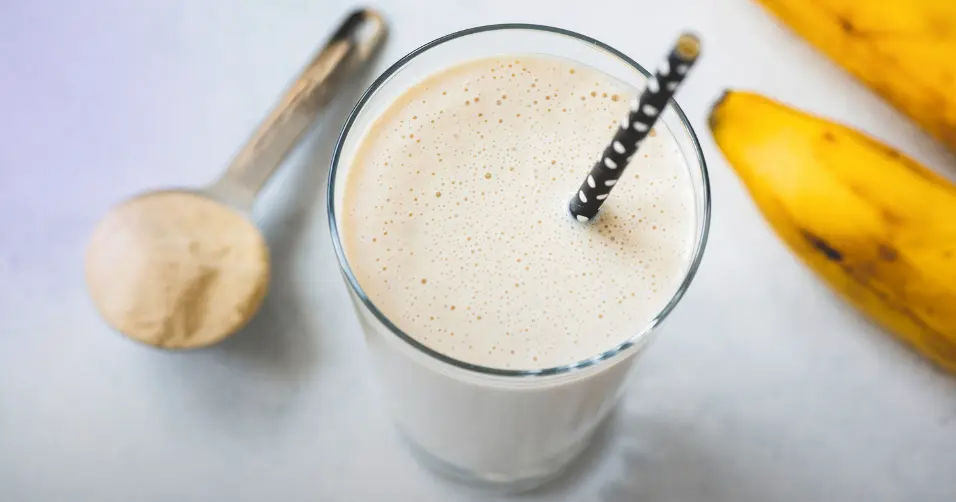
Plant-based protein can be added through blended powders that combine pea, rice, or hemp proteins. These powders can be mixed with water, nut milk, or smoothies for convenience. They also work well in energy bars or baked recipes. For complete coverage, plant proteins should be paired with whole foods like beans, lentils, or quinoa. This ensures the body gets all essential amino acids consistently.

  • Blended powders make it simple to get balanced amino acids in one shake.

  • Adding to smoothies with fruits and oats creates a nutrient-rich meal replacement.

  • Including in baked goods like muffins or bars increases protein snacks’ value.

  • Pairing powders with whole legumes and grains strengthens amino acid coverage.


Plant-based protein can be added through blended powders that combine pea, rice, or hemp proteins. These powders can be mixed with water, nut milk, or smoothies for convenience. They also work well in energy bars or baked recipes. For complete coverage, plant proteins should be paired with whole foods like beans, lentils, or quinoa. This ensures the body gets all essential amino acids consistently.

  • Blended powders make it simple to get balanced amino acids in one shake.

  • Adding to smoothies with fruits and oats creates a nutrient-rich meal replacement.

  • Including in baked goods like muffins or bars increases protein snacks’ value.

  • Pairing powders with whole legumes and grains strengthens amino acid coverage.


What Are Key Ingredients of Plant-Based Protein?

Plant-based protein powders typically combine pea, rice, and hemp proteins to cover the full amino acid spectrum.

Plant-based protein powders usually combine pea, rice, hemp, or pumpkin seed proteins. These blends ensure all nine essential amino acids are present. They also contain natural fiber, minerals, and sometimes added digestive enzymes. Some blends include added BCAAs or leucine to improve muscle-building effects. This mixture of ingredients makes plant-based protein more balanced and effective.

  • Pea and rice proteins complement each other’s amino acid gaps.

  • Fiber content supports digestion and steady nutrient absorption.

  • Added leucine boosts the anabolic signaling for growth.

  • Digestive enzymes improve protein breakdown and uptake.


Plant-based protein powders usually combine pea, rice, hemp, or pumpkin seed proteins. These blends ensure all nine essential amino acids are present. They also contain natural fiber, minerals, and sometimes added digestive enzymes. Some blends include added BCAAs or leucine to improve muscle-building effects. This mixture of ingredients makes plant-based protein more balanced and effective.

  • Pea and rice proteins complement each other’s amino acid gaps.

  • Fiber content supports digestion and steady nutrient absorption.

  • Added leucine boosts the anabolic signaling for growth.

  • Digestive enzymes improve protein breakdown and uptake.


Which Processes Does Plant-Based Protein Affect?

Plant-based protein affects digestion, muscle protein synthesis, and satiety, the feeling of fullness after eating.

Plant-based protein affects processes of protein synthesis, digestion, and nutrient absorption. Blends are designed to ensure complete essential amino acid coverage. Some also influence gut health due to fiber and phytonutrients. Plant proteins support long-term recovery and adaptation by filling dietary protein needs. They may also reduce oxidative stress thanks to plant compounds.

  • Trigger protein synthesis when consumed in adequate amounts.

  • Fiber influences digestive health and nutrient absorption efficiency.

  • Phytonutrients support antioxidant processes during recovery.

  • Help maintain positive nitrogen balance in plant-based diets.


Plant-based protein affects processes of protein synthesis, digestion, and nutrient absorption. Blends are designed to ensure complete essential amino acid coverage. Some also influence gut health due to fiber and phytonutrients. Plant proteins support long-term recovery and adaptation by filling dietary protein needs. They may also reduce oxidative stress thanks to plant compounds.

  • Trigger protein synthesis when consumed in adequate amounts.

  • Fiber influences digestive health and nutrient absorption efficiency.

  • Phytonutrients support antioxidant processes during recovery.

  • Help maintain positive nitrogen balance in plant-based diets.


What Foods Contain Plant-Based Protein?

Plant-based protein is naturally found in legumes, nuts, seeds, and whole grains.

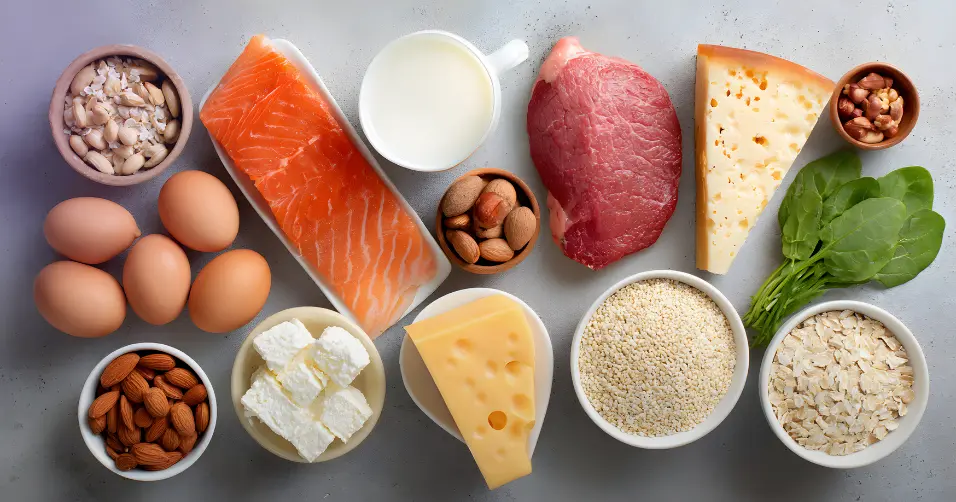
Plant-based protein is found in many legumes, seeds, nuts, and grains. Beans, lentils, and chickpeas are rich in protein and combine well with rice or grains for a complete profile. Seeds like hemp, pumpkin, and sunflower also contribute significant protein. Quinoa is one of the few plants considered a complete protein by itself. Together, these foods provide strong natural coverage for plant-based diets.

  • Beans and lentils are staple plant protein foods worldwide.

  • Seeds like hemp and pumpkin deliver both protein and healthy fats.

  • Quinoa is naturally a complete protein, covering all essential amino acids.

  • Combining grains and legumes ensures a full amino acid profile naturally.


Plant-based protein is found in many legumes, seeds, nuts, and grains. Beans, lentils, and chickpeas are rich in protein and combine well with rice or grains for a complete profile. Seeds like hemp, pumpkin, and sunflower also contribute significant protein. Quinoa is one of the few plants considered a complete protein by itself. Together, these foods provide strong natural coverage for plant-based diets.

  • Beans and lentils are staple plant protein foods worldwide.

  • Seeds like hemp and pumpkin deliver both protein and healthy fats.

  • Quinoa is naturally a complete protein, covering all essential amino acids.

  • Combining grains and legumes ensures a full amino acid profile naturally.


Is Plant-Based Protein Vegan?

Plant-based protein is suitable for vegans because it is sourced from plants like legumes, grains, and seeds.

Plant-based protein is by definition vegan, as it comes from sources like peas, rice, hemp, or pumpkin seeds. These proteins are designed specifically for people avoiding animal products. Many blends are certified vegan to ensure no cross-contamination. They are widely available as powders, bars, or ready-made drinks. For strict vegans, these are the most reliable options.

  • Made from plants such as peas, hemp, and seeds, fitting vegan needs.

  • Often certified vegan to guarantee no hidden animal ingredients.

  • Can be found in various forms like shakes or snacks.

  • Provide complete amino acid coverage when blended properly.


Plant-based protein is by definition vegan, as it comes from sources like peas, rice, hemp, or pumpkin seeds. These proteins are designed specifically for people avoiding animal products. Many blends are certified vegan to ensure no cross-contamination. They are widely available as powders, bars, or ready-made drinks. For strict vegans, these are the most reliable options.

  • Made from plants such as peas, hemp, and seeds, fitting vegan needs.

  • Often certified vegan to guarantee no hidden animal ingredients.

  • Can be found in various forms like shakes or snacks.

  • Provide complete amino acid coverage when blended properly.


Will Plant-Based Protein Break a Fast?

Plant-based protein will break a fast because proteins and carbs in it end the fasting state.

Plant-based protein blends will break a fast since they contain calories from protein, and sometimes fiber and fats. These ingredients trigger digestion and energy metabolism, which end fasting. Even small servings shift the body away from fasting benefits. For those doing time-restricted eating, plant protein may be used when the eating window opens. Until then, it disrupts fasting metabolism.

  • Calories in plant blends end fasting once consumed.

  • Fiber and protein trigger digestive activity.

  • They stop fasting-related processes like fat oxidation and autophagy.

  • Best saved for meals inside eating windows.


Plant-based protein blends will break a fast since they contain calories from protein, and sometimes fiber and fats. These ingredients trigger digestion and energy metabolism, which end fasting. Even small servings shift the body away from fasting benefits. For those doing time-restricted eating, plant protein may be used when the eating window opens. Until then, it disrupts fasting metabolism.

  • Calories in plant blends end fasting once consumed.

  • Fiber and protein trigger digestive activity.

  • They stop fasting-related processes like fat oxidation and autophagy.

  • Best saved for meals inside eating windows.


Breaking a fast here is strictly physiological (e.g., insulin effects). When we say a supplement ‘does not break a fast,’ we mean it has negligible calories in normal use and is unlikely to disrupt fasting metabolism. Certain traditions or religious rules may treat any intake as breaking a fast—please follow your tradition and health needs.

Breaking a fast here is strictly physiological (e.g., insulin effects). When we say a supplement ‘does not break a fast,’ we mean it has negligible calories in normal use and is unlikely to disrupt fasting metabolism. Certain traditions or religious rules may treat any intake as breaking a fast—please follow your tradition and health needs.

What's the Best Plant-Based Protein?

High-quality plant-based protein should combine complementary sources like pea and rice and avoid artificial additives.

Plant-based protein quality depends on whether it provides a complete amino acid profile and is free of allergens. Blends of pea, rice, hemp, or pumpkin seed proteins usually achieve completeness. Added leucine or digestive enzymes can enhance performance and absorption. Certified vegan and allergen-free labeling ensures suitability for sensitive diets. High-quality products avoid unnecessary additives and use clean plant sources.

  • Blends improve amino acid balance compared to single-source powders.

  • Added leucine boosts anabolic potential for muscle growth.

  • Digestive enzymes make plant proteins easier to absorb.

  • Certifications help confirm purity and vegan compliance.


Plant-based protein quality depends on whether it provides a complete amino acid profile and is free of allergens. Blends of pea, rice, hemp, or pumpkin seed proteins usually achieve completeness. Added leucine or digestive enzymes can enhance performance and absorption. Certified vegan and allergen-free labeling ensures suitability for sensitive diets. High-quality products avoid unnecessary additives and use clean plant sources.

  • Blends improve amino acid balance compared to single-source powders.

  • Added leucine boosts anabolic potential for muscle growth.

  • Digestive enzymes make plant proteins easier to absorb.

  • Certifications help confirm purity and vegan compliance.


What’s the Optimal Dosage and Timing for Plant-Based Protein?

Plant-based protein blends are optimal at 20–30 g daily, especially after training.

Plant-based protein blends are generally dosed at 25–35 grams per serving. This covers amino acid needs and ensures muscle repair processes are supported. They are best consumed after training or as meal replacements. Fortified blends with added leucine may allow slightly smaller servings. Daily use should match overall protein goals for best results.

  • 25–35g per serving provides enough for recovery and growth.

  • Leucine-fortified blends may work effectively at lower doses.

  • Best timing is post-exercise when muscles are most responsive.

  • Can also be used to support meals throughout the day.


Plant-based protein blends are generally dosed at 25–35 grams per serving. This covers amino acid needs and ensures muscle repair processes are supported. They are best consumed after training or as meal replacements. Fortified blends with added leucine may allow slightly smaller servings. Daily use should match overall protein goals for best results.

  • 25–35g per serving provides enough for recovery and growth.

  • Leucine-fortified blends may work effectively at lower doses.

  • Best timing is post-exercise when muscles are most responsive.

  • Can also be used to support meals throughout the day.


Dosage and timing information is generalized and may not be appropriate for all individuals; occasional inaccuracies may occur. Variations in supplement purity, formulation, or quality can also affect dosing relevance. Verify accuracy on package and consult a qualified practitioner before use.

Dosage and timing information is generalized and may not be appropriate for all individuals; occasional inaccuracies may occur. Variations in supplement purity, formulation, or quality can also affect dosing relevance. Verify accuracy on package and consult a qualified practitioner before use.

What Are Common Mistakes When Taking Plant-Based Protein?

A common mistake with plant-based protein is choosing blends with too much added sugar or fillers.

Plant-based protein mistakes include thinking all blends are equal, ignoring amino acid completeness, or using too small a dose. Some choose powders with low-quality fillers and little actual protein. Others fail to check for added leucine, which improves results. Not spreading intake through the day reduces nitrogen balance. Using it as the only food source instead of alongside whole foods limits nutrients.

  • Choosing blends with low protein percentages reduces effectiveness.

  • Not ensuring complete amino acid coverage limits growth potential.

  • Skipping added leucine lowers ability to activate muscle protein synthesis.

  • Depending only on powders instead of combining with meals weakens nutrition.


Plant-based protein mistakes include thinking all blends are equal, ignoring amino acid completeness, or using too small a dose. Some choose powders with low-quality fillers and little actual protein. Others fail to check for added leucine, which improves results. Not spreading intake through the day reduces nitrogen balance. Using it as the only food source instead of alongside whole foods limits nutrients.

  • Choosing blends with low protein percentages reduces effectiveness.

  • Not ensuring complete amino acid coverage limits growth potential.

  • Skipping added leucine lowers ability to activate muscle protein synthesis.

  • Depending only on powders instead of combining with meals weakens nutrition.


How Fast Does Plant-Based Protein Work?

Plant-based protein blends aid muscle repair within hours, with noticeable strength benefits after weeks.

Plant-based protein blends start showing recovery benefits within the first few days of training support. For visible muscle growth, 6–10 weeks of consistent use is usually needed. Fortified blends with leucine may speed up results closer to whey’s timeframe. Digestive improvements, like reduced bloating, may appear sooner for those sensitive to dairy. Long-term results depend on meeting daily protein requirements consistently.

  • Recovery effects are noticeable within days of use.

  • Muscle gains usually appear after 6–10 weeks of steady intake.

  • Leucine-fortified blends work faster, closer to animal proteins.

  • Digestive comfort improvements can be seen within the first week.


Plant-based protein blends start showing recovery benefits within the first few days of training support. For visible muscle growth, 6–10 weeks of consistent use is usually needed. Fortified blends with leucine may speed up results closer to whey’s timeframe. Digestive improvements, like reduced bloating, may appear sooner for those sensitive to dairy. Long-term results depend on meeting daily protein requirements consistently.

  • Recovery effects are noticeable within days of use.

  • Muscle gains usually appear after 6–10 weeks of steady intake.

  • Leucine-fortified blends work faster, closer to animal proteins.

  • Digestive comfort improvements can be seen within the first week.


Results may vary between individuals, and no outcome is guaranteed. A tailored supplemntation plan is the best way to ensure the desired outcome.

Results may vary between individuals, and no outcome is guaranteed. A tailored supplemntation plan is the best way to ensure the desired outcome.

Does Plant-Based Protein Require a Cooldown?

Plant-based protein blends do not need cooldowns, though varying sources improves nutrition.

Plant-based protein blends generally do not need a cooldown period because they act as food supplements. They can be taken daily to meet protein needs. However, varying sources (like pea, rice, hemp) supports nutrient diversity. Cooldown is not required unless digestive sensitivity develops. Continuous use is common for people on vegan or vegetarian diets.

  • Plant protein blends are safe for everyday use without cycling.

  • Rotating sources helps balance amino acid intake naturally.

  • Cooldown is only considered if bloating or sensitivity occurs.

  • Vegans and vegetarians often use plant proteins long-term without issues.


Plant-based protein blends generally do not need a cooldown period because they act as food supplements. They can be taken daily to meet protein needs. However, varying sources (like pea, rice, hemp) supports nutrient diversity. Cooldown is not required unless digestive sensitivity develops. Continuous use is common for people on vegan or vegetarian diets.

  • Plant protein blends are safe for everyday use without cycling.

  • Rotating sources helps balance amino acid intake naturally.

  • Cooldown is only considered if bloating or sensitivity occurs.

  • Vegans and vegetarians often use plant proteins long-term without issues.


The need to pause or cycle depends on individual factors such as goals, tolerance, and clinical context. No universal rule applies, and specialist review is recommended before making adjustments.

The need to pause or cycle depends on individual factors such as goals, tolerance, and clinical context. No universal rule applies, and specialist review is recommended before making adjustments.

Does Tolerance Develop for Plant-Based Protein?

Plant-based protein does not cause tolerance, but benefits plateau once protein requirements are covered.

Plant-based protein blends do not cause tolerance because they act as food replacements. The body continues to use amino acids from these proteins without adapting negatively. If perceived results weaken, it is usually due to poor diet variety or underdosing. Complete blends remain effective long term without need for cycling. Tolerance does not apply in the way it does with stimulants.

  • No adaptation occurs that reduces protein’s effectiveness over time.

  • Weaker effects often come from low quality blends, not tolerance.

  • Ensuring complete amino acid coverage keeps results consistent.

  • No cooldowns or cycling needed for plant blends to stay effective.


Plant-based protein blends do not cause tolerance because they act as food replacements. The body continues to use amino acids from these proteins without adapting negatively. If perceived results weaken, it is usually due to poor diet variety or underdosing. Complete blends remain effective long term without need for cycling. Tolerance does not apply in the way it does with stimulants.

  • No adaptation occurs that reduces protein’s effectiveness over time.

  • Weaker effects often come from low quality blends, not tolerance.

  • Ensuring complete amino acid coverage keeps results consistent.

  • No cooldowns or cycling needed for plant blends to stay effective.


Information on tolerance is generalized and may not reflect individual differences in metabolism, duration of use, or health status. Reactions can vary, and any adjustment should follow qualified practicioner's recommendations.

Information on tolerance is generalized and may not reflect individual differences in metabolism, duration of use, or health status. Reactions can vary, and any adjustment should follow qualified practicioner's recommendations.

Is Plant-Based Protein Safe?

Plant-based protein blends are safe for long-term use, but nutritional balance depends on the mix of plant sources used.

Plant-based protein blends are safe for long-term use and are designed to offer complete amino acid profiles. They are usually made from pea, rice, hemp, or similar proteins. Studies show no evidence of harm when consumed within protein needs. They may also provide extra fiber and minerals depending on the source. As with all supplements, overconsumption beyond protein requirements is unnecessary.

  • Long-term studies show no organ damage or metabolic issues from plant-based protein use.

  • They are ideal for people with dairy allergies or lactose intolerance.

  • Some blends may contain added vitamins and minerals, which can support balanced nutrition.

  • Digestive tolerance varies depending on added fiber content, which can cause bloating in sensitive people.

Plant-based protein blends are safe for long-term use and are designed to offer complete amino acid profiles. They are usually made from pea, rice, hemp, or similar proteins. Studies show no evidence of harm when consumed within protein needs. They may also provide extra fiber and minerals depending on the source. As with all supplements, overconsumption beyond protein requirements is unnecessary.

  • Long-term studies show no organ damage or metabolic issues from plant-based protein use.

  • They are ideal for people with dairy allergies or lactose intolerance.

  • Some blends may contain added vitamins and minerals, which can support balanced nutrition.

  • Digestive tolerance varies depending on added fiber content, which can cause bloating in sensitive people.

Everyone’s biology and history are different. Unknown or underlying conditions can introduce unforeseen risks. Individualized professional advice is always recommended.

Everyone’s biology and history are different. Unknown or underlying conditions can introduce unforeseen risks. Individualized professional advice is always recommended.

Can Plant-Based Protein Be Stacked?

Plant-based protein blends are already a stack of multiple protein sources for balance.

Plant-based protein stacks well with BCAAs or leucine to improve anabolic signaling. Blending multiple plant sources ensures complete amino acid coverage. Creatine can be added for strength and performance benefits. Pairing with carbohydrates post-exercise supports energy recovery. This makes plant-based blends versatile for vegan athletes.

  • Adding leucine improves anabolic response in plant proteins.

  • Blends of pea, rice, and hemp ensure amino acid completeness.

  • Creatine stacking helps vegans achieve strength benefits.

  • Carbohydrates support energy recovery alongside protein.


Plant-based protein stacks well with BCAAs or leucine to improve anabolic signaling. Blending multiple plant sources ensures complete amino acid coverage. Creatine can be added for strength and performance benefits. Pairing with carbohydrates post-exercise supports energy recovery. This makes plant-based blends versatile for vegan athletes.

  • Adding leucine improves anabolic response in plant proteins.

  • Blends of pea, rice, and hemp ensure amino acid completeness.

  • Creatine stacking helps vegans achieve strength benefits.

  • Carbohydrates support energy recovery alongside protein.


Many supplements can interact in ways that enhance or alter their effects. However, stacking makes it difficult to monitor the impact of each component and increases the risk of oversupplementation or unintended interactions.

Many supplements can interact in ways that enhance or alter their effects. However, stacking makes it difficult to monitor the impact of each component and increases the risk of oversupplementation or unintended interactions.

Do Plant-Based Protein Effects Persist?

Plant-based protein effects continue only with consistent daily use.

Plant-based protein effects persist through regular daily intake and proper blends. A single serving supports repair for several hours after use. Long-term, these proteins maintain lean mass and recovery if used consistently. Stopping use without alternatives reduces persistence of benefits. Balanced blends ensure lasting results in vegan diets.

  • Immediate effects last only hours after ingestion.

  • Consistent use maintains muscle support long term.

  • Stopping without replacement weakens recovery and growth.

  • Blended plant proteins persist better by ensuring amino acid completeness.


Plant-based protein effects persist through regular daily intake and proper blends. A single serving supports repair for several hours after use. Long-term, these proteins maintain lean mass and recovery if used consistently. Stopping use without alternatives reduces persistence of benefits. Balanced blends ensure lasting results in vegan diets.

  • Immediate effects last only hours after ingestion.

  • Consistent use maintains muscle support long term.

  • Stopping without replacement weakens recovery and growth.

  • Blended plant proteins persist better by ensuring amino acid completeness.


Results may vary between individuals, and no outcome is guaranteed. A tailored supplemntation plan is the best way to ensure the desired outcome.

Results may vary between individuals, and no outcome is guaranteed. A tailored supplemntation plan is the best way to ensure the desired outcome.

What Are Alternatives to Plant-Based Protein?

Plant-based protein alternatives are pea protein, rice protein, and hemp protein.

Plant-based protein alternatives include whey, casein, and egg protein for those not strictly vegan. Among plants, pea, rice, hemp, and pumpkin seed proteins offer varied nutrient profiles. Fortified plant blends with added leucine improve anabolic response. In mixed diets, dairy proteins generally outperform plant-only sources in absorption speed. Choice depends on dietary restrictions and goals.

  • Whey and casein are efficient non-vegan alternatives.

  • Pea, rice, and hemp remain main vegan alternatives.

  • Leucine-enriched plant blends improve performance compared to plain powders.

  • Dietary choice dictates whether plant or animal proteins are best.


Plant-based protein alternatives include whey, casein, and egg protein for those not strictly vegan. Among plants, pea, rice, hemp, and pumpkin seed proteins offer varied nutrient profiles. Fortified plant blends with added leucine improve anabolic response. In mixed diets, dairy proteins generally outperform plant-only sources in absorption speed. Choice depends on dietary restrictions and goals.

  • Whey and casein are efficient non-vegan alternatives.

  • Pea, rice, and hemp remain main vegan alternatives.

  • Leucine-enriched plant blends improve performance compared to plain powders.

  • Dietary choice dictates whether plant or animal proteins are best.


There are often alternatives that better align with personal risk profiles, preferences, or resources; comparative review with a relevant certified consultant is advised.

There are often alternatives that better align with personal risk profiles, preferences, or resources; comparative review with a relevant certified consultant is advised.

Does Plant-Based Protein Aid Longevity?

Plant-based protein may promote longevity by supporting muscle and cardiovascular health.

Plant-based protein may aid longevity by promoting muscle health while supporting diets high in plants, which are linked to longer life. Many blends include fiber and antioxidants that support digestive and cellular health. By preventing sarcopenia (age-related muscle loss), it reduces risks of frailty. Vegan proteins also align with dietary patterns often associated with healthy aging. The effects are indirect but meaningful for lifespan support.

  • Supports lean mass, reducing age-related frailty.

  • Provides antioxidants and fiber that promote cellular and gut health.

  • Complements plant-based diets tied to longevity studies.

  • Indirectly supports longer lifespan through sustained strength.


Plant-based protein may aid longevity by promoting muscle health while supporting diets high in plants, which are linked to longer life. Many blends include fiber and antioxidants that support digestive and cellular health. By preventing sarcopenia (age-related muscle loss), it reduces risks of frailty. Vegan proteins also align with dietary patterns often associated with healthy aging. The effects are indirect but meaningful for lifespan support.

  • Supports lean mass, reducing age-related frailty.

  • Provides antioxidants and fiber that promote cellular and gut health.

  • Complements plant-based diets tied to longevity studies.

  • Indirectly supports longer lifespan through sustained strength.


How Does Plant-Based Protein Compare with Similar Supplements?

Plant-based protein compared with whey has slower absorption but offers benefits for those avoiding animal products.

Plant-based protein blends compare well to whey when properly formulated with added leucine or amino acid balancing. Whey typically remains stronger per gram, but blends can equal results at slightly higher doses. Compared to soy or rice alone, blends are more effective since they cover amino acid gaps. Hemp protein is less concentrated, making blends more efficient. Overall, blends bridge the gap between animal and plant proteins effectively.

  • Whey is stronger gram for gram, but blends close the gap with higher servings.

  • Plant blends outperform single proteins like rice or hemp.

  • Added leucine boosts plant blends closer to whey’s effectiveness.

  • Soy alone is weaker, but blends offer more balance and strength.


Plant-based protein blends compare well to whey when properly formulated with added leucine or amino acid balancing. Whey typically remains stronger per gram, but blends can equal results at slightly higher doses. Compared to soy or rice alone, blends are more effective since they cover amino acid gaps. Hemp protein is less concentrated, making blends more efficient. Overall, blends bridge the gap between animal and plant proteins effectively.

  • Whey is stronger gram for gram, but blends close the gap with higher servings.

  • Plant blends outperform single proteins like rice or hemp.

  • Added leucine boosts plant blends closer to whey’s effectiveness.

  • Soy alone is weaker, but blends offer more balance and strength.


What Are Possible Side Effects of Plant-Based Protein?

Plant-based protein side effects may include digestive discomfort if blends contain added fibers or gums.

Plant-based protein blends may cause digestive discomfort from fiber or certain ingredients. Some blends use soy, which can trigger allergies or sensitivities. Overuse may displace whole foods and reduce diet diversity. Lower-quality products may contain fillers, artificial sweeteners, or contaminants. Most side effects are avoided by choosing clean, balanced blends.

  • Gas and bloating may occur due to high fiber in some blends.

  • Soy-containing blends may cause allergies or sensitivities.

  • Cheap blends often include fillers or artificial additives.

  • Replacing too much food with powders reduces nutrient diversity.


Plant-based protein blends may cause digestive discomfort from fiber or certain ingredients. Some blends use soy, which can trigger allergies or sensitivities. Overuse may displace whole foods and reduce diet diversity. Lower-quality products may contain fillers, artificial sweeteners, or contaminants. Most side effects are avoided by choosing clean, balanced blends.

  • Gas and bloating may occur due to high fiber in some blends.

  • Soy-containing blends may cause allergies or sensitivities.

  • Cheap blends often include fillers or artificial additives.

  • Replacing too much food with powders reduces nutrient diversity.


Responses differ among individuals. If adverse effects occur, discontinuation and professional evaluation are advised.

Responses differ among individuals. If adverse effects occur, discontinuation and professional evaluation are advised.

Who Should Avoid Plant-Based Protein?

Plant-based protein blends should be avoided by those allergic to included ingredients such as soy or nuts.

Plant-based protein should be avoided by people allergic to specific plant sources in the blend, such as soy or hemp. Those sensitive to high fiber may experience digestive issues. People with chronic kidney disease must avoid excessive protein intake. Low-quality blends with fillers may also cause adverse reactions. Careful label checking is important for sensitive individuals.

  • Allergies to soy, hemp, or other plants make some blends unsafe.

  • High fiber content may upset digestion for some users.

  • Kidney patients must limit all forms of protein, including plant-based.

  • Poor-quality blends may include additives that trigger reactions.


Plant-based protein should be avoided by people allergic to specific plant sources in the blend, such as soy or hemp. Those sensitive to high fiber may experience digestive issues. People with chronic kidney disease must avoid excessive protein intake. Low-quality blends with fillers may also cause adverse reactions. Careful label checking is important for sensitive individuals.

  • Allergies to soy, hemp, or other plants make some blends unsafe.

  • High fiber content may upset digestion for some users.

  • Kidney patients must limit all forms of protein, including plant-based.

  • Poor-quality blends may include additives that trigger reactions.


Individuals who may be at higher risk—including those with diabetes, eating disorders, pregnancy or breastfeeding, heavy training loads, health conditions, medication use, or prior adverse reactions—should seek tailored guidance before deciding supplementation or making major supplement or lifestyle changes.

Individuals who may be at higher risk—including those with diabetes, eating disorders, pregnancy or breastfeeding, heavy training loads, health conditions, medication use, or prior adverse reactions—should seek tailored guidance before deciding supplementation or making major supplement or lifestyle changes.

What Is the Regulatory Status of Plant-Based Protein?

Plant-based protein powders are regulated as dietary supplements with labeling requirements.

Plant-based protein blends are regulated as food supplements and follow normal safety and labeling standards. They often contain pea, rice, or soy protein in combination. Since they are natural food sources, they are not treated as drugs or controlled substances. Oversight mainly ensures ingredient accuracy, allergen labeling, and contamination testing. They are not on any sports regulatory banned list.

  • Plant-based proteins are sold as dietary supplements without special approval requirements.

  • Labeling rules require disclosure of all included protein sources and allergens.

  • Sports regulatory bodies have no restrictions on their use.

  • Testing is mainly focused on ensuring purity and verifying stated protein amounts.

Plant-based protein blends are regulated as food supplements and follow normal safety and labeling standards. They often contain pea, rice, or soy protein in combination. Since they are natural food sources, they are not treated as drugs or controlled substances. Oversight mainly ensures ingredient accuracy, allergen labeling, and contamination testing. They are not on any sports regulatory banned list.

  • Plant-based proteins are sold as dietary supplements without special approval requirements.

  • Labeling rules require disclosure of all included protein sources and allergens.

  • Sports regulatory bodies have no restrictions on their use.

  • Testing is mainly focused on ensuring purity and verifying stated protein amounts.

Regulations differ by region and change over time. This overview is general; please check current rules where you live and, if relevant, your sport’s governing body.

Regulations differ by region and change over time. This overview is general; please check current rules where you live and, if relevant, your sport’s governing body.

What’s the History of Plant-Based Protein?

Plant-based protein history comes from traditional diets using legumes and grains, with modern blends gaining popularity in the 2000s.

Plant-based protein has roots in traditional diets worldwide, where legumes and grains were primary protein sources. In modern times, supplement powders grew in popularity with the rise of veganism. Early products were limited in amino acids, but blends improved effectiveness. The 2000s saw plant-based protein expand into mainstream sports nutrition. Today, it competes directly with whey and casein in the market.

  • Traditional diets used beans, lentils, and grains for protein.

  • Modern supplements became popular with growing vegan movements.

  • Blends were created to solve amino acid gaps.

  • Now widely adopted in fitness and health industries.


Plant-based protein has roots in traditional diets worldwide, where legumes and grains were primary protein sources. In modern times, supplement powders grew in popularity with the rise of veganism. Early products were limited in amino acids, but blends improved effectiveness. The 2000s saw plant-based protein expand into mainstream sports nutrition. Today, it competes directly with whey and casein in the market.

  • Traditional diets used beans, lentils, and grains for protein.

  • Modern supplements became popular with growing vegan movements.

  • Blends were created to solve amino acid gaps.

  • Now widely adopted in fitness and health industries.


Plant Protein Vs Whey Protein For Weight Loss

Both plant protein and whey protein support weight loss if calorie intake is controlled, but whey digests faster.

Plant protein vs whey protein for weight loss depends on dietary needs and digestion. Whey digests faster, aiding appetite control post-workout, while plant proteins offer more fiber for fullness. Both can support fat loss when total calorie intake is controlled. Plant proteins are ideal for lactose-intolerant or vegan individuals. Whey may promote slightly faster metabolism due to its amino acid profile.

  • Plant proteins improve satiety and digestive comfort through higher fiber content.

  • Whey boosts thermogenesis and muscle preservation during calorie deficits.

  • Both work equally well for fat loss with proper diet and activity levels.

  • Choosing depends on personal digestion, ethics, and taste preferences.

Plant protein vs whey protein for weight loss depends on dietary needs and digestion. Whey digests faster, aiding appetite control post-workout, while plant proteins offer more fiber for fullness. Both can support fat loss when total calorie intake is controlled. Plant proteins are ideal for lactose-intolerant or vegan individuals. Whey may promote slightly faster metabolism due to its amino acid profile.

  • Plant proteins improve satiety and digestive comfort through higher fiber content.

  • Whey boosts thermogenesis and muscle preservation during calorie deficits.

  • Both work equally well for fat loss with proper diet and activity levels.

  • Choosing depends on personal digestion, ethics, and taste preferences.

Best Plant Based Protein Sources

Best plant-based protein sources include soy, pea, lentil, hemp, and pumpkin seed protein.

The best plant-based protein sources include soy, pea, hemp, quinoa, and brown rice proteins. Combining multiple sources ensures complete amino acid coverage. Legumes, nuts, and seeds also contribute significant protein. These options support muscle recovery and overall nutrition for vegans. Many provide additional nutrients like fiber, iron, and healthy fats.

  • Soy and pea proteins deliver full amino acid profiles similar to animal proteins.

  • Hemp and chia add omega-3 fats that support heart and joint health.

  • Quinoa serves as a versatile grain-based complete protein source.

  • Blended plant powders offer improved balance for muscle maintenance.

The best plant-based protein sources include soy, pea, hemp, quinoa, and brown rice proteins. Combining multiple sources ensures complete amino acid coverage. Legumes, nuts, and seeds also contribute significant protein. These options support muscle recovery and overall nutrition for vegans. Many provide additional nutrients like fiber, iron, and healthy fats.

  • Soy and pea proteins deliver full amino acid profiles similar to animal proteins.

  • Hemp and chia add omega-3 fats that support heart and joint health.

  • Quinoa serves as a versatile grain-based complete protein source.

  • Blended plant powders offer improved balance for muscle maintenance.

Best Plant-Based Protein Supplements

Find Out Which Protein Sources Fit Your Lifestyle Best

What Are Benefits Of Soy Protein?

Soy protein benefits include supporting heart health, muscle repair, and providing phytoestrogens (plant hormones that mimic estrogen mildly).

Soy protein offers benefits like muscle recovery and cholesterol management. It provides complete amino acids necessary for tissue growth. This protein supports cardiovascular health by lowering bad cholesterol. It also suits vegan diets and can replace animal protein effectively. Regular, moderate use shows good results in both men and women.

  • Muscle growth: Supplies essential amino acids for strength improvement.

  • Heart health: Helps lower LDL cholesterol over time.

  • Vegan-friendly: Ideal protein for plant-based lifestyles.

  • Balanced intake: Moderate consumption avoids hormonal imbalance concerns.


Soy protein offers benefits like muscle recovery and cholesterol management. It provides complete amino acids necessary for tissue growth. This protein supports cardiovascular health by lowering bad cholesterol. It also suits vegan diets and can replace animal protein effectively. Regular, moderate use shows good results in both men and women.

  • Muscle growth: Supplies essential amino acids for strength improvement.

  • Heart health: Helps lower LDL cholesterol over time.

  • Vegan-friendly: Ideal protein for plant-based lifestyles.

  • Balanced intake: Moderate consumption avoids hormonal imbalance concerns.


What Are Benefits Of Rice Protein?

Rice protein benefits include being easy to digest, low in allergens, and complementing other plant proteins for full amino acid balance.

Rice protein supports muscle maintenance while being easy on digestion. It is suitable for people avoiding dairy or gluten. The protein contains essential amino acids, though slightly less lysine than other types. It can be blended with pea protein for full nutritional value. It also promotes sustained energy release.

  • Digestive ease: Suitable for those with food sensitivities.

  • Sustained energy: Provides slow, steady fuel during the day.

  • Stacking benefit: Complements other plant proteins well.

  • Allergy-friendly: Safe alternative to dairy-based proteins.


Rice protein supports muscle maintenance while being easy on digestion. It is suitable for people avoiding dairy or gluten. The protein contains essential amino acids, though slightly less lysine than other types. It can be blended with pea protein for full nutritional value. It also promotes sustained energy release.

  • Digestive ease: Suitable for those with food sensitivities.

  • Sustained energy: Provides slow, steady fuel during the day.

  • Stacking benefit: Complements other plant proteins well.

  • Allergy-friendly: Safe alternative to dairy-based proteins.


What Are Benefits Of Pea Protein?

Pea protein benefits include supporting muscle growth, being allergy-friendly, and containing iron and branched-chain amino acids.

Pea protein benefits muscle development and recovery due to its high amino acid content. It also helps control appetite, supporting healthy weight management. This protein is vegan, hypoallergenic, and free of major allergens. Its digestibility makes it suitable for daily use. When paired with rice protein, it forms a complete amino acid profile.

  • Muscle repair: Encourages growth and recovery after workouts.

  • Weight management: Promotes fullness and reduces overeating.

  • Allergy safety: Free from gluten, lactose, and soy.

  • Synergy use: Combines well with rice protein for balanced nutrition.


Pea protein benefits muscle development and recovery due to its high amino acid content. It also helps control appetite, supporting healthy weight management. This protein is vegan, hypoallergenic, and free of major allergens. Its digestibility makes it suitable for daily use. When paired with rice protein, it forms a complete amino acid profile.

  • Muscle repair: Encourages growth and recovery after workouts.

  • Weight management: Promotes fullness and reduces overeating.

  • Allergy safety: Free from gluten, lactose, and soy.

  • Synergy use: Combines well with rice protein for balanced nutrition.


What Are Best Vegan-Friendly Gluten-Free Protein Options?

Best vegan-friendly gluten-free protein options include pea, rice, hemp, and pumpkin seed protein powders.

Vegan-friendly gluten-free protein options include pea, rice, and hemp protein. These sources offer complete nutrition when combined and support muscle repair. They are easy to digest and suitable for people with gluten intolerance. Each type provides different textures and flavors, allowing flexible meal use. Blending them improves amino acid coverage and overall balance.

  • Combination use: Mixing ensures full amino acid range for muscle support.

  • Digestive benefit: Gentle on the stomach and safe for gluten-sensitive users.

  • Nutrient value: Rich in fiber, minerals, and antioxidants.

  • Versatile form: Works in smoothies, baking, or cooking.


Vegan-friendly gluten-free protein options include pea, rice, and hemp protein. These sources offer complete nutrition when combined and support muscle repair. They are easy to digest and suitable for people with gluten intolerance. Each type provides different textures and flavors, allowing flexible meal use. Blending them improves amino acid coverage and overall balance.

  • Combination use: Mixing ensures full amino acid range for muscle support.

  • Digestive benefit: Gentle on the stomach and safe for gluten-sensitive users.

  • Nutrient value: Rich in fiber, minerals, and antioxidants.

  • Versatile form: Works in smoothies, baking, or cooking.


How Does Plant Protein Differ from Casein Protein?

Plant protein differs from casein by digesting faster and lacking some essential amino acids unless combined sources are used.

Plant protein and casein differ in digestion speed and amino acid profile. Casein digests slowly, while plant proteins vary based on source. Plant protein often has less of certain amino acids, like lysine or methionine, unless blended. Casein forms a gel in the stomach, slowing release. Plant proteins tend to digest more quickly.

  • Casein provides slow release making it useful for long gaps between meals.

  • Plant protein varies widely depending on the plant source and processing.

  • Amino acid balance differs with plant blends often needed to match completeness.

  • Digestibility varies with some plant proteins being easier on the stomach than others.


Plant protein and casein differ in digestion speed and amino acid profile. Casein digests slowly, while plant proteins vary based on source. Plant protein often has less of certain amino acids, like lysine or methionine, unless blended. Casein forms a gel in the stomach, slowing release. Plant proteins tend to digest more quickly.

  • Casein provides slow release making it useful for long gaps between meals.

  • Plant protein varies widely depending on the plant source and processing.

  • Amino acid balance differs with plant blends often needed to match completeness.

  • Digestibility varies with some plant proteins being easier on the stomach than others.


Does Lean Mass Support Hypertrophy?

Lean mass supports hypertrophy by enhancing the body’s ability to build and repair tissue.

Lean mass supports hypertrophy by improving how muscles respond to stress. More muscle fibers allow higher training intensity. Recovery becomes easier when glycogen stores are larger. This lets lifters train more frequently. Over time, lean mass creates a reinforcing growth loop.

  • Allows heavier loads which increase hypertrophy signaling.

  • Improves fuel storage for repeated training sessions.

  • Reduces fatigue so training quality stays high.

Lean mass supports hypertrophy by improving how muscles respond to stress. More muscle fibers allow higher training intensity. Recovery becomes easier when glycogen stores are larger. This lets lifters train more frequently. Over time, lean mass creates a reinforcing growth loop.

  • Allows heavier loads which increase hypertrophy signaling.

  • Improves fuel storage for repeated training sessions.

  • Reduces fatigue so training quality stays high.

How Does Plant Protein Compare to Soy Protein?

Plant protein compares to soy protein as soy is one of the most complete plant proteins available.

Plant protein compares to soy protein through variety and amino completeness. Soy is one of the few plant proteins with a nearly complete amino acid profile. Other plant proteins often need blending for balance. Soy digests steadily and suits many diets. Plant protein blends focus on combining grains, legumes, or seeds.

  • Amino completeness favors soy. Many plant proteins need mixing.

  • Digestive feel is smooth with soy. Other plant proteins have varied textures.

  • Allergy profile differs since soy can cause reactions. Other plants may be gentler.

  • Diet flexibility works with both. Blends help match soy’s profile.

Plant protein compares to soy protein through variety and amino completeness. Soy is one of the few plant proteins with a nearly complete amino acid profile. Other plant proteins often need blending for balance. Soy digests steadily and suits many diets. Plant protein blends focus on combining grains, legumes, or seeds.

  • Amino completeness favors soy. Many plant proteins need mixing.

  • Digestive feel is smooth with soy. Other plant proteins have varied textures.

  • Allergy profile differs since soy can cause reactions. Other plants may be gentler.

  • Diet flexibility works with both. Blends help match soy’s profile.

How Does Plant Protein Differ from Whey Protein?

Plant protein differs from whey protein by being vegan and slightly lower in some amino acids.

Plant protein differs from whey protein through amino acid completeness and digestion rate. Plant proteins may require blending to reach full amino acid balance. Whey naturally contains all essential amino acids. Plant options digest more slowly. Both support muscle repair with proper intake.

  • Amino acid gaps may appear in plant sources.

  • Completeness comes naturally from whey.

  • Digestive pace is slower for many plant proteins.

  • Fiber presence adds digestive benefits in plants.

  • Environmental footprint is often lower for plant options.

Plant protein differs from whey protein through amino acid completeness and digestion rate. Plant proteins may require blending to reach full amino acid balance. Whey naturally contains all essential amino acids. Plant options digest more slowly. Both support muscle repair with proper intake.

  • Amino acid gaps may appear in plant sources.

  • Completeness comes naturally from whey.

  • Digestive pace is slower for many plant proteins.

  • Fiber presence adds digestive benefits in plants.

  • Environmental footprint is often lower for plant options.

Medical Disclaimer: All content on this website is intended solely for informational and educational purposes and should not be interpreted as a substitute for professional medical advice, diagnosis, or treatment, nor as encouragement or promotion for or against any particular use, product, or activity. Results may vary and are not guaranteed. No doctor–patient relationship is created by your use of this content. Always consult a qualified healthcare provider, nutritionist, or other relevant expert before starting or changing any supplement, diet, exercise, or lifestyle program. This website can contain errors. Check important information. Read our full Disclaimer.

StatusTerms of ServicePrivacy PolicyDisclaimerAbout Myopedia.

©2025 Myopedia™. All rights reserved.

Medical Disclaimer: All content on this website is intended solely for informational and educational purposes and should not be interpreted as a substitute for professional medical advice, diagnosis, or treatment, nor as encouragement or promotion for or against any particular use, product, or activity. Results may vary and are not guaranteed. No doctor–patient relationship is created by your use of this content. Always consult a qualified healthcare provider, nutritionist, or other relevant expert before starting or changing any supplement, diet, exercise, or lifestyle program. This website can contain errors. Check important information. Read our full Disclaimer.

StatusTerms of ServicePrivacy PolicyDisclaimerAbout Myopedia.

©2025 Myopedia™. All rights reserved.

Medical Disclaimer: All content on this website is intended solely for informational and educational purposes and should not be interpreted as a substitute for professional medical advice, diagnosis, or treatment, nor as encouragement or promotion for or against any particular use, product, or activity. Results may vary and are not guaranteed. No doctor–patient relationship is created by your use of this content. Always consult a qualified healthcare provider, nutritionist, or other relevant expert before starting or changing any supplement, diet, exercise, or lifestyle program. This website can contain errors. Check important information. Read our full Disclaimer.

StatusTerms of ServicePrivacy PolicyDisclaimerAbout Myopedia.

©2025 Myopedia™. All rights reserved.