Supplements

Boron

A Comprehensive Guide to Boron

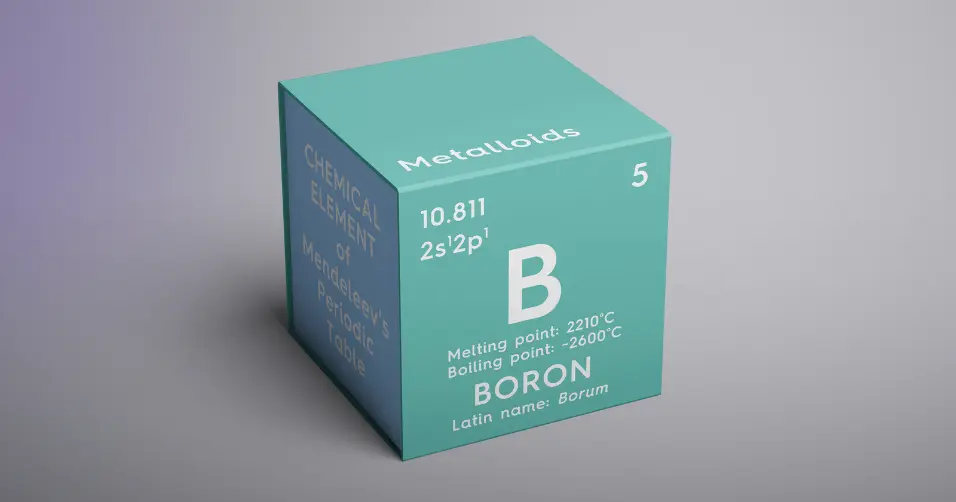
Boron is a trace mineral that supports bone health by aiding calcium and magnesium metabolism and may influence brain function and hormone levels. Found in fruits, nuts, and legumes, it may improve joint mobility and reduce inflammation in conditions like arthritis.
This article is educational and not intended to diagnose, treat, or suggest any specific intervention, and should not replace qualified medical advice.

Boron is a trace mineral that supports bone health and hormone regulation.

What Does Boron Do?

Boron is a trace mineral that supports bone health and may affect hormone balance.

Boron is a trace mineral that supports bone health, hormone balance, and brain function. It helps regulate the use of calcium, magnesium, and vitamin D in the body. Some research links boron intake to improved joint flexibility and reduced inflammation. It also plays a role in cognitive performance and may influence testosterone and estrogen balance. Although needed in small amounts, it has wide-reaching effects on health.

  • Boron helps increase bone density by enhancing mineral absorption and retention.

  • It supports mental clarity by influencing how the brain uses certain neurotransmitters.

  • Boron may help maintain healthy hormone levels, especially in older adults.

  • Its anti-inflammatory effects can ease joint discomfort and stiffness.

Boron is a trace mineral that supports bone health, hormone balance, and brain function. It helps regulate the use of calcium, magnesium, and vitamin D in the body. Some research links boron intake to improved joint flexibility and reduced inflammation. It also plays a role in cognitive performance and may influence testosterone and estrogen balance. Although needed in small amounts, it has wide-reaching effects on health.

  • Boron helps increase bone density by enhancing mineral absorption and retention.

  • It supports mental clarity by influencing how the brain uses certain neurotransmitters.

  • Boron may help maintain healthy hormone levels, especially in older adults.

  • Its anti-inflammatory effects can ease joint discomfort and stiffness.

Boron: FACTS

Role

Bone, hormones, cognitive support

Form & Classification

Trace mineral

Typical Dosage & Intake

3–6 mg/day

Cycling

No cycling required

Sources

Nuts, fruits, supplements

Safety & Interactions

Excess may harm bones

Dosage information is general and may vary with product brand, quality or individual needs; verify accuracy on package and consult a qualified practitioner before use.

Dosage information is general and may vary with product brand, quality or individual needs; verify accuracy on package and consult a qualified practitioner before use.

What Is Boron?

Boron is a trace mineral that supports bone health and hormone balance.

Boron is a trace mineral found in foods like fruits, nuts, and vegetables. It is not considered essential, but research shows it influences bone health, brain function, and hormone regulation. Boron may help the body use calcium and magnesium more effectively. It has also been linked to reduced inflammation and improved wound healing. While deficiencies are rare, intake varies depending on diet.

  • Bone support: Helps the body use calcium and magnesium for strong bones.

  • Hormone role: May influence estrogen and testosterone levels.

  • Anti-inflammatory: Linked with reduced swelling and better healing.

  • Food sources: Found naturally in fruits, nuts, and vegetables.

Boron is a trace mineral found in foods like fruits, nuts, and vegetables. It is not considered essential, but research shows it influences bone health, brain function, and hormone regulation. Boron may help the body use calcium and magnesium more effectively. It has also been linked to reduced inflammation and improved wound healing. While deficiencies are rare, intake varies depending on diet.

  • Bone support: Helps the body use calcium and magnesium for strong bones.

  • Hormone role: May influence estrogen and testosterone levels.

  • Anti-inflammatory: Linked with reduced swelling and better healing.

  • Food sources: Found naturally in fruits, nuts, and vegetables.

Which Boron Type Is Best?

Boron citrate or boron glycinate forms are well absorbed and commonly used.

Boron is not commonly sold in many varieties, but it is available mainly as boron citrate, boron glycinate, or boron aspartate. Boron citrate is often preferred because it is well-absorbed and stable. Some natural multivitamin blends include boron, but single-mineral supplements allow for more controlled intake. The differences between forms are smaller than with major minerals, so quality of source matters most. Selecting a product with third-party testing ensures safety and consistency.

  • Boron citrate is widely used due to good absorption and bioavailability.

  • Boron glycinate may be gentler on digestion for sensitive individuals.

  • Boron is often included in small amounts in multi-mineral formulas.

  • Purity-tested products lower the chance of contamination with unwanted minerals.

Boron is not commonly sold in many varieties, but it is available mainly as boron citrate, boron glycinate, or boron aspartate. Boron citrate is often preferred because it is well-absorbed and stable. Some natural multivitamin blends include boron, but single-mineral supplements allow for more controlled intake. The differences between forms are smaller than with major minerals, so quality of source matters most. Selecting a product with third-party testing ensures safety and consistency.

  • Boron citrate is widely used due to good absorption and bioavailability.

  • Boron glycinate may be gentler on digestion for sensitive individuals.

  • Boron is often included in small amounts in multi-mineral formulas.

  • Purity-tested products lower the chance of contamination with unwanted minerals.

How to Add Boron to Your Diet?

Boron can be obtained from raisins, almonds, and leafy vegetables.

Boron is most easily added through food sources like nuts, avocados, and dried fruits. If needed, supplements in capsule form can provide small, controlled amounts. Since the body requires only trace amounts, large doses are unnecessary. Pairing boron with a balanced diet rich in minerals improves overall benefits. Most people can meet needs naturally without heavy supplementation.

  • Nuts, prunes, and avocados supply boron in a natural food context.

  • Capsules deliver controlled amounts for those needing extra intake.

  • A balanced diet with minerals like magnesium enhances boron’s effects.

  • Because boron needs are small, natural foods usually cover daily requirements.

Boron is most easily added through food sources like nuts, avocados, and dried fruits. If needed, supplements in capsule form can provide small, controlled amounts. Since the body requires only trace amounts, large doses are unnecessary. Pairing boron with a balanced diet rich in minerals improves overall benefits. Most people can meet needs naturally without heavy supplementation.

  • Nuts, prunes, and avocados supply boron in a natural food context.

  • Capsules deliver controlled amounts for those needing extra intake.

  • A balanced diet with minerals like magnesium enhances boron’s effects.

  • Because boron needs are small, natural foods usually cover daily requirements.

What Are Key Ingredients of Boron?

Boron supplements contain boron citrate, boron glycinate, or boron aspartate.

Boron supplements usually contain boron bound to compounds like citrate, glycinate, or aspartate. These forms improve stability and absorption in the body. In foods, boron is found naturally with plant compounds like polyphenols. Since it is a trace mineral, doses are very small. The key “ingredient” is simply elemental boron in a bioavailable form.

  • Boron citrate is a common supplemental form with good absorption.

  • Boron glycinate is gentler on digestion and easy to process.

  • Natural foods provide boron bound to plant-based polyphenols.

  • All forms deliver elemental boron needed in very small amounts.

Boron supplements usually contain boron bound to compounds like citrate, glycinate, or aspartate. These forms improve stability and absorption in the body. In foods, boron is found naturally with plant compounds like polyphenols. Since it is a trace mineral, doses are very small. The key “ingredient” is simply elemental boron in a bioavailable form.

  • Boron citrate is a common supplemental form with good absorption.

  • Boron glycinate is gentler on digestion and easy to process.

  • Natural foods provide boron bound to plant-based polyphenols.

  • All forms deliver elemental boron needed in very small amounts.

Which Processes Does Boron Affect?

Boron affects bone strength, hormone balance, and brain function.

Boron influences bone growth, hormone balance, and brain function. It supports how the body uses calcium, magnesium, and vitamin D. Hormonal effects include influencing estrogen and testosterone levels. In the brain, boron may support memory and motor skills. It also has anti-inflammatory actions that benefit joint health.

  • Boron enhances bone strength by regulating mineral use and retention.

  • It helps balance sex hormones, especially in older adults.

  • Cognitive processes like memory and focus may improve with boron intake.

  • Its anti-inflammatory effect eases stiffness in joints and muscles.

Boron influences bone growth, hormone balance, and brain function. It supports how the body uses calcium, magnesium, and vitamin D. Hormonal effects include influencing estrogen and testosterone levels. In the brain, boron may support memory and motor skills. It also has anti-inflammatory actions that benefit joint health.

  • Boron enhances bone strength by regulating mineral use and retention.

  • It helps balance sex hormones, especially in older adults.

  • Cognitive processes like memory and focus may improve with boron intake.

  • Its anti-inflammatory effect eases stiffness in joints and muscles.

What Foods Contain Boron?

Boron is naturally found in prunes, raisins, and leafy vegetables.

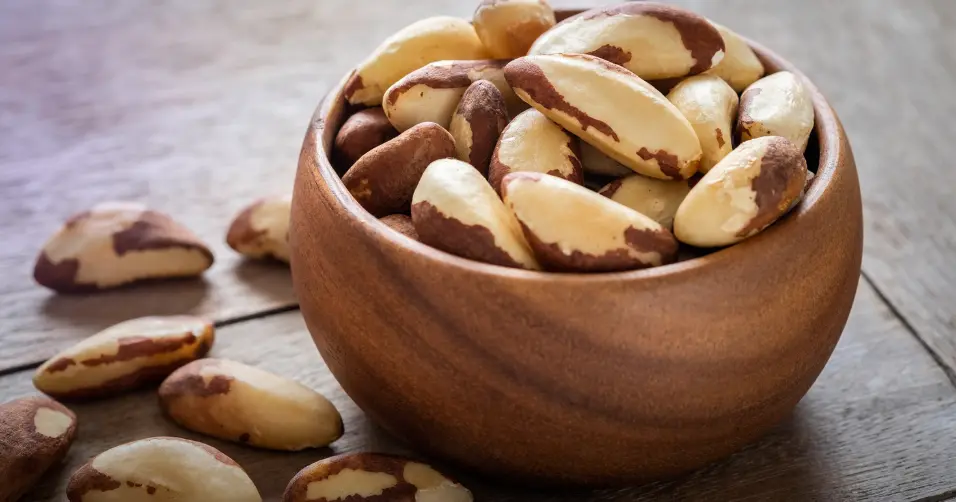
Boron occurs naturally in many plant-based foods. Fruits such as apples, pears, prunes, and grapes are common sources. Nuts and legumes also contain significant boron. Avocados provide both boron and healthy fats. Vegetables like broccoli and carrots contain smaller amounts.

  • Prunes and raisins are boron-rich dried fruit options.

  • Nuts like almonds supply boron alongside protein and minerals.

  • Avocados contribute boron with healthy monounsaturated fats.

  • Legumes provide boron as well as fiber and plant protein.

Boron occurs naturally in many plant-based foods. Fruits such as apples, pears, prunes, and grapes are common sources. Nuts and legumes also contain significant boron. Avocados provide both boron and healthy fats. Vegetables like broccoli and carrots contain smaller amounts.

  • Prunes and raisins are boron-rich dried fruit options.

  • Nuts like almonds supply boron alongside protein and minerals.

  • Avocados contribute boron with healthy monounsaturated fats.

  • Legumes provide boron as well as fiber and plant protein.

Is Boron Vegan?

Boron is vegan as it is a mineral.

Boron is suitable for vegans because it naturally comes from plant foods such as fruits, nuts, and legumes. Supplements are often made using mineral salts that are vegan-friendly. However, capsule shells may occasionally contain gelatin. Vegan-labeled options ensure compatibility with a plant-based lifestyle. Boron needs are small and easily met with plant foods alone.

  • Fruits, nuts, and beans provide vegan-friendly boron naturally.

  • Most boron supplements use mineral forms safe for vegans.

  • Gelatin capsules are the main concern for non-vegan versions.

  • Plant-based diets usually supply enough boron without supplements.

Boron is suitable for vegans because it naturally comes from plant foods such as fruits, nuts, and legumes. Supplements are often made using mineral salts that are vegan-friendly. However, capsule shells may occasionally contain gelatin. Vegan-labeled options ensure compatibility with a plant-based lifestyle. Boron needs are small and easily met with plant foods alone.

  • Fruits, nuts, and beans provide vegan-friendly boron naturally.

  • Most boron supplements use mineral forms safe for vegans.

  • Gelatin capsules are the main concern for non-vegan versions.

  • Plant-based diets usually supply enough boron without supplements.

Will Boron Break a Fast?

Boron does not break a fast as it is a mineral.

Boron is a mineral and contains no calories, so it does not break a fast. It is usually taken in small doses without energy value. If combined with fillers or sweeteners, fasting may be affected. In strict water-only fasting, some people avoid all supplements, but technically boron does not interfere. It is best absorbed with food, so timing after fasting may be preferred.

  • Boron has no caloric content, making it safe for fasting.

  • Supplement fillers are the only potential fasting concern.

  • For water-only fasting, some choose to avoid all minerals for purity.

  • Taking boron with meals supports mineral balance and absorption.

Boron is a mineral and contains no calories, so it does not break a fast. It is usually taken in small doses without energy value. If combined with fillers or sweeteners, fasting may be affected. In strict water-only fasting, some people avoid all supplements, but technically boron does not interfere. It is best absorbed with food, so timing after fasting may be preferred.

  • Boron has no caloric content, making it safe for fasting.

  • Supplement fillers are the only potential fasting concern.

  • For water-only fasting, some choose to avoid all minerals for purity.

  • Taking boron with meals supports mineral balance and absorption.

Breaking a fast here is strictly physiological (e.g., insulin effects). When we say a supplement ‘does not break a fast,’ we mean it has negligible calories in normal use and is unlikely to disrupt fasting metabolism. Certain traditions or religious rules may treat any intake as breaking a fast—please follow your tradition and health needs.

Breaking a fast here is strictly physiological (e.g., insulin effects). When we say a supplement ‘does not break a fast,’ we mean it has negligible calories in normal use and is unlikely to disrupt fasting metabolism. Certain traditions or religious rules may treat any intake as breaking a fast—please follow your tradition and health needs.

How to Pick the Best Boron?

Boron should be chosen from safe mineral forms and tested for dose accuracy.

High-quality boron supplements use well-absorbed forms like citrate or glycinate. Products should avoid unnecessary additives and provide small, safe doses. Since boron is required only in trace amounts, precise labeling is important. Natural plant-based sources can complement supplementation. Testing for purity ensures no contamination with heavy metals.

  • Boron citrate and glycinate are highly bioavailable and gentle on digestion.

  • Small, accurate doses match the body’s trace mineral needs.

  • Plant-based diets naturally add boron, reducing need for high doses.

  • Purity checks protect against toxic contaminants in supplements.

High-quality boron supplements use well-absorbed forms like citrate or glycinate. Products should avoid unnecessary additives and provide small, safe doses. Since boron is required only in trace amounts, precise labeling is important. Natural plant-based sources can complement supplementation. Testing for purity ensures no contamination with heavy metals.

  • Boron citrate and glycinate are highly bioavailable and gentle on digestion.

  • Small, accurate doses match the body’s trace mineral needs.

  • Plant-based diets naturally add boron, reducing need for high doses.

  • Purity checks protect against toxic contaminants in supplements.

What’s the Optimal Dosage and Timing for Boron?

Boron is usually taken at 1–3 mg daily, with food.

The optimal boron dosage is small, usually between 1 and 3 mg daily. Higher doses have not been widely studied for long-term safety. It can be taken with or without food since absorption is not heavily dependent on meals. Consistency in daily intake helps maintain benefits for bones and hormones. Natural food intake often covers much of the body’s need.

  • 1–3 mg daily supports bone and hormone balance safely.

  • Higher doses lack long-term research, so conservative use is best.

  • Boron can be taken with or without meals for flexibility.

  • Plant-based diets often provide enough boron without supplementation.

The optimal boron dosage is small, usually between 1 and 3 mg daily. Higher doses have not been widely studied for long-term safety. It can be taken with or without food since absorption is not heavily dependent on meals. Consistency in daily intake helps maintain benefits for bones and hormones. Natural food intake often covers much of the body’s need.

  • 1–3 mg daily supports bone and hormone balance safely.

  • Higher doses lack long-term research, so conservative use is best.

  • Boron can be taken with or without meals for flexibility.

  • Plant-based diets often provide enough boron without supplementation.

Dosage and timing information is generalized and may not be appropriate for all individuals; occasional inaccuracies may occur. Variations in supplement purity, formulation, or quality can also affect dosing relevance. Verify accuracy on package and consult a qualified practitioner before use.

Dosage and timing information is generalized and may not be appropriate for all individuals; occasional inaccuracies may occur. Variations in supplement purity, formulation, or quality can also affect dosing relevance. Verify accuracy on package and consult a qualified practitioner before use.

What Are Common Mistakes When Taking Boron?

Boron mistakes include overdosing, which may affect hormone balance.

Boron mistakes usually involve overdosing since the mineral is only needed in small amounts. Some assume more boron will improve bone or hormone health, which is unproven. Ignoring food sources and relying only on supplements may lead to unnecessary intake. Choosing products without third-party testing risks contamination. Inconsistent daily use may reduce its benefits for bone and cognitive support.

  • Taking more than 3 mg daily may exceed safe, studied ranges.

  • High doses lack evidence and may disrupt mineral balance.

  • Skipping dietary boron-rich foods increases supplement reliance.

  • Unverified supplements may contain unwanted contaminants.

Boron mistakes usually involve overdosing since the mineral is only needed in small amounts. Some assume more boron will improve bone or hormone health, which is unproven. Ignoring food sources and relying only on supplements may lead to unnecessary intake. Choosing products without third-party testing risks contamination. Inconsistent daily use may reduce its benefits for bone and cognitive support.

  • Taking more than 3 mg daily may exceed safe, studied ranges.

  • High doses lack evidence and may disrupt mineral balance.

  • Skipping dietary boron-rich foods increases supplement reliance.

  • Unverified supplements may contain unwanted contaminants.

How Fast Does Boron Work?

Boron effects on bone and hormones appear over weeks.

Boron effects are not immediate and usually develop over weeks. Bone and joint benefits may require consistent intake for noticeable changes. Hormonal balance improvements also take time to manifest. Subtle cognitive support builds with daily use. Long-term regular intake is needed for meaningful results.

  • Bone health improvements emerge gradually with steady intake.

  • Hormone balance shifts may take several weeks to notice.

  • Cognitive clarity develops subtly rather than suddenly.

  • Consistent long-term intake produces the strongest effects.

Boron effects are not immediate and usually develop over weeks. Bone and joint benefits may require consistent intake for noticeable changes. Hormonal balance improvements also take time to manifest. Subtle cognitive support builds with daily use. Long-term regular intake is needed for meaningful results.

  • Bone health improvements emerge gradually with steady intake.

  • Hormone balance shifts may take several weeks to notice.

  • Cognitive clarity develops subtly rather than suddenly.

  • Consistent long-term intake produces the strongest effects.

Results may vary between individuals, and no outcome is guaranteed. A tailored supplemntation plan is the best way to ensure the desired outcome.

Results may vary between individuals, and no outcome is guaranteed. A tailored supplemntation plan is the best way to ensure the desired outcome.

Does Boron Require a Cooldown?

Boron may require cooldown if taken long term in high doses due to limited data.

Boron does not require cycling since it is a trace mineral. Daily intake is safe at small amounts found in foods. Long-term supplementation has limited research, so conservative dosing is best. Breaks are optional if dietary sources already provide enough. Careful monitoring ensures no unnecessary accumulation.

  • Boron is safe daily in food-level amounts without cycling.

  • Supplement research is limited, so conservative use is safest.

  • Breaks may be useful if diet already provides trace boron.

  • No evidence supports the need for structured cooldowns.

Boron does not require cycling since it is a trace mineral. Daily intake is safe at small amounts found in foods. Long-term supplementation has limited research, so conservative dosing is best. Breaks are optional if dietary sources already provide enough. Careful monitoring ensures no unnecessary accumulation.

  • Boron is safe daily in food-level amounts without cycling.

  • Supplement research is limited, so conservative use is safest.

  • Breaks may be useful if diet already provides trace boron.

  • No evidence supports the need for structured cooldowns.

The need to pause or cycle depends on individual factors such as goals, tolerance, and clinical context. No universal rule applies, and specialist review is recommended before making adjustments.

The need to pause or cycle depends on individual factors such as goals, tolerance, and clinical context. No universal rule applies, and specialist review is recommended before making adjustments.

Does Tolerance Develop for Boron?

Boron does not cause tolerance but excessive intake may disrupt balance.

Boron does not seem to cause tolerance, as it is a trace mineral. Its effects on bone and hormones remain stable with regular intake. Overuse is more of a concern than reduced response. Safe daily intake does not diminish in effect over time. No research shows adaptation leading to loss of benefits.

  • Boron’s bone and hormone support does not weaken with use.

  • Tolerance does not develop, but overdose can cause issues.

  • Regular low intake provides steady long-term benefits.

  • Lack of research on tolerance suggests effects remain stable.

Boron does not seem to cause tolerance, as it is a trace mineral. Its effects on bone and hormones remain stable with regular intake. Overuse is more of a concern than reduced response. Safe daily intake does not diminish in effect over time. No research shows adaptation leading to loss of benefits.

  • Boron’s bone and hormone support does not weaken with use.

  • Tolerance does not develop, but overdose can cause issues.

  • Regular low intake provides steady long-term benefits.

  • Lack of research on tolerance suggests effects remain stable.

Information on tolerance is generalized and may not reflect individual differences in metabolism, duration of use, or health status. Reactions can vary, and any adjustment should follow qualified practicioner's recommendations.

Information on tolerance is generalized and may not reflect individual differences in metabolism, duration of use, or health status. Reactions can vary, and any adjustment should follow qualified practicioner's recommendations.

Can Boron Be Stacked?

Boron can be stacked with magnesium and vitamin D for bone support.

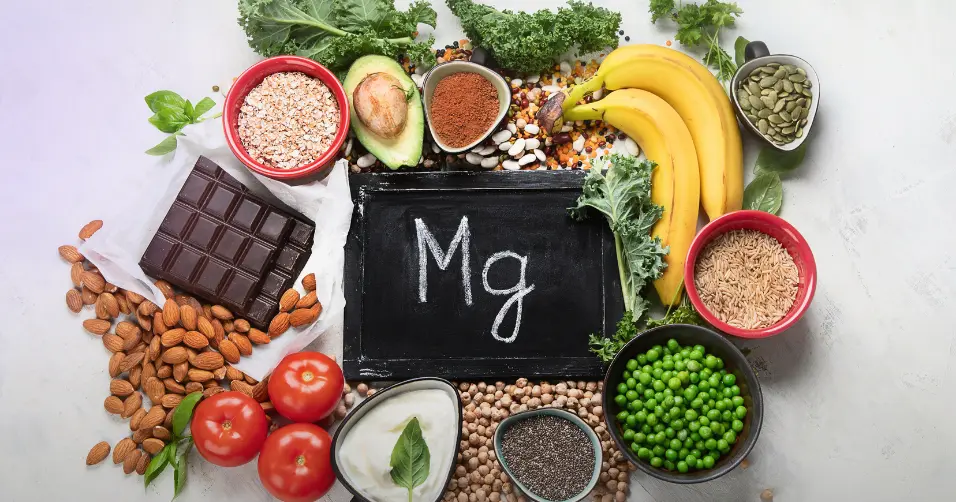
Boron can be stacked with calcium, magnesium, and vitamin D for bone support. It helps regulate these minerals, making the stack more effective. Hormone balance stacks sometimes include zinc along with boron. Overlapping too many minerals may cause digestive discomfort. A conservative approach is safest for long-term use.

  • Boron supports calcium and magnesium use in the body for stronger bones.

  • Vitamin D enhances the whole mineral stack by aiding absorption.

  • Zinc complements boron for balanced hormone health.

  • Too many overlapping minerals can lead to stomach irritation.

Boron can be stacked with calcium, magnesium, and vitamin D for bone support. It helps regulate these minerals, making the stack more effective. Hormone balance stacks sometimes include zinc along with boron. Overlapping too many minerals may cause digestive discomfort. A conservative approach is safest for long-term use.

  • Boron supports calcium and magnesium use in the body for stronger bones.

  • Vitamin D enhances the whole mineral stack by aiding absorption.

  • Zinc complements boron for balanced hormone health.

  • Too many overlapping minerals can lead to stomach irritation.

Many supplements can interact in ways that enhance or alter their effects. However, stacking makes it difficult to monitor the impact of each component and increases the risk of oversupplementation or unintended interactions.

Many supplements can interact in ways that enhance or alter their effects. However, stacking makes it difficult to monitor the impact of each component and increases the risk of oversupplementation or unintended interactions.

Do Boron Effects Persist?

Boron effects diminish within days to weeks without intake.

Boron effects may persist in bone and hormone health after steady intake. Benefits build gradually and fade slowly if supplementation stops. Small amounts from diet maintain ongoing support. Memory and cognitive benefits may reduce over weeks without boron. Long-term balance depends on consistent intake.

  • Boron builds up gradual support for bones that lasts beyond short-term use.

  • Hormone balance may persist briefly after intake ends.

  • Dietary boron maintains some benefits even without supplements.

  • Cognitive benefits fade if dietary intake becomes too low.

Boron effects may persist in bone and hormone health after steady intake. Benefits build gradually and fade slowly if supplementation stops. Small amounts from diet maintain ongoing support. Memory and cognitive benefits may reduce over weeks without boron. Long-term balance depends on consistent intake.

  • Boron builds up gradual support for bones that lasts beyond short-term use.

  • Hormone balance may persist briefly after intake ends.

  • Dietary boron maintains some benefits even without supplements.

  • Cognitive benefits fade if dietary intake becomes too low.

Results may vary between individuals, and no outcome is guaranteed. A tailored supplemntation plan is the best way to ensure the desired outcome.

Results may vary between individuals, and no outcome is guaranteed. A tailored supplemntation plan is the best way to ensure the desired outcome.

Does Boron Aid Longevity?

Boron may support longevity through roles in bone and hormone health.

Boron may aid longevity through its effects on bone and hormone health. It improves mineral use, which supports skeletal strength over decades. Anti-inflammatory actions may protect joints and reduce chronic disease risks. Cognitive support from boron can contribute to healthy aging. Long-term effects are promising but not yet well studied in humans.

  • Boron regulates minerals for lifelong bone resilience.

  • Anti-inflammatory effects reduce age-related joint decline.

  • Cognitive support may improve quality of life as people age.

  • Human data on direct lifespan effects is still limited.

Boron may aid longevity through its effects on bone and hormone health. It improves mineral use, which supports skeletal strength over decades. Anti-inflammatory actions may protect joints and reduce chronic disease risks. Cognitive support from boron can contribute to healthy aging. Long-term effects are promising but not yet well studied in humans.

  • Boron regulates minerals for lifelong bone resilience.

  • Anti-inflammatory effects reduce age-related joint decline.

  • Cognitive support may improve quality of life as people age.

  • Human data on direct lifespan effects is still limited.

What Are Alternatives to Boron?

Boron alternatives include mineral-rich foods like prunes and almonds.

Alternatives to boron include magnesium and vitamin D for bone health. Zinc also supports hormone regulation like boron. Omega-3 fatty acids can reduce inflammation and improve joint flexibility. Plant-rich diets supply many of the same anti-inflammatory benefits. These substitutes help where boron supplementation is unnecessary.

  • Magnesium and vitamin D maintain bone strength in place of boron.

  • Zinc balances hormones and supports immunity as an alternative.

  • Omega-3s lower inflammation for joint and heart health.

  • Vegetable-rich diets naturally support mineral and hormone balance.

Alternatives to boron include magnesium and vitamin D for bone health. Zinc also supports hormone regulation like boron. Omega-3 fatty acids can reduce inflammation and improve joint flexibility. Plant-rich diets supply many of the same anti-inflammatory benefits. These substitutes help where boron supplementation is unnecessary.

  • Magnesium and vitamin D maintain bone strength in place of boron.

  • Zinc balances hormones and supports immunity as an alternative.

  • Omega-3s lower inflammation for joint and heart health.

  • Vegetable-rich diets naturally support mineral and hormone balance.

There are often alternatives that better align with personal risk profiles, preferences, or resources; comparative review with a relevant certified consultant is advised.

There are often alternatives that better align with personal risk profiles, preferences, or resources; comparative review with a relevant certified consultant is advised.

What Are Possible Boron Side Effects?

Boron side effects at high doses include nausea and hormone imbalance.

Boron is usually safe at small doses but may cause side effects when overused. Nausea, diarrhea, and stomach upset are possible. High intake may disrupt hormone balance. Toxicity has been linked to skin irritation and headaches. Careful dosing avoids these risks.

  • Excess boron intake irritates digestion, leading to diarrhea.

  • Hormonal disruption may occur at high supplemental doses.

  • Skin rashes and headaches are rare toxicity symptoms.

  • Staying within 1–3 mg daily prevents most risks.

Boron is usually safe at small doses but may cause side effects when overused. Nausea, diarrhea, and stomach upset are possible. High intake may disrupt hormone balance. Toxicity has been linked to skin irritation and headaches. Careful dosing avoids these risks.

  • Excess boron intake irritates digestion, leading to diarrhea.

  • Hormonal disruption may occur at high supplemental doses.

  • Skin rashes and headaches are rare toxicity symptoms.

  • Staying within 1–3 mg daily prevents most risks.

Responses differ among individuals. If adverse effects occur, discontinuation and professional evaluation are advised.

Responses differ among individuals. If adverse effects occur, discontinuation and professional evaluation are advised.

Who Should Avoid Boron?

Boron should be avoided by people with hormone-sensitive conditions.

Boron should be avoided by people with hormone-sensitive conditions, such as certain cancers. Those with kidney problems may also struggle with excess boron clearance. Pregnant and breastfeeding women should avoid supplementation due to limited research. People already getting high amounts from food may not need supplements. Safety beyond trace doses is not established.

  • Hormone-sensitive conditions may worsen with boron intake.

  • Kidney patients cannot clear excess boron effectively.

  • Pregnancy and breastfeeding lack safety data for boron use.

  • High dietary intake makes supplementation unnecessary and risky.

Boron should be avoided by people with hormone-sensitive conditions, such as certain cancers. Those with kidney problems may also struggle with excess boron clearance. Pregnant and breastfeeding women should avoid supplementation due to limited research. People already getting high amounts from food may not need supplements. Safety beyond trace doses is not established.

  • Hormone-sensitive conditions may worsen with boron intake.

  • Kidney patients cannot clear excess boron effectively.

  • Pregnancy and breastfeeding lack safety data for boron use.

  • High dietary intake makes supplementation unnecessary and risky.

Individuals who may be at higher risk—including those with diabetes, eating disorders, pregnancy or breastfeeding, heavy training loads, health conditions, medication use, or prior adverse reactions—should seek tailored guidance before deciding supplementation or making major supplement or lifestyle changes.

Individuals who may be at higher risk—including those with diabetes, eating disorders, pregnancy or breastfeeding, heavy training loads, health conditions, medication use, or prior adverse reactions—should seek tailored guidance before deciding supplementation or making major supplement or lifestyle changes.

Is Boron Available Over-the-Counter?

Boron is available over-the-counter in capsule or mineral complex forms.

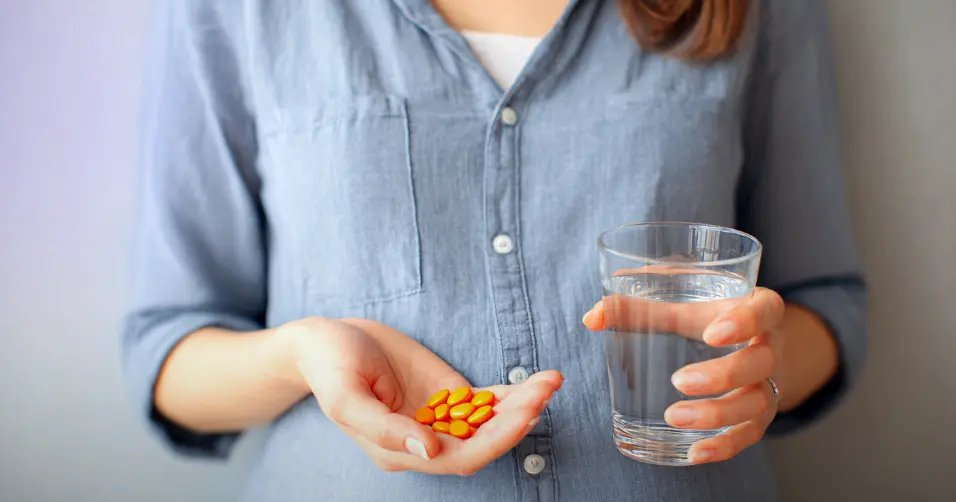
Boron is available over-the-counter as a trace mineral supplement. It is usually found in combination with multi-mineral or bone health products. Single boron supplements are less common but accessible. No prescription is required for purchase. Availability may vary depending on regional supplement markets.

  • Boron is sold in small doses as part of mineral blends.

  • Standalone boron products are rarer but still OTC.

  • No prescription is needed for trace mineral use.

  • Market availability differs across countries.

Boron is available over-the-counter as a trace mineral supplement. It is usually found in combination with multi-mineral or bone health products. Single boron supplements are less common but accessible. No prescription is required for purchase. Availability may vary depending on regional supplement markets.

  • Boron is sold in small doses as part of mineral blends.

  • Standalone boron products are rarer but still OTC.

  • No prescription is needed for trace mineral use.

  • Market availability differs across countries.

For over-the-counter availability we use generic US data. Product availability and status may vary by country and region.

For over-the-counter availability we use generic US data. Product availability and status may vary by country and region.

What’s the History of Boron?

Boron was discovered in 1808 and later studied for bone health.

Boron has been present in human diets for millennia through plants. Its role in health was only recognized in the 20th century. Scientists discovered boron’s impact on bones, hormones, and cognitive function. Supplement use began as research linked boron to osteoporosis prevention. Today it remains a trace mineral of scientific interest rather than mainstream supplementation.

  • Plant-rich diets have supplied boron for thousands of years.

  • Modern science identified its biological functions in the 1900s.

  • Bone and hormone effects sparked interest in supplementation.

  • Boron remains under study for full health potential.

Boron has been present in human diets for millennia through plants. Its role in health was only recognized in the 20th century. Scientists discovered boron’s impact on bones, hormones, and cognitive function. Supplement use began as research linked boron to osteoporosis prevention. Today it remains a trace mineral of scientific interest rather than mainstream supplementation.

  • Plant-rich diets have supplied boron for thousands of years.

  • Modern science identified its biological functions in the 1900s.

  • Bone and hormone effects sparked interest in supplementation.

  • Boron remains under study for full health potential.

Does IGF-1 Fit into Hormone Support?

IGF-1 fits hormone support by mediating GH’s growth and repair effects.

IGF-1 fits into hormone support because it is the key downstream signal produced when GH acts on the liver. IGF-1 helps guide tissue repair and growth. Levels depend on GH, nutrition, and sleep. It forms part of a coordinated hormone chain. Balance is essential for healthy function.

  • Downstream link: Created in response to GH.

  • Tissue support: Assists repair and growth signals.

  • Regulated by lifestyle: Sleep and diet influence levels.

  • Chain role: Essential in GH–IGF-1 pathways.


IGF-1 fits into hormone support because it is the key downstream signal produced when GH acts on the liver. IGF-1 helps guide tissue repair and growth. Levels depend on GH, nutrition, and sleep. It forms part of a coordinated hormone chain. Balance is essential for healthy function.

  • Downstream link: Created in response to GH.

  • Tissue support: Assists repair and growth signals.

  • Regulated by lifestyle: Sleep and diet influence levels.

  • Chain role: Essential in GH–IGF-1 pathways.


How Does Boron Relate to Minerals?

Boron relates to minerals by supporting bone strength and hormone balance.

Boron relates to minerals because it is a trace element found in soil and plants. The body needs only very small amounts. It participates in several metabolic interactions. Foods naturally supply it without large doses. It is classified among minor dietary minerals.

  • Trace status marks it as a minor mineral. Needs are extremely small.

  • Plant-based sources deliver most intake. Many fruits and vegetables contain it.

  • Metabolic interaction links it to mineral activity. It supports several nutrient pathways.


Boron relates to minerals because it is a trace element found in soil and plants. The body needs only very small amounts. It participates in several metabolic interactions. Foods naturally supply it without large doses. It is classified among minor dietary minerals.

  • Trace status marks it as a minor mineral. Needs are extremely small.

  • Plant-based sources deliver most intake. Many fruits and vegetables contain it.

  • Metabolic interaction links it to mineral activity. It supports several nutrient pathways.


Medical Disclaimer: All content on this website is intended solely for informational and educational purposes and should not be interpreted as a substitute for professional medical advice, diagnosis, or treatment, nor as encouragement or promotion for or against any particular use, product, or activity. Results may vary and are not guaranteed. No doctor–patient relationship is created by your use of this content. Always consult a qualified healthcare provider, nutritionist, or other relevant expert before starting or changing any supplement, diet, exercise, or lifestyle program. This website can contain errors. Check important information. Read our full Disclaimer.

StatusTerms of ServicePrivacy PolicyDisclaimerAbout Myopedia.

©2025 Myopedia™. All rights reserved.

Medical Disclaimer: All content on this website is intended solely for informational and educational purposes and should not be interpreted as a substitute for professional medical advice, diagnosis, or treatment, nor as encouragement or promotion for or against any particular use, product, or activity. Results may vary and are not guaranteed. No doctor–patient relationship is created by your use of this content. Always consult a qualified healthcare provider, nutritionist, or other relevant expert before starting or changing any supplement, diet, exercise, or lifestyle program. This website can contain errors. Check important information. Read our full Disclaimer.

StatusTerms of ServicePrivacy PolicyDisclaimerAbout Myopedia.

©2025 Myopedia™. All rights reserved.

Medical Disclaimer: All content on this website is intended solely for informational and educational purposes and should not be interpreted as a substitute for professional medical advice, diagnosis, or treatment, nor as encouragement or promotion for or against any particular use, product, or activity. Results may vary and are not guaranteed. No doctor–patient relationship is created by your use of this content. Always consult a qualified healthcare provider, nutritionist, or other relevant expert before starting or changing any supplement, diet, exercise, or lifestyle program. This website can contain errors. Check important information. Read our full Disclaimer.

StatusTerms of ServicePrivacy PolicyDisclaimerAbout Myopedia.

©2025 Myopedia™. All rights reserved.