Bone Health
A Comprehensive Guide to Bone Health
Bone health depends on maintaining strong, dense bones through adequate intake of calcium, vitamin D, and magnesium, alongside weight-bearing exercise to prevent osteoporosis and fractures. Lifestyle factors like avoiding smoking and excessive alcohol also play a critical role in preserving skeletal integrity.
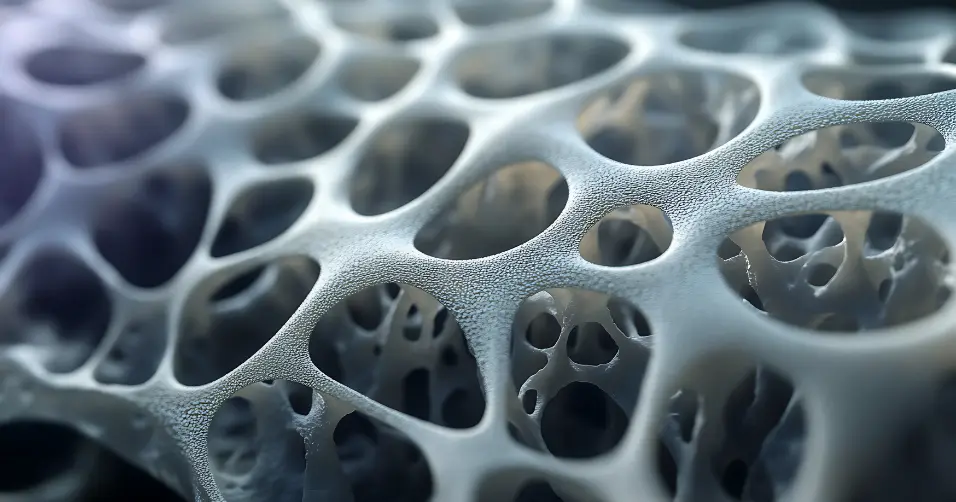
Bones are living tissue, not just hard, lifeless structures. They're made of spongy and compact layers, with marrow inside, and they're constantly being renewed.
Getting enough calcium and vitamin D is super important for building strong bones when you're young and keeping them that way as you get older.
Moving your body is key for bone strength. Weight-bearing exercises like walking or dancing help build bone density, while muscle-strengthening moves support your bones and help prevent falls.
Things like smoking, drinking too much alcohol, and not eating well can really hurt your bone health. Maintaining a healthy weight also plays a role.
You can check on your bone health with bone density tests. Knowing your numbers and talking to a doctor can help you figure out if you're at risk for bone loss or conditions like osteoporosis.
This article is educational and not intended to diagnose, treat, or suggest any specific intervention, and should not replace qualified medical advice.


Understanding Bone Health Basics
When we talk about staying healthy, we often focus on things like heart disease or cancer prevention. But what about our bones? They're not just inert structures holding us up; they're living, dynamic tissues that are constantly changing. Keeping them strong is just as important as any other aspect of our well-being.
What Are Bones Made Of?
Think of the outside of a bone, the part you can see, as a hard, thick shell. That's called compact bone. Inside, it's more like a spongy, mesh-like material, similar to a honeycomb structure. This is known as cancellous bone. Tucked away within this spongy interior is bone marrow, where all sorts of blood cells and bone cells are created. This combination of hard outer shell and porous inner structure gives bones their strength and a bit of flexibility.
Why Bone Health Matters
Our bones do a lot more than just provide our shape. They give our bodies support, allowing us to move around using our muscles. They also act as a protective casing for our vital organs. Plus, bones are a major storage site for calcium, a mineral that's not just for bone strength but also for countless other functions in our body, like nerve signaling and muscle contraction. When our diet doesn't provide enough calcium, our bones step in to supply it.
Bone Remodeling Explained
Your skeleton doesn't just form and stay that way. It's a busy place! The process of building and shaping your skeleton when you're young is called modeling. But even after you've reached your adult size, your bones continue to change through a process called remodeling. This is where old bone tissue is removed and replaced with new, fresh bone. It's like a constant repair and renewal system. In healthy young adults, the amount of bone removed and replaced is pretty balanced. This keeps the bone tissue healthy and strong. However, as we age, this balance can shift, leading to more bone being lost than replaced, which can make bones weaker over time.
Key Nutrients for Strong Bones
The Role of Calcium
Calcium is a mineral that our bodies absolutely need to build and keep bones strong. Think of your skeleton as a big storage unit for calcium. If you're not getting enough calcium from your food, your body will actually pull it from your bones to keep other cells working right. This can make your bones weaker over time. For adults, especially those over 50, aiming for about 1,200 mg of calcium daily is a good target to help prevent bone loss. Getting calcium from food sources like dairy products, leafy greens, and fortified foods is generally preferred over supplements, as it can reduce the risk of things like kidney stones.
The Importance of Vitamin D
Vitamin D plays a really big part in how well your body can actually use the calcium you consume. It helps your digestive system absorb calcium from your food. Without enough vitamin D, even if you eat plenty of calcium-rich foods, your body won't be able to make the most of it. Vitamin D is also involved in the process where bone-building cells turn minerals into hard bone tissue. So, it's not just about getting calcium in; it's about your body being able to use it effectively, and that's where vitamin D comes in.
Dietary Sources for Bone Health
Making sure you get the right nutrients from your diet is key for strong bones throughout life. Here are some of the main players and where to find them:
Calcium: You can find this in milk, yogurt, cheese, and other dairy products. Non-dairy options include leafy green vegetables like kale and broccoli, almonds, and foods fortified with calcium, such as some cereals and plant-based milks.
Vitamin D: Your body makes vitamin D when your skin is exposed to sunlight. Food sources include fatty fish like salmon and mackerel, egg yolks, and fortified milk or cereals.
Other Important Nutrients: Don't forget about minerals like magnesium and zinc, and vitamins like K and A, which also contribute to bone metabolism. You can find these in a varied diet with plenty of fruits, vegetables, lean proteins, and whole grains.
Here's a quick look at some common sources:
Nutrient | Good Food Sources |
|---|---|
Calcium | Milk, yogurt, cheese, kale, broccoli, almonds, tofu |
Vitamin D | Fatty fish, egg yolks, fortified milk, sunlight exposure |
Magnesium | Nuts, seeds, whole grains, leafy greens |
Vitamin K | Leafy green vegetables, Brussels sprouts, broccoli |
Lifestyle Choices Impacting Bone Strength
What you do day-to-day really makes a difference when it comes to keeping your bones in good shape. It's not just about what you eat or if you have a family history of bone issues; your habits play a big part too.
Exercise for Bone Density
Moving your body is key, especially activities where you're on your feet. These are called weight-bearing exercises. Think about things like walking briskly, dancing, or even climbing stairs. When you do these, your bones have to work against gravity. This signals your body to build them up and make them stronger. It's like giving your bones a workout. Even simple things like gardening or playing a sport can help. The goal is to keep those bone-building cells active.
Brisk walking
Dancing
Climbing stairs
Jogging
Playing sports
Regular movement helps slow down bone loss as we get older. Plus, keeping your muscles strong through exercise also helps protect your bones and can prevent falls, which are a major concern for bone health.
The Dangers of Smoking and Alcohol
On the flip side, some habits can really hurt your bones. Smoking is one of them. It can interfere with your body's ability to absorb calcium and can also speed up bone loss. If you smoke, quitting is one of the best things you can do for your bone health, and your overall health too. It's never too late to stop.
Alcohol is another one to watch. Drinking too much alcohol can affect your body's calcium balance and vitamin D levels, both of which are vital for strong bones. It can also increase your risk of falling. If you choose to drink, moderation is the name of the game. For healthy adults, that generally means up to one drink a day for women and up to two drinks a day for men.
Maintaining a Healthy Weight
Understanding Bone Health Basics
When we talk about staying healthy, we often focus on things like heart disease or cancer prevention. But what about our bones? They're not just inert structures holding us up; they're living, dynamic tissues that are constantly changing. Keeping them strong is just as important as any other aspect of our well-being.
What Are Bones Made Of?
Think of the outside of a bone, the part you can see, as a hard, thick shell. That's called compact bone. Inside, it's more like a spongy, mesh-like material, similar to a honeycomb structure. This is known as cancellous bone. Tucked away within this spongy interior is bone marrow, where all sorts of blood cells and bone cells are created. This combination of hard outer shell and porous inner structure gives bones their strength and a bit of flexibility.
Why Bone Health Matters
Our bones do a lot more than just provide our shape. They give our bodies support, allowing us to move around using our muscles. They also act as a protective casing for our vital organs. Plus, bones are a major storage site for calcium, a mineral that's not just for bone strength but also for countless other functions in our body, like nerve signaling and muscle contraction. When our diet doesn't provide enough calcium, our bones step in to supply it.
Bone Remodeling Explained
Your skeleton doesn't just form and stay that way. It's a busy place! The process of building and shaping your skeleton when you're young is called modeling. But even after you've reached your adult size, your bones continue to change through a process called remodeling. This is where old bone tissue is removed and replaced with new, fresh bone. It's like a constant repair and renewal system. In healthy young adults, the amount of bone removed and replaced is pretty balanced. This keeps the bone tissue healthy and strong. However, as we age, this balance can shift, leading to more bone being lost than replaced, which can make bones weaker over time.
Key Nutrients for Strong Bones
The Role of Calcium
Calcium is a mineral that our bodies absolutely need to build and keep bones strong. Think of your skeleton as a big storage unit for calcium. If you're not getting enough calcium from your food, your body will actually pull it from your bones to keep other cells working right. This can make your bones weaker over time. For adults, especially those over 50, aiming for about 1,200 mg of calcium daily is a good target to help prevent bone loss. Getting calcium from food sources like dairy products, leafy greens, and fortified foods is generally preferred over supplements, as it can reduce the risk of things like kidney stones.
The Importance of Vitamin D
Vitamin D plays a really big part in how well your body can actually use the calcium you consume. It helps your digestive system absorb calcium from your food. Without enough vitamin D, even if you eat plenty of calcium-rich foods, your body won't be able to make the most of it. Vitamin D is also involved in the process where bone-building cells turn minerals into hard bone tissue. So, it's not just about getting calcium in; it's about your body being able to use it effectively, and that's where vitamin D comes in.
Dietary Sources for Bone Health
Making sure you get the right nutrients from your diet is key for strong bones throughout life. Here are some of the main players and where to find them:
Calcium: You can find this in milk, yogurt, cheese, and other dairy products. Non-dairy options include leafy green vegetables like kale and broccoli, almonds, and foods fortified with calcium, such as some cereals and plant-based milks.
Vitamin D: Your body makes vitamin D when your skin is exposed to sunlight. Food sources include fatty fish like salmon and mackerel, egg yolks, and fortified milk or cereals.
Other Important Nutrients: Don't forget about minerals like magnesium and zinc, and vitamins like K and A, which also contribute to bone metabolism. You can find these in a varied diet with plenty of fruits, vegetables, lean proteins, and whole grains.
Here's a quick look at some common sources:
Nutrient | Good Food Sources |
|---|---|
Calcium | Milk, yogurt, cheese, kale, broccoli, almonds, tofu |
Vitamin D | Fatty fish, egg yolks, fortified milk, sunlight exposure |
Magnesium | Nuts, seeds, whole grains, leafy greens |
Vitamin K | Leafy green vegetables, Brussels sprouts, broccoli |
Lifestyle Choices Impacting Bone Strength
What you do day-to-day really makes a difference when it comes to keeping your bones in good shape. It's not just about what you eat or if you have a family history of bone issues; your habits play a big part too.
Exercise for Bone Density
Moving your body is key, especially activities where you're on your feet. These are called weight-bearing exercises. Think about things like walking briskly, dancing, or even climbing stairs. When you do these, your bones have to work against gravity. This signals your body to build them up and make them stronger. It's like giving your bones a workout. Even simple things like gardening or playing a sport can help. The goal is to keep those bone-building cells active.
Brisk walking
Dancing
Climbing stairs
Jogging
Playing sports
Regular movement helps slow down bone loss as we get older. Plus, keeping your muscles strong through exercise also helps protect your bones and can prevent falls, which are a major concern for bone health.
The Dangers of Smoking and Alcohol
On the flip side, some habits can really hurt your bones. Smoking is one of them. It can interfere with your body's ability to absorb calcium and can also speed up bone loss. If you smoke, quitting is one of the best things you can do for your bone health, and your overall health too. It's never too late to stop.
Alcohol is another one to watch. Drinking too much alcohol can affect your body's calcium balance and vitamin D levels, both of which are vital for strong bones. It can also increase your risk of falling. If you choose to drink, moderation is the name of the game. For healthy adults, that generally means up to one drink a day for women and up to two drinks a day for men.
Maintaining a Healthy Weight
Being significantly underweight can also be a problem for bone health. When you don't have enough body fat, your body might not produce enough estrogen, a hormone that helps protect bones. This can lead to bone loss. On the other hand, while being overweight might seem like it would make bones stronger due to the extra load, it can actually put more stress on your joints and doesn't necessarily translate to better bone density. Aiming for a weight that's healthy for your height and build is the best approach for your bones and your body overall.
Factors Affecting Bone Health
Our bones are constantly changing, and a bunch of things can influence how strong or weak they become over time. It's not just one single thing; it's a mix of stuff that adds up.
Age and Bone Loss
As we get older, our bodies naturally start to lose bone mass. Think of it like this: when you're young, your body builds bone faster than it breaks it down, leading to peak bone mass usually around age 30. After that, the balance shifts a bit, and we tend to lose a little more bone than we build. This gradual loss is normal, but it can speed up for some people, increasing the risk of conditions like osteoporosis.
Genetics and Bone Health
Sometimes, our genes play a role in how our bones develop and how susceptible we are to bone loss. If osteoporosis runs in your family, or if you have a history of broken bones, you might have a higher genetic predisposition. People of certain ancestries, like those of white or Asian descent, also tend to have a higher risk. While you can't change your genes, knowing this can help you be more proactive about other factors you can control.
Medical Conditions and Bone Weakness
Certain health issues can really impact bone strength. For instance, eating disorders like anorexia can lead to underweight and insufficient nutrient intake, weakening bones. Conditions affecting your thyroid, inflammatory bowel diseases, rheumatoid arthritis, and Cushing syndrome are also known to contribute to bone loss. Even some medications, like long-term use of glucocorticoid steroids or certain treatments for cancer, can have side effects that affect bone density. It's important to discuss any concerns with your doctor, especially if you have a chronic condition or are on long-term medication.
Assessing Your Bone Health
Understanding Bone Density Tests
So, how do you actually know if your bones are as strong as they should be? The main way doctors check on bone health is through something called a bone density test. Think of it like a check-up for your skeleton. These tests measure how much calcium and other minerals are packed into your bones. The higher the mineral content, generally the denser and stronger your bones are. The most common type of test is called DEXA (dual-energy X-ray absorptiometry). It uses a low dose of X-rays to measure bone density, usually in your hip and spine. It's quick, painless, and gives your doctor a good picture of your bone status.
Recognizing Signs of Low Bone Density
Often, you won't feel any different if your bone density is starting to drop. That's the tricky part. Bones don't usually hurt until something breaks. However, there are some clues that might suggest your bones aren't as robust as they could be. These can include:
Losing height over time, which can happen if your spine's vertebrae compress.
Developing a stooped posture, sometimes called a dowager's hump.
Breaking a bone much more easily than expected, like from a minor fall.
Experiencing back pain, which could be a sign of a fractured or collapsed vertebra.
It's important to remember that these signs often appear after significant bone loss has already occurred.
When to Consult a Healthcare Provider
If you're concerned about your bone health, or if you have certain risk factors, it's a good idea to chat with your doctor. You should definitely talk to a healthcare provider if:
You've broken a bone after age 50.
You have a family history of osteoporosis.
You've gone through menopause and have other risk factors.
You're taking medications that might affect bone density (like long-term steroid use).
You notice any of the signs of low bone density mentioned above.
Your doctor can help assess your individual risk and determine if a bone density test is right for you. They can also discuss lifestyle changes or treatments to help keep your bones healthy.
Preventing Bone Loss Throughout Life
Building Peak Bone Mass
Think of your bones like a savings account. The more you put in when you're young, the more you have to draw on later. Childhood and adolescence are prime time for building up your bone density. This is when your skeleton is growing rapidly, and good habits can make a big difference. Eating foods rich in calcium and vitamin D is super important during these years. Also, getting regular exercise, especially activities where you're on your feet and working against gravity, helps make your bones stronger and denser. It's not just about being active; it's about choosing activities that really challenge your bones.
Strategies for Adult Bone Maintenance
Once you hit your early 30s, you've likely reached your peak bone mass. After this point, the focus shifts from building more bone to maintaining what you have and slowing down any natural loss. This doesn't mean you can't still influence your bone health. Continuing with weight-bearing exercises like brisk walking, jogging, or dancing is key. These activities signal your body to keep bone cells active. A balanced diet, still focusing on calcium and vitamin D, remains vital. It's also a good time to be mindful of lifestyle choices that can negatively impact bone health, like smoking or excessive alcohol intake.
Protecting Bones as You Age
As we get older, bone loss can speed up, especially for women after menopause due to hormonal changes. The goal here is to minimize fractures and maintain mobility. Regular physical activity is still one of the best defenses. It helps with balance, reducing the risk of falls, which are a major cause of fractures in older adults. Maintaining muscle strength also supports your bones. Continue to pay attention to your diet, and talk to your doctor about bone density screenings. They can help identify if you're at risk for osteoporosis and discuss potential treatments or supplements if needed. It's never too late to make positive changes for your bone health.
Wrapping Up: Your Bones Matter
So, we've talked a lot about bones, and honestly, it's pretty important stuff. It's not just about avoiding breaks when you're older; it's about keeping your whole body working right. Remember that calcium and vitamin D are your friends, and getting some exercise, especially stuff where you're on your feet, really helps. Don't forget that things like smoking and drinking too much can mess with your bones, so try to cut back if you can. It’s never too late to start taking better care of yourself, and your bones will thank you for it down the road. Just making a few small changes can make a big difference.
Being significantly underweight can also be a problem for bone health. When you don't have enough body fat, your body might not produce enough estrogen, a hormone that helps protect bones. This can lead to bone loss. On the other hand, while being overweight might seem like it would make bones stronger due to the extra load, it can actually put more stress on your joints and doesn't necessarily translate to better bone density. Aiming for a weight that's healthy for your height and build is the best approach for your bones and your body overall.
Factors Affecting Bone Health
Our bones are constantly changing, and a bunch of things can influence how strong or weak they become over time. It's not just one single thing; it's a mix of stuff that adds up.
Age and Bone Loss
As we get older, our bodies naturally start to lose bone mass. Think of it like this: when you're young, your body builds bone faster than it breaks it down, leading to peak bone mass usually around age 30. After that, the balance shifts a bit, and we tend to lose a little more bone than we build. This gradual loss is normal, but it can speed up for some people, increasing the risk of conditions like osteoporosis.
Genetics and Bone Health
Sometimes, our genes play a role in how our bones develop and how susceptible we are to bone loss. If osteoporosis runs in your family, or if you have a history of broken bones, you might have a higher genetic predisposition. People of certain ancestries, like those of white or Asian descent, also tend to have a higher risk. While you can't change your genes, knowing this can help you be more proactive about other factors you can control.
Medical Conditions and Bone Weakness
Certain health issues can really impact bone strength. For instance, eating disorders like anorexia can lead to underweight and insufficient nutrient intake, weakening bones. Conditions affecting your thyroid, inflammatory bowel diseases, rheumatoid arthritis, and Cushing syndrome are also known to contribute to bone loss. Even some medications, like long-term use of glucocorticoid steroids or certain treatments for cancer, can have side effects that affect bone density. It's important to discuss any concerns with your doctor, especially if you have a chronic condition or are on long-term medication.
Assessing Your Bone Health
Understanding Bone Density Tests
So, how do you actually know if your bones are as strong as they should be? The main way doctors check on bone health is through something called a bone density test. Think of it like a check-up for your skeleton. These tests measure how much calcium and other minerals are packed into your bones. The higher the mineral content, generally the denser and stronger your bones are. The most common type of test is called DEXA (dual-energy X-ray absorptiometry). It uses a low dose of X-rays to measure bone density, usually in your hip and spine. It's quick, painless, and gives your doctor a good picture of your bone status.
Recognizing Signs of Low Bone Density
Often, you won't feel any different if your bone density is starting to drop. That's the tricky part. Bones don't usually hurt until something breaks. However, there are some clues that might suggest your bones aren't as robust as they could be. These can include:
Losing height over time, which can happen if your spine's vertebrae compress.
Developing a stooped posture, sometimes called a dowager's hump.
Breaking a bone much more easily than expected, like from a minor fall.
Experiencing back pain, which could be a sign of a fractured or collapsed vertebra.
It's important to remember that these signs often appear after significant bone loss has already occurred.
When to Consult a Healthcare Provider
If you're concerned about your bone health, or if you have certain risk factors, it's a good idea to chat with your doctor. You should definitely talk to a healthcare provider if:
You've broken a bone after age 50.
You have a family history of osteoporosis.
You've gone through menopause and have other risk factors.
You're taking medications that might affect bone density (like long-term steroid use).
You notice any of the signs of low bone density mentioned above.
Your doctor can help assess your individual risk and determine if a bone density test is right for you. They can also discuss lifestyle changes or treatments to help keep your bones healthy.
Preventing Bone Loss Throughout Life
Building Peak Bone Mass
Think of your bones like a savings account. The more you put in when you're young, the more you have to draw on later. Childhood and adolescence are prime time for building up your bone density. This is when your skeleton is growing rapidly, and good habits can make a big difference. Eating foods rich in calcium and vitamin D is super important during these years. Also, getting regular exercise, especially activities where you're on your feet and working against gravity, helps make your bones stronger and denser. It's not just about being active; it's about choosing activities that really challenge your bones.
Strategies for Adult Bone Maintenance
Once you hit your early 30s, you've likely reached your peak bone mass. After this point, the focus shifts from building more bone to maintaining what you have and slowing down any natural loss. This doesn't mean you can't still influence your bone health. Continuing with weight-bearing exercises like brisk walking, jogging, or dancing is key. These activities signal your body to keep bone cells active. A balanced diet, still focusing on calcium and vitamin D, remains vital. It's also a good time to be mindful of lifestyle choices that can negatively impact bone health, like smoking or excessive alcohol intake.
Protecting Bones as You Age
As we get older, bone loss can speed up, especially for women after menopause due to hormonal changes. The goal here is to minimize fractures and maintain mobility. Regular physical activity is still one of the best defenses. It helps with balance, reducing the risk of falls, which are a major cause of fractures in older adults. Maintaining muscle strength also supports your bones. Continue to pay attention to your diet, and talk to your doctor about bone density screenings. They can help identify if you're at risk for osteoporosis and discuss potential treatments or supplements if needed. It's never too late to make positive changes for your bone health.
Wrapping Up: Your Bones Matter
So, we've talked a lot about bones, and honestly, it's pretty important stuff. It's not just about avoiding breaks when you're older; it's about keeping your whole body working right. Remember that calcium and vitamin D are your friends, and getting some exercise, especially stuff where you're on your feet, really helps. Don't forget that things like smoking and drinking too much can mess with your bones, so try to cut back if you can. It’s never too late to start taking better care of yourself, and your bones will thank you for it down the road. Just making a few small changes can make a big difference.
Harald Ragnarok, Editor in Chief, Myopedia
Myopedia is your to-go source for simple, practical guide to getting stronger, leaner, and healthier for the long run—bringing together biohacking, longevity, and muscle growth in one place. It breaks down what to do and why it works, with straightforward training and nutrition basics plus clear explanations of supplements and newer health tools, so you can make better choices without getting lost in hype.
Medical Disclaimer: All content on this website is intended solely for informational and educational purposes and should not be interpreted as a substitute for professional medical advice, diagnosis, or treatment, nor as encouragement or promotion for or against any particular use, product, or activity. Results may vary and are not guaranteed. No doctor–patient relationship is created by your use of this content. Always consult a qualified healthcare provider, nutritionist, or other relevant expert before starting or changing any supplement, diet, exercise, or lifestyle program. This website can contain errors. Check important information. Read our full Disclaimer.
RSS – Status – Terms of Service – Privacy Policy – Disclaimer – About Myopedia.
©2025 Myopedia™. All rights reserved.
Myopedia is your to-go source for simple, practical guide to getting stronger, leaner, and healthier for the long run—bringing together biohacking, longevity, and muscle growth in one place. It breaks down what to do and why it works, with straightforward training and nutrition basics plus clear explanations of supplements and newer health tools, so you can make better choices without getting lost in hype.
Medical Disclaimer: All content on this website is intended solely for informational and educational purposes and should not be interpreted as a substitute for professional medical advice, diagnosis, or treatment, nor as encouragement or promotion for or against any particular use, product, or activity. Results may vary and are not guaranteed. No doctor–patient relationship is created by your use of this content. Always consult a qualified healthcare provider, nutritionist, or other relevant expert before starting or changing any supplement, diet, exercise, or lifestyle program. This website can contain errors. Check important information. Read our full Disclaimer.
RSS – Status – Terms of Service – Privacy Policy – Disclaimer – About Myopedia.
©2025 Myopedia™. All rights reserved.
Myopedia is your to-go source for simple, practical guide to getting stronger, leaner, and healthier for the long run—bringing together biohacking, longevity, and muscle growth in one place. It breaks down what to do and why it works, with straightforward training and nutrition basics plus clear explanations of supplements and newer health tools, so you can make better choices without getting lost in hype.
Medical Disclaimer: All content on this website is intended solely for informational and educational purposes and should not be interpreted as a substitute for professional medical advice, diagnosis, or treatment, nor as encouragement or promotion for or against any particular use, product, or activity. Results may vary and are not guaranteed. No doctor–patient relationship is created by your use of this content. Always consult a qualified healthcare provider, nutritionist, or other relevant expert before starting or changing any supplement, diet, exercise, or lifestyle program. This website can contain errors. Check important information. Read our full Disclaimer.
RSS – Status – Terms of Service – Privacy Policy – Disclaimer – About Myopedia.
©2025 Myopedia™. All rights reserved.