Nutrition

Carnivore Diet

The Definitive Guide to the Carnivore Diet

Carnivore Diet is a dietary approach that involves consuming predominantly animal products, offering a high-protein intake for muscle repair and growth, though it requires careful planning to ensure nutrient balance.
This article is educational and not intended to diagnose, treat, or suggest any specific intervention, and should not replace qualified medical advice.


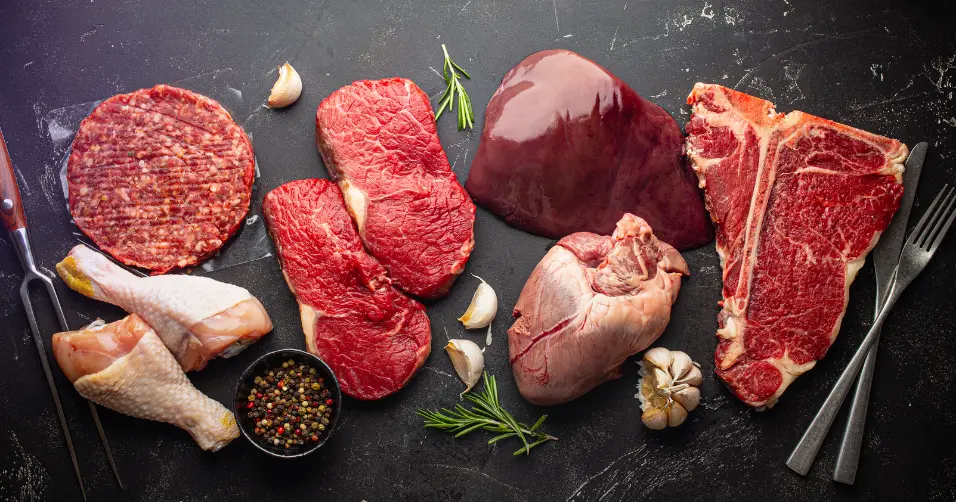
Carnivore diet consists solely of animal-based foods, excluding plants.

Will the Carnivore Diet Help You Lose Weight?

Carnivore diet promotes weight loss because it excludes carbs completely, leading to rapid water and fat loss, though fiber is missing.

Carnivore diet works by cutting all plant foods and relying only on animal products for energy and nutrients. The approach emphasizes high protein and high fat, with no carbs consumed. This may trigger ketosis similar to keto, since carbs are absent. Some report reduced bloating and cravings due to the very limited food variety. Nutrient intake depends solely on meat, fish, and sometimes eggs.

  • No carbs force the body to rely on fat and protein for energy production.

  • Food variety is extremely limited, which makes tracking simple but restrictive.

  • Digestive changes occur, such as reduced fiber intake which may affect gut health.

  • Initial water weight loss is common as glycogen stores are depleted.

Carnivore diet works by cutting all plant foods and relying only on animal products for energy and nutrients. The approach emphasizes high protein and high fat, with no carbs consumed. This may trigger ketosis similar to keto, since carbs are absent. Some report reduced bloating and cravings due to the very limited food variety. Nutrient intake depends solely on meat, fish, and sometimes eggs.

  • No carbs force the body to rely on fat and protein for energy production.

  • Food variety is extremely limited, which makes tracking simple but restrictive.

  • Digestive changes occur, such as reduced fiber intake which may affect gut health.

  • Initial water weight loss is common as glycogen stores are depleted.

Carnivore Diet: FACTS

Core Idea

Meat-only or animal-based diet.

Typical Regimen

Excludes plants; focuses on meat, eggs, fish.

Common

What Is Carnivore Diet?

Carnivore Diet is a diet made only of animal products like meat, fish, and eggs.

The carnivore diet is a restrictive eating plan that includes only animal-based foods like meat, eggs, and fish. It eliminates all plant foods, including fruits, vegetables, and grains. Supporters claim it can aid weight loss and reduce inflammation, though evidence is limited. Critics warn it may cause nutrient deficiencies due to lack of fiber, vitamins, and plant compounds. Long-term effects remain unclear due to limited studies.

  • Food restriction: Only animal-based products are eaten, with plants excluded.

  • Potential benefits: May reduce weight and certain symptoms in some people.

  • Risks: Lacks fiber and plant nutrients important for gut and heart health.

  • Evidence gap: Few long-term studies exist on safety and effectiveness.

The carnivore diet is a restrictive eating plan that includes only animal-based foods like meat, eggs, and fish. It eliminates all plant foods, including fruits, vegetables, and grains. Supporters claim it can aid weight loss and reduce inflammation, though evidence is limited. Critics warn it may cause nutrient deficiencies due to lack of fiber, vitamins, and plant compounds. Long-term effects remain unclear due to limited studies.

  • Food restriction: Only animal-based products are eaten, with plants excluded.

  • Potential benefits: May reduce weight and certain symptoms in some people.

  • Risks: Lacks fiber and plant nutrients important for gut and heart health.

  • Evidence gap: Few long-term studies exist on safety and effectiveness.

What We Often Get Wrong About the Carnivore Diet?

Carnivore diet promotes weight loss because it excludes carbs completely, leading to rapid water and fat loss, though fiber is missing.

A common misconception about the carnivore diet is that it provides all necessary nutrients. In reality, the lack of plant foods can create gaps in fiber, vitamin C, and some antioxidants. Some people believe it guarantees fat loss, but calorie balance still matters. Others think it eliminates all digestive issues, though some experience constipation from no fiber. Another misunderstanding is that it is sustainable long-term without health risks, which is still unproven.

  • Does not naturally provide fiber or certain vitamins found in plants.

  • Weight loss still depends on calorie intake, not just food restriction.

  • May reduce some digestive issues but can worsen others like constipation.

  • Long-term safety lacks strong evidence compared to balanced diets.

A common misconception about the carnivore diet is that it provides all necessary nutrients. In reality, the lack of plant foods can create gaps in fiber, vitamin C, and some antioxidants. Some people believe it guarantees fat loss, but calorie balance still matters. Others think it eliminates all digestive issues, though some experience constipation from no fiber. Another misunderstanding is that it is sustainable long-term without health risks, which is still unproven.

  • Does not naturally provide fiber or certain vitamins found in plants.

  • Weight loss still depends on calorie intake, not just food restriction.

  • May reduce some digestive issues but can worsen others like constipation.

  • Long-term safety lacks strong evidence compared to balanced diets.

What Results to Expect from the Carnivore Diet?

Carnivore diet usually causes rapid weight drop and blood sugar control, but may raise cholesterol and cause constipation.

Results from the carnivore diet often include rapid water loss at the start. Some people report reduced bloating and fewer cravings due to limited food choices. Weight loss can occur if calorie intake is lower than before, but not guaranteed. Digestive changes like constipation are common because of no fiber. Long-term results are less clear due to limited research.

  • Quick water loss due to glycogen depletion in early days.

  • Food monotony reduces variety, which may lower cravings.

  • Weight loss depends on calorie intake, not just food restriction.

  • Constipation and digestive discomfort possible without fiber.

  • Long-term health effects remain uncertain.

Results from the carnivore diet often include rapid water loss at the start. Some people report reduced bloating and fewer cravings due to limited food choices. Weight loss can occur if calorie intake is lower than before, but not guaranteed. Digestive changes like constipation are common because of no fiber. Long-term results are less clear due to limited research.

  • Quick water loss due to glycogen depletion in early days.

  • Food monotony reduces variety, which may lower cravings.

  • Weight loss depends on calorie intake, not just food restriction.

  • Constipation and digestive discomfort possible without fiber.

  • Long-term health effects remain uncertain.

Is the Carnivore Diet Sustainable Long Term?

Carnivore diet is not sustainable long term due to lack of fiber and risk of nutrient deficiencies.

Carnivore diet is usually not sustainable long term due to extreme restriction. The lack of variety can lead to food fatigue. Nutrient gaps are likely without supplements, especially fiber and vitamins. Some follow it for months, but few maintain it for years. Sustainability is generally low compared to more balanced diets.

  • Severely limits food choices, causing boredom and monotony.

  • Missing nutrients make long-term health uncertain.

  • Social and cultural eating is very difficult on this plan.

  • Some adapt short term but few succeed long term.

  • Sustainability lower than plant-inclusive approaches.

Carnivore diet is usually not sustainable long term due to extreme restriction. The lack of variety can lead to food fatigue. Nutrient gaps are likely without supplements, especially fiber and vitamins. Some follow it for months, but few maintain it for years. Sustainability is generally low compared to more balanced diets.

  • Severely limits food choices, causing boredom and monotony.

  • Missing nutrients make long-term health uncertain.

  • Social and cultural eating is very difficult on this plan.

  • Some adapt short term but few succeed long term.

  • Sustainability lower than plant-inclusive approaches.

Following restrictive patterns long term can affect nutrient status or biomarkers. Monitoring with a clinician helps keep things safe.

Following restrictive patterns long term can affect nutrient status or biomarkers. Monitoring with a clinician helps keep things safe.

How Does Your Body Adjust to the Carnivore Diet?

Carnivore diet adjustment often brings constipation or diarrhea at first due to lack of fiber and changes in gut bacteria.

On a carnivore diet, the body adapts by relying almost completely on fat and protein for fuel. Ketosis often develops due to carb absence. Digestion changes with reduced fiber, which may slow bowel movements. Gut bacteria diversity decreases without plant foods. Some adapt well short term, but long-term effects remain uncertain.

  • Ketosis develops as glucose is absent from the diet.

  • Digestion slows without fiber, often causing constipation.

  • Gut bacteria variety shrinks with no plant intake.

  • Energy may stabilize once fat adaptation occurs.

  • Adaptation long term is not well studied or confirmed safe.

On a carnivore diet, the body adapts by relying almost completely on fat and protein for fuel. Ketosis often develops due to carb absence. Digestion changes with reduced fiber, which may slow bowel movements. Gut bacteria diversity decreases without plant foods. Some adapt well short term, but long-term effects remain uncertain.

  • Ketosis develops as glucose is absent from the diet.

  • Digestion slows without fiber, often causing constipation.

  • Gut bacteria variety shrinks with no plant intake.

  • Energy may stabilize once fat adaptation occurs.

  • Adaptation long term is not well studied or confirmed safe.

Is the Carnivore Diet a Fit for Your Lifestyle?

Carnivore diet fits only very disciplined eaters who tolerate meat-heavy meals, but not those needing fiber.

Carnivore diet fits only very restrictive lifestyles. It works for people who enjoy meat-heavy meals and dislike plant foods. Social meals, travel, and variety become very difficult. Athletes needing carbs may not find it suitable. Fits few lifestyles due to its extreme limits.

  • Best for individuals comfortable eating mainly meat daily.

  • Social and cultural eating becomes challenging.

  • Not suited for endurance or high-carb athletes.

  • Lacks variety, which can cause diet fatigue.

  • Fits very narrow lifestyle preferences.

Carnivore diet fits only very restrictive lifestyles. It works for people who enjoy meat-heavy meals and dislike plant foods. Social meals, travel, and variety become very difficult. Athletes needing carbs may not find it suitable. Fits few lifestyles due to its extreme limits.

  • Best for individuals comfortable eating mainly meat daily.

  • Social and cultural eating becomes challenging.

  • Not suited for endurance or high-carb athletes.

  • Lacks variety, which can cause diet fatigue.

  • Fits very narrow lifestyle preferences.

Which Processes Does the Carnivore Diet Affect?

Carnivore diet affects cholesterol production, gut microbiota diversity, and bowel regularity.

Carnivore diet affects processes like ketosis, digestion, and gut microbiome diversity. With no carbs, fat and protein dominate energy metabolism. Gut bacteria diversity decreases without plant fiber. Ketones become the main fuel for brain and muscles. Nutrient absorption relies only on animal products, shifting balance of vitamins and minerals.

  • Induces ketosis similar to very low-carb diets.

  • Reduces gut bacteria diversity due to no fiber intake.

  • Shifts energy to fat and protein metabolism.

  • Limits intake of plant-based antioxidants and vitamins.

  • May improve satiety but reduces digestive health over time.

Carnivore diet affects processes like ketosis, digestion, and gut microbiome diversity. With no carbs, fat and protein dominate energy metabolism. Gut bacteria diversity decreases without plant fiber. Ketones become the main fuel for brain and muscles. Nutrient absorption relies only on animal products, shifting balance of vitamins and minerals.

  • Induces ketosis similar to very low-carb diets.

  • Reduces gut bacteria diversity due to no fiber intake.

  • Shifts energy to fat and protein metabolism.

  • Limits intake of plant-based antioxidants and vitamins.

  • May improve satiety but reduces digestive health over time.

How Does the Carnivore Diet Affect Metabolism?

Carnivore diet shifts metabolism toward fat burning due to lack of carbohydrates, but reduces metabolic flexibility.

Carnivore diet affects metabolism by removing carbs and forcing fat and protein as fuel. This often induces ketosis, changing how the body produces energy. Lack of fiber alters digestion and gut microbiome, which can affect energy use. Protein-heavy metabolism increases nitrogen waste, needing proper hydration. Over time, metabolism depends entirely on fat oxidation.

  • Forces ketosis due to no carb intake, altering energy systems.

  • Relies fully on fat and protein for fuel metabolism.

  • Increases nitrogen byproducts, requiring more water and kidney function.

  • Reduces gut bacteria variety, which can affect digestion-related metabolism.

  • Fat oxidation becomes the main long-term metabolic pathway.

Carnivore diet affects metabolism by removing carbs and forcing fat and protein as fuel. This often induces ketosis, changing how the body produces energy. Lack of fiber alters digestion and gut microbiome, which can affect energy use. Protein-heavy metabolism increases nitrogen waste, needing proper hydration. Over time, metabolism depends entirely on fat oxidation.

  • Forces ketosis due to no carb intake, altering energy systems.

  • Relies fully on fat and protein for fuel metabolism.

  • Increases nitrogen byproducts, requiring more water and kidney function.

  • Reduces gut bacteria variety, which can affect digestion-related metabolism.

  • Fat oxidation becomes the main long-term metabolic pathway.

How Does the Carnivore Diet Affect Energy Levels?

Carnivore diet may cause short-term energy swings but later provides steady energy from fat metabolism.

Carnivore diet may increase steady energy for some, as carbs are eliminated. Ketosis provides constant fuel without blood sugar spikes. Others experience fatigue from lack of plant nutrients and fiber. High-intensity workouts may feel weaker without glycogen. Energy depends heavily on fat adaptation and nutrient coverage.

  • Steady energy from ketones avoids sugar crashes.

  • Lack of plant foods may cause micronutrient-related fatigue.

  • Strength in high-intensity exercise often reduced.

  • Adaptation improves energy stability for some users.

  • Energy balance depends on fat intake and hydration.

Carnivore diet may increase steady energy for some, as carbs are eliminated. Ketosis provides constant fuel without blood sugar spikes. Others experience fatigue from lack of plant nutrients and fiber. High-intensity workouts may feel weaker without glycogen. Energy depends heavily on fat adaptation and nutrient coverage.

  • Steady energy from ketones avoids sugar crashes.

  • Lack of plant foods may cause micronutrient-related fatigue.

  • Strength in high-intensity exercise often reduced.

  • Adaptation improves energy stability for some users.

  • Energy balance depends on fat intake and hydration.

What Supplements May Aid the Carnivore Diet?

Carnivore diet may require vitamin C and fiber supplements since plants are excluded.

Carnivore diet may require vitamin C since plants are excluded. Fiber supplements can support digestion without vegetables. Magnesium and potassium help replace missing plant minerals. Omega-3 balance may be useful if red meat dominates. Vitamin D supports bone and immune health in restricted diets.

  • Vitamin C prevents deficiency since plants are avoided.

  • Fiber supplements ease digestion without plant foods.

  • Magnesium and potassium replace minerals lost from lack of plants.

  • Omega-3s balance high saturated fat intake.

  • Vitamin D covers gaps from limited dietary variety.

Carnivore diet may require vitamin C since plants are excluded. Fiber supplements can support digestion without vegetables. Magnesium and potassium help replace missing plant minerals. Omega-3 balance may be useful if red meat dominates. Vitamin D supports bone and immune health in restricted diets.

  • Vitamin C prevents deficiency since plants are avoided.

  • Fiber supplements ease digestion without plant foods.

  • Magnesium and potassium replace minerals lost from lack of plants.

  • Omega-3s balance high saturated fat intake.

  • Vitamin D covers gaps from limited dietary variety.

What Risks Does the Carnivore Diet Have?

Carnivore diet risks nutrient deficiencies, constipation, and high cholesterol.

Carnivore diet risks include nutrient deficiencies in vitamin C, fiber, and antioxidants. Constipation is common without plant foods. High saturated fat intake may strain heart health. Gut microbiome diversity decreases, affecting digestion. Long-term effects remain uncertain due to lack of studies.

  • Deficiency risk in vitamins and antioxidants from plants.

  • No fiber intake causes constipation and gut issues.

  • Heart risks from high saturated fat levels possible.

  • Gut bacteria diversity declines without plants.

  • Long-term safety lacks research evidence.

Carnivore diet risks include nutrient deficiencies in vitamin C, fiber, and antioxidants. Constipation is common without plant foods. High saturated fat intake may strain heart health. Gut microbiome diversity decreases, affecting digestion. Long-term effects remain uncertain due to lack of studies.

  • Deficiency risk in vitamins and antioxidants from plants.

  • No fiber intake causes constipation and gut issues.

  • Heart risks from high saturated fat levels possible.

  • Gut bacteria diversity declines without plants.

  • Long-term safety lacks research evidence.

Rapid changes in eating patterns may alter blood glucose, electrolytes, hydration, and physical performance. These shifts can lead to unintended results, especially with health conditions or medications. Make changes gradually where appropriate, and seek clinical monitoring if you have risk factors or concerning symptoms.

Rapid changes in eating patterns may alter blood glucose, electrolytes, hydration, and physical performance. These shifts can lead to unintended results, especially with health conditions or medications. Make changes gradually where appropriate, and seek clinical monitoring if you have risk factors or concerning symptoms.

Can the Carnivore Diet Cause Any Nutrient Imbalances?

Carnivore diet can cause fiber imbalance, vitamin C deficiency, and low phytonutrient intake.

Carnivore diet causes imbalances by removing all plant-based nutrients. Fiber is absent, which disrupts gut health. Vitamin C and antioxidants are missing without fruits and vegetables. Long-term, this can affect immunity and cardiovascular health. Nutrient diversity is heavily reduced by design.

  • No fiber intake disrupts digestion and microbiome.

  • Vitamin C deficiency risk without fruits and vegetables.

  • Antioxidants absent, increasing inflammation risk.

  • Micronutrient diversity significantly reduced.

  • Long-term health uncertain due to these imbalances.

Carnivore diet causes imbalances by removing all plant-based nutrients. Fiber is absent, which disrupts gut health. Vitamin C and antioxidants are missing without fruits and vegetables. Long-term, this can affect immunity and cardiovascular health. Nutrient diversity is heavily reduced by design.

  • No fiber intake disrupts digestion and microbiome.

  • Vitamin C deficiency risk without fruits and vegetables.

  • Antioxidants absent, increasing inflammation risk.

  • Micronutrient diversity significantly reduced.

  • Long-term health uncertain due to these imbalances.

Some eating patterns or supplements are not appropriate in pregnancy or lactation. Confirm safety and adequacy with your obstetric provider.

Some eating patterns or supplements are not appropriate in pregnancy or lactation. Confirm safety and adequacy with your obstetric provider.

Who Should Avoid the Carnivore Diet?

A Carnivore diet may increase risks for people with heart disease concerns or digestive issues needing fiber.

Carnivore diet is not suitable for people at risk of heart disease due to high saturated fat. Those prone to constipation or digestive issues may worsen symptoms without fiber. Vegans or vegetarians cannot follow due to ethical reasons. People with nutrient absorption issues may risk deficiencies. Long-term safety is unclear, making it unsuitable for many.

  • High saturated fat intake raises heart risks for vulnerable people.

  • No fiber worsens constipation and gut health problems.

  • Vegans and vegetarians cannot follow due to ethics.

  • Nutrient malabsorption patients risk worsening deficiencies.

  • Uncertainty about long-term safety limits suitability.

Carnivore diet is not suitable for people at risk of heart disease due to high saturated fat. Those prone to constipation or digestive issues may worsen symptoms without fiber. Vegans or vegetarians cannot follow due to ethical reasons. People with nutrient absorption issues may risk deficiencies. Long-term safety is unclear, making it unsuitable for many.

  • High saturated fat intake raises heart risks for vulnerable people.

  • No fiber worsens constipation and gut health problems.

  • Vegans and vegetarians cannot follow due to ethics.

  • Nutrient malabsorption patients risk worsening deficiencies.

  • Uncertainty about long-term safety limits suitability.

Some eating patterns or supplements are not appropriate in pregnancy or lactation. Confirm safety and adequacy with your obstetric provider.

Some eating patterns or supplements are not appropriate in pregnancy or lactation. Confirm safety and adequacy with your obstetric provider.

What's the History of the Carnivore Diet?

Carnivore diet history traces back to early Arctic and nomadic tribes but resurfaced in modern times through online communities.

Carnivore diet has historical roots in Arctic and nomadic populations relying on animal foods. Indigenous groups survived mostly on meat and fish due to climate. In modern times, the diet reappeared in small communities online in the 2010s. Advocates promoted it for weight loss and health claims. Today it remains niche and controversial.

  • Historically practiced by Arctic and nomadic groups.

  • Animal foods dominated diets due to environmental limits.

  • Revived online in 2010s as a health trend.

  • Promoted as extreme version of low-carb eating.

  • Still niche with ongoing debate on safety.

Carnivore diet has historical roots in Arctic and nomadic populations relying on animal foods. Indigenous groups survived mostly on meat and fish due to climate. In modern times, the diet reappeared in small communities online in the 2010s. Advocates promoted it for weight loss and health claims. Today it remains niche and controversial.

  • Historically practiced by Arctic and nomadic groups.

  • Animal foods dominated diets due to environmental limits.

  • Revived online in 2010s as a health trend.

  • Promoted as extreme version of low-carb eating.

  • Still niche with ongoing debate on safety.

How Does Carnivore Affect Macros?

Carnivore affects macros by nearly eliminating carbs and emphasizing protein and fat.

Carnivore eating centers on animal foods, so macros shift toward high protein and high fat. Carbs usually drop close to zero. Fat becomes the main energy source. Protein intake can be high depending on cuts. This pattern is extremely low in plant carbs and fiber.

  • Carbs nearly vanish, making fat the dominant fuel.

  • Protein intake is high and comes only from animal sources.

  • No fiber intake occurs unless small plant foods are added.

  • Calorie density rises because fatty cuts are energy-rich.

Carnivore eating centers on animal foods, so macros shift toward high protein and high fat. Carbs usually drop close to zero. Fat becomes the main energy source. Protein intake can be high depending on cuts. This pattern is extremely low in plant carbs and fiber.

  • Carbs nearly vanish, making fat the dominant fuel.

  • Protein intake is high and comes only from animal sources.

  • No fiber intake occurs unless small plant foods are added.

  • Calorie density rises because fatty cuts are energy-rich.

How Does Carnivore Diet Differ from Paleo?

Carnivore diet differs from Paleo by excluding all plant foods and focusing solely on animal products.

The carnivore diet differs from paleo because carnivore removes nearly all plant foods, while paleo includes fruits, vegetables, nuts, and roots. Carnivore focuses solely on animal-based foods. Paleo emphasizes whole foods across several categories. Their nutrient profiles differ sharply. Paleo offers broader variety and fiber content.

  • Animal-only approach defines carnivore.

  • Plant inclusion is central to paleo.

  • Nutrient variety is greater in paleo patterns.

  • Fiber presence separates the two diets.


The carnivore diet differs from paleo because carnivore removes nearly all plant foods, while paleo includes fruits, vegetables, nuts, and roots. Carnivore focuses solely on animal-based foods. Paleo emphasizes whole foods across several categories. Their nutrient profiles differ sharply. Paleo offers broader variety and fiber content.

  • Animal-only approach defines carnivore.

  • Plant inclusion is central to paleo.

  • Nutrient variety is greater in paleo patterns.

  • Fiber presence separates the two diets.


How Does Protein Shape Carnivore Nutrition?

Protein shapes carnivore nutrition as its main macronutrient source for energy and tissue repair.

Protein shapes carnivore nutrition by providing the main source of amino acids and energy. Carnivore eating relies on animal-based foods rich in protein and fat. Protein drives muscle maintenance and daily function. Fat supplies the rest of the energy. Carbohydrates remain very low or absent.

  • Amino acid density defines carnivore meals.

  • High protein intake supports tissue repair.

  • Fat pairing provides energy balance.

  • Low carbohydrate patterns shape metabolism.


Protein shapes carnivore nutrition by providing the main source of amino acids and energy. Carnivore eating relies on animal-based foods rich in protein and fat. Protein drives muscle maintenance and daily function. Fat supplies the rest of the energy. Carbohydrates remain very low or absent.

  • Amino acid density defines carnivore meals.

  • High protein intake supports tissue repair.

  • Fat pairing provides energy balance.

  • Low carbohydrate patterns shape metabolism.


What Does Carnivore and Raw Food Diets Have in Common?

Carnivore and raw food diets share focus on unprocessed foods but differ in animal versus plant emphasis.

Carnivore and raw food diets share a focus on minimally processed foods that stay close to their natural state. Both patterns limit ultra-processed products that often contain added sugars and additives. Each diet creates a simple meal structure that relies on whole ingredients. Both approaches can shift eating toward higher nutrient density in certain foods. They also require careful planning since major food groups are restricted.

  • Whole-food focus is strong in both diets, which reduces exposure to heavily processed items. This shift often means simpler ingredient lists.

  • Higher nutrient density appears in foods like meat or raw vegetables, which retain natural vitamins. Raw diets keep heat-sensitive vitamins intact.

  • Meal simplicity shapes both patterns and limits variety. This can make planning easier but also restrictive.

  • Digestive changes are common due to sudden shifts in fiber or fat. The body often adjusts over days or weeks.

Carnivore and raw food diets share a focus on minimally processed foods that stay close to their natural state. Both patterns limit ultra-processed products that often contain added sugars and additives. Each diet creates a simple meal structure that relies on whole ingredients. Both approaches can shift eating toward higher nutrient density in certain foods. They also require careful planning since major food groups are restricted.

  • Whole-food focus is strong in both diets, which reduces exposure to heavily processed items. This shift often means simpler ingredient lists.

  • Higher nutrient density appears in foods like meat or raw vegetables, which retain natural vitamins. Raw diets keep heat-sensitive vitamins intact.

  • Meal simplicity shapes both patterns and limits variety. This can make planning easier but also restrictive.

  • Digestive changes are common due to sudden shifts in fiber or fat. The body often adjusts over days or weeks.

Medical Disclaimer: All content on this website is intended solely for informational and educational purposes and should not be interpreted as a substitute for professional medical advice, diagnosis, or treatment, nor as encouragement or promotion for or against any particular use, product, or activity. Results may vary and are not guaranteed. No doctor–patient relationship is created by your use of this content. Always consult a qualified healthcare provider, nutritionist, or other relevant expert before starting or changing any supplement, diet, exercise, or lifestyle program. This website can contain errors. Check important information. Read our full Disclaimer.

StatusTerms of ServicePrivacy PolicyDisclaimerAbout Myopedia.

©2025 Myopedia™. All rights reserved.

Medical Disclaimer: All content on this website is intended solely for informational and educational purposes and should not be interpreted as a substitute for professional medical advice, diagnosis, or treatment, nor as encouragement or promotion for or against any particular use, product, or activity. Results may vary and are not guaranteed. No doctor–patient relationship is created by your use of this content. Always consult a qualified healthcare provider, nutritionist, or other relevant expert before starting or changing any supplement, diet, exercise, or lifestyle program. This website can contain errors. Check important information. Read our full Disclaimer.

StatusTerms of ServicePrivacy PolicyDisclaimerAbout Myopedia.

©2025 Myopedia™. All rights reserved.

Medical Disclaimer: All content on this website is intended solely for informational and educational purposes and should not be interpreted as a substitute for professional medical advice, diagnosis, or treatment, nor as encouragement or promotion for or against any particular use, product, or activity. Results may vary and are not guaranteed. No doctor–patient relationship is created by your use of this content. Always consult a qualified healthcare provider, nutritionist, or other relevant expert before starting or changing any supplement, diet, exercise, or lifestyle program. This website can contain errors. Check important information. Read our full Disclaimer.

StatusTerms of ServicePrivacy PolicyDisclaimerAbout Myopedia.

©2025 Myopedia™. All rights reserved.