Nutrition
Paleo Diet
A Comprehensive Guide to the Paleo Diet
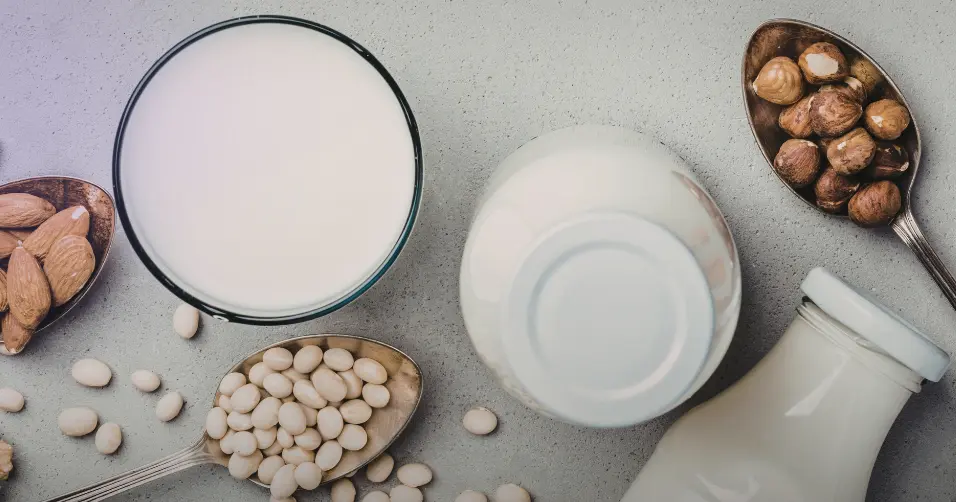
Paleo Diet is a way of eating modeled on the diets of our Paleolithic ancestors, focusing on whole foods while eliminating processed items, to support improved body composition and overall health.

This article is educational and not intended to diagnose, treat, or suggest any specific intervention, and should not replace qualified medical advice.



Will the Paleo Diet Help You Lose Weight?
Paleo diet encourages weight loss by excluding processed foods and grains, leading to reduced calorie intake and better blood sugar control.
Based on foods eaten by early humans, focusing on meat, fish, vegetables, nuts, and fruits. Works by removing processed foods, grains, and dairy, leading to higher protein and fiber intake. Calorie control comes naturally because of reduced processed food options. Supports stable blood sugar and may reduce inflammation. Effectiveness depends on quality and variety of foods chosen.
High protein content supports muscle maintenance and satiety.
Excludes refined grains and sugars, which reduces calorie spikes and crashes.
Focus on whole foods may improve nutrient density and reduce additives.
Excludes dairy and legumes, which may limit nutrient diversity if not planned carefully.
Based on foods eaten by early humans, focusing on meat, fish, vegetables, nuts, and fruits. Works by removing processed foods, grains, and dairy, leading to higher protein and fiber intake. Calorie control comes naturally because of reduced processed food options. Supports stable blood sugar and may reduce inflammation. Effectiveness depends on quality and variety of foods chosen.
High protein content supports muscle maintenance and satiety.
Excludes refined grains and sugars, which reduces calorie spikes and crashes.
Focus on whole foods may improve nutrient density and reduce additives.
Excludes dairy and legumes, which may limit nutrient diversity if not planned carefully.
Paleo Diet: FACTS
Core Idea | Prehistoric-style eating avoiding processed foods. |
Typical Regimen | Animal protein, vegetables, fruits, nuts. |
Common Foods | Meat, fish, eggs, berries, leafy greens. |
Physiological Effects | Low glycemic load, moderate protein, high satiety. |
Benefits | Improved insulin sensitivity, reduced processed food intake. |
Risks | May lack fiber, calcium, vitamin D. |
What Is Paleo Diet?
Paleo Diet is a diet based on foods presumed eaten by early humans, like meat, nuts, and vegetables.
The Paleo diet is an eating style based on foods thought to be similar to those available to humans during the Stone Age. It emphasizes whole foods such as lean meats, fish, fruits, vegetables, nuts, and seeds, while avoiding processed foods, grains, dairy, and refined sugars. The idea is that the human body is better adapted to these ancient foods than to modern diets. Supporters believe it can help with weight management, blood sugar control, and reduced inflammation. However, it can limit important nutrients found in grains and dairy.
Food focus: Encourages whole, unprocessed foods and discourages modern processed items like refined flour and sugar.
Health goals: Some evidence suggests it may improve metabolism, weight, and blood pressure in certain individuals.
Nutrient gaps: Avoiding dairy and grains may reduce intake of calcium, fiber, and some vitamins.
Sustainability: The diet can be restrictive, making it challenging for long-term adherence in everyday life.
The Paleo diet is an eating style based on foods thought to be similar to those available to humans during the Stone Age. It emphasizes whole foods such as lean meats, fish, fruits, vegetables, nuts, and seeds, while avoiding processed foods, grains, dairy, and refined sugars. The idea is that the human body is better adapted to these ancient foods than to modern diets. Supporters believe it can help with weight management, blood sugar control, and reduced inflammation. However, it can limit important nutrients found in grains and dairy.
Food focus: Encourages whole, unprocessed foods and discourages modern processed items like refined flour and sugar.
Health goals: Some evidence suggests it may improve metabolism, weight, and blood pressure in certain individuals.
Nutrient gaps: Avoiding dairy and grains may reduce intake of calcium, fiber, and some vitamins.
Sustainability: The diet can be restrictive, making it challenging for long-term adherence in everyday life.
What We Often Get Wrong About the Paleo Diet?
Paleo diet encourages weight loss by excluding processed foods and grains, leading to reduced calorie intake and better blood sugar control.
Misconception that paleo diet exactly matches what ancient humans ate, though foods today differ greatly. Some believe it is purely meat-based, but it includes many vegetables and nuts. Many assume grains and legumes are always harmful, though studies show they can support health if prepared properly. Another belief is that dairy is entirely unnatural, despite evidence of some human adaptation to it. Some also think paleo eating is automatically low-carb, but fruit and starchy vegetables provide carbohydrates.
Modern foods differ from what was available in ancient times, limiting exact replication.
Paleo includes plant foods, not just meat, making it more balanced than often portrayed.
Grains and legumes are not universally harmful and can aid health with proper preparation.
Paleo can still include carbs from fruit and vegetables, not necessarily very low-carb.
Misconception that paleo diet exactly matches what ancient humans ate, though foods today differ greatly. Some believe it is purely meat-based, but it includes many vegetables and nuts. Many assume grains and legumes are always harmful, though studies show they can support health if prepared properly. Another belief is that dairy is entirely unnatural, despite evidence of some human adaptation to it. Some also think paleo eating is automatically low-carb, but fruit and starchy vegetables provide carbohydrates.
Modern foods differ from what was available in ancient times, limiting exact replication.
Paleo includes plant foods, not just meat, making it more balanced than often portrayed.
Grains and legumes are not universally harmful and can aid health with proper preparation.
Paleo can still include carbs from fruit and vegetables, not necessarily very low-carb.
What Results to Expect from the Paleo Diet?
Paleo diet often results in weight reduction, better blood sugar control, but less dietary fiber.
Results often include weight loss, stable blood sugar, and higher protein intake. Some notice reduced bloating due to less processed food. Energy may rise with nutrient-dense meals but drop if carbs are too limited. Inflammation may decrease when processed grains and sugars are removed. Results depend heavily on individual food balance within the plan.
Weight often drops from removal of refined foods and sugars.
Protein intake helps maintain muscle and satiety.
Reduced inflammation markers can support overall health.
Energy results vary depending on carbohydrate restriction.
Results often include weight loss, stable blood sugar, and higher protein intake. Some notice reduced bloating due to less processed food. Energy may rise with nutrient-dense meals but drop if carbs are too limited. Inflammation may decrease when processed grains and sugars are removed. Results depend heavily on individual food balance within the plan.
Weight often drops from removal of refined foods and sugars.
Protein intake helps maintain muscle and satiety.
Reduced inflammation markers can support overall health.
Energy results vary depending on carbohydrate restriction.
Is the Paleo Diet Sustainable Long Term?
Paleo diet is less sustainable because it excludes grains and dairy, which are common and nutritious in modern diets.
Paleo diets are partly sustainable but limited by exclusions of grains, dairy, and legumes. Adherence may drop over time due to social and practical restrictions. Some find benefits in short to medium-term use, especially for weight control. Long-term sustainability requires careful planning for nutrient balance. Modified versions with added flexibility are more practical long-term.
Exclusion of common foods makes adherence difficult over years.
Some people sustain it by loosening strict rules over time.
Nutrient balance requires effort due to missing food groups.
More realistic when adapted rather than followed rigidly.
Paleo diets are partly sustainable but limited by exclusions of grains, dairy, and legumes. Adherence may drop over time due to social and practical restrictions. Some find benefits in short to medium-term use, especially for weight control. Long-term sustainability requires careful planning for nutrient balance. Modified versions with added flexibility are more practical long-term.
Exclusion of common foods makes adherence difficult over years.
Some people sustain it by loosening strict rules over time.
Nutrient balance requires effort due to missing food groups.
More realistic when adapted rather than followed rigidly.
Following restrictive patterns long term can affect nutrient status or biomarkers. Monitoring with a clinician helps keep things safe.
How Does Your Body Adjust to the Paleo Diet?
Paleo diet adjustment may cause fatigue early because the body switches from grains to mostly fats and protein for energy.
Paleo diet causes body to adjust by relying more on protein and fat for energy. Carbohydrate metabolism decreases due to limited grains and legumes. Digestive enzymes adapt to new sources of fiber and starch. Over time, body becomes efficient at handling higher protein intake. Adjustments may vary depending on inclusion of starchy vegetables and fruit.
Protein metabolism increases as intake rises compared to typical diets.
Fat use for energy grows due to reduced grain-based carbs.
Digestive system adapts to fiber from vegetables and fruits instead of grains.
Energy levels depend on how body shifts to higher protein and fat reliance.
Paleo diet causes body to adjust by relying more on protein and fat for energy. Carbohydrate metabolism decreases due to limited grains and legumes. Digestive enzymes adapt to new sources of fiber and starch. Over time, body becomes efficient at handling higher protein intake. Adjustments may vary depending on inclusion of starchy vegetables and fruit.
Protein metabolism increases as intake rises compared to typical diets.
Fat use for energy grows due to reduced grain-based carbs.
Digestive system adapts to fiber from vegetables and fruits instead of grains.
Energy levels depend on how body shifts to higher protein and fat reliance.
Is the Paleo Diet a Fit for Your Lifestyle?
Paleo diet fits people motivated to avoid processed foods but not those needing grains or dairy.
Paleo diet fits those who prefer whole, unprocessed foods. Works well for people with time to cook meals at home. Less fit for those who rely on convenience foods or eat out often. Socially limiting since it excludes grains, legumes, and dairy. Best suited for health-conscious individuals comfortable with restrictions.
Appeals to people seeking natural, whole-food eating patterns.
Works best with home cooking and food preparation.
Limits flexibility in restaurants and group meals.
Suits dedicated eaters who accept food exclusions.
Paleo diet fits those who prefer whole, unprocessed foods. Works well for people with time to cook meals at home. Less fit for those who rely on convenience foods or eat out often. Socially limiting since it excludes grains, legumes, and dairy. Best suited for health-conscious individuals comfortable with restrictions.
Appeals to people seeking natural, whole-food eating patterns.
Works best with home cooking and food preparation.
Limits flexibility in restaurants and group meals.
Suits dedicated eaters who accept food exclusions.
Which Processes Does the Paleo Diet Affect?
Paleo diet affects blood sugar stability, inflammation reduction, and digestion due to exclusion of grains and dairy.
Paleo diet affects protein metabolism, fat use, and digestive function. High protein increases muscle synthesis and satiety processes. Reduced grains lower carbohydrate metabolism reliance. Gut function adapts to fiber mainly from vegetables and fruits. Inflammation processes may decrease with less processed food.
Muscle synthesis rises with higher protein availability.
Fat becomes a stronger energy source as grains are excluded.
Fiber from vegetables supports gut health and digestion.
Inflammation-related processes may improve over time.
Paleo diet affects protein metabolism, fat use, and digestive function. High protein increases muscle synthesis and satiety processes. Reduced grains lower carbohydrate metabolism reliance. Gut function adapts to fiber mainly from vegetables and fruits. Inflammation processes may decrease with less processed food.
Muscle synthesis rises with higher protein availability.
Fat becomes a stronger energy source as grains are excluded.
Fiber from vegetables supports gut health and digestion.
Inflammation-related processes may improve over time.
How Does the Paleo Diet Affect Metabolism?
Paleo diet may increase metabolism through higher protein intake, which requires more energy to digest.
Paleo diet raises metabolism with higher protein intake. Protein requires more energy to digest, boosting thermogenesis. Reduced refined carbs stabilize blood sugar and lower insulin spikes. Fat metabolism increases as body adapts to fewer grains. Overall, metabolism becomes protein- and fat-focused.
High protein increases energy burn during digestion.
Stable blood sugar prevents metabolic crashes.
Fat use rises with limited grain intake.
Metabolism adapts toward protein and fat reliance.
Paleo diet raises metabolism with higher protein intake. Protein requires more energy to digest, boosting thermogenesis. Reduced refined carbs stabilize blood sugar and lower insulin spikes. Fat metabolism increases as body adapts to fewer grains. Overall, metabolism becomes protein- and fat-focused.
High protein increases energy burn during digestion.
Stable blood sugar prevents metabolic crashes.
Fat use rises with limited grain intake.
Metabolism adapts toward protein and fat reliance.
Is the Paleo Diet Suitable for Vegans?
Paleo diet is not strictly vegan since it promotes animal protein, though vegan adaptations exist.
Paleo diet is not fully vegan due to its emphasis on animal foods. However, modified versions using only vegetables, nuts, and fruits can be made vegan. These versions often lack protein variety without legumes or grains. Vegan paleo eating is highly restrictive and less common. Thus, paleo is generally unsuitable for strict vegans.
Animal protein central to classic paleo, conflicting with veganism.
Modified versions can be vegan but are very restrictive.
Lack of legumes and grains limits protein diversity for vegans.
Rarely chosen by vegans due to impractical restrictions.
Paleo diet is not fully vegan due to its emphasis on animal foods. However, modified versions using only vegetables, nuts, and fruits can be made vegan. These versions often lack protein variety without legumes or grains. Vegan paleo eating is highly restrictive and less common. Thus, paleo is generally unsuitable for strict vegans.
Animal protein central to classic paleo, conflicting with veganism.
Modified versions can be vegan but are very restrictive.
Lack of legumes and grains limits protein diversity for vegans.
Rarely chosen by vegans due to impractical restrictions.
How Does the Paleo Diet Affect Energy Levels?
Paleo diet may stabilize energy because it avoids refined sugar, but some feel fatigue from cutting grains.
Paleo diets often increase energy by cutting processed foods. Stable blood sugar results from avoiding refined carbs. Protein and fats provide steady fuel for daily activity. Some feel early fatigue from reduced grain intake. Over time, many adapt to stable energy from whole foods.
Protein and fat supply longer-lasting fuel than refined carbs.
Blood sugar stability prevents energy highs and lows.
Initial drop in energy is common when grains are removed.
Adaptation leads to steady energy once body adjusts.
Paleo diets often increase energy by cutting processed foods. Stable blood sugar results from avoiding refined carbs. Protein and fats provide steady fuel for daily activity. Some feel early fatigue from reduced grain intake. Over time, many adapt to stable energy from whole foods.
Protein and fat supply longer-lasting fuel than refined carbs.
Blood sugar stability prevents energy highs and lows.
Initial drop in energy is common when grains are removed.
Adaptation leads to steady energy once body adjusts.
What Supplements May Aid the Paleo Diet?
Paleo diet may require vitamin D and calcium supplements since dairy is excluded.
Paleo diets may benefit from vitamin D, calcium, and omega-3 supplements. Exclusion of dairy increases calcium needs. Omega-3 can be useful if fish intake is inconsistent. Some also use magnesium to support energy and muscle health. Supplements help balance restrictions of the diet.
Calcium fills the gap left by dairy exclusion.
Omega-3 supports heart and brain health when fish intake is low.
Vitamin D helps bone and immune health, often lacking in diets.
Magnesium aids recovery and energy production in active people.
Paleo diets may benefit from vitamin D, calcium, and omega-3 supplements. Exclusion of dairy increases calcium needs. Omega-3 can be useful if fish intake is inconsistent. Some also use magnesium to support energy and muscle health. Supplements help balance restrictions of the diet.
Calcium fills the gap left by dairy exclusion.
Omega-3 supports heart and brain health when fish intake is low.
Vitamin D helps bone and immune health, often lacking in diets.
Magnesium aids recovery and energy production in active people.
What Risks Does the Paleo Diet Have?
Paleo diet risks include low calcium and vitamin D due to exclusion of dairy.
Paleo diet risks include nutrient gaps from excluding grains, legumes, and dairy. Fiber intake may be lower without grains, affecting digestion. High protein intake may strain kidneys in sensitive individuals. Costs may be higher due to reliance on meats and fresh produce. Long-term restriction can reduce diet variety and micronutrient intake.
Excluding grains and legumes removes important fiber sources.
Kidney strain possible from consistently high protein intake.
Dairy exclusion lowers calcium, affecting bone health.
Diet may become expensive and socially restrictive.
Paleo diet risks include nutrient gaps from excluding grains, legumes, and dairy. Fiber intake may be lower without grains, affecting digestion. High protein intake may strain kidneys in sensitive individuals. Costs may be higher due to reliance on meats and fresh produce. Long-term restriction can reduce diet variety and micronutrient intake.
Excluding grains and legumes removes important fiber sources.
Kidney strain possible from consistently high protein intake.
Dairy exclusion lowers calcium, affecting bone health.
Diet may become expensive and socially restrictive.
Rapid changes in eating patterns may alter blood glucose, electrolytes, hydration, and physical performance. These shifts can lead to unintended results, especially with health conditions or medications. Make changes gradually where appropriate, and seek clinical monitoring if you have risk factors or concerning symptoms.
Can the Paleo Diet Cause Any Nutrient Imbalances?
Paleo diet may cause calcium and vitamin D imbalance due to lack of dairy.
Paleo diet can create imbalances by excluding grains, legumes, and dairy. Fiber may run low without whole grains. Calcium intake is reduced from lack of dairy. High protein and fat may crowd out micronutrient diversity. Long-term, imbalances depend on variety of allowed foods.
Low fiber intake affects digestion and gut health.
Calcium deficit raises bone weakness risk.
Excess protein and fat reduce balance of other nutrients.
Careful food choice minimizes these imbalances.
Paleo diet can create imbalances by excluding grains, legumes, and dairy. Fiber may run low without whole grains. Calcium intake is reduced from lack of dairy. High protein and fat may crowd out micronutrient diversity. Long-term, imbalances depend on variety of allowed foods.
Low fiber intake affects digestion and gut health.
Calcium deficit raises bone weakness risk.
Excess protein and fat reduce balance of other nutrients.
Careful food choice minimizes these imbalances.
Some eating patterns or supplements are not appropriate in pregnancy or lactation. Confirm safety and adequacy with your obstetric provider.
Who Should Avoid the Paleo Diet?
A Paleo diet may not suit people who rely on dairy or whole grains for health or cultural reasons.
Paleo diet may not suit vegetarians or vegans since it excludes legumes and grains. People with limited budgets may struggle due to reliance on meats. Those with kidney disease should avoid high protein intake. Social eaters may find restrictions difficult in group meals. Long-term adherence is challenging for many.
Vegetarians and vegans cannot align diet with paleo restrictions.
High cost of fresh meat and produce limits accessibility.
Kidney patients must avoid high protein intake levels.
Social flexibility is limited with strict exclusions.
Paleo diet may not suit vegetarians or vegans since it excludes legumes and grains. People with limited budgets may struggle due to reliance on meats. Those with kidney disease should avoid high protein intake. Social eaters may find restrictions difficult in group meals. Long-term adherence is challenging for many.
Vegetarians and vegans cannot align diet with paleo restrictions.
High cost of fresh meat and produce limits accessibility.
Kidney patients must avoid high protein intake levels.
Social flexibility is limited with strict exclusions.
Some eating patterns or supplements are not appropriate in pregnancy or lactation. Confirm safety and adequacy with your obstetric provider.
What's the History of the Paleo Diet?
Paleo diet history emerged in the 1970s but grew in the 2000s, inspired by assumptions about Stone Age eating patterns.
Paleo diet originated in the 1970s with the idea of eating like early humans. Early advocates argued modern health issues came from processed foods. The diet excludes grains, legumes, and dairy to mimic hunter-gatherer patterns. Popularity rose in the 2000s with fitness communities. Today, paleo is practiced worldwide, often with modern adaptations.
First proposed in 1970s as return to ancestral eating.
Based on theory that modern foods harm human health.
Excludes grains, legumes, and dairy to mimic pre-agriculture diets.
Grew in popularity with 2000s fitness movements.
Paleo diet originated in the 1970s with the idea of eating like early humans. Early advocates argued modern health issues came from processed foods. The diet excludes grains, legumes, and dairy to mimic hunter-gatherer patterns. Popularity rose in the 2000s with fitness communities. Today, paleo is practiced worldwide, often with modern adaptations.
First proposed in 1970s as return to ancestral eating.
Based on theory that modern foods harm human health.
Excludes grains, legumes, and dairy to mimic pre-agriculture diets.
Grew in popularity with 2000s fitness movements.
How Does Paleo Differ from Flexitarian Diet?
Paleo differs from the flexitarian diet by excluding grains and legumes, focusing only on ancestral whole foods.
Paleo avoids grains, legumes, and dairy, while flexitarian allows all foods but emphasizes plants. Paleo centers on foods thought to resemble ancestral diets, while flexitarian is modern and flexible. Paleo has strict exclusions, while flexitarian keeps minimal rules. Flexitarian encourages gradual meat reduction, while paleo often includes regular animal foods. Both promote whole foods but differ in restrictions.
Food exclusions: Paleo cuts grains and legumes; flexitarian lets them stay.
Animal intake: Paleo uses animal foods freely; flexitarian uses them sparingly.
Philosophy: Paleo uses evolutionary framing; flexitarian uses balanced moderation.
Flexibility: Flexitarian is open; paleo is more rigid.
Paleo avoids grains, legumes, and dairy, while flexitarian allows all foods but emphasizes plants. Paleo centers on foods thought to resemble ancestral diets, while flexitarian is modern and flexible. Paleo has strict exclusions, while flexitarian keeps minimal rules. Flexitarian encourages gradual meat reduction, while paleo often includes regular animal foods. Both promote whole foods but differ in restrictions.
Food exclusions: Paleo cuts grains and legumes; flexitarian lets them stay.
Animal intake: Paleo uses animal foods freely; flexitarian uses them sparingly.
Philosophy: Paleo uses evolutionary framing; flexitarian uses balanced moderation.
Flexibility: Flexitarian is open; paleo is more rigid.
How Does Lactose Intolerance Affect Gut Health?
Lactose intolerance affects gut health by causing fermentation, gas, and discomfort when lactose is not digested.
Lactose intolerance affects gut health by allowing undigested lactose to reach the colon, where bacteria ferment it. This fermentation produces gas and fluid, causing bloating and loose stools. Repeated irritation may temporarily stress the gut lining. Symptoms vary depending on enzyme levels and meal size. Managing dairy intake helps stabilize digestion.
Enzyme shortage: Low lactase leaves lactose unprocessed, raising fermentation.
Gas buildup: Bacterial activity increases bloating and discomfort.
Fluid shifts: Fermentation draws water into the gut.
Reversible stress: Gut lining typically recovers when irritants decrease.
Lactose intolerance affects gut health by allowing undigested lactose to reach the colon, where bacteria ferment it. This fermentation produces gas and fluid, causing bloating and loose stools. Repeated irritation may temporarily stress the gut lining. Symptoms vary depending on enzyme levels and meal size. Managing dairy intake helps stabilize digestion.
Enzyme shortage: Low lactase leaves lactose unprocessed, raising fermentation.
Gas buildup: Bacterial activity increases bloating and discomfort.
Fluid shifts: Fermentation draws water into the gut.
Reversible stress: Gut lining typically recovers when irritants decrease.
How Does Paleo Affect Macros?
Paleo affects macros by balancing protein, fat, and carbs from unprocessed foods.
Paleo eating focuses on whole foods while limiting grains and dairy. Carbs come mainly from fruits and vegetables. Protein intake is moderate to high from meats and eggs. Fat intake depends on chosen cuts and oils. It tends to be lower in refined carbs.
Carb sources shift to roots and fruits instead of grains.
Protein is steady from animal foods.
Fat varies with meat choices and added oils.
Fiber increases due to higher vegetable intake.
Paleo eating focuses on whole foods while limiting grains and dairy. Carbs come mainly from fruits and vegetables. Protein intake is moderate to high from meats and eggs. Fat intake depends on chosen cuts and oils. It tends to be lower in refined carbs.
Carb sources shift to roots and fruits instead of grains.
Protein is steady from animal foods.
Fat varies with meat choices and added oils.
Fiber increases due to higher vegetable intake.
Medical Disclaimer: All content on this website is intended solely for informational and educational purposes and should not be interpreted as a substitute for professional medical advice, diagnosis, or treatment, nor as encouragement or promotion for or against any particular use, product, or activity. Results may vary and are not guaranteed. No doctor–patient relationship is created by your use of this content. Always consult a qualified healthcare provider, nutritionist, or other relevant expert before starting or changing any supplement, diet, exercise, or lifestyle program. This website can contain errors. Check important information. Read our full Disclaimer.
Status – Terms of Service – Privacy Policy – Disclaimer – About Myopedia.
©2025 Myopedia™. All rights reserved.
Medical Disclaimer: All content on this website is intended solely for informational and educational purposes and should not be interpreted as a substitute for professional medical advice, diagnosis, or treatment, nor as encouragement or promotion for or against any particular use, product, or activity. Results may vary and are not guaranteed. No doctor–patient relationship is created by your use of this content. Always consult a qualified healthcare provider, nutritionist, or other relevant expert before starting or changing any supplement, diet, exercise, or lifestyle program. This website can contain errors. Check important information. Read our full Disclaimer.
Status – Terms of Service – Privacy Policy – Disclaimer – About Myopedia.
©2025 Myopedia™. All rights reserved.
Medical Disclaimer: All content on this website is intended solely for informational and educational purposes and should not be interpreted as a substitute for professional medical advice, diagnosis, or treatment, nor as encouragement or promotion for or against any particular use, product, or activity. Results may vary and are not guaranteed. No doctor–patient relationship is created by your use of this content. Always consult a qualified healthcare provider, nutritionist, or other relevant expert before starting or changing any supplement, diet, exercise, or lifestyle program. This website can contain errors. Check important information. Read our full Disclaimer.
Status – Terms of Service – Privacy Policy – Disclaimer – About Myopedia.
©2025 Myopedia™. All rights reserved.