Supplements

Do Creatine Gummies Work?

Do Edible Creatine Gummies Actually Deliver?

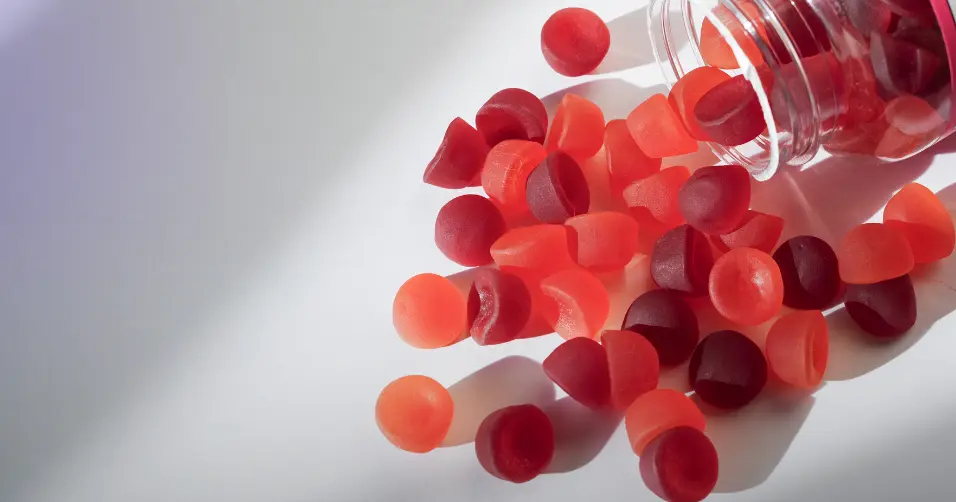
Creatine gummies – chewable creatine is gaining traction; compare them to powders in terms of absorption, convenience and effect.

Creatine gummies can provide an easy alternative to powdered forms.

So, you've been hearing about creatine gummies and wondering if they actually work, right?

It's a pretty common question these days. Creatine itself has been around forever and is pretty well-researched for helping with energy and muscle stuff. But now, instead of mixing powders, you can just pop a gummy. Sounds easy, but does it really get you the results you're looking for? We're going to break down what you need to know about these chewy supplements.

Key Takeaways

  • Creatine gummies offer a convenient and tasty way to take creatine, which is great if you dislike powders or need something portable.

  • The biggest question is whether gummies contain the effective dose of creatine (usually 3-5 grams daily), as some products have been found to have much less than advertised.

  • Research specifically on creatine gummies is limited, but if a gummy provides the correct dose, it should offer similar benefits to powder.

  • Potential side effects like water retention can happen with any form of creatine, and gummies might contain extra sugars or additives to consider.

  • For maximum effectiveness and value, pure creatine monohydrate powder is still the most studied and cost-efficient option, but gummies can be a good choice if they meet your dosing needs and lifestyle.

This article is educational and not intended to diagnose, treat, or suggest any specific intervention, and should not replace qualified medical advice.

Key Takeaways

Understanding Creatine Gummies

What Is Creatine?

Creatine is a compound that your body naturally produces, mostly in your liver, kidneys, and pancreas. It's made from three amino acids: glycine, arginine, and methionine. Think of it as a natural energy source for your muscles. When you exercise, especially with quick, intense bursts of activity like lifting weights or sprinting, your muscles use creatine to help produce energy. Your body stores creatine, and it's particularly useful when you need that extra bit of fuel for demanding physical tasks. You also get creatine from certain foods, like red meat and fish.

The Appeal of Gummy Supplements

Gummy supplements have really taken off, and it's not hard to see why. Instead of dealing with chalky powders or large pills, you get to eat something that tastes like candy. This makes taking your daily supplement feel less like a chore and more like a treat. For many people, the simple act of chewing a gummy is far more appealing than mixing a powder into a drink or trying to swallow a handful of capsules. It’s a straightforward, enjoyable way to get your nutrients.

Creatine Gummies vs. Powder: A Comparison

When you look at creatine gummies versus the traditional powder form, there are some clear differences. Powder is usually the most basic form of creatine, often just creatine monohydrate. It's generally cheaper and you can mix it with whatever you like – water, juice, or a protein shake. However, it can be messy to measure and mix, and some people really don't like the taste or texture. Gummies, on the other hand, are super convenient and taste good. You just pop a few and you're done. The downside is that the actual amount of creatine in gummies can sometimes be questionable, and they often contain added sugars or other ingredients you might want to avoid. Plus, they tend to be more expensive per serving than powder.

Effectiveness and Dosing of Creatine Gummies

So, do these chewy little things actually do what they promise? It's a fair question, especially when you're shelling out your hard-earned cash. The big thing with creatine, whether it's in powder or gummy form, is getting enough of it consistently. That's where things get a little fuzzy with gummies.

Do Creatine Gummies Deliver the Expected Dose?

This is the million-dollar question, right? Many creatine gummies don't pack the same punch per serving as traditional powder. You know, the standard advice from folks like Harvard Health is usually around 3 to 5 grams of creatine a day for maintenance. Some gummies might only have 1 or 2 grams each. So, to hit that effective dose, you might find yourself popping quite a few, which can add up fast. Plus, there have been some reports and even lawsuits claiming certain gummy brands don't actually contain the amount of active ingredients they say they do. It's a bit of a gamble without solid third-party testing.

Achieving Effective Dosing with Gummies

If you're set on gummies, the key is to be a detective. You've got to check the label carefully. How many grams of creatine are in each gummy? Then, figure out how many you need to eat to reach that 3-5 gram target. It's not as simple as just grabbing a scoop of powder and mixing it. You might end up eating more gummies than you expected, and that means you're also taking in extra sugar, calories, and whatever else they put in there for flavor and texture. It can turn your supplement into a pretty expensive candy habit if you're not careful.

Research on Creatine Gummies Specifically

Here's the kicker: while there's a ton of research on creatine itself – showing it's great for strength and muscle – there's not much out there specifically looking at creatine gummies. It's not that the creatine stops working when it's in a gummy, it's just that the research hasn't caught up to this newer format. We don't have many studies comparing gummies directly to powders to see if absorption or effectiveness differs. So, while the creatine molecule is proven, its delivery system in a gummy hasn't been put under the same scientific microscope. This lack of specific research means we're relying more on general creatine knowledge and label-reading skills.

Convenience and Lifestyle Fit

Let's be real, sometimes the whole routine of mixing powders can feel like a chore, right? Especially when you're rushing out the door or just not feeling up to it. This is where creatine gummies really shine. They're designed to be super easy to pop, no measuring cups or shakers needed. Just grab a few and go.

Ease of Use for On-the-Go Supplementation

Think about your typical day. Maybe you hit the gym first thing, then head straight to work, or perhaps you're always on the move for meetings. Having to mix a powder drink can be a hassle in these situations. Gummies, on the other hand, are incredibly portable. You can toss a small container in your gym bag, your purse, or even your pocket. This makes staying consistent with your creatine intake much simpler, even when life gets hectic. No more worrying about finding water or a clean shaker bottle when you're out and about.

Travel-Friendly Supplementation

Traveling can throw a wrench in any supplement routine. Packing powders can be messy, and you always have to make sure you have the right tools to mix them. Gummies simplify this whole process. They take up minimal space, don't require any preparation, and are generally allowed through airport security without any fuss. It's a straightforward way to keep your creatine habit going, whether you're on a weekend getaway or a longer trip.

Who Benefits Most from Creatine Gummies?

Do Creatine Gummies Work?

Creatine gummies can be effective and good if they contain the same amount of creatine monohydrate as powder forms. They deliver creatine in a chewable form, which makes them easier to consume and digest for some people. The key is ensuring that each gummy provides an evidence-based dose, typically 3–5 grams daily. When used consistently, they help increase phosphocreatine levels in muscles, improving short-term strength and endurance. However, users should check product quality and purity to ensure no unnecessary additives reduce efficiency.

  • Creatine gummies support muscle energy by aiding in ATP regeneration, which helps in high-intensity workouts.

  • They may be less cost-effective compared to powder but offer better convenience for travel or quick intake.

  • To maintain effectiveness, users should stay hydrated since creatine pulls water into muscle cells.

  • Consistency in dosing matters more than timing; missing days reduces muscle saturation benefits.

Creatine gummies can be effective and good if they contain the same amount of creatine monohydrate as powder forms. They deliver creatine in a chewable form, which makes them easier to consume and digest for some people. The key is ensuring that each gummy provides an evidence-based dose, typically 3–5 grams daily. When used consistently, they help increase phosphocreatine levels in muscles, improving short-term strength and endurance. However, users should check product quality and purity to ensure no unnecessary additives reduce efficiency.

  • Creatine gummies support muscle energy by aiding in ATP regeneration, which helps in high-intensity workouts.

  • They may be less cost-effective compared to powder but offer better convenience for travel or quick intake.

  • To maintain effectiveness, users should stay hydrated since creatine pulls water into muscle cells.

  • Consistency in dosing matters more than timing; missing days reduces muscle saturation benefits.

Understanding Creatine Gummies

What Is Creatine?

Creatine is a compound that your body naturally produces, mostly in your liver, kidneys, and pancreas. It's made from three amino acids: glycine, arginine, and methionine. Think of it as a natural energy source for your muscles. When you exercise, especially with quick, intense bursts of activity like lifting weights or sprinting, your muscles use creatine to help produce energy. Your body stores creatine, and it's particularly useful when you need that extra bit of fuel for demanding physical tasks. You also get creatine from certain foods, like red meat and fish.

The Appeal of Gummy Supplements

Gummy supplements have really taken off, and it's not hard to see why. Instead of dealing with chalky powders or large pills, you get to eat something that tastes like candy. This makes taking your daily supplement feel less like a chore and more like a treat. For many people, the simple act of chewing a gummy is far more appealing than mixing a powder into a drink or trying to swallow a handful of capsules. It’s a straightforward, enjoyable way to get your nutrients.

Creatine Gummies vs. Powder: A Comparison

When you look at creatine gummies versus the traditional powder form, there are some clear differences. Powder is usually the most basic form of creatine, often just creatine monohydrate. It's generally cheaper and you can mix it with whatever you like – water, juice, or a protein shake. However, it can be messy to measure and mix, and some people really don't like the taste or texture. Gummies, on the other hand, are super convenient and taste good. You just pop a few and you're done. The downside is that the actual amount of creatine in gummies can sometimes be questionable, and they often contain added sugars or other ingredients you might want to avoid. Plus, they tend to be more expensive per serving than powder.

Effectiveness and Dosing of Creatine Gummies

So, do these chewy little things actually do what they promise? It's a fair question, especially when you're shelling out your hard-earned cash. The big thing with creatine, whether it's in powder or gummy form, is getting enough of it consistently. That's where things get a little fuzzy with gummies.

Do Creatine Gummies Deliver the Expected Dose?

This is the million-dollar question, right? Many creatine gummies don't pack the same punch per serving as traditional powder. You know, the standard advice from folks like Harvard Health is usually around 3 to 5 grams of creatine a day for maintenance. Some gummies might only have 1 or 2 grams each. So, to hit that effective dose, you might find yourself popping quite a few, which can add up fast. Plus, there have been some reports and even lawsuits claiming certain gummy brands don't actually contain the amount of active ingredients they say they do. It's a bit of a gamble without solid third-party testing.

Achieving Effective Dosing with Gummies

If you're set on gummies, the key is to be a detective. You've got to check the label carefully. How many grams of creatine are in each gummy? Then, figure out how many you need to eat to reach that 3-5 gram target. It's not as simple as just grabbing a scoop of powder and mixing it. You might end up eating more gummies than you expected, and that means you're also taking in extra sugar, calories, and whatever else they put in there for flavor and texture. It can turn your supplement into a pretty expensive candy habit if you're not careful.

Research on Creatine Gummies Specifically

Here's the kicker: while there's a ton of research on creatine itself – showing it's great for strength and muscle – there's not much out there specifically looking at creatine gummies. It's not that the creatine stops working when it's in a gummy, it's just that the research hasn't caught up to this newer format. We don't have many studies comparing gummies directly to powders to see if absorption or effectiveness differs. So, while the creatine molecule is proven, its delivery system in a gummy hasn't been put under the same scientific microscope. This lack of specific research means we're relying more on general creatine knowledge and label-reading skills.

Convenience and Lifestyle Fit

Let's be real, sometimes the whole routine of mixing powders can feel like a chore, right? Especially when you're rushing out the door or just not feeling up to it. This is where creatine gummies really shine. They're designed to be super easy to pop, no measuring cups or shakers needed. Just grab a few and go.

Ease of Use for On-the-Go Supplementation

Think about your typical day. Maybe you hit the gym first thing, then head straight to work, or perhaps you're always on the move for meetings. Having to mix a powder drink can be a hassle in these situations. Gummies, on the other hand, are incredibly portable. You can toss a small container in your gym bag, your purse, or even your pocket. This makes staying consistent with your creatine intake much simpler, even when life gets hectic. No more worrying about finding water or a clean shaker bottle when you're out and about.

Travel-Friendly Supplementation

Traveling can throw a wrench in any supplement routine. Packing powders can be messy, and you always have to make sure you have the right tools to mix them. Gummies simplify this whole process. They take up minimal space, don't require any preparation, and are generally allowed through airport security without any fuss. It's a straightforward way to keep your creatine habit going, whether you're on a weekend getaway or a longer trip.

Who Benefits Most from Creatine Gummies?

Key Takeaways

So, who really stands to gain the most from this gummy format? Honestly, anyone who finds traditional powder supplements inconvenient or unappealing. This includes:

  • Busy individuals: If your schedule is packed and you need quick, no-fuss options.

  • Travelers: People who are frequently on the go and want an easy way to pack supplements.

  • Those who dislike the taste or texture of powders: If the chalky feel or mixing process just isn't for you.

  • Beginners: If you're new to creatine and want a more palatable entry point.

While they offer a convenient alternative, it's still important to check that the gummy provides a sufficient dose of creatine to be effective, which we'll get into next.

Potential Side Effects and Considerations

While creatine is generally considered safe for most people, it's good to know what you might run into. Some folks experience a few things when they start taking it, and it's worth being aware of.

Common Side Effects of Creatine

Creatine works by drawing water into your muscle cells. This is actually part of how it helps with performance, but it can lead to a couple of common, usually mild, side effects. The most frequently reported issue is water retention. This means your body might hold onto a bit more fluid than usual. For some, this can feel a little uncomfortable, and it might show up as a slight increase on the scale. It's important to remember that this isn't fat gain; it's just water. Another thing some people notice is a bit of stomach upset, especially when they first start or if they take too much at once. Taking it with food can often help with this.

Addressing Water Retention and Weight Gain

So, about that water retention and potential weight gain – it's a common question. As mentioned, creatine pulls water into your muscles. This can lead to a small, temporary increase in body weight, often a pound or two. For many athletes, this is actually a desired effect because it can make muscles look fuller and might contribute to strength gains. If you're someone who is really focused on staying as lean as possible or you're in a specific weight class, this is something to keep in mind. However, studies suggest that while body weight might go up, body fat percentage usually doesn't change. This weight increase is generally temporary and often subsides once your body adjusts to the supplement or if you stop taking it.

Ingredients to Watch For in Gummies

When you're looking at creatine gummies specifically, there are a few extra things to check beyond just the creatine content. Because they're designed to be palatable, gummies often contain other ingredients that powders typically don't. You'll want to look out for:

  • Added Sugars: Many gummies use sugar to improve taste. If you're trying to limit your sugar intake, this is a big factor.

  • Sugar Alcohols: Some brands use sugar alcohols (like sorbitol or xylitol) as sweeteners. These can cause digestive issues for some people, leading to gas or bloating.

  • Artificial Sweeteners, Flavors, and Colors: While not harmful for everyone, some individuals prefer to avoid these artificial additives.

  • Gelatin: Traditional gummies use gelatin, which is derived from animal collagen. If you follow a vegetarian or vegan diet, you'll need to find gummies made with plant-based gelling agents like pectin.

It's always a good idea to read the full ingredient list on the product label to make sure it aligns with your dietary needs and preferences.

Making an Informed Choice

So, you're thinking about creatine gummies, huh? It's a pretty personal decision, and honestly, there's no single 'right' answer for everyone. It really boils down to what you value most in a supplement and what fits into your life.

Taste and Formulation Differences

Let's talk taste first. Creatine powder can be a bit of a challenge for some people. It often has a neutral or slightly chalky flavor that some find unpleasant, especially when mixed with just water. Gummies, on the other hand, are designed to be palatable. They come in various fruit flavors, making them more like a treat than a chore to consume. However, this also means they often contain added sugars, artificial flavors, and colors. If you're watching your sugar intake or have sensitivities to certain additives, this is something to keep in mind. The formulation of gummies also means they have other ingredients besides creatine, like gelatin or pectin for texture, and sweeteners. Powdered creatine, typically creatine monohydrate, is usually just that – creatine. Simpler, but maybe not as tasty.

Cost-Effectiveness of Creatine Forms

When you look at the price tag, creatine powder usually wins out. Think about it: you're mostly paying for the creatine itself. Gummies, however, have extra costs baked in – the flavoring, the gelling agents, the packaging, and the manufacturing process to turn it all into a gummy. So, gram for gram, powder tends to be cheaper. You can also buy it in bulk, which often brings the per-serving cost down even further. While gummies offer convenience, that convenience comes at a higher price point. If you're on a tight budget or plan to use creatine long-term, the cost difference can add up significantly.

Personal Preference and Supplement Goals

Ultimately, the best form of creatine for you is the one you'll actually take consistently. If the idea of mixing powder turns you off, or if you find the taste unbearable, you're less likely to stick with it. In that case, the slightly higher cost and added ingredients of gummies might be worth it for the sake of consistency. On the flip side, if you don't mind the taste of powder, want precise control over your dosage (you can easily scoop less powder if needed), or want to avoid added sugars and artificial ingredients, powder is probably the way to go. Consider your daily routine too. Are you always on the move? Gummies are super portable. Do you like to mix all your supplements into one shake? Powder fits that bill better. It's about finding that sweet spot between effectiveness, cost, and what makes you feel good about taking your supplement every day.

So, Do Creatine Gummies Actually Work?

Alright, so we've chewed through the details on creatine gummies. Bottom line? They can definitely be a convenient and tasty way to get your creatine in, especially if you're not a fan of mixing powders or you're always on the move. For some folks, just popping a gummy is way easier than dealing with shakers and measuring. However, it's super important to remember that not all gummies are created equal. Some might not have the full dose you need, and a few have even been found to have hardly any creatine at all. So, while the idea is great, you really need to do your homework on the brand you pick. If you find a good one with the right amount of creatine, and you stick with it consistently, you'll likely see the benefits. But if you're just looking for the most bang for your buck and the most research-backed option, good old creatine powder is still the champ.

So, who really stands to gain the most from this gummy format? Honestly, anyone who finds traditional powder supplements inconvenient or unappealing. This includes:

  • Busy individuals: If your schedule is packed and you need quick, no-fuss options.

  • Travelers: People who are frequently on the go and want an easy way to pack supplements.

  • Those who dislike the taste or texture of powders: If the chalky feel or mixing process just isn't for you.

  • Beginners: If you're new to creatine and want a more palatable entry point.

While they offer a convenient alternative, it's still important to check that the gummy provides a sufficient dose of creatine to be effective, which we'll get into next.

Potential Side Effects and Considerations

While creatine is generally considered safe for most people, it's good to know what you might run into. Some folks experience a few things when they start taking it, and it's worth being aware of.

Common Side Effects of Creatine

Creatine works by drawing water into your muscle cells. This is actually part of how it helps with performance, but it can lead to a couple of common, usually mild, side effects. The most frequently reported issue is water retention. This means your body might hold onto a bit more fluid than usual. For some, this can feel a little uncomfortable, and it might show up as a slight increase on the scale. It's important to remember that this isn't fat gain; it's just water. Another thing some people notice is a bit of stomach upset, especially when they first start or if they take too much at once. Taking it with food can often help with this.

Addressing Water Retention and Weight Gain

So, about that water retention and potential weight gain – it's a common question. As mentioned, creatine pulls water into your muscles. This can lead to a small, temporary increase in body weight, often a pound or two. For many athletes, this is actually a desired effect because it can make muscles look fuller and might contribute to strength gains. If you're someone who is really focused on staying as lean as possible or you're in a specific weight class, this is something to keep in mind. However, studies suggest that while body weight might go up, body fat percentage usually doesn't change. This weight increase is generally temporary and often subsides once your body adjusts to the supplement or if you stop taking it.

Ingredients to Watch For in Gummies

When you're looking at creatine gummies specifically, there are a few extra things to check beyond just the creatine content. Because they're designed to be palatable, gummies often contain other ingredients that powders typically don't. You'll want to look out for:

  • Added Sugars: Many gummies use sugar to improve taste. If you're trying to limit your sugar intake, this is a big factor.

  • Sugar Alcohols: Some brands use sugar alcohols (like sorbitol or xylitol) as sweeteners. These can cause digestive issues for some people, leading to gas or bloating.

  • Artificial Sweeteners, Flavors, and Colors: While not harmful for everyone, some individuals prefer to avoid these artificial additives.

  • Gelatin: Traditional gummies use gelatin, which is derived from animal collagen. If you follow a vegetarian or vegan diet, you'll need to find gummies made with plant-based gelling agents like pectin.

It's always a good idea to read the full ingredient list on the product label to make sure it aligns with your dietary needs and preferences.

Making an Informed Choice

So, you're thinking about creatine gummies, huh? It's a pretty personal decision, and honestly, there's no single 'right' answer for everyone. It really boils down to what you value most in a supplement and what fits into your life.

Taste and Formulation Differences

Let's talk taste first. Creatine powder can be a bit of a challenge for some people. It often has a neutral or slightly chalky flavor that some find unpleasant, especially when mixed with just water. Gummies, on the other hand, are designed to be palatable. They come in various fruit flavors, making them more like a treat than a chore to consume. However, this also means they often contain added sugars, artificial flavors, and colors. If you're watching your sugar intake or have sensitivities to certain additives, this is something to keep in mind. The formulation of gummies also means they have other ingredients besides creatine, like gelatin or pectin for texture, and sweeteners. Powdered creatine, typically creatine monohydrate, is usually just that – creatine. Simpler, but maybe not as tasty.

Cost-Effectiveness of Creatine Forms

When you look at the price tag, creatine powder usually wins out. Think about it: you're mostly paying for the creatine itself. Gummies, however, have extra costs baked in – the flavoring, the gelling agents, the packaging, and the manufacturing process to turn it all into a gummy. So, gram for gram, powder tends to be cheaper. You can also buy it in bulk, which often brings the per-serving cost down even further. While gummies offer convenience, that convenience comes at a higher price point. If you're on a tight budget or plan to use creatine long-term, the cost difference can add up significantly.

Personal Preference and Supplement Goals

Ultimately, the best form of creatine for you is the one you'll actually take consistently. If the idea of mixing powder turns you off, or if you find the taste unbearable, you're less likely to stick with it. In that case, the slightly higher cost and added ingredients of gummies might be worth it for the sake of consistency. On the flip side, if you don't mind the taste of powder, want precise control over your dosage (you can easily scoop less powder if needed), or want to avoid added sugars and artificial ingredients, powder is probably the way to go. Consider your daily routine too. Are you always on the move? Gummies are super portable. Do you like to mix all your supplements into one shake? Powder fits that bill better. It's about finding that sweet spot between effectiveness, cost, and what makes you feel good about taking your supplement every day.

So, Do Creatine Gummies Actually Work?

Alright, so we've chewed through the details on creatine gummies. Bottom line? They can definitely be a convenient and tasty way to get your creatine in, especially if you're not a fan of mixing powders or you're always on the move. For some folks, just popping a gummy is way easier than dealing with shakers and measuring. However, it's super important to remember that not all gummies are created equal. Some might not have the full dose you need, and a few have even been found to have hardly any creatine at all. So, while the idea is great, you really need to do your homework on the brand you pick. If you find a good one with the right amount of creatine, and you stick with it consistently, you'll likely see the benefits. But if you're just looking for the most bang for your buck and the most research-backed option, good old creatine powder is still the champ.

Do You Have To Load Creatine?

No, creatine loading is optional but helps saturate muscles faster when starting.

You do not have to load creatine, though it speeds up saturation. Loading involves taking higher doses for 5–7 days to fill muscles faster. Without loading, daily smaller doses achieve the same effect over a few weeks. Both methods work equally long-term. Hydration and consistency determine efficiency.

  • Loading typically uses 20 grams per day split into four servings.

  • Skipping loading avoids mild bloating some users experience.

  • Maintenance of 3–5 grams daily sustains full muscle saturation.

  • Performance improvements appear once saturation is reached regardless of method.

You do not have to load creatine, though it speeds up saturation. Loading involves taking higher doses for 5–7 days to fill muscles faster. Without loading, daily smaller doses achieve the same effect over a few weeks. Both methods work equally long-term. Hydration and consistency determine efficiency.

  • Loading typically uses 20 grams per day split into four servings.

  • Skipping loading avoids mild bloating some users experience.

  • Maintenance of 3–5 grams daily sustains full muscle saturation.

  • Performance improvements appear once saturation is reached regardless of method.

What Are Creatine Gummies?

Creatine gummies are chewable supplements containing the same active ingredient as creatine powder.

Creatine gummies are chewable supplements that provide creatine in a convenient form. They offer the same benefits as powder—improved strength, endurance, and muscle recovery. Gummies are easy to take and eliminate the need for mixing or measuring. They often include flavoring and minimal added sugars. Ideal for on-the-go supplementation or those who dislike powders.

  • Each gummy typically contains around 1–2 grams of creatine monohydrate.

  • They provide portable and user-friendly alternatives for daily use.

  • Gummies dissolve slowly, ensuring steady absorption and convenience.

  • Ideal for travel or individuals avoiding drink-based supplements.

Creatine gummies are chewable supplements that provide creatine in a convenient form. They offer the same benefits as powder—improved strength, endurance, and muscle recovery. Gummies are easy to take and eliminate the need for mixing or measuring. They often include flavoring and minimal added sugars. Ideal for on-the-go supplementation or those who dislike powders.

  • Each gummy typically contains around 1–2 grams of creatine monohydrate.

  • They provide portable and user-friendly alternatives for daily use.

  • Gummies dissolve slowly, ensuring steady absorption and convenience.

  • Ideal for travel or individuals avoiding drink-based supplements.

How Much Creatine Is In Creatine Gummies?

Creatine gummies usually contain 3–5 grams of creatine per serving, similar to powder.

Most creatine gummies contain 1–2 grams of creatine per serving. To reach the standard 3–5 gram daily dose, you may need multiple gummies. Check the label to confirm total content and avoid excessive sugar intake. Gummies offer the same muscle benefits as powder when dosed correctly. Consistency remains crucial for maintaining muscle saturation.

  • Multiple gummies may be needed depending on strength and formulation.

  • Label reading ensures proper daily intake without unnecessary additives.

  • Equivalent dosing delivers identical muscle support to powder forms.

  • Best taken with water to aid digestion and maintain hydration.

Most creatine gummies contain 1–2 grams of creatine per serving. To reach the standard 3–5 gram daily dose, you may need multiple gummies. Check the label to confirm total content and avoid excessive sugar intake. Gummies offer the same muscle benefits as powder when dosed correctly. Consistency remains crucial for maintaining muscle saturation.

  • Multiple gummies may be needed depending on strength and formulation.

  • Label reading ensures proper daily intake without unnecessary additives.

  • Equivalent dosing delivers identical muscle support to powder forms.

  • Best taken with water to aid digestion and maintain hydration.

Are Creatine Gummies Bad For Teeth?

Creatine gummies are safe for teeth if taken moderately and followed by rinsing or brushing.

Creatine gummies are not bad for teeth if used responsibly. However, frequent chewing of sugary or acidic gummies may contribute to tooth decay. Choosing sugar-free versions minimizes risk. Rinsing with water after intake protects enamel. As with all gummies, proper dental hygiene prevents long-term effects.

  • Sugar-free formulations reduce cavity risk and enamel erosion.

  • Consistent brushing prevents any residue buildup from sticky gummies.

  • Chewing too frequently may expose teeth to mild acidity over time.

  • Rinsing immediately helps maintain oral health and prevent sensitivity.

Creatine gummies are not bad for teeth if used responsibly. However, frequent chewing of sugary or acidic gummies may contribute to tooth decay. Choosing sugar-free versions minimizes risk. Rinsing with water after intake protects enamel. As with all gummies, proper dental hygiene prevents long-term effects.

  • Sugar-free formulations reduce cavity risk and enamel erosion.

  • Consistent brushing prevents any residue buildup from sticky gummies.

  • Chewing too frequently may expose teeth to mild acidity over time.

  • Rinsing immediately helps maintain oral health and prevent sensitivity.

When To Take Creatine Gummies?

Taking creatine gummies works best when used daily, regardless of the exact time, if creatine gummies are effective. Many prefer to take them before or after workouts to align with training routines. Post-exercise intake may slightly improve absorption due to increased blood flow and insulin activity. On rest days, taking them with meals ensures consistent levels in the body. The key is steady, daily intake rather than timing precision.

  • Pairing creatine gummies with carbohydrates can improve muscle uptake and long-term retention.

  • On workout days, taking them after exercise helps replenish phosphocreatine used during activity.

  • Consistency in daily use supports continuous muscle saturation, vital for measurable strength gains.

  • Hydration remains critical to avoid cramps or mild water retention discomfort.

Taking creatine gummies works best when used daily, regardless of the exact time, if creatine gummies are effective. Many prefer to take them before or after workouts to align with training routines. Post-exercise intake may slightly improve absorption due to increased blood flow and insulin activity. On rest days, taking them with meals ensures consistent levels in the body. The key is steady, daily intake rather than timing precision.

  • Pairing creatine gummies with carbohydrates can improve muscle uptake and long-term retention.

  • On workout days, taking them after exercise helps replenish phosphocreatine used during activity.

  • Consistency in daily use supports continuous muscle saturation, vital for measurable strength gains.

  • Hydration remains critical to avoid cramps or mild water retention discomfort.

This article was last updated on Jan 11, 2026 by the

This article was last updated on Jan 11, 2026 by the

Harald Ragnarok, Editor in Chief, Myopedia

Myopedia is your to-go source for simple, practical guide to getting stronger, leaner, and healthier for the long run—bringing together biohacking, longevity, and muscle growth in one place. It breaks down what to do and why it works, with straightforward training and nutrition basics plus clear explanations of supplements and newer health tools, so you can make better choices without getting lost in hype.

Medical Disclaimer: All content on this website is intended solely for informational and educational purposes and should not be interpreted as a substitute for professional medical advice, diagnosis, or treatment, nor as encouragement or promotion for or against any particular use, product, or activity. Results may vary and are not guaranteed. No doctor–patient relationship is created by your use of this content. Always consult a qualified healthcare provider, nutritionist, or other relevant expert before starting or changing any supplement, diet, exercise, or lifestyle program. This website can contain errors. Check important information. Read our full Disclaimer.

RSS StatusTerms of ServicePrivacy PolicyDisclaimerAbout Myopedia.

©2025 Myopedia™. All rights reserved.

Myopedia is your to-go source for simple, practical guide to getting stronger, leaner, and healthier for the long run—bringing together biohacking, longevity, and muscle growth in one place. It breaks down what to do and why it works, with straightforward training and nutrition basics plus clear explanations of supplements and newer health tools, so you can make better choices without getting lost in hype.

Medical Disclaimer: All content on this website is intended solely for informational and educational purposes and should not be interpreted as a substitute for professional medical advice, diagnosis, or treatment, nor as encouragement or promotion for or against any particular use, product, or activity. Results may vary and are not guaranteed. No doctor–patient relationship is created by your use of this content. Always consult a qualified healthcare provider, nutritionist, or other relevant expert before starting or changing any supplement, diet, exercise, or lifestyle program. This website can contain errors. Check important information. Read our full Disclaimer.

RSS StatusTerms of ServicePrivacy PolicyDisclaimerAbout Myopedia.

©2025 Myopedia™. All rights reserved.

Myopedia is your to-go source for simple, practical guide to getting stronger, leaner, and healthier for the long run—bringing together biohacking, longevity, and muscle growth in one place. It breaks down what to do and why it works, with straightforward training and nutrition basics plus clear explanations of supplements and newer health tools, so you can make better choices without getting lost in hype.

Medical Disclaimer: All content on this website is intended solely for informational and educational purposes and should not be interpreted as a substitute for professional medical advice, diagnosis, or treatment, nor as encouragement or promotion for or against any particular use, product, or activity. Results may vary and are not guaranteed. No doctor–patient relationship is created by your use of this content. Always consult a qualified healthcare provider, nutritionist, or other relevant expert before starting or changing any supplement, diet, exercise, or lifestyle program. This website can contain errors. Check important information. Read our full Disclaimer.

RSS StatusTerms of ServicePrivacy PolicyDisclaimerAbout Myopedia.

©2025 Myopedia™. All rights reserved.

Your Muscle Growth & Longevity Hub.