Does Alcohol Stop Muscle Growth
How Alcohol Impacts Strength and Recovery
So, you're hitting the gym, eating right, and generally doing all the things to build muscle.
So, you're hitting the gym, eating right, and generally doing all the things to build muscle.
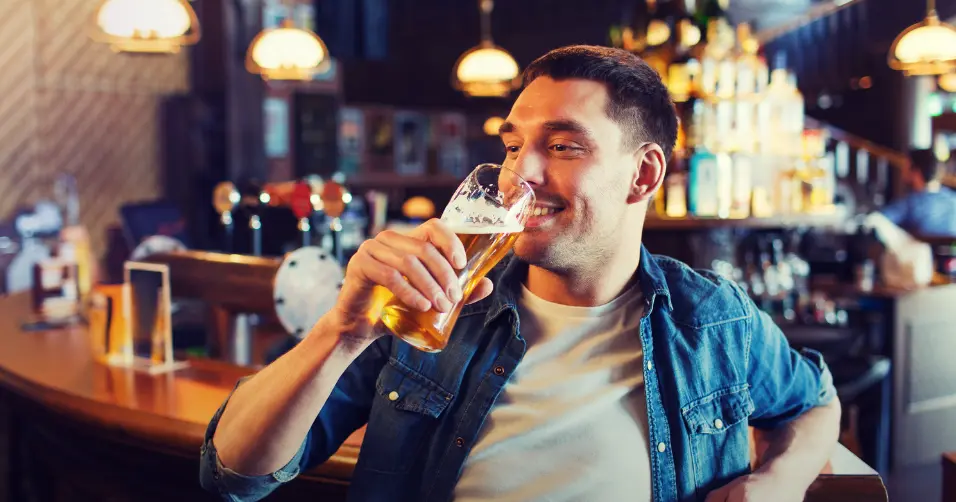
But what about that drink you enjoy now and then? Does alcohol stop muscle growth? It's a question many fitness enthusiasts ponder. We all know alcohol isn't exactly a health drink, but how does it really mess with your gains? Let's break down what happens when you mix a few drinks with your fitness goals.
How Alcohol Impacts Muscle Protein Synthesis
So, you're hitting the gym, trying to build some serious muscle, and you're wondering about that drink you had last night. It turns out, alcohol can really mess with the whole muscle-building process. Your muscles are always in a state of flux, breaking down old tissue and building new stuff. This building process is called muscle protein synthesis, and it's pretty important if you want to see gains.
Alcohol's Effect on Building New Muscle
When you drink alcohol, it throws a wrench into the signals your body uses to build new muscle. Think of it like trying to follow a recipe, but someone keeps messing with the instructions. This disruption means that even if you're eating enough protein, your body might not be able to use it effectively to repair and grow muscle tissue.
Inhibition of Protein Synthesis Signals
Alcohol seems to actively block the pathways that tell your muscles to get to work building themselves. Some research even suggests that while it's blocking the building signals, it might be making it easier for signals that lead to muscle breakdown to take over. It's a double whammy, really. Studies have shown that the total amount of amino acids – the building blocks of protein – doesn't necessarily drop, but the body's ability to use them for muscle growth is hampered.
Impact on Amino Acid Utilization
Even with plenty of amino acids floating around, alcohol interferes with how your body actually puts them to use for muscle repair and growth. It's not just about having the ingredients; it's about your body's ability to assemble them. This interference can significantly slow down your progress, making all those tough workouts feel a bit less effective.
Alcohol's Influence on Hormonal Balance for Muscle Growth
So, you're hitting the gym, eating right, and feeling pretty good about your progress. Then, maybe you have a few drinks. It turns out, what you do after your workout can be just as important as the workout itself, especially when it comes to your hormones. Alcohol really messes with the delicate balance your body needs to build muscle.
Lowering Testosterone Levels
Testosterone is a big deal for muscle growth. It's like the signal that tells your muscles to repair and get bigger. When you drink alcohol, it can actually lower your testosterone levels. This isn't just a temporary dip; chronic drinking can lead to longer-term reductions. Think of it like trying to build a house with fewer workers – it's going to take longer, and the final result might not be as strong.
Increasing Cortisol Production
On the flip side of testosterone, alcohol can also bump up your cortisol levels. Cortisol is often called the 'stress hormone.' While some cortisol is normal, too much of it tells your body to break down muscle tissue for energy. So, you've got testosterone going down and cortisol going up – it's a double whammy that works against your muscle-building efforts.
Disruption of Growth Hormone Release
Another key player in muscle recovery and growth is growth hormone. This hormone is released primarily during deep sleep. Alcohol, as we'll touch on later, really messes with your sleep quality. When your sleep is disrupted, your body can't release as much growth hormone. This means less repair and less growth happening while you're supposed to be recovering.
The Role of Sleep and Recovery in Muscle Development
You know, hitting the gym hard is only half the battle when it comes to building muscle. The other, equally important half, happens when you're not working out. This is where sleep and recovery come into play, and honestly, alcohol can really mess with this whole process.
Alcohol's Disruption of Sleep Cycles
Ever had a few drinks and then crashed hard, only to wake up feeling like you barely slept? Alcohol might make you fall asleep faster, but it totally screws up the quality of your sleep. It messes with your natural sleep cycles, particularly the deep, restorative stages. This means your body doesn't get the proper downtime it needs to fix itself.
Reduced REM Sleep: This stage is important for memory and mood, but alcohol cuts it short.
More Frequent Awakenings: You might wake up more often during the night, even if you don't remember it.
Lower Overall Sleep Quality: Even if you're in bed for 8 hours, the sleep you get isn't as effective for recovery.
Impaired Muscle Repair During Rest
Muscle growth isn't just about tearing fibers during exercise; it's about rebuilding them stronger. This rebuilding process is most active during sleep. When alcohol disrupts your sleep, it directly hinders this repair work. Your body needs adequate rest to synthesize proteins and repair the micro-tears in your muscles. Without that quality sleep, the repair process slows down, making it harder to see gains and increasing your risk of feeling sore and run down.
Impact on Cognitive Function and Performance
It's not just your muscles that suffer. Poor sleep quality due to alcohol consumption also impacts your brain. You might find yourself feeling foggy, less motivated, and just generally not on your game. This can translate directly to your workouts. If you're not mentally sharp, your focus will be off, your reaction times might be slower, and you might not be able to push yourself as hard. Consistently poor sleep due to alcohol can create a vicious cycle, making workouts less effective and recovery even more challenging.
Understanding Dehydration and Its Effect on Muscles
You know how you feel after a night of drinking? That dry mouth, the headache – that's dehydration kicking in. And for your muscles, it's not just an uncomfortable feeling; it can really mess with their ability to perform and recover.
Alcohol's Diuretic Properties
Alcohol is a diuretic. Basically, it tells your kidneys to get rid of more water than usual, leading to increased trips to the bathroom and, consequently, a loss of fluids. This fluid loss isn't just water; it also means you're losing electrolytes, which are super important for muscle function. Think of it like trying to run a car with not enough oil – things just don't work as smoothly.
Reduced Nutrient Transport to Muscles
When you're dehydrated, your blood volume decreases. This makes it harder for your blood to effectively carry nutrients, like amino acids and glucose, to your hardworking muscles. These nutrients are the building blocks and fuel your muscles need to repair themselves after a workout and grow bigger and stronger. If they can't get there efficiently, your progress can really slow down.
Increased Risk of Cramps and Injuries
Can I still build muscle if I drink alcohol?
Yes, but it's tricky. Drinking a little bit of alcohol now and then probably won't stop your muscles from growing. However, drinking a lot, especially over a long time, can really mess with your muscle gains. It's like trying to build a house during a storm – it's much harder!
Alcohol consumption could be bad for muscle growth because it interferes with protein synthesis and recovery. It reduces testosterone levels, which are important for muscle repair and strength development. Alcohol also increases cortisol, a stress hormone that promotes muscle breakdown. Dehydration caused by drinking further slows muscle recovery and reduces exercise performance. Therefore, limiting alcohol helps maintain an anabolic (muscle-building) state more effectively.
Regular drinking may block nutrient absorption, limiting amino acids crucial for muscle repair.
Post-workout drinking worsens inflammation and delays glycogen (energy storage) replenishment.
Alcohol impacts sleep quality, reducing nighttime muscle recovery efficiency.
Moderate or rare consumption is less harmful, but frequent intake greatly reduces progress.
How Alcohol Impacts Muscle Protein Synthesis
So, you're hitting the gym, trying to build some serious muscle, and you're wondering about that drink you had last night. It turns out, alcohol can really mess with the whole muscle-building process. Your muscles are always in a state of flux, breaking down old tissue and building new stuff. This building process is called muscle protein synthesis, and it's pretty important if you want to see gains.
Alcohol's Effect on Building New Muscle
When you drink alcohol, it throws a wrench into the signals your body uses to build new muscle. Think of it like trying to follow a recipe, but someone keeps messing with the instructions. This disruption means that even if you're eating enough protein, your body might not be able to use it effectively to repair and grow muscle tissue.
Inhibition of Protein Synthesis Signals
Alcohol seems to actively block the pathways that tell your muscles to get to work building themselves. Some research even suggests that while it's blocking the building signals, it might be making it easier for signals that lead to muscle breakdown to take over. It's a double whammy, really. Studies have shown that the total amount of amino acids – the building blocks of protein – doesn't necessarily drop, but the body's ability to use them for muscle growth is hampered.
Impact on Amino Acid Utilization
Even with plenty of amino acids floating around, alcohol interferes with how your body actually puts them to use for muscle repair and growth. It's not just about having the ingredients; it's about your body's ability to assemble them. This interference can significantly slow down your progress, making all those tough workouts feel a bit less effective.
Alcohol's Influence on Hormonal Balance for Muscle Growth
So, you're hitting the gym, eating right, and feeling pretty good about your progress. Then, maybe you have a few drinks. It turns out, what you do after your workout can be just as important as the workout itself, especially when it comes to your hormones. Alcohol really messes with the delicate balance your body needs to build muscle.
Lowering Testosterone Levels
Testosterone is a big deal for muscle growth. It's like the signal that tells your muscles to repair and get bigger. When you drink alcohol, it can actually lower your testosterone levels. This isn't just a temporary dip; chronic drinking can lead to longer-term reductions. Think of it like trying to build a house with fewer workers – it's going to take longer, and the final result might not be as strong.
Increasing Cortisol Production
On the flip side of testosterone, alcohol can also bump up your cortisol levels. Cortisol is often called the 'stress hormone.' While some cortisol is normal, too much of it tells your body to break down muscle tissue for energy. So, you've got testosterone going down and cortisol going up – it's a double whammy that works against your muscle-building efforts.
Disruption of Growth Hormone Release
Another key player in muscle recovery and growth is growth hormone. This hormone is released primarily during deep sleep. Alcohol, as we'll touch on later, really messes with your sleep quality. When your sleep is disrupted, your body can't release as much growth hormone. This means less repair and less growth happening while you're supposed to be recovering.
The Role of Sleep and Recovery in Muscle Development
You know, hitting the gym hard is only half the battle when it comes to building muscle. The other, equally important half, happens when you're not working out. This is where sleep and recovery come into play, and honestly, alcohol can really mess with this whole process.
Alcohol's Disruption of Sleep Cycles
Ever had a few drinks and then crashed hard, only to wake up feeling like you barely slept? Alcohol might make you fall asleep faster, but it totally screws up the quality of your sleep. It messes with your natural sleep cycles, particularly the deep, restorative stages. This means your body doesn't get the proper downtime it needs to fix itself.
Reduced REM Sleep: This stage is important for memory and mood, but alcohol cuts it short.
More Frequent Awakenings: You might wake up more often during the night, even if you don't remember it.
Lower Overall Sleep Quality: Even if you're in bed for 8 hours, the sleep you get isn't as effective for recovery.
Impaired Muscle Repair During Rest
Muscle growth isn't just about tearing fibers during exercise; it's about rebuilding them stronger. This rebuilding process is most active during sleep. When alcohol disrupts your sleep, it directly hinders this repair work. Your body needs adequate rest to synthesize proteins and repair the micro-tears in your muscles. Without that quality sleep, the repair process slows down, making it harder to see gains and increasing your risk of feeling sore and run down.
Impact on Cognitive Function and Performance
It's not just your muscles that suffer. Poor sleep quality due to alcohol consumption also impacts your brain. You might find yourself feeling foggy, less motivated, and just generally not on your game. This can translate directly to your workouts. If you're not mentally sharp, your focus will be off, your reaction times might be slower, and you might not be able to push yourself as hard. Consistently poor sleep due to alcohol can create a vicious cycle, making workouts less effective and recovery even more challenging.
Understanding Dehydration and Its Effect on Muscles
You know how you feel after a night of drinking? That dry mouth, the headache – that's dehydration kicking in. And for your muscles, it's not just an uncomfortable feeling; it can really mess with their ability to perform and recover.
Alcohol's Diuretic Properties
Alcohol is a diuretic. Basically, it tells your kidneys to get rid of more water than usual, leading to increased trips to the bathroom and, consequently, a loss of fluids. This fluid loss isn't just water; it also means you're losing electrolytes, which are super important for muscle function. Think of it like trying to run a car with not enough oil – things just don't work as smoothly.
Reduced Nutrient Transport to Muscles
When you're dehydrated, your blood volume decreases. This makes it harder for your blood to effectively carry nutrients, like amino acids and glucose, to your hardworking muscles. These nutrients are the building blocks and fuel your muscles need to repair themselves after a workout and grow bigger and stronger. If they can't get there efficiently, your progress can really slow down.
Increased Risk of Cramps and Injuries
Dehydrated muscles are more prone to cramping. You might have experienced this during a tough workout – a sudden, painful cramp that stops you in your tracks. Beyond cramps, dehydration can also make your muscles less flexible and more susceptible to strains and other injuries. It's like trying to stretch a dry rubber band; it's more likely to snap.
Here's a quick look at how dehydration impacts muscle function:
Factor | Impact of Dehydration |
|---|---|
Muscle Contraction | Impaired ability to contract and relax effectively |
Nutrient Delivery | Slower transport of glucose and amino acids to muscle cells |
Electrolyte Balance | Disruption of crucial minerals like sodium and potassium |
Flexibility | Reduced elasticity, increasing strain risk |
Fatigue | Quicker onset of tiredness during physical activity |
Alcohol and Insulin Resistance
So, let's talk about how alcohol messes with insulin. You know, that hormone that's pretty important for getting sugar and amino acids into your muscles? When you drink, your body starts to resist insulin. This means it doesn't work as well as it should.
Impaired Glucose Absorption
When your body becomes insulin resistant, it has a harder time taking glucose (sugar) from your bloodstream and getting it into your muscle cells. Muscles use glucose for energy, especially during workouts. If that glucose can't get in efficiently, your muscles don't have the fuel they need. This can leave you feeling drained and can really slow down your ability to perform. It's like trying to fill your car with gas, but the pump is only working half the time.
Reduced Amino Acid Uptake
It's not just glucose that suffers. Insulin also helps shuttle amino acids, the building blocks of muscle, into your muscle cells. When insulin resistance kicks in, this process gets bogged down too. So, even if you're chugging protein shakes after a workout, your muscles might not be able to grab those amino acids as effectively. This directly impacts muscle repair and growth.
Consequences for Muscle Growth and Recovery
Putting it all together, alcohol-induced insulin resistance creates a double whammy for muscle development. You've got less energy available for your workouts and impaired delivery of the materials needed for repair and growth afterward. This can lead to:
Slower muscle gains over time.
Increased fatigue during exercise sessions.
A longer recovery period between workouts.
A greater chance of your body breaking down muscle tissue instead of building it.
Basically, if you're serious about building muscle, making sure your insulin is working properly is a big deal, and alcohol definitely throws a wrench in that system.
Gender Differences in Alcohol's Impact on Muscle
So, does alcohol mess with muscle growth differently for guys and gals? It seems like it might. While research is still ongoing, some studies suggest that alcohol's negative effects on muscle protein synthesis, that whole process of building new muscle tissue, might hit men a bit harder.
Alcohol's Effect on Male Muscle Metabolism
In some studies, particularly those using animal models, alcohol consumption significantly reduced muscle protein synthesis in male subjects. This effect was observed even when protein was consumed alongside alcohol. The signaling pathways responsible for initiating muscle repair and growth appeared to be more sensitive to alcohol's presence in men. This means that for men, a post-workout beer might be more detrimental to muscle gains than previously thought.
Potential Differences in Female Response
Interestingly, some research has indicated that these same signaling pathways might not be as affected by alcohol in women. This doesn't mean women are completely in the clear, though. While the direct impact on protein synthesis signals might differ, women can still experience other negative effects from alcohol, like dehydration and hormonal disruptions, which indirectly hinder muscle development.
Long-Term Health Sensitivities for Women
Even if the immediate impact on muscle protein synthesis seems less pronounced, it's important for women to be aware of their unique long-term health sensitivities related to alcohol. Women tend to be more susceptible to certain health issues associated with chronic alcohol use, which can indirectly affect their overall fitness and ability to recover and build muscle over time. It's not just about the gym gains; it's about overall well-being.
Strategies for Minimizing Alcohol's Negative Effects
Okay, so we've talked a lot about how alcohol can mess with your muscle-building efforts. It's not exactly a secret that it can be a roadblock. But let's be real, life happens, and sometimes you might want to enjoy a drink or two. The good news is, it doesn't have to be a total write-off for your fitness goals. There are definitely ways to lessen the blow if you're going to indulge.
Understanding Your Drinking Limits
First things first, know your own limits. This isn't about being a buzzkill, it's about being smart. For women, the general guideline is up to one standard drink a day, and for men, it's up to two. Sticking to these amounts is your best bet for minimizing the negative impacts. It's easy to lose track, especially when you're out with friends, but being mindful of how much you're actually consuming makes a big difference. Think about it: a couple of beers might be fine, but a whole night of heavy drinking? That's a different story for your muscles.
Prioritizing Hydration
This one is huge. Alcohol is a diuretic, which basically means it makes you pee more, leading to dehydration. And when you're dehydrated, your muscles aren't going to function optimally. They need water to do their thing, especially after a tough workout. So, what's the fix? Simple: drink more water. Before you even start drinking alcohol, have a big glass of water. Keep one nearby while you're drinking, and definitely chug a couple more before you hit the hay. It helps with hangovers too, bonus!
Choosing Lower Alcohol Content Beverages
Not all drinks are created equal, right? If you're going to have a drink, consider what you're choosing. A sugary cocktail loaded with mixers might taste great, but it's often packed with extra calories and sugar that your body doesn't need, especially when you're trying to build muscle. Opting for something like a light beer, a glass of wine, or a spirit mixed with soda water can be a better choice. It still lets you enjoy a drink, but with fewer of the downsides. It's about making smarter swaps where you can.
Timing Alcohol Consumption Wisely
When you drink matters. Seriously. If you just crushed a killer workout, your muscles are in repair mode, and they need all the good stuff – like protein and rest – to grow. Downing a few beers right after hitting the gym is like telling your body to put the brakes on that whole muscle-building process. It's better to give your body some time to recover and refuel before you start drinking. Maybe have your post-workout meal, let it settle, and then consider a drink later, or better yet, on a rest day. Planning your drinking around your training schedule can really help keep your progress on track.
So, What's the Verdict on Alcohol and Muscle Growth?
Alright, let's wrap this up. It seems like having a drink now and then probably won't completely derail your gains. Your body is pretty resilient, and a couple of beers over the weekend likely won't undo all your hard work in the gym. However, if you're consistently hitting the bottle hard, especially around your workouts, you're definitely making things tougher for your muscles. It messes with sleep, protein building, and even hormones. So, while an occasional toast to your progress is probably fine, going overboard can seriously slow down your muscle-building journey. Moderation is key, and if you're serious about results, maybe save the big drinking sessions for a different time.
Dehydrated muscles are more prone to cramping. You might have experienced this during a tough workout – a sudden, painful cramp that stops you in your tracks. Beyond cramps, dehydration can also make your muscles less flexible and more susceptible to strains and other injuries. It's like trying to stretch a dry rubber band; it's more likely to snap.
Here's a quick look at how dehydration impacts muscle function:
Factor | Impact of Dehydration |
|---|---|
Muscle Contraction | Impaired ability to contract and relax effectively |
Nutrient Delivery | Slower transport of glucose and amino acids to muscle cells |
Electrolyte Balance | Disruption of crucial minerals like sodium and potassium |
Flexibility | Reduced elasticity, increasing strain risk |
Fatigue | Quicker onset of tiredness during physical activity |
Alcohol and Insulin Resistance
So, let's talk about how alcohol messes with insulin. You know, that hormone that's pretty important for getting sugar and amino acids into your muscles? When you drink, your body starts to resist insulin. This means it doesn't work as well as it should.
Impaired Glucose Absorption
When your body becomes insulin resistant, it has a harder time taking glucose (sugar) from your bloodstream and getting it into your muscle cells. Muscles use glucose for energy, especially during workouts. If that glucose can't get in efficiently, your muscles don't have the fuel they need. This can leave you feeling drained and can really slow down your ability to perform. It's like trying to fill your car with gas, but the pump is only working half the time.
Reduced Amino Acid Uptake
It's not just glucose that suffers. Insulin also helps shuttle amino acids, the building blocks of muscle, into your muscle cells. When insulin resistance kicks in, this process gets bogged down too. So, even if you're chugging protein shakes after a workout, your muscles might not be able to grab those amino acids as effectively. This directly impacts muscle repair and growth.
Consequences for Muscle Growth and Recovery
Putting it all together, alcohol-induced insulin resistance creates a double whammy for muscle development. You've got less energy available for your workouts and impaired delivery of the materials needed for repair and growth afterward. This can lead to:
Slower muscle gains over time.
Increased fatigue during exercise sessions.
A longer recovery period between workouts.
A greater chance of your body breaking down muscle tissue instead of building it.
Basically, if you're serious about building muscle, making sure your insulin is working properly is a big deal, and alcohol definitely throws a wrench in that system.
Gender Differences in Alcohol's Impact on Muscle
So, does alcohol mess with muscle growth differently for guys and gals? It seems like it might. While research is still ongoing, some studies suggest that alcohol's negative effects on muscle protein synthesis, that whole process of building new muscle tissue, might hit men a bit harder.
Alcohol's Effect on Male Muscle Metabolism
In some studies, particularly those using animal models, alcohol consumption significantly reduced muscle protein synthesis in male subjects. This effect was observed even when protein was consumed alongside alcohol. The signaling pathways responsible for initiating muscle repair and growth appeared to be more sensitive to alcohol's presence in men. This means that for men, a post-workout beer might be more detrimental to muscle gains than previously thought.
Potential Differences in Female Response
Interestingly, some research has indicated that these same signaling pathways might not be as affected by alcohol in women. This doesn't mean women are completely in the clear, though. While the direct impact on protein synthesis signals might differ, women can still experience other negative effects from alcohol, like dehydration and hormonal disruptions, which indirectly hinder muscle development.
Long-Term Health Sensitivities for Women
Even if the immediate impact on muscle protein synthesis seems less pronounced, it's important for women to be aware of their unique long-term health sensitivities related to alcohol. Women tend to be more susceptible to certain health issues associated with chronic alcohol use, which can indirectly affect their overall fitness and ability to recover and build muscle over time. It's not just about the gym gains; it's about overall well-being.
Strategies for Minimizing Alcohol's Negative Effects
Okay, so we've talked a lot about how alcohol can mess with your muscle-building efforts. It's not exactly a secret that it can be a roadblock. But let's be real, life happens, and sometimes you might want to enjoy a drink or two. The good news is, it doesn't have to be a total write-off for your fitness goals. There are definitely ways to lessen the blow if you're going to indulge.
Understanding Your Drinking Limits
First things first, know your own limits. This isn't about being a buzzkill, it's about being smart. For women, the general guideline is up to one standard drink a day, and for men, it's up to two. Sticking to these amounts is your best bet for minimizing the negative impacts. It's easy to lose track, especially when you're out with friends, but being mindful of how much you're actually consuming makes a big difference. Think about it: a couple of beers might be fine, but a whole night of heavy drinking? That's a different story for your muscles.
Prioritizing Hydration
This one is huge. Alcohol is a diuretic, which basically means it makes you pee more, leading to dehydration. And when you're dehydrated, your muscles aren't going to function optimally. They need water to do their thing, especially after a tough workout. So, what's the fix? Simple: drink more water. Before you even start drinking alcohol, have a big glass of water. Keep one nearby while you're drinking, and definitely chug a couple more before you hit the hay. It helps with hangovers too, bonus!
Choosing Lower Alcohol Content Beverages
Not all drinks are created equal, right? If you're going to have a drink, consider what you're choosing. A sugary cocktail loaded with mixers might taste great, but it's often packed with extra calories and sugar that your body doesn't need, especially when you're trying to build muscle. Opting for something like a light beer, a glass of wine, or a spirit mixed with soda water can be a better choice. It still lets you enjoy a drink, but with fewer of the downsides. It's about making smarter swaps where you can.
Timing Alcohol Consumption Wisely
When you drink matters. Seriously. If you just crushed a killer workout, your muscles are in repair mode, and they need all the good stuff – like protein and rest – to grow. Downing a few beers right after hitting the gym is like telling your body to put the brakes on that whole muscle-building process. It's better to give your body some time to recover and refuel before you start drinking. Maybe have your post-workout meal, let it settle, and then consider a drink later, or better yet, on a rest day. Planning your drinking around your training schedule can really help keep your progress on track.
So, What's the Verdict on Alcohol and Muscle Growth?
Alright, let's wrap this up. It seems like having a drink now and then probably won't completely derail your gains. Your body is pretty resilient, and a couple of beers over the weekend likely won't undo all your hard work in the gym. However, if you're consistently hitting the bottle hard, especially around your workouts, you're definitely making things tougher for your muscles. It messes with sleep, protein building, and even hormones. So, while an occasional toast to your progress is probably fine, going overboard can seriously slow down your muscle-building journey. Moderation is key, and if you're serious about results, maybe save the big drinking sessions for a different time.
How does alcohol mess with protein building?
Think of protein synthesis as your body's way of building new muscle. Alcohol throws a wrench in this process. It stops the signals that tell your body to build muscle, which means your muscles can't repair and grow as well after you work out.
Alcohol negatively affects muscle by impairing protein synthesis and recovery. It dehydrates the body, slowing nutrient transport and repair. Excess intake also lowers testosterone and increases inflammation. This delays recovery and reduces strength gains. Occasional moderate drinking may be tolerated but should not follow intense training.
Alcohol suppresses muscle-building hormones and slows recovery rate.
Dehydration limits nutrient and oxygen flow essential for growth.
Chronic use increases muscle breakdown through hormonal imbalance.
Hydration and spacing alcohol away from workouts reduce impact.
Does alcohol affect my hormones for muscle growth?
It sure does! Alcohol can lower testosterone, which is a key hormone for building muscle. It also increases cortisol, a stress hormone that can actually break down muscle. So, it's like a double whammy against your gains.
Why is sleep important for muscle growth, and how does alcohol affect it?
When you sleep, your body works hard to fix your muscles and release important growth hormones. Alcohol totally messes up your sleep cycles, making it harder for your muscles to recover and grow. You might fall asleep faster, but it's not good quality sleep for muscle building.
Does drinking alcohol make me dehydrated, and how does that hurt my muscles?
Alcohol makes you pee more, which means your body loses fluids faster, leading to dehydration. When you're dehydrated, your muscles don't get the nutrients they need, and you're more likely to get cramps or even injuries. It’s like trying to run a car without enough oil.
Are there ways to drink alcohol and still try to build muscle?
If you choose to drink, try to do it in moderation. Know your limits, drink plenty of water alongside your alcoholic drinks, and maybe pick drinks that have less alcohol. Also, try not to drink right before bed, as it really hurts your sleep and recovery.
Harald Ragnarok, Editor in Chief, Myopedia
Myopedia is your to-go source for simple, practical guide to getting stronger, leaner, and healthier for the long run—bringing together biohacking, longevity, and muscle growth in one place. It breaks down what to do and why it works, with straightforward training and nutrition basics plus clear explanations of supplements and newer health tools, so you can make better choices without getting lost in hype.
Medical Disclaimer: All content on this website is intended solely for informational and educational purposes and should not be interpreted as a substitute for professional medical advice, diagnosis, or treatment, nor as encouragement or promotion for or against any particular use, product, or activity. Results may vary and are not guaranteed. No doctor–patient relationship is created by your use of this content. Always consult a qualified healthcare provider, nutritionist, or other relevant expert before starting or changing any supplement, diet, exercise, or lifestyle program. This website can contain errors. Check important information. Read our full Disclaimer.
RSS – Status – Terms of Service – Privacy Policy – Disclaimer – About Myopedia.
©2025 Myopedia™. All rights reserved.
Myopedia is your to-go source for simple, practical guide to getting stronger, leaner, and healthier for the long run—bringing together biohacking, longevity, and muscle growth in one place. It breaks down what to do and why it works, with straightforward training and nutrition basics plus clear explanations of supplements and newer health tools, so you can make better choices without getting lost in hype.
Medical Disclaimer: All content on this website is intended solely for informational and educational purposes and should not be interpreted as a substitute for professional medical advice, diagnosis, or treatment, nor as encouragement or promotion for or against any particular use, product, or activity. Results may vary and are not guaranteed. No doctor–patient relationship is created by your use of this content. Always consult a qualified healthcare provider, nutritionist, or other relevant expert before starting or changing any supplement, diet, exercise, or lifestyle program. This website can contain errors. Check important information. Read our full Disclaimer.
RSS – Status – Terms of Service – Privacy Policy – Disclaimer – About Myopedia.
©2025 Myopedia™. All rights reserved.
Myopedia is your to-go source for simple, practical guide to getting stronger, leaner, and healthier for the long run—bringing together biohacking, longevity, and muscle growth in one place. It breaks down what to do and why it works, with straightforward training and nutrition basics plus clear explanations of supplements and newer health tools, so you can make better choices without getting lost in hype.
Medical Disclaimer: All content on this website is intended solely for informational and educational purposes and should not be interpreted as a substitute for professional medical advice, diagnosis, or treatment, nor as encouragement or promotion for or against any particular use, product, or activity. Results may vary and are not guaranteed. No doctor–patient relationship is created by your use of this content. Always consult a qualified healthcare provider, nutritionist, or other relevant expert before starting or changing any supplement, diet, exercise, or lifestyle program. This website can contain errors. Check important information. Read our full Disclaimer.
RSS – Status – Terms of Service – Privacy Policy – Disclaimer – About Myopedia.
©2025 Myopedia™. All rights reserved.