Muscle Growth

Gluten-Free Protein

Complete Guide to Gluten-Free Protein

Gluten-free protein is a specialized protein supplement formulated without gluten, making it suitable for those with celiac disease, gluten sensitivity, or anyone seeking a cleaner nutritional profile. It delivers the essential amino acids needed for muscle growth, recovery, and strength without digestive discomfort, while supporting overall wellness and dietary compliance.

This article is educational and not intended to diagnose, treat, or suggest any specific intervention, and should not replace qualified medical advice.

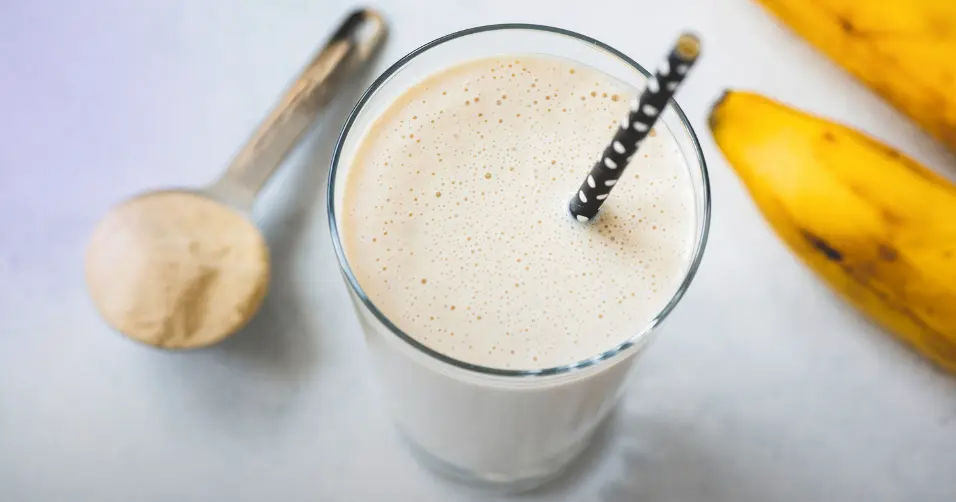
Gluten-free protein is a supplement option free from gluten, offering essential amino acids for muscle repair, strength for individuals with gluten sensitivity or celiac disease.

Is Whey Protein Gluten-Free?

Yes, whey protein is naturally gluten-free unless processed with additives containing gluten.

Whey protein is naturally gluten-free unless contaminated during processing. Individuals with gluten sensitivity should check product labeling to confirm. Pure whey isolate usually avoids cross-contamination risks. It is suitable for people aiming to build muscle with minimal allergens. Certified gluten-free options ensure safety for sensitive users.

  • Processing facilities sometimes handle grains, causing gluten traces.

  • Choosing certified gluten-free products reduces contamination risk.

  • Isolate forms have higher protein and lower lactose or gluten exposure.

  • It provides complete amino acid profile for muscle growth.

Whey protein is naturally gluten-free unless contaminated during processing. Individuals with gluten sensitivity should check product labeling to confirm. Pure whey isolate usually avoids cross-contamination risks. It is suitable for people aiming to build muscle with minimal allergens. Certified gluten-free options ensure safety for sensitive users.

  • Processing facilities sometimes handle grains, causing gluten traces.

  • Choosing certified gluten-free products reduces contamination risk.

  • Isolate forms have higher protein and lower lactose or gluten exposure.

  • It provides complete amino acid profile for muscle growth.

Which Foods Have Gluten Free Protein?

Gluten-free protein foods include eggs, chicken, fish, beans, quinoa, and lentils.

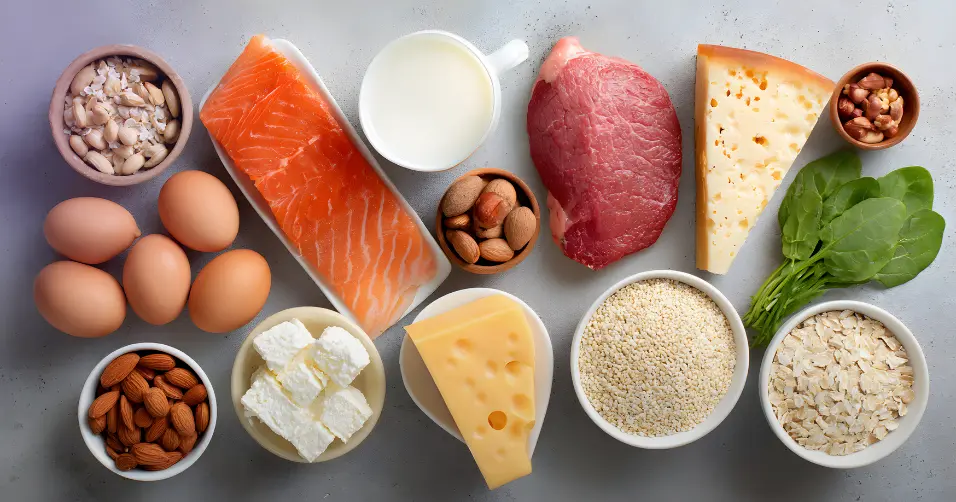
Gluten-free protein foods include eggs, meat, fish, legumes, nuts, seeds, and most dairy products. Naturally gluten-free grains like quinoa, rice, and buckwheat also provide protein. Many plant-based proteins like pea or soy are gluten-free by default. These sources help meet daily protein needs without digestive discomfort. Combining different foods ensures balanced amino acid intake.

  • Animal proteins are all naturally gluten-free unless processed with additives.

  • Plant-based combinations such as rice and beans cover all essential amino acids.

  • Quinoa provides a complete protein option among gluten-free grains.

  • Always check packaged foods for hidden gluten from flavoring or binding agents.

Gluten-free protein foods include eggs, meat, fish, legumes, nuts, seeds, and most dairy products. Naturally gluten-free grains like quinoa, rice, and buckwheat also provide protein. Many plant-based proteins like pea or soy are gluten-free by default. These sources help meet daily protein needs without digestive discomfort. Combining different foods ensures balanced amino acid intake.

  • Animal proteins are all naturally gluten-free unless processed with additives.

  • Plant-based combinations such as rice and beans cover all essential amino acids.

  • Quinoa provides a complete protein option among gluten-free grains.

  • Always check packaged foods for hidden gluten from flavoring or binding agents.

Who Needs Gluten Free Protein?

People with celiac disease or gluten sensitivity need gluten-free protein to avoid digestive inflammation.

Gluten-free protein is needed by individuals with celiac disease, gluten intolerance, or digestive issues. It prevents inflammation, bloating, and nutrient malabsorption caused by gluten exposure. Athletes with sensitive digestion may also choose it for comfort. It ensures protein intake without triggering immune or gut reactions. Gluten-free options are widely available from both animal and plant sources.

  • People with celiac disease require strict lifelong gluten avoidance.

  • Gluten-free protein supports efficient recovery without digestive distress.

  • Processed foods can contain hidden gluten, making label reading important.

  • Using pure or certified gluten-free powders prevents accidental exposure.

Gluten-free protein is needed by individuals with celiac disease, gluten intolerance, or digestive issues. It prevents inflammation, bloating, and nutrient malabsorption caused by gluten exposure. Athletes with sensitive digestion may also choose it for comfort. It ensures protein intake without triggering immune or gut reactions. Gluten-free options are widely available from both animal and plant sources.

  • People with celiac disease require strict lifelong gluten avoidance.

  • Gluten-free protein supports efficient recovery without digestive distress.

  • Processed foods can contain hidden gluten, making label reading important.

  • Using pure or certified gluten-free powders prevents accidental exposure.

Can Gluten Free Protein Build Muscle?

Yes, gluten-free protein can build muscle if total protein intake and training are sufficient.

Gluten-free protein can build muscle effectively if amino acid content is complete. The absence of gluten does not impact muscle synthesis. The key factors remain total protein intake, workout intensity, and recovery. Many plant and animal proteins are naturally gluten-free. Quality protein timing around workouts enhances growth regardless of gluten content.

  • Pea, rice, and egg proteins are common gluten-free options.

  • Combining plant sources ensures full amino acid spectrum.

  • Digestibility affects nutrient absorption, influencing recovery rate.

  • Consistent intake supports gradual strength and size improvements.

Gluten-free protein can build muscle effectively if amino acid content is complete. The absence of gluten does not impact muscle synthesis. The key factors remain total protein intake, workout intensity, and recovery. Many plant and animal proteins are naturally gluten-free. Quality protein timing around workouts enhances growth regardless of gluten content.

  • Pea, rice, and egg proteins are common gluten-free options.

  • Combining plant sources ensures full amino acid spectrum.

  • Digestibility affects nutrient absorption, influencing recovery rate.

  • Consistent intake supports gradual strength and size improvements.

Is Gluten Free Protein Plant Based?

Gluten-free protein is often plant-based, made from sources like pea, soy, or rice.

Not all gluten-free proteins are plant-based—many animal proteins are naturally gluten-free. Meat, poultry, eggs, and fish contain no gluten and remain key protein sources. Plant-based options like pea, hemp, and rice protein offer vegan alternatives. Both types support muscle building when used in sufficient amounts. The choice depends on dietary preference rather than gluten content.

  • Gluten-free classification depends on grain source, not plant or animal origin.

  • Omnivores can combine both animal and plant gluten-free proteins for balance.

  • Plant-based gluten-free powders often cater to vegan consumers.

  • Both options offer complete amino acid coverage when used correctly.

Not all gluten-free proteins are plant-based—many animal proteins are naturally gluten-free. Meat, poultry, eggs, and fish contain no gluten and remain key protein sources. Plant-based options like pea, hemp, and rice protein offer vegan alternatives. Both types support muscle building when used in sufficient amounts. The choice depends on dietary preference rather than gluten content.

  • Gluten-free classification depends on grain source, not plant or animal origin.

  • Omnivores can combine both animal and plant gluten-free proteins for balance.

  • Plant-based gluten-free powders often cater to vegan consumers.

  • Both options offer complete amino acid coverage when used correctly.

What Is Gluten Free Protein?

Gluten-free protein refers to protein products made without wheat, barley, or rye, which contain gluten.

Gluten-free protein refers to protein sources that contain no gluten, a group of proteins found in wheat, barley, and rye. It includes natural foods like eggs, meat, legumes, and seeds. Gluten-free protein powders come from plants like peas or rice, or from filtered animal proteins like whey isolate. This type supports people with gluten intolerance or celiac disease. It provides all essential amino acids for recovery and muscle maintenance.

  • Gluten-free protein supports digestive health while meeting performance needs.

  • High-quality forms offer complete amino acid balance similar to regular protein.

  • People with sensitivities rely on certified products to prevent contamination.

  • Both animal and plant-based versions fit within gluten-free diets.

Gluten-free protein refers to protein sources that contain no gluten, a group of proteins found in wheat, barley, and rye. It includes natural foods like eggs, meat, legumes, and seeds. Gluten-free protein powders come from plants like peas or rice, or from filtered animal proteins like whey isolate. This type supports people with gluten intolerance or celiac disease. It provides all essential amino acids for recovery and muscle maintenance.

  • Gluten-free protein supports digestive health while meeting performance needs.

  • High-quality forms offer complete amino acid balance similar to regular protein.

  • People with sensitivities rely on certified products to prevent contamination.

  • Both animal and plant-based versions fit within gluten-free diets.

Is Casein Protein Gluten Free?

Yes, casein protein is gluten-free unless contaminated during processing.

Casein protein is naturally gluten-free when processed without grain additives. It provides slow-digesting amino acids for prolonged recovery. Users with gluten intolerance should verify manufacturing standards. Casein supports overnight muscle repair when taken before sleep. Its thick texture and slow release make it ideal for sustained protein supply.

  • Cross-contamination risk exists in shared production facilities.

  • Pure casein or micellar casein forms are safest for sensitive users.

  • It enhances nitrogen retention during long fasting periods.

  • Mixing with water or milk substitutes reduces calorie intake at night.

Casein protein is naturally gluten-free when processed without grain additives. It provides slow-digesting amino acids for prolonged recovery. Users with gluten intolerance should verify manufacturing standards. Casein supports overnight muscle repair when taken before sleep. Its thick texture and slow release make it ideal for sustained protein supply.

  • Cross-contamination risk exists in shared production facilities.

  • Pure casein or micellar casein forms are safest for sensitive users.

  • It enhances nitrogen retention during long fasting periods.

  • Mixing with water or milk substitutes reduces calorie intake at night.

How Does Gluten-Free Protein Relate to Amino Acids?

Gluten-free protein relates to amino acids because it still provides the same amino acid building blocks without gluten, a grain protein.

Gluten-free protein relates to amino acids exactly the same way as regular protein. When the body digests it, it breaks into amino acids used for repair and growth. Removing gluten only avoids certain grain proteins that trigger reactions in some people. Amino acid content varies depending on the protein source. Many gluten-free proteins still offer balanced amino acid profiles.

  • Digests into amino acids: All proteins break down the same way, regardless of gluten content. The body absorbs the same core building blocks.

  • Source-dependent profile: The mix of amino acids comes from the food source itself. Some gluten-free options are naturally rich in essential amino acids.

  • Gluten is separate: Gluten is just one type of plant protein. Removing it does not change how other proteins work.


Gluten-free protein relates to amino acids exactly the same way as regular protein. When the body digests it, it breaks into amino acids used for repair and growth. Removing gluten only avoids certain grain proteins that trigger reactions in some people. Amino acid content varies depending on the protein source. Many gluten-free proteins still offer balanced amino acid profiles.

  • Digests into amino acids: All proteins break down the same way, regardless of gluten content. The body absorbs the same core building blocks.

  • Source-dependent profile: The mix of amino acids comes from the food source itself. Some gluten-free options are naturally rich in essential amino acids.

  • Gluten is separate: Gluten is just one type of plant protein. Removing it does not change how other proteins work.


How Does Gluten-Free Protein Compare to Plant Protein?

Gluten-free protein compares to plant protein by offering a hypoallergenic option with similar amino content.

Gluten-free protein compares to plant protein by offering similar amino acid support without gluten-containing grains. Gluten-free blends use sources like legumes or seeds. Plant proteins include a broader range of plant foods, some with gluten and some without. Both support general protein needs. Gluten-free versions cater mainly to digestive sensitivity.

  • Gluten avoidance is the only strict difference.

  • Similar amino acids support muscle repair in both types.

  • Ingredient variety shifts between blends.

  • Digestive tolerance guides gluten-free choice.


Gluten-free protein compares to plant protein by offering similar amino acid support without gluten-containing grains. Gluten-free blends use sources like legumes or seeds. Plant proteins include a broader range of plant foods, some with gluten and some without. Both support general protein needs. Gluten-free versions cater mainly to digestive sensitivity.

  • Gluten avoidance is the only strict difference.

  • Similar amino acids support muscle repair in both types.

  • Ingredient variety shifts between blends.

  • Digestive tolerance guides gluten-free choice.


How Does Gluten-Free Protein Differ from Whey Protein?

Gluten-free protein differs from whey protein by avoiding dairy and gluten allergens.

Gluten-free protein differs from whey protein through source and digestibility. Gluten-free proteins come from plants or lactose-free ingredients. Whey comes from dairy and contains milk proteins. Gluten-free options help people with gluten sensitivity. Whey offers faster absorption and a complete amino acid profile.

  • Source difference separates plant-based from dairy.

  • Digestive tolerance favors gluten-free for sensitive users.

  • Amino acid balance is naturally complete in whey.

  • Absorption speed is generally faster for whey.

  • Texture and taste differ across both types.

Gluten-free protein differs from whey protein through source and digestibility. Gluten-free proteins come from plants or lactose-free ingredients. Whey comes from dairy and contains milk proteins. Gluten-free options help people with gluten sensitivity. Whey offers faster absorption and a complete amino acid profile.

  • Source difference separates plant-based from dairy.

  • Digestive tolerance favors gluten-free for sensitive users.

  • Amino acid balance is naturally complete in whey.

  • Absorption speed is generally faster for whey.

  • Texture and taste differ across both types.

Medical Disclaimer: All content on this website is intended solely for informational and educational purposes and should not be interpreted as a substitute for professional medical advice, diagnosis, or treatment, nor as encouragement or promotion for or against any particular use, product, or activity. Results may vary and are not guaranteed. No doctor–patient relationship is created by your use of this content. Always consult a qualified healthcare provider, nutritionist, or other relevant expert before starting or changing any supplement, diet, exercise, or lifestyle program. This website can contain errors. Check important information. Read our full Disclaimer.

StatusTerms of ServicePrivacy PolicyDisclaimerAbout Myopedia.

©2025 Myopedia™. All rights reserved.

Medical Disclaimer: All content on this website is intended solely for informational and educational purposes and should not be interpreted as a substitute for professional medical advice, diagnosis, or treatment, nor as encouragement or promotion for or against any particular use, product, or activity. Results may vary and are not guaranteed. No doctor–patient relationship is created by your use of this content. Always consult a qualified healthcare provider, nutritionist, or other relevant expert before starting or changing any supplement, diet, exercise, or lifestyle program. This website can contain errors. Check important information. Read our full Disclaimer.

StatusTerms of ServicePrivacy PolicyDisclaimerAbout Myopedia.

©2025 Myopedia™. All rights reserved.

Medical Disclaimer: All content on this website is intended solely for informational and educational purposes and should not be interpreted as a substitute for professional medical advice, diagnosis, or treatment, nor as encouragement or promotion for or against any particular use, product, or activity. Results may vary and are not guaranteed. No doctor–patient relationship is created by your use of this content. Always consult a qualified healthcare provider, nutritionist, or other relevant expert before starting or changing any supplement, diet, exercise, or lifestyle program. This website can contain errors. Check important information. Read our full Disclaimer.

StatusTerms of ServicePrivacy PolicyDisclaimerAbout Myopedia.

©2025 Myopedia™. All rights reserved.