Hair Health
A Comprehensive Guide to Hair Health
Hair Health is the condition of strong, resilient hair, influenced by nutritional intake, genetics, and overall wellness, contributing to aesthetic and self-confidence.
Hair is mostly made of a protein called keratin, with an outer layer (cuticle) protecting the inner parts (cortex and medulla).
Eating a balanced diet with enough protein, vitamins, and healthy fats, plus staying hydrated, is vital for strong hair from the inside out.
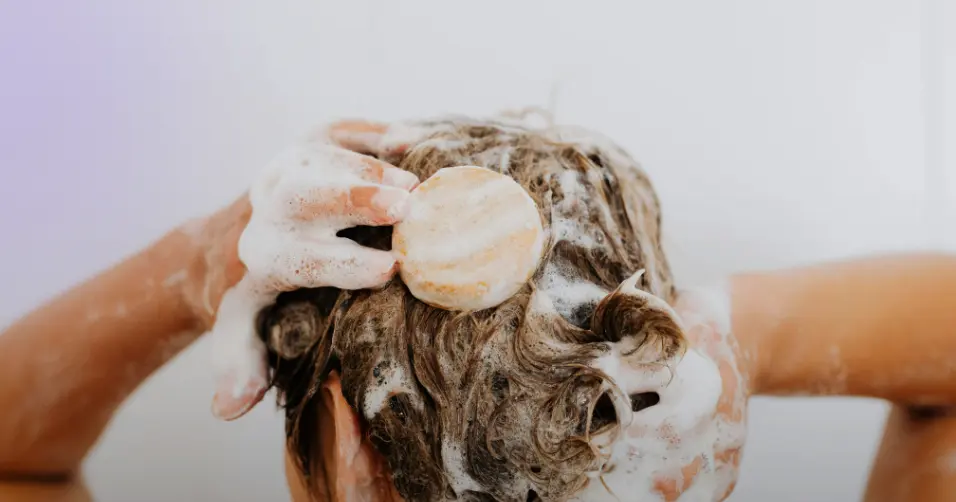
Washing your hair correctly, using the right shampoo for your hair type, and applying conditioner properly helps keep it clean and moisturized.
Being gentle with your hair, especially when wet, and protecting it from too much heat and environmental damage prevents breakage and keeps it healthy.
Managing stress, getting enough sleep, and avoiding habits that can harm your hair contribute significantly to overall Hair Health.
This article is educational and not intended to diagnose, treat, or suggest any specific intervention, and should not replace qualified medical advice.






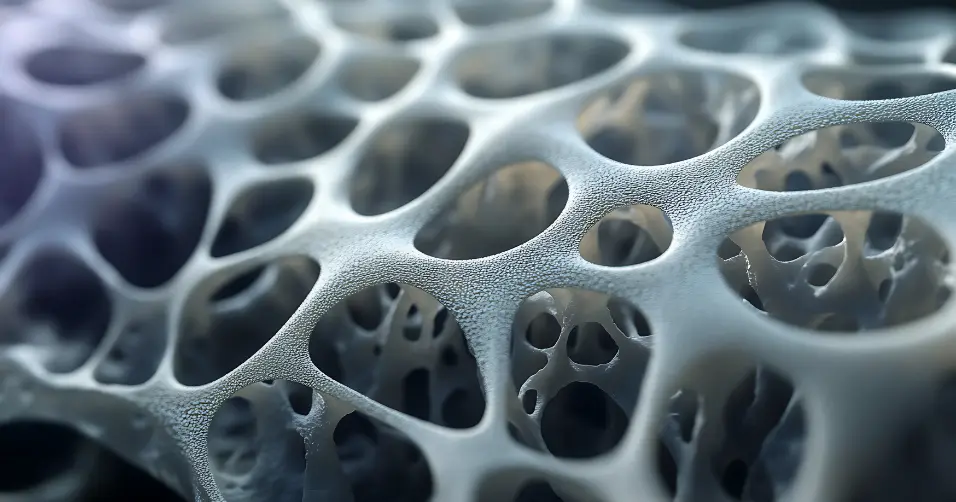

Understanding Your Hair's Composition
What Is Hair Made Of?
Ever wonder what your hair is actually made of? It's mostly a tough protein called keratin. Think of it like a long chain of these protein building blocks. This keratin is what gives hair its structure and strength. Hair grows out of tiny sacs in your skin called follicles. The part you see, the hair shaft, is made up of dead cells, but they're arranged in a way that protects the living parts deeper down.
The Role of Keratin and Cuticle
Keratin is the main ingredient, making up a huge chunk of your hair's weight. It's a fibrous protein that's also found in your nails and the outer layer of your skin. On the outside of each hair strand, you have the cuticle. This is like a protective shield, made of flattened, overlapping cells, kind of like shingles on a roof. The cuticle's job is to keep the inside of the hair safe from damage and to hold in moisture. When the cuticle is smooth and intact, your hair looks shiny and feels soft. If it gets damaged, it can become rough and dull.
The Cortex and Medulla Explained
Beneath the cuticle is the cortex. This is the thickest part of the hair shaft and where most of the action happens. It's made up of long, fibrous cells and contains the pigment that gives your hair its color. The cortex also holds the moisture and elasticity of your hair. Deeper inside the cortex, you might find the medulla, which is the very center of the hair shaft. Not everyone has a medulla, and its presence can vary depending on the thickness of the hair. It's thought to be a sort of marrow for the hair, but its exact function isn't fully understood. It can absorb light, which plays a role in hair color perception.
Nourishing Hair Health From Within
It might seem obvious, but what you put into your body really does show up on the outside, and your hair is no exception. Think of it like building a house; you need good materials to start with. For hair, those materials come from the food we eat and the water we drink.
The Importance of a Balanced Diet
Your hair is mostly protein, so making sure you get enough protein is a big deal. If your diet is lacking, your hair can become weak and brittle. It's not just about protein, though. A diet that's rich in various nutrients helps your hair grow strong and healthy from the root.
Key Nutrients for Hair Growth
Several things are particularly helpful for your hair. You've probably heard about protein, and it's true, it's a building block for hair. But don't forget about other players:
Zinc: This mineral helps keep your hair from shedding too much. You can find it in nuts and seeds.
Omega-3 Fatty Acids: These are good fats that can help keep your scalp healthy. Salmon, flaxseeds, and walnuts are good sources.
Vitamins: A variety of vitamins, like those in fruits and vegetables, support overall hair health and growth.
If you're worried you might not be getting enough from your food, talking to a doctor about supplements could be an option, but food should always be the first place you look.
The Impact of Hydration on Hair
Water is pretty important for everything your body does, and your hair isn't left out. When you're properly hydrated, your hair strands can stay more flexible and less prone to breaking. It helps keep your scalp healthy too, which is where all that hair growth starts. Aim to drink plenty of clean water throughout the day. It's a simple step, but it makes a difference.
Effective Hair Cleansing Practices
How you wash your hair really matters, and the products you pick can make a big difference in how healthy your hair stays. It all starts with a clean slate, but you don't want to strip your hair of its natural goodness.
Determining Your Washing Frequency
Figuring out how often to wash your hair isn't a one-size-fits-all deal. It really depends on your lifestyle and hair type. If you have a super oily scalp or work out daily, you might find yourself washing more often. On the flip side, if your hair is on the drier, curlier, or thicker side, you might only need to shampoo once every week or two. Listen to your hair and scalp; they'll tell you what they need. Sometimes, flakes can be a sign you're not washing enough, or maybe you're using the wrong products.
Choosing the Right Shampoo
When you're picking out shampoo, look for options that are gentle. Sulfates, which create a lot of lather, can be really drying for many hair types, especially curly or fine hair. They're great at getting rid of dirt and product buildup, but they can also take away your hair's natural moisture. Instead, try a sulfate-free shampoo. These are designed to clean your hair without being too harsh, helping to keep your hair's texture nice and preventing breakage.
Proper Shampoo Application Techniques
Here's a simple breakdown of how to get the most out of your shampoo:
Focus on the Scalp: When you shampoo, concentrate the product on your scalp. This is where most of the oil and product buildup happens. Gently massage your scalp with the pads of your fingers – avoid using your nails, as this can irritate your scalp.
Let the Lather Rinse Down: As you rinse the shampoo out, the suds will naturally run down the lengths of your hair, cleaning them without needing direct scrubbing.
Rinse Thoroughly: Make sure all the shampoo is completely rinsed out. Leftover shampoo can make your hair feel heavy and look dull.
The Role of Conditioning in Hair Care
After shampooing, your hair is clean, but it might also be feeling a bit stripped. That's where conditioner comes in. Think of it as a follow-up treatment that helps bring back moisture and makes your hair feel smooth and manageable again.
Benefits of Using Conditioner
Conditioners do more than just make your hair smell nice. They work by coating the hair shaft, which helps to smooth down the cuticle – that's the outer protective layer of your hair. This smoothing action has a few key benefits:
Moisture Retention: Conditioners help seal in moisture, preventing your hair from becoming dry and brittle. This is especially important if your hair tends to be on the drier side or has been exposed to harsh elements.
Improved Manageability: Smoothed cuticles mean less friction between hair strands. This makes detangling easier and reduces the chance of knots and snags.
Enhanced Shine: When the cuticle is flat, light reflects off the hair more evenly, giving it a healthier, shinier appearance.
Reduced Breakage: By making hair more flexible and less prone to tangles, conditioners can significantly cut down on breakage that happens during combing or styling.
How to Apply Conditioner Effectively
Getting the most out of your conditioner is all about technique. It's not just a quick slather and rinse.
Squeeze Out Excess Water: After shampooing, gently squeeze out as much water as you can from your hair. Too much water dilutes the conditioner, making it less effective.
Apply Mid-Shaft to Ends: Most conditioners are designed to work on the lengths and ends of your hair, which tend to be older and drier. Avoid applying directly to your scalp, as this can weigh down your hair and potentially lead to buildup.
Distribute Evenly: Use your fingers or a wide-tooth comb to gently work the conditioner through your hair, making sure every strand gets some love.
Let It Sit: Give the conditioner a few minutes to work its magic. The packaging usually suggests a time, often around 2-3 minutes, but sometimes a bit longer for deeper conditioning.
Rinse Thoroughly: Make sure to rinse out all the product. Leftover conditioner can make your hair feel heavy and look greasy.
Understanding Your Hair's Composition
What Is Hair Made Of?
Ever wonder what your hair is actually made of? It's mostly a tough protein called keratin. Think of it like a long chain of these protein building blocks. This keratin is what gives hair its structure and strength. Hair grows out of tiny sacs in your skin called follicles. The part you see, the hair shaft, is made up of dead cells, but they're arranged in a way that protects the living parts deeper down.
The Role of Keratin and Cuticle
Keratin is the main ingredient, making up a huge chunk of your hair's weight. It's a fibrous protein that's also found in your nails and the outer layer of your skin. On the outside of each hair strand, you have the cuticle. This is like a protective shield, made of flattened, overlapping cells, kind of like shingles on a roof. The cuticle's job is to keep the inside of the hair safe from damage and to hold in moisture. When the cuticle is smooth and intact, your hair looks shiny and feels soft. If it gets damaged, it can become rough and dull.
The Cortex and Medulla Explained
Beneath the cuticle is the cortex. This is the thickest part of the hair shaft and where most of the action happens. It's made up of long, fibrous cells and contains the pigment that gives your hair its color. The cortex also holds the moisture and elasticity of your hair. Deeper inside the cortex, you might find the medulla, which is the very center of the hair shaft. Not everyone has a medulla, and its presence can vary depending on the thickness of the hair. It's thought to be a sort of marrow for the hair, but its exact function isn't fully understood. It can absorb light, which plays a role in hair color perception.
Nourishing Hair Health From Within
It might seem obvious, but what you put into your body really does show up on the outside, and your hair is no exception. Think of it like building a house; you need good materials to start with. For hair, those materials come from the food we eat and the water we drink.
The Importance of a Balanced Diet
Your hair is mostly protein, so making sure you get enough protein is a big deal. If your diet is lacking, your hair can become weak and brittle. It's not just about protein, though. A diet that's rich in various nutrients helps your hair grow strong and healthy from the root.
Key Nutrients for Hair Growth
Several things are particularly helpful for your hair. You've probably heard about protein, and it's true, it's a building block for hair. But don't forget about other players:
Zinc: This mineral helps keep your hair from shedding too much. You can find it in nuts and seeds.
Omega-3 Fatty Acids: These are good fats that can help keep your scalp healthy. Salmon, flaxseeds, and walnuts are good sources.
Vitamins: A variety of vitamins, like those in fruits and vegetables, support overall hair health and growth.
If you're worried you might not be getting enough from your food, talking to a doctor about supplements could be an option, but food should always be the first place you look.
The Impact of Hydration on Hair
Water is pretty important for everything your body does, and your hair isn't left out. When you're properly hydrated, your hair strands can stay more flexible and less prone to breaking. It helps keep your scalp healthy too, which is where all that hair growth starts. Aim to drink plenty of clean water throughout the day. It's a simple step, but it makes a difference.
Effective Hair Cleansing Practices
How you wash your hair really matters, and the products you pick can make a big difference in how healthy your hair stays. It all starts with a clean slate, but you don't want to strip your hair of its natural goodness.
Determining Your Washing Frequency
Figuring out how often to wash your hair isn't a one-size-fits-all deal. It really depends on your lifestyle and hair type. If you have a super oily scalp or work out daily, you might find yourself washing more often. On the flip side, if your hair is on the drier, curlier, or thicker side, you might only need to shampoo once every week or two. Listen to your hair and scalp; they'll tell you what they need. Sometimes, flakes can be a sign you're not washing enough, or maybe you're using the wrong products.
Choosing the Right Shampoo
When you're picking out shampoo, look for options that are gentle. Sulfates, which create a lot of lather, can be really drying for many hair types, especially curly or fine hair. They're great at getting rid of dirt and product buildup, but they can also take away your hair's natural moisture. Instead, try a sulfate-free shampoo. These are designed to clean your hair without being too harsh, helping to keep your hair's texture nice and preventing breakage.
Proper Shampoo Application Techniques
Here's a simple breakdown of how to get the most out of your shampoo:
Focus on the Scalp: When you shampoo, concentrate the product on your scalp. This is where most of the oil and product buildup happens. Gently massage your scalp with the pads of your fingers – avoid using your nails, as this can irritate your scalp.
Let the Lather Rinse Down: As you rinse the shampoo out, the suds will naturally run down the lengths of your hair, cleaning them without needing direct scrubbing.
Rinse Thoroughly: Make sure all the shampoo is completely rinsed out. Leftover shampoo can make your hair feel heavy and look dull.
The Role of Conditioning in Hair Care
After shampooing, your hair is clean, but it might also be feeling a bit stripped. That's where conditioner comes in. Think of it as a follow-up treatment that helps bring back moisture and makes your hair feel smooth and manageable again.
Benefits of Using Conditioner
Conditioners do more than just make your hair smell nice. They work by coating the hair shaft, which helps to smooth down the cuticle – that's the outer protective layer of your hair. This smoothing action has a few key benefits:
Moisture Retention: Conditioners help seal in moisture, preventing your hair from becoming dry and brittle. This is especially important if your hair tends to be on the drier side or has been exposed to harsh elements.
Improved Manageability: Smoothed cuticles mean less friction between hair strands. This makes detangling easier and reduces the chance of knots and snags.
Enhanced Shine: When the cuticle is flat, light reflects off the hair more evenly, giving it a healthier, shinier appearance.
Reduced Breakage: By making hair more flexible and less prone to tangles, conditioners can significantly cut down on breakage that happens during combing or styling.
How to Apply Conditioner Effectively
Getting the most out of your conditioner is all about technique. It's not just a quick slather and rinse.
Squeeze Out Excess Water: After shampooing, gently squeeze out as much water as you can from your hair. Too much water dilutes the conditioner, making it less effective.
Apply Mid-Shaft to Ends: Most conditioners are designed to work on the lengths and ends of your hair, which tend to be older and drier. Avoid applying directly to your scalp, as this can weigh down your hair and potentially lead to buildup.
Distribute Evenly: Use your fingers or a wide-tooth comb to gently work the conditioner through your hair, making sure every strand gets some love.
Let It Sit: Give the conditioner a few minutes to work its magic. The packaging usually suggests a time, often around 2-3 minutes, but sometimes a bit longer for deeper conditioning.
Rinse Thoroughly: Make sure to rinse out all the product. Leftover conditioner can make your hair feel heavy and look greasy.
When to Condition Your Hair
While most people condition after every shampoo, it's not always a strict rule. Your hair type and how often you wash can influence this.
After Every Wash: If your hair is dry, damaged, color-treated, or naturally coarse, conditioning after every shampoo is usually a good idea.
Less Frequently: If you have fine or oily hair, you might find that conditioning every other wash is enough. Over-conditioning can make fine hair look flat and oily hair look greasy.
Listen to Your Hair: The best indicator is how your hair feels. If it feels rough, tangles easily, or looks dull, it's probably time for some conditioner. Experiment to find the rhythm that works best for your specific hair needs.
Gentle Handling for Stronger Hair
Taking care of your hair involves more than just washing and conditioning; how you handle it day-to-day makes a big difference in its strength and appearance. Being gentle, especially when your hair is wet, is key because it's much more fragile then.
Detangling Wet Hair Safely
When your hair is wet, the protein structures that give it strength are temporarily softened. This makes it more prone to stretching and breaking. Instead of reaching for a fine-tooth comb, grab a wide-tooth comb or even just your fingers. Start detangling from the ends of your hair and slowly work your way up towards the roots. This method helps to gently separate knots without putting too much stress on the hair shaft. If you find a stubborn tangle, try applying a little leave-in conditioner or a detangling spray to help it slide out more easily.
Minimizing Breakage During Combing
Even when your hair is dry, rough handling can lead to breakage. Avoid aggressive brushing or combing, especially if you have textured or curly hair. Instead of sawing back and forth, use a smooth, gliding motion. For dry hair, consider using a brush designed for your hair type – boar bristle brushes can help distribute natural oils, while brushes with flexible bristles are good for detangling. Regular trims are also a simple way to prevent split ends from traveling up the hair shaft and causing more damage.
Protecting Hair from Physical Stress
Think about all the ways your hair experiences stress throughout the day. Things like tight hairstyles, friction from clothing, or even sleeping can cause wear and tear.
Here are a few ways to reduce this stress:
Protective Styles: Opt for looser hairstyles like braids or buns that keep your hair tucked away and less exposed to friction. This is especially helpful if you have longer hair or hair that's prone to tangles.
Nighttime Care: Swap out your regular pillowcase for one made of silk or satin. This material creates less friction than cotton, reducing tangles and breakage while you sleep. Alternatively, you can wrap your hair in a silk or satin scarf or bonnet.
Mindful Styling: Be aware of how you're styling your hair. Avoid pulling it too tight, and if you use hair accessories like clips or bands, try not to place them in the same spot every day, as this can create weak points.
Protecting Hair from Environmental Factors
Our hair goes through a lot, and sometimes the environment can be its worst enemy. Think about it: the sun beating down, city pollution, even the friction from your pillow at night. All these things can take a toll, leaving your hair dry, brittle, and prone to breakage.
The Dangers of Excessive Heat Styling
We all love a good blowout or perfectly straightened strands, but heat styling tools can really do a number on your hair if you're not careful. When you blast your hair with high heat, you're essentially stripping away its natural moisture. This makes the hair shaft weaker and more likely to snap. It's like cooking your hair – too much heat and it gets damaged.
Lower the heat: If you must use a blow dryer, flat iron, or curling iron, always opt for the lowest effective heat setting. Many tools have specific temperature controls; avoid the "high" setting whenever possible.
Use a heat protectant: This is non-negotiable. A good heat protectant spray or serum creates a barrier between your hair and the hot tool, significantly reducing damage.
Limit frequency: Try to give your hair a break from heat styling a few days a week. Embrace your natural texture or try heatless styling methods.
Shielding Hair from Sun and Pollution
Just like your skin, your hair and scalp can suffer from overexposure to the sun's UV rays and the grime of pollution. UV radiation can break down the protein in your hair, making it feel dry and look dull. Pollution particles can build up on your scalp and hair, leading to irritation and dullness.
Sun protection: Wear a hat or use hair products with UV filters when you're going to be in the sun for extended periods. This is especially important if your hair is color-treated, as the sun can fade the color.
Pollution defense: Regularly cleansing your hair can help remove pollutant buildup. Consider using clarifying shampoos occasionally, but be mindful not to overdo it, as they can be drying.
Nighttime Hair Protection Strategies
Don't underestimate the damage that can happen while you sleep! The friction between your hair and your pillowcase, especially if it's cotton, can cause tangles, frizz, and breakage. Your hair loses moisture overnight, making it more vulnerable.
Silk or satin: Wrap your hair in a silk or satin scarf or bonnet. These materials are smooth and don't absorb moisture like cotton does, reducing friction and helping to keep your hair hydrated.
Satin pillowcase: If you prefer not to wear a scarf, switch to a silk or satin pillowcase. It offers similar benefits by reducing friction.
Protective styles: Loosely braiding your hair or putting it in a loose bun can also help minimize tangles and stress on your strands overnight.
Lifestyle Choices for Optimal Hair Health
Beyond the products you use and the food you eat, how you live your life really makes a difference for your hair. It might sound simple, but managing stress and getting enough sleep can actually help your hair look and feel better. Plus, ditching some common habits can prevent a lot of damage.
Managing Stress for Healthier Hair
When you're stressed out, your body goes into overdrive, and this can mess with your hair growth cycle. It's not uncommon for people to notice more shedding a few months after a really stressful period. Think of it like your body prioritizing other functions over hair production when it feels threatened. Finding ways to chill out, whether it's through exercise, meditation, or just taking a break to do something you enjoy, can really help your scalp and hair.
The Influence of Sleep on Hair
Sleep is when your body does a lot of its repair work, and that includes your hair follicles. Not getting enough quality sleep can slow down hair growth and make strands weaker. Aiming for 7-9 hours of good sleep each night gives your body the time it needs to regenerate cells, including those that make your hair grow. It’s a pretty basic need, but it’s often overlooked when we’re busy.
Avoiding Habits That Harm Hair
Some everyday things we do can actually be pretty rough on our hair without us even realizing it. Overdoing it with alcohol, for instance, can affect your body's ability to absorb nutrients that hair needs. Similarly, crash diets that severely cut calories can deprive your hair of what it needs to stay strong. Even certain medications can have an impact. Being mindful of these habits and making adjustments where possible can lead to noticeably healthier hair over time. Paying attention to these lifestyle factors is just as important as your hair care routine.
Wrapping It Up
So, taking care of your hair isn't just about looking good, it's really about overall wellness. We've talked about how what you eat matters, how to wash and condition without causing damage, and even how stress can mess with your locks. Remember, healthy hair starts from the inside out, and being gentle with it, especially when it's wet, makes a huge difference. Don't forget those regular trims either! By paying attention to these simple things, you can help your hair look and feel its best. It’s not rocket science, just a bit of consistent care.
When to Condition Your Hair
While most people condition after every shampoo, it's not always a strict rule. Your hair type and how often you wash can influence this.
After Every Wash: If your hair is dry, damaged, color-treated, or naturally coarse, conditioning after every shampoo is usually a good idea.
Less Frequently: If you have fine or oily hair, you might find that conditioning every other wash is enough. Over-conditioning can make fine hair look flat and oily hair look greasy.
Listen to Your Hair: The best indicator is how your hair feels. If it feels rough, tangles easily, or looks dull, it's probably time for some conditioner. Experiment to find the rhythm that works best for your specific hair needs.
Gentle Handling for Stronger Hair
Taking care of your hair involves more than just washing and conditioning; how you handle it day-to-day makes a big difference in its strength and appearance. Being gentle, especially when your hair is wet, is key because it's much more fragile then.
Detangling Wet Hair Safely
When your hair is wet, the protein structures that give it strength are temporarily softened. This makes it more prone to stretching and breaking. Instead of reaching for a fine-tooth comb, grab a wide-tooth comb or even just your fingers. Start detangling from the ends of your hair and slowly work your way up towards the roots. This method helps to gently separate knots without putting too much stress on the hair shaft. If you find a stubborn tangle, try applying a little leave-in conditioner or a detangling spray to help it slide out more easily.
Minimizing Breakage During Combing
Even when your hair is dry, rough handling can lead to breakage. Avoid aggressive brushing or combing, especially if you have textured or curly hair. Instead of sawing back and forth, use a smooth, gliding motion. For dry hair, consider using a brush designed for your hair type – boar bristle brushes can help distribute natural oils, while brushes with flexible bristles are good for detangling. Regular trims are also a simple way to prevent split ends from traveling up the hair shaft and causing more damage.
Protecting Hair from Physical Stress
Think about all the ways your hair experiences stress throughout the day. Things like tight hairstyles, friction from clothing, or even sleeping can cause wear and tear.
Here are a few ways to reduce this stress:
Protective Styles: Opt for looser hairstyles like braids or buns that keep your hair tucked away and less exposed to friction. This is especially helpful if you have longer hair or hair that's prone to tangles.
Nighttime Care: Swap out your regular pillowcase for one made of silk or satin. This material creates less friction than cotton, reducing tangles and breakage while you sleep. Alternatively, you can wrap your hair in a silk or satin scarf or bonnet.
Mindful Styling: Be aware of how you're styling your hair. Avoid pulling it too tight, and if you use hair accessories like clips or bands, try not to place them in the same spot every day, as this can create weak points.
Protecting Hair from Environmental Factors
Our hair goes through a lot, and sometimes the environment can be its worst enemy. Think about it: the sun beating down, city pollution, even the friction from your pillow at night. All these things can take a toll, leaving your hair dry, brittle, and prone to breakage.
The Dangers of Excessive Heat Styling
We all love a good blowout or perfectly straightened strands, but heat styling tools can really do a number on your hair if you're not careful. When you blast your hair with high heat, you're essentially stripping away its natural moisture. This makes the hair shaft weaker and more likely to snap. It's like cooking your hair – too much heat and it gets damaged.
Lower the heat: If you must use a blow dryer, flat iron, or curling iron, always opt for the lowest effective heat setting. Many tools have specific temperature controls; avoid the "high" setting whenever possible.
Use a heat protectant: This is non-negotiable. A good heat protectant spray or serum creates a barrier between your hair and the hot tool, significantly reducing damage.
Limit frequency: Try to give your hair a break from heat styling a few days a week. Embrace your natural texture or try heatless styling methods.
Shielding Hair from Sun and Pollution
Just like your skin, your hair and scalp can suffer from overexposure to the sun's UV rays and the grime of pollution. UV radiation can break down the protein in your hair, making it feel dry and look dull. Pollution particles can build up on your scalp and hair, leading to irritation and dullness.
Sun protection: Wear a hat or use hair products with UV filters when you're going to be in the sun for extended periods. This is especially important if your hair is color-treated, as the sun can fade the color.
Pollution defense: Regularly cleansing your hair can help remove pollutant buildup. Consider using clarifying shampoos occasionally, but be mindful not to overdo it, as they can be drying.
Nighttime Hair Protection Strategies
Don't underestimate the damage that can happen while you sleep! The friction between your hair and your pillowcase, especially if it's cotton, can cause tangles, frizz, and breakage. Your hair loses moisture overnight, making it more vulnerable.
Silk or satin: Wrap your hair in a silk or satin scarf or bonnet. These materials are smooth and don't absorb moisture like cotton does, reducing friction and helping to keep your hair hydrated.
Satin pillowcase: If you prefer not to wear a scarf, switch to a silk or satin pillowcase. It offers similar benefits by reducing friction.
Protective styles: Loosely braiding your hair or putting it in a loose bun can also help minimize tangles and stress on your strands overnight.
Lifestyle Choices for Optimal Hair Health
Beyond the products you use and the food you eat, how you live your life really makes a difference for your hair. It might sound simple, but managing stress and getting enough sleep can actually help your hair look and feel better. Plus, ditching some common habits can prevent a lot of damage.
Managing Stress for Healthier Hair
When you're stressed out, your body goes into overdrive, and this can mess with your hair growth cycle. It's not uncommon for people to notice more shedding a few months after a really stressful period. Think of it like your body prioritizing other functions over hair production when it feels threatened. Finding ways to chill out, whether it's through exercise, meditation, or just taking a break to do something you enjoy, can really help your scalp and hair.
The Influence of Sleep on Hair
Sleep is when your body does a lot of its repair work, and that includes your hair follicles. Not getting enough quality sleep can slow down hair growth and make strands weaker. Aiming for 7-9 hours of good sleep each night gives your body the time it needs to regenerate cells, including those that make your hair grow. It’s a pretty basic need, but it’s often overlooked when we’re busy.
Avoiding Habits That Harm Hair
Some everyday things we do can actually be pretty rough on our hair without us even realizing it. Overdoing it with alcohol, for instance, can affect your body's ability to absorb nutrients that hair needs. Similarly, crash diets that severely cut calories can deprive your hair of what it needs to stay strong. Even certain medications can have an impact. Being mindful of these habits and making adjustments where possible can lead to noticeably healthier hair over time. Paying attention to these lifestyle factors is just as important as your hair care routine.
Wrapping It Up
So, taking care of your hair isn't just about looking good, it's really about overall wellness. We've talked about how what you eat matters, how to wash and condition without causing damage, and even how stress can mess with your locks. Remember, healthy hair starts from the inside out, and being gentle with it, especially when it's wet, makes a huge difference. Don't forget those regular trims either! By paying attention to these simple things, you can help your hair look and feel its best. It’s not rocket science, just a bit of consistent care.
Harald Ragnarok, Editor in Chief, Myopedia
Myopedia is your to-go source for simple, practical guide to getting stronger, leaner, and healthier for the long run—bringing together biohacking, longevity, and muscle growth in one place. It breaks down what to do and why it works, with straightforward training and nutrition basics plus clear explanations of supplements and newer health tools, so you can make better choices without getting lost in hype.
Medical Disclaimer: All content on this website is intended solely for informational and educational purposes and should not be interpreted as a substitute for professional medical advice, diagnosis, or treatment, nor as encouragement or promotion for or against any particular use, product, or activity. Results may vary and are not guaranteed. No doctor–patient relationship is created by your use of this content. Always consult a qualified healthcare provider, nutritionist, or other relevant expert before starting or changing any supplement, diet, exercise, or lifestyle program. This website can contain errors. Check important information. Read our full Disclaimer.
RSS – Status – Terms of Service – Privacy Policy – Disclaimer – About Myopedia.
©2025 Myopedia™. All rights reserved.
Myopedia is your to-go source for simple, practical guide to getting stronger, leaner, and healthier for the long run—bringing together biohacking, longevity, and muscle growth in one place. It breaks down what to do and why it works, with straightforward training and nutrition basics plus clear explanations of supplements and newer health tools, so you can make better choices without getting lost in hype.
Medical Disclaimer: All content on this website is intended solely for informational and educational purposes and should not be interpreted as a substitute for professional medical advice, diagnosis, or treatment, nor as encouragement or promotion for or against any particular use, product, or activity. Results may vary and are not guaranteed. No doctor–patient relationship is created by your use of this content. Always consult a qualified healthcare provider, nutritionist, or other relevant expert before starting or changing any supplement, diet, exercise, or lifestyle program. This website can contain errors. Check important information. Read our full Disclaimer.
RSS – Status – Terms of Service – Privacy Policy – Disclaimer – About Myopedia.
©2025 Myopedia™. All rights reserved.
Myopedia is your to-go source for simple, practical guide to getting stronger, leaner, and healthier for the long run—bringing together biohacking, longevity, and muscle growth in one place. It breaks down what to do and why it works, with straightforward training and nutrition basics plus clear explanations of supplements and newer health tools, so you can make better choices without getting lost in hype.
Medical Disclaimer: All content on this website is intended solely for informational and educational purposes and should not be interpreted as a substitute for professional medical advice, diagnosis, or treatment, nor as encouragement or promotion for or against any particular use, product, or activity. Results may vary and are not guaranteed. No doctor–patient relationship is created by your use of this content. Always consult a qualified healthcare provider, nutritionist, or other relevant expert before starting or changing any supplement, diet, exercise, or lifestyle program. This website can contain errors. Check important information. Read our full Disclaimer.
RSS – Status – Terms of Service – Privacy Policy – Disclaimer – About Myopedia.
©2025 Myopedia™. All rights reserved.