Heart & Cardiovascular Health
Heart Health: Symptoms, Causes, and Treatment
Heart Health is the state of optimal cardiovascular function, maintained through exercise, balanced nutrition, and lifestyle practices that support a strong circulatory system.
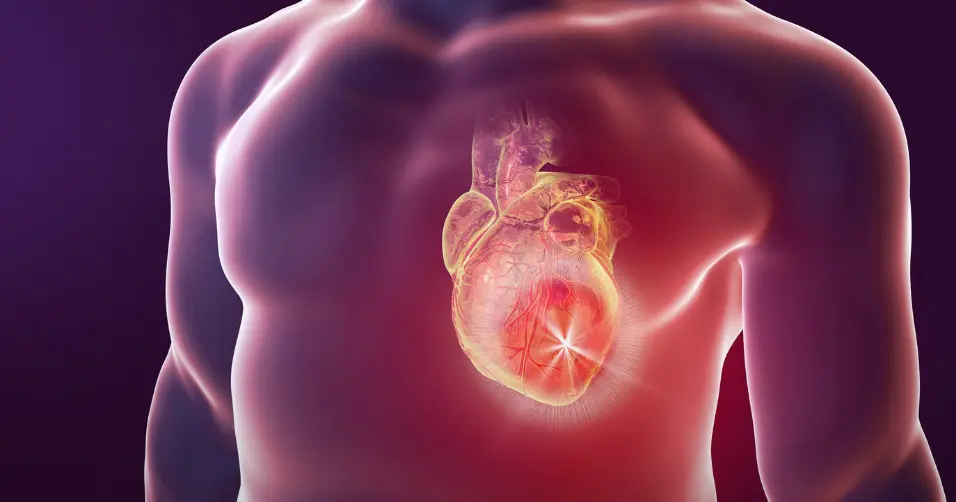
Know your personal risk for heart disease, including factors you can change and those you can't.
Adopt a heart-healthy lifestyle by staying active, eating well, and maintaining a good weight.
Quit smoking, get enough sleep, and manage stress for better cardiovascular well-being.
Prevent infections with vaccines and manage existing health conditions to protect your heart.
Understand what heart disease is, recognize its symptoms, and know the benefits of cardiac rehab.
This article is educational and not intended to diagnose, treat, or suggest any specific intervention, and should not replace qualified medical advice.







Understanding Your Heart Health Risk Factors
Knowing what puts you at risk for heart disease is the first step toward protecting yourself. It's not just about genetics; many factors play a role, and understanding them can help you make better choices.
Know Your Personal Risk for Heart Disease
It's really important to get a handle on your individual risk for heart disease. This isn't a one-size-fits-all situation. Your doctor can help you figure out where you stand by looking at your personal health history, family history, and current health markers. Think of it like getting a weather report for your heart – you need to know what conditions might be coming.
Factors You Can Control
The good news is, a lot of the things that affect your heart health are within your reach. You can actively work on these areas to lower your risk. It takes effort, sure, but the payoff is huge.
Diet: What you eat makes a big difference. Loading up on fruits, vegetables, whole grains, and lean proteins while cutting back on salt, sugar, and unhealthy fats can really help. Think about trying out something like the DASH or Mediterranean diet; they're well-regarded for a reason.
Physical Activity: Moving your body regularly is key. You don't need to run a marathon. Even brisk walking, gardening, or dancing counts. Aim for consistency.
Weight: Carrying extra weight, especially around your middle, puts a strain on your heart. Keeping a healthy weight can significantly reduce your chances of developing high blood pressure, high cholesterol, and type 2 diabetes, all of which are linked to heart disease.
Smoking: If you smoke, quitting is one of the best things you can do for your heart. The damage from smoking affects your blood vessels and increases your risk of heart attack and stroke.
Sleep: Getting enough quality sleep is often overlooked, but it's vital for your cardiovascular system. Poor sleep can mess with your blood pressure and blood sugar levels.
Stress: Chronic stress can take a toll. Finding healthy ways to manage stress, whether through hobbies, mindfulness, or talking to someone, is beneficial.
Factors Beyond Your Control
Then there are the things you can't change, but it's still good to be aware of them. Knowing these might influence how closely you monitor other aspects of your health.
Age: As we get older, our risk for heart disease naturally increases. It's just a part of aging.
Family History: If heart disease runs in your family, especially in close relatives like parents or siblings, your own risk might be higher. This doesn't mean you're destined for it, but it's a signal to be extra vigilant with the factors you can control.
Sex: Men and women can have different risks and even different symptoms of heart disease, though the risk for women increases significantly after menopause.
Understanding this mix of controllable and uncontrollable factors gives you a clearer picture of your heart health journey. It's about making informed decisions and working with your doctor to create a plan that's right for you.
Embracing a Heart-Healthy Lifestyle
Making choices that support your heart is a big part of keeping it healthy. It's not about drastic changes overnight, but rather building habits that stick. Think of it as giving your heart the best possible environment to do its job.
The Importance of Regular Physical Activity
Moving your body regularly is one of the most direct ways to help your heart. You don't need to run a marathon or spend hours at the gym to see benefits. Even short bursts of activity add up. Aiming for about 150 minutes of moderate activity each week, like brisk walking, is a good target. If you prefer something more intense, 75 minutes of vigorous activity, like running, can also work. It's also a good idea to include some strength training a couple of times a week. Remember, any movement is better than none. Activities like gardening, cleaning the house, or even taking the stairs instead of the elevator all contribute to your daily activity goals.
Nourishing Your Body with a Heart-Healthy Diet
What you eat plays a huge role in your heart's well-being. A diet focused on heart health can help manage blood pressure, improve cholesterol levels, and reduce the risk of developing type 2 diabetes. Focus on filling your plate with:
Plenty of vegetables and fruits.
Beans and other legumes.
Lean sources of protein like fish and poultry.
Low-fat or fat-free dairy products.
Whole grains.
Healthy fats found in foods like olive oil and avocados.
It's also important to cut back on certain things. Try to limit your intake of salt and high-sodium foods, sugary drinks, highly processed items, and excessive alcohol. Reducing saturated and trans fats, often found in red meats, full-fat dairy, fried foods, and baked goods, is also beneficial.
Maintaining a Healthy Weight for Your Heart
Carrying extra weight, especially around your midsection, can put a strain on your heart. This extra weight can lead to other health issues like high blood pressure, high cholesterol, and type 2 diabetes, all of which increase your risk for heart disease. Keeping your weight in a healthy range is a key step. Your Body Mass Index (BMI) can give you an idea of where you stand, with a BMI of 25 or higher generally considered overweight. Paying attention to your waist circumference is also helpful; a larger waistline can indicate a higher risk for heart problems.
Key Habits for Optimal Heart Health
Taking care of your heart involves more than just knowing the risks; it's about building daily habits that support its function. These aren't complicated, but they do require consistency. Let's look at a few of the most impactful ones.
The Impact of Smoking on Your Heart
Understanding Your Heart Health Risk Factors
Knowing what puts you at risk for heart disease is the first step toward protecting yourself. It's not just about genetics; many factors play a role, and understanding them can help you make better choices.
Know Your Personal Risk for Heart Disease
It's really important to get a handle on your individual risk for heart disease. This isn't a one-size-fits-all situation. Your doctor can help you figure out where you stand by looking at your personal health history, family history, and current health markers. Think of it like getting a weather report for your heart – you need to know what conditions might be coming.
Factors You Can Control
The good news is, a lot of the things that affect your heart health are within your reach. You can actively work on these areas to lower your risk. It takes effort, sure, but the payoff is huge.
Diet: What you eat makes a big difference. Loading up on fruits, vegetables, whole grains, and lean proteins while cutting back on salt, sugar, and unhealthy fats can really help. Think about trying out something like the DASH or Mediterranean diet; they're well-regarded for a reason.
Physical Activity: Moving your body regularly is key. You don't need to run a marathon. Even brisk walking, gardening, or dancing counts. Aim for consistency.
Weight: Carrying extra weight, especially around your middle, puts a strain on your heart. Keeping a healthy weight can significantly reduce your chances of developing high blood pressure, high cholesterol, and type 2 diabetes, all of which are linked to heart disease.
Smoking: If you smoke, quitting is one of the best things you can do for your heart. The damage from smoking affects your blood vessels and increases your risk of heart attack and stroke.
Sleep: Getting enough quality sleep is often overlooked, but it's vital for your cardiovascular system. Poor sleep can mess with your blood pressure and blood sugar levels.
Stress: Chronic stress can take a toll. Finding healthy ways to manage stress, whether through hobbies, mindfulness, or talking to someone, is beneficial.
Factors Beyond Your Control
Then there are the things you can't change, but it's still good to be aware of them. Knowing these might influence how closely you monitor other aspects of your health.
Age: As we get older, our risk for heart disease naturally increases. It's just a part of aging.
Family History: If heart disease runs in your family, especially in close relatives like parents or siblings, your own risk might be higher. This doesn't mean you're destined for it, but it's a signal to be extra vigilant with the factors you can control.
Sex: Men and women can have different risks and even different symptoms of heart disease, though the risk for women increases significantly after menopause.
Understanding this mix of controllable and uncontrollable factors gives you a clearer picture of your heart health journey. It's about making informed decisions and working with your doctor to create a plan that's right for you.
Embracing a Heart-Healthy Lifestyle
Making choices that support your heart is a big part of keeping it healthy. It's not about drastic changes overnight, but rather building habits that stick. Think of it as giving your heart the best possible environment to do its job.
The Importance of Regular Physical Activity
Moving your body regularly is one of the most direct ways to help your heart. You don't need to run a marathon or spend hours at the gym to see benefits. Even short bursts of activity add up. Aiming for about 150 minutes of moderate activity each week, like brisk walking, is a good target. If you prefer something more intense, 75 minutes of vigorous activity, like running, can also work. It's also a good idea to include some strength training a couple of times a week. Remember, any movement is better than none. Activities like gardening, cleaning the house, or even taking the stairs instead of the elevator all contribute to your daily activity goals.
Nourishing Your Body with a Heart-Healthy Diet
What you eat plays a huge role in your heart's well-being. A diet focused on heart health can help manage blood pressure, improve cholesterol levels, and reduce the risk of developing type 2 diabetes. Focus on filling your plate with:
Plenty of vegetables and fruits.
Beans and other legumes.
Lean sources of protein like fish and poultry.
Low-fat or fat-free dairy products.
Whole grains.
Healthy fats found in foods like olive oil and avocados.
It's also important to cut back on certain things. Try to limit your intake of salt and high-sodium foods, sugary drinks, highly processed items, and excessive alcohol. Reducing saturated and trans fats, often found in red meats, full-fat dairy, fried foods, and baked goods, is also beneficial.
Maintaining a Healthy Weight for Your Heart
Carrying extra weight, especially around your midsection, can put a strain on your heart. This extra weight can lead to other health issues like high blood pressure, high cholesterol, and type 2 diabetes, all of which increase your risk for heart disease. Keeping your weight in a healthy range is a key step. Your Body Mass Index (BMI) can give you an idea of where you stand, with a BMI of 25 or higher generally considered overweight. Paying attention to your waist circumference is also helpful; a larger waistline can indicate a higher risk for heart problems.
Key Habits for Optimal Heart Health
Taking care of your heart involves more than just knowing the risks; it's about building daily habits that support its function. These aren't complicated, but they do require consistency. Let's look at a few of the most impactful ones.
The Impact of Smoking on Your Heart
If you smoke, quitting is probably the single best thing you can do for your heart. Seriously. When you smoke, the chemicals in tobacco mess with your blood and blood vessels. It makes your blood less able to carry oxygen, and your heart has to work overtime to get enough oxygen everywhere it needs to go. This raises your blood pressure and makes your heart beat faster. The good news is, your heart starts to recover pretty quickly after you stop. Even after just a day, your risk begins to go down, and after a year, it's about half of what it was when you were smoking. It doesn't matter how long you've smoked; quitting always helps.
Prioritizing Quality Sleep for Cardiovascular Well-being
Getting enough good sleep is often overlooked when we talk about heart health, but it's really important. When you don't sleep well, it can affect your blood pressure and increase your risk for other issues that aren't great for your heart, like diabetes. Aiming for 7-9 hours of quality sleep each night is a good goal. If you have trouble sleeping, like snoring loudly or feeling tired all the time even after sleeping, it might be worth talking to a doctor. Things like sleep apnea can really impact your heart over time.
Managing Stress for a Healthier Heart
We all deal with stress, but how we manage it makes a big difference for our hearts. Chronic stress can lead to higher blood pressure and can make you more likely to engage in habits that aren't good for your heart, like overeating or smoking. Finding healthy ways to cope is key. This could mean:
Regular physical activity: Even a brisk walk can help.
Mindfulness or meditation: Taking a few minutes to focus on your breathing can be surprisingly effective.
Spending time with loved ones: Social connections are good for your mental and physical health.
Engaging in hobbies: Doing things you enjoy can be a great stress reliever.
Finding what works for you to de-stress is a vital part of keeping your heart healthy.
Preventive Measures for Heart Disease
The Role of Vaccinations in Preventing Infections
It might not be the first thing you think of when it comes to your heart, but certain infections can actually cause heart problems. Gum disease, for example, has been linked to issues with your blood vessels and heart. So, keeping up with brushing and flossing daily, plus regular dental checkups, is a good idea for your ticker too. Beyond that, other infections can make existing heart conditions worse. This is where vaccines come in handy. They're like a shield against nasty bugs that could cause trouble. Staying up-to-date on shots like the yearly flu vaccine, the COVID-19 vaccine (which helps keep you from getting seriously ill), the pneumococcal vaccine, and the Tdap vaccine is a smart move. Always chat with your doctor to see if there are any other vaccines that make sense for you.
Regular Health Screenings for Early Detection
Knowing where you stand with your health is pretty important. Regular check-ups with your doctor aren't just for when you feel sick. They're a chance to catch potential problems early, sometimes before you even notice any symptoms. Think of it like getting your car serviced – it's better to fix a small issue before it becomes a big breakdown. These screenings can help identify risk factors like high blood pressure, high cholesterol, or diabetes. Catching these early means you can start managing them sooner, which can make a big difference in preventing more serious heart issues down the line. Don't skip these appointments; they're a key part of looking after yourself.
Managing Chronic Conditions Affecting Heart Health
If you're dealing with ongoing health issues like high cholesterol, high blood pressure, or diabetes, it's really important to work closely with your healthcare team. These conditions can put extra strain on your heart over time. Your doctor might suggest medications, and they'll definitely recommend lifestyle changes. It's not just about taking the pills, though. You've got to stick with the plan they lay out for you. That means following the diet advice, getting regular exercise, and managing stress – all the things we've been talking about. Taking charge of these chronic conditions is a major step in protecting your heart health and reducing your risk of heart disease.
Understanding Heart Conditions and Their Management
What Constitutes Heart Disease?
When we talk about "heart disease," it's actually a broad term covering a bunch of different conditions affecting your heart. The most common one people run into, especially here in the US, is coronary artery disease, or CAD. This is where the blood flow to your heart gets restricted. If that flow gets too limited, it can lead to a heart attack. It's not just one thing; it's a whole group of issues that can impact how well your heart works.
Recognizing Symptoms of Heart Issues
Sometimes, heart problems can be sneaky and don't show any signs until something serious happens, like a heart attack or heart failure. When symptoms do show up, they can vary. For a heart attack, you might feel chest pain or discomfort, pain in your upper back or neck, heartburn, or even nausea. Extreme tiredness and feeling dizzy or short of breath are also signals. If your heart rhythm is off (an arrhythmia), you might feel a fluttering in your chest. Heart failure can show up as shortness of breath, feeling tired a lot, or swelling in your legs, ankles, or even your abdomen.
The Benefits of Cardiac Rehabilitation
If you've had a heart attack, heart failure, or certain heart surgeries, cardiac rehabilitation can be a really helpful program. It's a supervised plan designed to help you recover and get back on your feet. It typically includes:
Getting guidance on physical activity.
Learning about eating in a heart-healthy way.
Making sure you take any prescribed medications correctly.
Finding strategies to help you stop smoking, if that's an issue.
Getting support to manage stress and improve your mental well-being.
This program usually involves a team of professionals, like your doctors, exercise and nutrition experts, and sometimes therapists or counselors, all working together to support your recovery.
Wrapping Up: Your Heart's Best Friend
So, we've gone over a bunch of stuff about keeping your heart happy and healthy. It might seem like a lot, but really, it boils down to making smart choices day in and day out. Think about what you eat, try to get moving more, and don't forget about getting enough sleep and managing stress. It's not about being perfect, but about making small changes that add up. Checking in with your doctor regularly is a good idea too, just to keep tabs on things like blood pressure and cholesterol. Taking care of your heart is a marathon, not a sprint, and every little bit helps you live a longer, better life.
If you smoke, quitting is probably the single best thing you can do for your heart. Seriously. When you smoke, the chemicals in tobacco mess with your blood and blood vessels. It makes your blood less able to carry oxygen, and your heart has to work overtime to get enough oxygen everywhere it needs to go. This raises your blood pressure and makes your heart beat faster. The good news is, your heart starts to recover pretty quickly after you stop. Even after just a day, your risk begins to go down, and after a year, it's about half of what it was when you were smoking. It doesn't matter how long you've smoked; quitting always helps.
Prioritizing Quality Sleep for Cardiovascular Well-being
Getting enough good sleep is often overlooked when we talk about heart health, but it's really important. When you don't sleep well, it can affect your blood pressure and increase your risk for other issues that aren't great for your heart, like diabetes. Aiming for 7-9 hours of quality sleep each night is a good goal. If you have trouble sleeping, like snoring loudly or feeling tired all the time even after sleeping, it might be worth talking to a doctor. Things like sleep apnea can really impact your heart over time.
Managing Stress for a Healthier Heart
We all deal with stress, but how we manage it makes a big difference for our hearts. Chronic stress can lead to higher blood pressure and can make you more likely to engage in habits that aren't good for your heart, like overeating or smoking. Finding healthy ways to cope is key. This could mean:
Regular physical activity: Even a brisk walk can help.
Mindfulness or meditation: Taking a few minutes to focus on your breathing can be surprisingly effective.
Spending time with loved ones: Social connections are good for your mental and physical health.
Engaging in hobbies: Doing things you enjoy can be a great stress reliever.
Finding what works for you to de-stress is a vital part of keeping your heart healthy.
Preventive Measures for Heart Disease
The Role of Vaccinations in Preventing Infections
It might not be the first thing you think of when it comes to your heart, but certain infections can actually cause heart problems. Gum disease, for example, has been linked to issues with your blood vessels and heart. So, keeping up with brushing and flossing daily, plus regular dental checkups, is a good idea for your ticker too. Beyond that, other infections can make existing heart conditions worse. This is where vaccines come in handy. They're like a shield against nasty bugs that could cause trouble. Staying up-to-date on shots like the yearly flu vaccine, the COVID-19 vaccine (which helps keep you from getting seriously ill), the pneumococcal vaccine, and the Tdap vaccine is a smart move. Always chat with your doctor to see if there are any other vaccines that make sense for you.
Regular Health Screenings for Early Detection
Knowing where you stand with your health is pretty important. Regular check-ups with your doctor aren't just for when you feel sick. They're a chance to catch potential problems early, sometimes before you even notice any symptoms. Think of it like getting your car serviced – it's better to fix a small issue before it becomes a big breakdown. These screenings can help identify risk factors like high blood pressure, high cholesterol, or diabetes. Catching these early means you can start managing them sooner, which can make a big difference in preventing more serious heart issues down the line. Don't skip these appointments; they're a key part of looking after yourself.
Managing Chronic Conditions Affecting Heart Health
If you're dealing with ongoing health issues like high cholesterol, high blood pressure, or diabetes, it's really important to work closely with your healthcare team. These conditions can put extra strain on your heart over time. Your doctor might suggest medications, and they'll definitely recommend lifestyle changes. It's not just about taking the pills, though. You've got to stick with the plan they lay out for you. That means following the diet advice, getting regular exercise, and managing stress – all the things we've been talking about. Taking charge of these chronic conditions is a major step in protecting your heart health and reducing your risk of heart disease.
Understanding Heart Conditions and Their Management
What Constitutes Heart Disease?
When we talk about "heart disease," it's actually a broad term covering a bunch of different conditions affecting your heart. The most common one people run into, especially here in the US, is coronary artery disease, or CAD. This is where the blood flow to your heart gets restricted. If that flow gets too limited, it can lead to a heart attack. It's not just one thing; it's a whole group of issues that can impact how well your heart works.
Recognizing Symptoms of Heart Issues
Sometimes, heart problems can be sneaky and don't show any signs until something serious happens, like a heart attack or heart failure. When symptoms do show up, they can vary. For a heart attack, you might feel chest pain or discomfort, pain in your upper back or neck, heartburn, or even nausea. Extreme tiredness and feeling dizzy or short of breath are also signals. If your heart rhythm is off (an arrhythmia), you might feel a fluttering in your chest. Heart failure can show up as shortness of breath, feeling tired a lot, or swelling in your legs, ankles, or even your abdomen.
The Benefits of Cardiac Rehabilitation
If you've had a heart attack, heart failure, or certain heart surgeries, cardiac rehabilitation can be a really helpful program. It's a supervised plan designed to help you recover and get back on your feet. It typically includes:
Getting guidance on physical activity.
Learning about eating in a heart-healthy way.
Making sure you take any prescribed medications correctly.
Finding strategies to help you stop smoking, if that's an issue.
Getting support to manage stress and improve your mental well-being.
This program usually involves a team of professionals, like your doctors, exercise and nutrition experts, and sometimes therapists or counselors, all working together to support your recovery.
Wrapping Up: Your Heart's Best Friend
So, we've gone over a bunch of stuff about keeping your heart happy and healthy. It might seem like a lot, but really, it boils down to making smart choices day in and day out. Think about what you eat, try to get moving more, and don't forget about getting enough sleep and managing stress. It's not about being perfect, but about making small changes that add up. Checking in with your doctor regularly is a good idea too, just to keep tabs on things like blood pressure and cholesterol. Taking care of your heart is a marathon, not a sprint, and every little bit helps you live a longer, better life.
Harald Ragnarok, Editor in Chief, Myopedia
Myopedia is your to-go source for simple, practical guide to getting stronger, leaner, and healthier for the long run—bringing together biohacking, longevity, and muscle growth in one place. It breaks down what to do and why it works, with straightforward training and nutrition basics plus clear explanations of supplements and newer health tools, so you can make better choices without getting lost in hype.
Medical Disclaimer: All content on this website is intended solely for informational and educational purposes and should not be interpreted as a substitute for professional medical advice, diagnosis, or treatment, nor as encouragement or promotion for or against any particular use, product, or activity. Results may vary and are not guaranteed. No doctor–patient relationship is created by your use of this content. Always consult a qualified healthcare provider, nutritionist, or other relevant expert before starting or changing any supplement, diet, exercise, or lifestyle program. This website can contain errors. Check important information. Read our full Disclaimer.
RSS – Status – Terms of Service – Privacy Policy – Disclaimer – About Myopedia.
©2025 Myopedia™. All rights reserved.
Myopedia is your to-go source for simple, practical guide to getting stronger, leaner, and healthier for the long run—bringing together biohacking, longevity, and muscle growth in one place. It breaks down what to do and why it works, with straightforward training and nutrition basics plus clear explanations of supplements and newer health tools, so you can make better choices without getting lost in hype.
Medical Disclaimer: All content on this website is intended solely for informational and educational purposes and should not be interpreted as a substitute for professional medical advice, diagnosis, or treatment, nor as encouragement or promotion for or against any particular use, product, or activity. Results may vary and are not guaranteed. No doctor–patient relationship is created by your use of this content. Always consult a qualified healthcare provider, nutritionist, or other relevant expert before starting or changing any supplement, diet, exercise, or lifestyle program. This website can contain errors. Check important information. Read our full Disclaimer.
RSS – Status – Terms of Service – Privacy Policy – Disclaimer – About Myopedia.
©2025 Myopedia™. All rights reserved.
Myopedia is your to-go source for simple, practical guide to getting stronger, leaner, and healthier for the long run—bringing together biohacking, longevity, and muscle growth in one place. It breaks down what to do and why it works, with straightforward training and nutrition basics plus clear explanations of supplements and newer health tools, so you can make better choices without getting lost in hype.
Medical Disclaimer: All content on this website is intended solely for informational and educational purposes and should not be interpreted as a substitute for professional medical advice, diagnosis, or treatment, nor as encouragement or promotion for or against any particular use, product, or activity. Results may vary and are not guaranteed. No doctor–patient relationship is created by your use of this content. Always consult a qualified healthcare provider, nutritionist, or other relevant expert before starting or changing any supplement, diet, exercise, or lifestyle program. This website can contain errors. Check important information. Read our full Disclaimer.
RSS – Status – Terms of Service – Privacy Policy – Disclaimer – About Myopedia.
©2025 Myopedia™. All rights reserved.